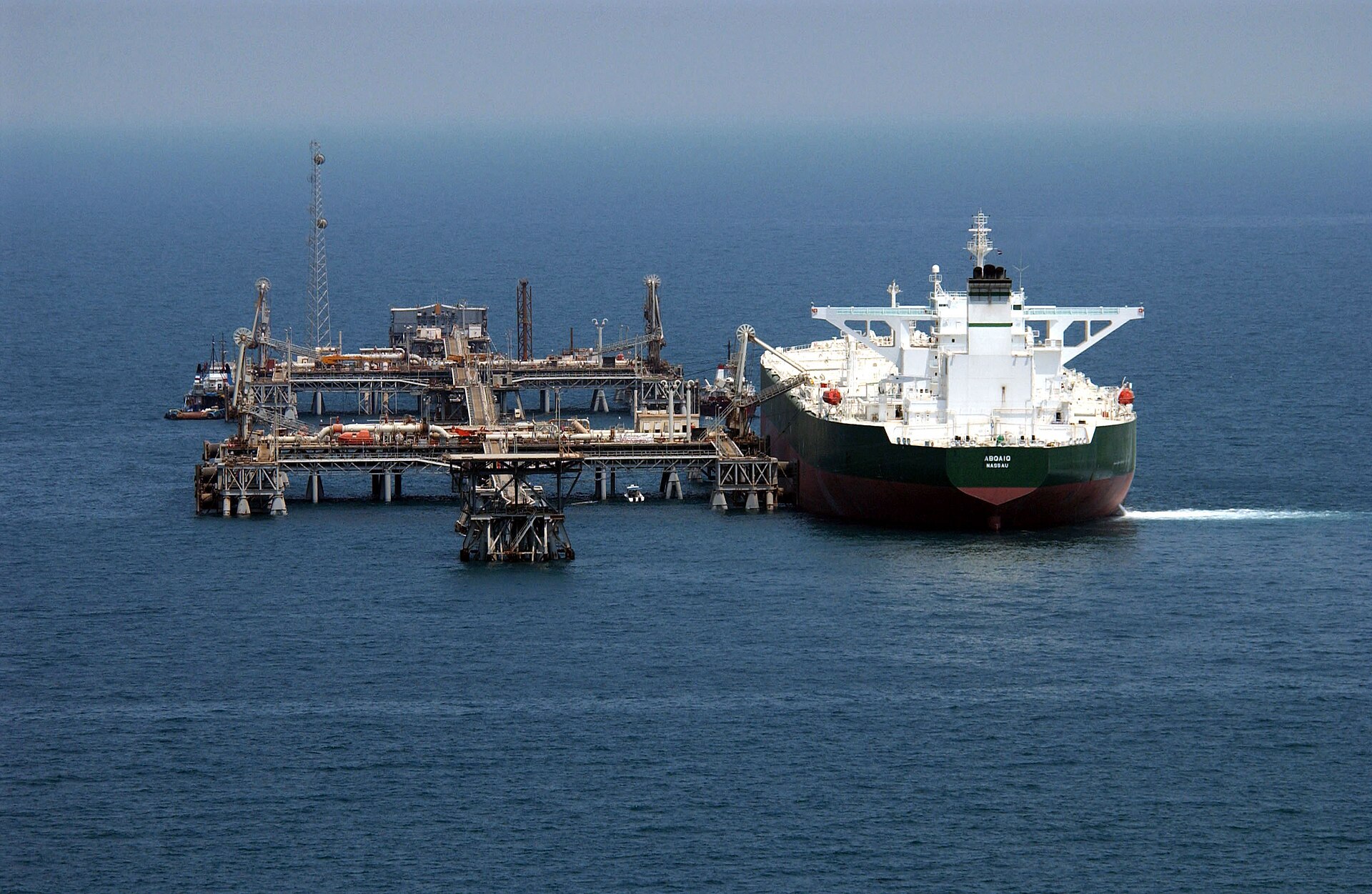

JEDDAH — Saudi Arabia on Wednesday launched emergency logistics corridors to redirect container shipping and commercial cargo from the war-disrupted Persian Gulf to its Red Sea ports, a sweeping initiative that transforms the Kingdom into the primary trade gateway for the entire Gulf Cooperation Council as the Strait of Hormuz blockade enters its third week. Minister of Transport and Logistics Services Eng. Saleh Al-Jasser announced the Western Coast Logistics Corridors Initiative during a field visit to Jeddah Islamic Port on March 12, establishing dedicated operational pathways to receive containers and goods redirected from Saudi Arabia’s eastern ports and from ports across the six GCC member states.
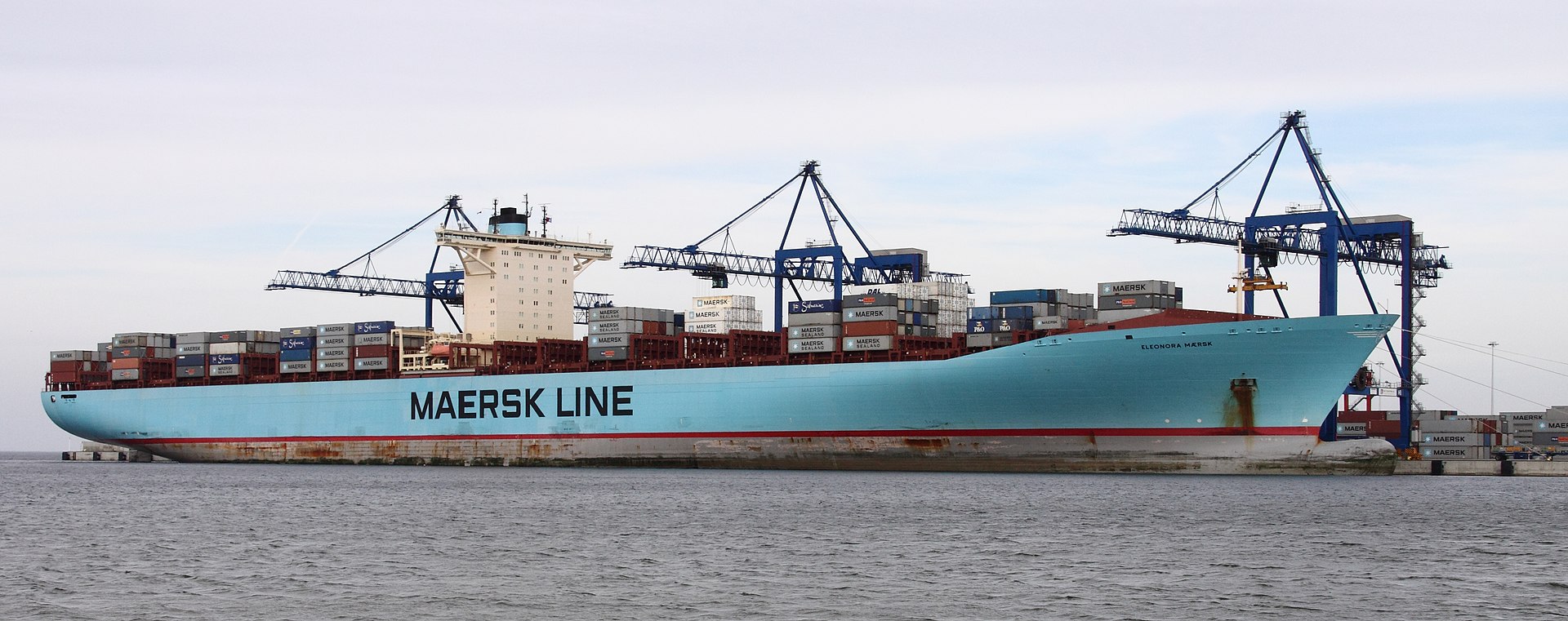
The initiative addresses a crisis that extends far beyond oil. While global attention has focused on the collapse of petroleum exports through Hormuz — where tanker traffic has plummeted more than 90 percent since February 28 — the blockade has simultaneously severed container shipping routes — stranding 3,000 vessels and 20,000 seafarers across the region — that carry everything from consumer electronics and automobile parts to food imports and pharmaceutical supplies for more than 55 million people across the Gulf states. According to Kpler maritime intelligence, approximately 170 containerships with a combined capacity of around 450,000 twenty-foot equivalent units remain trapped or restricted inside the Persian Gulf, and all three of the world’s largest container shipping lines — Maersk, CMA CGM, and Hapag-Lloyd — have suspended Hormuz transits indefinitely.
Table of Contents
- What Is Saudi Arabia’s Logistics Corridors Initiative?
- How Much Cargo Can Saudi Red Sea Ports Handle?
- The Container Crisis Behind the Oil Headlines
- Which Gulf States Stand to Benefit Most?
- ZATCA and Customs Fast-Tracking
- Beyond Petroline — Why Non-Oil Trade Needs Its Own Solution
- What Does the Hormuz Shutdown Mean for Global Supply Chains?
- Risks and Bottlenecks Ahead
- Frequently Asked Questions
What Is Saudi Arabia’s Logistics Corridors Initiative?
The Logistics Corridors Initiative creates dedicated operational pathways for commercial cargo to move from Saudi Arabia’s eastern ports and from GCC member state ports to Jeddah Islamic Port and other Saudi facilities on the Red Sea coast. The initiative was formally launched by Transport Minister Al-Jasser on March 12, 2026, with participation from Zakat, Tax and Customs Authority (ZATCA) Governor Eng. Suhail Abanmi and Saudi Ports Authority (Mawani) President Eng. Suliman Al-Mazroua.
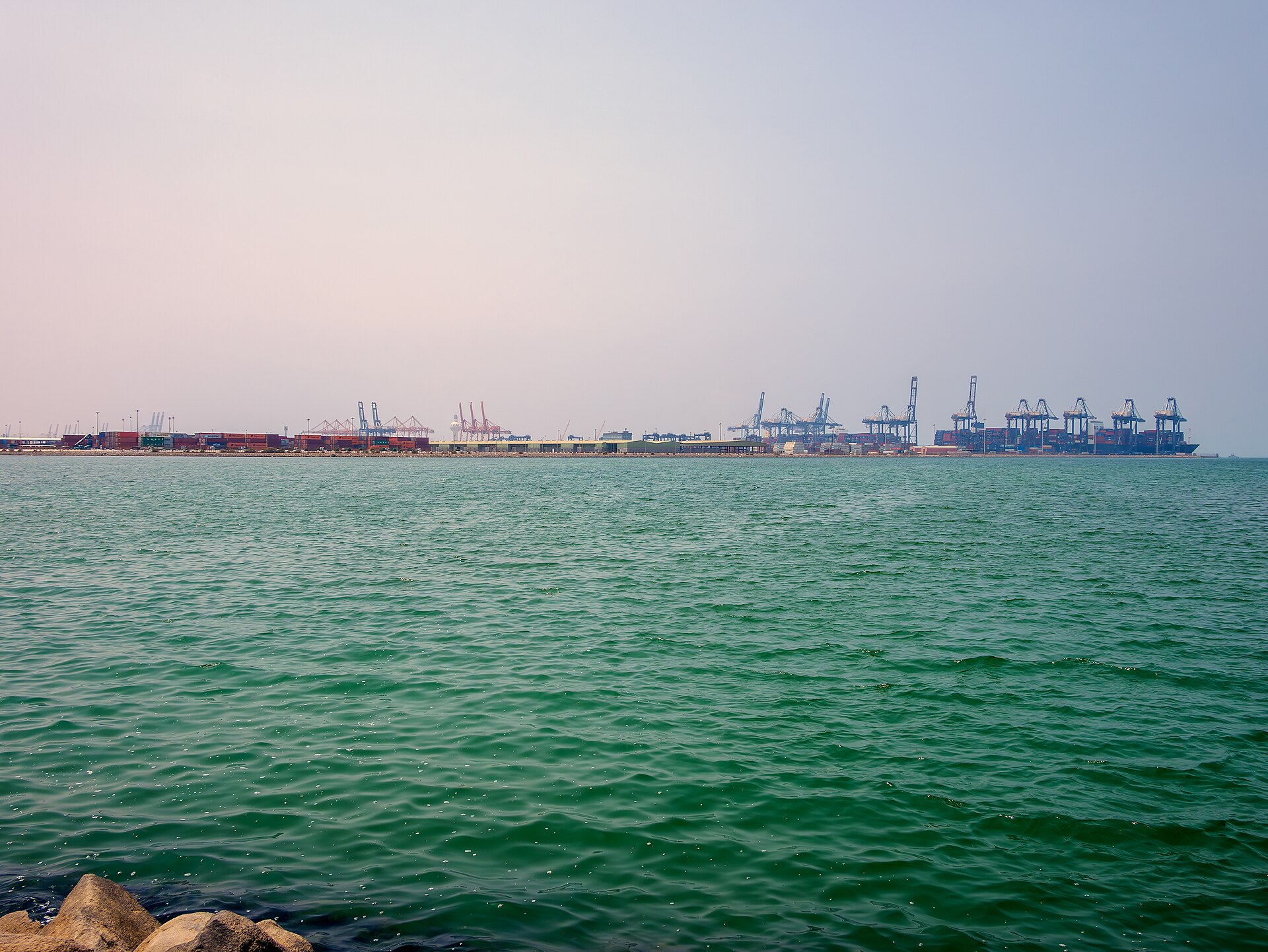
During his field visit to Jeddah Islamic Port, Al-Jasser reviewed cargo operations at the facility’s command center and inspected terminal infrastructure. He emphasized that Saudi Arabia possesses “extensive experience in crisis management and dealing with geopolitical developments,” according to a statement carried by the Saudi Press Agency. The minister noted that Saudi Red Sea ports can handle more than 17 million containers annually, providing what he described as sufficient capacity to absorb the diverted trade flows from the entire Gulf region.
The initiative operates on three pillars. The first establishes physical routing corridors between Arabian Gulf and Red Sea ports, including overland transportation links across Saudi territory. The second accelerates customs clearance through bonded warehouse zones that allow duty suspension for transit goods — a critical feature for cargo ultimately destined for re-export to other GCC states. The third coordinates with Saudi airports, which Al-Jasser confirmed are also open to aircraft from neighboring countries to support regional commerce during the crisis.
How Much Cargo Can Saudi Red Sea Ports Handle?
Saudi Arabia’s western coast port infrastructure represents one of the largest maritime networks on the Red Sea. Collectively, Saudi ports along the Red Sea coast have a combined annual capacity exceeding 18.6 million TEUs, according to data from the Saudi Ports Authority. That figure encompasses multiple facilities, with Jeddah Islamic Port serving as the flagship hub.
Jeddah Islamic Port alone features four main terminals, including the North and South Container Terminals and the Red Sea Gateway Terminal, with a combined annual capacity of approximately 7.5 million TEUs. The port underwent an $800 million expansion of its South Container Terminal completed in March 2025, boosting that terminal’s capacity from 1.8 million to 4 million TEUs, with plans to reach 5 million TEUs by the end of 2026. Quay cranes at the facility were scheduled to increase from 14 to 22 units, and a 415,000-square-meter Jeddah Logistics Park is set for completion by mid-2026.
| Port | Location | Annual TEU Capacity | Primary Function |
|---|---|---|---|
| Jeddah Islamic Port | Jeddah | 7.5 million | Container hub, general cargo |
| King Abdullah Port | King Abdullah Economic City | 3.0 million | Containers, ro-ro, bulk |
| Yanbu Commercial Port | Yanbu | 2.0 million | Oil exports, containers, bulk |
| Other Red Sea facilities | Various | 6.1 million | Regional distribution |
| Total Red Sea capacity | — | 18.6 million | — |
Saudi port throughput has been growing steadily. In June 2025, export containers increased 17.79 percent year-on-year to reach 268,587 TEUs, while import containers grew 10.68 percent to 263,253 TEUs, according to Mawani data. The growth trajectory placed Saudi Red Sea ports on track to handle between 8 and 9 million TEUs in 2025, well below their theoretical maximum — meaning substantial spare capacity exists to absorb Gulf states now scrambling for alternative trade routes.
The Container Crisis Behind the Oil Headlines
The Strait of Hormuz blockade has dominated global headlines primarily as an oil crisis. Crude tanker traffic through the 21-mile-wide waterway has collapsed by more than 90 percent since Iran’s Islamic Revolutionary Guard Corps began enforcing transit restrictions on February 28, following the joint U.S.-Israeli strikes that killed Supreme Leader Ali Khamenei. Brent crude surged above $114 per barrel in early March, and the International Energy Agency authorized a record release of 400 million barrels from strategic petroleum reserves.
The container shipping dimension of the crisis has received far less attention, despite affecting supply chains that touch virtually every household in the Gulf. Before the blockade, the Strait of Hormuz handled significant container vessel traffic serving the ports of Dubai’s Jebel Ali, Abu Dhabi, Bahrain, Kuwait, and Qatar, as well as Saudi Arabia’s own eastern ports including King Abdulaziz Port in Dammam and Jubail Commercial Port.
According to Container Magazine, the current crisis represents an unprecedented dual chokepoint emergency. For the first time in modern maritime history, the industry faces the effective closure of the only sea passage into the Persian Gulf alongside continued instability in the Red Sea — the alternative route that was already under pressure from Houthi disruptions through 2024 and 2025. Kpler maritime data from early March estimated that approximately 280 bulk carriers were stranded or trapped inside the Gulf, with the shutdown affecting approximately 18 percent of global iron ore pellet exports and nearly 10 percent of global primary aluminum production, much of it originating from Iran and Bahrain.
Which Gulf States Stand to Benefit Most?
The Logistics Corridors Initiative positions Saudi Arabia as an emergency trade intermediary for the entire GCC. The countries most immediately affected by the container shipping shutdown — and therefore most dependent on Saudi Red Sea port access — include the United Arab Emirates, Qatar, Bahrain, and Kuwait, all of which rely on maritime access through the Strait of Hormuz for the vast majority of their non-oil commercial imports.
The UAE faces the most acute disruption. Dubai’s Jebel Ali, the largest container port in the Middle East and the ninth-largest globally, handled approximately 14.1 million TEUs in 2024. With Hormuz effectively closed to commercial traffic, the emirate’s position as the region’s primary logistics hub has been severely compromised. Abu Dhabi’s Khalifa Port, which handled roughly 3.4 million TEUs, faces similar constraints. The UAE does possess the Habshan-Fujairah oil pipeline, which bypasses Hormuz for crude exports, but no equivalent bypass exists for container shipping.
Qatar, which already declared force majeure on liquefied natural gas shipments after two of its facilities were struck by Iranian missiles, faces supply chain disruptions across virtually all commercial imports. Bahrain, a small island kingdom entirely dependent on maritime access, confronts similar challenges compounded by the collapse of commercial shipping insurance for Gulf-bound vessels. Kuwait has already closed its airspace and cut oil output after Iranian strikes damaged airport infrastructure.
| Country | Primary Port TEU Volume (2024) | Hormuz Dependency (%) | Alternative Access |
|---|---|---|---|
| UAE (Jebel Ali) | 14.1 million | ~95% | Limited overland via Oman |
| Saudi Arabia (Dammam) | 2.2 million | ~40% | Red Sea ports (Jeddah, King Abdullah) |
| Qatar (Hamad Port) | 1.8 million | ~100% | Air freight only |
| Kuwait (Shuwaikh) | 1.4 million | ~100% | Limited overland via Iraq |
| Bahrain (Khalifa bin Salman) | 0.5 million | ~100% | King Fahd Causeway from Saudi |
| Oman (Sohar, Salalah) | 4.2 million | ~50% | Salalah outside Hormuz |
Saudi Arabia itself is uniquely positioned among GCC states because its geography spans both the Persian Gulf and the Red Sea. While its eastern ports — Dammam and Jubail — face the same Hormuz restrictions as other Gulf facilities, its western ports operate entirely outside the conflict zone. This geographic advantage, combined with the Kingdom’s existing road and rail network connecting east to west, underpins the entire Logistics Corridors Initiative.
ZATCA and Customs Fast-Tracking
A critical element of the initiative involves the Zakat, Tax and Customs Authority, whose governor participated directly in the launch event. ZATCA’s role centers on streamlining customs procedures for transit cargo — goods that arrive at Saudi Red Sea ports but are ultimately destined for other GCC states.
Under normal circumstances, cargo transiting through a third country faces complex customs documentation requirements, potential import duties, and inspection delays that can add days or weeks to delivery timelines. The new corridors establish bonded warehouse zones at Red Sea ports where transit goods can be stored under duty suspension, meaning importers and exporters avoid paying Saudi customs duties on cargo merely passing through the Kingdom.
ZATCA Governor Abanmi confirmed that the authority has implemented accelerated clearance protocols specifically for corridor cargo, according to the Saudi Gazette. The measures include simplified documentation for goods in transit to other GCC destinations, extended operating hours at key customs checkpoints, and digital integration between Saudi and GCC customs systems to reduce paperwork and processing delays.
The customs fast-tracking represents a significant policy shift. Saudi Arabia has historically maintained strict import controls and customs procedures that, while effective for domestic trade management, have not been optimized for large-scale transit operations. The speed with which ZATCA adapted its protocols reflects the urgency of the crisis — and the Kingdom’s recognition that becoming a reliable transit hub could generate lasting economic benefits well beyond the current conflict, reinforcing ambitions that align with the Kingdom’s broader investment strategy under Crown Prince Mohammed bin Salman.
Beyond Petroline — Why Non-Oil Trade Needs Its Own Solution
Saudi Arabia has already demonstrated it can bypass Hormuz for crude oil exports. Aramco’s East-West Pipeline, known as Petroline, is a roughly 750-mile system that transports crude across the Kingdom from the Abqaiq processing complex on the eastern Gulf coast to the port of Yanbu on the Red Sea. Since the blockade began, Red Sea crude exports from Yanbu have surged to approximately 2.47 million barrels per day — a 330 percent increase compared with pre-crisis levels, according to Bloomberg data.
Container shipping and general commercial cargo, however, cannot be pumped through a pipeline. Manufactured goods, food imports, industrial equipment, construction materials, electronics, and pharmaceutical supplies require physical transportation — ships, trucks, and rail. The Kingdom does have a road network connecting Dammam to Jeddah (approximately 1,400 kilometers across the peninsula), as well as the Saudi Railway Company’s freight network — which has since opened a 1,700-kilometre rail freight corridor stretching from Eastern Province ports to the Jordanian border, adding a critical overland artery for non-oil cargo that bypasses both the Gulf and the Red Sea. The Logistics Corridors Initiative aims to optimize these overland connections as part of the broader rerouting effort. The food import dimension is particularly acute: Saudi Arabia imports more than 80 percent of its food, and the wartime disruption has created the most severe test of the Kingdom’s food supply chain in modern history.
The challenge is scale. Before the crisis, Jebel Ali alone handled more container traffic than all of Saudi Arabia’s Red Sea ports combined. Redirecting even a fraction of that volume overland — from the eastern Gulf coast, across 1,400 kilometers of desert highway, to Red Sea ports — creates bottlenecks in trucking capacity, fuel supply, driver availability, and road infrastructure that do not exist for pipeline-transported crude.
Freight rate impacts are already materializing. Spot rates from China to the UAE had already risen 5 percent in the ten days preceding the strikes, reaching $1,572 per forty-foot equivalent unit. War risk premiums for vessels approaching the Gulf stood at approximately 0.25 percent of insured hull and machinery value before the conflict, and industry sources indicated those could now reach 0.5 percent or higher, according to Lloyd’s List. For a container vessel valued at $150 million, that translates to a premium increase from $375,000 to $750,000 for a single transit — costs that are ultimately passed to consumers across the region.
What Does the Hormuz Shutdown Mean for Global Supply Chains?
The disruption extends well beyond the Gulf. According to maritime intelligence firm Windward, the Strait of Hormuz shutdown has created cascading effects across global shipping networks. Approximately 18 percent of global iron ore pellet exports, primarily originating from Iran and Bahrain, have been disrupted. Nearly 10 percent of global primary aluminum production, centered in the Gulf’s industrial zones, faces similar supply chain breaks.
Dry bulk transits through the Strait have fallen by approximately 91 percent, with an estimated 280 bulk carriers currently stranded or trapped inside the Gulf, according to Kpler data from early March. The disruption affects globally significant commodity flows including fertilizer exports from Saudi Arabia, Qatar, and the UAE — supplies that underpin agricultural production across South Asia and East Africa.
The industrial metals disruption may prove even more consequential. The blockade has trapped Gulf aluminum output and severed Iranian copper exports, creating a metals supply crisis that Red Sea corridors alone cannot resolve — the raw volumes and specialized port infrastructure required for bulk mineral shipments far exceed what overland rerouting can accommodate.
The automotive industry faces particular exposure. Gulf ports historically serve as redistribution hubs for vehicle imports destined for markets across the Middle East, North Africa, and parts of South Asia. TransGlobal, a logistics consultancy, reported that vehicle shipments through Hormuz have effectively ceased, with carriers rerouting around the Cape of Good Hope — adding approximately 10 to 14 days and significant cost to delivery timelines.
The electronic components supply chain, already strained by pandemic-era disruptions and the 2024 Red Sea crisis, faces yet another chokepoint challenge. Dubai’s free trade zones, particularly Jebel Ali Free Zone, function as a central redistribution point for technology products entering Middle Eastern, African, and Central Asian markets. With those zones now cut off from their primary maritime supply lines, Saudi Arabia’s Red Sea corridors represent one of the few viable alternatives for maintaining trade flows to the region.
Risks and Bottlenecks Ahead
The Logistics Corridors Initiative addresses an urgent need, but significant challenges remain. The initiative’s success depends on factors that extend beyond port capacity and customs protocols.
Overland transportation capacity represents the most immediate constraint. Saudi Arabia’s road network can physically accommodate increased truck traffic between its eastern and western coasts, but the trucking industry faces driver shortages, fuel logistics challenges, and maintenance capacity limits that cannot be resolved overnight. The Kingdom’s rail network, while expanding under Vision 2030, was not designed for the volume of freight now required.
The insurance crisis complicating Gulf shipping also affects cargo arriving at eastern Saudi ports. Vessels approaching King Abdulaziz Port in Dammam or Jubail Commercial Port face the same elevated war risk premiums and coverage restrictions as ships heading to any other Gulf port. The corridor system’s effectiveness depends on cargo being able to reach Saudi eastern ports in the first place — or on shippers routing directly to Red Sea ports from origin, which requires complete reconfiguration of existing shipping routes.
Regional cooperation is essential but uncertain. The initiative’s premise — that GCC member states will route their commercial cargo through Saudi territory — requires trust, coordination, and acceptance of logistical dependencies that some Gulf states may find uncomfortable. The UAE in particular has historically competed with Saudi Arabia for regional logistics dominance, and routing Dubai-destined cargo through Jeddah reverses a decades-long competitive dynamic.
The duration of the crisis will ultimately determine whether Saudi Arabia’s Red Sea corridors function as an emergency workaround or evolve into permanent infrastructure. If the Hormuz blockade persists for weeks rather than days, the economic incentive for GCC states to invest in Saudi transit infrastructure grows substantially — potentially reshaping the Kingdom’s role in regional trade architecture long after the current conflict ends.
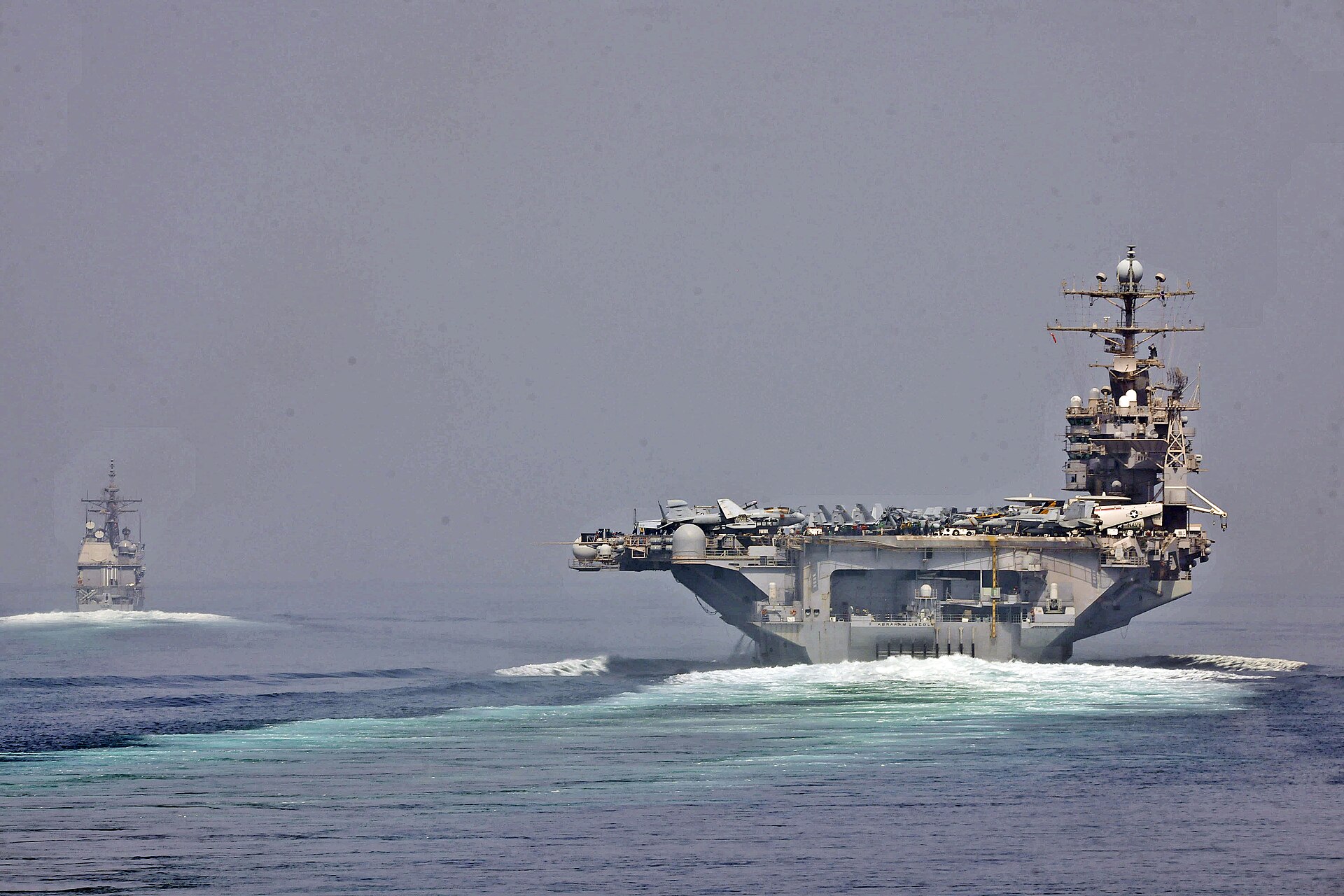
The timeline for that conflict’s resolution depends heavily on whether the Western naval powers can reopen the Strait of Hormuz itself. The G7’s Operation Maritime Shield escort plan aims to restore tanker convoys through the strait, but mine warfare challenges and the collapse of shipping insurance suggest that Saudi Arabia’s Red Sea corridors may prove necessary far longer than originally anticipated.
Frequently Asked Questions
What is the Saudi Arabia Logistics Corridors Initiative?
The Logistics Corridors Initiative is an emergency program launched on March 12, 2026, by Saudi Transport Minister Saleh Al-Jasser. It creates dedicated operational pathways to redirect container shipping and commercial cargo from the war-disrupted Persian Gulf to Saudi Arabia’s Red Sea ports, primarily Jeddah Islamic Port, to maintain trade flows for the entire GCC region during the Strait of Hormuz blockade.
How many containers can Saudi Red Sea ports handle?
Saudi Arabia’s Red Sea ports collectively possess annual capacity exceeding 18.6 million twenty-foot equivalent units (TEUs), according to the Saudi Ports Authority. Jeddah Islamic Port alone handles approximately 7.5 million TEUs annually after its $800 million South Container Terminal expansion completed in 2025. Much of this capacity was historically underutilized, providing significant room to absorb diverted Gulf trade.
Why can’t Saudi Arabia just use its oil pipeline for all cargo?
Aramco’s East-West Pipeline (Petroline) transports crude oil from the eastern Gulf coast to the Red Sea port of Yanbu, and exports through that route have surged 330 percent since the crisis began. However, pipelines can only move liquid petroleum products. Manufactured goods, food imports, electronics, industrial equipment, and other commercial cargo require physical transportation by ship, truck, or rail — which is what the Logistics Corridors Initiative addresses.
Which countries benefit most from Saudi Arabia’s Red Sea corridors?
Qatar, Bahrain, and Kuwait face the most acute need, as they are nearly 100 percent dependent on maritime access through the Strait of Hormuz for commercial imports and possess minimal alternative routes. The UAE, while it has some overland access through Oman, stands to benefit significantly given that its flagship Jebel Ali port — which handled 14.1 million TEUs in 2024 — is now effectively cut off from international shipping lines.
How long will the Logistics Corridors Initiative operate?
Saudi officials have not specified an end date. The initiative was launched as an emergency response to the Hormuz blockade, but its infrastructure — bonded warehouse zones, accelerated customs protocols, and routing corridors — could become permanent fixtures of Saudi Arabia’s logistics network. The duration depends primarily on when commercial shipping through the Strait of Hormuz resumes safely, which remains uncertain as the Iran war enters its third week.