
Few souvenirs capture the essence of Saudi Arabia quite like a box of premium dates. The Kingdom is the world’s second-largest date producer, harvesting over 1.5 million tonnes annually from more than 31 million palm trees, and dates have been central to Arabian hospitality for thousands of years. Whether you are planning a broader trip to Saudi Arabia, returning from Hajj or Umrah, or simply searching for a meaningful gift, understanding Saudi date varieties — and knowing where to find them — will transform a routine purchase into a genuinely memorable experience. This guide walks you through the best varieties, the markets and boutiques worth visiting, and the cultural etiquette of gifting dates in the Kingdom.
Best Time to Buy: July–October (fresh harvest season), though premium dried dates are available year-round
Where to Shop: Medina Central Date Market, Souq Al Tamr (Riyadh), Al Balad (Jeddah), Buraidah Date Festival (August)
Visa Required: Yes — tourist e-visa
Budget: SAR 20–100/kg ($5–27) for loose dates; SAR 75–600+ ($20–160+) for luxury gift boxes
Must-Try: Ajwa (Medina’s holy date), Sukkari (the sugar date of Qassim), Khalas (the caramel coffee companion)
Avoid: Buying dates from unlicensed airport kiosks — quality varies wildly and prices are inflated
Why Saudi Dates Are Special
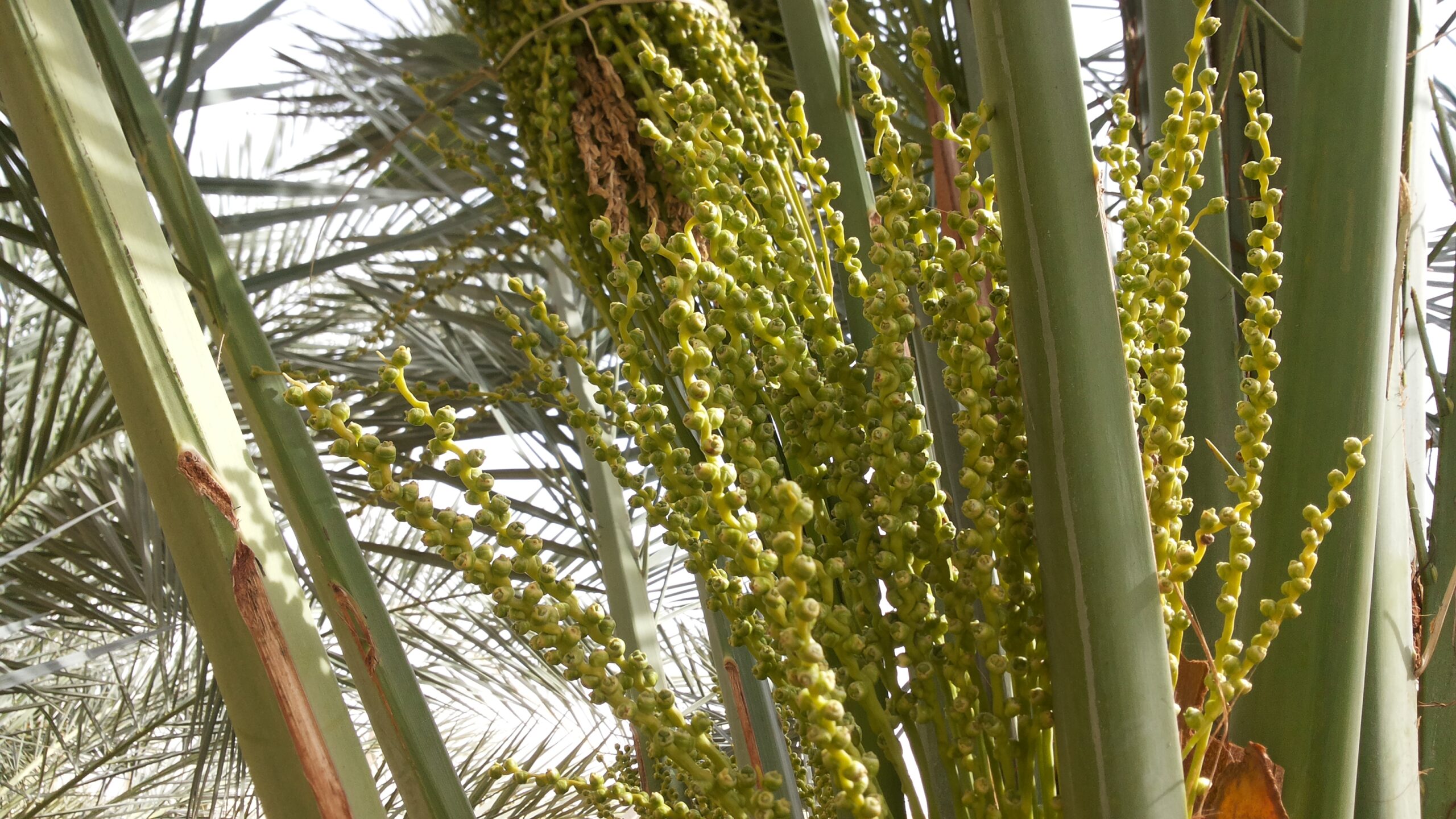
Saudi Arabia’s relationship with the date palm (Phoenix dactylifera) stretches back at least 6,000 years. The Kingdom cultivates more than 400 documented varieties across its diverse climate zones — from the cooler highlands of Al Qassim and Medina in the west to the humid oasis belt of Al Ahsa in the Eastern Province. The date palm is so culturally significant that it appears on Saudi Arabia’s national emblem, crossed beneath two swords.
What makes Saudi dates distinctive is terroir. The same variety grown in Medina tastes noticeably different from one grown in Al Qassim, much like wine grapes respond to their specific soil, altitude and water source. Medina’s volcanic soil gives Ajwa dates their characteristic mineral depth. Al Ahsa’s ancient spring-fed irrigation, recognised as a UNESCO World Heritage Site, produces Khalas dates with an unmistakable butterscotch sweetness. These are not interchangeable commodities — each region’s dates carry a genuine sense of place.
The Best Saudi Date Varieties
With hundreds of cultivars in production, choosing can feel overwhelming. These are the varieties most worth seeking out — whether you are buying for yourself, gifting to family, or stocking up for Ramadan.
Ajwa — The Holy Date of Medina
Ajwa is the most revered date in the Islamic world. Grown exclusively in the Medina region — specifically in and around Wadi Al Ajwa, the valley from which it takes its name — the Ajwa is a soft, dark-brown to near-black date with fine wrinkled skin and a rich, prune-like sweetness. It has deep religious significance: a hadith in Sahih Bukhari records that the Prophet Muhammad said “whoever eats seven Ajwa dates in the morning will not be harmed by poison or magic that day.” This makes Ajwa by far the most popular Hajj and Umrah souvenir.
Taste: Sweet and smooth with a subtle mineral undertone from Medina’s volcanic soil. Less sugary than Sukkari, more complex than Medjool.
Texture: Soft, slightly dry, pleasantly chewy
Price: SAR 35–100/kg ($9–27) depending on grade. Premium hand-sorted Ajwa from established Medina farms commands the highest prices.
Buying tip: Genuine Ajwa dates are only grown in the Medina region. If the price seems unusually low, the dates may be Safawi (a similar-looking dark date) sold under the Ajwa name. Buy from established shops near the Prophet’s Mosque or directly from certified farms.
Sukkari — The Sugar Date of Qassim
If Ajwa is the spiritual date, Sukkari is the everyday favourite. Its Arabic name derives from sukkar (sugar), and the sweetness lives up to the billing. Grown primarily in the Al Qassim region — Saudi Arabia’s agricultural heartland — Sukkari dates come in two forms: rutab (soft, golden, often sold fresh) and tamr (dried, darker, with a crispier texture and concentrated sweetness).
Taste: Intensely sweet with caramel notes. The soft rutab variety has a honey-like quality; the dried version is crisper with a more concentrated flavour.
Texture: Ranges from meltingly soft (rutab) to pleasantly crisp (tamr)
Price: SAR 25–60/kg ($7–16). Excellent value for the quality.
Khalas — The Arabic Coffee Companion
Khalas dates are the traditional pairing with Saudi Arabic coffee (qahwa). Grown mainly in Al Kharj (south of Riyadh) and Al Qassim, Khalas are medium-sized, golden-amber to dark brown, with a distinctive sticky texture and a rich caramel flavour that balances beautifully against the cardamom bitterness of traditional coffee. If you attend any Saudi social gathering, these are the dates you will almost certainly be offered.
Taste: Rich butterscotch and caramel, with a lingering toffee finish
Texture: Soft, sticky, slightly fibrous
Price: SAR 30–70/kg ($8–19)
Medjool — The Queen of Dates
Medjool is the variety most familiar to Western palates — the large, plump, caramel-sweet date found in health food shops worldwide. While originally Moroccan, Saudi Arabia now cultivates significant Medjool plantations. Saudi-grown Medjools tend to be slightly drier than their Californian or Jordanian counterparts, with a more pronounced depth of flavour.
Taste: Strong caramel sweetness with hints of vanilla and honey
Texture: Large, soft, thick-skinned, satisfyingly meaty
Price: SAR 25–70/kg ($7–19)
Safawi — Medina’s Everyday Date
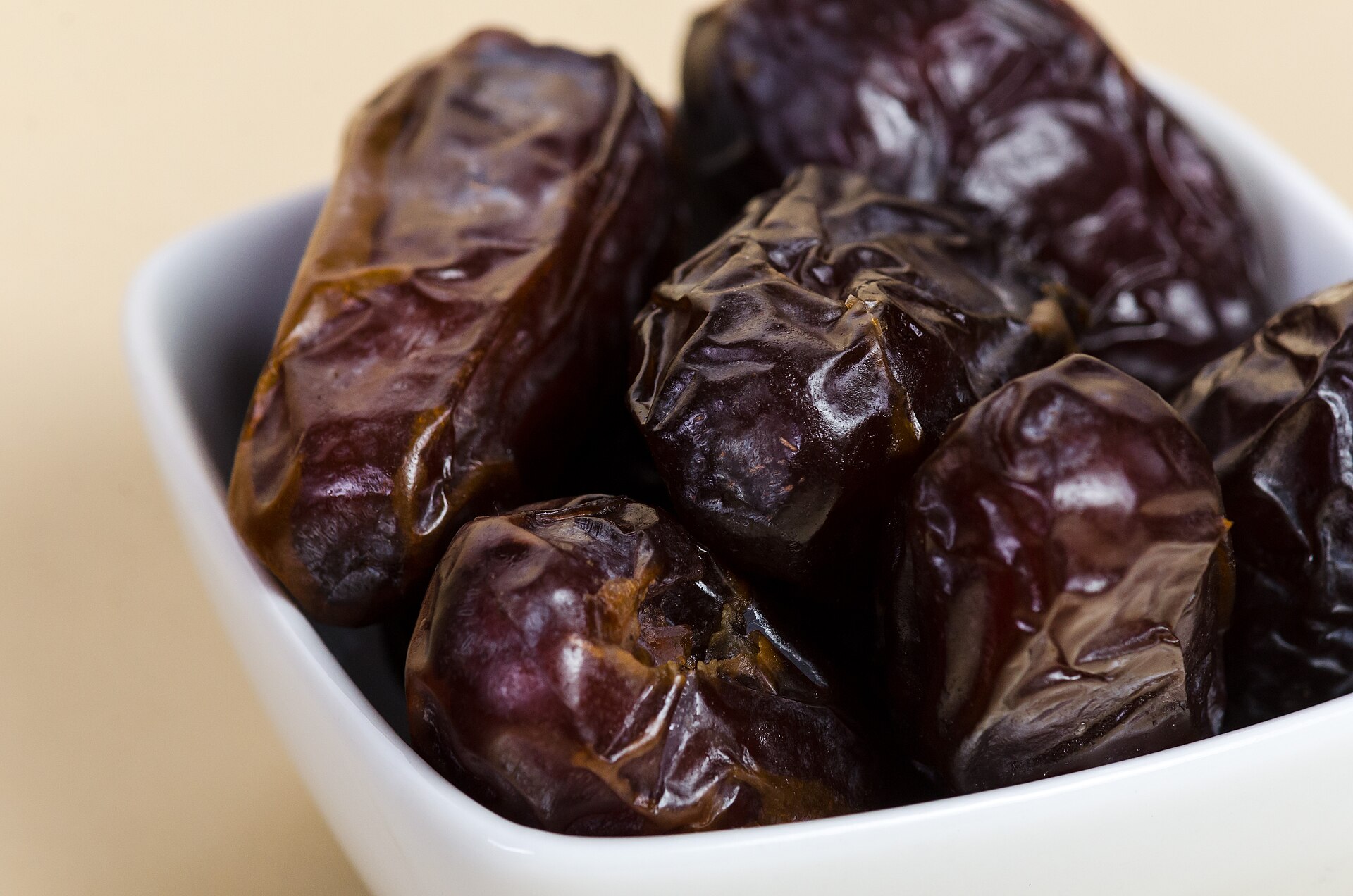
Often confused with Ajwa due to its similar dark colour, Safawi is a semi-dry date grown in the Medina region. It is more commercially available and significantly cheaper than Ajwa, making it an excellent value choice. Safawi dates are high in vitamins and minerals and have a pleasantly mild sweetness.
Taste: Mildly sweet, less complex than Ajwa
Texture: Soft, semi-dry, chewy
Price: SAR 20–40/kg ($5–11)
Barhi — The Butterscotch Date
Barhi dates are unusual in that they are often sold and eaten at the khalal (semi-ripe) stage — bright yellow, crunchy, and mildly tangy, almost like a crisp apple. When fully ripe at the tamr stage, they develop a deep brown-sugar and butterscotch flavour. Fresh khalal Barhi are a seasonal delicacy available only during the summer harvest months (July–September) and are often sold still attached to thin branches.
Taste: Khalal: crisp, slightly astringent. Tamr: rich butterscotch and brown sugar
Texture: Khalal: crunchy. Tamr: soft and creamy
Price: SAR 20–50/kg ($5–14)
Mabroom — The Elongated Toffee Date
Mabroom dates are instantly recognisable by their long, slender shape and distinctive pinkish-amber to golden-brown colour. Grown primarily in the Medina region, they have a chewy, slightly sticky texture and a smooth, toffee-like flavour. Mabroom is a popular choice for Hajj gifts because it stores and travels exceptionally well.
Taste: Smooth, mildly sweet with toffee notes
Texture: Chewy, slightly sticky
Price: SAR 30–60/kg ($8–16)
Khudri — The Export Champion
Khudri dates are Saudi Arabia’s most widely exported variety — dark brown, moderately sweet, and reliably consistent. They are the workhorse of the Saudi date industry: affordable, long-lasting, and available in every supermarket and souk in the Kingdom. While not as complex as Ajwa or Khalas, Khudri dates are excellent for everyday eating and cooking.
Taste: Moderately sweet with mild caramel notes
Texture: Dry, firm, chewy
Price: SAR 15–30/kg ($4–8)
Saghai (Segai) — The Two-Tone Date
One of the most visually striking varieties, Saghai dates feature a unique two-tone colouring — golden at the top and dark brown at the base. Grown mainly near Riyadh, they offer a mild, balanced sweetness and a crisp-yet-soft texture that makes them a popular choice for hospitality trays and gift boxes.
Taste: Mild, balanced sweetness
Texture: Crisp exterior, soft interior
Price: SAR 25–50/kg ($7–14)
Date Variety Comparison
| Variety | Region | Sweetness | Texture | Price (SAR/kg) | Best For |
|---|---|---|---|---|---|
| Ajwa | Medina | Medium-high | Soft, chewy | 35–100 | Religious gifts, Hajj souvenirs |
| Sukkari | Al Qassim | Very high | Soft to crisp | 25–60 | Everyday eating, Ramadan |
| Khalas | Al Kharj, Al Qassim | High | Soft, sticky | 30–70 | Pairing with Arabic coffee |
| Medjool | Various | High | Soft, meaty | 25–70 | Snacking, smoothies, baking |
| Safawi | Medina | Medium | Semi-dry | 20–40 | Value alternative to Ajwa |
| Barhi | Various | Medium–high | Crunchy to soft | 20–50 | Fresh seasonal eating |
| Mabroom | Medina | Medium | Chewy | 30–60 | Gifts, travel-friendly |
| Khudri | Various | Moderate | Dry, firm | 15–30 | Cooking, bulk purchases |
| Saghai | Riyadh | Mild | Crisp-soft | 25–50 | Hospitality trays, gift boxes |
Where to Buy Dates in Saudi Arabia
From traditional souks piled high with loose dates to sleek luxury boutiques offering chocolate-dipped confections, Saudi Arabia offers every kind of date-shopping experience. Here are the destinations worth making a detour for.
Medina — Central Date Market (Souq Al Tumor)
The undisputed capital of Saudi dates. Located within walking distance of the Prophet’s Mosque, Medina’s Central Date Market is a sensory experience: dozens of stalls displaying over 150 varieties, owners pressing samples into your hand, and the sweet, earthy aroma of fresh dates filling every aisle. This is where to buy Ajwa, Safawi and Mabroom directly from Medina-region farms. If you are visiting for Hajj or Umrah, this market is essential.
Practical tip: Visit early morning for the freshest selection and fewer crowds. Bargaining is customary — start at about 70% of the asking price. Most vendors accept card payments, but having cash gives you better negotiating leverage.
Riyadh — Souq Al Tamr (Date Souk)
Riyadh’s dedicated date market is an open-air souk offering every major Saudi variety. It is particularly good for Sukkari and Khalas dates sourced from the farms of Al Qassim and Al Kharj. The market is busiest during Ramadan, when families stock up for iftar. If you are spending time in the capital as part of a wider Riyadh itinerary, this is a worthwhile stop.
Jeddah — Al Balad Historic District
The UNESCO-listed old quarter of Jeddah is home to family-run date shops that have been trading for generations. Wander the narrow coral-stone alleyways and you will find hand-packed boxes of Sukkari and Medjool alongside local honey, Arabic coffee and spices. The presentation here is more artisanal than the large Medina and Riyadh souks — ideal for assembling your own bespoke gift selection.
Al Qassim — Buraidah Date Festival
For the most immersive date-buying experience in the world, time your visit for the Buraidah Date Festival, held annually from late July through September in the Qassim region. This is the world’s largest date market, with an estimated 2,000+ tonnes traded daily at peak season. Farmers from across the Kingdom bring their harvest here, and prices are often 30–50% lower than urban retail. The festival is also a cultural event, with palm-weaving demonstrations, date tastings and live auctions.
Al Ahsa — Farm-Gate Buying in the World’s Largest Oasis
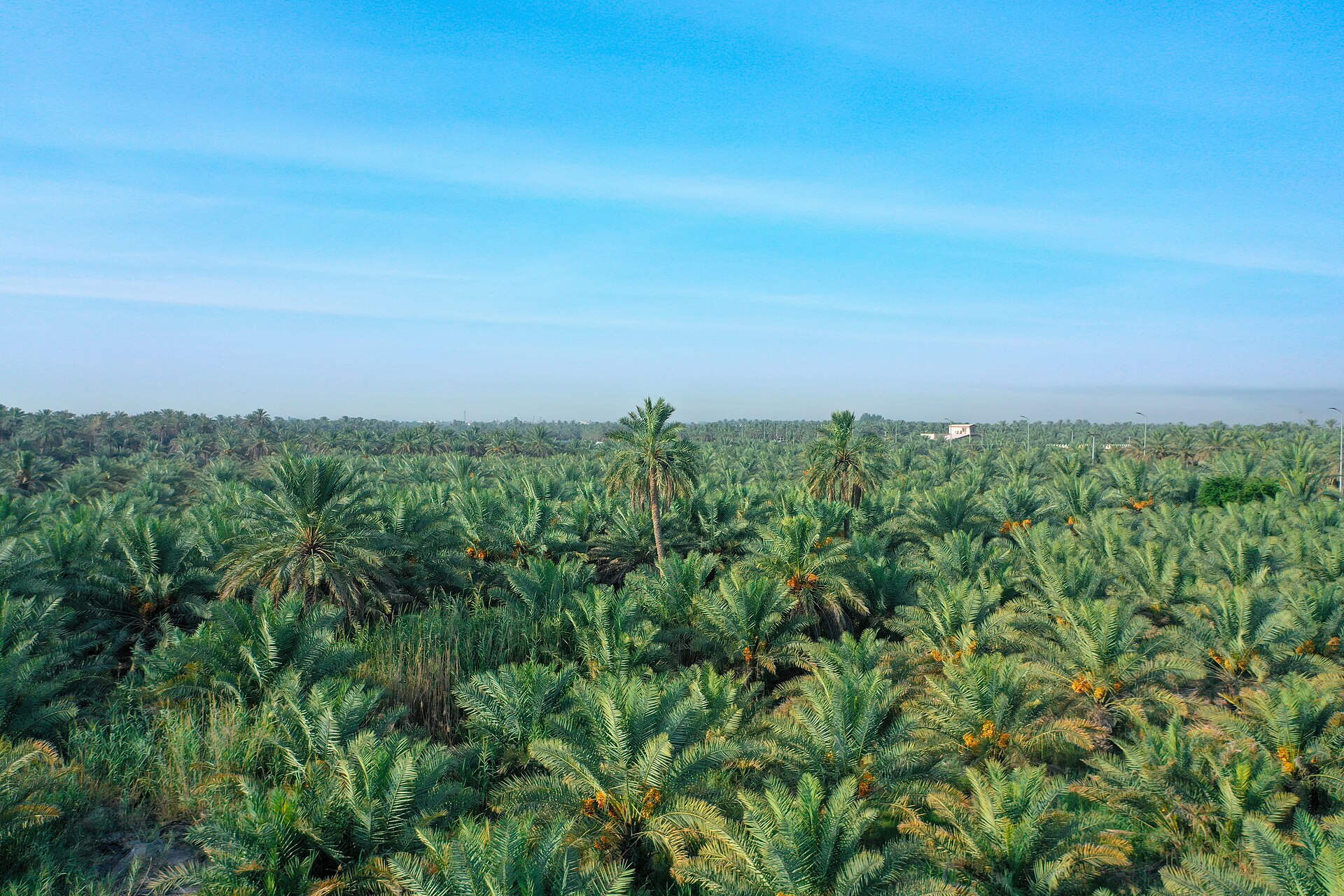
The Al Ahsa oasis in the Eastern Province is a UNESCO World Heritage Site and home to 2.5 million date palm trees fed by ancient natural springs. Khalas dates from Al Ahsa are considered the gold standard. During harvest season (August–October), visitors can buy directly from farms and taste fresh dates straight from the tree — an experience unavailable anywhere else in the Kingdom.
Luxury Boutiques — Bateel, Tamrah and Al Nakheel
Bateel is the most prestigious date brand in Saudi Arabia, offering organic, single-origin dates in elegant gift packaging. Founded in the Kingdom, Bateel operates boutiques across Riyadh, Jeddah and major malls. Their range includes plain premium dates (from SAR 75 for a small gift box), chocolate-dipped dates stuffed with almonds or candied orange peel, and date-based pastries and jams. For high-end corporate or wedding gifts, Bateel’s signature wooden boxes (SAR 475–605+) are the standard choice.
Tamrah specialises in chocolate-covered dates — dark chocolate with pistachio, milk chocolate with almond, white chocolate with coconut — in contemporary gift packaging. Their boxes are widely available in Saudi malls and make excellent, portable souvenirs.
Al Nakheel focuses on organic, sustainably farmed dates, with shops in Riyadh, Jeddah and Dammam. They are a good mid-range option between the souk experience and Bateel’s luxury positioning.
Airport Shopping — A Last Resort
All major Saudi airports (Riyadh King Khalid, Jeddah King Abdulaziz, Dammam King Fahd) have date shops in their departure terminals. Prices are marked up 50–100% compared with souks, and the selection is narrower. If you forgot to buy dates during your trip, airport shops will do — but plan ahead if possible.
How to Gift Dates — Saudi Etiquette and Traditions
Dates are not just food in Saudi Arabia — they are a cultural currency. Understanding the etiquette around giving and receiving dates will help you navigate Saudi social situations with confidence and respect.
When Dates Make the Perfect Gift
- Hajj and Umrah: Returning pilgrims are expected to bring dates home for family and friends. Ajwa from Medina is the most valued. It is customary to distribute small bags or boxes to neighbours, colleagues and extended family — buy in bulk.
- Ramadan and Eid: Dates are the traditional iftar food, eaten to break the daily fast following the Prophetic tradition. A beautifully presented box of premium dates is one of the most appreciated Ramadan gifts. During Eid al-Fitr, date gift boxes are exchanged alongside sweets and chocolates.
- Home visits: When invited to a Saudi home, bringing dates, Arabic sweets, or flowers is customary. A box of Bateel or Tamrah dates is a reliable, always-welcome choice.
- Business gifts: Premium date gift boxes are standard corporate gifts in Saudi Arabia, particularly during Ramadan. They are professional, culturally appropriate and universally appreciated.
- Weddings: Dates and date-based sweets are traditional wedding favours. Luxury brands offer bespoke wedding packaging with personalised messaging.
- Offer with the right hand or both hands — never the left hand alone.
- The recipient may decline initially out of politeness. Gently insist — this is a normal part of Saudi gift-exchange etiquette. After a brief exchange, the gift will be accepted graciously.
- Do not expect the gift to be opened in front of you. In Saudi culture, gifts are typically opened privately unless the recipient insists otherwise.
- Odd numbers are preferred for dates served as hospitality. When offering dates to guests, serve 1, 3, 5 or 7 pieces — following the Prophetic tradition.
- Pair dates with Arabic coffee. If hosting, serve dates alongside qahwa (cardamom-spiced Arabic coffee) in small finjan cups. Khalas and Sukkari are the traditional pairings. This is not just hospitality — it is a cultural ritual that your guests will appreciate deeply.
- Dried and semi-dry varieties (Khudri, Safawi, Mabroom, dried Sukkari) keep for 6–12 months at room temperature in an airtight container. Refrigeration extends this to 18+ months.
- Soft varieties (fresh Ajwa, rutab Sukkari, Medjool, Khalas) are best refrigerated and consumed within 2–3 months. Freezing extends shelf life to a year or more without significant quality loss.
- For airline travel: Dates are permitted in both carry-on and checked luggage. Vacuum-sealed packs are ideal. Most pre-packaged gift boxes from Saudi brands are designed to survive transit. Allow for weight — a generous date haul can easily add 5–10 kg to your luggage.
- Customs: Most countries allow dried dates as a food import. The US, EU, UK and Australia all permit dates in personal luggage. Check your destination’s agricultural import rules for fresh (soft/moist) dates, which some countries may restrict.
- Date syrup (dibs): A thick, dark syrup used as a natural sweetener for pancakes, porridge, yoghurt and marinades. A staple of Saudi kitchens.
- Date paste (ajwa paste): Used as a filling for maamoul cookies and other Middle Eastern pastries. Available in jars from most date shops.
- Date vinegar: A traditional condiment with a complex, slightly sweet tang. Increasingly marketed as a health product.
- Chocolate-covered dates: Stuffed with almonds, walnuts, pistachios, candied orange peel or marzipan, then coated in dark, milk or white chocolate. Tamrah and Bateel lead this category.
- Date coffee: Roasted date seeds ground into a caffeine-free coffee alternative. A niche product gaining popularity in health-conscious circles.
- Date honey (date molasses): Not honey at all, but a concentrated date extract used in cooking and as a spread. Different from date syrup — thicker and more intensely flavoured.
- Glossiness: Quality dates have a natural sheen. Avoid dates that look overly oily (some vendors coat low-grade dates in oil to mimic freshness).
- Uniformity: Within a single variety, dates should be similar in size and colour. Mixed sizing suggests mixed batches.
- No crystallisation: White sugar crystals on the surface indicate old stock or poor storage.
- Taste before buying: Every reputable souk vendor will let you sample. Never buy without tasting.
- Check the harvest date: Pre-packaged dates should show a production or harvest date. Current-season dates (within 6–12 months) are always preferable.
- Saudi Arabia Travel Guide 2026 — The complete guide to visiting the Kingdom
- Saudi Arabia Food Guide — Traditional dishes, restaurants and dining tips across the Kingdom
- Hajj 2026 Guide — Dates, costs, packages, rituals and everything you need to know
- Riyadh Travel Guide — Complete guide to the Saudi capital
- Jeddah Travel Guide — History, food, Red Sea coast and the gateway to Makkah
- Saudi Arabia Visa Guide — Every visa type explained
Presentation Matters
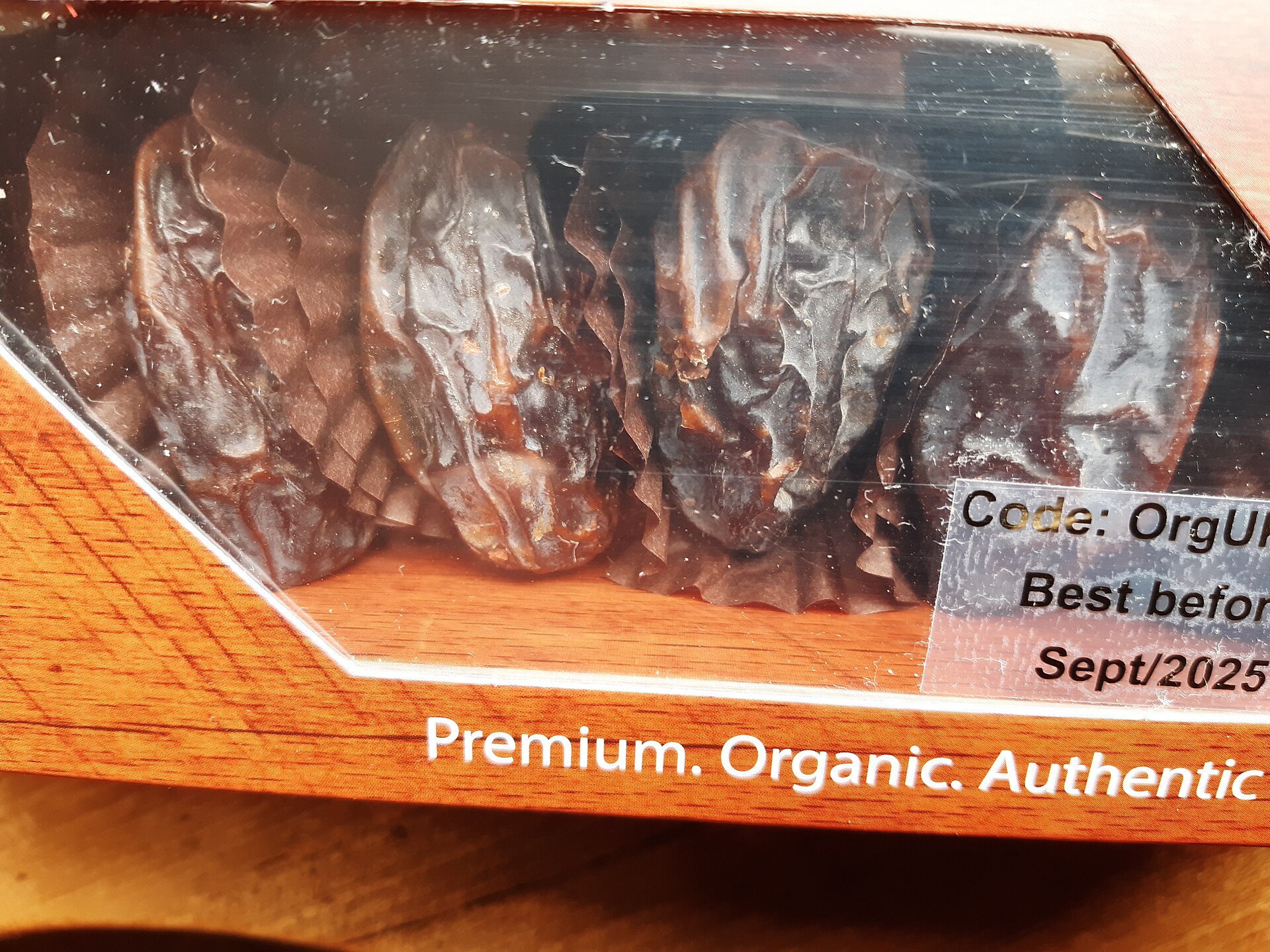
In Saudi culture, the presentation of a gift is as important as the gift itself. Dates bought loose from a souk should be repackaged in a clean box or tin. Many souk vendors offer basic gift packaging for a small fee. For more formal occasions, opt for pre-packaged gift boxes from Bateel, Tamrah, or similar brands.
Cultural Etiquette Tips
Storing and Transporting Dates
Saudi dates travel well, but proper storage makes a significant difference to shelf life and flavour.
Date Products Beyond the Whole Fruit
The Saudi date industry has expanded far beyond the whole fruit. These derivative products make excellent gifts and are widely available in markets and boutiques.
Visiting Date Farms
For travellers wanting to go beyond the souk, several Saudi regions offer farm visits and agritourism experiences.
Al Ahsa, Eastern Province: The UNESCO-listed oasis offers farm tours where visitors walk through dense palm groves, learn about traditional irrigation systems and taste dates fresh from the tree. The best time to visit is August–October during the Khalas harvest. Al Ahsa is easily accessible from Dammam and Al Khobar.
Medina: Alia Al-Madinah Farms is one of several agricultural tourism destinations near the city, combining traditional Ajwa date cultivation with cultural heritage experiences. Open to visitors year-round, though the harvest season (July–September) is the most rewarding time.
Al Qassim: The region between Riyadh and Medina is Saudi Arabia’s most productive date-farming area, contributing nearly 400,000 tonnes annually. During the Buraidah Date Festival, several farms open their gates to visitors for guided tours and tastings.
Practical Information
Best Time to Buy
The Saudi date harvest runs from July to October, with peak season in August and September. This is when you can buy fresh rutab dates, experience the Buraidah Date Festival, and visit farms. Dried and semi-dry dates are available year-round at consistent quality, so there is no bad time to shop — but the harvest season adds a dimension of freshness and variety that the rest of the year cannot match.
Prices and Bargaining
Souk prices are negotiable. Start at about 70% of the quoted price and settle around 80–85%. Luxury boutiques (Bateel, Tamrah) operate at fixed prices. Supermarket dates (Lulu, Carrefour, Tamimi) are fixed-price and generally 20–30% cheaper than souks, but with less variety and no tasting experience.
Getting to Key Date Destinations
All of Saudi Arabia’s major date-shopping destinations are accessible via the Kingdom’s expanding domestic flight and rail network. The Haramain High-Speed Railway connects Jeddah and Medina in about two hours. Riyadh to Dammam (for Al Ahsa access) is served by Saudi Railway. Budget carriers like flynas and flyadeal offer cheap domestic fares. You will need a tourist e-visa — the online process takes about five minutes for citizens of 63 eligible countries.
What to Look for When Buying
Dates and Saudi Hospitality
If there is one thing to remember about dates in Saudi Arabia, it is this: they are inseparable from hospitality. When you arrive at a Saudi home, you will be offered dates and coffee before anything else. When you sit down in a traditional restaurant, a small plate of dates will appear alongside your Arabic coffee. At hotels, dates are placed on your pillow or beside the tea service. In meetings, dates are served with tea as a sign of welcome.
This is not decoration — it is a cultural practice with roots stretching back millennia, when the date palm was the primary source of nutrition across the Arabian Peninsula. Accepting dates when offered, eating at least one, and expressing appreciation is a small gesture that communicates genuine respect for Saudi culture. Refusing dates — especially when offered by a host in their home — would be considered impolite.
For visitors exploring the Kingdom’s luxury travel experiences or its evening entertainment scene, dates remain a constant thread connecting every level of Saudi social life.