
RIYADH — Saudi Arabia spent a single weekend calling for peace, lobbying for war, and denying it had done either. On March 29, Saudi Foreign Minister Prince Faisal bin Farhan co-signed a quadrilateral statement in Islamabad with Pakistan, Turkey, and Egypt demanding an “immediate and permanent end” to the Iran conflict. On March 30, the Washington Post reported that Saudi Arabia had been privately urging President Donald Trump to keep fighting until Iran was “decisively defeated.” Hours later, the Saudi Embassy in Washington issued a formal denial, insisting the Kingdom had “at no point” lobbied the President to adopt a different policy.
Three positions, one weekend, zero internal consistency. The contradiction is not an accident or a diplomatic misfire — it is the architecture of Saudi war policy at Day 31 of the conflict, and it reveals more about Riyadh’s strategic calculations than any official statement could.
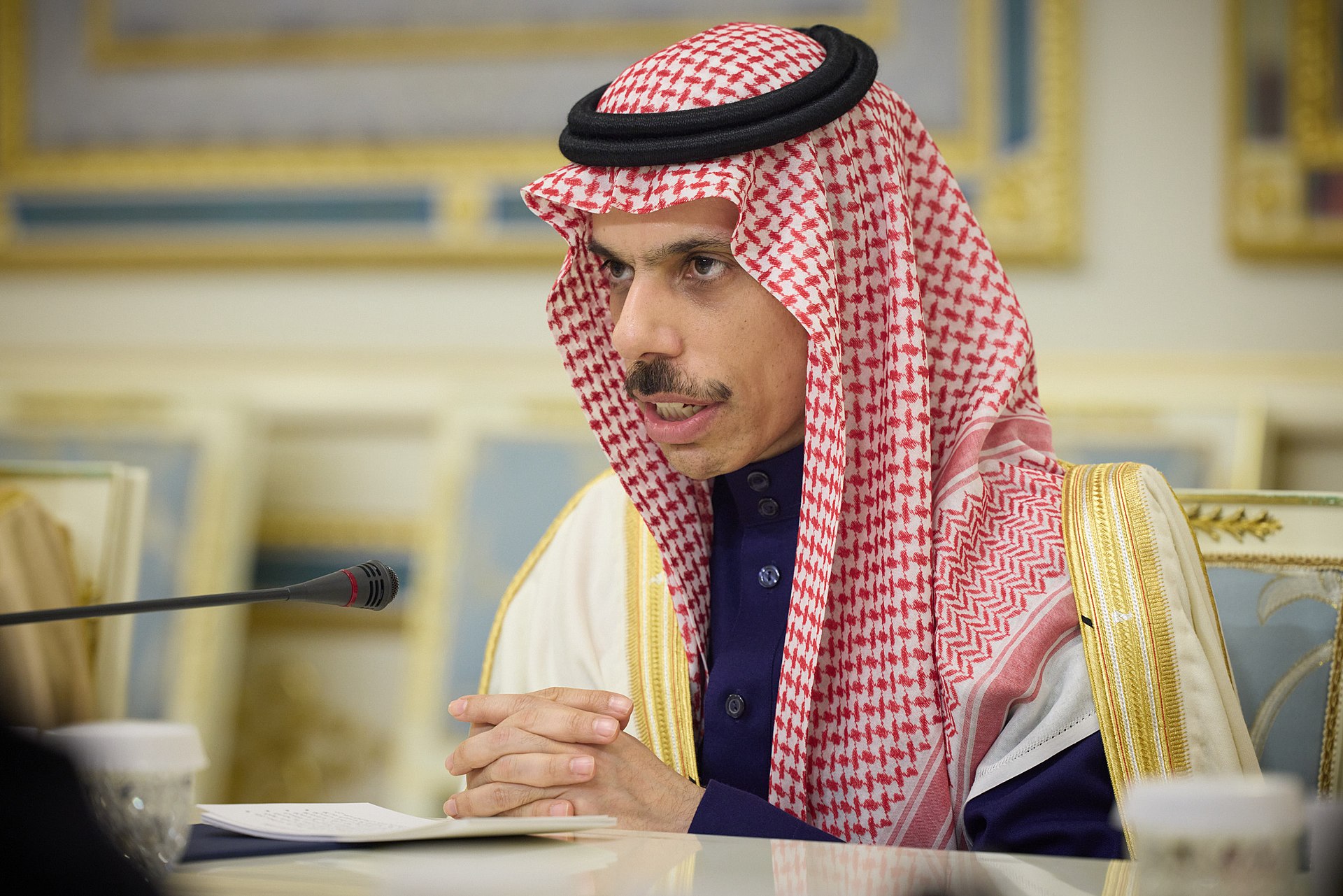
Table of Contents
The Triple Contradiction
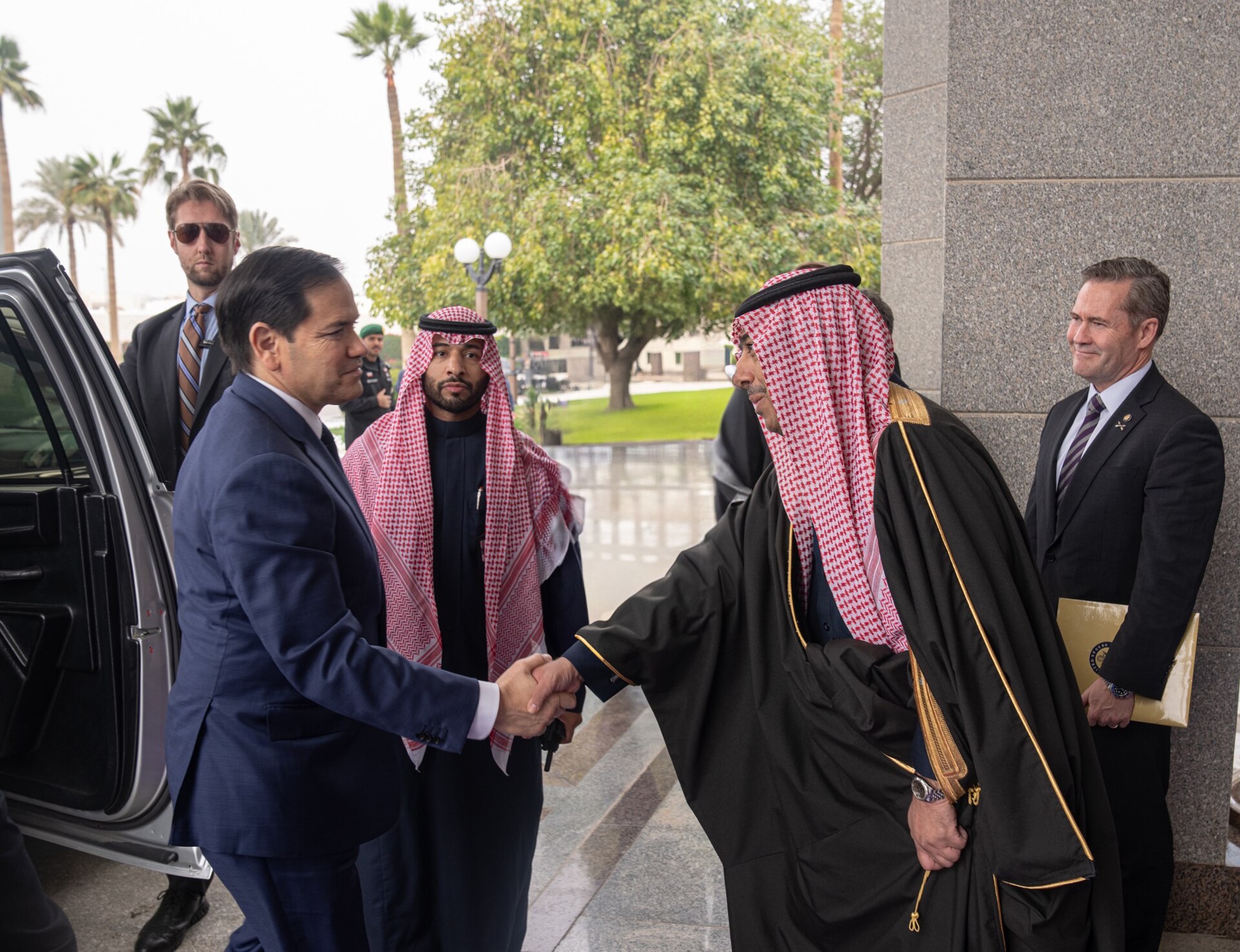
The Islamabad quadrilateral meeting brought together the foreign ministers of Saudi Arabia, Pakistan, Turkey, and Egypt on March 29-30. Their joint statement, reported by Bloomberg and Al Jazeera, called for dialogue and diplomacy as “the only viable path to achieving lasting peace” and expressed support for Pakistan’s initiative to host US-Iran peace talks. The language was careful, multilateral, and designed for an audience that included Tehran — the kind of communique that costs nothing and offends nobody.
The Washington Post’s reporting, published the same day the Islamabad statement dropped, painted a different picture. According to US, Gulf, and Israeli officials who spoke to the Post, Saudi Arabia and the UAE had been privately telling the White House that the month of US-led strikes had not weakened Tehran enough. Gulf officials described the conflict as a “historic opportunity to cripple Tehran’s clerical rule once and for all,” per the Post’s reporting. The UAE was reportedly pushing hardest, advocating for a ground invasion of Iran — a position that would have been unthinkable from Abu Dhabi even six months ago.
The Saudi Embassy’s denial, posted on X by spokesman Fahad Nazer, landed with the precision of a prepared statement. “The Kingdom of Saudi Arabia has been consistent in supporting diplomatic efforts to reach a credible deal with Iran,” it read. “At no point in all our communication with the Trump Administration did we lobby the President to adopt a different policy.” The wording was narrow — “lobby” is a specific verb, and “a different policy” leaves open the question of whether Riyadh simply endorsed whatever policy Trump was already pursuing.
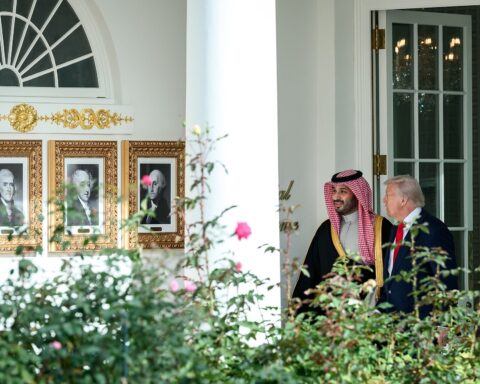
Trump himself had already contradicted the denial before it was issued. Speaking about Crown Prince Mohammed bin Salman at the Future Investment Initiative conference in Miami on March 27, Trump told the audience: “He does, he is a warrior. He is fighting with us, by the way.” At the same event, Trump said of the man running America’s most important Gulf partnership: “He has to be nice to me.”
What Does Saudi Arabia Actually Want From the Iran War?
Saudi Arabia’s private position, as outlined by Gulf officials to the Washington Post, amounts to four specific conditions for any settlement: the neutralization of Iran’s nuclear programme, the destruction of its ballistic missile stockpiles, the end of Tehran’s support for proxy groups across the region, and permanent security guarantees for the Strait of Hormuz. These are not peace conditions. They are conditions for regime defanging — the kind of terms a victor imposes, not the kind a mediator proposes.
The gap between what Riyadh says in Islamabad and what it says in Washington is the gap between what Saudi Arabia wants the Islamic world to believe and what it wants the United States to do. The Islamabad statement positions the Kingdom as a responsible Muslim-majority power working toward peace. The private lobbying positions it as a silent partner in the most sustained American military campaign in the Middle East since the 2003 invasion of Iraq. Both are genuine expressions of Saudi interest — the contradiction is not hypocrisy so much as the inevitable result of pursuing two incompatible objectives at once.
The conflict’s numbers explain the urgency. Brent crude has surged roughly 55% in March alone, reaching approximately $113 per barrel — the steepest monthly rise since records began in 1988, according to Bloomberg data. Saudi oil exports have hit a wall despite the price spike, with Hormuz traffic down approximately 70% since March 2. Yanbu, on the Red Sea coast, has picked up some of the slack with loadings reaching 4.6 million barrels per day — three times the 2025 average — but that is still well below what Saudi Arabia needs to maintain revenue targets.
The Iraq Playbook
Saudi Arabia has done this before. In 2003, the Kingdom publicly refused to support the US invasion of Iraq while secretly providing access to three air bases — not just Prince Sultan Air Base, where American activity was acknowledged, but also Tabuk air base and Arar regional airport near the Iraqi border. US and coalition aircraft launched attacks, reconnaissance flights, and intelligence missions from all three locations. Saudi Arabia also provided staging areas for special forces and cheap fuel for the campaign. The arrangement was concealed for over a year by both governments, according to reporting at the time.
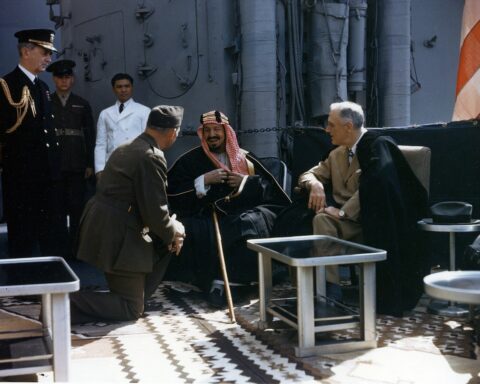
The WikiLeaks cables that emerged years later revealed the same pattern in even starker terms. Saudi Ambassador to Washington Adel al-Jubeir, relaying King Abdullah’s position on Iran’s nuclear programme, told a US official: “He told you to cut off the head of the snake.” That quote, from a 2008 cable published by WikiLeaks, became the single most cited piece of evidence for Saudi Arabia’s private advocacy for American military action against Iran. In 2011, the same pattern played out with Libya — Saudi Arabia privately encouraged Western intervention while publicly maintaining neutrality.
The pattern is consistent enough to constitute a doctrine, even if no Saudi official would ever call it one. Riyadh privately encourages American military action against regional adversaries, publicly maintains diplomatic distance, and formally denies any involvement when reporting surfaces. The 2026 iteration is running on the same operating system — the difference is that the leaks are arriving in real time, not years after the fact, and the denial cycle is compressed from months into hours.
Why Does Saudi Arabia Deny What Everyone Already Knows?
The denial is not aimed at Washington, where Trump has already confirmed the substance of the lobbying on camera. It is aimed at three other audiences, each of which matters to MBS for different reasons. The first is the Islamic world, where Saudi Arabia positions itself as custodian of the Two Holy Mosques and a voice for Muslim-majority solidarity. Openly lobbying for the bombing of a Muslim-majority country by a non-Muslim power would be devastating to that positioning, regardless of how much Riyadh despises Tehran’s theocratic government.
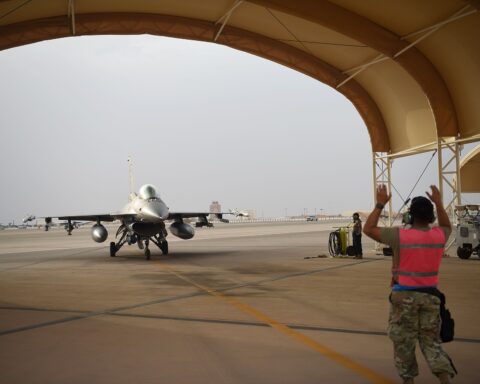
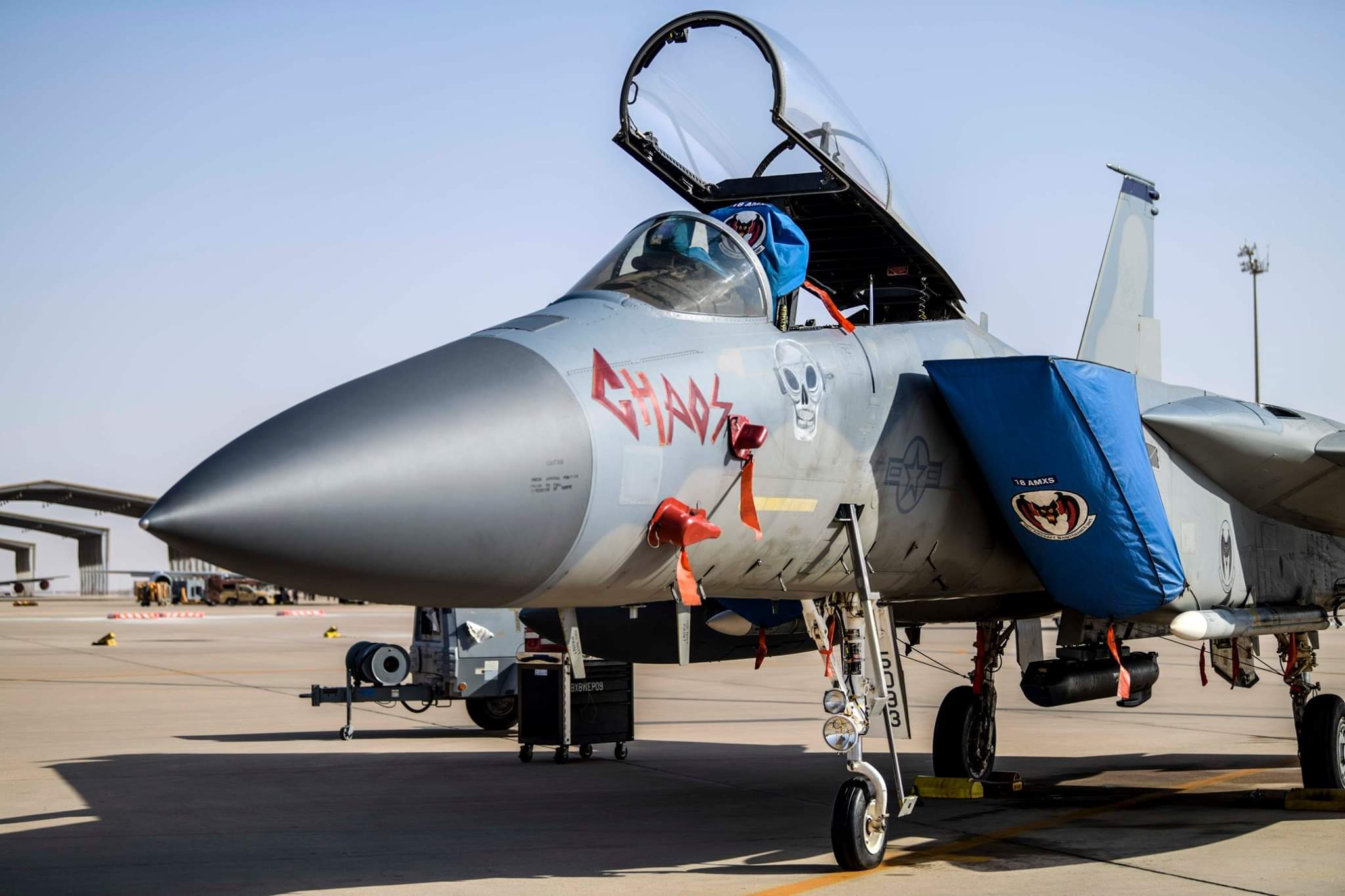
The second audience is Iran itself. The Kingdom’s impossible position is that it needs American military power to degrade Iran but cannot afford to be identified as the reason that military power is being used. Iranian missiles have already struck Saudi territory. Saudi air defences have maintained an 85-90% intercept rate, but two Saudi nationals have been killed, and the E-3 Sentry AWACS aircraft destroyed at Prince Sultan Air Base on March 29 was a $300 million reminder that Saudi territory is already in the line of fire. Being publicly identified as the force behind American escalation would give Tehran every justification to intensify strikes on Saudi infrastructure.
The third audience is the post-war order. If the conflict ends in a negotiated settlement — which the April 6 deadline set by Trump for resuming strikes on Iranian energy infrastructure suggests is at least being considered — Saudi Arabia needs to be positioned as a constructive partner, not a belligerent. The question of who rebuilds Iran will define regional power dynamics for a generation. A Kingdom caught on the record demanding the destruction of a neighbour’s military capability will be in a weaker position to shape that reconstruction than one that maintained a public posture of restraint.
The Financial Architecture of Influence
The private lobbying operates within a financial relationship that has grown substantially since Trump returned to office. The Public Investment Fund committed $2 billion to Jared Kushner’s Affinity Partners fund, a deal that drew scrutiny from congressional Democrats when it was first reported. Saudi investors have been involved in a separate $7 billion arrangement with the Trump Organization. The F-35 sale — 48 jets approved as part of a $142 billion defence package — represents the largest single American arms commitment to the Kingdom in history, and MBS knows what it buys beyond fighter aircraft.
Trump’s language at the same Miami event where he called MBS “a warrior” stripped away any pretence of diplomatic formality. His demand that the Crown Prince “be nice to me” — reported by The National — was delivered on a stage built with Saudi money, at an event organised by the PIF, to an audience that included some of the same Gulf officials who, according to the Washington Post, had been privately urging continued military operations against Iran.
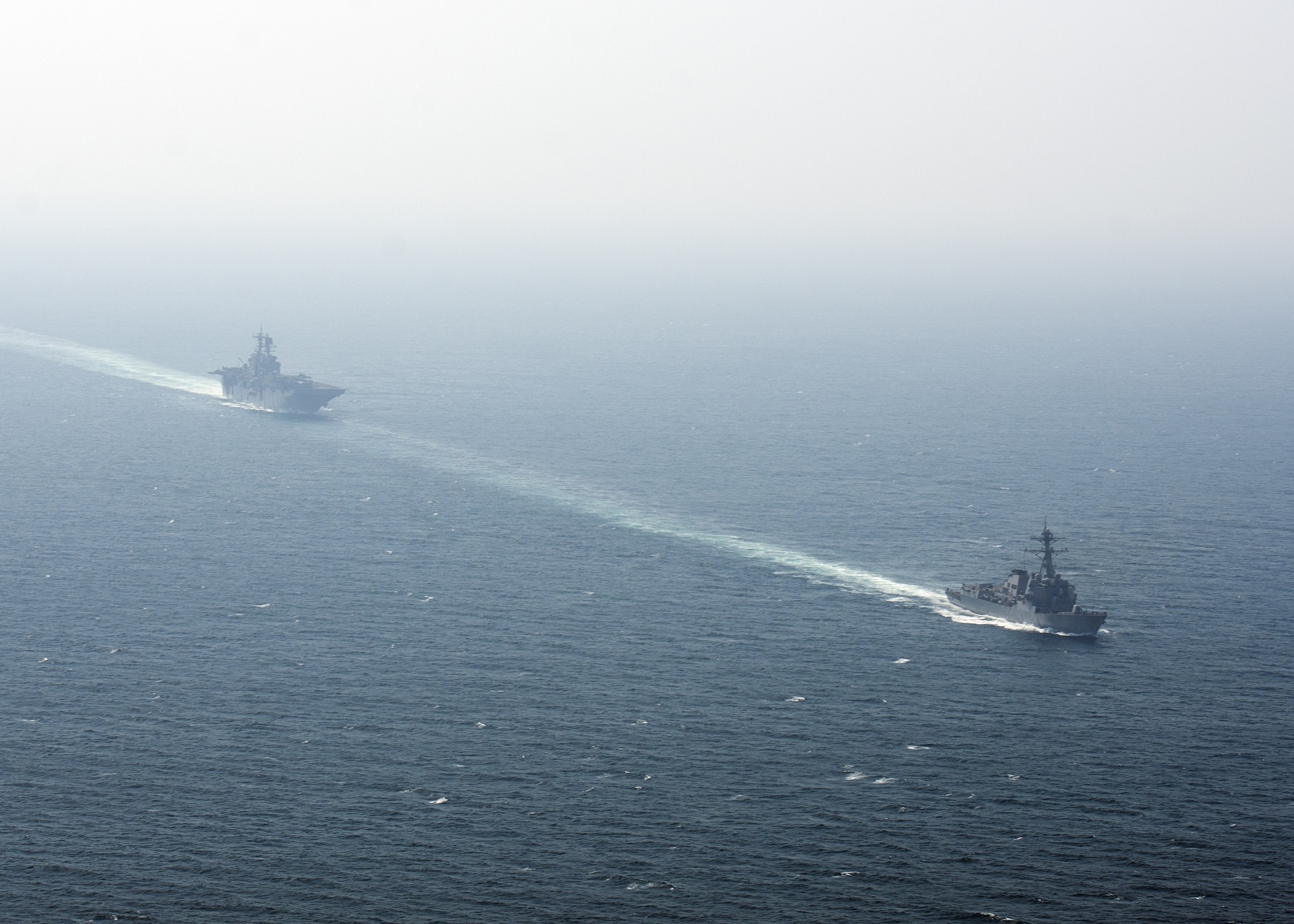
Bloomberg reported separately on March 30 that Saudi Arabia was weighing whether to permit US offensive operations from Saudi bases — a step beyond the defensive posture the Kingdom has publicly maintained. The Wall Street Journal had earlier reported that Saudi Arabia had already expanded US access to King Fahd Air Base, reversing earlier assurances that Saudi territory would not be used for offensive strikes against Iran. The Pentagon’s expanding ground presence is already turning Saudi Arabia into a belligerent by default, regardless of what the formal policy says.
How Is Iran Reading the Room?
Tehran has treated the Washington Post leaks as confirmation of what Iranian state media has been arguing since the first American strike on February 28 — that Saudi Arabia is a silent partner in the war, not an innocent bystander. Iranian parliament speaker Mohammad Bagher Ghalibaf said on March 29 that Iran “could not be forced into submission,” a statement delivered hours before the Islamabad quadrilateral communique was released. Iran’s refusal to participate in the Islamabad peace talks, confirmed by the Washington Times on March 30, came the same day as the Washington Post report — a sequence that may not be coincidental.
Iranian Foreign Minister Abbas Araghchi told CNBC on March 25 that there would be “no negotiations” with the United States directly, only intermediary messages. Iran had already rejected the US 15-point peace plan as “maximalist, unreasonable” when it was presented through intermediaries on March 25, according to Al Jazeera. The WaPo reporting on Saudi lobbying gives Tehran an additional reason to harden its stance — if the country pushing for peace talks in Islamabad is the same country privately demanding Iran’s military dismemberment in Washington, the peace process is compromised before it begins.
CENTCOM has struck more than 11,000 targets in Iran over 31 days. Casualty estimates range from 2,000 confirmed dead per Al Jazeera to 5,900 according to the Hengaw Organisation for Human Rights, with the Human Rights Activists News Agency reporting 3,461. Thirteen American service members have been killed. The asymmetry is enormous, but Iran has shown no sign of seeking terms — a reality that the Gulf officials urging Trump to keep fighting may not have fully accounted for.
“He does, he is a warrior. He is fighting with us, by the way.”
— President Donald Trump on Crown Prince Mohammed bin Salman, Future Investment Initiative, Miami, March 27, 2026
In 2008, a leaked cable revealed that King Abdullah had urged the Americans to “cut off the head of the snake” — referring to Iran. Eighteen years later, the snake is being struck by the largest American air campaign in the region since Iraq, and Saudi Arabia is playing the same double game it played then: peace in public, war in private, denial when caught. The difference is that in 2008, the cables took years to surface. In 2026, the Washington Post published the lobbying and the Islamabad peace statement ran on the same news cycle. MBS is running a playbook designed for an era when secrets stayed secret, in a world where they no longer do.
Frequently Asked Questions
What is the Islamabad quadrilateral and does it have any enforcement mechanism?
The Islamabad quadrilateral is an informal diplomatic grouping of Saudi Arabia, Pakistan, Turkey, and Egypt formed specifically to address the Iran war. It has no treaty basis, no standing secretariat, and no enforcement mechanism. Pakistan proposed hosting direct US-Iran peace talks in Islamabad, but the group’s joint statements carry only moral and diplomatic weight — they cannot compel either belligerent to accept a ceasefire or attend negotiations. Iran has already declined to participate in the proposed talks.
Has the UAE publicly confirmed its support for a ground invasion of Iran?
No. The UAE has not publicly endorsed any specific military escalation. The Washington Post’s March 30 report, citing unnamed US, Gulf, and Israeli officials, described the UAE as “perhaps the most hawkish” of the Gulf states and said Abu Dhabi was “pushing hard” for Trump to order a ground invasion. The UAE has not issued a formal denial, unlike Saudi Arabia, but neither has it confirmed the reporting. Abu Dhabi’s public position has been to support the US-led campaign while emphasising that its military contributions remain defensive.
Could the Saudi lobbying affect the April 6 deadline for energy infrastructure strikes?
The April 6 deadline, set by Trump and reported by NPR on March 26, gives Iran a window to accept revised peace terms before the US resumes strikes on Iranian energy infrastructure — including potentially Kharg Island, which handles roughly 90% of Iranian oil exports. Saudi private lobbying for continued military operations could influence whether Trump extends or enforces this deadline. If Saudi and Gulf officials succeed in framing the strikes as insufficient, the deadline becomes a floor for escalation rather than a ceiling, with consequences for global energy prices that would dwarf the current 55% surge in Brent crude.
How does Saudi Arabia’s public peace posture affect its standing in the Organisation of Islamic Cooperation?
Saudi Arabia currently chairs the Organisation of Islamic Cooperation, which includes Iran as a member state. The OIC’s charter requires members to “settle their disputes through peaceful means” and to “refrain from the threat or use of force.” If the Washington Post reporting is accepted by OIC member states as evidence that Saudi Arabia privately lobbied for war against a fellow member, it could trigger calls for an emergency session or a challenge to Saudi chairmanship — though the OIC has historically avoided confronting its wealthiest member. No OIC member has publicly raised the issue as of March 31.
How does the Saudi dual posture affect US domestic debate on the Iran war?
The Washington Post’s reporting has given both interventionist and restraint-minded factions in Congress material to work with. Senators who oppose the war have cited the Saudi lobbying as evidence that American troops are fighting a Gulf proxy war — not a US national security imperative. Interventionists have used the same reporting to argue that key regional allies endorse continued operations, strengthening the case for sustained strikes. The dynamic mirrors the 2019 congressional debate over arms sales to the Kingdom after the Khashoggi killing, where Saudi preferences became a wedge issue between the parties. No formal congressional hearing on Gulf lobbying related to the 2026 Iran conflict has been scheduled as of March 31.