
Knowing which number to call in an emergency can save precious minutes when they matter most. Saudi Arabia operates a modern, multi-layered emergency response system that covers police, ambulance, fire and civil defence, traffic incidents, and coastguard operations. Whether you are visiting for a week as part of a wider Saudi Arabia travel itinerary or relocating for work, storing these numbers in your phone before you land is one of the simplest safety precautions you can take. This guide covers every emergency number you need, how the system works, which apps to download, where to find hospitals and pharmacies, and how to reach your embassy if things go seriously wrong.
Unified Emergency Number: 911 (Riyadh, Makkah, Madinah, Eastern Province)
Police: 999 | Ambulance: 997 | Fire: 998
Visa Required: Yes — tourist e-visa
Key App: Asefny (“Save Me”) — Saudi Red Crescent emergency app with GPS
Language: Operators answer in Arabic by default; English available on request
Avoid: Dialling 112 (the European standard) — it does not reliably connect in Saudi Arabia
Primary Emergency Numbers
Saudi Arabia does not use a single universal number like 911 in the United States or 999 in the United Kingdom. Instead, the Kingdom operates a series of dedicated three-digit numbers, each routed to a specific service. The most important numbers to save are:
| Service | Number | Notes |
|---|---|---|
| Unified Emergency | 911 | Available in Riyadh, Makkah, Madinah and Eastern Province only |
| Police (Security Patrols) | 999 | Works nationwide; primary number outside 911 coverage areas |
| Ambulance (Saudi Red Crescent) | 997 | Nationwide; operated by the Saudi Red Crescent Authority (SRCA) |
| Fire & Civil Defence | 998 | Nationwide; also handles building collapses and hazmat incidents |
| Traffic Police (Muroor) | 993 | Road accidents without injuries; traffic violations |
| Highway Patrol | 996 | Breakdowns and incidents on intercity highways |
| Anti-Narcotics | 995 | Drug-related reporting |
| Coastguard | 994 | Maritime emergencies, especially Red Sea and Arabian Gulf |
| Tourism Call Centre | 930 | Non-emergency tourism enquiries and assistance |
Tip: Save all of these numbers in your phone contacts before you depart. If you are travelling to regions outside Riyadh, Makkah, Madinah or the Eastern Province, the unified 911 number may not yet be operational — use the individual three-digit numbers instead. For more on staying connected, see our guide to SIM cards in Saudi Arabia.
The 911 Unified Emergency System
Since 2014, Saudi Arabia has been rolling out a unified 911 emergency system operated by the National Center for Security Operations (NCSO), which sits under the Ministry of Interior. When you dial 911, a single dispatcher triages your call and routes it to the appropriate service — police, ambulance, fire, traffic or civil defence — using advanced automated systems.
Where 911 Works
As of 2026, the 911 system is fully operational in four regions:
- Makkah Province — the first operations centre, established in 2014
- Riyadh Province — second centre, inaugurated in 2020
- Eastern Province — third centre, launched in 2022
- Madinah Province — expanded coverage as of recent years
- GPS location sharing — the app transmits your precise coordinates to emergency crews, eliminating the need to describe your location verbally
- Medical history storage — you can pre-load allergies, chronic conditions and medications so paramedics have critical information on arrival
- Nearest hospital finder — locates the closest hospital or pharmacy to your current position
- SMS distress signal — sends an urgent alert to both the Red Crescent and your nominated emergency contacts
- Accessibility — supports users with hearing or speech impairments through a text-based reporting interface
- Arabic and English interface — the app functions in both languages
- King Faisal Specialist Hospital & Research Centre — one of the leading tertiary hospitals in the Middle East, specialising in oncology, organ transplantation and cardiac care
- King Fahd Medical City (KFMC) — a major public hospital complex with emergency, trauma, burns and critical care departments
- Saudi German Hospital, Riyadh — private multi-specialty facility covering general surgery, cardiology, neurology and more
- King Saud Medical City — emergency care, trauma and critical care centre
- Dr. Soliman Fakeeh Hospital — private hospital with comprehensive emergency department; orthopaedics, paediatrics, surgery
- King Abdulaziz University Hospital — large public teaching hospital in Jeddah
- Saudi German Hospital, Jeddah — part of the same private group, offering multi-specialty care
- King Fahd Hospital of the University — primary public hospital for the Eastern Province
- Saudi German Hospital, Dammam — private option with emergency services
- Theft or robbery
- Assault or any violent crime
- Lost or stolen passport (you will need a police report for your embassy)
- Any situation where you feel unsafe or threatened
- Do not move your vehicle from the accident position
- Call Najm at 920000560 or report through the Najm mobile app
- A Najm investigator will arrive at the scene, assess fault and generate an official accident report
- Use the Najm report to file your insurance claim
- Nahdi Pharmacy — app available for prescription uploads, pharmacy locator, and delivery
- Al-Dawaa Pharmacy — customer service at 8002444444; app with prescription upload and delivery for orders over SAR 100
- Save all emergency numbers in your phone contacts
- Download and configure the Asefny app
- Photograph your passport, visa, insurance documents and store copies in cloud storage
- Register with your embassy’s overseas citizen programme
- Purchase comprehensive travel insurance beyond the basic visa-linked coverage
- Review health and vaccination requirements
- Always carry your passport (or a photocopy) and insurance card
- Keep your phone charged — it is your primary lifeline for emergency apps and calls
- If you are driving, keep the Najm app ready and know that you should never move your vehicle after an accident
- In extreme heat (summers exceed 50°C in some areas), carry water at all times and know the signs of heatstroke — the weather guide covers seasonal temperatures by region
- For coastal activities, note the Coastguard number (994) and take standard marine safety precautions
- If you are photographing near government or military installations and are approached by security, comply immediately and call your embassy if detained
- File a police report immediately (call 999 or visit the nearest station)
- Contact your embassy or consulate with the police report number
- Your embassy will issue an emergency travel document — this typically takes 1–3 working days
- You will also need to visit the Saudi immigration authority (Jawazat) to have your visa status updated
- Saudi Arabia Travel Guide 2026 — The complete guide to visiting the Kingdom
- Is Saudi Arabia Safe for Tourists? — Honest security assessment for visitors
- Travel Insurance for Saudi Arabia — What you need and best providers
- Health and Vaccinations for Saudi Arabia — Required and recommended vaccinations
- Essential Apps for Travelling Saudi Arabia — Every app you should download before you land
- Saudi Arabia Visa Guide — Every visa type explained
These four regions cover the vast majority of tourist destinations and population centres. The NCSO receives over 2.7 million emergency calls per month nationally, staffed by multilingual operators working around the clock. Plans for rapid expansion to cover all thirteen provinces are underway.
What Happens When You Call 911
Operators answer in Arabic by default. Simply say “English, please” and you will be transferred to an English-speaking operator. Operators in other languages are also available. You will be asked for your location, the nature of the emergency, and your contact number. If you are calling from a Saudi mobile number, your approximate location is automatically shared with the dispatcher.
Important: The European emergency number 112 does not reliably connect to services in Saudi Arabia. Do not depend on it. Always use 911 or the specific three-digit service numbers listed above.
Medical Emergencies and Ambulance Services
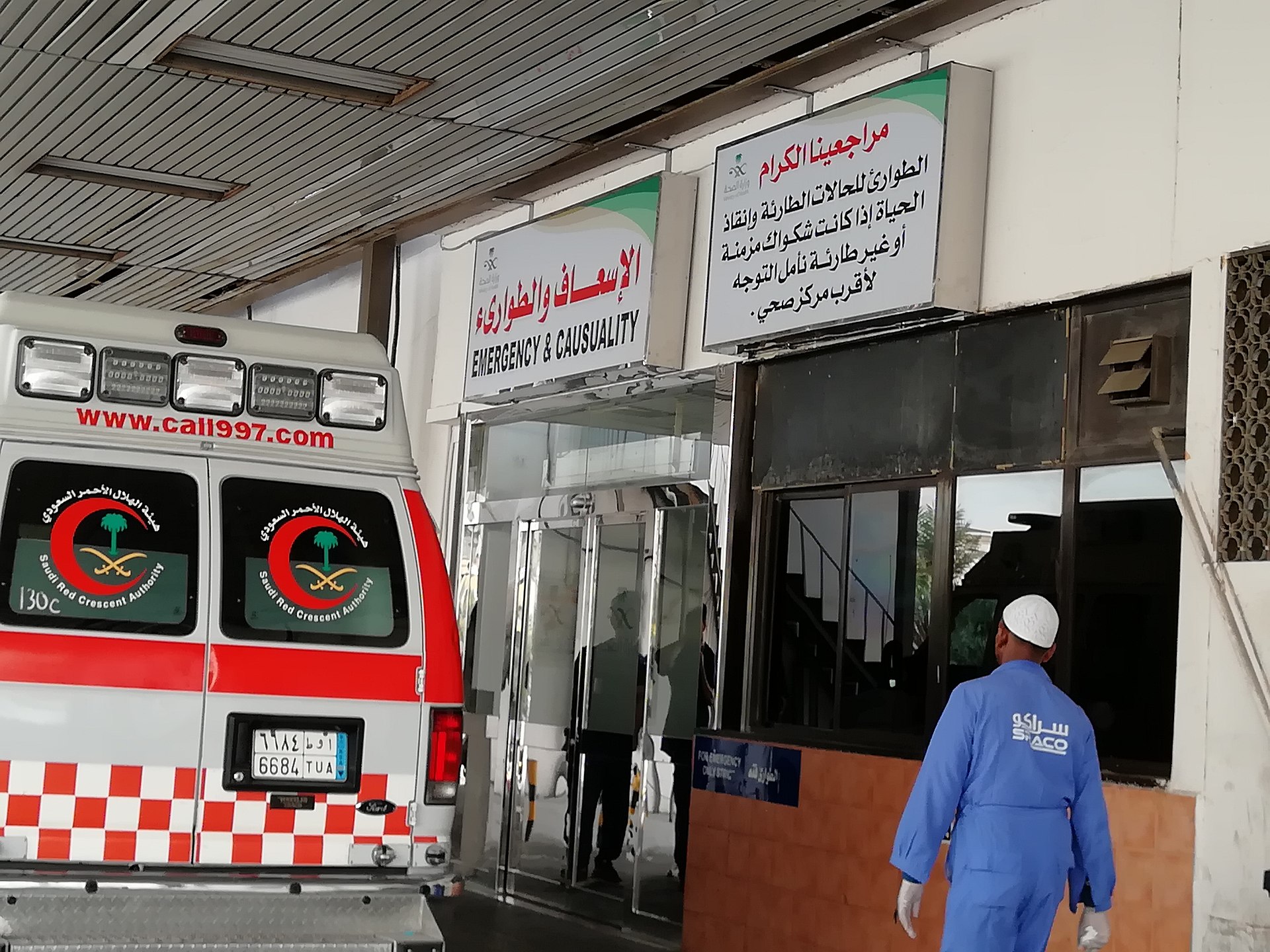
The Saudi Red Crescent Authority (SRCA) operates the Kingdom’s emergency medical services. To summon an ambulance anywhere in Saudi Arabia, dial 997. The SRCA receives between 15,000 and 22,000 calls per month and dispatches paramedic crews from stations across the country.
The Asefny App
In addition to calling 997, the SRCA operates a mobile application called Asefny (Arabic for “Save Me”), available on both iOS and Android. The app has over one million users and is one of the essential apps for travelling in Saudi Arabia. Key features include:
Tip: Download and set up Asefny before your trip. Pre-loading your medical information — blood type, allergies, current medications — means paramedics can begin appropriate treatment immediately. For full health and vaccination guidance, see our dedicated guide.
Hospitals and Emergency Rooms
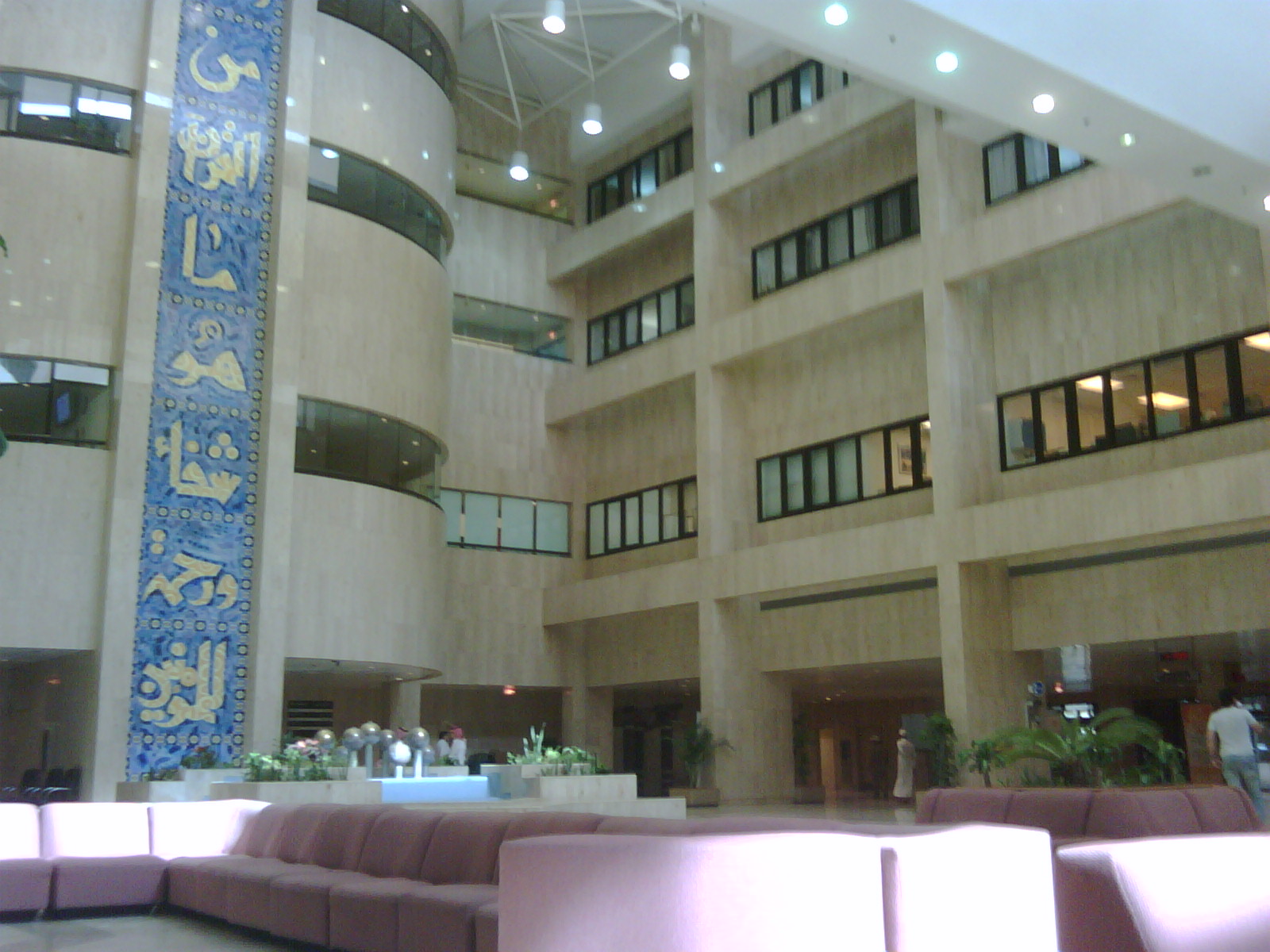
Saudi Arabia has a well-developed hospital network comprising approximately 287 public hospitals and 167 private hospitals. Major cities are served by world-class facilities staffed by medical professionals from around the globe, and English is widely spoken in clinical settings.
Key Hospitals by City
Riyadh
Jeddah
Dammam / Al Khobar (Eastern Province)
What Tourists Need to Know About Hospital Treatment
Saudi citizens receive free treatment at government hospitals. Tourists and foreign residents must pay out of pocket at both public and private facilities. The mandatory health insurance included with your Saudi tourist visa (SAR 535 fee, approximately $142) covers emergency medical expenses up to SAR 100,000 (roughly $27,000), provided through Tawuniya and regulated by the Council of Health Insurance. However, this visa-linked insurance has limitations — it does not cover trip cancellation, medical evacuation beyond basic transport, or expenses exceeding the cap. For comprehensive coverage, we recommend purchasing separate travel insurance for Saudi Arabia before your trip.
Typical costs at private hospitals: a consultation runs SAR 200–500 ($53–$133), while hospital stays with treatment can cost tens of thousands of riyals. Always carry your passport and insurance documentation to any hospital visit.
Police and Security
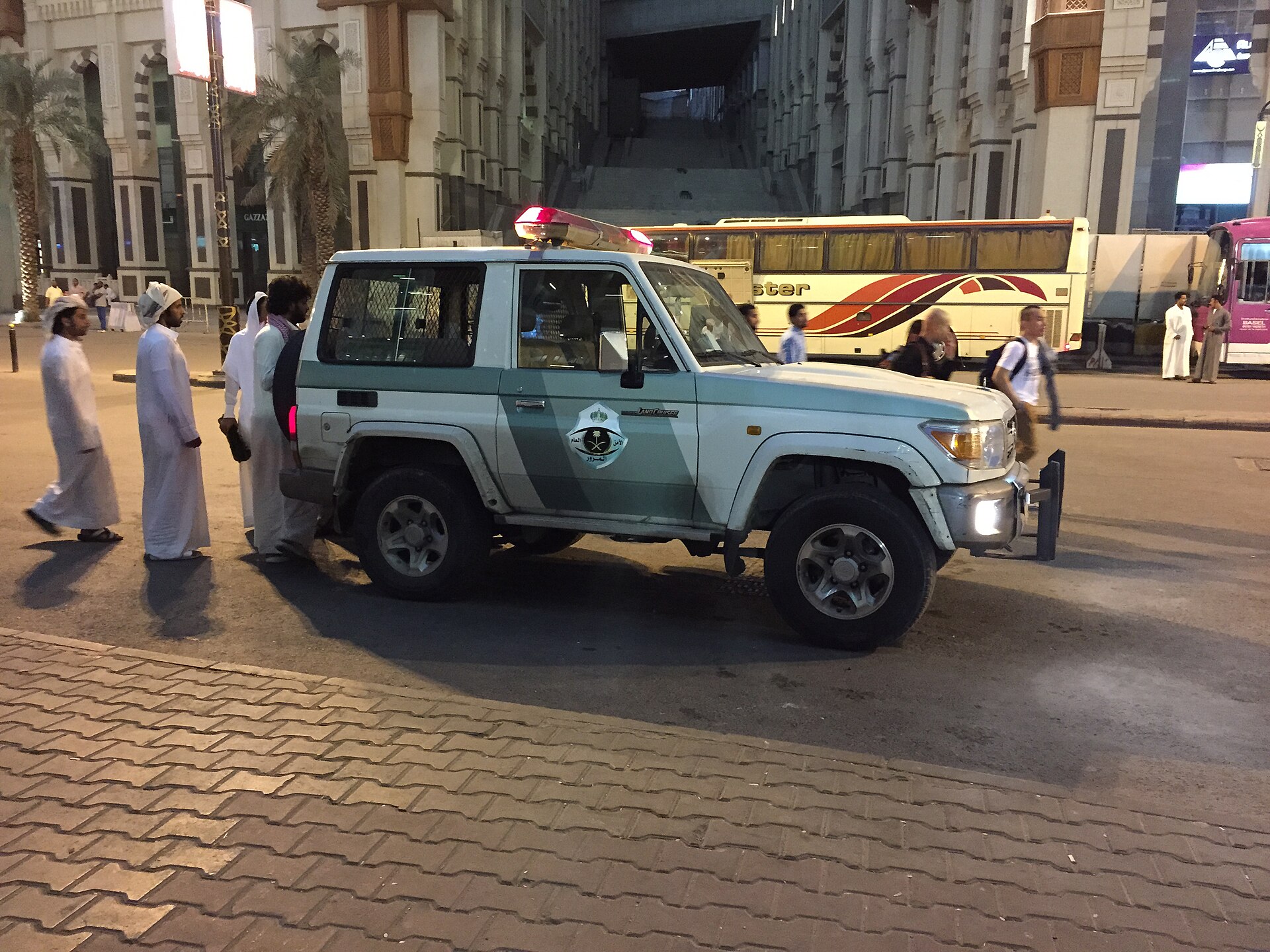
To contact the police anywhere in Saudi Arabia, dial 999. In Riyadh, Makkah, Madinah and the Eastern Province, you can also dial 911 and be routed to police. Saudi Arabia is widely considered one of the safest countries in the world for tourists, but knowing how to reach the police is still essential.
When to Call the Police
Filing a Police Report
For non-urgent matters such as theft of property, you can visit the nearest police station in person. Bring your passport and any evidence (photos, receipts, CCTV footage). Police stations in major cities typically have officers who speak English. If you need a police report for an insurance claim or embassy replacement passport, request an official copy — you may need to return the following day to collect it.
Note: If you are involved in a traffic accident, do not move your vehicle until police or the relevant authority arrives. Saudi law requires accident scenes to remain undisturbed for investigation. For minor traffic incidents, see the Najm section below.
Fire and Civil Defence
Dial 998 to reach the General Directorate of Civil Defence, which handles fire emergencies, building collapses, flooding, hazardous materials incidents and natural disasters. Response times in major cities are typically fast, though remote desert areas may take longer.
Hotel fires, even small ones, should always be reported immediately. All major hotels in Saudi Arabia are required to comply with civil defence safety regulations, including sprinkler systems, fire alarms and emergency exit signage. If you hear a fire alarm, evacuate first and call 998 from outside the building.
Traffic Accidents and the Najm System
Saudi Arabia handles traffic accidents through a specialised system. For accidents with injuries, always call 997 (ambulance) and 999 or 911 (police) immediately. For minor accidents without injuries, the Kingdom uses the Najm system.
What Is Najm?
Najm for Insurance Services was founded in 2007 as a joint initiative between the Saudi Central Bank (SAMA) and the insurance sector. It handles traffic accident evaluation, documentation and insurance claims for minor collisions. If you are driving in Saudi Arabia and involved in a minor accident:
The Najm app uses GPS to share your precise location with investigators. For rental car accidents, contact your rental company immediately as well — they will guide you through the insurance process. For highway breakdowns or intercity incidents, call the Highway Patrol on 996.
Pharmacies
Two major pharmacy chains dominate Saudi Arabia: Nahdi Pharmacy (the largest chain) and Al-Dawaa Pharmacy (over 500 branches in central, eastern and northern regions). Both operate branches in every major city and many are open 24 hours.
Most common medications are available over the counter in Saudi Arabia, including basic painkillers, antihistamines and cold remedies. However, some medications that are freely available in Western countries (notably certain codeine-based painkillers and some psychiatric medications) are controlled substances in Saudi Arabia. Check the Saudi customs rules before packing any prescription medication, and always carry your prescription letter.
Embassy and Consular Emergency Contacts
If you lose your passport, are arrested, become a victim of serious crime, or face a genuine crisis, your country’s embassy or consulate is your primary support. Below are the key contacts for the nationalities most likely to be visiting Saudi Arabia.
| Embassy / Consulate | Emergency Phone | Location |
|---|---|---|
| United States | +966-11-835-4000 | Riyadh (Embassy); Jeddah, Dhahran (Consulates) |
| United Kingdom | +966-11-481-9100 | Riyadh (Embassy); Jeddah (Consulate) |
| Canada | +966-11-488-2288 | Riyadh (Embassy) |
| Australia | +966-11-887-2900 | Riyadh (Embassy) |
| India | +966-11-488-4144 | Riyadh (Embassy); Jeddah (Consulate) |
Before you travel: Register with your country’s overseas citizen registry (e.g. the US State Department’s STEP programme, the UK’s “Travel Abroad” registration, or Australia’s Smartraveller). This ensures your embassy can contact you in a regional emergency. For full entry document requirements, see our Saudi Arabia entry requirements guide.
Essential Emergency Apps
Beyond Asefny, several apps are worth downloading before your trip:
| App | Purpose | Available |
|---|---|---|
| Asefny (أسعفني) | Request ambulance via GPS; store medical history; find nearest hospital | iOS & Android |
| Najm | Report traffic accidents; GPS location sharing with investigators | iOS & Android |
| Tawakkalna | Government services hub including health records and emergency status | iOS & Android |
| Nahdi / Al-Dawaa | Pharmacy locator, prescription upload, medication delivery | iOS & Android |
| Careem / Uber | Reliable ride-hailing to hospitals or safe locations | iOS & Android |
For a full walkthrough of all the apps you should download, see our essential apps for travelling Saudi Arabia guide. If you need reliable data to use these apps, read our eSIM guide before you depart.