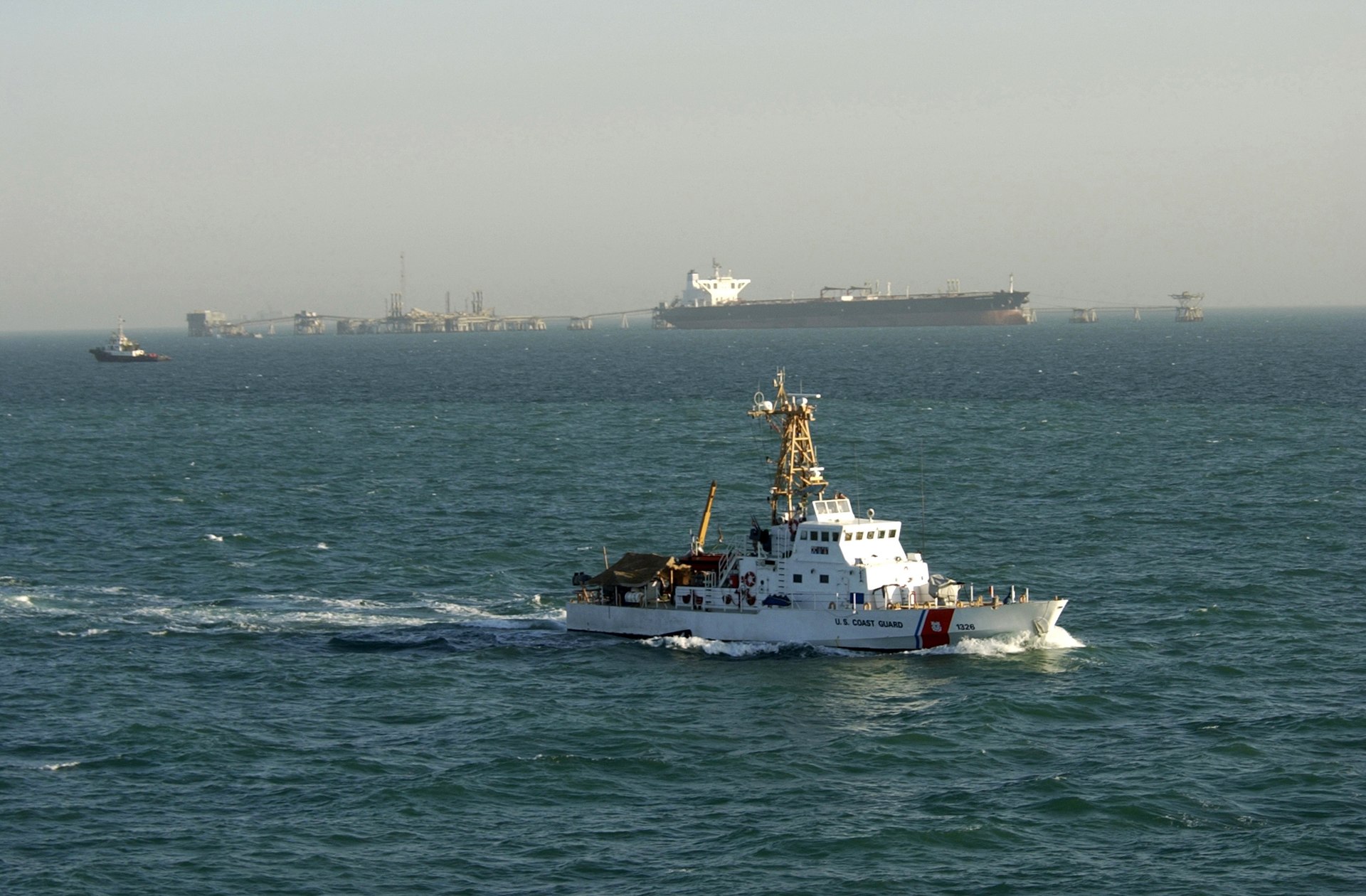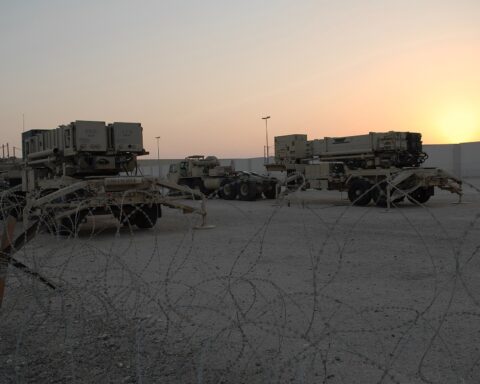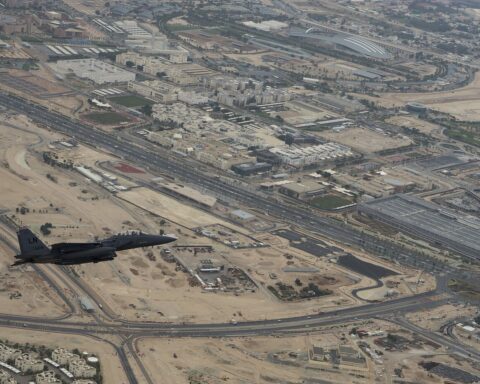
JEDDAH — Saudi Arabia is attempting to feed 35 million people through a single port during the most food-intensive month of the Islamic calendar, and the margin for error is measured in weeks. The Strait of Hormuz is closed. Houthi forces have entered the Iran war and threatened Bab al-Mandab. That leaves Jeddah Islamic Port as the primary artery for a nation that imports more than 80 percent of what it eats. The caloric math is unforgiving: at peak Ramadan demand, the Kingdom consumes roughly 75,000 tonnes of food per day, a figure that surges above 100,000 tonnes when the 66 percent holiday spike is factored in. Strategic wheat reserves provide approximately four months of buffer. For every other staple, from rice to cooking oil, the runway is shorter and the alternatives are fewer.
Oil, the commodity that defines Saudi wealth, has an engineering solution to the Hormuz closure: the East-West pipeline pushes 7 million barrels per day to Yanbu on the Red Sea. Food has no equivalent bypass. There is no pipeline for rice. No overland corridor can substitute for the volume of maritime shipping. This asymmetry between energy resilience and food vulnerability is the war’s most under-examined domestic risk for the Kingdom.
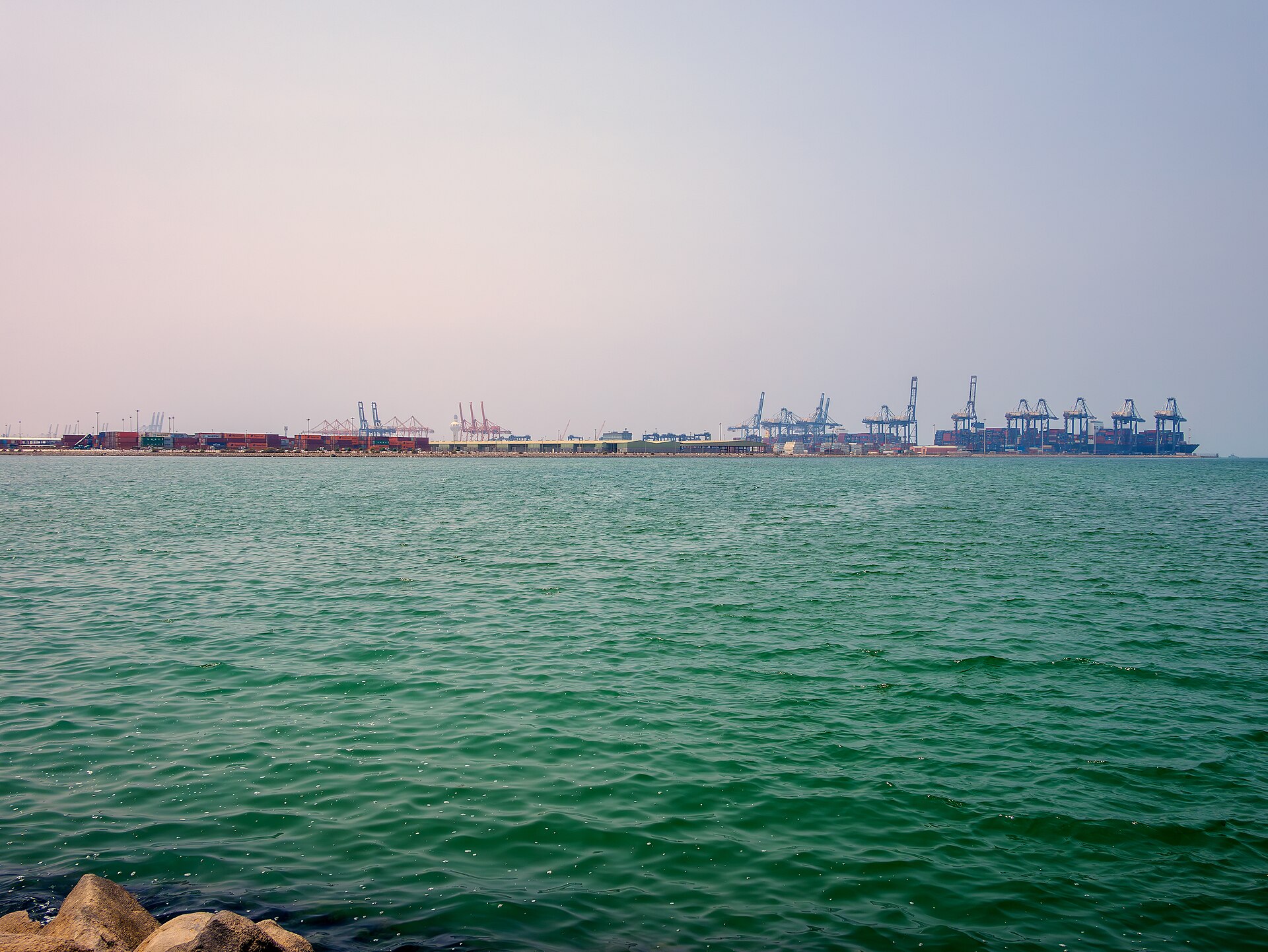
Table of Contents
- The 80 Percent Dependency
- What Does It Take to Feed 35 Million People During Ramadan?
- Jeddah Islamic Port: From Regional Hub to National Lifeline
- How Long Can Saudi Strategic Reserves Last?
- The Houthi Variable and Bab al-Mandab
- Can Overland Routes Replace Maritime Food Supply?
- The Price Shock Already Underway
- Water as the Second Front
- What Happens If the Red Sea Route Is Disrupted?
- Frequently Asked Questions
The 80 Percent Dependency
Saudi Arabia’s food import dependency is not a political talking point. It is a structural condition imposed by geography, climate, and deliberate policy choices stretching back decades. In 2022, 85.7 percent of total food and beverage trade was dependent on foreign imports, according to Statista data compiled from Saudi customs records. The Kingdom’s arid climate, where summer temperatures routinely exceed 45 degrees Celsius and annual rainfall averages under 100 millimetres in most regions, makes large-scale agriculture prohibitively water-intensive.
The disaggregated numbers tell a more precise story. According to data cited by the Council on Foreign Relations, Saudi Arabia and the broader Gulf import 77 percent of their rice, 89 percent of their corn, 95 percent of their soybeans, and 91 percent of their vegetable oils. Wheat is the partial exception: domestic production reached an estimated 1.5 million metric tonnes for the 2025/26 marketing year, a 25 percent increase from the previous year, according to USDA Foreign Agricultural Service reporting. Yet even that covers only a third of the Kingdom’s projected 4.6 million-tonne annual wheat consumption.
The country is approximately 80 percent self-sufficient in chicken meat, one of the few food categories where domestic production approaches national demand. For virtually every other protein source and staple grain, the Kingdom depends on supply chains that originate thousands of kilometres away, in India, Australia, Brazil, the Black Sea region, and Southeast Asia.
| Commodity | Annual Consumption | Import Share | Primary Sources |
|---|---|---|---|
| Wheat | 4.6 MMT | ~67% | Black Sea, Australia, Canada |
| Rice | 1.5-1.6 MMT | ~77% | India, Pakistan, Thailand |
| Corn (feed) | 4.5 MMT | ~89% | Brazil, Argentina, Black Sea |
| Soybeans | ~1.2 MMT | ~95% | Brazil, United States |
| Vegetable oils | ~0.9 MMT | ~91% | Malaysia, Indonesia |
| Chicken meat | ~1.4 MMT | ~20% | Brazil, domestic production |
These supply chains operated for decades on a simple assumption: that at least two maritime corridors, the Strait of Hormuz and the Red Sea via Bab al-Mandab, would remain simultaneously open. That assumption collapsed on March 2, 2026, when Iran’s Islamic Revolutionary Guard Corps imposed a de facto blockade of the Strait of Hormuz, demanding a $2 million per-vessel toll payable in Chinese yuan. Within days, insurance underwriters withdrew coverage for Gulf-bound cargo, and commercial shipping through the Strait effectively ceased.
What Does It Take to Feed 35 Million People During Ramadan?
The baseline arithmetic is straightforward. Saudi Arabia’s population of approximately 35 million people, including roughly 13 million expatriate workers, requires an estimated 2,330 kilocalories per person per day according to FAO dietary reference standards. National food consumption totalled approximately 27.5 million metric tonnes in 2021, the most recent year for which comprehensive data is available, translating to roughly 75,000 tonnes per day under normal conditions.
Ramadan fundamentally alters that baseline. Despite the daytime fast, total food consumption during the holy month rises sharply. Data from the Saudi Times, drawing on industry and government figures for Ramadan 2026, documents the scale: bread consumption rises 63 percent above non-Ramadan levels, chicken consumption surges 66.5 percent, and dairy demand increases by more than 40 percent. Food delivery platforms including Mrsool, HungerStation, and Jahez reported average daily order volumes 62 percent above regular-month benchmarks.
The Ramadan 2026 consumer season is on course to reach total spending of 65 billion riyals ($17.3 billion), a 12 percent increase over 2025, with food and grocery spending accounting for 34 percent of total expenditure, the largest single category. Consumer spending on food jumped 35 percent in the week before Ramadan began, with nearly a third of that concentrated in food stores.
Applied to the import dependency figures, the Ramadan demand surge means the Kingdom needs to move approximately 100,000 to 125,000 tonnes of food per day during peak weeks, compared to the 75,000-tonne baseline. Roughly 80 percent of that volume, or 80,000 to 100,000 tonnes daily, must arrive by sea. Under pre-war conditions, this flow was distributed across multiple ports: Jeddah on the Red Sea, Dammam on the Gulf, and smaller facilities at Yanbu and Jazan. With Dammam effectively cut off by the Hormuz closure, the arithmetic compresses into a single question: can Jeddah absorb the load?
The food waste dimension compounds the pressure. Saudi authorities report that food waste rises from approximately 4,000 tonnes per day under normal conditions to 5,300 tonnes per day during Ramadan. At the national level, the average Saudi resident wastes 184 kilograms of food annually, more than twice the global average of 115 kilograms. In a supply-constrained environment, that waste margin becomes a variable that policy intervention could meaningfully reduce.
Jeddah Islamic Port: From Regional Hub to National Lifeline
Jeddah Islamic Port has undergone significant expansion in recent years, and its pre-war capacity was already substantial. The port’s four main terminals, including the North and South Container Terminals and the Red Sea Gateway Terminal, hold a combined annual capacity of 7.5 million twenty-foot equivalent units (TEUs). In March 2025, the South Container Terminal expansion was completed, boosting that facility alone to 4 million TEUs annually with future scalability to 5 million. The port handles over 130 million tonnes of cargo per year across all categories and receives 38 weekly shipping calls.
The problem is not theoretical capacity. It is what happens when a port designed to serve western Saudi Arabia must simultaneously function as the primary import channel for the entire Kingdom and, increasingly, for neighbouring GCC states whose own Gulf-facing ports are shuttered. As HOS reported in March, Jeddah is bracing for a 50 percent surge in throughput as Gulf trade reroutes from Hormuz. Arab News reporting confirmed that GCC states are increasingly reliant on Saudi Arabia as a food import hub.
In 2025, DP World Jeddah handled over 1.3 million TEUs, more than double the volumes of the previous year as shipping lines returned to the Red Sea corridor after the 2024-25 Houthi disruption. The port was already operating at elevated throughput before the war. Adding the diverted Gulf cargo on top of Ramadan demand creates compounding pressure on berth availability, cold-chain infrastructure, and inland distribution.
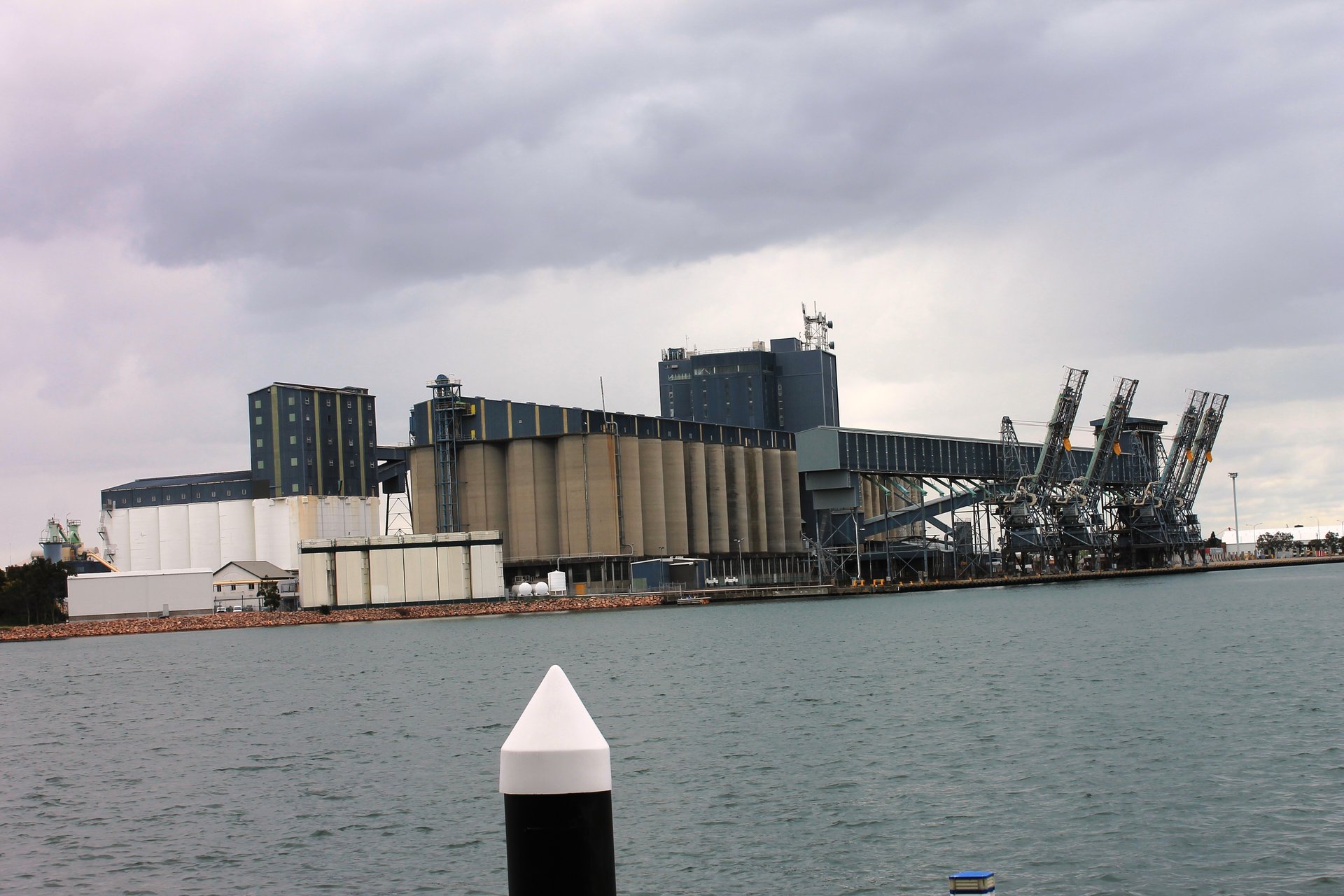
The grain handling infrastructure tells a more specific story. The General Food Security Authority operates four port-based silo branches, at Jeddah, Dammam, Yanbu, and Jazan, as part of the National Grain Supply Company (SABIL) network of 14 branches holding a combined storage capacity of 2.7 million tonnes. With Dammam’s silos inaccessible due to the Hormuz closure, Jeddah’s grain handling and storage capacity must absorb a disproportionate share of inbound wheat, rice, and barley shipments.
Saudi Arabia has direct access to the Red Sea. The United Arab Emirates claims to have four to six months of stock. And Qatar has invested heavily in its strategic reserves, following the three-year blockade imposed by its neighbours in 2017. Bahrain and Kuwait, on the other hand, are already seeing consumers paying the price for the conflict.
France 24, March 19, 2026
How Long Can Saudi Strategic Reserves Last?
The General Food Security Authority maintains strategic reserves of targeted food and feed products including wheat, barley, cooking oil, and sugar. The precise volumes are classified, but industry estimates and government statements converge on a wheat reserve of approximately four months of national consumption, or roughly 1.5 million tonnes at pre-Ramadan consumption rates.
The GFSA has already contracted 2.051 million tonnes of wheat for delivery through April 2026, locking in an average price of $262.30 per metric tonne. Suppliers are dominated by Black Sea origins, meaning the shipments must transit either the Turkish Straits and Mediterranean to the Red Sea, or overland through Turkey, a route with its own geopolitical complexities. The procurement pipeline suggests that the near-term wheat supply is secured on paper. The question is whether those contracted tonnes can physically reach Saudi silos if Red Sea shipping is disrupted.
For commodities beyond wheat, the reserve picture is thinner. Major feed processors maintain at least a three-month supply of corn and soy meal, according to USDA Foreign Agricultural Service contacts. Rice, the staple grain of the large South Asian expatriate workforce and a centrepiece of Ramadan meals across all demographics, presents the sharpest vulnerability. Annual rice consumption of 1.5 to 1.6 million tonnes is almost entirely imported from India, Pakistan, and Thailand. There is no publicly known strategic rice reserve comparable to the wheat stockpile.
| Commodity | Estimated Reserve | Daily Consumption (Normal) | Reserve Runway |
|---|---|---|---|
| Wheat | ~1.5 MMT | ~12,600 tonnes | ~4 months |
| Corn/feed | ~1.1 MMT | ~12,300 tonnes | ~3 months |
| Rice | Not disclosed | ~4,300 tonnes | Unknown |
| Cooking oil | Not disclosed | ~2,500 tonnes | Unknown |
| Sugar | Not disclosed | ~3,000 tonnes | Unknown |
| Barley (feed) | ~0.8 MMT | ~22,000 tonnes | ~5 weeks |
The Ramadan surge compresses these runways. A four-month wheat reserve under normal consumption becomes roughly 2.5 months if demand rises 63 percent, as the bread consumption data suggests. The arithmetic is even more punishing for perishable proteins, fresh produce, and dairy products that cannot be stockpiled in strategic reserves. These commodities require continuous maritime flow or they simply do not arrive.
The Public Investment Fund has been redirecting acquisitions toward food security, but structural investments in domestic production, including vertical farms, aquaculture facilities, and grain-processing capacity, operate on timelines measured in years, not the weeks of a wartime Ramadan. SALIC, PIF’s agricultural investment arm, is expected to take over wheat purchasing and strategic stock management from GFSA, a transition that was underway before the war and now carries additional urgency.
The Houthi Variable and Bab al-Mandab
The formal entry of Houthi forces into the Iran war on March 28, marked by missile strikes on Israel, has transformed the Red Sea from Saudi Arabia’s strategic alternative into a potential second front. Houthi weapons possess a 200-kilometre effective range, sufficient to threaten all vessels transiting the southern Red Sea and the approaches to Bab al-Mandab, the narrow strait connecting the Red Sea to the Gulf of Aden.
The U.S. Maritime Administration (MARAD) issued advisory 2026-006 covering the Red Sea, Bab al-Mandab Strait, Gulf of Aden, Arabian Sea, and Somali Basin, warning of Houthi attacks on commercial vessels. By March 2026, Houthi targeting criteria had effectively broadened to any vessel not explicitly coordinated through their maritime notification system. Major carriers had already rerouted via the Cape of Good Hope during the 2024-25 Red Sea crisis, and although traffic had partially recovered, the renewed threat has sharply reduced Bab al-Mandab transits.
The threat geometry is precise. Approximately 30 oil tankers near Yanbu are within Houthi strike range, as HOS reported regarding Yanbu’s port bottleneck. The same threat envelope covers commercial shipping bound for Jeddah. A combined Hormuz and Bab al-Mandab disruption would block approximately 30 percent of global container shipping from normal routing, according to industry analysis published by The Middle East Insider, and threaten roughly 22 percent of global oil supply, with combined trade at risk estimated at $10 billion per day.
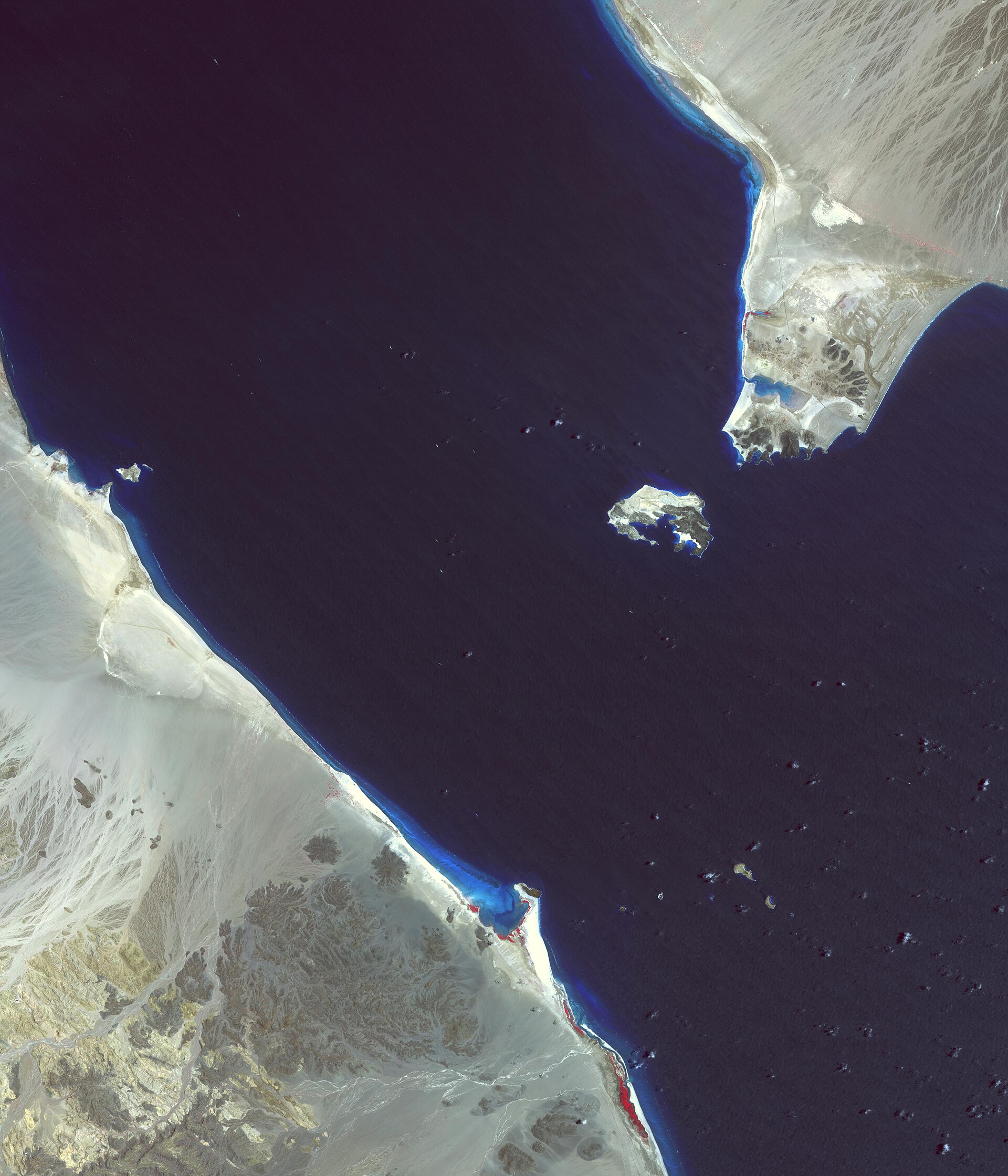
For Saudi food security specifically, a Bab al-Mandab closure would mean that ships carrying grain, rice, and other staples from Asia, East Africa, and the Mediterranean would need to reroute around the Cape of Good Hope, adding 10 to 14 days of transit time and corresponding increases in freight costs and insurance premiums. During a Ramadan demand surge, those additional days translate directly into empty warehouse shelves.
As HOS assessed in the one-month war balance sheet, the accumulation of simultaneous supply chain disruptions, Hormuz closed, Bab al-Mandab threatened, Dammam port functionally offline, is without precedent in Saudi economic history.
Can Overland Routes Replace Maritime Food Supply?
On March 28, Saudi Arabia Railways opened a 1,700-kilometre freight corridor linking Gulf-coast ports to the Jordanian border, a development covered by HOS the same day. Each freight train operating on the corridor can carry up to 400 standard shipping containers, connecting King Abdulaziz Port, King Fahd Industrial Port, and Jubail Commercial Port to the Al-Haditha border crossing.
The rail corridor is a meaningful logistical achievement, but it does not solve the food import problem for a simple reason: the Gulf-coast ports it connects are the ones cut off by the Hormuz closure. The corridor’s primary utility is moving goods that have already entered the Kingdom, not bringing new imports in. For food specifically, the relevant question is whether goods can enter through Jordan, either via the port of Aqaba or overland from Turkish and Mediterranean supply chains, and then transit southward into the Saudi interior.
Jordan’s port of Aqaba handles approximately 25 million tonnes of cargo annually, a fraction of Jeddah’s 130 million tonnes. Its grain handling infrastructure is designed for Jordanian domestic consumption, not as a transit hub for a nation of 35 million. Road freight from Aqaba to Riyadh covers approximately 1,400 kilometres and requires multiple days per trip. Even with maximum utilisation, the overland route could supplement but not substitute for maritime volumes.
A proposed high-speed railway linking northern Saudi Arabia to Syria through Jordan could eventually create a food corridor from Mediterranean ports, but this project exists on paper, not in steel. Industry estimates suggest that overland routes could handle 5 to 10 percent of pre-war maritime food import volumes at best, a helpful margin but not a replacement.
The Northern Border Province corridor to Iraq offers another theoretical option, routing goods from Turkish and Iraqi ports through the northern Saudi rail network. But Iraq’s own logistics infrastructure is limited, and the political dynamics of transiting food through a country with significant Iranian influence add a layer of strategic risk that supply chain planners cannot ignore.
The Price Shock Already Underway
The food price impact has been immediate across the Gulf. France 24 reported on March 19 that meat and fish prices rose more than 30 percent following the suspension of Gulf fishing and the halt of imports from Iran, India, and Pakistan that transited through Hormuz. Kuwait froze prices on basic products and subsidised meat imports. Bahrain and Kuwait have seen consumers bearing the brunt of price increases most acutely.
Saudi Arabia’s position is less acute than its smaller neighbours, owing to its direct Red Sea access and larger strategic reserves. But the Kingdom is not immune. The rerouting of Gulf food trade through Saudi ports has increased domestic demand for port capacity, cold storage, and inland distribution at precisely the moment when Ramadan is pushing consumption to its annual peak.
The International Food Policy Research Institute has warned of a “delayed food price shock” likely to materialise in late 2026 or early 2027. The mechanism is indirect but powerful: approximately 20 to 30 percent of global fertiliser exports, including urea, ammonia, phosphates, and sulphur, transit the Strait of Hormuz. The halt in Gulf fertiliser exports, from Saudi Arabia, Qatar, and the UAE, has contracted the global fertiliser supply chain by 33 percent, according to IFPRI analysis. As HOS reported in “The Harvest the Iran War Already Killed,” this disruption will reduce crop yields in the 2026-27 growing season across South and Southeast Asia, regions that supply the bulk of Saudi rice and vegetable oil imports.
CNBC reported on March 12 that a global food price shock loomed as the war continued, noting that higher energy and input costs risk reigniting global food inflation just as retail prices had returned to more historical levels. For Saudi Arabia, this means that even if the Red Sea route remains open, the cost of filling the ships will rise substantially in the months ahead.
Higher energy and input costs risk reigniting global food inflation just as retail food prices had returned to more historical levels in many countries.
IFPRI, March 2026
Water as the Second Front
Food security cannot be separated from water security in a country where desalination provides nearly three-quarters of drinking water. The Iran drone strike on a Kuwait power and desalination plant on March 30, which killed an Indian worker, was the latest in a pattern of attacks on Gulf water infrastructure that CSIS has warned could affect supplies for 100 million people across the GCC.
Saudi Arabia operates the world’s largest desalination capacity, and its plants are concentrated along the Gulf and Red Sea coasts. The Kuwait strike, as HOS reported, signals that Iran is willing to target civilian water infrastructure, a threshold that carries direct implications for Saudi facilities at Jubail, Ras al-Khair, and Yanbu.
The intersection of food and water vulnerability is particularly acute during Ramadan. The concentrated evening meals of iftar and suhoor require substantial water for cooking and cleaning. If desalination output were reduced by strikes or power disruptions, the compounding effect on food preparation, agricultural processing, and livestock maintenance would cascade through the entire food system.
CSIS analysis noted that all six GCC nations critically rely on desalination plants drawing seawater from the Persian Gulf and Arabian Sea, with approximately 400 plants in the GCC producing almost 40 percent of global desalinated water. Deliberate targeting of this infrastructure would represent an escalation that threatens not just consumption but the entire chain of food processing, from flour milling to dairy production, that depends on reliable water supply.
What Happens If the Red Sea Route Is Disrupted?
The scenario that Saudi food security planners must model is not a permanent closure of Bab al-Mandab but a degradation: higher insurance premiums that deter commercial carriers, sporadic Houthi strikes that force convoys and delays, and a gradual thinning of the food pipeline at precisely the wrong moment. The 2024-25 Red Sea crisis demonstrated this pattern. Complete closure is unnecessary to cause severe disruption; uncertainty alone raises costs and reduces throughput.
Under a Red Sea degradation scenario lasting 30 to 60 days, the following sequence becomes plausible. Perishable imports, including fresh fruit, vegetables, and dairy, face immediate shortfalls within 7 to 10 days as cold-chain logistics break down. Rice supplies tighten within three to four weeks as the absence of a strategic rice reserve becomes critical. Wheat reserves provide a longer buffer of 10 to 16 weeks depending on Ramadan drawdown rates, but flour mill utilisation drops as port-side silo replenishment slows. Animal feed, particularly corn and soy meal, begins to constrain poultry production, the Kingdom’s most food-secure protein category, within 8 to 12 weeks.
| Category | Days Until Shortfall | Mitigation Available |
|---|---|---|
| Fresh produce/dairy | 7-10 | Limited: air freight (high cost) |
| Rice | 21-28 | Minimal: no strategic reserve disclosed |
| Vegetable oils | 30-45 | Moderate: some overland via Jordan |
| Wheat/flour | 70-110 | Strong: 4-month strategic reserve |
| Corn/soy (animal feed) | 55-85 | Moderate: 3-month processor stocks |
| Sugar | 40-60 | Unknown: reserve data not public |
The compounding factor is that Saudi Arabia is not the only country drawing from the Red Sea corridor. GCC states are increasingly reliant on Saudi Arabia as a food import hub, meaning Jeddah must feed not just the Kingdom’s 35 million but also serve as a transhipment point for Bahrain, Kuwait, Qatar, and parts of the UAE. The GCC population exceeds 50 million, and the port of Jebel Ali, the region’s largest and the primary entry point for day-to-day food supplies, is currently unreachable.
The GFSA has levers to pull: price controls, rationing of specific commodities, accelerated procurement from Mediterranean and East African suppliers, and diplomatic pressure to secure naval escorts for food-carrying vessels. Saudi Arabia’s fiscal reserves, bolstered by elevated oil revenues from the Aramco pricing premium that HOS has documented, provide the financial capacity to absorb higher freight and procurement costs. The question is whether money alone can overcome the physical constraints of a degraded shipping corridor and a port system operating at wartime capacity.
Frequently Asked Questions
How much food does Saudi Arabia produce domestically?
Saudi domestic food production covers approximately 15 to 20 percent of national consumption by value, concentrated in poultry, eggs, dairy, and dates. The Al-Jouf, Tabuk, and Ha’il regions produce winter wheat and vegetables under centre-pivot irrigation, but the Saq aquifer underlying these farms is depleting at rates that the Ministry of Environment has called unsustainable, limiting any wartime expansion of domestic grain output. The PIF-owned SALIC has acquired farmland in Ukraine, Australia, and Sudan to secure offshore production, but those assets depend on the same maritime supply chains now under threat, and the Ukraine holdings face their own wartime disruptions.
Has Saudi Arabia implemented food rationing during the war?
As of March 30, 2026, Saudi Arabia has not imposed formal rationing. The GFSA has relied on pre-positioned strategic reserves and the continued functioning of the Red Sea corridor. Kuwait and Bahrain have implemented price freezes on basic commodities, and Kuwait has subsidised meat imports. The political calculus is significant: formal rationing would signal vulnerability to both domestic consumers and regional adversaries, making it a measure Saudi authorities will delay as long as fiscal reserves allow subsidised pricing to absorb the cost differential.
Could air freight substitute for maritime food imports?
Air freight can supplement but not replace maritime volumes. A Boeing 747 freighter carries approximately 120 tonnes of cargo. Replacing even 10 percent of the Kingdom’s estimated 80,000 to 100,000 daily tonnes of maritime food imports during Ramadan would require roughly 67 to 83 full freighter flights per day, a logistically impractical number that would also drive freight costs to multiples of maritime rates. Air freight is viable for high-value perishables, baby formula, and medical nutrition products, but not for the bulk grain, rice, and cooking oil that constitute the caloric foundation of the Saudi diet.
What role does the new Jordan rail corridor play in food security?
The rail corridor’s immediate utility is moving goods already inside the Kingdom, not importing new supply. Its longer-term food security value depends on whether Jordan and Turkey can develop the reverse logistics to push Mediterranean-sourced grain southward. Turkey’s Mersin and Iskenderun ports handle significant grain volumes and could theoretically feed a northern Saudi corridor, but the route would cross multiple customs regimes and require refrigerated rail stock that does not yet exist on the Saudi network. The more realistic near-term option is air-bridging high-value perishables from Amman while reserving rail capacity for non-perishable bulk commodities.
What is the long-term food price outlook for Saudi Arabia?
The fertiliser disruption operates on crop-cycle timescales that outlast any ceasefire. Reduced fertiliser availability for the 2026 Northern Hemisphere planting season will lower yields in South and Southeast Asian rice paddies and Black Sea wheat fields by an estimated 8 to 15 percent, according to CSIS analysis. Saudi Arabia will feel this as a second price wave in late 2026 or early 2027, even if maritime corridors reopen. The Kingdom’s structural hedge, PIF investments in vertical farming, aquaculture, and offshore farmland, operates on three-to-five-year timelines. For Ramadan 2027, the food security equation may be worse than today regardless of how the war ends.