
RIYADH — Saudi Arabia sits atop an estimated $2.5 trillion in untapped mineral wealth, a figure that, if realized, would dwarf the kingdom’s remaining oil reserves in strategic value. While global attention fixates on the Iran war and crude oil volatility, the Saudi Mining Company (Ma’aden) has quietly posted a 156 percent surge in annual net profit and unveiled a $110 billion investment plan to triple gold and phosphate production within a decade. The minerals buried beneath the Arabian Shield are not a hedge against oil’s decline. They are the foundation of a second fortune.
This transformation is not hypothetical. In 2025, Ma’aden generated $10.3 billion in revenue, a 19 percent year-on-year increase, while exploration companies operating in Saudi Arabia multiplied from 6 to 226 since 2020. The kingdom has slashed mining taxes from 45 percent to 20 percent, issued 702 active mining licenses, and committed to a Vision 2030 target of $64 billion in mining GDP by the end of the decade. The war raging across the Gulf has only accelerated the urgency: oil dependency is no longer an abstract risk but a live vulnerability.
What follows is a comprehensive assessment of Saudi Arabia’s mining revolution — the geology, the economics, the geopolitics, and the rare earth partnerships that could reshape the kingdom’s position in the global supply chain. It maps the Arabian Shield’s mineral inventory, evaluates Ma’aden’s financial trajectory, introduces the Post-Oil Pillar Assessment Matrix for measuring Saudi economic diversification, and examines whether $2.5 trillion in rock can truly replace $2 trillion in crude.
Table of Contents
- The Arabian Shield and $2.5 Trillion in Buried Wealth
- Why Is Saudi Arabia Pivoting to Mining Now
- Ma’aden’s Financial Explosion
- The Saudi Gold Rush
- The Post-Oil Pillar Assessment Matrix
- Can Saudi Arabia Break China’s Rare Earth Monopoly
- The Phosphate Empire
- How Big Is the Saudi Mining Expansion
- Does the Iran War Make Mining More Urgent
- The Licensing Revolution and the Tax Gamble
- Aluminium and Vertical Integration
- What Could Derail the Mining Revolution
- Saudi Mining in Global Context
- Frequently Asked Questions
The Arabian Shield and $2.5 Trillion in Buried Wealth
The western third of the Arabian Peninsula conceals one of the planet’s most mineral-rich geological formations. The Arabian Shield, a Precambrian crystalline basement complex stretching roughly 630,000 square kilometres from the Jordanian border south to Yemen, hosts a density of mineralised sites that Saudi geological surveys are only now beginning to quantify. According to CNN reporting in January 2026, the Saudi government’s official estimate values these deposits at $2.5 trillion — a figure that, if accurate, would place the kingdom among the world’s top five mineral-resource holders.
The numbers beneath that headline figure reveal an inventory of staggering breadth. Saudi geological surveys have identified approximately 980 gold sites, 610 silver deposits, 856 copper occurrences, 477 zinc sites, 282 lead deposits, 76 nickel occurrences, 117 chromium sites, and 176 rare earth element locations. These sites are distributed across 35 distinct mineralised belts, each with its own geological signature and extraction profile.
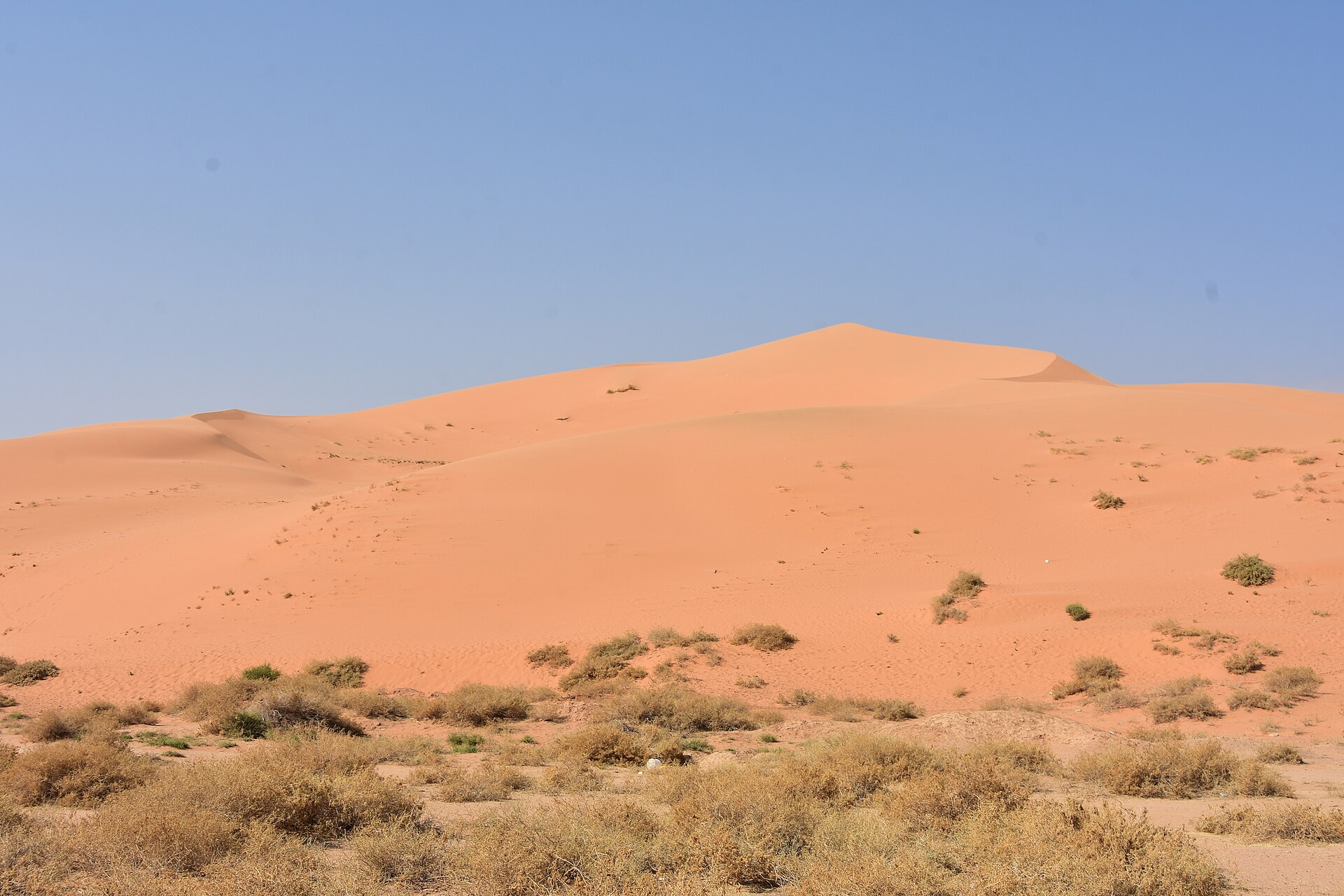
For context, Saudi Arabia’s proven oil reserves are valued at roughly $2 trillion at current prices, meaning the kingdom’s mineral endowment could theoretically exceed its hydrocarbon wealth. The critical word is “theoretically.” The $2.5 trillion valuation reflects in-situ resource estimates — minerals in the ground, not yet extracted, processed, or sold. Converting geological potential into economic reality requires decades of exploration, infrastructure development, and processing capacity that the kingdom is only beginning to build.
But the geological foundation is not in dispute. The Arabian Shield formed between 900 and 550 million years ago through a series of volcanic arc collisions and tectonic events that concentrated metallic minerals along suture zones and shear corridors. These same geological processes created the mineral-rich formations of eastern Africa and western Australia. What distinguishes the Arabian Shield is not the absence of minerals but the absence of modern exploration. Until the 2020s, less than 5 percent of the Shield had been explored using contemporary techniques — satellite spectral imaging, airborne geophysics, and deep drilling programs. The rest was catalogued using geological surveys conducted in the 1960s and 1970s, many by the United States Geological Survey under Cold War-era cooperation agreements.
Why Is Saudi Arabia Pivoting to Mining Now
The timing of Saudi Arabia’s mining push is neither accidental nor purely strategic. It is the product of three converging pressures: the accelerating global energy transition, the demonstrated fragility of oil-dependent economies during geopolitical crises, and a narrow window of competitive advantage in critical minerals that China currently dominates.
Oil currently accounts for approximately 40 percent of Saudi GDP, down from roughly 50 percent a decade ago but still a concentration that Crown Prince Mohammed bin Salman has publicly described as unsustainable. Vision 2030, the kingdom’s economic transformation blueprint, explicitly targets diversification away from hydrocarbons. Mining is the only sector that offers both the scale and the strategic value to absorb a significant share of the revenue that oil will eventually surrender.
The arithmetic is straightforward. Saudi Arabia’s Vision 2030 target for mining GDP contribution is 240 billion SAR — approximately $64 billion — by the end of the decade. That would represent a roughly thirtyfold increase from the sector’s current contribution, which remains below 2 percent of GDP. No other non-oil sector in the kingdom’s diversification portfolio has both the resource base and the global market demand to support growth of that magnitude.
There is also a geopolitical calculation. The global scramble for critical minerals — lithium, cobalt, rare earth elements, copper — has created a seller’s market that did not exist a decade ago. Electric vehicle production, renewable energy infrastructure, semiconductor manufacturing, and defence technology all require minerals that are in increasingly short supply. Countries that control these supply chains will wield influence comparable to what oil producers commanded in the twentieth century. Saudi Arabia’s leadership has studied this dynamic carefully and concluded that the kingdom’s mineral endowment positions it to become a critical minerals superpower — if it moves fast enough.
Ma’aden’s Financial Explosion
The financial performance of the Saudi Arabian Mining Company, known as Ma’aden, provides the most tangible evidence that the mining revolution is already generating returns. Ma’aden’s full-year 2025 results, released in early 2026, showed revenue of $10.3 billion, a 19 percent increase year-on-year. Net profit reached $2.0 billion, a 156 percent surge from the prior year. EBITDA climbed to $4.3 billion, up 30 percent.
These are not the numbers of a speculative venture. They are the financials of a company that has reached operational maturity in multiple commodity segments and is now benefiting from both production scaling and favourable commodity prices. Ma’aden’s H1 2025 net profit had already surged 73 percent, signalling the trajectory that the full-year results confirmed.
| Ma’aden Metric | FY 2024 | FY 2025 | Change |
|---|---|---|---|
| Revenue | $8.7B | $10.3B | +19% |
| Net Profit | $0.78B | $2.0B | +156% |
| EBITDA | $3.3B | $4.3B | +30% |
| Gold Production | ~380K oz | 409K oz | +7.6% |
| Phosphate Ore | ~22M tons | 24.6M tons | +12% |
In February 2026, Ma’aden announced a $110 billion investment plan — the largest capital commitment in the company’s history. The plan targets a tripling of both gold and phosphate production capacity within the coming decade. This is not a blue-sky projection. Ma’aden has the balance sheet, the operational infrastructure, and the government backing to execute at this scale. The Public Investment Fund (PIF), Saudi Arabia’s sovereign wealth vehicle, holds a controlling stake in Ma’aden, providing both financial firepower and strategic alignment with national objectives.
The $110 billion figure represents a bet on commodity prices remaining elevated and on Saudi Arabia’s ability to extract and process minerals at globally competitive costs. Both assumptions carry risk. But Ma’aden’s 2025 results suggest the company is already operating at margins that justify aggressive expansion. The question is no longer whether Saudi mining can generate meaningful revenue but whether it can scale fast enough to matter in the national economic picture.
The Saudi Gold Rush
Saudi Arabia produced 409,000 ounces of gold in 2025 from its Arabian Shield mines, a modest figure by global standards — roughly 1.2 percent of worldwide output — but one that Ma’aden plans to triple within a decade. The kingdom’s gold ambitions are grounded in geology rather than aspiration. The Arabian Shield hosts nearly 1,000 identified gold sites, many of which were mined in antiquity and abandoned centuries ago. Modern exploration techniques have revealed that ancient miners, limited by the technology of their era, extracted only the most accessible surface deposits. The deeper mineralisation remained untouched.
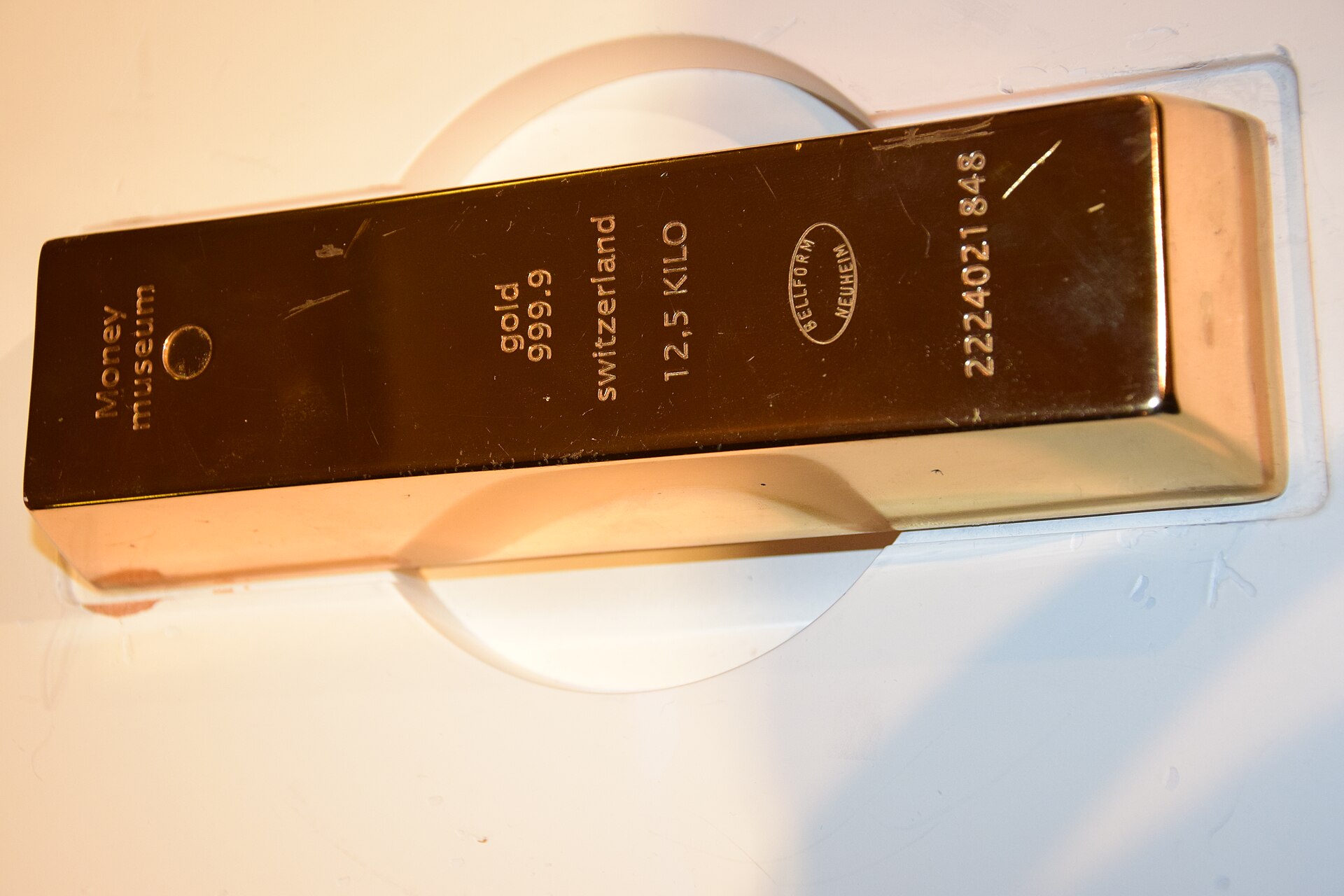
The exploration budget tells its own story. Saudi Arabia’s annual exploration spending reached $146 million in 2025, up from just $21 million in 2022 — a sevenfold increase in three years. Of that $146 million, 72 percent was allocated to gold exploration, reflecting the metal’s priority status in the national mining strategy. The remaining 23 percent went to copper, with smaller allocations spread across other minerals.
Drilling activity has followed the same exponential curve. The kingdom recorded 160 drilling projects in 2024, up from 58 in 2023, a nearly threefold increase in a single year. Each drilling programme generates geological data that refines resource estimates and identifies commercially viable deposits. The feedback loop between exploration spending, drilling activity, and resource confirmation is now accelerating.
Gold’s appeal to the Saudi strategy extends beyond its commodity price. Gold mining generates high-value employment, requires sophisticated processing infrastructure, and produces a universally liquid asset that strengthens national reserves. For a country seeking to reduce dependence on a single commodity, the irony of pivoting to another commodity is not lost on analysts. But gold’s demand drivers — central bank purchases, jewellery, electronics, investment — are structurally different from oil’s, and the two commodities rarely move in tandem. Diversification, in this context, means diversification of risk exposure as much as revenue source.
“The minerals beneath the Arabian Shield are not a safety net for the post-oil era. They are the construction materials for the next economy.” — Saudi Ministry of Industry and Mineral Resources strategic briefing, 2025
The Post-Oil Pillar Assessment Matrix
To assess where mining fits within Saudi Arabia’s broader economic diversification, it is necessary to evaluate all of the kingdom’s major non-oil pillars against a consistent set of criteria. The Post-Oil Pillar Assessment Matrix scores each pillar on five dimensions: current revenue contribution, growth trajectory, global competitive position, vulnerability to disruption, and strategic autonomy. Each dimension is scored from 1 (weakest) to 5 (strongest), yielding a maximum composite score of 25.
| Pillar | Current Revenue (1-5) | Growth Trajectory (1-5) | Global Position (1-5) | Disruption Vulnerability (1-5) | Strategic Autonomy (1-5) | Composite Score |
|---|---|---|---|---|---|---|
| Mining & Minerals | 2 | 5 | 4 | 4 | 5 | 20 |
| Tourism & Entertainment | 2 | 4 | 3 | 2 | 3 | 14 |
| Technology & Digital | 1 | 3 | 2 | 3 | 2 | 11 |
| Defence Industry | 1 | 4 | 3 | 3 | 5 | 16 |
| Financial Services | 3 | 3 | 3 | 3 | 3 | 15 |
| Renewable Energy | 1 | 4 | 3 | 4 | 4 | 16 |
Mining scores highest on two of the five dimensions: growth trajectory and strategic autonomy. The growth trajectory score of 5 reflects the combination of a $2.5 trillion resource base, a sevenfold increase in exploration spending, and a $110 billion investment plan — growth vectors unmatched by any other Saudi non-oil sector. The strategic autonomy score of 5 reflects the fact that mineral resources are sovereign assets, extracted from national territory, processed domestically, and sold on global commodity markets without requiring the cultural adaptation, brand-building, or technology licensing that tourism, entertainment, and tech sectors demand.
Mining’s weakness is its current revenue contribution, scored at 2. At less than 2 percent of GDP, the sector remains marginal in the national accounts. But this is precisely what makes the growth trajectory score so significant. A sector growing from a small base with a massive resource endowment has more headroom than a sector growing from a larger base with structural constraints.
Tourism scores well on growth trajectory (4) but poorly on disruption vulnerability (2). Pandemics, regional conflict, and reputational risk can crater tourism revenue overnight, as the kingdom witnessed during the 2020 COVID shutdowns and as it faces now with the Iran war destabilising the region. Mining, by contrast, operates on multi-decade timelines with capital-intensive infrastructure that insulates it from short-term demand shocks.
The Matrix reveals a counterintuitive finding. Defence industry scores 16, just behind mining at 20, and matches mining’s perfect 5 on strategic autonomy. The kingdom’s royal family has pushed both sectors simultaneously — mining for economic transformation, defence for strategic independence. The two are complementary: Saudi-mined metals feed Saudi defence manufacturing, creating a closed-loop industrial ecosystem.
Can Saudi Arabia Break China’s Rare Earth Monopoly
China controls approximately 60 percent of global rare earth mining and roughly 90 percent of rare earth processing capacity, according to the International Energy Agency. This concentration gives Beijing extraordinary influence over the supply chains for electric vehicles, wind turbines, missile guidance systems, and consumer electronics. Western governments and defence establishments have identified rare earth dependency as a critical strategic vulnerability. Saudi Arabia has positioned itself as part of the solution.
In a landmark partnership announced in 2025, Ma’aden entered a joint venture with MP Materials and the United States Department of War for rare earth refining. Under the agreement, Ma’aden holds 51 percent of the venture, with MP Materials and the DoW collectively holding 49 percent. The structure is deliberate: Saudi majority ownership satisfies sovereign resource requirements, while American participation provides processing technology and guaranteed off-take for defence applications.
The Arabian Shield hosts 176 identified rare earth element sites, though most remain at the exploration stage rather than production-ready. The joint venture’s initial focus is on refining — processing rare earth concentrates into the separated oxides and metals that end-use manufacturers require. This is the chokepoint in the global supply chain, the processing stage where China’s dominance is most pronounced, and the step that Western governments have struggled to replicate domestically due to the environmental costs and technical complexity involved.
Saudi Arabia’s calculation is that it can offer something no other rare earth aspirant can: cheap energy for processing, a permissive regulatory environment, massive industrial land availability, and a sovereign government willing to subsidise strategic industries at scales that private companies cannot match. Whether the kingdom can translate these advantages into operational processing capacity within the next five years will determine whether the rare earth joint venture becomes a strategic asset or remains a memorandum of understanding.
The geopolitical stakes are difficult to overstate. If Saudi Arabia establishes itself as a credible non-Chinese source of processed rare earths, the kingdom would gain influence over Western defence supply chains comparable to its current influence over global energy markets. For Riyadh, the appeal is obvious: diversification not just of revenue but of strategic relevance.
The Phosphate Empire
While gold captures headlines and rare earths attract geopolitical attention, phosphate is Ma’aden’s largest and most profitable business segment. The company processed 24.6 million tons of phosphate ore in 2025, making it one of the world’s top phosphate producers. Phosphate is the invisible mineral — essential for global food production through its use in fertiliser, yet rarely discussed in mainstream media. That invisibility belies its strategic importance.
Global food production depends on phosphate-based fertilisers. There is no substitute. Unlike oil, which faces competition from renewables, or gold, which competes with other stores of value, phosphate occupies an irreplaceable position in the agricultural supply chain. Countries that control phosphate reserves control a chokepoint in global food security. Morocco dominates this market, holding an estimated 70 percent of global reserves, but Saudi Arabia has emerged as the second most significant player in terms of production growth.
Ma’aden’s Phosphate 3 Phase 1 expansion was 50 percent complete as of early 2026, on schedule for commissioning in 2027. This expansion will significantly increase the company’s phosphate processing capacity, adding to an already dominant position in the Middle East and North Africa fertiliser market. The $110 billion investment plan announced in February 2026 targets a tripling of phosphate production alongside gold, indicating that Ma’aden views phosphate as a long-term pillar rather than a legacy business to be milked.
The economics of phosphate differ from precious metals in important ways. Phosphate prices are less volatile than gold or copper, providing a more predictable revenue base. Demand growth is tied to population growth and dietary shifts in developing economies — structural trends that operate on decades-long timescales. For a company and a country planning in generational terms, phosphate offers the kind of steady, compounding returns that flashier commodities cannot guarantee.
How Big Is the Saudi Mining Expansion
The scale of Saudi Arabia’s mining expansion is best understood through the numbers that describe its acceleration. In 2020, six exploration companies operated in the kingdom. By 2026, that number had reached 226 — a 3,700 percent increase in six years. The kingdom holds 702 active mining licenses. Its ninth licensing round, conducted in 2025, offered 172 sites and attracted 671 million SAR ($179 million) in pledged investment from bidders.
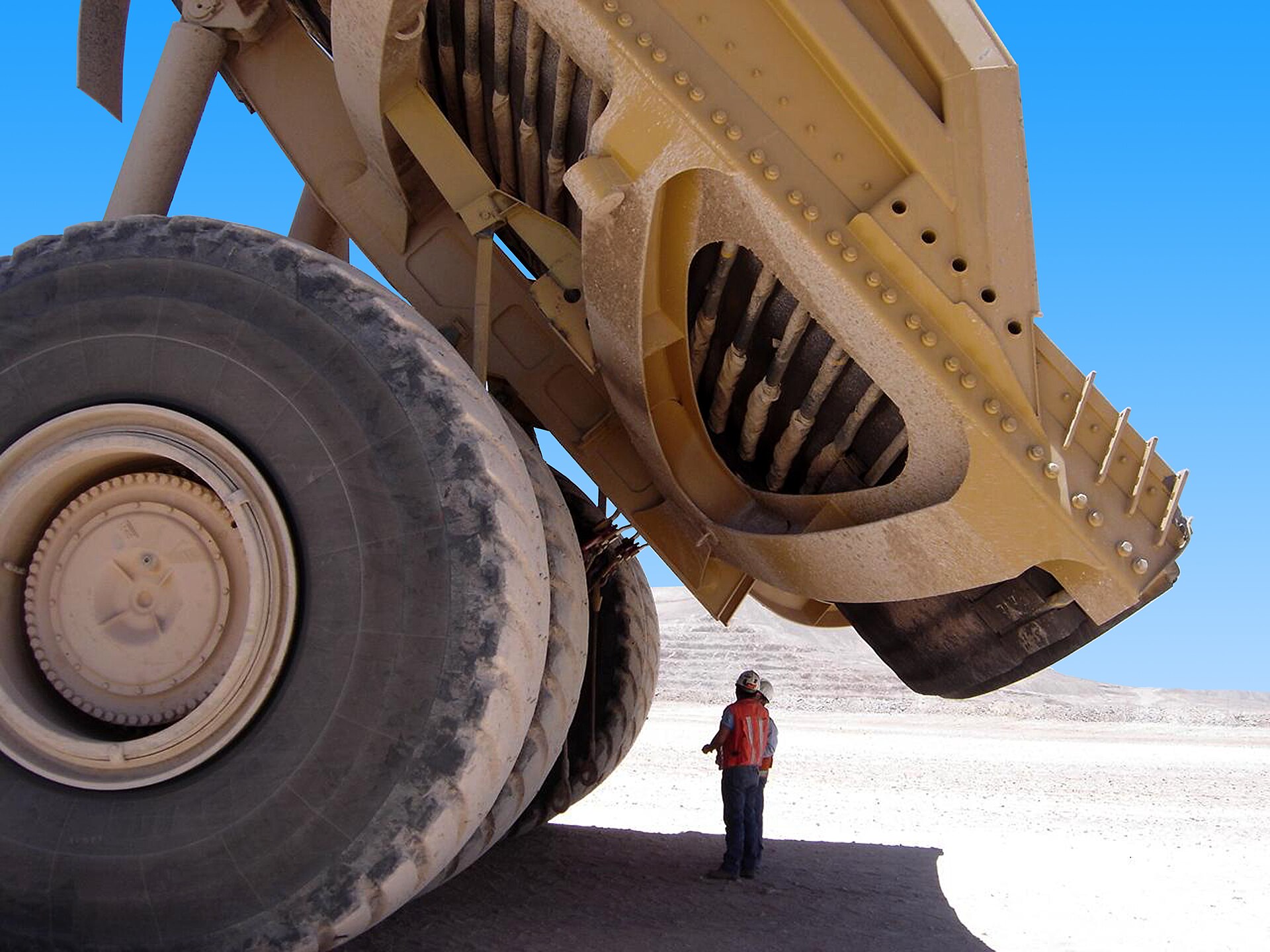
Current production levels, while growing, remain modest relative to the resource base. Annual copper and zinc concentrate output stands at 68,000 tons. Gold production reached 409,000 ounces. These figures would not rank Saudi Arabia among the world’s top ten producers in any single commodity. But the trajectory is what matters. Drilling projects surged from 58 in 2023 to 160 in 2024. Exploration budgets grew from $21 million in 2022 to $146 million in 2025. Every metric is moving in the same direction, and the rate of acceleration is increasing.
Vision 2030 has set explicit targets for the mining sector: a GDP contribution of 240 billion SAR ($64 billion) by 2030, the creation of 200,000 jobs, and $27 billion in new investment attracted. Meeting these targets would require annual growth rates in mining output that exceed anything the sector has achieved historically. But the gap between current output and target output is precisely what the $110 billion investment plan is designed to close.
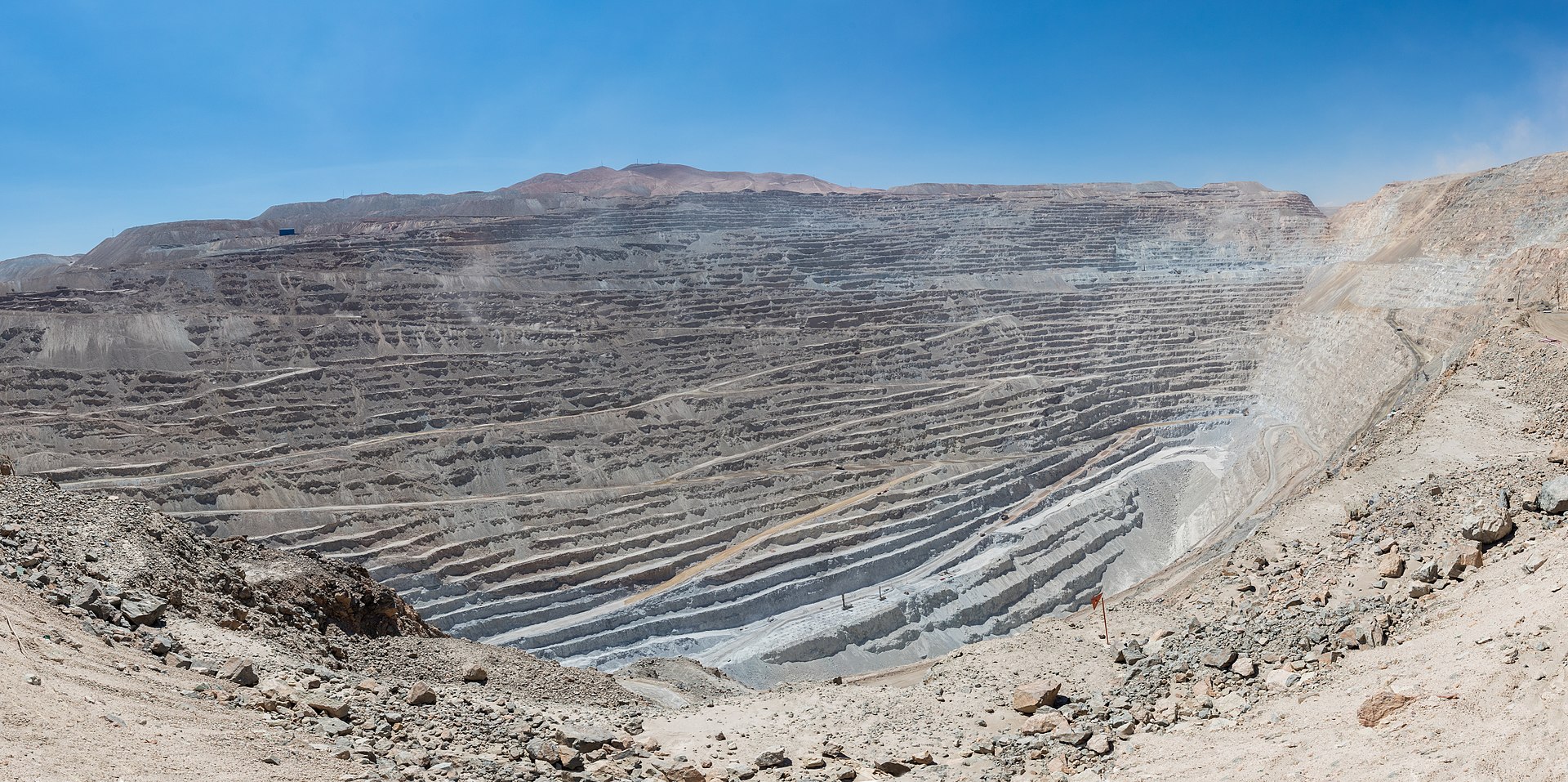
The infrastructure challenge should not be underestimated. Open-pit mining at the scale Saudi Arabia envisions requires road networks, power stations, water supply systems, ore processing plants, rail connections to ports, and housing for thousands of workers in remote desert locations. The kingdom has experience building infrastructure in harsh conditions — Aramco’s operations across the Eastern Province demonstrate that. But mining infrastructure across the Arabian Shield’s 630,000 square kilometres represents a logistical challenge of a different order.
Does the Iran War Make Mining More Urgent
The conventional reading of the Iran war’s impact on Saudi economic planning focuses on oil — higher prices, supply disruption risks, Strait of Hormuz vulnerability. This reading, while accurate, misses the deeper strategic recalculation happening inside the Saudi government. The war has made mineral diversification not merely desirable but existentially urgent.
The logic is brutally simple. Saudi Arabia’s oil infrastructure — Aramco’s processing facilities at Abqaiq and Khurais, the Ras Tanura export terminal, the pipelines crossing the Eastern Province — is concentrated, visible, and vulnerable. The 2019 Abqaiq attack, attributed to Iranian-backed forces, temporarily knocked out half of Saudi oil production with a handful of drones. The current Iran conflict has elevated this vulnerability from theoretical to operational. Every day the war continues, Saudi planners are reminded that a single successful strike on critical oil infrastructure could paralyse the national economy.
Mining assets, by contrast, are distributed across hundreds of sites spanning the Arabian Shield’s western expanse. No single mine represents a meaningful percentage of national mining revenue. No single processing facility is a single point of failure. The distributed geography of mineral deposits provides an inherent resilience that concentrated oil infrastructure cannot match.
There is a second, less obvious mechanism through which the war accelerates the mining pivot. Wartime oil prices have generated windfall revenues that the Saudi government is channelling directly into mining investment. Higher oil income today funds faster mining development tomorrow. The PIF’s increased allocation to Ma’aden and mining-adjacent infrastructure projects in 2025 and 2026 reflects this dynamic. The war has, paradoxically, provided the capital to reduce the very dependency it exposes.
A third factor operates at the level of international perception. Western governments seeking to reduce their exposure to Chinese mineral supply chains are actively looking for alternative partners. The war has demonstrated Saudi Arabia’s alignment with Western security interests and its reliability as a strategic partner under pressure. This alignment opens doors to mineral processing partnerships — like the Ma’aden-MP Materials-DoW rare earth venture — that might not have materialised in peacetime.
The Licensing Revolution and the Tax Gamble
Before 2020, Saudi Arabia’s mining sector was effectively closed to foreign investment. The regulatory framework was opaque, licensing processes were slow, and a 45 percent mining royalty rate made most projects uneconomical. The transformation since then has been rapid and deliberate.
The mining tax rate was slashed from 45 percent to 20 percent, immediately improving the economics of every project in the kingdom’s pipeline. The reduction was not a gradual adjustment but a single dramatic cut designed to signal that Saudi Arabia was open for mining business. The impact was immediate: exploration companies multiplied from 6 to 226, and licensing applications surged.
The kingdom’s Exploration Enablement Program, launched as part of the broader mining reform package, covers 25 percent of drilling and laboratory testing costs for qualifying exploration companies. This subsidy addresses a critical barrier to entry: the high upfront cost of mineral exploration, where companies must spend millions before knowing whether a site is commercially viable. By absorbing a quarter of these costs, the government shares the exploration risk with private operators — a calculated gamble that the resulting discoveries will generate tax revenue, employment, and strategic minerals that far exceed the subsidy outlay.
The ninth licensing round in 2025 demonstrated the market’s response to these reforms. The round offered 172 sites and attracted 671 million SAR ($179 million) in pledged investment commitments. Each successive round has drawn more participants and higher commitments, suggesting that the regulatory reforms have shifted mining in Saudi Arabia from a speculative backwater to a competitive investment destination.
The tax gamble deserves scrutiny. Cutting the mining tax from 45 percent to 20 percent sacrifices more than half of per-unit government revenue in exchange for higher volumes. This is the classic supply-side bet: lower rates generating more activity, which generates more total revenue despite lower rates per transaction. The early evidence supports the bet — exploration spending has grown sevenfold while the number of active companies has grown thirty-sevenfold. But the revenue test will come when large-scale production begins and the government must demonstrate that 20 percent of a large number exceeds 45 percent of a small one.
Aluminium and Vertical Integration
In July 2025, Ma’aden completed the acquisition of Alcoa’s 25.1 percent stake in their joint aluminium business, giving Ma’aden full operational control of one of the Middle East’s largest aluminium smelting and rolling complexes. The acquisition was significant not for its financial size but for what it signalled about Ma’aden’s strategic direction: vertical integration from mine to finished product.
Aluminium is energy-intensive to produce. Smelting requires enormous quantities of electricity, which is why aluminium plants are traditionally located near cheap hydroelectric power sources in Norway, Canada, and Iceland. Saudi Arabia’s advantage is different — cheap natural gas provides the energy input — but the economic logic is identical. By controlling both the bauxite mining and the aluminium processing chain, Ma’aden captures margin at every stage rather than exporting raw ore for processing elsewhere.
This vertical integration model is the template the Crown Prince wants to replicate across the mining portfolio. The vision is not for Saudi Arabia to become a raw material exporter — a colonial-era model that the kingdom’s leadership explicitly rejects — but a processor and manufacturer. Gold mined in the Arabian Shield should be refined in Saudi facilities. Phosphate ore should become fertiliser in Saudi chemical plants. Rare earth concentrates should be separated into usable oxides in Saudi processing facilities. Each processing step adds value, creates employment, and reduces dependency on foreign industrial capacity.
The Alcoa acquisition provided Ma’aden with the technical knowledge and operational systems needed to run a fully integrated metals business. It also eliminated a minority shareholder whose interests might not always align with Saudi national strategy. Full ownership means full control — over investment decisions, over export destinations, over the pace of expansion. For a government that views mining as a pillar of national security, not merely a business, that control is invaluable.
What Could Derail the Mining Revolution
The risks to Saudi Arabia’s mining ambitions are real, varied, and in some cases existential. Acknowledging them is not pessimism but realism — the same realism that would demand scrutiny of any $110 billion investment plan in any sector in any country.
Water scarcity is the most fundamental constraint. Mining and mineral processing consume enormous quantities of water. Saudi Arabia is one of the world’s most water-stressed countries, dependent on desalination for the majority of its freshwater supply. Scaling mining production across the Arabian Shield will require either massive desalination expansion, long-distance water pipelines from coastal plants to inland mining sites, or the development of water-efficient processing technologies that do not yet exist at scale. Every cubic metre of water allocated to mining is a cubic metre not available for agriculture, industry, or residential use.
Labour presents a second challenge. The Vision 2030 target of 200,000 mining jobs assumes a workforce that currently does not exist in sufficient numbers or with sufficient skills. Saudi Arabia’s labour market has historically been bifurcated between well-compensated public-sector positions and lower-wage private-sector roles filled by expatriate workers. Mining requires a middle tier: technically skilled operators, geologists, metallurgists, and engineers willing to work in remote desert locations. Training this workforce will take years. Recruiting it from abroad carries political sensitivities in a country pursuing Saudisation of its labour force.
Commodity price volatility is the financial risk that no investment plan can fully mitigate. The $110 billion plan assumes that gold, copper, phosphate, and rare earth prices will remain at levels that justify the capital expenditure. A sustained downturn in any of these commodities could render specific projects uneconomical, stranding billions in sunk capital. Ma’aden’s diversification across multiple minerals provides some hedge, but a broad commodity bear market — triggered, for instance, by a global recession — could delay or derail the entire programme.
Environmental opposition, while muted in Saudi Arabia’s domestic political context, could emerge as an international issue. Mining is inherently disruptive to landscapes and ecosystems. As Saudi Arabia seeks foreign partnerships and international capital for its mining sector, it will face scrutiny from ESG-focused investors and environmental organisations that have successfully delayed or blocked mining projects in Australia, Chile, and Scandinavia. The kingdom’s environmental regulatory framework for mining is still developing and may prove insufficient to satisfy international partners’ compliance requirements.
Finally, there is execution risk — the risk that the government and Ma’aden simply cannot build the required infrastructure, train the required workforce, and commission the required processing plants within the ambitious timelines Vision 2030 demands. This risk is amplified by the kingdom’s simultaneous pursuit of megaprojects across multiple sectors — NEOM, The Red Sea, Qiddiya, the entertainment sector buildout — all of which compete for the same construction capacity, engineering talent, and government attention.
Saudi Mining in Global Context
Placing Saudi Arabia’s mining ambitions in global context reveals both the scale of the opportunity and the distance still to travel. The world’s largest mining companies — BHP, Rio Tinto, Vale, Glencore — each generate annual revenues between $40 billion and $55 billion. Ma’aden’s $10.3 billion in 2025 revenue places it among the world’s top twenty mining companies but still well below the tier-one operators.
| Country | Mining Revenue (2025 est.) | Mining % of GDP | Primary Commodities | Exploration Spend |
|---|---|---|---|---|
| Australia | ~$290B | 13.4% | Iron ore, gold, lithium, coal | $2.4B |
| Chile | ~$75B | 22% | Copper, lithium | $600M |
| Canada | ~$110B | 5% | Gold, potash, copper, nickel | $2.1B |
| South Africa | ~$70B | 7.5% | Gold, platinum, coal, diamonds | $400M |
| Saudi Arabia | ~$12B | <2% | Gold, phosphate, aluminium, copper | $146M |
The comparison with Australia is instructive. Australia’s mining sector contributes approximately 13.4 percent of GDP and took over a century to develop. Saudi Arabia targets a similar GDP contribution in a fraction of that time. Australia’s annual exploration spending of $2.4 billion dwarfs Saudi Arabia’s $146 million, suggesting that the kingdom’s exploration budget, despite its sevenfold growth, remains insufficient to catalogue the Arabian Shield’s full potential at the pace Vision 2030 demands.
Chile offers a different comparison. Chile’s mining sector, dominated by copper, accounts for roughly 22 percent of GDP — a level of resource dependence that Saudi Arabia would want to avoid replicating. The goal is not to replace oil dependency with mineral dependency but to create a diversified economy where no single sector exceeds 20 percent of GDP. Mining, at its projected $64 billion contribution, would represent approximately 6 to 8 percent of a growing Saudi GDP — a meaningful pillar without becoming a crutch.
The most relevant comparison may be with the Democratic Republic of Congo, which holds vast mineral wealth but has failed to translate geological endowment into economic development due to governance failures, infrastructure gaps, and conflict. Saudi Arabia’s advantages — stable governance, abundant capital, existing industrial infrastructure, and strategic geographic location between Asian and European markets — position it to avoid the “resource curse” that has afflicted mineral-rich developing nations. But these advantages are necessary conditions, not sufficient ones. Execution will determine whether Saudi Arabia becomes the Australia of the Middle East or the Congo with better roads.
Frequently Asked Questions
How much are Saudi Arabia’s mineral reserves worth
The Saudi government estimates the kingdom’s mineral reserves at $2.5 trillion, based on geological surveys of the Arabian Shield formation, according to CNN reporting from January 2026. This figure encompasses gold, silver, copper, zinc, phosphate, rare earth elements, and dozens of other minerals across 35 identified mineralised belts. The valuation reflects in-situ resources — minerals still in the ground — not yet-extracted production. Converting this geological wealth into economic output requires decades of exploration, extraction, and processing investment, which is the purpose behind Ma’aden’s $110 billion capital plan.
What is Ma’aden and who owns it
Ma’aden, formally the Saudi Arabian Mining Company, is the kingdom’s national mining champion and the largest mining enterprise in the Middle East. The Public Investment Fund, Saudi Arabia’s sovereign wealth fund, holds a controlling stake in Ma’aden, aligning the company’s strategy with national Vision 2030 objectives. In fiscal year 2025, Ma’aden generated $10.3 billion in revenue and $2.0 billion in net profit. The company operates across gold, phosphate, aluminium, and base metals, and announced a $110 billion investment plan in February 2026 to expand production across all segments.
Is Saudi Arabia producing rare earth elements
Saudi Arabia has identified 176 rare earth element sites across the Arabian Shield, but most remain at the exploration stage rather than commercial production. The kingdom’s rare earth strategy centres on a joint venture between Ma’aden (51 percent), MP Materials, and the United States Department of War (49 percent combined), which focuses on rare earth refining and processing rather than mining alone. The venture targets the processing chokepoint in the global supply chain, where China controls approximately 90 percent of capacity, according to International Energy Agency data.
How does mining fit into Saudi Vision 2030
Vision 2030 designates mining as a third pillar of the Saudi economy alongside oil and petrochemicals. The plan targets a mining GDP contribution of 240 billion SAR (approximately $64 billion) by 2030, the creation of 200,000 mining-sector jobs, and the attraction of $27 billion in new investment. Supporting reforms include a reduction of the mining tax rate from 45 percent to 20 percent, the Exploration Enablement Program covering 25 percent of drilling and laboratory costs, and a streamlined licensing framework that has grown active mining licenses to 702 across the kingdom.
How many mining companies operate in Saudi Arabia
The number of exploration companies operating in Saudi Arabia grew from 6 in 2020 to 226 by 2026, a 3,700 percent increase driven by regulatory reforms, tax cuts, and government subsidies. The kingdom holds 702 active mining licenses, and its ninth licensing round in 2025 offered 172 sites and attracted 671 million SAR ($179 million) in pledged investment. This expansion reflects a deliberate government strategy to open the mining sector to both domestic and international operators, shifting from a model where Ma’aden operated as a near-monopoly to a competitive multi-operator market.
What are the biggest risks to Saudi Arabia’s mining plans
Five primary risks threaten the mining revolution: water scarcity in one of the world’s most arid nations, a skilled labour shortage requiring years to address, commodity price volatility that could render capital-intensive projects uneconomical, environmental scrutiny from international investors and partners, and execution risk from pursuing massive mining expansion simultaneously with other megaprojects including NEOM, The Red Sea, and Qiddiya. Each risk is manageable individually, but their combination creates compounding uncertainty that the kingdom must address through sustained policy commitment over decades, not years.
How does the Iran war affect Saudi mining strategy
The Iran war accelerates Saudi Arabia’s mining pivot through three mechanisms. First, it demonstrates the vulnerability of concentrated oil infrastructure to military strikes, reinforcing the strategic case for diversifying into geographically distributed mining assets. Second, wartime oil windfall revenues provide the capital to fund faster mining development. Third, the conflict has strengthened Saudi Arabia’s alignment with Western governments seeking non-Chinese sources of critical minerals, opening doors to strategic partnerships such as the Ma’aden-MP Materials rare earth joint venture that might not have materialised in peacetime.