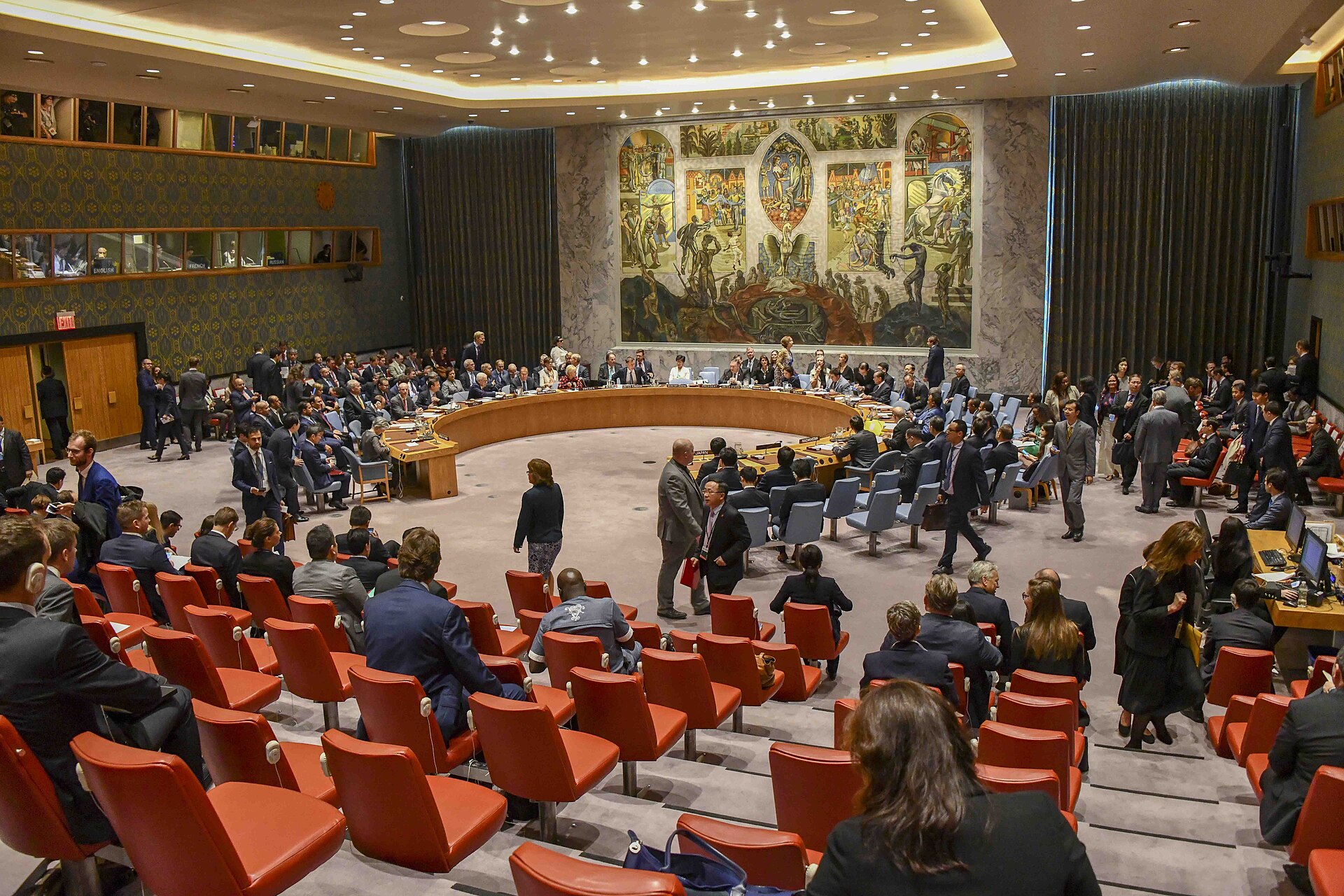

JEDDAH — Saudi Arabia and Ukraine signed a 10-year defense cooperation pact on March 27 before President Zelensky had even sat down with Crown Prince Mohammed bin Salman — a choreographic detail that signals advanced coordination at the highest levels, not a diplomatic improvisation. What Riyadh is assembling, through Ukrainian interceptors, a Greek Patriot battery operating outside NATO command, a $9 billion American PAC-3 order, and an F-35 approval three days later, is a multi-layered air defense architecture designed so that no single supplier’s production delay, congressional vote, or diplomatic calculation can leave Saudi cities undefended.
Each deal is explicable on its own terms, and each has its own bureaucratic paper trail. Together, they describe a strategic choice by MBS to break the dependency that nearly broke the Kingdom’s air defenses in the opening month of the Iran war: the assumption that Washington would always be able — and willing — to deliver enough interceptors, fast enough, when the missiles started flying. That assumption hit 400 remaining PAC-3 rounds and shattered.
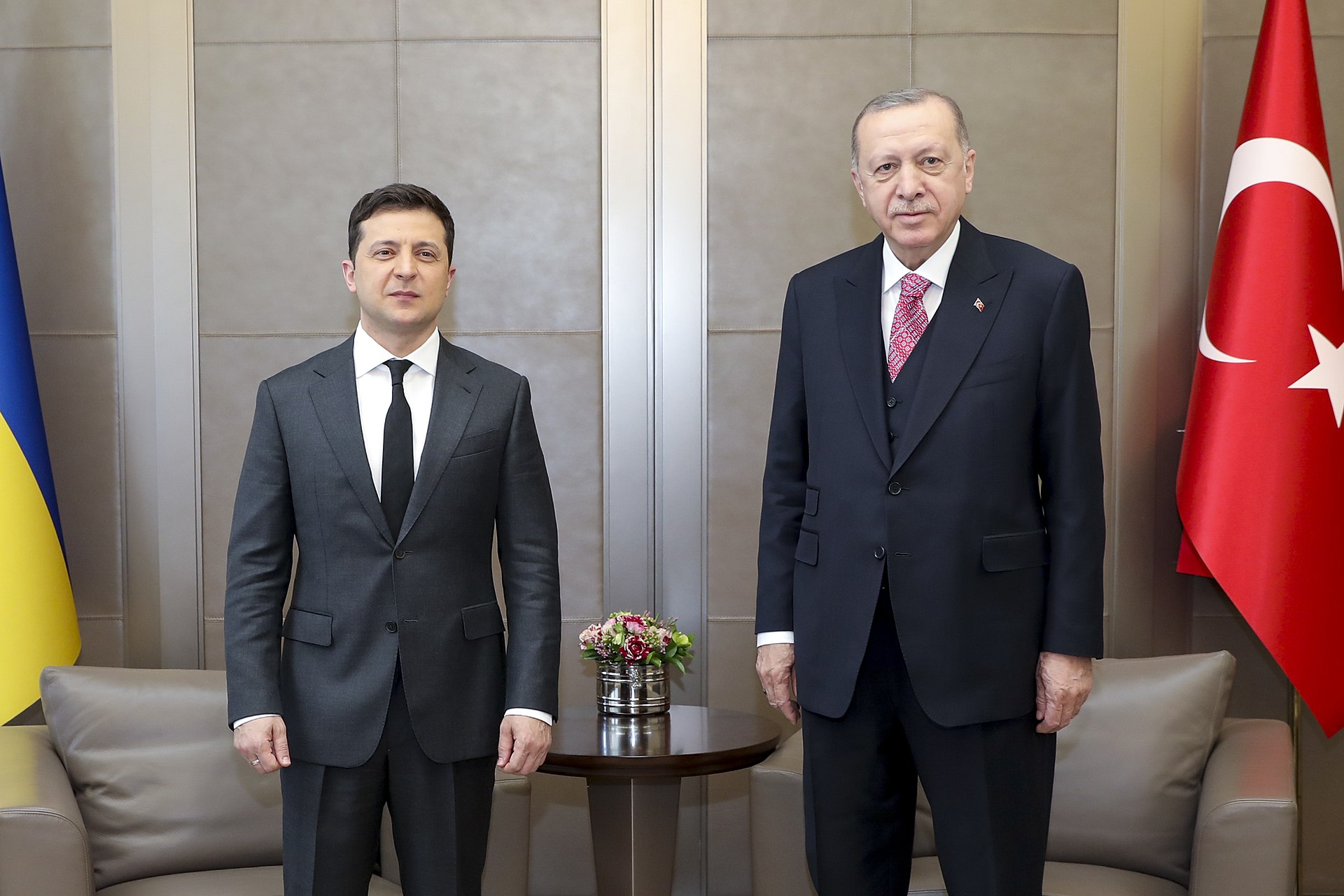
Table of Contents
- The Deal That Was Already Done
- Why Does Saudi Arabia Need Ukrainian Interceptors?
- What Zelensky Brought to Jeddah
- The Greek Battery That Changed the War
- How Many PAC-3 Interceptors Does Saudi Arabia Have Left?
- The F-35 and the KAAN: Playing Every Vendor
- Why Hasn’t Moscow Objected?
- Does Ukraine’s Defense IP Create a Security Risk?
- The Architecture MBS Is Actually Building
- Frequently Asked Questions
The Deal That Was Already Done
The March 27 signing in Jeddah had been months in preparation. At the World Defense Show in Riyadh in February 2026, Ukrainian manufacturers exhibited Bohdana self-propelled artillery systems, Varta-2 armored vehicles, and Protector ground robotic platforms — the kind of commercial groundwork that precedes a state-level agreement, not something arranged in the corridor of a summit. An unnamed Saudi arms company had already signed a separate contract for Ukrainian-made interceptor missiles before the Zelensky visit, according to the Kyiv Independent, with both sides simultaneously negotiating what Ukrainian officials described as a “huge deal” for further transfers.
Ukraine’s ability to offer any of this was itself new. On February 10, 2026, Kyiv formally opened its export licensing framework for the first time since the full-scale Russian invasion in 2022, creating the legal mechanism for manufacturers to apply for export permits. Saudi Arabia and the UAE became the inaugural customers — the first nations to purchase Ukrainian military hardware through a formal state-to-state process, in what Fortune reported Ukraine expects will become a multi-billion-dollar export market in 2026 alone.
The cooperation framework covers maritime drones (the Magura-V5 is specified), electronic warfare systems, interception technology, defense software, and what Zelensky called a “systemic approach” to integrated air defense. More than 200 Ukrainian anti-drone specialists were already deployed across Saudi Arabia, the UAE, Qatar, Jordan, and Kuwait by the time the agreement was signed, according to CNBC and Breaking Defense, with Ukrainian military experts operating inside the Kingdom for over a week prior to the ceremony. The document was ready before the handshake; the teams were already on the ground before the cameras arrived.
Why Does Saudi Arabia Need Ukrainian Interceptors?
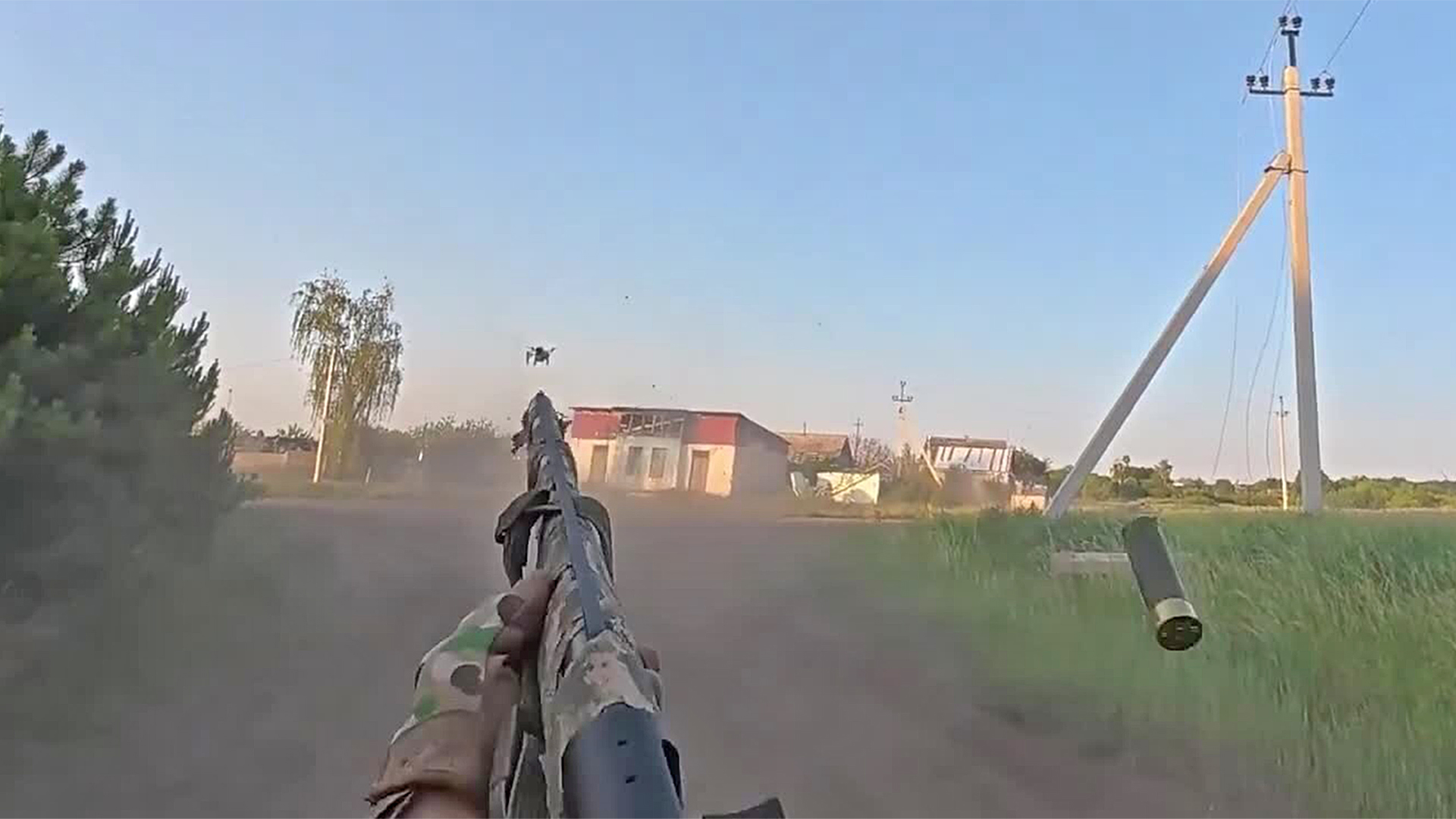
GCC stocks of PAC-3 MSE interceptors — the round that actually kills ballistic missiles — fell to approximately 400 rounds by early April 2026, roughly 14 percent of pre-war inventory, after the opening weeks of the Iran conflict consumed ammunition at rates nobody in the Pentagon’s acquisition bureaucracy had modelled. Ukrainian interceptor drones cost between $1,000 and $5,000 per unit, matching the price of the threat rather than bankrupting the defender, and freeing Patriot batteries for the ballistic missiles that actually destroy infrastructure.
The arithmetic beneath that answer is what makes the deal urgent. Each PAC-3 MSE round costs between $3 million and $4 million. Each Iranian Shahed-series drone costs roughly $20,000 to $70,000 to manufacture. During one engagement in March 2026, Gulf forces fired approximately eight Patriot missiles — $24 million in interceptors — against Iranian drone targets worth a collective $70,000, according to Jamestown Foundation analysis published in conjunction with The Times.
| System | Unit Cost | Role | Source |
|---|---|---|---|
| Patriot PAC-3 MSE | $3–4 million | Ballistic missile intercept | DSCA / Lockheed Martin |
| THAAD interceptor | $12–13 million | High-altitude ballistic | Missile Defense Agency |
| Iranian Shahed-136 | $20,000–70,000 | Attack drone (threat cost) | Jamestown Foundation |
| Ukrainian SkyFall P1-SUN | ~$1,000 | Counter-drone interceptor | The Defense Post |
| Ukrainian Wild Hornets Sting | ~$2,500 | Counter-drone interceptor | The Defense Post |
| Ukrainian FPV interceptor | ~$5,000 | Counter-drone interceptor | The Defense Post |
Ukrainian interceptor drones invert that cost equation at every level, with price points that make defending against cheap drones economically sustainable rather than fiscally ruinous. The Wild Hornets Sting alone has reportedly downed 3,900 Iranian and Russian drones since May 2025, per manufacturer claims reported by The Defense Post.
Let’s speak about weapons that we’re short of: PAC-3 missiles — if they give them to us, we will give them interceptors.
— Volodymyr Zelensky, Bloomberg interview, March 27, 2026
Zelensky was explicit about the barter structure. The exchange rate is compelling for both sides: Saudi Arabia gets cheap drone-killing capability that liberates its Patriot batteries to focus on ballistic missiles — the threats that actually shatter refineries and desalination plants — while Ukraine gets the PAC-3 rounds it desperately needs to defend its own cities from Russian strikes. Both countries face the same industrial constraint from opposite ends: too few American-made interceptors to go around, with production capacity locked until the decade’s end.
What Zelensky Brought to Jeddah
Zelensky arrived in Jeddah carrying operational credibility earned against the same Iranian drone technology now striking Saudi oil refineries, backed by a counter-drone ecosystem that no Western defense prime can replicate at the same speed or price point. Samuel Bendett of the Center for New American Security told Breaking Defense that “Ukraine has been countering [Iranian drones] for years [and] all features of this defense are of interest to the Gulf.” Jean-Marc Rickli of the Geneva Center for Security Policy pointed to Ukraine’s “rapid innovation cycle” — the ability to iterate on counter-drone systems in weeks rather than the years demanded by American or European procurement timelines.
The 10-year framework covers five categories that together constitute an integrated counter-drone architecture: interceptor drones for the low-altitude drone threat, electronic warfare systems to jam or spoof incoming UAVs, maritime drones including the Magura-V5 for Gulf and Red Sea operations, defense software to plug these systems into existing Saudi command networks, and embedded operational expertise through deployed Ukrainian specialists. “Not just interceptors alone, but also defence lines, software, electronic warfare systems,” Zelensky told Euronews on March 30. “We are taking a systemic approach to this.”
Zelensky said 11 nations have expressed interest in Ukrainian interceptor and counter-drone systems — a number that reflects how broadly the cost asymmetry problem has metastasised across the Middle East and beyond. Peter Dickinson, editor of the Atlantic Council’s UkraineAlert, described the Gulf tour as “a masterclass in wartime diplomacy” in which Zelensky “secured vital support for the Ukrainian war effort and laid the foundations for…strategic partnerships with the Gulf states.” The framing matters: Ukraine is positioning itself not as an arms dealer but as a security partner whose battlefield-tested expertise solves a problem no one else can solve at the right price.
The Greek Battery That Changed the War
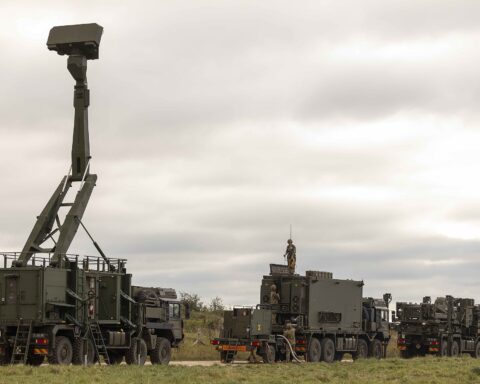
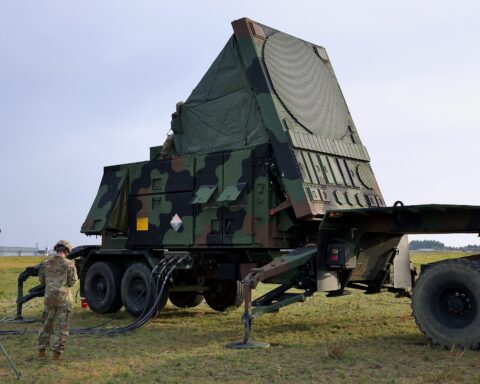
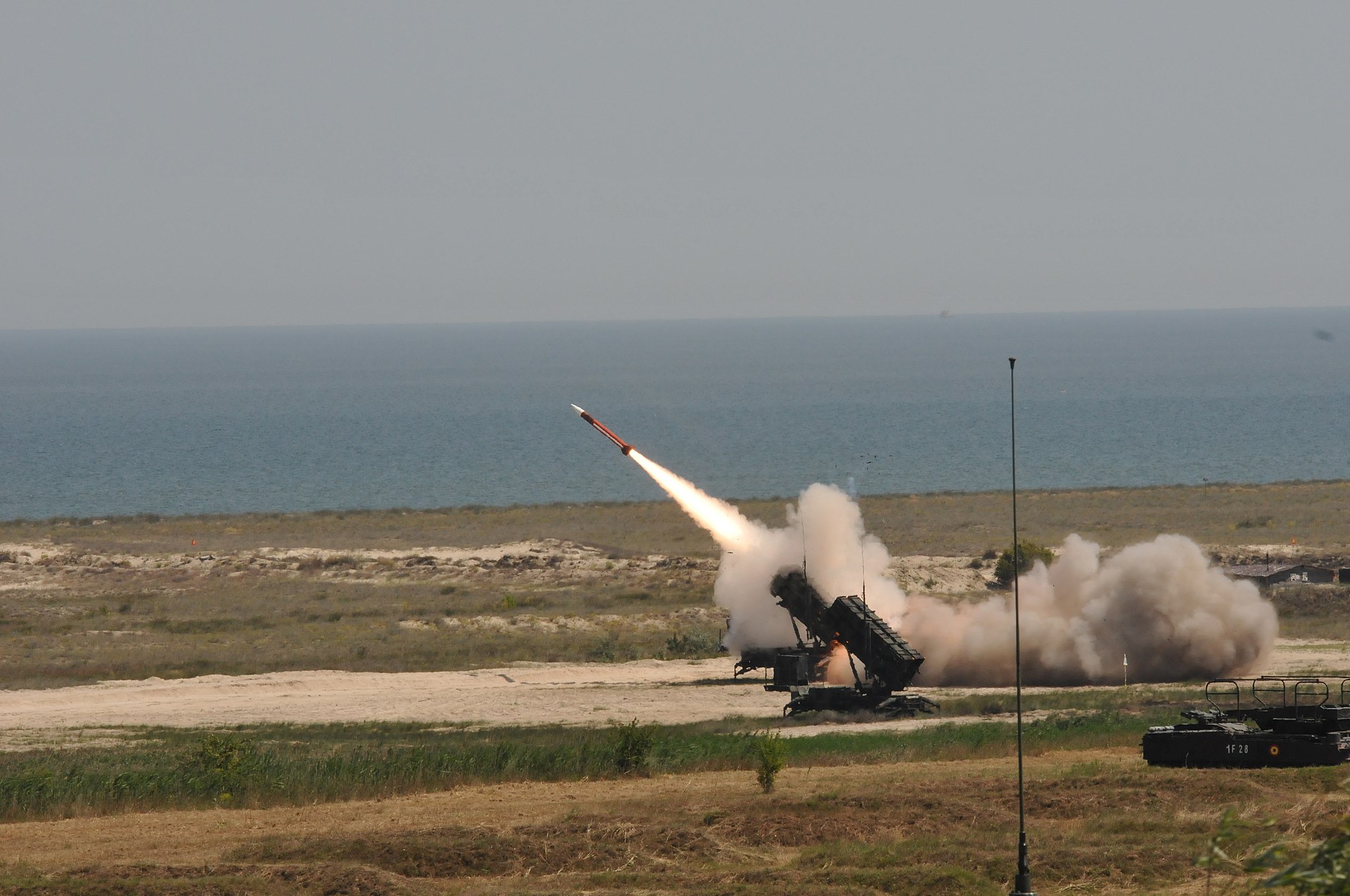
On March 19, 2026, at approximately 04:30 local time, a Greek-operated Patriot PAC-3 battery stationed near Yanbu detected, tracked, and destroyed two Iranian ballistic missiles targeting the SAMREF oil refinery. Greek Defence Minister Nikos Dendias confirmed the intercept — the first operational engagement by the Hellenic Force Saudi Arabia, known as ELDYSA, in more than four years of deployment on Saudi soil.
ELDYSA is one of the war’s more revealing arrangements. The mission comprises 120 to 130 Hellenic Air Force personnel operating a single PAC-3-configured Patriot battery, originally deployed from Tanagra Air Base outside Athens in September 2021 under a bilateral memorandum of understanding signed four months earlier. It operates explicitly outside NATO command structures — a bilateral Greek-Saudi arrangement in which Riyadh covers all operational, logistical, and upgrade costs, and additionally finances Greece’s upgrade path to the PAC-3 configuration, according to Defence Security Asia.
Greece, a NATO member with no mutual defense treaty with the Kingdom, now has soldiers engaged in active missile defense against Iran on Saudi territory. Greek Reporter described the domestic reaction as a “political firestorm,” though Athens has shown no sign of withdrawing and is reportedly considering extending the mission through November 2026 at Riyadh’s request. The deployment survives domestic controversy because the economic logic is overwhelming: Greece gets its Patriot system upgraded at Saudi expense and earns goodwill from both Riyadh and Washington, while Saudi Arabia gets an additional PAC-3 battery crewed by trained NATO personnel.
For MBS, ELDYSA demonstrates something specific about how air defense partnerships can be structured outside traditional alliance frameworks. You do not need a NATO mission or American intermediation to put NATO-standard air defense assets on Saudi territory — you need a bilateral deal, a willing partner with compatible equipment, and enough money to make the arrangement attractive to both sides. The March 19 intercept at Yanbu proved the model works under fire, not just on paper.
How Many PAC-3 Interceptors Does Saudi Arabia Have Left?
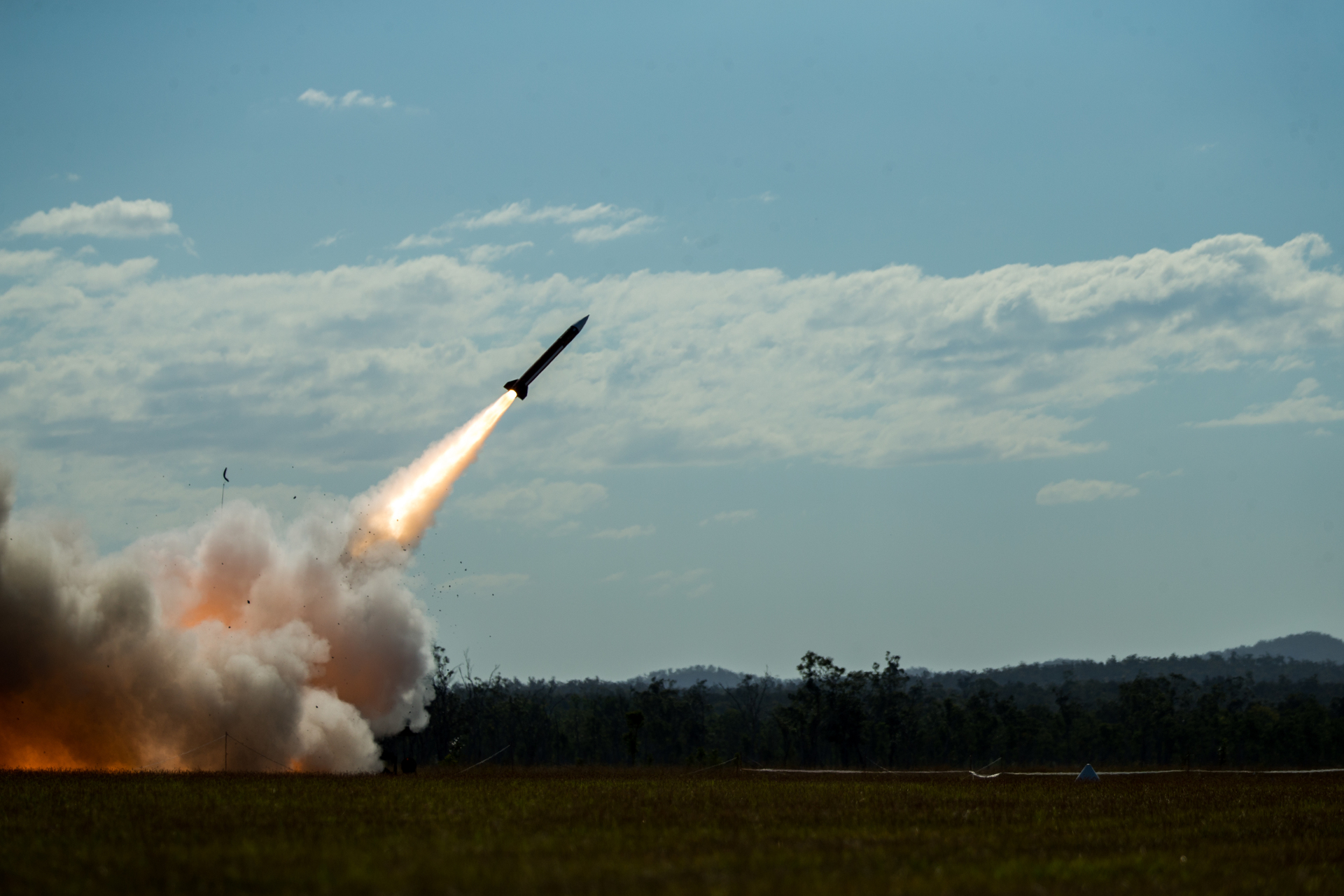
GCC PAC-3 MSE stocks stood at approximately 400 rounds as of early April 2026, down from roughly 2,800 pre-war — a depletion of 86 percent in five weeks of combat. Sustaining Saudi Patriot operations through December 2026 would require approximately 6,900 interceptors, while Lockheed Martin’s sole production facility in Camden, Arkansas currently produces roughly 600 per year and will not reach its planned capacity of 2,000 rounds annually until the end of 2030.
The $9 billion US-Saudi PAC-3 MSE sale announced on February 2, 2026 covers 730 missiles plus launcher conversion kits — a number that sounds substantial until you map it against consumption. At the doctrinal two-interceptors-per-ballistic-missile engagement rate, and with Iran launching an average of 33 ballistic missiles per day during the peak March phase, those 730 rounds represent roughly 11 days of sustained defense. The gap between what Riyadh ordered and what Riyadh needs is not a procurement shortfall; it is a structural impossibility imposed by manufacturing physics.
Only one of Saudi Arabia’s planned seven THAAD batteries — the upper-tier system designed for high-altitude intercepts — was fully operational when the war began. The Kingdom’s multi-layered air defense maintained an 85 to 90 percent success rate against Iranian ballistic missiles in March 2026, according to analysis by The National, but intercept rates become an academic metric if the interceptors run out before the missiles do. A single day on March 12 saw Saudi forces intercept 31 drones and 3 ballistic missiles — the kind of operational tempo that turns a stockpile into a countdown.
A January 2026 Pentagon-Lockheed deal aims to triple PAC-3 MSE production from 600 to 2,000 rounds per year, but the Camden plant is the world’s only production line for this interceptor. For the next four years, the manufacturing ceiling is a fixed constraint that no volume of Saudi money can change. That physical bottleneck is what transforms supply diversification from a diplomatic preference into an operational necessity — and what made the Ukrainian deal less a choice than an inevitability.
The F-35 and the KAAN: Playing Every Vendor
Three days after signing the Ukraine defense pact, Saudi Arabia received approval from the Trump administration for up to 48 F-35A Lightning II aircraft — approximately two squadrons, at an estimated cost of $5.3 to $5.7 billion, with deliveries not expected before 2029. The timing was not a coincidence; as House of Saud has previously analysed, the F-35 functions less as an immediate combat capability than as an insurance policy against American strategic abandonment — a structural entanglement that makes Washington’s defense commitment to Riyadh more expensive to walk away from.
But the F-35’s dependency architecture tells you why MBS is hedging elsewhere. Lockheed Martin’s ALIS/ODIN logistics system gives Washington the technical ability to degrade Saudi F-35 readiness with a software decision — precisely the kind of single-supplier vulnerability that the Ukraine and Greece arrangements are designed to offset in the air defense tier. Within days of the F-35 approval, Saudi Arabia signalled interest in Turkey’s KAAN fifth-generation stealth fighter, according to Eurasian Times, maintaining procurement optionality even after securing what would normally be considered the definitive platform.
The pattern is consistent across every tier of Saudi defense procurement: buy American where you must, but never let any single supplier believe it has a monopoly. The $142 billion US-Saudi defense cooperation agreement signed in May 2025 remains the largest such deal in history, but less than a year later, Riyadh is simultaneously negotiating with Kyiv, Athens, Ankara, Beijing, and Islamabad — not because any one of those relationships replaces Washington, but because all of them together ensure that no single capital’s production bottleneck or political mood swing can leave the Kingdom’s skies undefended.
Why Hasn’t Moscow Objected?
Russia cannot afford to alienate Saudi Arabia while OPEC+ cooperation remains the primary mechanism through which Moscow manages oil revenues under Western sanctions. The Kremlin also lacks a competitive air defense offering for the Gulf — the S-400 is politically incompatible with American procurement relationships, and Russian industrial capacity is fully committed to frontline needs in Ukraine.
The structural logic behind Moscow’s silence explains more about the state of the war than any diplomatic communiqué. In March 2026, OPEC+ agreed to begin unwinding 1.65 million barrels per day of voluntary production cuts — a process Russia depends on to sustain the fiscal base funding its own war effort. Picking a public fight with Riyadh over a Ukrainian defense deal risks accelerating OPEC+ fragmentation at the worst possible moment for Russian state finances, and the Kremlin’s cost-benefit calculation on this point appears to have been straightforward.
Iran’s response has been operational rather than rhetorical. Tehran has not issued formal diplomatic objections to the Saudi-Ukraine pact, but its behaviour provides the strategic context that makes the deal necessary. Iranian forces targeted the Ras Tanura refinery on March 2, the Shaybah oil field on March 7 with 16 drones, the SAMREF refinery at Yanbu on March 19, and launched 50 drones at Saudi Arabia in a single day on March 13, according to Al Arabiya and ACLED tracking data. Every Iranian sortie is, without Tehran intending it, a live demonstration of why Saudi Arabia needs exactly what Ukraine is selling.
WSWS and other outlets sympathetic to the Russian-Iranian perspective have framed the deals as Ukraine “announcing military deals with UAE, Saudi Arabia for war on Iran” — positioning Kyiv as a co-belligerent in a Western-aligned campaign rather than a neutral security exporter. Moscow and Tehran will use this framing domestically and with non-aligned states, and it carries real diplomatic costs for both Kyiv and Riyadh — costs that both capitals have evidently concluded are worth absorbing given the operational urgency of the interceptor gap.
Does Ukraine’s Defense IP Create a Security Risk?
The Atlantic Council has identified a real concern about Ukrainian defense technology migrating toward Beijing or Moscow through Gulf intermediaries. Gulf states maintain defense relationships with China and Pakistan, and have historically applied less restrictive technology transfer controls than Washington would prefer.
The threat of Ukrainian defense IP migrating toward Beijing or Moscow through a Gulf intermediary is not theoretical…there is legitimate concern in Washington and Brussels about the dual-use nature of drone and AI technologies.
— Atlantic Council analysis, March 2026
The risk is real, but it needs to be weighed against the technology’s nature and the alternative. Ukrainian counter-drone systems operate on open-architecture software and commercially available components — they are not F-35-grade classified platforms. The competitive advantage lies in integration doctrine, operational tempo, and the institutional knowledge that comes from fighting a drone war for four consecutive years, rather than in proprietary hardware that can be reverse-engineered from a captured unit. Jean-Marc Rickli of the Geneva Center for Security Policy has noted that the value Gulf states extract from the Ukrainian relationship is as much about the “rapid innovation cycle” and embedded expertise as about any specific airframe.
Washington and Brussels face a practical choice: accept some IP diffusion risk in exchange for reducing Gulf dependence on American interceptor supply chains that cannot physically meet demand, or insist on tighter technology controls and watch Saudi Arabia — along with the 10 other nations Zelensky says are interested — seek alternatives that offer even less Western oversight. Ukraine’s February 2026 export licensing framework was designed in consultation with Western partners precisely to thread this needle, and the Gulf deals are functioning as its first real-world stress test.
The Architecture MBS Is Actually Building
Pull together every procurement decision from the past five weeks and a pattern becomes visible that individual deals obscure. MBS is constructing a layered air defense supply chain with deliberate redundancy at every altitude band and every supplier relationship, ensuring that a bottleneck at any single point cannot cascade into a systemic failure. The diversification is not ideological — it is the direct consequence of watching PAC-3 stocks drain to 14 percent while the sole factory making replacements operated at a third of the needed capacity.
The urgency of that diversification is underscored by a classified US intelligence assessment, obtained April 2, which found that roughly half of Iran’s ballistic missile launchers survived five weeks of American and Israeli strikes. Iran retains enough launchers, missiles, and drones to sustain Gulf attacks for months — meaning Saudi Arabia’s air defense build-out is racing against a threat that has not been neutralized and will not be neutralized on Trump’s April 6 deadline.
| Defense Tier | System | Supplier | Status (April 2026) |
|---|---|---|---|
| Upper tier (high-altitude ballistic) | THAAD | United States | 1 of 7 planned batteries operational |
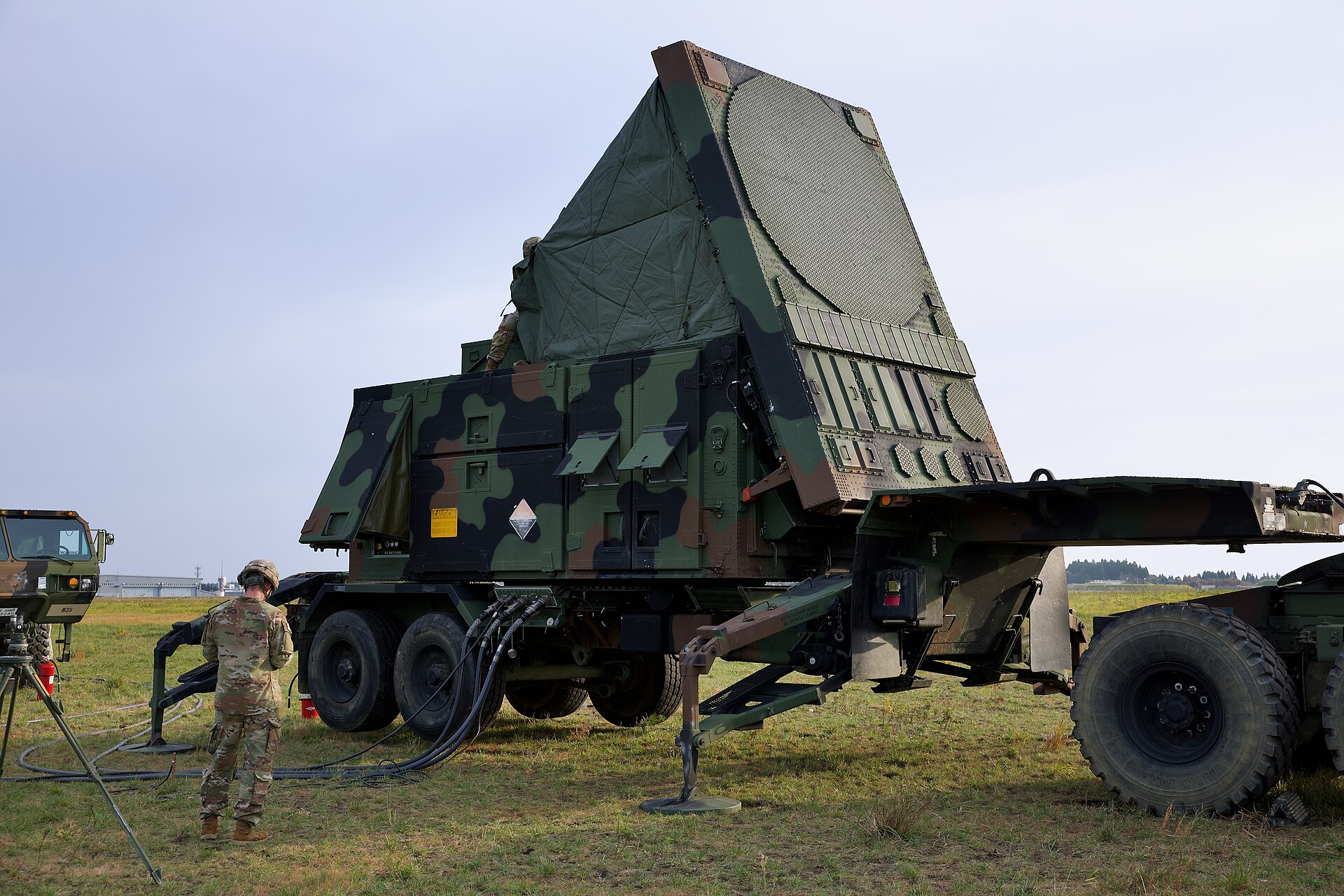
| Upper-mid tier (ballistic) | Patriot PAC-3 | US + Greece (ELDYSA) | 6 battalions, 108 launchers, ~400 MSE rounds |
| Medium range | Cheongung II / I-HAWK | South Korea / United States | Operational |
| Low altitude (counter-drone) | Interceptor drones + EW | Ukraine | 10-year pact, 200+ specialists deployed across GCC region |
| Point defense | Pantsir-S1M / Oerlikon / laser | Russia / Switzerland | Operational |
| Offensive deterrent | F-35A Lightning II | United States | 48 ordered, delivery 2029+ |
| Procurement hedge | KAAN | Turkey | Interest signalled, no contract |
At the upper tier, THAAD remains American-supplied and American-maintained — a dependency MBS cannot currently escape, though only one of seven planned batteries was operational when Iran started launching. In the middle tier, Patriot PAC-3 systems are sourced from the United States but operated by both Saudi and Greek crews, with funding arrangements and upgrade paths that give Athens and Riyadh operational autonomy from NATO command and from each other. South Korean Cheongung II batteries add a non-American medium-range layer that diversifies the supply chain without provoking Washington.
At the lower tier — where the war is being fought daily against Iranian drones crossing hundreds of kilometres of open desert at altitudes that evade conventional radar — Ukrainian interceptors, electronic warfare, and embedded specialists now provide a capability that American defense contractors never built because they were never designed to solve a $1,000 problem with a $1,000 answer. SAMI, the PIF-owned defense conglomerate, launched two new subsidiaries at the February 2026 World Defense Show — SAMI Land Company and SAMI Autonomous Company — as the Kingdom pushes defence localisation from 25 percent of spending in 2024 toward a 50 percent target by 2030, according to ISPI analysis of Saudi industrial policy.
The $142 billion American agreement remains the anchor of Saudi defense procurement, and no serious analyst in Riyadh argues otherwise. But the Ukrainian, Greek, South Korean, and potentially Turkish layers being assembled around it — at wartime speed and with wartime urgency — reflect an operational judgment that became unavoidable when PAC-3 stocks hit 400 rounds and the sole factory making replacements could not deliver at the scale needed until the end of the decade. Washington is not losing Saudi Arabia as an ally, but it is losing the supplier exclusivity that made the alliance structurally asymmetric in America’s favour — and every Iranian sortie accelerates that erosion.
Frequently Asked Questions
How much does a Ukrainian interceptor drone cost compared to a Patriot PAC-3 missile?
Ukrainian interceptor drones range from approximately $1,000 for the SkyFall P1-SUN to about $5,000 for FPV-based models, while a single Patriot PAC-3 MSE round costs between $3 million and $4 million. The Zerov-8, a larger Ukrainian interceptor UAV currently under development for export markets, is expected to cost under $50,000 per unit — still less than two percent of a PAC-3 MSE’s price tag. The cost differential makes Ukrainian systems attractive for the drone-saturation threat specifically, while Patriot remains irreplaceable for ballistic missiles where a missed intercept means a refinery fire or a desalination plant offline for months.
What Ukrainian weapons systems are included in the Saudi defense pact?
The 10-year framework covers Magura-V5 maritime drones for Gulf and Red Sea patrol operations, electronic warfare systems for drone jamming and frequency spoofing, interceptor drones including FPV and SkyFall variants for low-altitude defense, defense software for integration into Saudi command-and-control architectures, and embedded operational expertise through rotating Ukrainian specialist teams. Pre-agreement reporting by Army Recognition also noted the display of Bohdana self-propelled artillery and Protector ground robotic systems at the February 2026 World Defense Show, though their formal inclusion in the state-level pact has not been confirmed by either government. The Kyiv Independent reported that a separate, parallel negotiation for larger conventional arms transfers was running simultaneously, suggesting the March 27 framework may be the smaller of two deals under discussion.
Is the Greek Patriot deployment in Saudi Arabia a NATO mission?
The ELDYSA mission operates under a bilateral Greek-Saudi memorandum of understanding signed in April 2021, explicitly outside NATO command structures and alliance decision-making. While the 120 to 130 Hellenic Air Force personnel use NATO-standard PAC-3 Patriot equipment originally fielded at Tanagra Air Base, they report through Greek and Saudi military chains of command rather than through Brussels. Saudi Arabia pays all operational and logistical costs associated with the deployment, and ELDYSA’s continuation is a bilateral decision between Athens and Riyadh that requires no NATO approval. NATO Secretary General Mark Rutte has not claimed the deployment as an alliance contribution, and the organisation has no formal role in managing or extending the mission.
Why hasn’t Russia publicly objected to the Ukraine-Saudi arms deal?
Russia’s muted response reflects economic necessity rather than diplomatic indifference. Moscow depends on Saudi cooperation within OPEC+ to manage oil revenues that fund its war effort — the March 2026 agreement to unwind 1.65 million barrels per day of voluntary production cuts is existentially tied to Russian fiscal stability. Russia also has no competing product to offer: the S-400 became politically radioactive for any Gulf state seeking American procurement after Turkey’s experience demonstrated the consequences of buying Russian air defense, and Moscow’s own production lines are consumed by frontline demand. Kremlin-aligned media have covered the deal factually but without the denunciatory tone that typically accompanies Ukrainian military partnerships elsewhere, suggesting a deliberate editorial decision to avoid forcing MBS into a public choice between Russian and Ukrainian defence relationships.