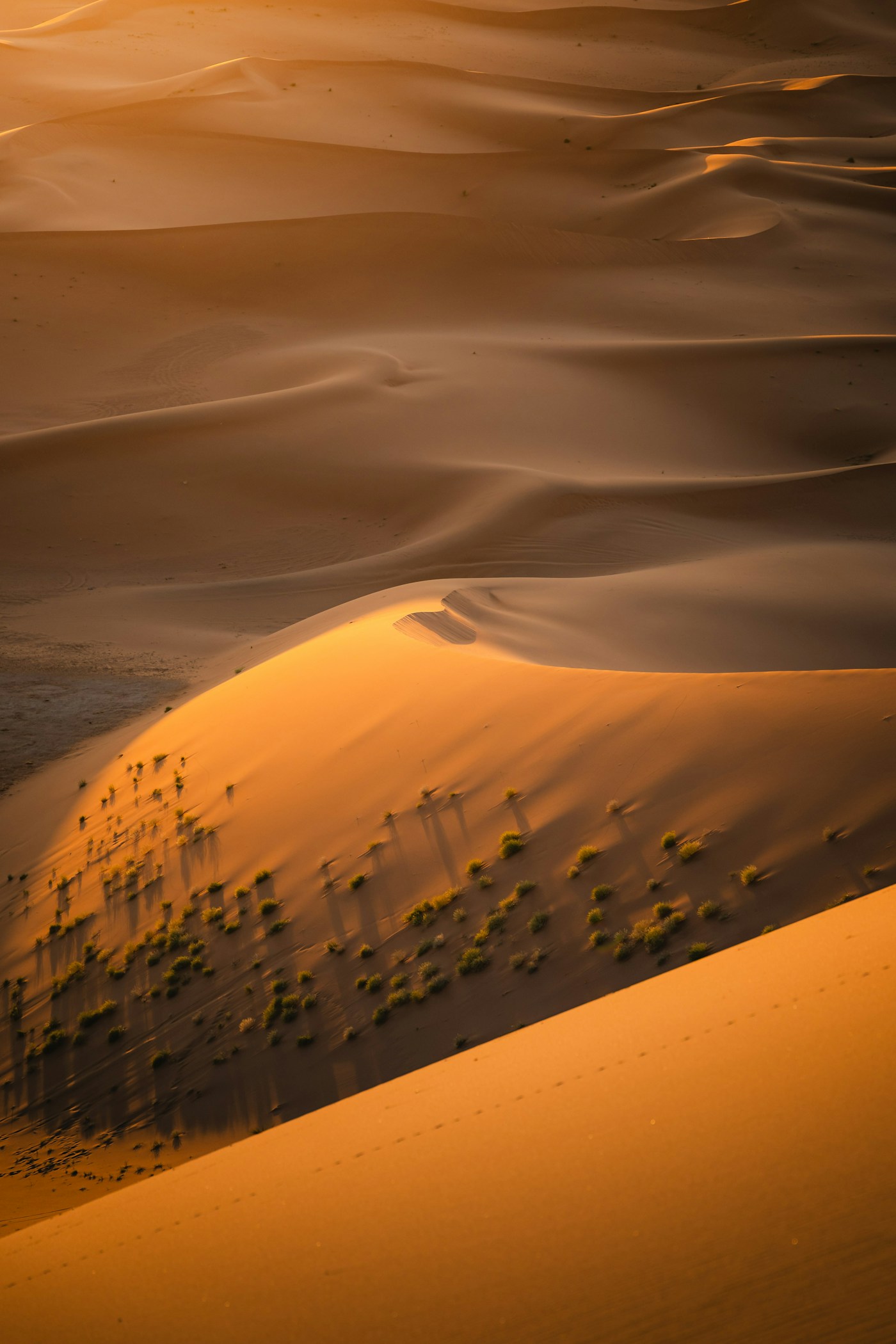

Saudi Arabia sprawls across a landmass the size of Western Europe, and its climate varies dramatically — from the scorching interior deserts of the Najd to the humid Red Sea coastline and the cool mountain highlands of Asir. Choosing when to visit can mean the difference between a comfortable, rewarding trip and an endurance test against 50-degree heat.
This month-by-month guide breaks down temperatures, rainfall, crowd levels, pricing, and key events across every region, so you can plan a trip that matches your interests, budget, and heat tolerance.
Saudi Arabia’s Climate Zones — A Quick Overview
Before diving into individual months, it helps to understand that Saudi Arabia is not one climate but several. The kingdom spans roughly 2.15 million square kilometres, and conditions in Riyadh bear little resemblance to those in Jeddah or Abha.
Central Plateau (Najd) — Riyadh, Qassim, Hail: Classic continental desert. Summers are brutally hot (highs above 43°C in July), winters are cool and dry (lows around 9°C in January). This is the region with the widest temperature swings — a 20-degree difference between day and night is common in winter.
Western Coast (Hejaz) — Jeddah, Yanbu, Rabigh: Hot and humid year-round. Summer highs reach 39°C with oppressive humidity. Winter brings the only relief, with highs around 29°C in January. Rainfall is minimal — Jeddah averages just 85mm per year, mostly falling in November and February.
Southwest Highlands (Asir) — Abha, Al Baha, Taif: The kingdom’s coolest region. Abha sits at 2,270 metres above sea level, with summer highs around 27°C and winter temperatures that can drop below 5°C at night. This area receives Saudi Arabia’s highest rainfall, particularly during the summer monsoon season from June to September.
Eastern Province — Dammam, Al Khobar, Al Ahsa: Hot and humid in summer, mild in winter. Temperatures follow a similar pattern to Riyadh but with added Gulf humidity that makes summer heat feel worse than the thermometer suggests.
Northern Regions — Tabuk, AlUla, NEOM: Cooler winters than the rest of the kingdom. Tabuk can see frost and occasional snow in January. AlUla is comfortable from October to March, making it the prime season for visiting its UNESCO-listed Hegra archaeological site.
Month-by-Month Climate and Travel Guide
January — Peak Season, Best Overall Conditions
Riyadh: High 21°C / Low 9°C | Jeddah: High 29°C / Low 19°C | Abha: High 20°C / Low 5°C
January is arguably the single best month to visit Saudi Arabia. Temperatures across the central plateau are genuinely pleasant — Riyadh sees daytime highs around 21°C with cool, crisp evenings. The desert landscapes of AlUla and the northern regions are at their most comfortable, and even Jeddah’s coastal humidity drops to tolerable levels.
This is peak tourist season. Hotel prices in Riyadh and Jeddah run 20-40 per cent higher than summer rates, and popular attractions like AlUla’s Hegra (Madan Salih) and the Diriyah heritage district see their highest visitor numbers. Book accommodation and internal flights well in advance.
Key events: Riyadh Season (ongoing from October), AlUla Moments festival, Dakar Rally (desert stages pass through Saudi Arabia’s northwestern regions).
February — Excellent Conditions, Founding Day
Riyadh: High 24°C / Low 11°C | Jeddah: High 30°C / Low 19°C | Abha: High 22°C / Low 6°C
February remains excellent for travel, with temperatures still cool across most of the kingdom. Riyadh warms slightly but remains very comfortable. This is Jeddah’s wettest month on average — February sees around 31mm of rainfall along the western coast — but rain events are brief and infrequent.
Founding Day falls on 22 February, a national holiday celebrating the establishment of the first Saudi state in 1727. Major cities host celebrations, fireworks, and cultural events. Expect domestic travel to spike around this date — book accommodation early.
In 2026, Ramadan is expected to begin around 18 February, which fundamentally changes the travel experience (see the Ramadan section below).
Key events: Saudi Founding Day (22 February), AlUla Moments (ongoing), Riyadh Season (ongoing).
March — Shoulder Season, Ramadan Considerations
Riyadh: High 28°C / Low 14°C | Jeddah: High 32°C / Low 20°C | Abha: High 24°C / Low 8°C
March marks the transition from peak cool season to warming conditions. Riyadh’s daytime temperatures climb to 28°C — still pleasant, especially in the evenings. The desert regions remain comfortable for outdoor exploration.
In 2026, Ramadan extends through most of March (expected to end around 19 March, followed by Eid al-Fitr). During Ramadan, restaurants close during daylight hours, business schedules shift, and the pace of daily life changes significantly. Non-Muslim tourists are not required to fast, but eating, drinking, and smoking in public during fasting hours is considered disrespectful and may attract official attention.
Key events: Ramadan (variable), Eid al-Fitr celebrations (variable), Formula 1 Saudi Arabian Grand Prix in Jeddah (typically late March).
April — Warming Up, Last Comfortable Window
Riyadh: High 34°C / Low 21°C | Jeddah: High 34°C / Low 23°C | Abha: High 26°C / Low 10°C
April is the final month when most of Saudi Arabia remains comfortable for outdoor sightseeing without serious heat management. Riyadh hits 34°C in the afternoons — warm but manageable with shade and hydration. The central desert begins to shimmer with heat haze.
This is an excellent shoulder-season month for budget travellers. Hotel prices drop from winter peaks, flights are cheaper, and major attractions are less crowded. Abha and the Asir highlands remain genuinely pleasant.
Key events: Saudi Cup horse racing (King Abdulaziz Racetrack, Riyadh — exact dates vary).
May — Heat Intensifies, Hajj Season Begins
Riyadh: High 39°C / Low 25°C | Jeddah: High 37°C / Low 25°C | Abha: High 28°C / Low 12°C
May marks the start of serious summer heat across most of Saudi Arabia. Riyadh regularly exceeds 39°C, and the combination of heat and dust makes extended outdoor activity uncomfortable. The eastern coast adds oppressive humidity to the mix.
In 2026, Hajj is expected to fall in the last week of May (approximately 25-30 May). The annual pilgrimage brings millions of visitors to Makkah and Madinah, creating massive congestion across the Hejaz region. If you are not performing Hajj, avoid the western province during this period — flights, hotels, and transport will be fully booked or vastly overpriced.
Key events: Hajj (variable — expected late May 2026), Eid al-Adha (expected 27 May 2026).
June — Summer Begins, Extreme Heat
Riyadh: High 42°C / Low 27°C | Jeddah: High 38°C / Low 26°C | Abha: High 29°C / Low 14°C
June is emphatically not tourist season for most of Saudi Arabia. Riyadh bakes under temperatures exceeding 42°C, and the eastern province combines similar heat with crushing humidity. Outdoor sightseeing becomes a logistical challenge — the window between dawn and mid-morning is your only comfortable slot.
The exception is the Asir highlands. Abha and the surrounding mountain areas remain pleasant in June, with highs around 29°C and cooling evening breezes. The region receives summer rainfall, turning the normally arid landscape green — an unexpected sight in Saudi Arabia.
Budget advantage: Hotel prices across the kingdom drop to their lowest levels. Five-star properties in Riyadh that charge SAR 1,200+ per night in January may be available for SAR 500-700. Domestic flights are similarly discounted.
July — Peak Summer, Indoor-Focused Travel
Riyadh: High 43°C / Low 28°C | Jeddah: High 39°C / Low 28°C | Abha: High 27°C / Low 15°C
July is the hottest month in Riyadh, with average highs exceeding 43°C and occasional spikes above 48°C. Even locals limit outdoor activity to early morning or after sunset. The kingdom’s legendary air conditioning infrastructure means that malls, museums, and indoor attractions remain perfectly comfortable — this is when Saudis flock to mega-malls like Riyadh Park and the Kingdom Centre.
If you visit in July, plan an indoor-heavy itinerary: the National Museum in Riyadh, the Ithra cultural centre in Dhahran, Jeddah’s Al-Balad historic district (explored at dusk and after dark), and the growing scene of galleries and cultural spaces in both cities.
August — Hottest Month Overall
Riyadh: High 43°C / Low 28°C | Jeddah: High 39°C / Low 29°C | Abha: High 26°C / Low 15°C
August rivals July as the most extreme month. Jeddah reaches its peak temperature and humidity combination — 39°C with 70-80 per cent humidity creates a suffocating feel that pushes the heat index well above 45°C. The Red Sea water temperature hits 31°C, which sounds pleasant but offers little respite from the air temperature.
The Asir highlands remain the only genuinely comfortable destination, and domestic tourism to Abha, Al Baha, and Taif peaks as Saudi families escape the lowland heat. Book highland accommodation early — this is high season for Asir even as the rest of the kingdom empties out.
September — Heat Persists, Shoulder Season Begins
Riyadh: High 40°C / Low 25°C | Jeddah: High 37°C / Low 27°C | Abha: High 27°C / Low 13°C
September sees the first tentative signs of cooling, but make no mistake — it is still very hot. Riyadh averages 40°C in September, and the eastern province remains humid. The second half of the month brings marginally more bearable conditions, particularly after sunset.
Saudi National Day falls on 23 September, celebrating the unification of the kingdom in 1932. Major celebrations take place nationwide, with fireworks, concerts, and cultural events across all major cities. This is a significant domestic holiday — expect busy hotels and transport on the surrounding days.
Key events: Saudi National Day (23 September).
October — Cooling Down, Season Reopens
Riyadh: High 35°C / Low 22°C | Jeddah: High 37°C / Low 25°C | Abha: High 25°C / Low 11°C
October marks the real start of the tourist shoulder season. Riyadh drops to 35°C — still warm, but a dramatic improvement from the summer furnace. Desert excursions become feasible again, and the golden evening light over AlUla’s sandstone formations is at its most photogenic.
Riyadh Season, the kingdom’s flagship entertainment mega-event, typically launches in October and runs through March. This sprawling festival encompasses concerts, sporting events, immersive experiences, and cultural programming across multiple “zones” in the capital.
Key events: Riyadh Season launch (October), Jeddah Season.
November — Excellent Conditions Return
Riyadh: High 28°C / Low 14°C | Jeddah: High 33°C / Low 23°C | Abha: High 22°C / Low 8°C
November is the gateway to prime season. Riyadh’s climate is near-perfect — warm days around 28°C, cool evenings, and virtually no rain. The desert regions are comfortable all day, making this ideal for road trips through the Empty Quarter, explorations of the Edge of the World escarpment near Riyadh, or multi-day treks through AlUla.
Hotel prices begin their seasonal climb but have not yet reached peak-season levels. November offers perhaps the best value-for-conditions ratio of the entire year.
Key events: Riyadh Season (ongoing), Formula E (Diriyah E-Prix, typically late November/early December).
December — Peak Season, Holiday Travel
Riyadh: High 22°C / Low 10°C | Jeddah: High 31°C / Low 21°C | Abha: High 20°C / Low 5°C
December is the other peak-season bookend alongside January. Riyadh is cool and crisp, AlUla is sublime, and even Jeddah is at its most pleasant. The kingdom has increasingly positioned itself as a winter-sun destination, and December sees strong international visitor numbers.
New Year’s Eve celebrations have become a growing phenomenon, particularly in Riyadh and Jeddah, with countdown events, fireworks, and concerts — a stark change from even five years ago. Expect premium pricing on accommodation throughout the month.
Key events: Riyadh Season (ongoing), MDL Beast music festival (typically December), New Year’s Eve events.
Month-by-Month Summary Table
| Month | Riyadh High/Low | Jeddah High/Low | Crowd Level | Hotel Pricing | Verdict |
|---|---|---|---|---|---|
| January | 21°C / 9°C | 29°C / 19°C | High | Peak | Best overall month |
| February | 24°C / 11°C | 30°C / 19°C | High | Peak | Excellent — Founding Day |
| March | 28°C / 14°C | 32°C / 20°C | Medium | Moderate | Good, but check Ramadan dates |
| April | 34°C / 21°C | 34°C / 23°C | Low-Medium | Moderate | Last comfortable window |
| May | 39°C / 25°C | 37°C / 25°C | Low (High near Makkah during Hajj) | Low (High in Hejaz during Hajj) | Getting hot — avoid Hajj zone unless participating |
| June | 42°C / 27°C | 38°C / 26°C | Low | Low | Too hot for most — Asir highlands only |
| July | 43°C / 28°C | 39°C / 28°C | Very Low | Lowest | Extreme heat — indoor activities only |
| August | 43°C / 28°C | 39°C / 29°C | Very Low (High in Asir) | Lowest (High in Asir) | Hottest month — avoid unless visiting highlands |
| September | 40°C / 25°C | 37°C / 27°C | Low | Low | Still hot — National Day celebrations |
| October | 35°C / 22°C | 37°C / 25°C | Medium | Rising | Shoulder season — Riyadh Season begins |
| November | 28°C / 14°C | 33°C / 23°C | Medium-High | Moderate-High | Excellent — best value for conditions |
| December | 22°C / 10°C | 31°C / 21°C | High | Peak | Peak season — book early |
Ramadan and Hajj — How They Affect Travel
Ramadan
Ramadan shifts approximately 10-11 days earlier each year on the Gregorian calendar. For upcoming years:
| Year | Approximate Ramadan Start | Approximate Ramadan End | Eid al-Fitr |
|---|---|---|---|
| 2026 | 18 February | 19 March | 20 March |
| 2027 | 7 February | 8 March | 9 March |
| 2028 | 27 January | 25 February | 26 February |
What changes during Ramadan:
- Most restaurants close during daylight hours and reopen after iftar (sunset meal). Some hotels serve food to non-Muslim guests in screened-off areas.
- Business hours shorten significantly. Government offices may operate only 5-6 hours. Many shops open late morning and close by early afternoon, then reopen after iftar until very late at night.
- The pace of life inverts — cities come alive after dark. The best cultural experiences during Ramadan happen between sunset and 2 AM.
- Makkah and Madinah are extraordinarily busy as millions of Muslims perform Umrah during Ramadan. Avoid the Hejaz region unless you are specifically seeking a Ramadan experience.
- Non-Muslims are not required to fast, but eating, drinking, and smoking in public during fasting hours is prohibited and considered deeply disrespectful.
The upside: Ramadan can be a profoundly memorable time to visit. Iftar gatherings are generous and welcoming, the atmosphere after sunset is festive, and the cultural experience is unlike anything available at other times of year. Many tourists who visit during Ramadan describe it as a highlight.
Hajj
Hajj is the annual Islamic pilgrimage to Makkah, one of the five pillars of Islam. It occurs during the month of Dhul Hijjah in the Islamic calendar. In 2026, Hajj is expected around 25-30 May, with Eid al-Adha on approximately 27 May.
Impact on travellers:
- Non-Muslims cannot enter Makkah at any time of year — this is enforced by checkpoints on all approach roads.
- During Hajj, Jeddah airport operates at maximum capacity. Flights to and from Jeddah are expensive and frequently full. The Haramain high-speed railway is heavily congested.
- Hotel prices in the entire western province — Jeddah, Taif, Madinah — spike dramatically.
- Eid al-Adha triggers a nationwide public holiday of 4-5 days for the private sector and up to 10 days for government. Domestic travel surges.
Advice: Unless you are performing Hajj, plan your trip to avoid the Hajj period entirely, or at minimum avoid the Hejaz region (Jeddah, Makkah, Madinah, Taif) during this window.
Regional Recommendations by Season
Best Time for Riyadh
November to February. The capital is at its best when temperatures are between 20-28°C. Riyadh Season runs from October through March, offering a packed calendar of entertainment, sports, and cultural events. The Edge of the World, Diriyah, and the Turaif UNESCO site are all best experienced in winter’s gentle light.
Best Time for Jeddah and the Red Sea Coast
November to March. Jeddah never gets truly cool, but winter months bring humidity down to bearable levels and temperatures below 33°C. The historic Al-Balad district is best explored in the cooler evening hours. Red Sea diving and snorkelling are excellent year-round, but winter conditions are most comfortable for surface activities.
Best Time for AlUla
October to March. AlUla’s desert climate makes winter the only sensible season for visiting Hegra (Saudi Arabia’s first UNESCO World Heritage Site), the Elephant Rock formation, and the ancient Dadan ruins. The AlUla Moments festival typically runs from October to March, adding cultural programming to the natural and archaeological appeal.
Best Time for the Asir Highlands (Abha, Taif, Al Baha)
Year-round, but especially June to September. Uniquely in Saudi Arabia, the southwestern highlands are at their most appealing in summer, when the rest of the kingdom is scorching. Abha’s summer temperatures rarely exceed 27°C, and the monsoon-influenced rains turn the terraced mountainsides green. This is Saudi Arabia’s hidden cool-weather escape.
Best Time for the Eastern Province (Dammam, Al Khobar, Al Ahsa)
November to March. The Arabian Gulf coast adds humidity to the central plateau’s heat pattern. Winter is the only comfortable season. Al Ahsa’s UNESCO-listed oasis and its two million date palms are best visited in December or January.
Best Time for the Northern Regions (Tabuk, NEOM)
October to April. The north has Saudi Arabia’s coldest winters — Tabuk can see frost and occasional light snow in January. Autumn and spring offer the ideal balance. The Red Sea coast near NEOM and the Sindalah island resort (expected to open in phases from 2024-2025) benefits from the same November-March window as Jeddah.
Peak Versus Off-Peak Pricing
Saudi Arabia’s tourism pricing follows a predictable seasonal curve, though it is worth noting that the kingdom’s hotel market has become significantly more expensive in recent years as tourism infrastructure scales up to meet Vision 2030 targets. The nationwide average daily hotel rate reached SAR 822 (approximately $219) in the first half of 2025, according to hospitality market analysis.
| Season | Months | Hotel Price Index | Flight Price Index | Notes |
|---|---|---|---|---|
| Peak | December — February | High (+30-50% vs baseline) | High | Book 2-3 months ahead |
| Shoulder | March, October — November | Moderate | Moderate | Best value for conditions |
| Off-Peak | June — September | Low (-20-40% vs baseline) | Low | Extreme heat but significant savings |
| Variable | April — May | Moderate (spikes during Hajj in Hejaz) | Moderate (high to Jeddah during Hajj) | Check Islamic calendar dates |
Budget tips:
- Domestic flights between Riyadh, Jeddah, and Dammam on low-cost carriers flynas and flyadeal can cost as little as SAR 95-195 one-way when booked in advance during off-peak periods.
- Ramadan often brings lower hotel prices outside the holy cities, as business travel drops and the general pace slows.
- The Eid al-Fitr and Eid al-Adha holiday periods (typically 4-10 days each) see a surge in domestic travel and holiday pricing across all destinations.
- Riyadh Season events range from free to premium-priced, with the biggest international concerts commanding SAR 500-2,000+ for tickets.
Key Events Calendar for 2026
| Date | Event | Location | Impact on Travel |
|---|---|---|---|
| January | Dakar Rally, AlUla Moments, Riyadh Season | Nationwide, AlUla, Riyadh | High demand in AlUla and Riyadh |
| 18 February | Ramadan begins (approx.) | Nationwide | Restaurants close daytime; Makkah/Madinah very busy |
| 22 February | Saudi Founding Day | Nationwide | Public holiday; domestic travel spike |
| 20 March | Eid al-Fitr (approx.) | Nationwide | 4-10 day holiday; high domestic travel |
| Late March | Saudi Arabian Grand Prix (F1) | Jeddah Corniche Circuit | Jeddah hotels at premium |
| 25-30 May | Hajj (approx.) | Makkah and surroundings | Hejaz region extremely congested |
| 27 May | Eid al-Adha (approx.) | Nationwide | Major public holiday |
| 23 September | Saudi National Day | Nationwide | Public holiday; celebrations nationwide |
| October | Riyadh Season launch | Riyadh | Entertainment season begins; rising demand |
| November-December | Formula E (Diriyah), MDL Beast | Riyadh/Diriyah | Premium event pricing |
Note: All Islamic calendar dates are approximate and subject to official moon-sighting confirmation by Saudi authorities. Dates may shift by 1-2 days.
What to Pack — Season by Season
Winter (November to February)
- Light layers for daytime, a proper jacket for evenings (Riyadh can drop to 8-10°C after dark)
- Sunscreen and sunglasses — the winter sun is strong, especially in the desert
- Comfortable walking shoes for heritage sites
- A scarf or shawl for mosque visits and conservative areas
Summer (June to September)
- Loose, light-coloured, breathable clothing (cotton or linen)
- A hat with a wide brim and high-SPF sunscreen
- A refillable water bottle — dehydration is a genuine risk
- A light layer for aggressive indoor air conditioning (Saudi malls and offices are often refrigerated to 18-20°C)
Year-Round
- Modest clothing is expected throughout Saudi Arabia. Both men and women should cover shoulders and knees in public. Women do not need to wear an abaya, but loose-fitting clothes that cover arms and legs are expected.
- For mosque visits, women must cover their hair, and both sexes should wear clothing that covers wrists and ankles.
The Verdict — When Should You Go?
For most visitors, November to February is the clear sweet spot — comfortable temperatures across most of the kingdom, a packed events calendar, and the best conditions for outdoor sightseeing and desert excursions. January and December are the most popular (and most expensive) months, while November offers the best balance of good weather, moderate pricing, and manageable crowds.
Budget-conscious travellers willing to handle the heat can find genuine bargains from June to August, provided they focus on indoor attractions or head to the Asir highlands.
The wildcard is Ramadan. If the holy month falls during your planned travel window, it does not have to derail your trip — but it will fundamentally change the experience. Go in with informed expectations and you may find it one of the most culturally enriching times to visit.
For practical guidance on getting between destinations, see our transport guide. For broader trip planning, return to the Saudi Arabia Travel Guide hub.