
Jeddah is Saudi Arabia’s undisputed shopping capital. From the air-conditioned walkways of Red Sea Mall to the ancient coral-stone alleys of Al Balad, the city offers a retail experience that spans centuries of trading heritage and the full force of modern luxury. Whether you are hunting for 21-karat Saudi gold, hand-blended oud perfume, or the latest international runway collections, this guide covers every district, mall, and souq worth your time. If you are planning a wider trip around the city, our Jeddah travel guide covers accommodation, transport, and the best neighbourhoods to explore as part of your broader Saudi Arabia itinerary.
Best Time to Visit: October to March (cooler weather for souq browsing; malls are year-round)
Getting There: King Abdulaziz International Airport (JED) with direct flights from most global hubs; 15–30 minutes by taxi to main shopping areas
Visa Required: Yes — tourist e-visa
Budget: USD 50–300+ per day depending on shopping style
Must-See: Red Sea Mall, Souq Al Alawi in Al Balad, Tahlia Street
Avoid: Visiting outdoor souqs between 11 AM and 4 PM in summer — temperatures regularly exceed 40°C
Modern Malls: Jeddah’s Air-Conditioned Shopping Palaces
Jeddah’s mall scene rivals Dubai and Riyadh in scale, and in some ways surpasses them in character. The city’s major malls combine hundreds of international and local brands with entertainment, dining, and family attractions under a single roof. Below are the destinations worth prioritising.
Red Sea Mall
Red Sea Mall is Jeddah’s flagship retail destination, located on King Abdul Aziz Road in the city’s northern suburbs, close to King Abdulaziz International Airport and the Red Sea coastline. With more than 400 stores spread across a vast, multi-level atrium anchored by towering indoor palm trees, it is the single mall that most visitors should see first.
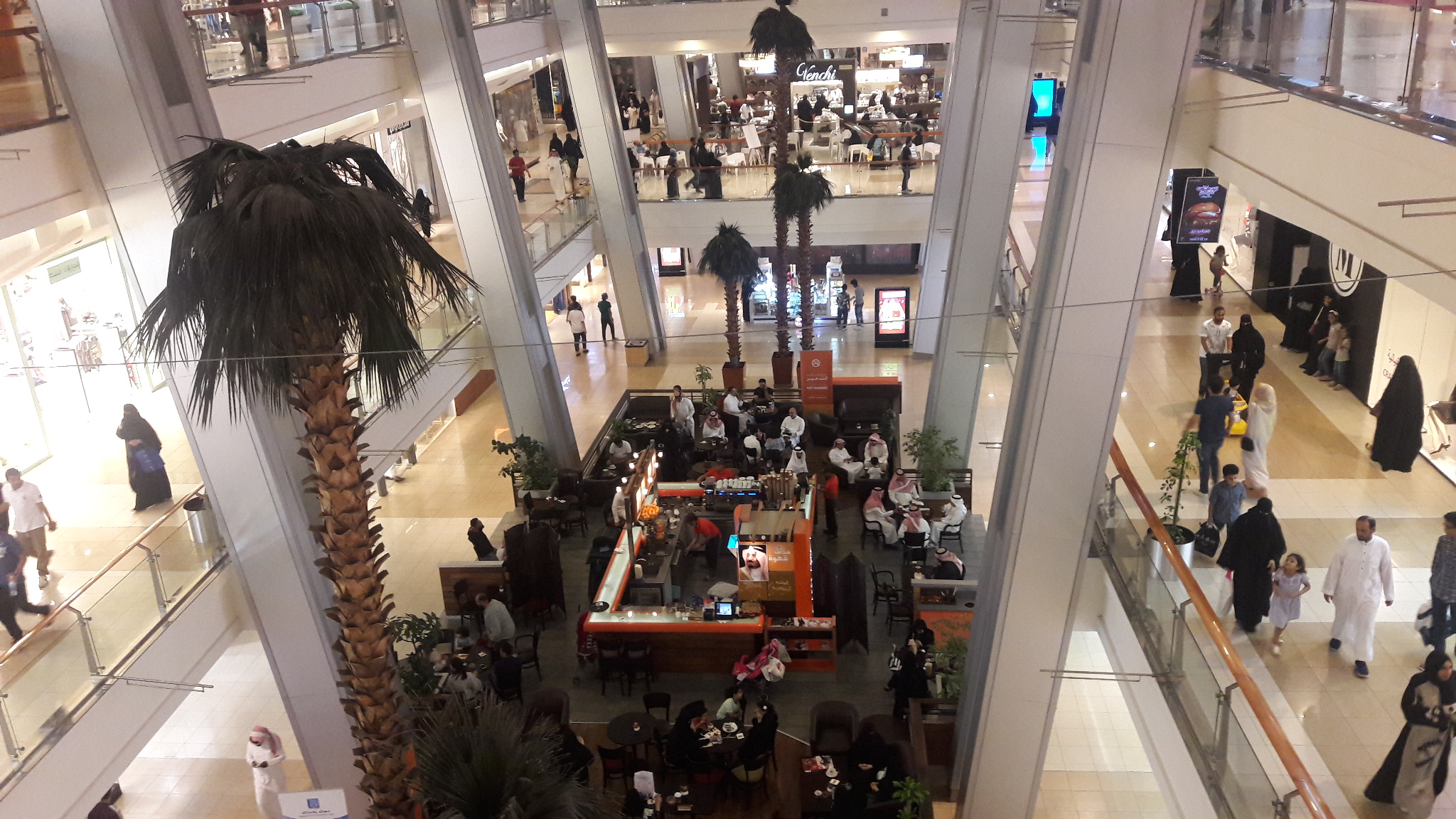
What to shop: The mall covers the full spectrum. Luxury brands include Louis Vuitton, Gucci, and Prada alongside high-street staples like Zara, H&M, and Mango. The beauty corridor features Sephora, Bath & Body Works, Lush, and Ibrahim Alqurashi Perfumes — the latter a Saudi institution for traditional oud and bakhoor. Jewellery shoppers will find Rolex, Pandora, L’azurde, and Swarovski, while the electronics section includes dedicated STC, Mobily, and Virgin Mobile outlets. Home furnishing stores such as West Elm, Crate & Barrel, and Pottery Barn round out the offering.
Dining and entertainment: Over 80 restaurants and cafes line the mall, from fast-casual chains to sit-down restaurants. VOX Cinemas operates a full multiplex. Families can spend hours at The Dockx VR gaming zone or Luca Land children’s play area. A bowling alley and pottery workshop studio at Saran Pots add further variety.
Tip: Red Sea Mall is open Sunday–Thursday 10 AM to 1 AM, and Friday 1 PM to 1 AM. Some restaurants stay open until 3 AM on weekends. Arrive before noon on weekdays for the quietest shopping experience.
Mall of Arabia
Mall of Arabia is one of the largest malls in Saudi Arabia, covering 261,000 square metres with approximately 408 shops. Located in the Al Munsiyah district, it is the go-to for families thanks to its entertainment offering: KidZania Jeddah gives children a full edutainment city to explore, while an ice skating rink, Sparky’s arcade, and seasonal events in The Park keep every age group occupied.
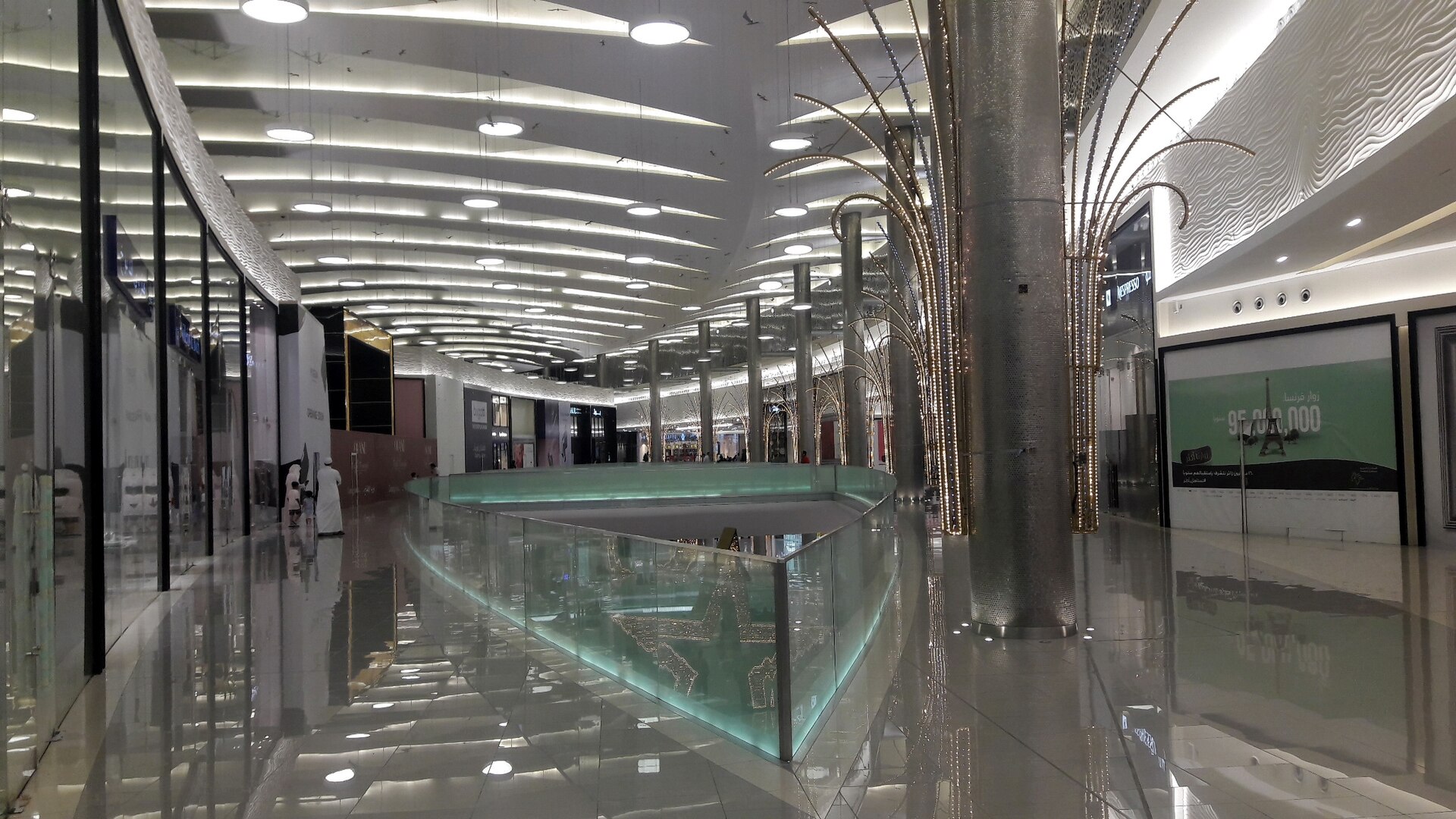
What to shop: Anchor tenants include Apple, Sephora, Marks & Spencer, Zara, H&M, Coach, Michael Kors, Adidas, and Virgin Megastore. The fashion mix skews mid-range and accessible, making it the best mall for price-conscious shoppers who still want international brands. A hypermarket section covers groceries and everyday essentials for longer-stay visitors.
Tip: Mall of Arabia regularly hosts fashion shows, exhibitions, and live performances — check their social media channels before visiting for event schedules.
Al Salaam Mall
Al Salaam Mall is among the largest malls in Jeddah, with over 350 stores and a strong focus on entertainment. Its Cenomi Cinema complex is one of the best-equipped in the city. The tenant mix spans international brands and local Saudi retailers, with a particularly good selection of electronics and lifestyle shops. It is popular with younger shoppers and has a vibrant food court.
Haifaa Mall
Haifaa Mall caters heavily to families, with large gaming areas and playgrounds alongside its retail offering. It is well-regarded for children’s clothing and toy stores, making it a practical stop for parents. The dining options lean toward casual chains and fast-food outlets, with several Saudi-favourite restaurants represented.
Luxury Shopping: Tahlia Street and Jeddah Boulevard
For visitors whose budgets extend to designer labels, Jeddah has two distinct luxury corridors that compete with anything in the Gulf.
Tahlia Street (Prince Mohammed Bin Abdulaziz Street)
Often called the Champs-Elysees of Saudi Arabia, Tahlia Street has served as Jeddah’s premier commercial strip for decades. The palm-lined boulevard runs through the city’s most affluent neighbourhoods and is home to flagship boutiques of the world’s leading fashion houses.
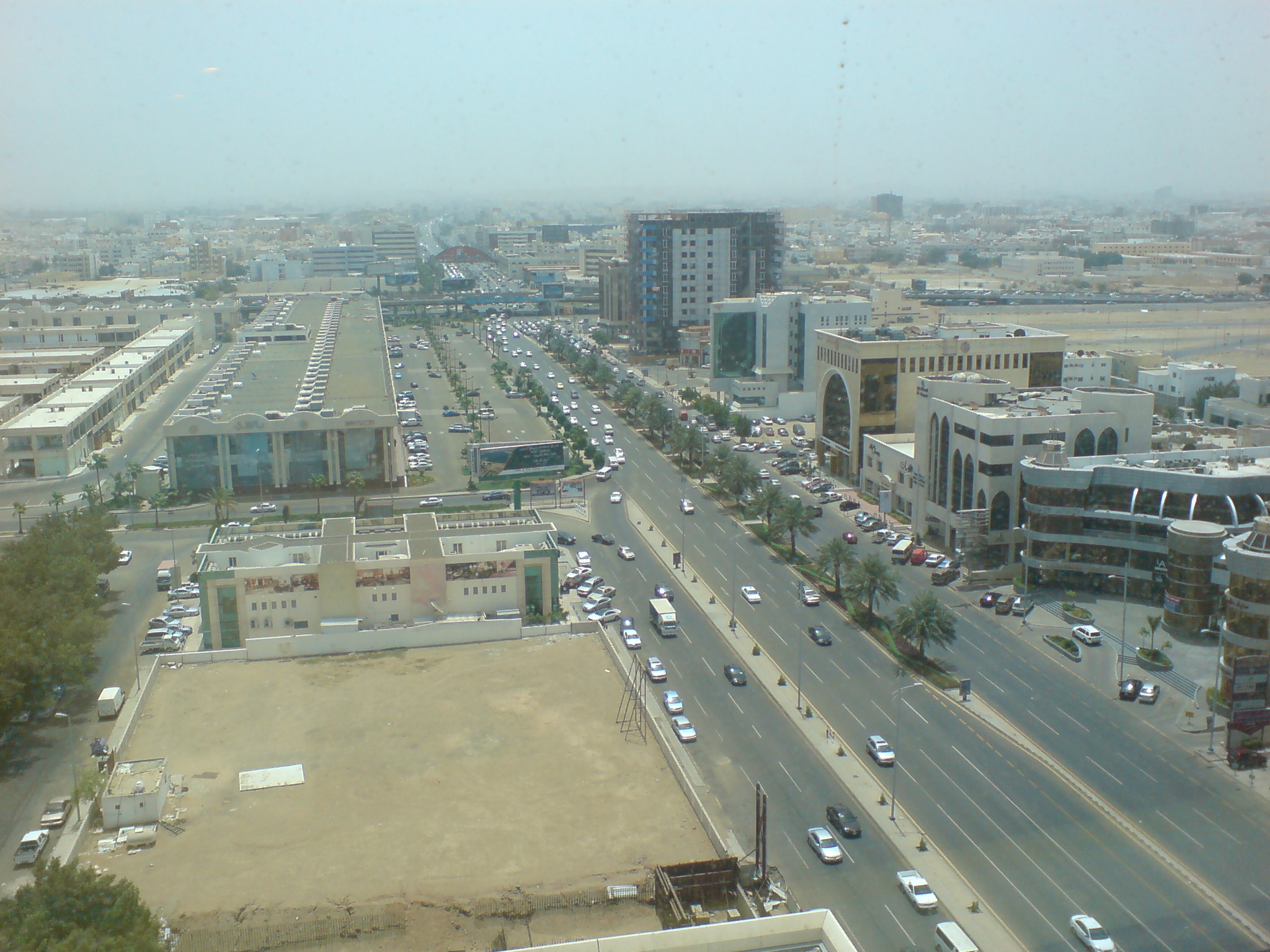
Key destinations: Al Khayyat Center is the anchor of Tahlia’s luxury scene, housing Chanel, Gucci, Prada, Emporio Armani, Fendi, Tory Burch, Burberry, and Tod’s under one roof. Along the wider street you will find standalone boutiques for Louis Vuitton, Cartier, Versace, Ralph Lauren, Giorgio Armani, and Dolce & Gabbana.
Dining: Tahlia Street doubles as a fine dining destination. Upscale restaurants serving Italian, Japanese, Middle Eastern, and American cuisines line the street, many with outdoor terrace seating. It is an ideal place to combine a shopping trip with a long lunch or evening meal — our Jeddah fine dining guide covers the best tables in detail.
Jeddah Boulevard
A newer luxury concept on King Abdulaziz Branch Road, Jeddah Boulevard combines high-end retail and fine dining in a polished open-air setting. Tenants include Prada, Balenciaga, Dolce & Gabbana, Coach, Jimmy Choo, and Dunhill. The atmosphere is more curated and intimate than a traditional mall, designed for shoppers who want a boutique experience rather than a mass-market one.
Traditional Souqs: Al Balad and the Old City Markets
The real soul of Jeddah shopping lies in Al Balad, the historic city centre that dates to the 7th century. A UNESCO World Heritage Site since 2014, Al Balad’s coral-stone buildings and latticed wooden balconies (rawasheen) frame a labyrinth of narrow alleys crammed with merchants selling everything from frankincense to 21-karat bridal gold sets. This is where shopping in Jeddah becomes an experience rather than a transaction. For a broader look at the neighbourhood’s cafes and cultural venues, see our Jeddah cafe guide.
Souq Al Alawi
Souq Al Alawi is Jeddah’s largest and most vibrant traditional market, the beating heart of Al Balad commerce. The souq occupies a network of covered and open-air lanes surrounded by historic coral-stone townhouses, some more than 400 years old.
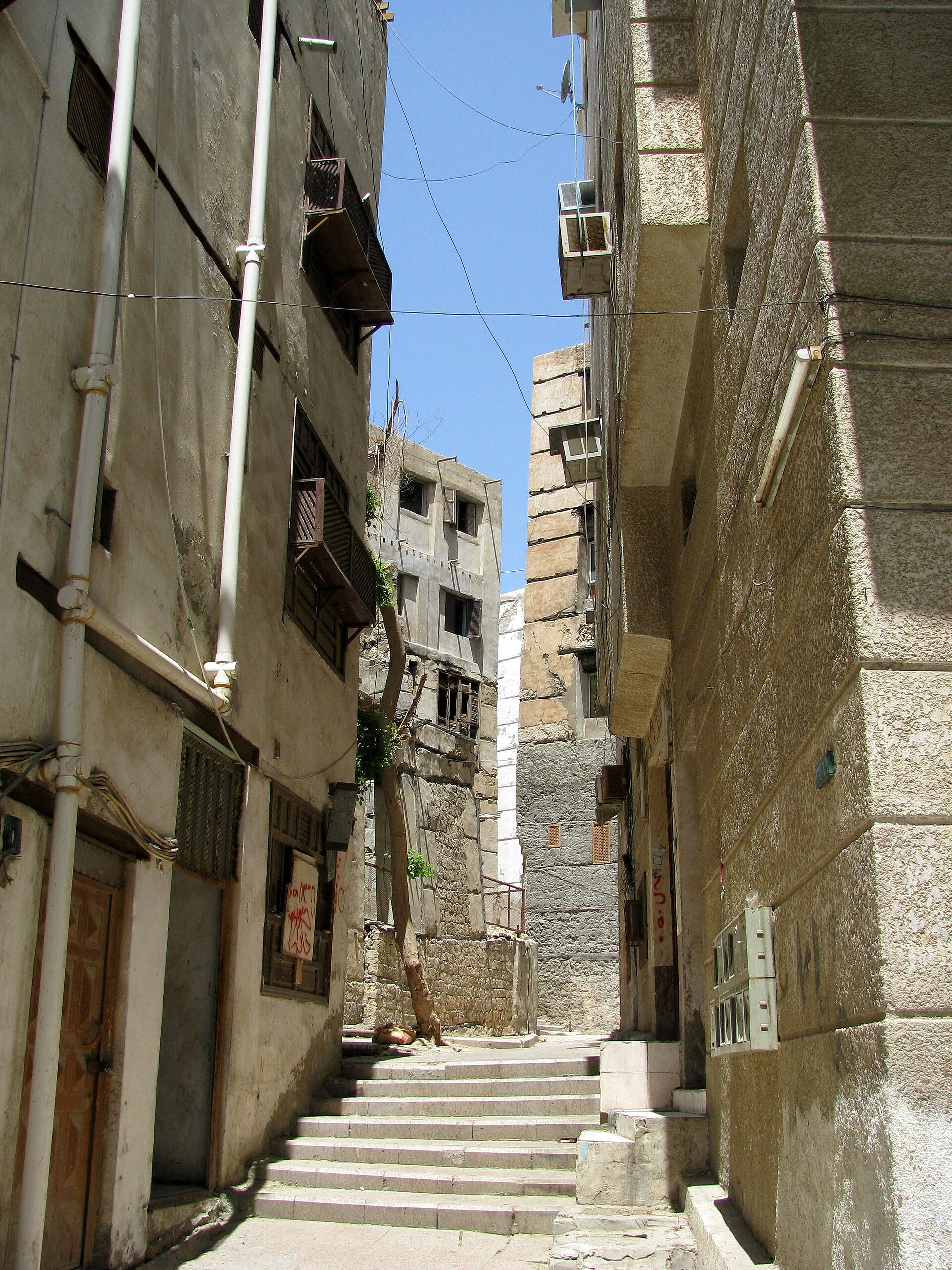
What to buy: Perfumes and oud oils are the signature purchase — vendors blend traditional Arabian scents on the spot and will customise a fragrance for you. Textiles including hand-embroidered fabrics, thobes, and abayas fill dozens of stalls. Antique dealers sell copperware, old daggers (jambiya), and decorative lamps. Spice shops stock saffron, cardamom, dried roses, and frankincense by the kilo. Fresh Medjool dates, local honey, and Arabic coffee pots (dallah) make excellent souvenirs.
Tip: Bargaining is expected and encouraged in Al Balad souqs. Start at roughly half the asking price and work from there. Vendors enjoy the negotiation — it is part of the experience. Always have cash in Saudi riyals; most small vendors do not accept cards, and ATMs are scarce in the old town.
Souq Qabil
Souq Qabil is one of Jeddah’s oldest markets, a compact lane under 100 metres long in the heart of Al Balad. Despite its size, it packs in a dense concentration of shops selling spices, traditional perfumes, textiles, gold trinkets, and handmade accessories. It is less touristy than Souq Al Alawi and offers a more intimate browsing experience.
Gabel Street Souq
Gabel Street’s narrow lanes are filled with small independent shops selling gold jewellery, perfumes, spices, textiles, and handmade crafts. The street connects several Al Balad markets and is the best route for a walking tour that links Souq Al Alawi to Souq Qabil and beyond. You will pass antique shops, traditional clothing stores, and incense burners stacked floor to ceiling.
Gold and Jewellery Shopping
Saudi Arabia has some of the most competitive gold prices in the world, with no sales tax on investment gold and low retail markups compared to Europe and North America. Jeddah has two main gold shopping areas.
Souq Al-Dahab (The Gold Souq)
Located near the historic Al Balad district, Souq Al-Dahab is the traditional centre for gold shopping in Jeddah. Shops here sell everything from delicate gold bangles to ornate bridal sets in 18, 21, and 22-karat gold. Traditional Bedouin-inspired designs sit alongside modern Italian-style pieces. Silver jewellery and Saudi-crafted accessories are also widely available.
Buying tips: Gold in Saudi Arabia is priced by weight based on the daily international gold rate, plus a small labour charge (workmanship fee) that varies by shop and design complexity. Simple chain designs carry lower workmanship charges than intricate handmade pieces. Always ask for the workmanship fee separately from the gold weight price, and compare across two or three shops before committing.
Oasis Mall Gold Shops
Many of Jeddah’s gold retailers have relocated from the old Al-Kandarah gold area to the Oasis Mall, creating a modern, air-conditioned alternative to the traditional souq experience. The selection is comparable — bridal sets, bangles, necklaces, and rings in various karats — but the environment is more comfortable for extended browsing and the prices are clearly displayed.
Tip: The gold souqs are busiest and most atmospheric in the evening, from around 7 PM onward, when families come to browse. Visit in the late afternoon if you prefer a quieter experience with more room to negotiate.
What to Buy in Jeddah: A Shopper’s Checklist
| Item | Where to Buy | Price Range (SAR) |
|---|---|---|
| Oud perfume oil (tola) | Souq Al Alawi, Ibrahim Alqurashi (Red Sea Mall) | 50–2,000+ |
| Bakhoor (incense chips) | Souq Al Alawi, Souq Qabil | 20–200 |
| Gold bangle (21K) | Souq Al-Dahab, Oasis Mall | 800–5,000+ |
| Medjool dates (1kg box) | Souq Al Alawi, supermarkets | 30–120 |
| Arabic coffee pot (dallah) | Souq Qabil, Gabel Street | 50–400 |
| Hand-embroidered abaya | Souq Al Alawi, Tahlia Street boutiques | 200–3,000+ |
| Saffron (10g) | Souq Al Alawi spice stalls | 40–100 |
| Designer handbag | Red Sea Mall, Al Khayyat Center | 3,000–15,000+ |
| Traditional jambiya (dagger) | Souq Al Alawi antique dealers | 100–1,500 |
| Saudi honey (sidr) | Al Balad market stalls | 80–500 |
Practical Shopping Tips for Jeddah
Opening Hours
Malls typically open between 10 AM and midnight or 1 AM, Saturday through Thursday. Friday opening is delayed until 1 PM (after Friday prayers). Restaurants within malls often stay open until 2–3 AM on weekends. Traditional souqs in Al Balad open from around 9 AM and stay active until 11 PM or later, though many vendors take a break during the hottest midday hours.
Payment and Currency
All malls accept international credit and debit cards (Visa, Mastercard, American Express). Apple Pay and mada (the Saudi debit network) are widely available. Traditional souqs and small vendors in Al Balad overwhelmingly prefer cash in Saudi riyals. ATMs are plentiful in malls but scarce in the old town — withdraw before heading to Al Balad.
VAT and Tax-Free Shopping
Saudi Arabia charges 15% VAT on most retail purchases. Tourists can claim a VAT refund on qualifying purchases through the Planet Tax Free scheme at participating stores. Look for “Tax Free Shopping” signs, request a refund form at the point of sale, and process your refund at King Abdulaziz International Airport before departure. Investment-grade gold bullion and bars are VAT-exempt.
Getting Around Shopping Districts
Ride-hailing apps Uber and Careem are the most convenient way to travel between malls and souqs. Taxis are widely available. Jeddah does not yet have a metro system, though a planned network is under development. Parking at major malls is free and plentiful, though Red Sea Mall’s lots fill up on Thursday and Friday evenings.
What to Wear
Saudi Arabia’s dress code has relaxed considerably for tourists, but modest clothing is still expected. In malls, anything that covers the shoulders and knees is appropriate. In Al Balad’s souqs, slightly more conservative dress is advisable as a sign of respect — loose-fitting, light-coloured clothing also helps with the heat. Women are no longer required to wear an abaya but many choose to in traditional market areas.
Best Times to Shop
For malls, weekday mornings (Saturday–Wednesday before noon) are the quietest periods. Malls are busiest on Thursday and Friday evenings, when Saudi families treat shopping as a social outing. For souqs, the early morning (before 10 AM) and evening (after 7 PM) are the most pleasant times, both for temperature and atmosphere. During Ramadan, shopping hours shift dramatically — souqs come alive after iftar and stay open past midnight, while malls extend their hours.
Combining Shopping with Sightseeing
A shopping trip to Jeddah pairs naturally with the city’s other attractions. After browsing Souq Al Alawi, walk through Al Balad’s UNESCO-listed lanes to see the historic Nassif House museum and the coral-stone townhouses with their distinctive rawasheen balconies. The Jeddah Corniche, a 30-kilometre waterfront promenade, is within a short taxi ride and offers sunset walks alongside public art installations including the famous Jeddah Flagpole. For those visiting during race season, the Jeddah street food scene around the Corniche district is a destination in itself.
If you are building a longer itinerary, combine Jeddah shopping with a day trip to Red Sea diving and snorkelling from the Obhur coast north of the city, or connect overland to the mountain cool of Abha and the Asir region for a complete change of scenery. Visitors heading to Makkah for Umrah (just 80 km east) will find our Hajj and Umrah guide covers everything from visa requirements to packing lists.
Explore More Saudi Arabia Travel Guides
- Jeddah Travel Guide 2026 — The complete guide to Jeddah’s best attractions, food, and neighbourhoods
- Best Restaurants in Jeddah — From street food to fine dining across every neighbourhood
- Best Cafes in Jeddah — Corniche coffee spots and Al Balad brews
- Fine Dining in Jeddah — Rooftop restaurants and world-class cuisine
- Saudi Arabia Travel Guide 2026 — The complete guide to visiting the Kingdom
- Saudi Arabia Visa Guide — Every visa type explained