
Ramadan is the holiest month in the Islamic calendar, and nowhere on earth is it observed with more intensity than in Saudi Arabia. For non-Muslim visitors, travelling during this period offers a rare and profoundly rewarding window into the spiritual heartbeat of the Kingdom — but it also demands preparation. Restaurant hours shift, public behaviour is governed by strict etiquette, and the rhythm of daily life inverts almost entirely. Get it right, and you will experience a side of Saudi Arabia that most tourists never see. Get it wrong, and you risk fines, social embarrassment, or a frustrating trip.
This guide covers everything a non-Muslim traveller needs to know about visiting Saudi Arabia during Ramadan 2026: the exact dates, what changes and what stays the same, where to eat during daylight hours, how to experience iftar as a guest, and practical tips that will make your visit smooth and respectful.
Ramadan 2026 Dates in Saudi Arabia
Ramadan 2026 (1447 AH in the Islamic calendar) began on Wednesday 18 February and will conclude on Wednesday 19 March in Saudi Arabia, with Eid al-Fitr confirmed for Friday 20 March. The Saudi Supreme Court officially announced the start and end dates following moon sighting by the Hilal Committee, as the Islamic calendar is lunar and dates cannot be fixed years in advance.
The fasting period runs from the Fajr (dawn) prayer — approximately 5:05 a.m. in Riyadh — until the Maghrib (sunset) prayer at roughly 6:00–6:20 p.m. That means around 13 hours of daylight fasting, shorter than Ramadan months that fall during the Saudi summer when fasting can stretch beyond 15 hours.
| Key Date | Day | Significance |
|---|---|---|
| 18 February 2026 | Wednesday | First day of Ramadan 1447 AH |
| 9–10 March 2026 | Mon–Tue | Approximate start of the last ten nights (Laylat al-Qadr period) |
| 19 March 2026 | Thursday | Last day of Ramadan (29th or 30th depending on moon sighting) |
| 20 March 2026 | Friday | Eid al-Fitr — four-day public holiday begins |
| 23 March 2026 | Monday | Approximate end of Eid holiday; normal business resumes |
If you are planning a trip, be aware that the Eid al-Fitr holiday period (approximately 20–23 March) is one of the busiest travel windows of the year. Domestic flights, hotels in Jeddah and Makkah, and entertainment venues fill up fast. Book accommodation and transport well in advance.
What Changes During Ramadan
Ramadan reshapes almost every aspect of public life in Saudi Arabia. Understanding these changes is essential for any visitor.
Working Hours
Saudi labour law mandates reduced working hours during Ramadan. Government offices operate from 10:00 a.m. to 3:00 p.m. — a five-hour day. The Ministry of Human Resources and Social Development (HRSD) announced that public sector employees would work staggered shifts: 9:30 a.m.–2:30 p.m., 10:30 a.m.–3:30 p.m., or 11:30 a.m.–4:30 p.m. Private sector employees are limited to a maximum of six hours per day, or 36 hours per week, for Muslim staff observing the fast.
For travellers, this means museums, government offices, and many businesses open later and close earlier during the day. Banks typically shift to reduced Ramadan hours as well. Plan any administrative tasks — visa extensions, bank visits, official appointments — for the mid-morning window.
Restaurant and Cafe Hours
This is the single most important change for visitors. During daylight hours (from Fajr to Maghrib), the vast majority of restaurants, cafes, food courts, and takeaway outlets close to the public. Mall food courts shut their dining areas entirely until sunset. Street-level cafes pull down their shutters. Fast-food chains lock their doors.
After sunset, the city comes alive. Restaurants open for iftar service and many stay open until the early hours of the morning, serving suhoor (the pre-dawn meal) until approximately 3:00–4:00 a.m. The night-time dining scene during Ramadan is one of the most vibrant in the Saudi calendar.
Shops and Malls
Shopping malls and retail outlets typically open in the late morning or early afternoon but may have reduced foot traffic until after Iftar. The peak shopping hours shift to late evening — 9:00 p.m. to 1:00 a.m. or later. Many malls extend their closing times to 1:00 or 2:00 a.m. during Ramadan to accommodate the inverted schedule.
Entertainment and Attractions
Concerts, cinema screenings, and large-scale entertainment events are significantly reduced or paused during Ramadan out of respect for the holy month. However, cultural activities, exhibitions, and some family-friendly events continue, particularly after iftar. Tourist attractions such as historical sites, museums, and heritage areas remain open but often with adjusted hours.
Traffic and Transport
Traffic patterns flip. Roads are quiet during the morning and early afternoon as many people rest or work shortened hours. Between 4:00 and 6:30 p.m. — the hour before iftar — roads become extremely congested as everyone rushes home or to restaurants for the breaking of the fast. This is the worst time to be on the road. After iftar, traffic picks up again and remains heavy until the early hours.
Can Non-Muslims Eat in Public During Ramadan?
This is the question every non-Muslim visitor asks, and the answer requires nuance.
The law: Eating, drinking, and smoking in public during daylight fasting hours is prohibited under Saudi regulations, and this applies to everyone — Muslim and non-Muslim alike. Fines for violations can reach SAR 500 (approximately $133 / £105), as reported by the Saudi Press Agency. In extreme cases of deliberate or repeated disregard, deportation is theoretically possible, though this is exceptionally rare for tourists.
In practice: Saudi authorities recognise that foreign tourists may not be familiar with Ramadan etiquette. Accidental violations — taking a sip of water on the street, for instance — are typically met with a polite warning rather than a fine. The religious police (mutawa) no longer have arrest powers following reforms in 2016, but they can report violations to regular police.
The bottom line: Do not eat, drink, or smoke in any public space during daylight hours. This includes streets, parks, shopping malls, public transport, and your car if it is parked or visible to passers-by. It is not just a legal requirement — it is a matter of basic respect for the millions of people around you who are fasting.
Where You Can Eat During the Day
Non-Muslim visitors are not expected to fast, and there are legitimate options for eating during daylight hours:
- Hotel rooms: Room service continues throughout Ramadan in most international hotels. This is the simplest and most reliable option. Order breakfast and lunch to your room.
- Hotel restaurants (screened): Many four- and five-star hotels operate their restaurants during Ramadan with screens, curtains, or partitioned areas for non-fasting guests. These are typically available only to hotel guests. Call your hotel one to two weeks before arrival to confirm their Ramadan dining arrangements.
- Private residences: If you are staying with friends or family, eating inside a private home is entirely fine.
- Food delivery apps: Services like HungerStation, Jahez, and Careem deliver during Ramadan, though options may be more limited during daytime. Eat your delivery in private, not on the street.
Practical tip: Stock up. Buy snacks, water, and fruit from supermarkets (which remain open, though often with reduced hours) and keep them in your hotel room. Supermarkets do not restrict sales of food during Ramadan — they simply restrict public consumption.
The Iftar Experience — Breaking the Fast
If there is one experience that justifies visiting Saudi Arabia during Ramadan, it is iftar. The moment of breaking the fast at sunset is electric. The call to prayer sounds, and across the Kingdom — in homes, restaurants, mosques, and public squares — millions of people break their fast simultaneously, beginning with dates and water, following the tradition of the Prophet Muhammad.
Public Iftar Tables
One of the most generous traditions of Saudi Ramadan is the public iftar. Mosques, charities, and wealthy individuals set up long tables on streets and in public squares, offering free meals to anyone who passes by — workers, travellers, and residents alike. Non-Muslims are welcome to sit and eat. These communal iftars are one of the most authentic and moving cultural experiences available to visitors.
In Riyadh, look for public iftars near major mosques, in the Dira area, and along King Fahd Road. In Jeddah, the Al-Balad historic district and the Corniche host communal iftar gatherings. In Madinah, the Prophet’s Mosque area has some of the largest public iftars in the world.
Hotel and Restaurant Iftars
Saudi Arabia’s hospitality industry has turned iftar into a culinary event. Luxury hotels offer elaborate iftar buffets featuring traditional Saudi dishes alongside international cuisine, often in specially constructed Ramadan tents. Prices range from SAR 150 to SAR 500 per person depending on the venue.
Notable iftar experiences in 2026 include Maritime at The Edition Hotel in Jeddah, which offers waterfront dining with live cooking stations. Al Mirkaz, one of Jeddah’s most iconic Ramadan tents, delivers a large-scale Hijazi heritage experience. In Riyadh, TimeOut Riyadh listed 27 top iftar and suhoor venues for 2026, spanning luxury hotels, traditional Saudi restaurants, and pop-up Ramadan tents.
Booking tip: Reserve iftar at popular restaurants at least a week in advance, especially for weekends (Thursday and Friday evenings). Walk-ins are possible at hotel buffets earlier in Ramadan but become difficult during the last ten days.
What to Expect at an Iftar Meal
A traditional Saudi iftar typically begins with dates and laban (buttermilk) or water, followed by a soup course — often shorbat harees (wheat porridge soup) or lentil soup. The main course includes dishes such as kabsa (spiced rice with meat), mandi (slow-cooked lamb), sambousek (stuffed pastries), and a variety of salads. Desserts include kunafa (cheese pastry soaked in syrup), qatayef (stuffed pancakes), and luqaimat (fried dough balls with date syrup).
After eating, most Saudis perform the Maghrib prayer, then return for tea and dessert before heading to the mosque for Tarawih prayers.
Tarawih Prayers — The Nightly Ritual
Tarawih are special nightly prayers unique to Ramadan, performed after the Isha (night) prayer at approximately 8:00–8:30 p.m. They involve long recitations from the Quran and can last between one and three hours depending on the mosque and the imam.
Non-Muslims are permitted to observe Tarawih prayers from outside or in designated areas at many mosques, though entering the prayer hall during active prayer requires modest dress and respectful behaviour. The two holiest mosques — Masjid al-Haram in Makkah (non-Muslims cannot enter Makkah) and the Prophet’s Mosque in Madinah — broadcast Tarawih live, and the sound of hundreds of thousands praying in unison is one of the most powerful spiritual experiences in the Islamic world.
In Riyadh and Jeddah, neighbourhood mosques conduct Tarawih nightly, and the sound of Quranic recitation spilling out into the evening streets creates an atmosphere that is unique to Ramadan. Even if you do not enter a mosque, simply walking through a Saudi neighbourhood during Tarawih gives a sense of the month’s spiritual weight.
The Last Ten Nights and Laylat al-Qadr
The final ten days of Ramadan are considered the holiest, and the atmosphere in Saudi Arabia intensifies dramatically. Muslims believe that Laylat al-Qadr (the Night of Power) — the night the Quran was first revealed — falls on one of the odd-numbered nights in this period (the 21st, 23rd, 25th, 27th, or 29th of Ramadan). Worship during this single night is described in the Quran as being “better than a thousand months.”
During the last ten nights, mosques fill to capacity. Many Muslims perform itikaf — a spiritual retreat where they stay in the mosque for the entire period. In Makkah and Madinah, the Grand Mosque and the Prophet’s Mosque reach their highest attendance of the year, with Umrah pilgrims flooding in from around the world.
For travellers, this means that Makkah, Madinah, and surrounding areas are extremely crowded during the final week of Ramadan. Hotel prices spike, flights fill up, and the Haramain High-Speed Railway between Makkah and Madinah runs at full capacity. If you plan to be in the Hijaz region during this period, book months in advance.
Umrah During Ramadan
Performing Umrah (the lesser pilgrimage) during Ramadan is one of the most spiritually significant acts in Islam. The Prophet Muhammad is reported to have said that “Umrah in Ramadan is equal to Hajj” in reward, though it does not replace the obligation of Hajj. This hadith drives enormous demand: the Ministry of Hajj and Umrah reported that 1.68 million international Umrah pilgrims arrived in Saudi Arabia during Ramadan 2026, and a record-breaking 904,000 worshippers were recorded inside Masjid al-Haram on a single day — the 4th of Ramadan — the highest single-day attendance ever documented at the Grand Mosque.
Important note for non-Muslim travellers: Non-Muslims are not permitted to enter Makkah or perform Umrah. The city is restricted to Muslims only, and checkpoints on all roads into Makkah enforce this rule. Madinah, however, is open to all visitors, though non-Muslims cannot enter the inner prayer hall of the Prophet’s Mosque.
The Nusuk Platform
All Umrah pilgrims must obtain permits through the Saudi Ministry of Hajj and Umrah’s Nusuk platform. The app manages permits, hotel bookings, and transport logistics in real time. During Ramadan 2026, Smart Crowd AI technologies were deployed to monitor real-time density in the Mataf (circumambulation area) and Sa’i corridors, enabling automated flow redirection to prevent dangerous congestion.
Eid al-Fitr — The Grand Celebration
Eid al-Fitr marks the end of Ramadan and is the most joyful holiday in the Saudi calendar. In 2026, the Saudi Supreme Court confirmed Eid al-Fitr for Friday 20 March after the Shawwal crescent moon was not sighted on the evening of 18 March, meaning Ramadan lasted the full 30 days.
The Ministry of Human Resources and Social Development announced a four-day Eid holiday for private and non-profit sector employees, beginning on the evening of Wednesday 18 March.
What Happens During Eid
Eid morning begins with a special congregational prayer held in mosques and open-air prayer grounds across the Kingdom. Families then gather for elaborate feasts, wearing new clothes and exchanging gifts. Children receive eidiyah — cash gifts from elders, typically presented in decorated envelopes.
For visitors, Eid al-Fitr transforms Saudi cities:
- Restaurants reopen fully — daytime dining resumes, cafes unlock their doors, and the city returns to its normal eating patterns.
- Shopping peaks — malls run major Eid sales, and foot traffic surges as families shop for clothes, gifts, and household items.
- Public celebrations — fireworks, parades, and family entertainment events take over parks and public spaces in Riyadh, Jeddah, and Dammam.
- Crowds and prices — this is peak domestic tourism season. Flights, hotels, and rental cars are at their most expensive and most booked. Expect long queues at popular restaurants and attractions.
Travel tip: If you want to experience Eid without the peak crowds, stay in a secondary city like Al Khobar, Abha, or Taif. You will still feel the festive atmosphere but with fewer logistical headaches.
Ramadan Etiquette for Non-Muslim Visitors
Respecting Ramadan etiquette is not just about avoiding fines — it is about being a considerate guest in a country that takes its faith seriously. These guidelines will help:
Do
- Dress more conservatively than usual. Ramadan is not the time for shorts and vest tops, even in areas where they might be tolerated at other times of year. Loose-fitting clothes covering shoulders and knees are a minimum.
- Greet people with “Ramadan Kareem” (Generous Ramadan). This is universally appreciated and shows cultural awareness.
- Accept invitations to iftar. If a Saudi colleague, hotel host, or acquaintance invites you to break fast with them, accept. It is a gesture of genuine hospitality and one of the best ways to understand the culture.
- Be patient with slower service. People are fasting — they may be tired, dehydrated, or less energetic than usual, particularly in the afternoon. Adjust your expectations accordingly.
- Use the evening hours. Schedule your most active sightseeing, shopping, and socialising for after iftar. This is when Saudi Arabia comes alive during Ramadan.
- Carry water discreetly. Keep a water bottle in your bag for emergencies, but drink only in private.
Do Not
- Eat, drink, or smoke in any public space during daylight hours. This includes in your car if visible to others, on public transport, or while walking in the street.
- Play loud music in public. Ramadan is a month of spiritual reflection. Loud music from car speakers or portable speakers is considered deeply disrespectful.
- Chew gum in public. This is often overlooked but falls under the same rules as eating.
- Complain about restricted dining options or altered schedules. You chose to visit during Ramadan — embrace the experience rather than fighting it.
- Photograph people praying without permission. This applies year-round but is especially important during Ramadan when prayer is more frequent and more public.
- Schedule meetings in the late afternoon. The hour before iftar is when fasting people are at their lowest energy. It is not the time for demanding conversations or lengthy business meetings.
The Ramadan Atmosphere — Why It Is Worth Experiencing
For all the logistical adjustments it requires, Ramadan offers something that no other time of year in Saudi Arabia can match. The Kingdom slows down during the day and ignites at night. Streets that are hushed at 3:00 p.m. are thronging at 11:00 p.m. The generosity is tangible — free food appears on street corners, strangers invite you to eat, and there is a communal warmth that cuts across class and nationality.
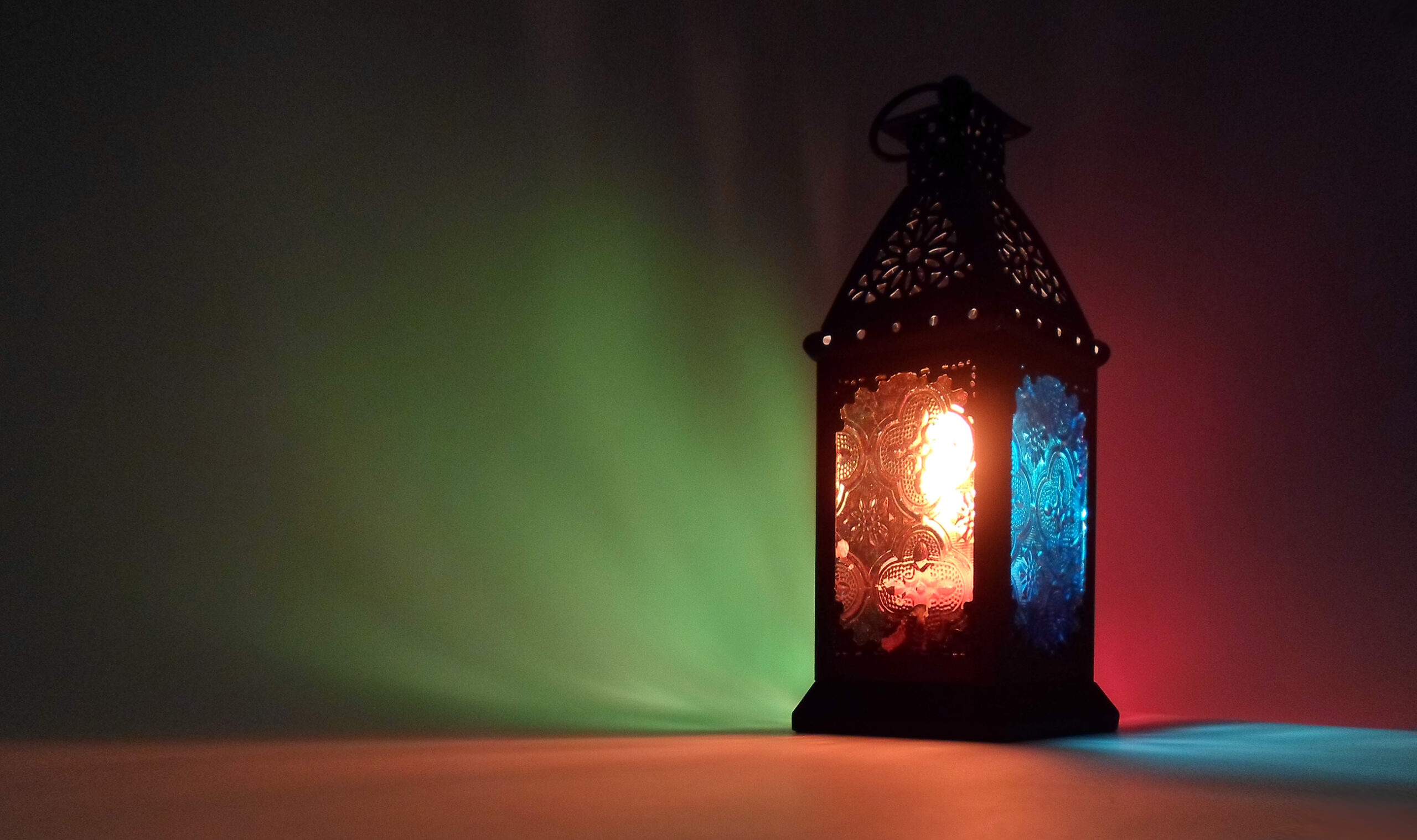
The spiritual dimension is inescapable. The sound of the Quran recited through mosque loudspeakers at dawn, the sudden silence at iftar when an entire city pauses to eat, the soft glow of lanterns and Ramadan decorations strung across buildings — these create an atmosphere that is impossible to replicate outside the Muslim world.
Saudi Arabia during Ramadan is not the easiest time to visit, but it may be the most meaningful. Visitors who approach it with respect, curiosity, and flexibility consistently describe it as one of the most memorable travel experiences of their lives.
Practical Tips for Visiting Saudi Arabia During Ramadan 2026
Accommodation
- Book international chain hotels (Marriott, Hilton, IHG, Accor) for the most reliable daytime dining options for non-fasting guests.
- Confirm your hotel’s Ramadan dining policy before booking. Not all hotels screen off restaurant areas for daytime service.
- Hotels in Makkah and Madinah are at peak demand — book months ahead and expect premium pricing.
- Consider serviced apartments if you want kitchen access for self-catering during the day.
Getting Around
- Avoid driving between 4:30 and 6:30 p.m. — the pre-iftar rush is intense, and accident rates spike as drivers rush to get home before sunset.
- Ride-hailing apps (Uber, Careem) work throughout Ramadan but expect longer wait times and surge pricing around iftar and in the early evening.
- The Riyadh Metro operates during Ramadan with adjusted hours. Check the Riyadh Metro app for current schedules.
- The Haramain High-Speed Railway between Makkah and Madinah runs at full capacity during Ramadan. Book tickets online in advance through the SAR (Saudi Railways) app.
Health and Comfort
- February and March temperatures in Riyadh range from 12°C to 28°C, making this one of the most pleasant times of year to visit weather-wise.
- Pharmacies remain open during Ramadan, though hours may be reduced. Stock up on any essential medications before the trip.
- If you have a medical condition that requires regular eating or drinking, carry a doctor’s note. While you still should not eat in public, it provides context if questioned.
Connectivity and Apps
- Nusuk app — essential for Umrah permits and mosque visit scheduling in Makkah and Madinah.
- Eatmarna app — for booking prayer times at the Grand Mosque and Prophet’s Mosque.
- HungerStation / Jahez — food delivery apps that operate during Ramadan.
- Tawakkalna — the Saudi government’s services app, useful for digital ID and event access.
Ramadan in Different Saudi Cities
Riyadh
The capital experiences Ramadan with a distinctive blend of tradition and modernity. The historic Dira area hosts communal iftars and traditional markets, while newer districts like the Diplomatic Quarter offer upscale Ramadan tent experiences. The Riyadh Season entertainment programme pauses during Ramadan but resumes with full force for Eid celebrations.
Jeddah
Jeddah’s Al-Balad historic district is arguably the most atmospheric place to experience Ramadan in Saudi Arabia. The centuries-old coral stone buildings, narrow alleyways, and traditional Hijazi architecture create a setting that feels unchanged for generations. Jeddah also benefits from its coastal location — waterfront iftars along the Corniche are a highlight.
Madinah
As the city of the Prophet, Madinah during Ramadan has an intense spiritual atmosphere. The Prophet’s Mosque hosts vast Tarawih prayers with hundreds of thousands of worshippers. The surrounding streets fill with pilgrims and families. Non-Muslims can visit Madinah and explore the city’s historical sites, though access to the inner prayer hall of the Prophet’s Mosque is restricted.
AlUla
AlUla offers a different Ramadan experience — quieter, more reflective, and set against stunning desert and rock-formation landscapes. The Experience AlUla programme runs special Ramadan and Eid al-Fitr events, including iftar experiences in heritage settings and cultural activities tied to the holy month.
Frequently Asked Questions
Can I drink water in public during Ramadan?
No. Drinking any liquid in public during fasting hours is prohibited. Drink in your hotel room, in a screened hotel restaurant, or in other private settings.
Will I be arrested for eating in public?
Arrest is extremely unlikely for tourists. The most common response to a first-time accidental violation is a verbal warning. Fines of up to SAR 500 apply for deliberate or repeated offences.
Are non-Muslims expected to fast?
No. Non-Muslims are not expected to fast. You are only expected to refrain from eating, drinking, and smoking in public spaces during daylight hours.
Can I still visit tourist attractions?
Yes. Museums, heritage sites, and most tourist attractions remain open during Ramadan, though often with adjusted hours. Check opening times in advance, as many shift to later openings and earlier afternoon closures.
Is alcohol available during Ramadan?
Alcohol is prohibited in Saudi Arabia at all times, not just during Ramadan. There are no exceptions for tourists or hotel guests.
Should I tip differently during Ramadan?
Generosity is a core value of Ramadan. Tipping service staff a little more generously during this period is appreciated, though not expected.
Can I travel between cities during Ramadan?
Yes. Domestic flights, trains, and intercity buses operate throughout Ramadan. Pack food and water for journeys but consume them discreetly — not in airport lounges or station waiting areas where others are fasting.
What if Ramadan ends a day earlier or later than expected?
This happens. The Islamic calendar is based on physical moon sighting. In 2026, the Supreme Court confirmed Ramadan lasted the full 30 days. Always check official Saudi announcements from the Supreme Court or the Saudi Press Agency for confirmed dates, and build one to two days of flexibility into your travel plans around Eid.
Planning Your Ramadan Trip
Visiting Saudi Arabia during Ramadan is one of the most culturally immersive travel experiences available anywhere in the world. The Kingdom does not soften its observance for tourists — and that is precisely what makes it special. You are not watching a performance; you are stepping into a living tradition shared by over two billion Muslims worldwide, experienced at its most intense in the land where Islam was born.
Plan ahead, respect the rules, embrace the rhythm, and you will leave Saudi Arabia with memories that no beach holiday or city break could ever match.
For more on planning your trip, visit our Saudi Arabia Travel Guide 2026 hub.