
Understanding Saudi Arabia’s customs rules before you travel can save you serious trouble at the border. The Kingdom enforces strict regulations on what travelers may bring into the country, and the penalties for violations range from fines and confiscation to imprisonment. Whether you are visiting for tourism, business, or the Hajj pilgrimage, this guide covers everything you need to know about clearing customs in Saudi Arabia. For the full picture on planning your trip, see our Saudi Arabia Travel Guide 2026.
Customs Authority: Saudi Customs (ZATCA — Zakat, Tax and Customs Authority)
Duty-Free Allowance: Personal goods and gifts up to SAR 3,000 (approx. USD 800) exempt from duty
Visa Required: Yes — tourist e-visa or other valid visa required before travel
Absolutely Prohibited: Alcohol, pork products, illegal drugs, pornographic material
Declaration Required: Currency, precious metals, or jewelry worth SAR 60,000 or more (approx. USD 16,000)
Key Tip: Declare controlled medications in advance through the SFDA’s online portal and carry original prescriptions
Who Runs Saudi Customs?
Saudi Arabia’s customs operations are managed by the Zakat, Tax and Customs Authority, known by its Arabic acronym ZATCA. This is the government body responsible for collecting customs duties, enforcing import and export regulations, and screening travelers at all air, land, and sea ports of entry. ZATCA operates customs checkpoints at every international airport in the Kingdom, including King Khalid International Airport in Riyadh, King Abdulaziz International Airport in Jeddah, and King Fahd International Airport in Dammam.
ZATCA provides an online e-declaration service that allows travelers to submit customs declarations electronically before arrival. This system is accessible via the ZATCA website or its mobile app, and it can streamline the process at the border — particularly if you are carrying goods that require declaration.
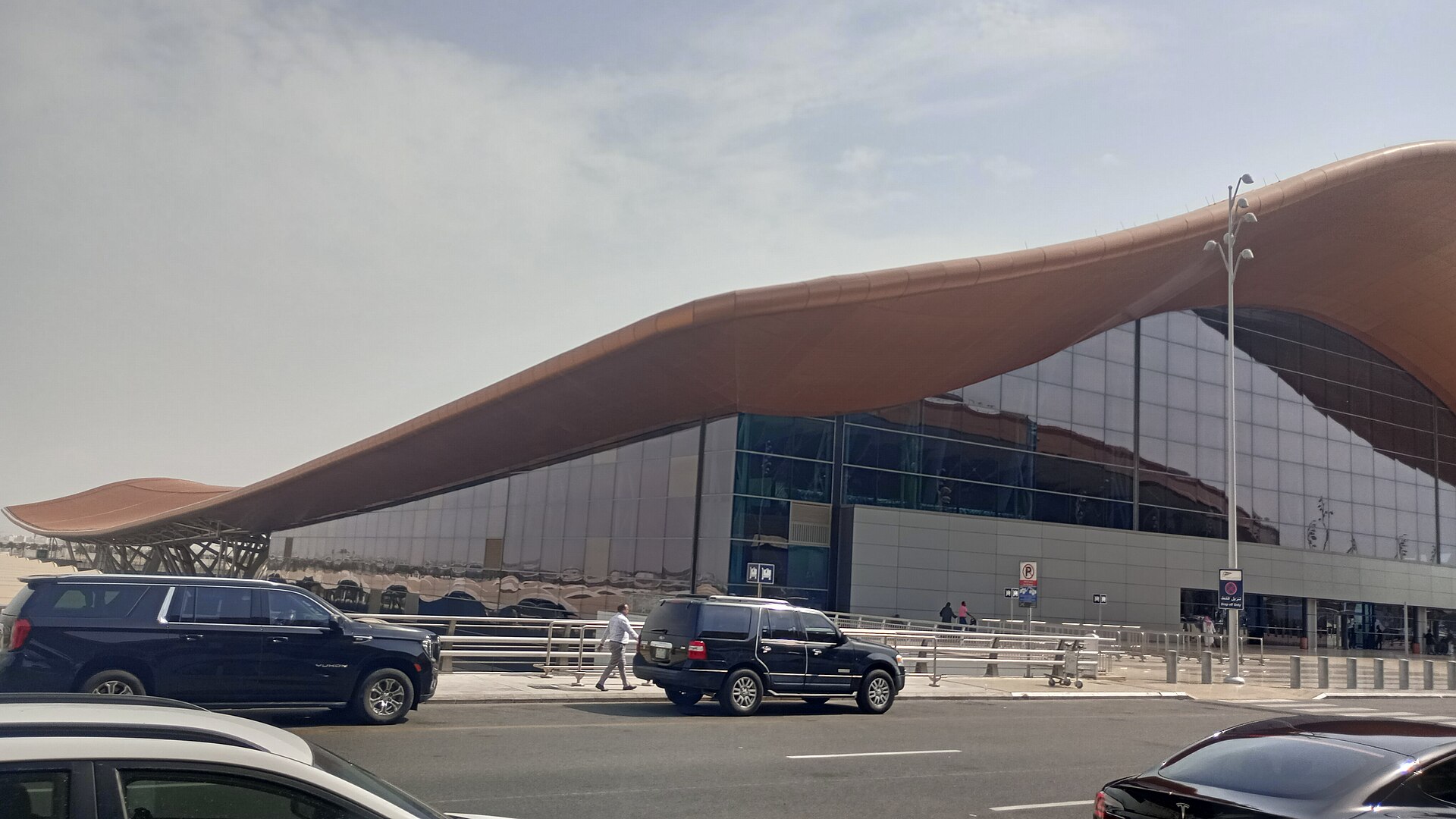
Absolutely Prohibited Items
Certain items are completely banned from entry into Saudi Arabia. There are no exceptions, no permits, and no quantity thresholds that make these legal. If customs officers find any of the following in your luggage, the items will be confiscated and you may face criminal prosecution.
Drugs and Narcotics
All narcotic substances are strictly prohibited, including cannabis, heroin, cocaine, methamphetamine, and synthetic drugs. This extends to drug paraphernalia such as pipes, bongs, vaporizers, and any equipment associated with drug use. Substances marketed as “legal highs” or synthetic alternatives are also banned. Saudi Arabia enforces some of the most severe drug penalties in the world — convicted offenders face long prison sentences, heavy fines, public flogging, and in the most serious smuggling cases, the death penalty.
Alcohol
All alcoholic beverages are prohibited in Saudi Arabia, with no exceptions for personal use. This includes beer, wine, spirits, and any product containing alcohol intended for consumption. Cooking wines and alcohol-based flavorings are also banned. There is no duty-free alcohol allowance at Saudi airports. For a full explanation of the Kingdom’s alcohol laws, see our guide to alcohol rules in Saudi Arabia.
Pork and Pork Products
All pork and pork-derived products are prohibited under Islamic dietary law. This includes ham, bacon, pork sausages, pork gelatin, and any processed food containing pork derivatives. Customs officers may inspect food items in your luggage to verify compliance.
Pornographic and Immoral Material
Any material deemed obscene, pornographic, or offensive to public morality is banned. This covers printed material, videos, images, and digital content. Saudi customs officers have the authority to inspect electronic devices including phones, laptops, and cameras for prohibited content.
Other Prohibited Items
- Weapons and explosives — firearms, ammunition, and explosive materials (without specific government authorization)
- Distillery and brewing equipment — any apparatus for producing alcohol
- Counterfeit currency and counterfeit goods
- Gambling equipment — lottery tickets, gambling machines, and related accessories
- Used clothing (in commercial quantities) and retreaded tires
- Certain sculptures and figurines that depict the human form in ways considered religiously inappropriate
Restricted Items — Allowed With Conditions
Some items can be brought into Saudi Arabia, but only with the right paperwork, permits, or within specific limits. Attempting to import restricted items without the proper documentation can result in confiscation and fines.
Religious Materials
Travelers may bring a personal copy of a religious text such as a Bible for private use. However, importing religious materials in bulk — or anything intended for proselytizing or distribution — is prohibited. Large quantities of non-Islamic religious books, symbols, or artifacts may be confiscated. Public worship of religions other than Islam is not permitted in Saudi Arabia, and missionary activity is treated as a criminal offense.
Drones
Personal drones are prohibited unless you obtain prior authorization from the General Authority of Civil Aviation (GACA). All drones weighing between 250 grams and 25 kilograms must be registered, and each drone’s serial number must be cleared with GACA before it can pass through customs. As of 2025, only Saudi residents with a national ID can register drones — foreign tourists typically cannot obtain the required license. If you bring an unregistered drone, it will be confiscated at the airport.
Wireless Equipment
Radio-controlled devices, wireless transmitting equipment, and radio-controlled model airplanes require special approval from Saudi authorities before they can be imported. Standard consumer electronics like Wi-Fi routers and Bluetooth devices are generally not affected.
Dogs
The import of dogs is restricted to hunting dogs, guard dogs, and guide dogs. Each dog requires a certificate from the competent authority in the country of origin, authenticated by the Saudi Embassy, confirming the dog’s classification. Dogs must be presented for veterinary quarantine upon entry.
Chemicals and Pharmaceuticals
Chemicals, hazardous materials, and pharmaceutical products beyond personal medication require approval from the relevant Saudi authority before import. This applies to laboratory chemicals, industrial solvents, and commercial quantities of health or beauty products.
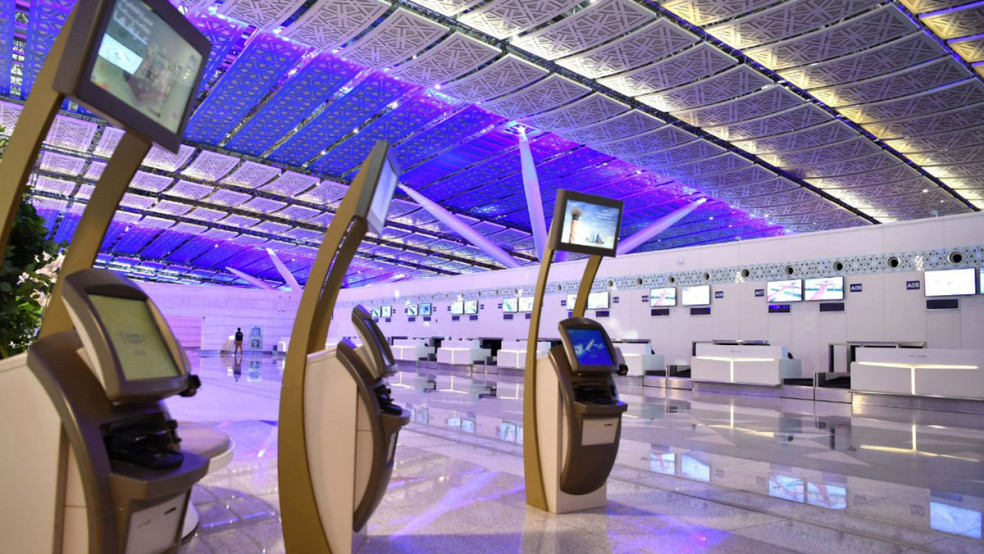
Duty-Free Allowances
Saudi Arabia provides a duty-free exemption for personal goods and gifts valued at up to SAR 3,000 (approximately USD 800). Items within this threshold that are clearly personal and non-commercial in nature will not incur customs duties or taxes.
Tobacco
Travelers aged 18 and over may bring up to 200 cigarettes or 500 grams of other tobacco products duty-free. If you exceed this allowance, customs duties and value-added tax (15% VAT) will be applied to the entire quantity — not just the excess. The maximum permitted import for personal use is 2 kilograms of tobacco products per person, per three-month period.
Perfume
Perfume and eau de cologne may be imported in reasonable quantities for personal use. There is no specific milliliter limit published by ZATCA, but the quantity must clearly be for personal consumption rather than resale.
Gifts
Gifts for friends and family are included within the SAR 3,000 duty-free threshold. If the total declared value of your gifts exceeds SAR 3,000, you will need to pay customs duty and VAT on the full amount. Keep receipts for high-value items to facilitate declaration.
Goods Over the Duty-Free Limit
If you are carrying personal goods worth more than SAR 3,000 — such as new electronics, luxury watches, or high-value clothing — you must declare these at customs. The standard customs duty rate for personal items is 5%, plus 15% VAT. ZATCA’s e-declaration system allows you to declare and pay these fees electronically before arriving at the port.
Medication Rules — What You Must Know
Saudi Arabia tightened its medication rules significantly in late 2025, and failing to comply can leave you stranded at the airport without essential medicines. These rules affect travelers arriving at and departing from the Kingdom through all ports of entry.
Controlled Medications Require an Advance Permit
Effective November 1, 2025, all travelers carrying medications containing narcotic or psychotropic substances must obtain a clearance permit from the Saudi Food and Drug Authority (SFDA) before travel. This applies to commonly prescribed drugs including:
- Anti-anxiety medications (e.g., Xanax, Valium, Ativan)
- Sleep aids (e.g., Ambien, Zopiclone)
- ADHD stimulants (e.g., Adderall, Ritalin, Concerta)
- Narcotic painkillers (e.g., Tramadol, Codeine, Morphine)
- Certain antidepressants and antipsychotics
How to Apply for a Medication Permit
Apply through the SFDA’s Controlled Drugs System (CDS) at cds.sfda.gov.sa. You will need to create an account, submit a clearance request with your personal and trip details, and upload supporting documents. Required documents include:
- A valid medical prescription (original or certified copy)
- A medical report or letter from a licensed healthcare professional explaining the medical need
- Proof of identity (passport)
- Details of the medication including trade name, active ingredient, dosage form, and quantity
Apply at least two to three weeks before travel to allow time for processing. Only quantities for personal use are permitted — typically no more than a 30-day supply or the duration of your stay, whichever is shorter.
Over-the-Counter and Non-Controlled Medications
Common over-the-counter medications like paracetamol, ibuprofen, antihistamines, and basic cold remedies do not require a permit. However, it is still strongly advisable to carry them in their original packaging with the pharmacy label attached, and to bring a copy of your prescription or a doctor’s letter if you take any regular medication. Make sure your entry requirements are fully covered before worrying about medications.
Currency and Valuables Declaration
Saudi Arabia requires all travelers to declare currency, bearer negotiable instruments (such as traveler’s checks or promissory notes), gold bullion, precious metals, gemstones, and fine jewelry if their combined value equals or exceeds SAR 60,000 (approximately USD 16,000).
How to Declare
You can submit a declaration electronically through the ZATCA website or mobile app before your arrival, or complete a paper declaration form at the customs desk at your port of entry. If you are declaring only currency or valuables above the SAR 60,000 threshold, you must visit the customs declaration office in person at the airport — electronic submission alone is not sufficient for these items.
Penalties for Non-Declaration
Failure to declare, or providing false information on a declaration, triggers a financial penalty of 25% of the value of the seized items for a first offense. Repeat violations carry a fine of 50% of the seized value. If authorities suspect a connection between the undeclared assets and money laundering or other criminal activity, the full amount will be seized and the case referred to the Public Prosecution. Penalties in money-laundering cases can reach up to 10 years imprisonment and fines of up to SAR 5 million.
Electronics and Personal Devices
Laptops, smartphones, tablets, cameras, and other standard consumer electronics are permitted without issue, provided they fall within the SAR 3,000 duty-free personal goods allowance. There is no restriction on the number of personal devices you carry.
However, be aware that customs officers have the authority to inspect the contents of your electronic devices. You should delete any content that could be considered offensive, pornographic, or politically sensitive before traveling to Saudi Arabia. This includes content stored on social media accounts accessible from your devices.
For professional equipment such as commercial-grade cameras, broadcasting equipment, or trade show technology, you may need an ATA Carnet from your home country’s Chamber of Commerce for temporary duty-free import. Without a carnet, customs duty will be assessed on the equipment’s full value.
Food Items
Saudi Arabia restricts the import of several food categories. Pork and pork-derived products are absolutely prohibited as noted above. Beyond that, keep the following rules in mind:
- Perishable foods — items requiring refrigeration or special storage conditions (fresh meat, dairy, prepared meals) are generally not permitted in personal luggage
- Meat products — unprocessed meat and poultry require halal slaughter certification; this primarily applies to commercial imports, but small personal quantities may still be questioned
- Fresh produce — plants, seeds, fruits, and vegetables may be subject to inspection to prevent the introduction of agricultural pests and diseases
- Honey and dates — permitted in reasonable personal quantities without special documentation
- Spices — standard cooking spices in sealed consumer packaging are generally fine; however, pepper spray and related items are prohibited
When in doubt, declare food items. The worst that happens if you declare voluntarily is a brief inspection. The worst that happens if you fail to declare is confiscation and a potential fine.
What to Declare — The Complete List
Under ZATCA regulations, travelers are required to declare the following items when entering or leaving Saudi Arabia:
- Currencies, bearer negotiable instruments, gold bars, precious metals, gemstones, and jewelry valued at SAR 60,000 or more
- Personal goods and gifts with a total value exceeding SAR 3,000
- Tobacco products and derivatives (even within the duty-free limit, these must be declared)
- Goods subject to excise tax
- Any restricted items for which you hold a valid permit (e.g., controlled medications, authorized firearms)
- Commercial quantities of any goods
ZATCA recommends completing the declaration online before arrival using the e-declaration portal. For goods above SAR 3,000 that are personal purchases or new gifts, you can complete the process entirely online and pay duties and VAT through the website or app. For currency, precious metals above SAR 60,000, or restricted and prohibited goods, you must visit the declaration office in person at the port even if you have already submitted an electronic declaration.
The Customs Process at Saudi Airports
When you arrive at a Saudi airport, this is the typical sequence you will follow. For more detailed airport navigation tips, consult our Saudi Arabia Airport Guide.
Step 1 — Immigration
After exiting the aircraft, you proceed to immigration. Have your passport and valid visa ready. E-visa holders should have their confirmation printout or digital copy available. Biometric data (fingerprints and photograph) will be collected at the immigration desk.
Step 2 — Baggage Collection
Collect your checked luggage from the baggage carousel. Keep your baggage tags in case of any discrepancy.
Step 3 — Customs Screening
Saudi airports use a red and green channel system similar to international airports worldwide:
- Green channel (Nothing to Declare) — use this if you are carrying only personal items within the duty-free allowance, no restricted items, and no currency or valuables above SAR 60,000
- Red channel (Goods to Declare) — use this if you are carrying any declarable items, including goods above the duty-free limit, controlled medications with a permit, or currency above the threshold
Even if you choose the green channel, your bags may still be selected for X-ray screening or manual inspection. Customs officers may use narcotics detection dogs and may ask to inspect the contents of electronic devices. If prohibited items are discovered during screening, the items will be confiscated and you may be detained.
Step 4 — Exit
Once cleared by customs, you proceed to the arrivals hall. Be aware that you should also be familiar with the Saudi Arabia dress code before leaving the airport, as local standards apply from the moment you step outside the terminal.
Penalties for Customs Violations
Saudi Arabia enforces customs regulations strictly, and the penalties for violations are severe:
| Violation | Penalty |
|---|---|
| Failure to declare goods above SAR 3,000 | Customs duty + VAT on full value, potential fine |
| Failure to declare currency/valuables above SAR 60,000 (first offense) | Fine of 25% of seized value |
| Failure to declare currency/valuables (repeat offense) | Fine of 50% of seized value |
| Suspected money laundering connection | Full seizure, referral to Public Prosecution; up to 10 years imprisonment and SAR 5 million fine |
| Smuggling prohibited goods | Confiscation, fines, imprisonment up to 15 years, vehicle confiscation, public naming |
| Drug smuggling | Long imprisonment, heavy fines, flogging, deportation; death penalty in the most serious cases |
| Carrying controlled medication without SFDA permit | Medication confiscated; potential detention and criminal charges |
These are not theoretical risks. Saudi customs processes thousands of travelers daily, and violations result in real enforcement actions. If you are unsure about an item, always declare it.
Tips to Avoid Problems at Saudi Customs
Follow these practical tips to ensure a smooth arrival:
- Check the ZATCA prohibited items list before packing. Visit zatca.gov.sa for the latest information. Ignorance of the rules is not an accepted defense.
- Apply for your medication permit early. If you take any controlled medication, submit your SFDA clearance request at least two to three weeks before travel through cds.sfda.gov.sa.
- Carry prescriptions and medical letters. Even for over-the-counter medication, having documentation prevents delays.
- Use the ZATCA e-declaration portal. Submitting your declaration online before arrival speeds up the process and avoids queues at the red channel.
- Keep receipts for high-value items. If you are carrying expensive electronics, jewelry, or gifts, receipts prove the value and help resolve any disputes over duty calculations.
- Do not carry items for other people. You are legally responsible for everything in your luggage. Never agree to carry packages, parcels, or bags for someone else through customs.
- Review content on your electronic devices. Delete anything that could be considered offensive or inappropriate before you travel.
- Leave your drone at home unless you have obtained GACA authorization in advance — which is effectively unavailable to foreign tourists.
- Pack medications in carry-on luggage. Keep all medications, prescriptions, and SFDA permits in your hand luggage for easy access during customs screening.
- When in doubt, declare. Using the red channel voluntarily is never penalized. Failing to declare when you should have is always penalized.
Saudi Arabia’s customs rules are strict but predictable. If you pack thoughtfully, apply for permits in advance, and declare anything above the thresholds, you will clear customs without issue. The Kingdom welcomes millions of tourists, business visitors, and pilgrims every year, and the vast majority pass through customs without incident.
For a complete overview of everything you need to plan your trip, return to our Saudi Arabia Travel Guide 2026. If you are still preparing your documents, check our detailed Saudi Arabia entry requirements page and the visa guide to make sure your paperwork is in order before you fly.
Explore More Saudi Arabia Travel Guides
- Saudi Arabia Travel Guide 2026 — The complete guide to visiting the Kingdom
- Saudi Arabia Visa Guide — Every visa type, cost and process explained
- Saudi Arabia Entry Requirements — Health, documentation and border rules
- Saudi Arabia Dress Code — What to wear as a tourist
- Alcohol Rules in Saudi Arabia — What you need to know before you travel
- Riyadh Travel Guide 2026 — Everything you need for the Saudi capital