
Brazil and Saudi Arabia share more cultural DNA than most travellers realise. With 12 million Brazilians of Arab descent — the largest Arab diaspora on earth — the Kingdom feels strangely familiar the moment you land: the warmth, the hospitality, the food, the football obsession. This complete guide to Saudi Arabia page is written specifically for Brazilian passport holders planning their first trip to the Kingdom, covering visa logistics, flight routes, beach destinations along the Red Sea, cultural highlights, and the practical details that make or break any international trip from South America to the Gulf.
Best Time to Visit: November to February (20–28°C, dry, all attractions accessible)
Getting There: Via Doha (Qatar Airways), Istanbul (Turkish Airlines), or Dubai (Emirates) — no direct flights from Brazil
Visa Required: Yes — embassy visa or e-visa with US/UK/Schengen stamp
Budget: SAR 300–1,000/day (BRL 420–1,400 / USD 80–270)
Must-See: Jeddah’s Red Sea coast, AlUla’s Hegra tombs, Riyadh Season entertainment
Avoid: Travelling June–August (temperatures exceed 48°C in most cities)
Visa Requirements for Brazilian Passport Holders
Brazil is not on the list of 63 countries eligible for the standard Saudi tourist e-visa. However, Brazilians have a practical workaround that most travel blogs fail to mention: if you hold a valid visa (with at least one entry stamp) from the United States, United Kingdom, or any Schengen country, you can apply for a Saudi electronic visitor visa at visa.visitsaudi.com.
E-Visa Route (Recommended)
- Eligibility: Brazilian passport + valid US/UK/Schengen visa with entry stamp, OR valid GCC resident visa with 3+ months remaining
- Cost: SAR 535 (approximately BRL 750 / USD 142), includes medical insurance
- Validity: 1 year, multiple entries, up to 90 days per visit
- Uses: Tourism, events, visiting family, and Umrah
- Processing: Typically approved within 24–72 hours online
- Kabsa: Saudi Arabia’s national dish — spiced rice with lamb or chicken, similar in concept to Brazilian arroz com carne but with cardamom, saffron, and dried lime
- Jareesh: Cracked wheat porridge with meat — comfort food that reminds Brazilians of canjica in its warmth and simplicity
- Mutabbaq: Stuffed fried pastry — Brazil’s pastel de feira has Arab roots that trace directly back to this dish
- Arabic coffee (qahwa): Served with dates, cardamom-infused — lighter than Brazilian cafézinho but equally central to hospitality
- Fresh juices: Saudi juice bars rival Brazilian suqueiras, with pomegranate, mango, and avocado shakes widely available
- Best strategy: Convert BRL to USD or EUR at home, then exchange to SAR at Saudi airport or city exchange offices. BRL is not widely accepted at Saudi currency counters
- Cards: Visa and Mastercard accepted at virtually all hotels, restaurants, and shops. Apple Pay and mada (Saudi debit) are ubiquitous
- ATMs: Al Rajhi Bank, SNB, and Riyad Bank ATMs are everywhere. International withdrawal fees typically SAR 15–25 per transaction
- Tipping: Not obligatory but appreciated. 10–15% at restaurants; SAR 5–10 for bellhops and drivers
- As-salamu alaykum — Peace be upon you (universal greeting, always reciprocated)
- Shukran — Thank you
- Marhaba — Hello (informal)
- Kam? — How much?
- La, shukran — No, thank you
- Alcohol is completely prohibited — no bars, no wine with dinner, no exceptions. This is the single biggest culture shock for most Brazilians
- Pork is forbidden (haram) — not available anywhere in the country
- Physical affection in public: No hugging, kissing, or hand-holding between couples in public spaces. Brazilians’ natural tactile warmth must be dialled back significantly
- Dress code: Modest clothing required. Women should cover shoulders and knees (abaya no longer mandatory for tourists). Men should avoid shorts and sleeveless shirts in public areas
- Prayer times: Some businesses pause five times daily. Respect the rhythm — use the time for a coffee break
- Photography: Always ask before photographing people, especially women. Never photograph military or government buildings
- Right-hand rule: Use the right hand for eating, giving, and receiving — the left is considered unclean
- Generosity: Offering food, insisting on paying — Saudis and Brazilians share this instinct
- Family respect: Both cultures centre around extended family. Asking about someone’s family is always welcome
- Patience with bureaucracy: Brazilians’ jeitinho mentality adapts well to Saudi administrative rhythms
- Football: The Saudi Pro League features international stars. Talking football opens every door
- November–February: Ideal. Temperatures 20–28°C in Riyadh, perfect for outdoor exploration. Riyadh Season runs throughout. AlUla season peaks. Red Sea water 24–26°C
- March: Still pleasant but warming. Good shoulder-season value
- October: Riyadh Season opens. Hot (35°C) but manageable with air conditioning between activities
- April–September: Avoid unless visiting highland areas like Abha and Asir (25–30°C year-round at 2,200m elevation)
- Check Itamaraty advisories at gov.br/mre before booking
- Register with e-Consular (econsular.itamaraty.gov.br) before departure
- Contact the Brazilian Embassy in Riyadh ([email protected]) for current guidance
- Confirm flight availability — several Gulf carriers have reduced or suspended routes
- Ensure comprehensive travel and health insurance covers conflict zones
- Days 1–3: Jeddah — Al-Balad, Corniche, beach clubs, seafood souks
- Days 4–5: Drive to Umluj — island hopping, snorkelling, pristine beaches
- Days 6–7: AlUla — Hegra, Elephant Rock, desert dining (fly back from AlUla airport)
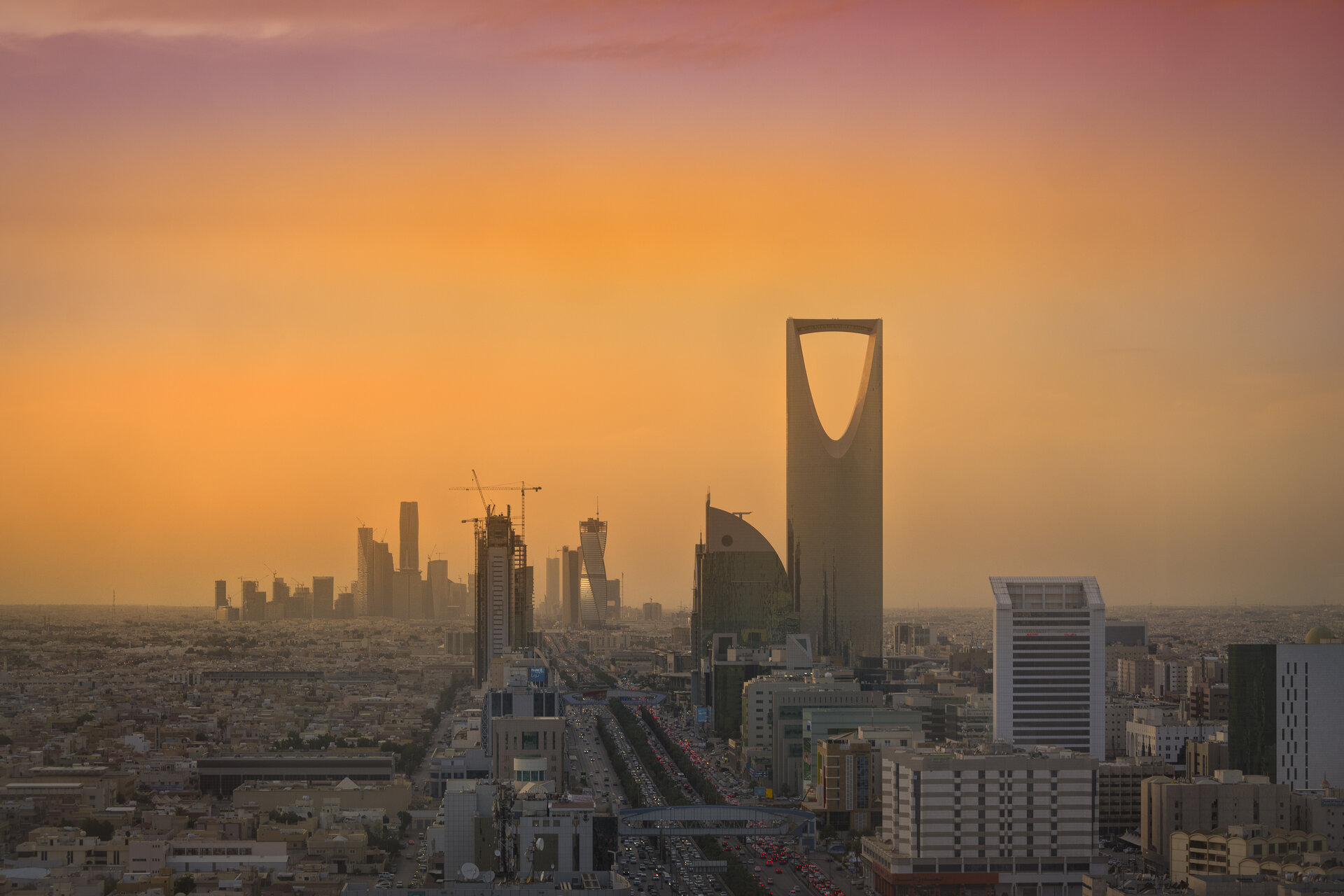
- Days 1–3: Riyadh — Kingdom Tower, Diriyah, Boulevard, Riyadh Season events
- Days 4–5: AlUla — Hegra, Dadan, Elephant Rock
- Days 6–8: Jeddah — Al-Balad, beaches, Red Sea diving
- Days 9–10: Umluj or Farasan Islands (depending on season)
- Saudi Arabia Travel Guide 2026 — The complete guide to visiting the Kingdom
- Jeddah Travel Guide — Gateway to the Red Sea coast and holy cities
- Riyadh Travel Guide — The capital’s entertainment, dining, and cultural scene
- AlUla Travel Guide — Saudi Arabia’s open-air museum and UNESCO heritage
- Saudi Arabia Diving and Snorkelling Guide — Red Sea coral reefs and marine life
- Saudi Arabia Visa Guide — Every visa type explained, including the Brazilian workaround
Embassy Route (Without Qualifying Visa)
Brazilians without a US/UK/Schengen stamp must apply through the Saudi Embassy in Brasília or the Consulate General. Requirements include a passport valid for 6+ months, proof of onward travel, hotel bookings, and a completed application form. Processing takes 5–15 business days. For full details on every visa category, see our Saudi Arabia visa guide.
Tip for Brazilians: If you already travel to Europe or the US regularly, the e-visa route is far faster and cheaper than the embassy process. A single Schengen stamp from a Portugal trip unlocks the Saudi e-visa indefinitely while that passport remains valid.
Getting to Saudi Arabia from Brazil
There are no direct flights between Brazil and Saudi Arabia. The fastest routing is São Paulo Guarulhos (GRU) → Doha (DOH) → Riyadh (RUH) or Jeddah (JED) via Qatar Airways, with a total journey time of 17–20 hours including connection.
Best Airlines and Routes
| Airline | Connection Hub | GRU→Hub Flight | Hub→Riyadh | Total Time |
|---|---|---|---|---|
| Qatar Airways | Doha (DOH) | 14h 15min | 1h 30min | ~17–19h |
| Turkish Airlines | Istanbul (IST) | 13h 00min | 4h 30min | ~19–21h |
| Emirates | Dubai (DXB) | 14h 30min | 2h 00min | ~19–22h |
| Ethiopian Airlines | Addis Ababa (ADD) | 11h 00min | 4h 00min | ~18–22h |
Fares: Economy round-trip starts around SAR 2,700–3,500 (BRL 3,800–4,900 / USD 720–930) from São Paulo. Booking 8–12 weeks in advance typically yields the best prices. LATAM codeshares with Qatar Airways, allowing you to earn miles on either programme.
Important: Flight availability in early 2026 has been disrupted by the Iran–Saudi conflict. Several Gulf carriers suspended or reduced routes. Before booking, confirm real-time flight status and check Itamaraty advisories at gov.br/mre. Register with e-Consular (econsular.itamaraty.gov.br) before departure.
Beaches and the Red Sea Coast
For a nation of beach-lovers, Saudi Arabia’s 1,800 km Red Sea coastline is the headline draw — and one that most Brazilians don’t know exists. The water is warmer, calmer, and more turquoise than the Brazilian Atlantic, with coral reefs that rival or exceed Fernando de Noronha. For dedicated marine activities, see our diving and snorkelling guide.
Jeddah Beaches
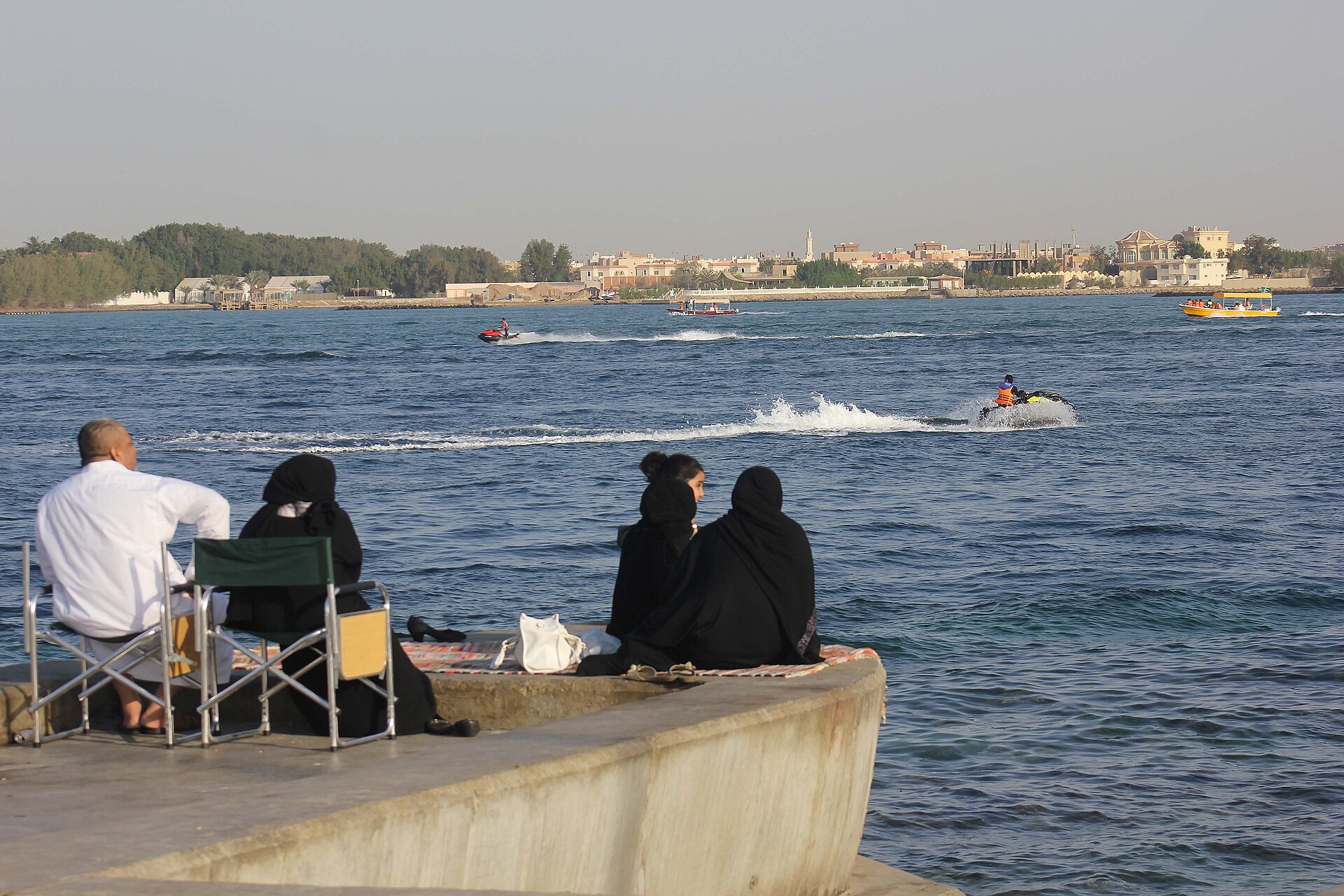
Jeddah has over 120 catalogued beaches along its coast. The Northern Corniche offers 30+ km of public waterfront, while private beach clubs at Durrat Al Arus and Obhur Creek provide jet skiing, kayaking, and boat trips. The AROYA luxury cruise launched in December 2025 offers 3-night Red Sea sailings with a private island stop — a concept familiar to Brazilians who’ve done Angra dos Reis boat tours, but on a grander scale.
Umluj — “The Maldives of Saudi Arabia”
Five hours north of Jeddah (or a short domestic flight to Al Wajh), Umluj offers turquoise shallows, white sand, and coral islands with almost zero crowds. For Brazilians used to Jericoacoara or Lençóis Maranhenses, the emptiness and colour palette feel familiar — but the underwater life is incomparably richer.
The Red Sea Project and Ummahat Islands
Saudi Arabia’s flagship coastal mega-project spans 90+ islands between Umluj and Al Wajh. The Nujuma Ritz-Carlton Reserve offers overwater villas from USD 3,000/night, while the St. Regis Red Sea Resort provides a slightly more accessible luxury tier. The entire development is car-free and sustainability-focused — 200+ coral species thrive in these protected waters.
Farasan Islands
An archipelago of 80+ coral islands near the southern border, reached by a 2-hour ferry from Jizan. Sea turtles, dugongs, mangroves, and near-zero light pollution make this Saudi Arabia’s best-kept secret. Best visited November–February for clearest underwater visibility.
Beach culture note for Brazilians: Public beaches require modest swimwear — no bikinis or speedos. Private resort beaches and beach clubs are more relaxed but still conservative by Brazilian standards. Pack a rash guard and board shorts.
Cultural Highlights That Resonate with Brazilians
AlUla and Hegra
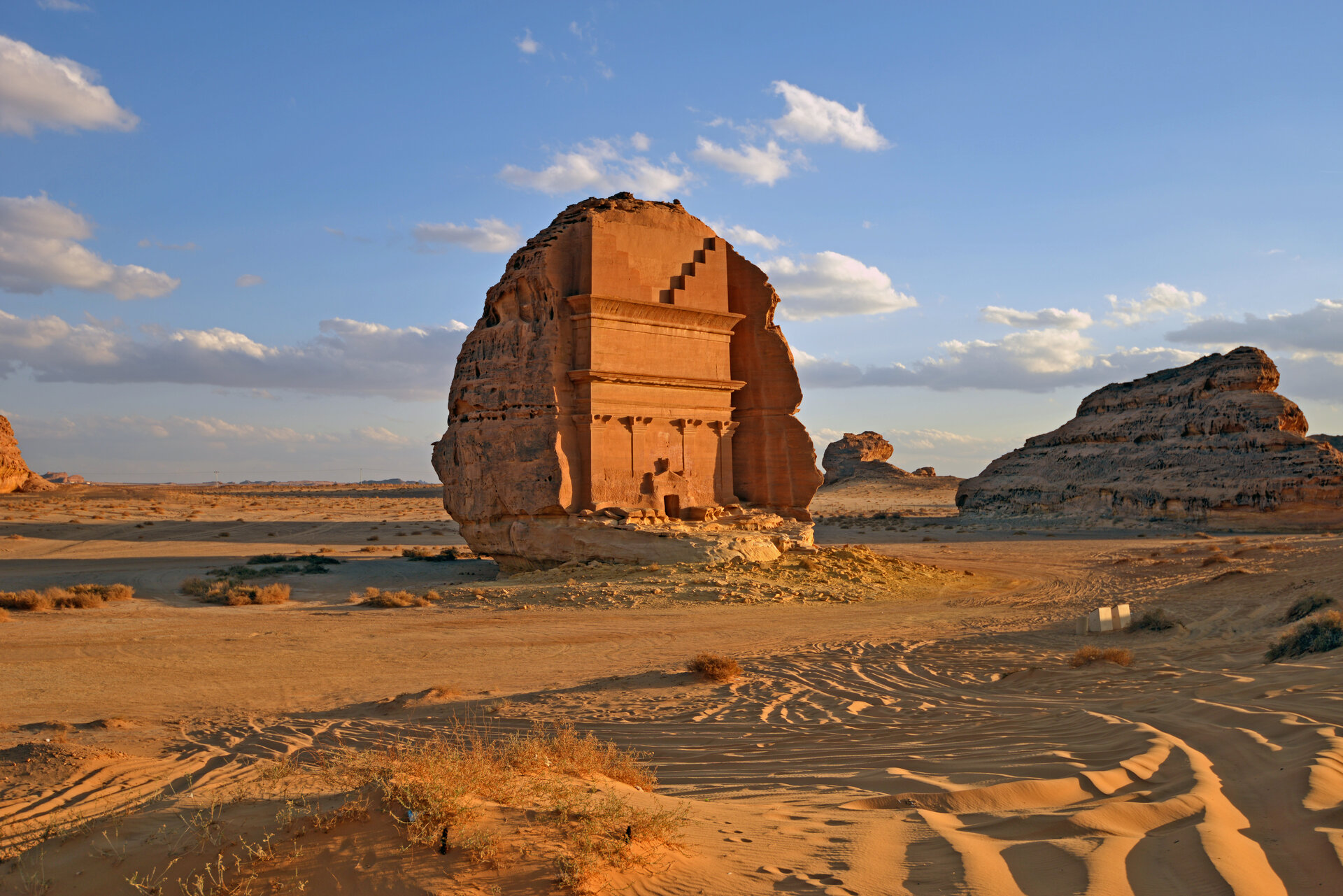
AlUla is Saudi Arabia’s premier cultural destination. Hegra (Mada’in Salih) — the Kingdom’s first UNESCO World Heritage Site — features over 100 monumental Nabatean tombs carved into sandstone, a sister site to Jordan’s Petra. Elephant Rock (Jabal AlFil) and the ancient Dadan ruins complete a landscape that feels cinematic. Best visited November–February when desert temperatures are comfortable.
Jeddah’s Al-Balad District
The UNESCO-listed historic core of Jeddah features coral-stone tower houses, labyrinthine souks, and Ottoman-era architecture. The 500-year-old merchants’ quarter has been carefully restored — it’s the Saudi equivalent of Salvador’s Pelourinho, but built from Red Sea coral rather than colonial stone.
Diriyah — At-Turaif
On the edge of Riyadh, the UNESCO-listed At-Turaif district preserves the mud-brick palaces of the First Saudi State (1727–1818). The adjacent Bujairi Terrace — 15,000 sqm of restaurants overlooking the ruins — is the Kingdom’s signature sunset dining experience.
Riyadh Season
Running October through March, Riyadh Season is a massive entertainment festival featuring international concerts, WWE events, the Saudi Cup horse race, and interactive experiences across multiple zones. For Brazilians, the atmosphere evokes a cross between Rock in Rio and a mega shopping centre — but in the desert.
Food: More Familiar Than You Think
With 12 million Arab-descended Brazilians, Saudi cuisine will feel surprisingly familiar. The quibe you eat at any São Paulo corner lanchonete is Saudi Arabia’s kibbeh. Your corner esfiha is their sfiha. Tabbouleh, hummus, shawarma, labneh, and baklava are everyday foods in both countries.
What to Try
For familiar comforts, Brazilian-style churrascarias (Fogo de Chão-format steakhouses) exist in Riyadh and Jeddah. Western franchises are ubiquitous. But the real joy is discovering how much Saudi food you already know under different names.
Practical Logistics for Brazilians
Currency and Money
The Saudi Riyal (SAR) is pegged to the US dollar at 3.75:1. As of April 2026, 1 BRL ≈ 0.71 SAR (or 1 SAR ≈ 1.40 BRL). The real fluctuates, so check xe.com before departure.
Budget Planning
| Category | Budget (BRL/day) | Mid-Range (BRL/day) | Luxury (BRL/day) |
|---|---|---|---|
| Accommodation | 140–280 | 350–700 | 1,400+ |
| Food | 70–140 | 140–280 | 420+ |
| Transport | 40–70 | 100–200 | 350+ |
| Activities | 0–70 | 100–200 | 350+ |
| Total | 250–560 | 700–1,400 | 2,500+ |
Food prices are approximately 46% lower than in the US. A shawarma wrap costs SAR 8–15 (BRL 11–21); a restaurant meal SAR 40–80 (BRL 56–112). For a detailed breakdown, see our Saudi Arabia cost guide.
Language
Arabic is the official language. English is widely spoken in cities, hotels, malls, and tourist areas. Portuguese speakers will find some Arabic loanwords already familiar — aldeia, alfândega, azulejo, and alface all derive from Arabic, a legacy of 700 years of Moorish presence in Iberia. Useful phrases:
Getting Around Internally
Domestic flights connect all major cities (Saudia, flynas, flyadeal). Riyadh to Jeddah is 2 hours; Riyadh to AlUla 1.5 hours. The new Riyadh Metro (six lines) is operational. Uber and Careem work in all cities. Car rental is available but note: Saudi Arabia drives on the right, like Brazil — one less adjustment to make.
Cultural Etiquette Brazilians Must Know
Brazilian warmth translates well in Saudi Arabia — both cultures value generosity, family, and hospitality. But key differences can catch Brazilians off guard:
The Big Differences
What Brazilians Get Right Naturally
Best Time to Visit
For detailed month-by-month guidance, see our best time to visit Saudi Arabia guide. The short version for Brazilians:
Safety and Current Situation (2026)
The Iran–Saudi conflict that began in February 2026 has affected travel to the Kingdom. As of April 2026, a fragile ceasefire is in place but the security environment remains dynamic. Brazilian travellers should:
Western Saudi Arabia (Jeddah, AlUla, Medina) has been less affected than the Eastern Province. The Red Sea coast and northwestern regions remain largely unimpacted. Monitor conditions and plan flexibly.
Suggested Itineraries for Brazilians
7 Days: Beaches and Culture
10 Days: The Full Circuit
For Muslim Brazilians
The Saudi tourist e-visa permits Umrah (lesser pilgrimage to Mecca). Muslim Brazilians can combine cultural tourism with spiritual practice. For dedicated pilgrimage planning, see our Hajj 2026 guide. Medina’s Prophet’s Mosque is open to all Muslim visitors year-round.