
Best Season: October–April
Top Locations: Riyadh (Riyadh Stables, Working Line, Nofa Resort, Elite Horses), Jeddah (Al-Jazeera Centre, Trio Club), AlUla (guided desert trails, Hegra carriage rides)
Visa Required: Yes — tourist e-visa
Lesson From: SAR 180 (~$48) for a single ride; SAR 80–2,100/month for lesson packages
Major Event: Saudi Cup — world’s richest horse race, $20 million main prize
Avoid: Booking informal rides from unlicensed operators; riding during Ramadan midday heat; neglecting weight and ability limits on AlUla trail rides (85 kg limit)
Arabia gave the world its most celebrated horse breed. For at least 4,000 years, the horse has occupied a place at the very heart of Arabian culture — bred on the Nejd plateau, kept inside Bedouin tents for warmth and protection, passed down through oral genealogies as precious as any written deed. To ride in Saudi Arabia today is to step into that living heritage, whether you are learning the basics in a floodlit Riyadh arena, cantering past Nabataean tombs at AlUla, or sitting in the grandstands as the world’s fastest horses thunder down the straight at King Abdulaziz Racecourse. The Saudi Arabia Travel Guide 2026 covers the full spectrum of what the Kingdom offers visitors; this page focuses on the extraordinary equestrian dimension that sets Saudi Arabia apart from almost every other travel destination on earth.
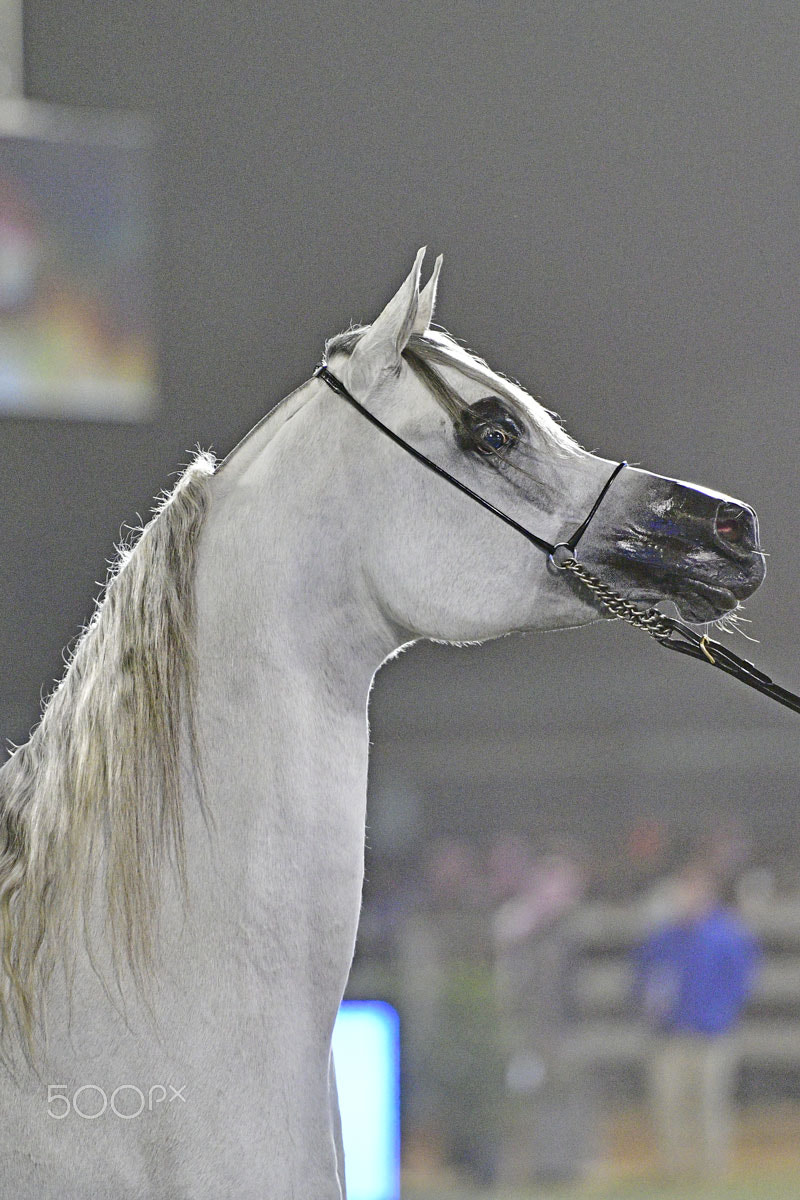
The Arabian Horse: A 4,000-Year Legacy
The story begins in the desert interior of the Arabian Peninsula. Genetic and archaeological evidence points to the Nejd plateau — the broad highland at the heart of modern Saudi Arabia — as the likely cradle of the breed. A 2010 excavation at Al-Magar in southwestern Saudi Arabia unearthed carved stone artefacts dated between 6,590 and 7,250 BCE that appear to depict domesticated horses, suggesting the relationship between Arabians and their horses may stretch back even further than previously believed.
Bedouin breeders shaped the horse’s character as much as its form. Because raids demanded stealth, mares were prized over stallions — quieter and less likely to betray a night movement. Champions were housed inside family tents, sharing food, sleeping beside children, absorbing the rhythms of daily life. Pedigree was memorised and recited, passed mother-to-daughter across generations in a lineage system that predates any written studbook. The Bedouin traced lineage exclusively through the female line; a horse without a verified maternal ancestry was simply unsellable.
What emerged from this centuries-long selective pressure is one of the most distinctive creatures in the animal kingdom: compact, with a dished facial profile, wide-set eyes, a naturally arched neck, and a tail carried high in excitement. The breed’s unusual skeleton — one fewer lumbar vertebra and one fewer rib than most other horses — combined with dense, hard hooves, gives it an endurance capacity that no other breed has matched over long desert distances. Arabian blood flows through almost every modern racehorse on earth; the Thoroughbred, the Anglo-Arab, and dozens of other performance breeds all trace their speed and refinement to the horse that Bedouin tribesmen carried inside their tents.
“The horse is God’s gift to mankind, to be cherished and nearly worshipped.” — Traditional Bedouin saying, recorded by Western travellers in the 19th century
Saudi Arabia has never forgotten this inheritance. The King Abdulaziz Arabian Horse Centre, established in 1961 at Dirab — about 35 kilometres southwest of Riyadh — is both a state stud farm and the official national authority for all Arabian horse matters in the Kingdom. Its one-million-square-metre grounds hold a herd of Desert Bred Original Arabian horses directly descended from the personal stables of King Abdulaziz ibn Saud, the Kingdom’s founder. The centre registers breeds, organises national and international horse shows, hosts endurance races, and runs educational courses open to both Saudi and international participants. Visitors can tour the meticulously maintained stables, watch training sessions, and appreciate the breed’s poise and precision in a setting that feels genuinely historic.
Where to Ride: Stables and Equestrian Centres by Region
Riyadh
The capital has the Kingdom’s deepest concentration of equestrian facilities, ranging from elite competition centres to family-friendly lesson yards.
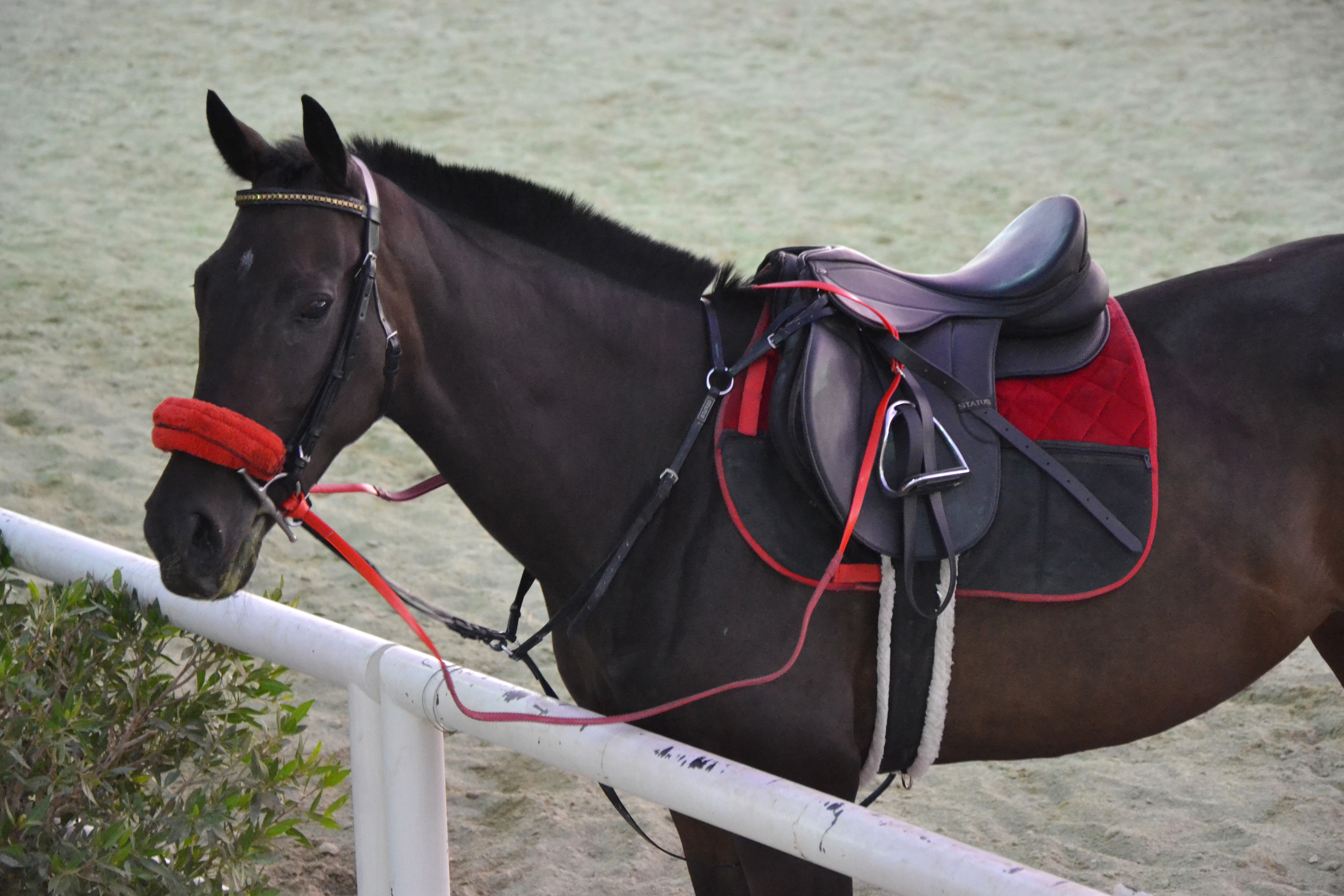
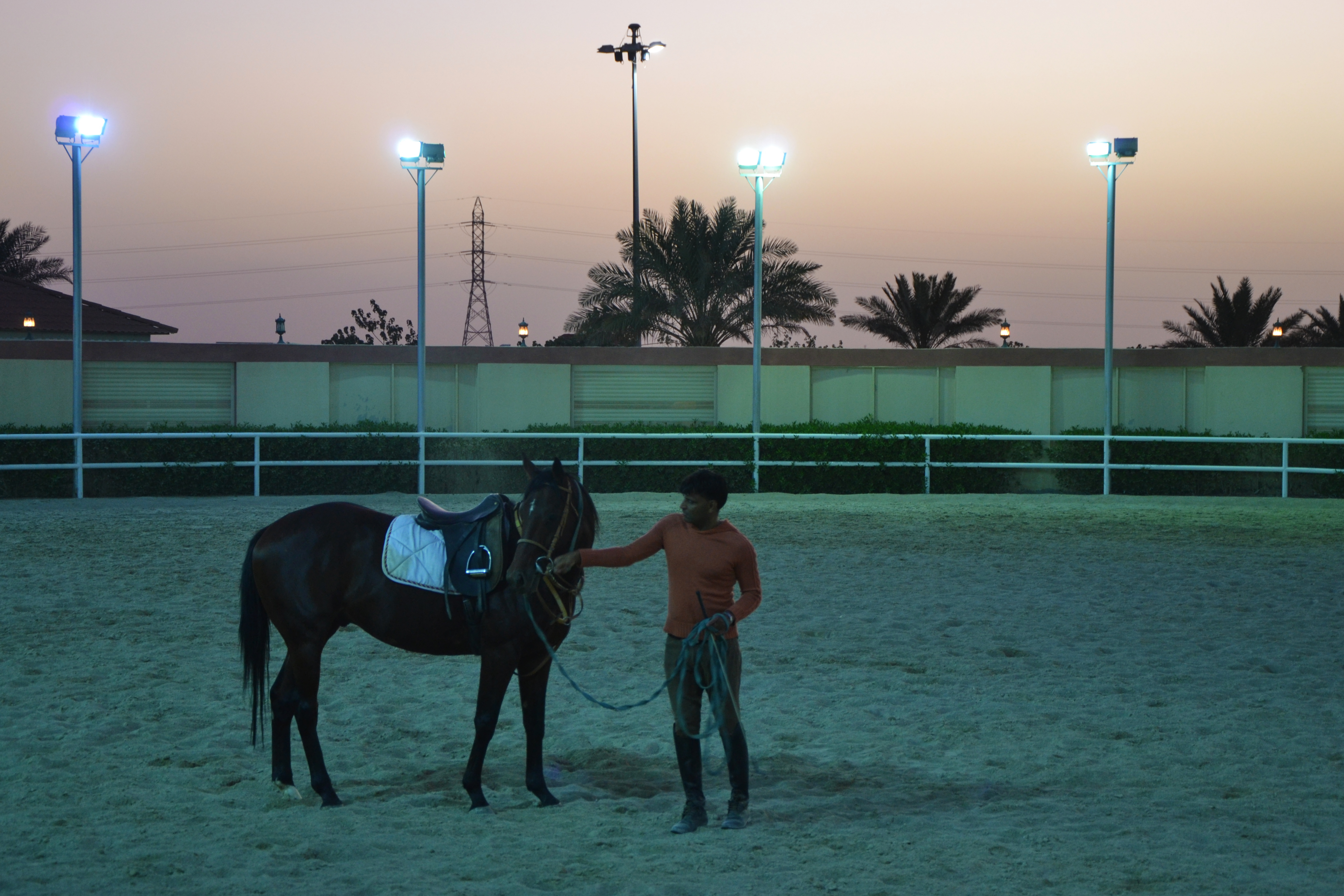
Riyadh Stables (Al Janadriyah Road) is considered by many residents the most accessible and well-run introduction to horse riding in the city. Children as young as four years old train here alongside adult beginners and advanced riders. The yard runs two outdoor arenas and a fully air-conditioned indoor arena — a crucial amenity given Riyadh’s summer temperatures. Lessons are taught by experienced instructors accustomed to complete novices, and there is a private area for women and families, a café, and a competition calendar. Single rides start from SAR 180 (approximately $48); lesson packages range from SAR 80 for four sessions per month up to SAR 2,100 for twelve classes per month. Tel: 053 810 4040.
Working Line Traditional Equestrian Centre, also on Al Janadriyah Road, occupies a different niche. Where Riyadh Stables skews towards lesson-based riding, Working Line leans into the traditional disciplines that have defined Arabian horsemanship for centuries. The centre offers horseback archery — drawing a bow at a full gallop along a 90-metre track — alongside showjumping and dressage. Intensive multi-day courses include on-site accommodation in private en-suite rooms, with overnight stays bundled with 30 minutes of activity and breakfast. It is the place to visit if you want to understand the martial and ceremonial traditions behind Saudi equestrian culture rather than simply clock up ride hours.
Nofa Equestrian Resort, part of the Nofa Riyadh Radisson Collection complex on the New Mecca Highway (Exit 857), operates to international showjumping standards. Four arenas with night lighting, a fully grassed polo field used by the Saudi Polo Federation, and livery facilities for privately owned horses sit alongside daily riding lessons and safari-style trail rides. Operating hours run 7:00 a.m. to 5:00 p.m., with the last ride beginning at 4:00 p.m. Advance booking is essential; reservations via +966 59 325 5918.
Elite Horses Sport Center, set across 300 acres in Diriyah — the UNESCO-listed historic district on Riyadh’s western edge — is positioned at the premium end of the market. The Al Duhami family developed the site with the specific intention of marrying world-class equestrian infrastructure with the aesthetic of the surrounding desert landscape; the surrounding sandstone escarpment was carefully cut to preserve its natural character. The centre offers riding lessons, full livery, bespoke training programmes, and competition hosting. It is also close to the broader Diriyah heritage complex, making it a logical stop on a longer cultural itinerary.
Looking ahead, the Wadi Safar Equestrian and Polo Club — a 100,000-square-metre development in Diriyah currently under construction — will add another flagship venue to Riyadh’s equestrian landscape. Designed as a world-class polo and showjumping destination, it forms part of the broader Diriyah Gate megaproject and is expected to become one of the most significant equestrian venues in the region.
Jeddah
The Red Sea port city approaches equestrian life from a different angle. Jeddah’s proximity to the sea gives several of its riding facilities a coastal character unique in the Kingdom.
Al-Jazeera Equestrian Center is among the largest training facilities in Saudi Arabia, occupying some 43,000 square metres with dedicated stabling, five training tracks, a racetrack, and spectator seating. It offers professional instruction for all levels and has long been a cornerstone of competitive riding in the Hejaz region.
Trio Club has a particular historical resonance: it was founded in 1990 by Arwa Mutabagani, the first woman in Saudi Arabia to open a riding club. Today it operates 106 stables (40 of them air-conditioned), grass paddocks, cross-country jumping courses, and world-class international trainers. Its foundation story has become symbolic of the broader opening up of Saudi equestrian sport to women that has gathered pace since 2018.
For those seeking a more atmospheric experience, several Jeddah operators run rides along the coastline of Khalij Salman Beach, where horses move along the waterline with views across the Red Sea. These rides are supervised, typically lasting 30–60 minutes, and are popular at golden hour — a Jeddah institution in their own right. One specialist outfit, Sunset Stable, focuses specifically on therapeutic riding and scenic beach sessions, prioritising safety with thoroughly trained horses suitable for first-time riders and families.
The Royalty Equestrian Club and the Elite Equestrian Club (established 2022 and recognised by the Saudi Arabian Equestrian Federation as the first boutique equestrian establishment in the region) round out a scene that has diversified rapidly alongside Jeddah’s broader tourism expansion under Vision 2030.
AlUla: The Most Dramatic Setting in the Kingdom
If Riyadh offers depth of provision and Jeddah offers coastal novelty, AlUla offers something neither can match: the opportunity to ride through a landscape of near-mythological grandeur. Sandstone monoliths the colour of amber and ochre rise 50 to 100 metres from the desert floor, carved by wind and time into forms that have attracted human settlement — and human awe — for at least five millennia.
The signature equestrian experience here is the Hegra by Horse Carriage tour, operated through the official Experience AlUla platform. Carriages holding up to four people are led by a Rawi — an experienced guide trained in the oral storytelling tradition of the region — through the UNESCO World Heritage Site of Hegra (Madâin Sâlih), Saudi Arabia’s first listed World Heritage property. The route takes in the Tomb of Lihyan son of Kuza, Jabal Banat, and Jabal Ahmar: monumental Nabataean rock tombs carved directly into the cliff faces between the 1st century BCE and the 1st century CE. The experience lasts two hours and is priced from SAR 250 per person. Bookings via experiencealula.com or tel: +966 920 025 003; changes and refunds accepted up to three days before the scheduled date.
For riders who want to cover ground on horseback rather than in a carriage, guided trail riding is available through several operators. The Oasis Trail follows the lush palm gardens and mudbrick ruins of Old AlUla town — a 7-kilometre route suitable for beginners. The Elephant Rock Trail skirts the famous sandstone formations near the main visitor area and is particularly rewarding at dawn or dusk when the rock faces glow orange and purple. More experienced riders can access routes through the wadis and plateau of the Nkhlah Nature Reserve, where the terrain demands genuine horsemanship but rewards it with landscapes of extraordinary remoteness.
For those seeking a multi-day riding expedition, Equus Journeys operates a seven-day trail ride through AlUla that includes six nights sleeping under the stars. The itinerary explores the Nkhlah plateau, following paths that have been in use since the Nabataean trade era. Riders must be strong intermediates capable of controlling horses at all paces in open terrain; there is a rider weight limit of 85 kilograms due to the nature of the horses and the demanding ground.
AlUla also hosts serious equestrian sport. The AlFursan Endurance AlUla event, held annually in February, stages CEI2 and CEI3 endurance races — the latter covering 120 kilometres in a single day — through the desert landscape around the Heritage Village. The event draws competitors from across the Arabian Peninsula and beyond, and its setting makes it arguably the most visually spectacular endurance race on the global calendar. Watching riders and horses push through the pre-dawn dark with Hegra’s illuminated tomb facades in the background is an experience that belongs in a different category from ordinary spectating.
Tanomah: Mountain Riding
Saudi Arabia’s equestrian geography is not limited to desert and coast. Tanomah, a highland village in the Asir region roughly 100 kilometres east of Abha, sits at an elevation of around 2,200 metres and receives enough rain to support terraced farms and juniper woodland. Several operators based in Tanomah offer guided horseback rides through this unexpectedly green terrain — a refreshing contrast for visitors who have spent time in Riyadh or the Rub’ al Khali. The cool mountain air and forested slopes feel genuinely unlike anywhere else in the Kingdom.
The Saudi Cup: World’s Richest Horse Race
Every February, Riyadh transforms into the epicentre of global thoroughbred racing. The Saudi Cup, held at King Abdulaziz Racecourse in the capital, is now the world’s single richest horse race, offering a $20 million prize purse for the main event alone — with $10 million going to the winner. The surrounding two-day festival spreads across 16 races on both dirt and turf surfaces, with total prize money across the meeting reaching more than $35 million.
The 2026 edition, staged on 13–14 February, drew nominees from 22 different countries. The list of past champions reads as a roll call of the sport’s elite; horses trained in the United States, Britain, Japan, France, and Australia have all contested the race, making it genuinely global in its competitive field. The racecourse itself was designed to accommodate this ambition: a state-of-the-art facility with a one-mile dirt track, a turf course, and capacity for tens of thousands of spectators.
Visiting for the Saudi Cup requires advance planning. The event is free to attend — a policy that reflects the Jockey Club of Saudi Arabia’s desire to build a local racing culture as well as attract international thoroughbred tourists. Corporate hospitality, however, books months in advance. The surrounding weekend fills Riyadh’s hotels; booking accommodation three to four months ahead is not excessive for the prime race weekend. For the full guide to attending, including how to read the race card, what to wear, and which races to watch across the two days, see our dedicated Saudi Cup guide.
The Saudi Cup is also worth understanding in the context of camel racing, which predates modern thoroughbred racing in Arabia by centuries and which continues to draw massive local crowds and significant prize money at venues around the Kingdom. The two racing traditions coexist as parallel expressions of the same deep Arabian preoccupation with the speed and endurance of animals.
Arabian Equestrian Traditions Beyond Riding
Horse culture in Saudi Arabia extends well beyond the saddle. Several experiences offer insight into the deeper traditions that shaped the Arabian horse’s place in the culture.
Horseback archery, practiced at Working Line Equestrian Centre and at certain heritage festivals, revives a martial art that was central to tribal warfare across the Peninsula for centuries. The sport requires precise coordination between rider and horse — the horse must hold a consistent gallop while the rider releases arrows at a series of targets over a 90-metre course. It has undergone a global revival as a competitive sport, and Saudi Arabia has been an active participant in that revival, with several national-level competitors based at Riyadh facilities.
The annual Janadriyah Heritage Festival, held on the outskirts of Riyadh each year, includes significant equestrian programming alongside its camel races, poetry recitals, and traditional crafts. Watching the ardah — the traditional Saudi sword dance, often performed on horseback in tribal contexts — in the context of a festival that draws hundreds of thousands of visitors is one of the more immersive ways to understand the relationship between the horse and Saudi cultural identity.
For visitors interested in the broader traditions surrounding Arabian animals and sport, falconry in Saudi Arabia offers a complementary experience: another art with deep Bedouin roots, recently elevated to UNESCO Intangible Cultural Heritage status, and actively practiced from dedicated centres around the Kingdom. The overlap between the falcon and the horse as symbols of Bedouin nobility is not accidental — both were instruments of the hunt, tools of prestige, and measures of a tribesman’s standing.
Practical Guide to Horse Riding in Saudi Arabia
When to Go
The equestrian season runs broadly from October to April, when daytime temperatures are manageable across most of the country. Riyadh in January averages around 14°C in the morning — ideal riding weather. By May, daytime highs in Riyadh and AlUla exceed 35°C; serious riding shifts to early morning (before 8 a.m.) and evening sessions at floodlit arenas. Most commercial riding centres close midday lessons during summer months but maintain evening programmes.
The AlUla riding season has a tighter window: the Royal Commission for AlUla’s main tourism programme runs from October to March, and the majority of guided equestrian experiences are scheduled within this period. If riding at Hegra is your priority, plan your trip for November through February to maximise availability and comfortable temperatures.
Booking and Costs
Prices across Saudi Arabia’s equestrian sector have become increasingly standardised as the industry professionalises:
- Single guided ride (30–60 min): SAR 150–250 ($40–67)
- Beginner lesson (60 min, instructor included): SAR 180–250 ($48–67) at most Riyadh stables
- Monthly lesson package (4 sessions): from SAR 80 at Riyadh Stables
- Monthly lesson package (12 sessions): up to SAR 2,100 at premium centres
- Hegra Horse Carriage (2 hours, 1–4 people): from SAR 250 per person
- AlUla multi-day trail (7 days/6 nights): contact Equus Journeys directly for current pricing
- Saudi Arabia Travel Guide 2026 — The complete guide
- Camel Trekking in Saudi Arabia — Desert treks on camelback
- Falconry in Saudi Arabia — The ancient art
- The Saudi Cup — World’s richest horse race
- Hegra AlUla — Riding through Nabataean landscapes
- Saudi Arabia Visa Guide — Every visa type explained
Most Riyadh and Jeddah centres accept walk-in visits for trail rides but require advance booking for lessons, particularly at weekends. AlUla experiences should be booked through experiencealula.com; last-minute availability is limited during the winter season.
What to Wear and Bring
Long trousers are essential — loose fabric catches on tack and is uncomfortable in the saddle. Most centres provide helmets, but bringing your own to Saudi Arabia is practical if you plan to ride repeatedly. Closed-toe shoes with a small heel are standard; sandals and flip-flops are not permitted at reputable centres. In winter, an extra layer for early morning rides is worthwhile; the desert temperature drops sharply after sunset.
Women riding at venues with private family or women-only areas should note that the dress code inside these areas is typically relaxed — riding in a modest but practical outfit is entirely normal. Centres are used to international visitors and will advise if needed.
Visas and Entry
All international visitors need a valid Saudi tourist e-visa, available online in most cases within a few minutes. Citizens of 49 countries are eligible; the fee is SAR 300 (approximately $80) with an insurance component included. Visas are valid for 90 days with multiple entries. If you are planning a trip specifically around the Saudi Cup, note that the event takes place in mid-February; book your visa, flights, and accommodation together well in advance.
Safety Considerations
Saudi Arabia’s major equestrian centres maintain good safety standards, with helmets mandatory at virtually all accredited facilities. The primary risk for visitors is overestimating their riding ability on guided desert rides, where horses may be more responsive and the terrain less forgiving than a managed arena. Be honest about your experience when booking — guides will match the pace and route to your level if you give them accurate information upfront.
At AlUla, heed the 85-kilogram rider weight limit on trail rides. This is enforced for animal welfare reasons; the Arabian horses used on mountain and desert trails are lighter-framed than arena horses and the terrain is demanding. Riders significantly above this limit will find options limited and may need to look at the Hegra carriage experience instead.
Avoid unlicensed operators offering informal camel or horse rides at tourist sites. While the vast majority are harmless, unvetted animals without regular veterinary oversight present an unnecessary risk. Stick to facilities listed by the Saudi Tourism Authority or Experience AlUla platform.
Combining Horse Riding with Wider Arabian Wildlife Experiences
Horse riding pairs naturally with several other distinctive Saudi experiences. Camel trekking offers a different tempo and a different relationship with the desert landscape — slower, more meditative, and in many ways more deeply embedded in Bedouin daily life than the horse. Falconry can often be arranged through the same heritage operators who offer riding, particularly around AlUla and the Empty Quarter fringes. Camel racing is worth combining with a visit to King Abdulaziz Racecourse for thoroughbred racing if you are interested in Arabian animal sport as a whole — two traditions, separated by centuries but united by the same obsession with speed, stamina, and competitive bloodlines.
The Hegra and AlUla region deserves more than a single day regardless of your main interest. The Nabataean tombs, the Old Town, the Dadan archaeological site, and the natural rock formations of Elephant Rock and Jabal Ikmah are all within short driving distance of each other. The full AlUla guide covers how to structure a visit across three to five days.