
Saudi Arabia is the world’s largest consumer market for oud — and stepping into a traditional perfumery here is one of the most immersive sensory experiences the Kingdom offers. Whether you are planning a broader Saudi Arabia trip or hunting for the perfect souvenir, fragrance shopping belongs on your itinerary. From century-old souq stalls stacked with hand-carved bakhoor burners to flagship boutiques selling single vials of oud oil worth thousands of riyals, the Saudi perfume scene is vast, layered, and deeply tied to the country’s culture. This guide covers what to buy, where to shop, how to spot fakes, and how much to pay — city by city, scent by scent.
Best Time to Visit: October–March (cooler weather for souq browsing); avoid Hajj season near Mecca for inflated prices
Getting There: Major perfume souqs in Riyadh, Jeddah, Mecca, and Medina — all accessible via domestic flights or the Haramain High-Speed Railway
Visa Required: Yes — tourist e-visa available for 50+ nationalities
Budget: $15–$50/day for bakhoor and basic attars; $100–$800+ for premium oud oils
Must-See: Souq Al-Zal (Riyadh), Souq Al-Alawi (Jeddah), Abdul Samad Al Qurashi flagship (Mecca)
Avoid: Buying “pure oud” for under $20 — it is almost certainly synthetic
Why Saudi Arabia for Perfume Shopping
Saudi Arabia’s perfume market was valued at USD 1.9 billion in 2024 and is projected to reach USD 2.7 billion by 2032. Per capita fragrance spending runs at roughly $13.50 per person — but that average masks a culture where a single family might own dozens of oud oils, attars, and bakhoor blends used daily. Fragrance is not a luxury add-on here. It is woven into hospitality, religious practice, and personal identity.
The Prophet Muhammad is reported to have loved perfume, and wearing fragrance is considered sunnah (prophetic tradition). Homes are scented with bakhoor smoke before guests arrive. Clothing is perfumed before Friday prayers. A well-scented person conveys respect — for themselves and for everyone they meet. This cultural depth means Saudi Arabia offers perfume shopping that goes far beyond a duty-free counter. The shops are older, the knowledge deeper, the raw materials closer to source, and the price range wider than anywhere else in the Gulf.
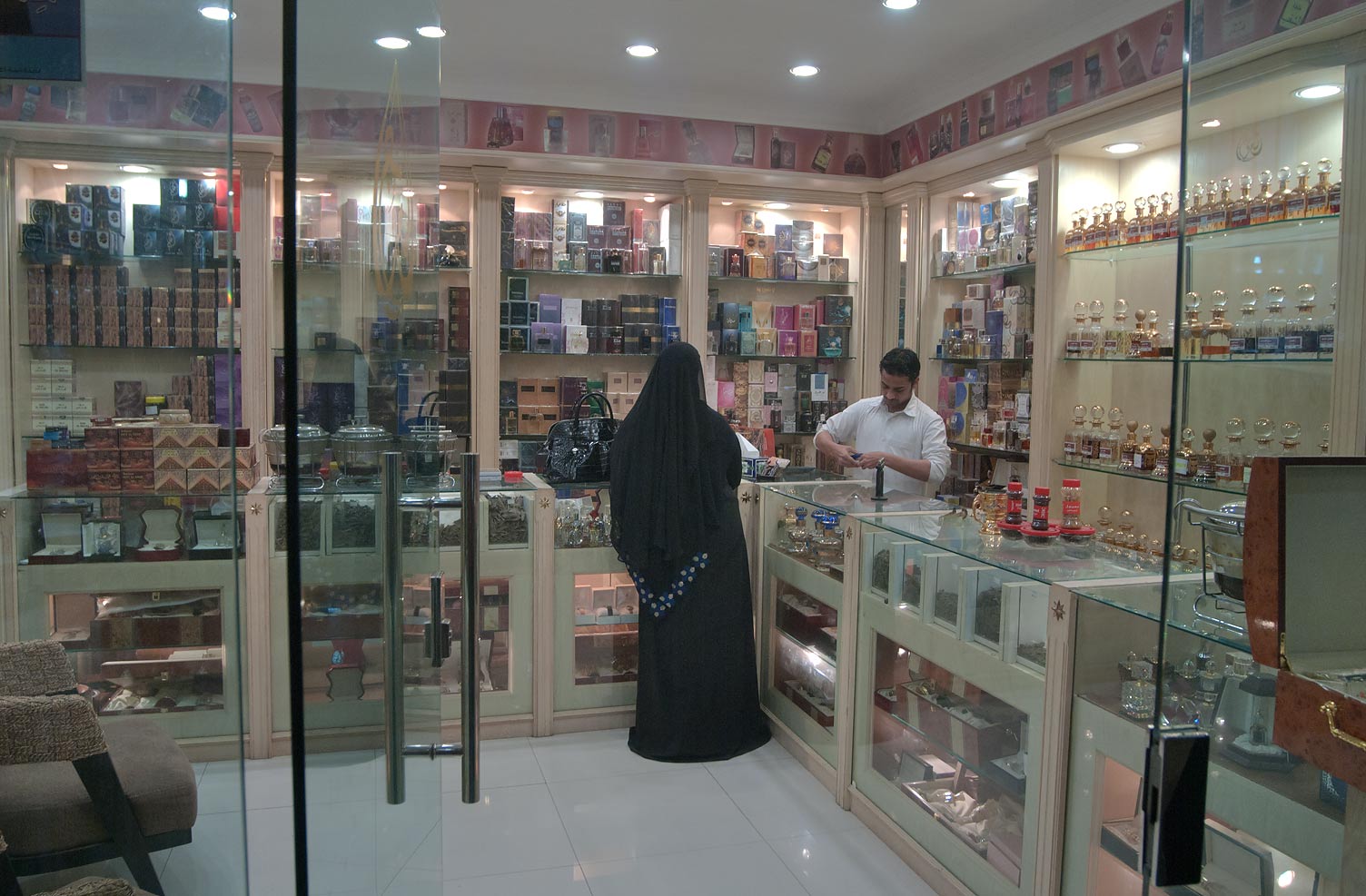
Understanding Saudi Fragrances: Oud, Bakhoor, Attar, and More
Oud (Agarwood)
Oud is the headline ingredient of Arabian perfumery. It is a dark, resin-filled heartwood that forms when Aquilaria trees — native to Southeast Asia — suffer fungal infection. The tree produces defensive resins in response, and it is this infected, resinous wood that yields oud. The raw material is imported from Cambodia, Vietnam, Myanmar, India (Assam), and Indonesia; Saudi Arabia grows none of its own, but consumes more than any other country on earth.
Oud comes in two forms tourists will encounter: wood chips (burned directly on charcoal or an electric burner) and oud oil (a concentrated liquid applied to the skin like perfume). Both carry a deep, woody, slightly sweet and smoky aroma that is unlike anything in Western fragrance.
Price guide for oud oil:
| Grade | Price (3ml attar) | Price (1 tola / 12ml) | Notes |
|---|---|---|---|
| Entry-level blend | 50–150 SAR ($13–$40) | 150–400 SAR ($40–$107) | Mixed with carrier oils; good starter purchase |
| Mid-range pure oud | 150–500 SAR ($40–$133) | 660–1,500 SAR ($176–$400) | Cambodian or Indonesian single-origin |
| Premium wild oud | 500–2,000 SAR ($133–$533) | 2,000–10,000 SAR ($533–$2,667) | Indian Assam, aged Vietnamese, wild-harvested |
| Kyara / Kinam | Rarely sold in small quantities | 50,000+ SAR ($13,333+) | Rarest grade; collector market only |
Oud wood chips are more accessible: a small box of decent-quality chips for home burning costs 50–200 SAR ($13–$53) and makes an excellent gift.
Bakhoor
Bakhoor is not raw oud. It is wood chip material that has been soaked in perfumed oils and mixed with resin, sandalwood, and aromatic compounds to create a prepared incense product. Placed on charcoal or in an electric mabkhara (incense burner), it produces thick, fragrant smoke used to scent homes, clothing, and hair.
In Saudi homes, the host passes the mabkhara around after meals so guests can warm their hands over the smoke and lightly scent themselves — a gesture of hospitality that has survived unchanged for centuries. Bakhoor is used at weddings, during Ramadan, for Eid celebrations, and whenever guests arrive.
Popular bakhoor types and prices:
- Nabeel Bakhoor (40g): ~90 SAR ($24) — a widely recognised brand and safe starting purchase
- Cambodian Oud Bakhoor: ~100–150 SAR ($27–$40) — rich, warm aroma for formal gatherings
- Oud with Musk blend: ~80–120 SAR ($21–$32) — refined, ideal for daily home use
- Premium gift sets (bakhoor + burner): 190–750 SAR ($50–$200)
- Base layer: Apply attar oil (alcohol-free concentrated perfume) directly to pulse points — wrists, neck, behind ears, inside elbows.
- Middle layer: Spray an Eau de Parfum or extrait de parfum on top of the oil layer. The oil acts as an anchor, extending the spray’s longevity.
- Top layer / finishing: Pass through bakhoor smoke, holding clothing open to allow the fragrant smoke to permeate fabric and hair.
- Colour: Genuine oud oil ranges from dark amber to deep brown. If it looks unusually bright, transparent, or has a greenish tinge, walk away.
- Texture: Authentic oud oil is thick, viscous, and slow-moving — it sticks to the bottle walls when tilted. Fake oud runs thin and watery.
- Scent evolution: Real oud is deep, woody, and smoky with slight sweetness that evolves on skin over hours. Fake oud smells loud, linear, and often carries a burnt-rubber or synthetic-musk quality that does not change.
- Price: If someone offers “pure oud oil” for under 100 SAR ($27) per 3ml, it is blended or synthetic. Genuine distillation takes years and the raw wood alone is expensive.
- Wood chips: Fake oud chips may have an unnatural painted-black coating, strange spots, or feel unusually light for their size. Genuine chips are dense and heavy.
- The sniff test: Ask the seller to burn a chip in front of you. Genuine oud produces a complex, evolving smoke. Synthetic chips smell one-dimensional.
- Always greet the shopkeeper: “As-salamu alaykum” with a smile.
- Accept the offered tea or Arabic coffee — it is hospitality, not a sales trap.
- Do not show excitement over an item. Browse casually.
- Start your counter-offer at 30–40% below the asking price and work toward a middle ground.
- Bargaining is courteous conversation, not confrontation. Patience and friendliness go further than aggression.
- Respect prayer times — shops close temporarily five times daily. Never rush a transaction around prayer.
- Ask permission before handling fragile perfume bottles or opening sealed containers.
- Saudi Arabia Travel Guide 2026 — The complete guide to visiting the Kingdom
- Riyadh Travel Guide — Where to stay, eat, and explore in the capital
- Jeddah Travel Guide — Gateway to the Red Sea coast and Al Balad heritage district
- Hajj 2026 Guide — Everything you need for the pilgrimage
- Abha and Asir Travel Guide — The cool highlands, Taif roses, and mountain escarpments
- Dammam and Al Khobar Travel Guide — Eastern Province beaches and heritage markets
- Saudi Arabia Visa Guide — Every visa type explained
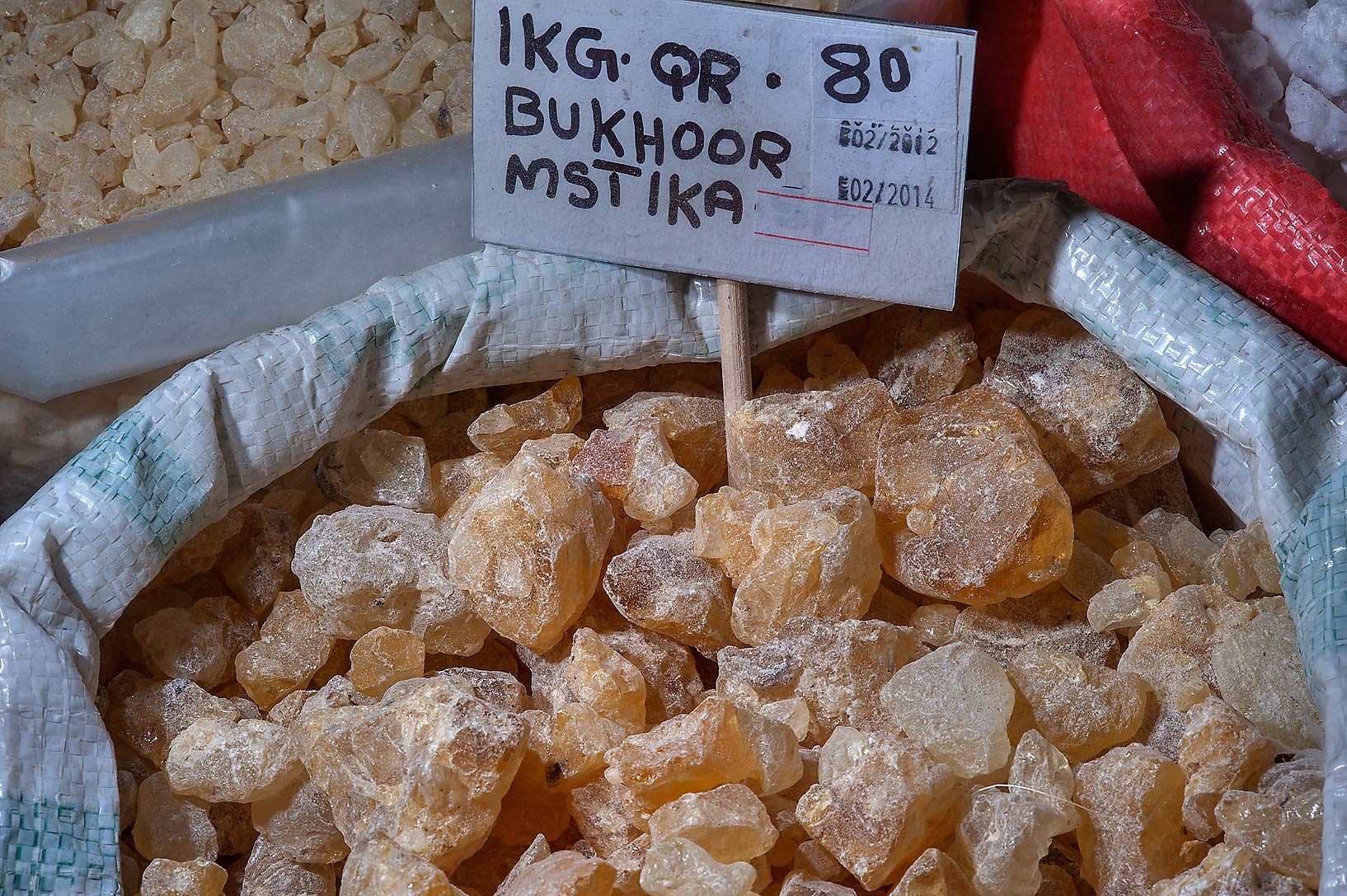
Attar (Concentrated Perfume Oil)
Attar is alcohol-free concentrated perfume oil, applied directly to pulse points — wrists, neck, behind the ears. Because it contains no alcohol, attar is the preferred fragrance format in Islamic contexts and the traditional choice across the Gulf. A tiny amount goes a long way: a 3ml vial can last weeks of daily wear.
Attars come in every imaginable scent family: oud, musk, amber, rose, sandalwood, and dozens of proprietary blends. Prices start at 20 SAR ($5) for basic musk oils and climb into the thousands for aged oud attars.
Musk, Amber, and Rose
Musk is one of the three pillars of Arabian perfumery alongside oud and amber. Tahara musk (“purity musk”) — a clean, creamy white musk — is particularly popular in Saudi Arabia for daily wear. Black musk offers a deeper, more intense profile. Basic musk attars run 20–100 SAR ($5–$27).
Amber in perfumery is not fossilised tree resin — it is a warm, resinous blend typically made from labdanum, benzoin, and vanilla. It pairs beautifully with oud and incense. Amber attars cost 30–200 SAR ($8–$53). True ambergris (anbar), a rare oceanic substance from sperm whales, commands $10,000–$50,000 per kilogram and is encountered only in specialist shops.
Rose — specifically the Taif rose — is Saudi Arabia’s only domestically grown world-class perfume raw material, and it deserves its own section.
Taif Rose: Saudi Arabia’s Own Perfume Ingredient
The mountains around Taif, at 1,800 metres elevation, are home to approximately 1,300 rose farms producing around 500 million Damask roses (Rosa damascena trigintipetala) each year. The 30-petalled Taif rose blooms for just one month — peak harvest falls in April and May — and must be picked at dawn before sunrise, when the petals carry their highest essential oil concentration.
Nearly 70 factories and workshops across Taif’s mountain peaks distil the harvest into roughly 800 tonnes of rose water and 40,000 tolas of rose oil annually. The distillation process is unchanged: roses are placed into copper pots, fire produces steam, the steam condenses, and pure rose oil floats to the top of a narrow-necked collection vessel called a talqiyah. One tola (12ml) of pure Taif rose oil requires approximately 70,000 roses.
Taif rose oil has historically been used in the ritual perfuming of the Kaaba in Makkah, embedding it into the religious fabric of the Islamic world. Known as the “Rose of Kings,” it is also a foundation ingredient for international luxury perfume houses. A single tola of pure Taif rose oil costs 1,000–3,000+ SAR ($265–$800+).
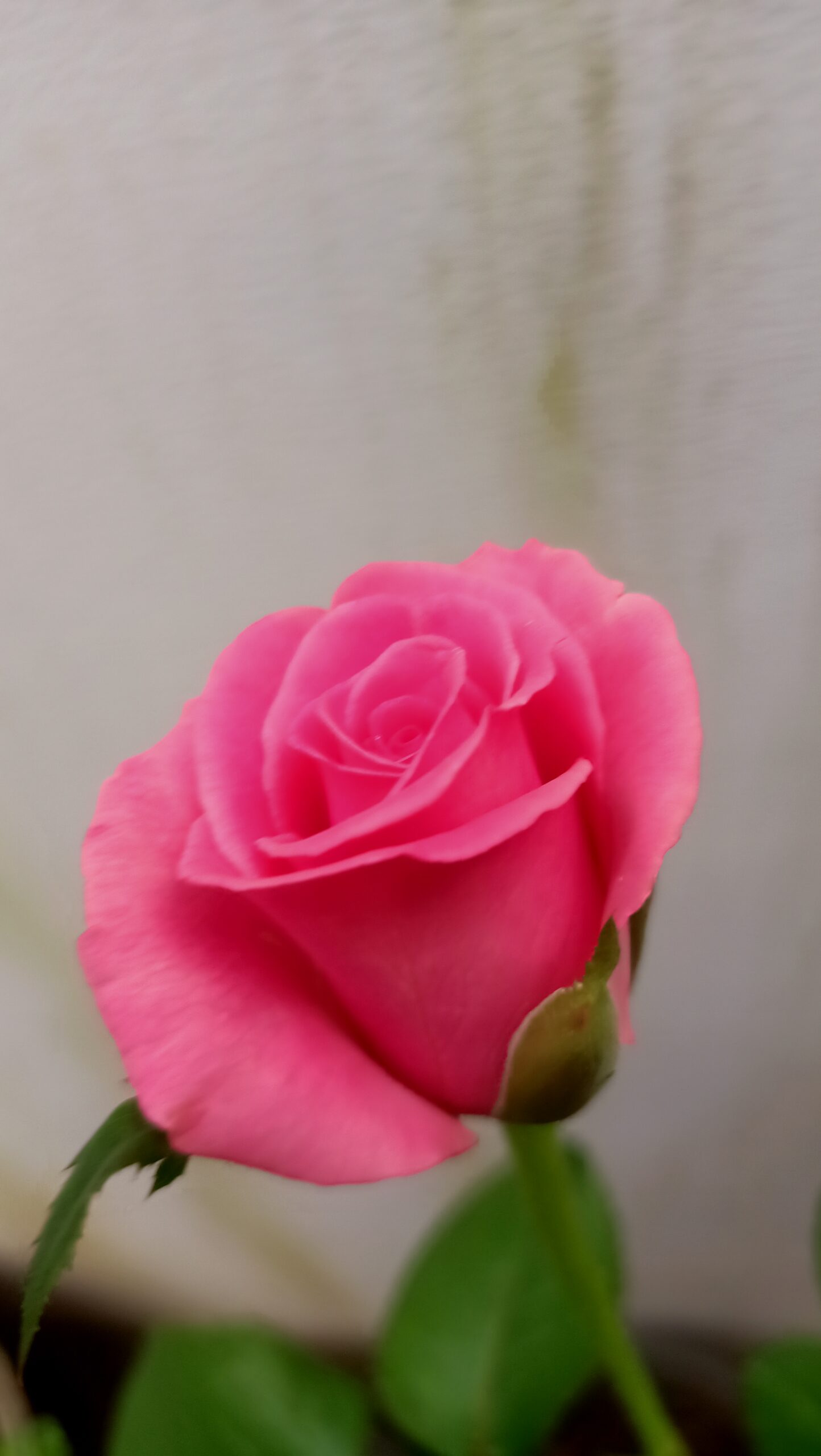
Tip: If you visit Taif during April or May, rose farm tours are available through Visit Saudi. The rose harvest season overlaps with pleasant highland weather, making it an ideal side trip from Jeddah (roughly 90 minutes by car via the escarpment road).
The Art of Saudi Fragrance Layering
Saudis do not simply spray perfume and walk out the door. They practise a sophisticated three-layer fragrance ritual that creates complex, long-lasting scent signatures persisting for 12–24 hours:
This layering technique is worth understanding before you shop, because it explains why Saudis buy multiple fragrance formats rather than a single bottle. A complete set — attar, spray perfume, and bakhoor — makes a thoughtful gift and an authentic souvenir.
Top Perfume Houses and Brands
Abdul Samad Al Qurashi
The patriarch of Saudi perfumery. The family business was established in 1852 as an oud processing plant in Mecca, then expanded into perfumery proper in 1932 when Sheikh Abdul Samad Al Qurashi invested 400 SAR to create exclusive blends for the Saudi royal family. Today the company operates over 500 stores worldwide and is valued at approximately $1 billion. The flagship stores in Mecca’s Al Hijaz Market and Jabal Omar complex are pilgrimage in themselves. Their Taif Rose Highest Concentrate (No. 3000) is a signature product.
Arabian Oud
Founded in 1982 in Riyadh’s historic Souq Al-Zal, Arabian Oud has grown into the world’s largest fragrance company specialising in oriental perfumes. It operates over 1,200 stores across 37 countries — including a boutique on the Champs-Élysées in Paris — and offers more than 400 products. Five FiFi Arabia awards in 2012 cemented its reputation. If you are visiting Riyadh, the original Souq Al-Zal location is worth seeking out.
Al Haramain Perfumes
Founded in 1970 in Makkah by Bangladeshi businessman Kazi Abdul Haque, who was inspired by the aroma of oud permeating the air around the Grand Mosque. The name derives from the two Holy Mosques (Al Haramain). Starting with a few stores near the Haram, Al Haramain now operates nearly 100 Gulf outlets and exports to over 100 countries. Known for accessible agarwood-based fragrances and the Amber Musk line.
Ajmal Perfumes
An Indian-origin house founded in 1951 in Mumbai by Haji Ajmal Ali, who started with just 500 rupees. Ajmal entered the Saudi market in 1995 and now runs 331+ international retail outlets. Their strength is accessible luxury — well-crafted oriental fragrances at moderate prices, widely available in Saudi malls.
Swiss Arabian
Founded in 1974 in Sharjah by Yemeni entrepreneur Hussein Adam Ali, Swiss Arabian merges Arabian fragrance notes with what the founders describe as Swiss precision. Over 110 retail outlets across the GCC carry their 120+ products. A good mid-range option for travellers who want quality Arabian fragrances without the top-tier oud price tag.
Other Names to Know
Junaid Perfumes (branches in Riyadh, Jeddah, Dammam), Rasasi, and Lattafa (budget-friendly Arabian perfumes that punch well above their price point) are all worth browsing. For niche and artisan blends, look for independent souq perfumers who mix custom attars on the spot.
Where to Shop: City-by-City Guide
Riyadh
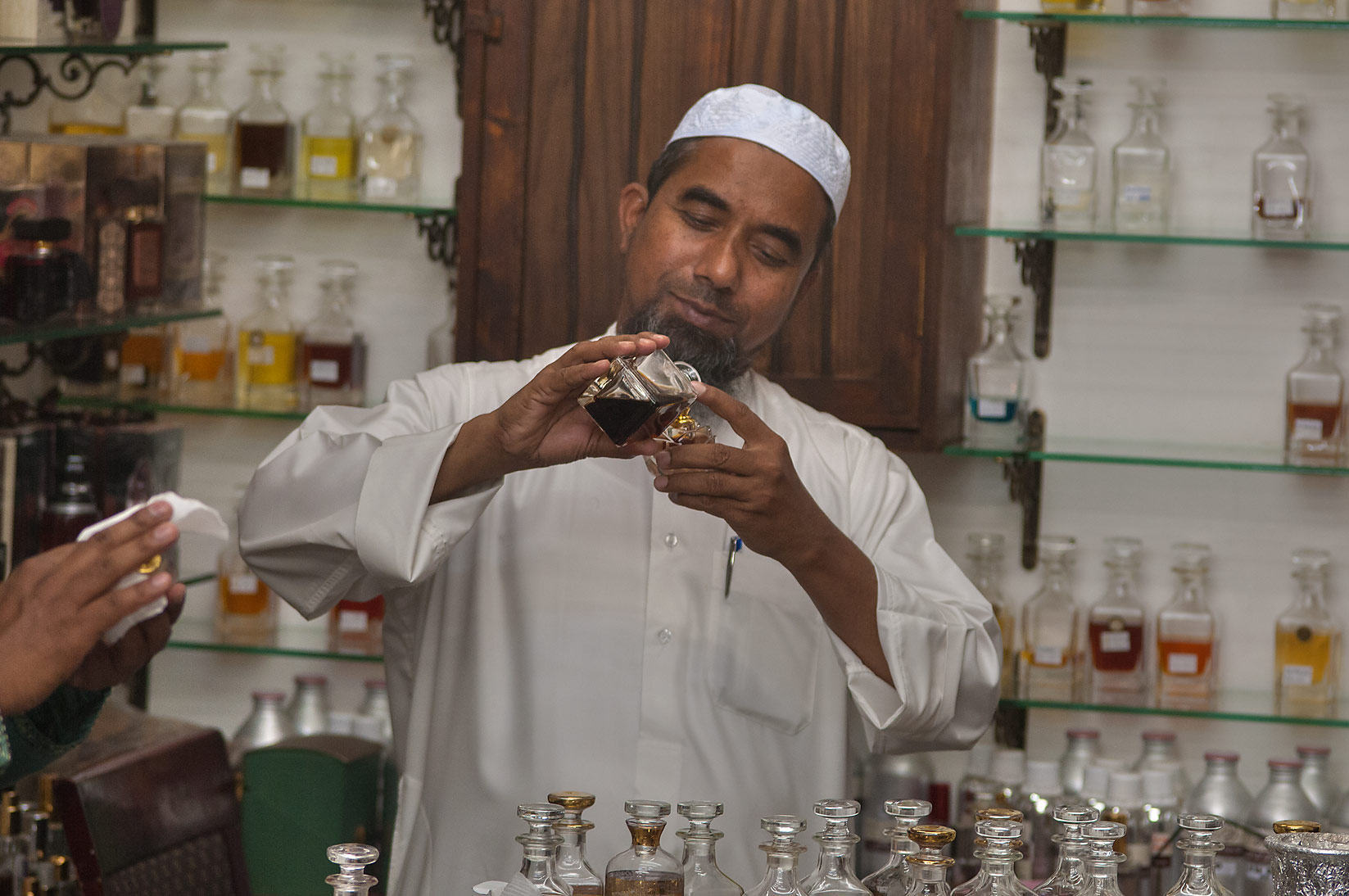
Souq Al-Zal is where Saudi perfume shopping begins. Established in 1901 in the Al-Dirah neighbourhood next to Qasr Al-Hukm (the Palace of Governance), this 38,000-square-metre heritage market is where Arabian Oud opened its first store. The perfume and incense section offers everything from 50 SAR bakhoor boxes to rare oud oils locked in glass cases. Prices are negotiable. The souq is open daily, but comes alive after Asr prayer (~4:00 PM).
Al-Thumari Souq, nearby, carries similar traditional products in a slightly less touristed setting.
For modern retail, Kingdom Centre Mall and Riyadh Park Mall house flagship branches of Arabian Oud, Abdul Samad Al Qurashi, Ajmal, and international fragrance brands. Prices are fixed but quality is guaranteed.
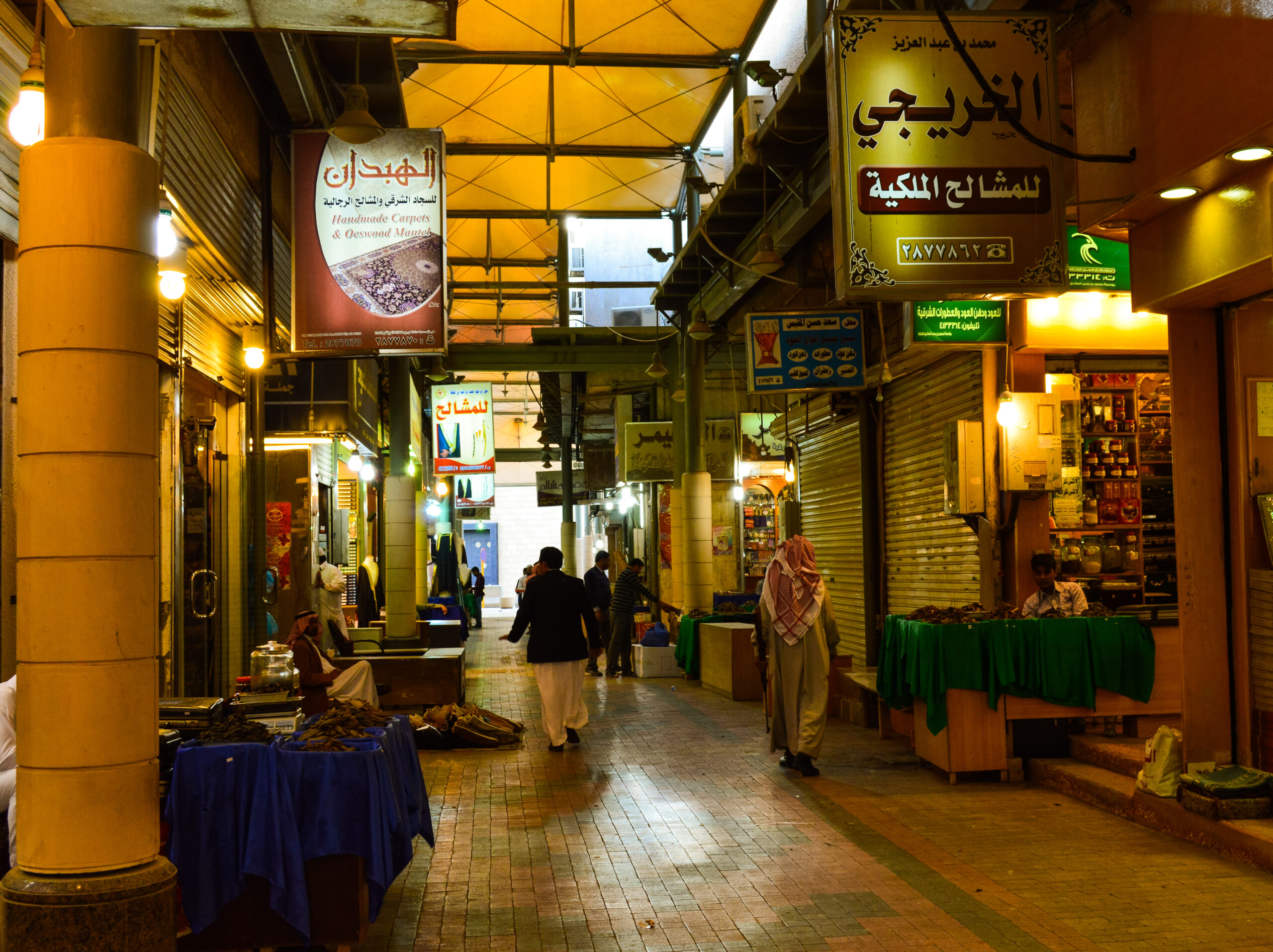
Jeddah
Souq Al-Alawi in the historic Al Balad district is the largest souq in Saudi Arabia and one of the best places in the country to buy oud, attars, and incense burners. Located off Al Dahab Street, the souq gets packed during Hajj and Umrah seasons — which means inflated prices. Visit outside peak pilgrimage months for better deals. The nearby Gabel Street Souq (Qabel Trail) is excellent for perfume oils and hand-carved mabkhara burners.
Red Sea Mall and Mall of Arabia carry the full range of branded Arabian and international perfume houses.
Mecca and Medina
Perfume shopping near the holy cities is driven by the pilgrimage souvenir trade. Abdul Samad Al Qurashi’s original stores cluster around the Grand Mosque — the Al Hijaz Market and Jabal Omar branches are flagships. Abraj Al Bait Mall, adjacent to the Haram, has fixed-price branded outlets. Prices near the mosque tend to be 15–30% higher than in Riyadh or Jeddah, so serious buyers should shop elsewhere and save Mecca for browsing.
In Medina, the streets around the Prophet’s Mosque are lined with perfume shops. The date market area also sells local attars and bakhoor. Al Haramain Perfumes, founded in Makkah, has strong branch representation in both holy cities.
Dammam and the Eastern Province
The Eastern Province is less touristed but offers genuine deals. Share Al-Hob (Love Market) in Dammam is a traditional souq with jewellery and perfume shops that comes alive after 4:00 PM under neon lights. Mall of Dhahran carries all major branded perfume houses.
How to Spot Fake Oud
The oud market is rife with counterfeits. Here is how to protect yourself:
Rule of thumb: Buy from established brands (Arabian Oud, Abdul Samad Al Qurashi, Al Haramain) or reputable souq sellers who can tell you the country of origin, tree species, and distillation method. If a seller cannot answer these questions, their product is suspect.
Bargaining Etiquette
Bargaining applies in traditional souqs — not in malls or branded boutiques, which have fixed prices. In the souq:
What to Bring Home: The Best Perfume Souvenirs
The best Saudi perfume souvenirs balance authenticity, portability, and value:
| Item | Price Range | Why It Works |
|---|---|---|
| Oud oil (3ml attar vial) | 150–500 SAR ($40–$133) | Highest value-to-weight ratio; fits in carry-on |
| Bakhoor chips (small box) | 50–200 SAR ($13–$53) | Lightweight, aromatic, easy to pack; universally appreciated gift |
| Mabkhara (incense burner) | 30–300 SAR ($8–$80) | Decorative ceramic or metal; functional souvenir |
| Taif rose water | 50–150 SAR ($13–$40) | Culinary and cosmetic use; distinctly Saudi |
| Musk attar (tahara musk) | 20–100 SAR ($5–$27) | Clean, versatile, affordable; ideal small gift |
| Complete layering set (attar + spray + bakhoor) | 300–1,500 SAR ($80–$400) | The authentic Saudi fragrance experience in a box |
Customs and Travel Tips for Perfume Buyers
Saudi Arabia allows a “reasonable quantity” of perfume for personal use duty-free, with personal effects and gifts permitted up to SAR 3,000 (~$800) total value. For your return home, most countries allow 100–250ml of perfume per person duty-free (the US allows reasonable quantities for personal use; the EU limit is generally 250ml).
Attar oils and bakhoor chips are non-liquid or small-volume items that pass through airport security easily. Larger spray perfume bottles must go in checked luggage if over 100ml. Bakhoor and oud chips are not restricted — they are wood products, not plant material requiring phytosanitary certificates in most jurisdictions — but declare them if asked.
Practical note: Perfume is an ideal gift to buy on arrival for Saudi hosts. Gifting fragrance is a classic expression of respect and generosity in Saudi culture, appropriate for Eid, weddings, and thank-you gestures. Alcohol-free formats (attars) are preferred in Islamic contexts.
Practical Information
Visa: Most tourists enter Saudi Arabia on an e-visa available online for over 50 nationalities. The visa costs SAR 535 (~$142) including insurance and is valid for one year with multiple entries.
Currency: Saudi Riyal (SAR). 1 USD ≈ 3.75 SAR. Credit cards are accepted at malls and branded shops. Souqs are cash-preferred — bring riyals. ATMs are widely available.
Shopping hours: Malls typically open 10:00 AM–11:00 PM (later on weekends — Friday and Saturday). Souqs keep irregular hours but are busiest from 4:00 PM to 10:00 PM. All shops close briefly during the five daily prayer times.
Language: Arabic is the primary language. English is widely spoken in malls and by younger shopkeepers. In traditional souqs, basic Arabic greetings go a long way. Knowing “kam hatha?” (how much is this?) and “ghali shwaya” (a bit expensive) covers most of what you need.
Getting between cities: The Haramain High-Speed Railway connects Mecca, Medina, Jeddah, and King Abdullah Economic City. Domestic flights on Saudia and flynas link Riyadh, Jeddah, and Dammam in under two hours. For Riyadh travellers, the Metro system makes reaching Souq Al-Zal straightforward.