
Is Saudi Arabia safe for tourists? The short, honest answer is that the Kingdom has one of the lowest conventional crime rates on earth, but safety in Saudi Arabia involves far more than pickpocket statistics. Visitors must consider strict local laws that criminalise behaviour considered normal elsewhere, a regional security environment that has deteriorated sharply since early 2026, road conditions that kill thousands every year, and extreme heat that can hospitalise an unprepared traveller within hours. This guide, part of our comprehensive Saudi Arabia Travel Guide 2026, lays out every verifiable risk so you can make an informed decision about whether, when and how to visit.
Overall Safety Rating: Numbeo Safety Index 76.3/100 — 14th globally, highest G20 nation (2025)
Main Concerns: Regional security situation (Iran-related conflict, 2026); road accidents; strict local laws on alcohol, drugs and social media
Safe for Solo Women: Yes in major cities — ranked safest G20 country for solo female travellers (Numbeo 2025). Modest dress expected.
Visa Required: Yes — tourist e-visa available for 63 nationalities
Emergency Number: 911 (unified) or 999 (police), 997 (ambulance), 998 (fire)
UK FCDO Rating: Exercise increased caution; avoid all travel within 10 km of Yemen border (updated March 2026)
US State Dept Rating: Level 3 — Reconsider Travel (since March 2, 2026)
Overall Safety Rating and Crime
By virtually every measurable index, Saudi Arabia is one of the safest countries in the world for street-level crime. The Numbeo Crime Index assigns the Kingdom a score of just 32.6 (mid-2025), compared with 47.8 for the United States, 46.1 for France and 45.1 for the United Kingdom. The country’s homicide rate of 0.64 per 100,000 population (World Bank) is roughly one-tenth the US figure and lower than most Western European countries.
Saudi Arabia climbed 12 places in the 2025 Numbeo Safety Index — from 26th to 14th globally — making it the highest-ranked G20 nation. The Kingdom welcomed over 122 million visitors in 2025, a five per cent year-on-year increase, and the vast majority experienced no safety incidents whatsoever.
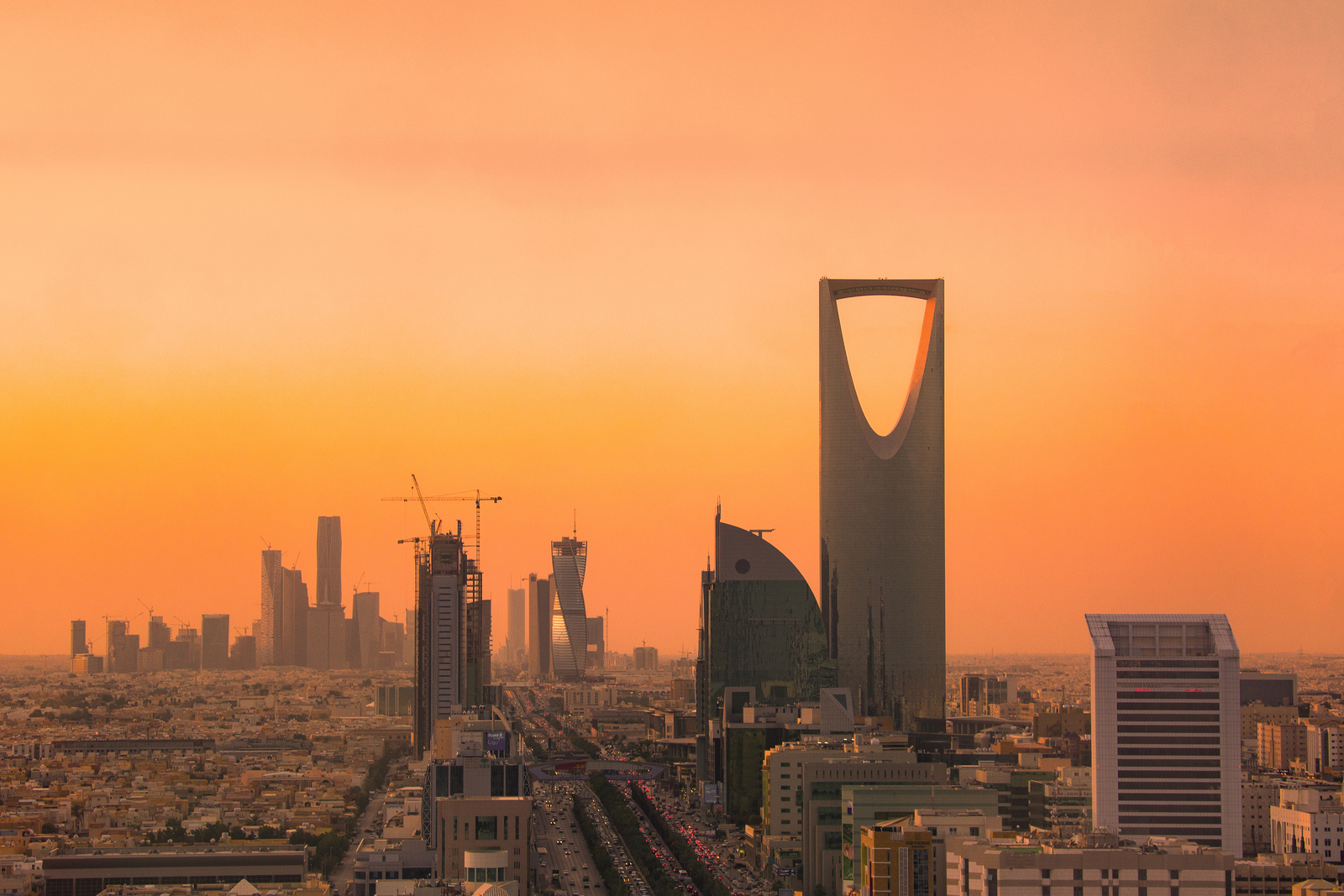
Street crime against tourists is genuinely rare. Petty theft, pickpocketing and bag-snatching occur but at rates that most Western visitors would consider negligible. The heavy police and security-camera presence in cities like Riyadh and Jeddah has a tangible upside: streets are safe to walk at night, including for women travelling alone. Violent crime directed at foreign tourists is extremely uncommon.
Important context: The Kingdom’s low crime rate is maintained partly through a justice system that imposes severe punishments, including corporal punishment and capital punishment. The deterrent works, but the same legal system can ensnare tourists who unknowingly break laws that do not exist in their home countries. Read the “Laws That Can Catch Tourists Off Guard” section below carefully.
The 2026 Regional Security Situation
Any honest safety guide published in April 2026 must address the elephant in the room. Since the outbreak of hostilities between the United States and Iran on February 28, 2026, Saudi Arabia has faced a sustained campaign of drone and missile attacks targeting cities, energy infrastructure, airports and military installations across the country.
The travel advisory landscape has changed accordingly:
- US State Department — Raised Saudi Arabia to Level 3: “Reconsider Travel” on March 2, 2026. On March 8, ordered non-emergency US government employees and their family members to depart. The advisory cites “risk of Iranian drone and missile targeting of American interests, armed conflict, terrorism, exit bans and local laws regarding social media activity.”
- UK FCDO — Updated March 5, 2026. Advises exercise of increased caution across Saudi Arabia due to ongoing missile and drone attacks, with risk of debris from intercepted projectiles falling across the country.
- Australian Smartraveller — Raised to “Reconsider your need to travel” on March 1, 2026, their second-highest advisory level. Advises Australians in Riyadh, Jeddah and Dhahran to shelter in place during attacks.
- Canada — Advises avoiding all travel within 30 km of the Yemen border and exercising a high degree of caution elsewhere.
Saudi air defences have intercepted the overwhelming majority of incoming projectiles, but debris from successful interceptions has caused fires and property damage. Tourists should register with their embassy, download the Saudi Civil Defence alert app, and understand shelter procedures. The situation is fluid; always check your government’s travel advisory page before booking.
Practical note: If you are already in Saudi Arabia or have non-refundable travel plans, the risk to individual tourists in major cities remains statistically low. Saudi Arabia’s Patriot and THAAD air defence systems have proven effective, and the security apparatus is among the most capable in the Middle East. That said, no defence system is perfect, and the decision to travel during an active regional conflict is a personal one that should be made with full awareness of the risks.
Areas to Avoid and Regional Advisories
Even before the 2026 escalation, certain areas of Saudi Arabia carried specific travel warnings:
Yemen Border Zone (Do Not Travel)
Every major government advisory agrees: do not travel to the area near the Yemen border. The UK FCDO advises against all travel within 10 km and all but essential travel within 80 km. The US, Canada and Australia set their buffer at 20–30 km. The provinces of Jazan, Najran and parts of Asir (including the city of Abha) fall within or near these zones. Armed groups in Yemen have attacked Saudi border towns with drones, missiles and rockets.
Qatif (Eastern Province)
The US State Department restricts government personnel from non-essential travel to Qatif, a predominantly Shia area in the Eastern Province, due to periodic security incidents. There is no compelling tourist reason to visit Qatif, and most travellers to the Eastern Province focus on Dammam, Al Khobar and Al Ahsa.
Empty Quarter and Remote Desert
The Rub’ al Khali (Empty Quarter) and other remote desert areas present logistical rather than security risks — extreme temperatures, no mobile coverage, no emergency services and vast distances between settlements. Never enter the deep desert without a guide, a 4×4 vehicle, ample water and a satellite communication device.
Safe Tourist Areas
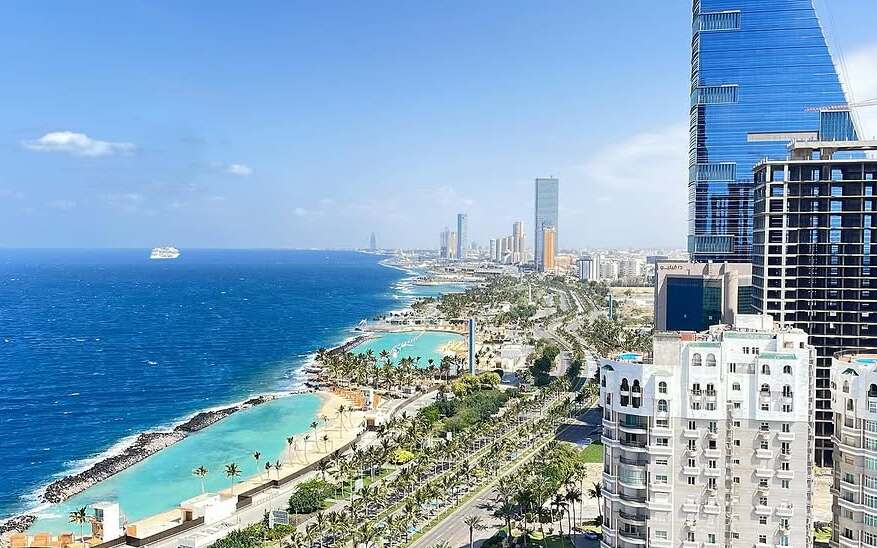
The primary tourist destinations — Riyadh, Jeddah, AlUla, the Eastern Province coast and the Red Sea resorts — have well-established security infrastructure and are generally safe for tourists, subject to the 2026 regional caveats noted above.
Safety for Women Travellers
Saudi Arabia has been ranked the safest G20 country for solo female travellers in the Numbeo 2025 Safety Index. This may surprise those whose image of the Kingdom is shaped by pre-2019 restrictions, but it reflects genuine and measurable progress. Women can now travel independently without a male guardian (mahram), drive, stay in hotels alone, and move freely through all tourist areas. The hijab is not required for non-Muslim tourists, although modest clothing that covers shoulders and knees is expected. For detailed guidance, see our Solo Female Travel in Saudi Arabia guide and our Saudi Arabia Dress Code Guide.
That said, female travellers should be aware of several realities:
- Unwanted attention: While violent crime against women tourists is exceptionally rare, staring and occasional verbal harassment can occur, particularly outside major city centres. This is more a social-comfort issue than a physical-safety one.
- Gender-separated areas: Some restaurants and public spaces still have separate male and family sections. This is less common than it was five years ago, especially in Riyadh and Jeddah, but persists in more conservative areas.
- Cultural boundaries: Physical contact between unrelated men and women remains socially taboo. A handshake may not be offered; follow the other person’s lead.
- Public affection: Displays of affection between unmarried couples — regardless of gender — can result in fines or detention.
Most female travellers report feeling physically safer walking Saudi streets after dark than in most European capitals. The bigger challenge is typically navigating cultural expectations rather than facing any physical threat.
Safety for LGBTQ+ Travellers
This is the section where honesty is most important. Saudi Arabia is not safe for openly LGBTQ+ travellers. Same-sex sexual activity is illegal under Sharia law and can carry severe penalties including imprisonment, corporal punishment and, in theory, the death penalty. There are no legal protections for LGBTQ+ individuals in the Kingdom.
In May 2023, the Saudi Tourism Authority updated its website to state that “all visitors, including LGBTQ visitors, are welcome.” However, the law has not changed. Anything perceived as promoting homosexuality — including social media posts, clothing with rainbow imagery, or public displays of affection between same-sex couples — can lead to prosecution.
LGBTQ+ travellers who choose to visit should understand that they must remain completely discreet. Many LGBTQ+ individuals do visit Saudi Arabia without incident, but they do so by keeping their identity entirely private. This is not a country where visibility is safe, and no tourism marketing should be mistaken for legal reform.
Laws That Can Catch Tourists Off Guard
Saudi Arabia’s legal system is based on Sharia (Islamic law) and includes several provisions that have no equivalent in Western legal systems. Ignorance of the law is not a defence. The following laws are the ones most likely to affect tourists:
Alcohol
The production, distribution, sale and consumption of alcohol are completely illegal in Saudi Arabia, regardless of the consumer’s religion or nationality. There are no exceptions, no hotel bars, no duty-free allowance. Penalties can include fines, imprisonment and deportation. Do not attempt to bring alcohol into the country.
Drugs
Saudi Arabia imposes some of the harshest drug penalties in the world. Possession of even small amounts can result in prison sentences of up to five years and fines of 30,000 SAR. Drug trafficking carries the death penalty, which is enforced. Prescription medications containing controlled substances (including some common painkillers and ADHD medications) require a doctor’s letter and prior approval. Check with the Saudi embassy before travelling with any prescription medication.
Social Media
This catches more tourists than any other law. It is illegal to make public statements — including social media posts — that the Saudi authorities deem disruptive to public order. Criticising the Saudi government, the King, the royal family, or Islam can result in lengthy prison sentences. Statements made years ago, or published while outside Saudi Arabia, may be used against you upon entry. Several foreign nationals have been detained over old social media posts. Review your social media history before visiting.
Photography
Photographing government buildings, military installations, palaces and some industrial facilities is prohibited. Taking photographs of people without their consent, particularly women, can also lead to legal trouble.
Dress Code
While the abaya is no longer mandatory for non-Muslim women tourists, modest dress is a legal requirement. Clothing should cover shoulders and knees. See our Saudi Arabia Dress Code Guide for specifics by location and activity.
Religious Law
Proselytising for any religion other than Islam is illegal. Importing religious texts other than the Quran can cause problems at customs. Public practice of non-Islamic faiths is prohibited, though private worship is tolerated.
Road Safety
Statistically, road traffic is the single greatest physical danger a tourist faces in Saudi Arabia — more likely to cause injury or death than crime, terrorism or military conflict combined.
Saudi Arabia has made significant progress in reducing road fatalities — a 35 per cent reduction from 9,311 deaths (28.8 per 100,000) in 2016 to 6,651 deaths (18.5 per 100,000) by 2021, according to a 2025 study published in Scientific Reports (Nature). However, the fatality rate remains roughly twice the UK rate and considerably higher than most European countries. The Kingdom aims to reach fewer than 10 deaths per 100,000 by 2030 under Vision 2030 road safety targets.
Key road safety facts for tourists:
- Speeding is endemic: Posted limits are widely ignored. Urban crashes account for 70 per cent of all injury collisions.
- Aggressive driving: Tailgating, sudden lane changes and running red lights are common, particularly in Riyadh.
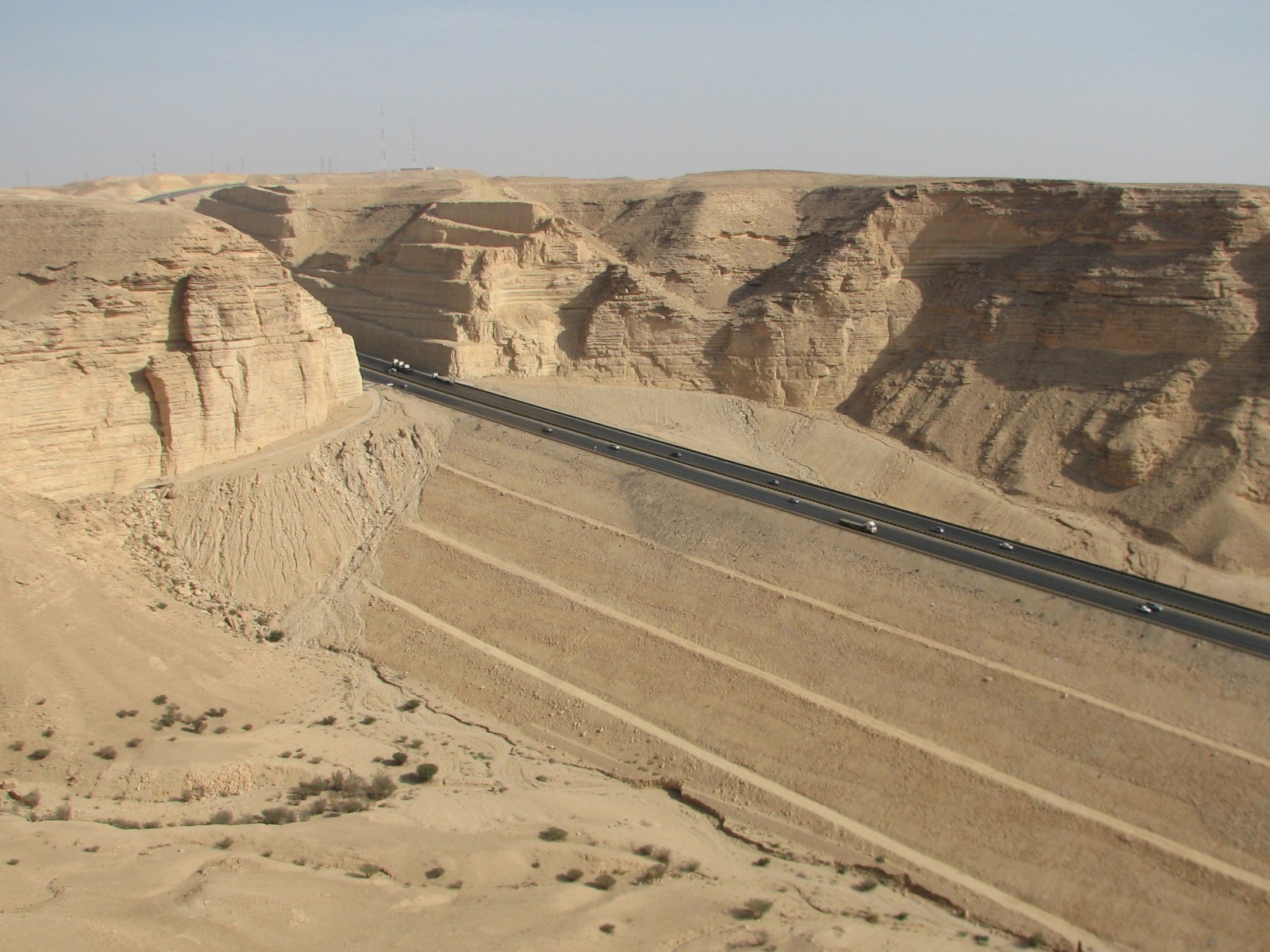
- Desert highways: Long, straight roads between cities encourage high speeds and drowsy driving. Camel crossings are a real hazard in rural areas.
- Males are 5.6 times more likely to die in a road traffic crash than females (Saudi Ministry of Health statistics).
- Roundabouts: Saudi roundabout etiquette often involves the entering vehicle asserting priority — the opposite of UK and European norms.
- Pedestrian infrastructure: Outside new developments, pavements and pedestrian crossings are often absent or poorly maintained.
Practical tip: If you are not comfortable with aggressive driving conditions, use ride-hailing apps (Uber and Careem both operate widely) rather than renting a car. For intercity travel, the Haramain High-Speed Railway between Jeddah, Mecca and Medina and the SAR North-South Railway are safe alternatives. See our Saudi Arabia Travel Tips guide for more on getting around.
Health and Medical Safety
Saudi Arabia has a modern, well-equipped healthcare system. Private hospitals in Riyadh and Jeddah are world-class, and emergency care is available nationwide. However, medical treatment is expensive for foreigners, and health insurance is essential.
Vaccinations
Since February 2025, meningococcal ACWY vaccination is mandatory for all travellers aged one and older, regardless of the purpose of travel. The vaccine must be administered at least 10 days before arrival and the certificate is valid for three years. Additional requirements apply depending on your country of origin — polio and yellow fever vaccines may be mandatory. The CDC also recommends hepatitis A, typhoid and routine vaccinations.
MERS-CoV
Middle East Respiratory Syndrome (MERS-CoV) cases continue to be reported from Saudi Arabia, with the most recent case in April 2025. Avoid contact with camels and their products, including raw camel milk. This is particularly relevant for visitors to desert camps and livestock markets.
Extreme Heat
Summer temperatures routinely exceed 45 degrees Celsius in inland cities and 50 degrees Celsius in desert areas. Heatstroke is a genuine medical emergency that can be fatal. Between May and September, limit outdoor activity to early morning and evening, drink at least three litres of water per day, and wear sun protection. If visiting during summer, see our Saudi Arabia Travel Budget Guide for off-season pricing advantages that help offset the heat.
Sandstorms
Sand and dust storms are common from March to September, particularly in central and eastern provinces. The shamal — a sand-laden northerly wind — can reduce visibility to near zero, cause respiratory distress and ground flights. If you have asthma or other respiratory conditions, carry adequate medication and consider timing your visit for winter months (November to February).
Flash Flooding
Despite being one of the driest countries on earth, Saudi Arabia is vulnerable to flash flooding, particularly between November and February. Dry riverbeds (wadis) can fill within minutes after rainfall. Never camp in a wadi and avoid driving through standing water.
Emergency Contacts
Save these numbers before you arrive:
| Service | Number |
|---|---|
| Unified Emergency Number | 911 |
| General Emergency (alternate) | 112 |
| Police | 999 |
| Ambulance | 997 |
| Fire / Civil Defence | 998 |
| Traffic Police (Muroor) | 993 |
| Highway Patrol | 996 |
| Border Guard | 994 |
| Medical Consultation Hotline | 937 |
| Saudi Tourism Call Centre | 930 |
| Tourism International Line | +966 920 000 890 |
Emergency operators speak Arabic by default, but English-speaking operators are available and can be reached by requesting one. The 911 unified number, introduced in major cities, connects to all emergency services and is the easiest option for tourists.
Practical Safety Tips for Tourists
Based on verified government advice and practical experience, here are the most important safety measures for visitors:
Before You Go
- Register with your embassy — enrol in your government’s travel registration programme (e.g., US STEP, UK FCDO registration, Australian Smartraveller).
- Check your social media — review and consider deleting any posts that could be interpreted as critical of Saudi Arabia, its government, or Islam.
- Get health insurance — comprehensive travel insurance with medical evacuation cover is essential, not optional.
- Check medication legality — some over-the-counter medicines in Western countries (particularly those containing codeine, pseudoephedrine or amphetamine-based ADHD medications) are controlled or banned in Saudi Arabia. Carry a doctor’s letter in English and Arabic.
- Obtain your visa — most tourists from 63 eligible nationalities can get an e-visa online. Processing is typically fast but should be arranged before booking flights.
While in Saudi Arabia
- Carry identification at all times — a photocopy of your passport is usually sufficient; keep the original in your hotel safe.
- Respect prayer times — some shops and restaurants close during the five daily prayer times. This is less strictly enforced than it once was, especially in malls, but expect some closures.
- Dress modestly — this is a legal requirement, not just a cultural suggestion. See our dress code guide.
- Do not photograph military or government sites — this includes palaces, embassies and some industrial facilities.
- Use licensed taxis or ride-hailing apps — Uber and Careem are reliable and tracked. Avoid unofficial vehicles.
- Stay hydrated — even in winter, the climate is drier than most visitors are accustomed to.
- Do not use a VPN for illegal purposes — VPN use for accessing blocked websites is common but technically grey-area; using one for illegal activities adds significant legal risk.
In an Emergency
- Call 911 (unified emergency) from any phone, including without a SIM card.
- Contact your embassy or consulate immediately if detained by police.
- If caught in a missile alert, move to the interior of a building, away from windows, and follow instructions from Saudi Civil Defence.
Is Saudi Arabia Safe? The Honest Verdict
Under normal circumstances, Saudi Arabia is one of the safest countries in the world for tourists when it comes to conventional crime. Streets are genuinely safe at night, violent crime against foreigners is vanishingly rare, and the security infrastructure is extensive. The Numbeo Safety Index ranking of 14th globally — ahead of every other G20 nation — reflects a real, measurable reality that matches what visitors consistently report.
However, “safe” means different things in different contexts. Saudi Arabia is not safe for anyone who openly identifies as LGBTQ+. It is not safe for anyone whose social media history contains criticism of the Saudi state. It is not safe for anyone who attempts to import alcohol or drugs. And in April 2026, it carries the additional and unprecedented risk of being caught in an active regional military conflict.
For the majority of tourists — those who respect local laws, dress appropriately, avoid the border zones, stay aware of the regional situation, and exercise the same common sense they would in any foreign country — Saudi Arabia offers a fascinating and largely trouble-free travel experience. But it demands more homework than a trip to Bali or Barcelona. The travellers who have the best experiences are those who arrive informed, and this guide exists to help you do exactly that.
For complete trip-planning resources, return to our main Saudi Arabia Travel Guide 2026.
Explore More Saudi Arabia Travel Guides
- Saudi Arabia Travel Guide 2026 — The complete guide to visiting the Kingdom
- Saudi Arabia Visa Guide 2026 — Every visa type and entry requirement explained
- Saudi Arabia Dress Code Guide — What to wear as a tourist in Saudi Arabia
- Solo Female Travel in Saudi Arabia — Safety, tips and practical advice for women
- Riyadh Travel Guide 2026 — Complete guide to the Saudi capital
- Jeddah Travel Guide 2026 — Red Sea city travel guide