
For non-divers who want to experience one of the planet’s great marine environments without a tank on their back, Saudi Arabia’s Red Sea coast is quietly becoming one of the most compelling snorkeling destinations on earth. The Kingdom claims over 1,800 kilometres of Red Sea coastline sheltering coral reefs that support more than 1,200 fish species — roughly 10% of which are found nowhere else. Visibility regularly hits 20–30 metres, water temperatures sit at a comfortable 24–27°C between October and April, and most of the best reef systems remain virtually untouched by mass tourism. For the full picture of what lies beneath the surface — from scuba sites and liveaboard itineraries to equipment and operator listings — see our comprehensive Saudi Arabia Diving and Snorkelling Guide. This page is specifically for snorkelers: surface exploration, no certification required, no pressure gauge needed.
Best Time to Visit: October–May (24–27°C water, 15–30m visibility)
Getting There: Fly to Jeddah (KAIA) for central coast; Jizan (GIZ) for Farasan Islands; drive to Umluj from Jeddah (4–5 hrs)
Visa Required: Yes — tourist e-visa available online
Budget: $40–$120/day (snorkeling trips SAR 150–300 per person)
Must-See: Farasan Islands, Umluj archipelago, Yanbu’s Barracuda Beach
Avoid: Touching coral (illegal and harmful), snorkeling alone at remote sites
Why the Saudi Red Sea Stands Apart for Snorkeling
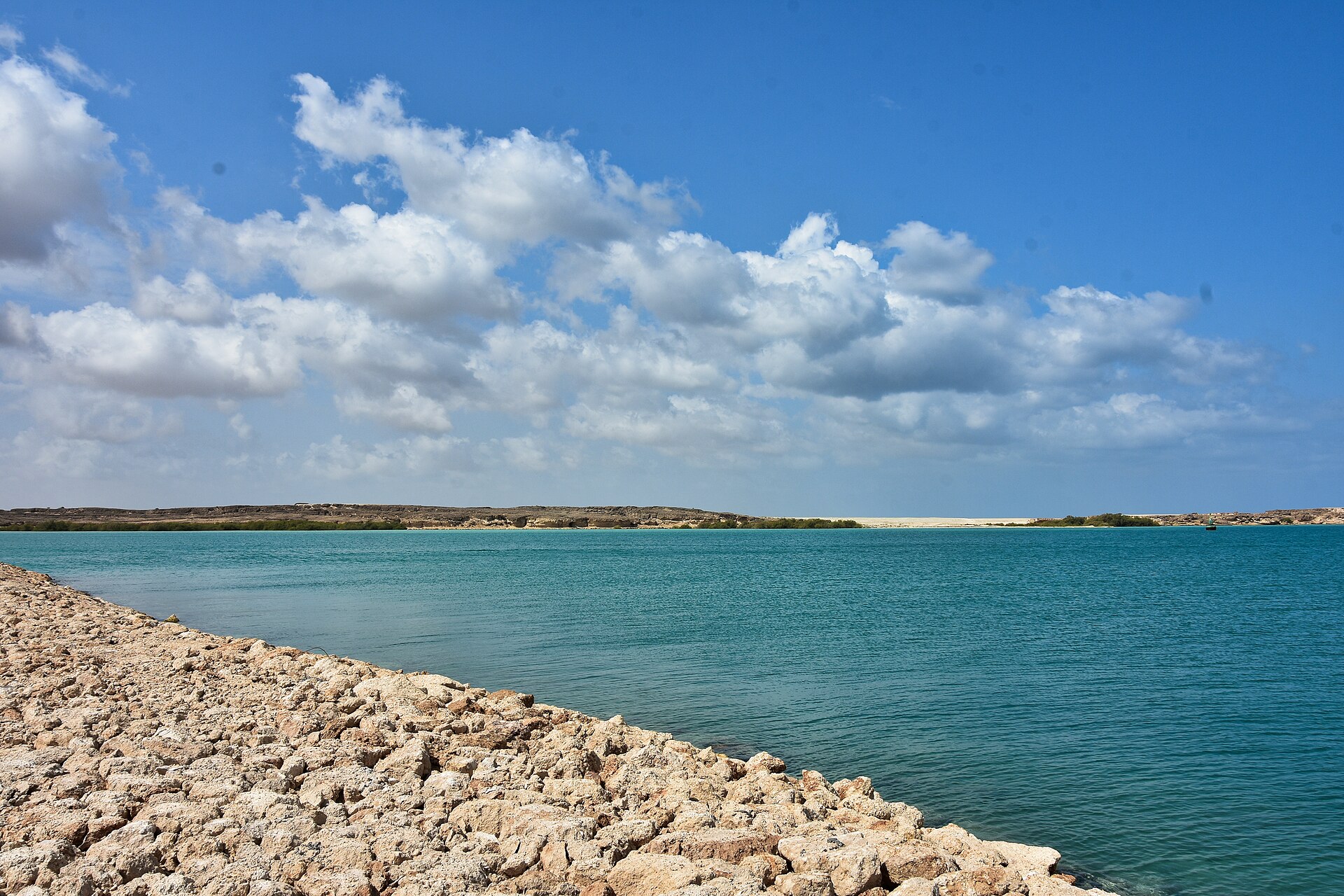
The Red Sea is one of the world’s saltiest and warmest semi-enclosed seas. Those conditions produce coral ecosystems of unusual density and resilience. Saudi Arabia sits on the eastern shore of this body of water, and its coastline — from the Gulf of Aqaba in the northwest down to the Yemeni border near Jizan — is the longest Red Sea coastline of any nation.
What sets the Saudi coast apart from better-known Red Sea destinations like Sharm El Sheikh or Hurghada is simple: the absence of mass tourism. Egypt’s Sinai resorts have processed package holidaymakers since the 1980s. Saudi Arabia issued its first tourist e-visas only in September 2019. Many reef systems along the Saudi coast have had decades of accidental protection, meaning that coral cover, fish density, and overall reef health are measurably superior to comparable sites across the sea.
Research from King Abdullah University of Science and Technology (KAUST) has confirmed that northern Red Sea corals along the Saudi coast show average coral cover 42.6% higher than comparable reefs further south, and that Saudi Red Sea corals exhibit unusual thermal resilience — a significant advantage as sea surface temperatures in the Red Sea rise at a rate 2.5 times the global average. For snorkelers, this translates directly: more coral, more fish, better colour, fewer crowds.
If you are planning your first trip to the Kingdom, start with our Saudi Arabia Travel Guide 2026, which covers everything from entry requirements and cultural norms to accommodation and transport logistics.
Best Snorkeling Sites in Saudi Arabia
1. Farasan Islands — Saudi Arabia’s Premier Marine Reserve
The Farasan Islands are the undisputed highlight for snorkelers in Saudi Arabia. This archipelago of approximately 84 islands and islets lies roughly 40 kilometres off the coast of Jizan in the far south of the Red Sea coast. Protected by royal decree since 1989 and elevated to UNESCO Biosphere Reserve status in 2021, the Farasan marine reserve is one of the most rigorously protected reef environments in the Arabian Peninsula.
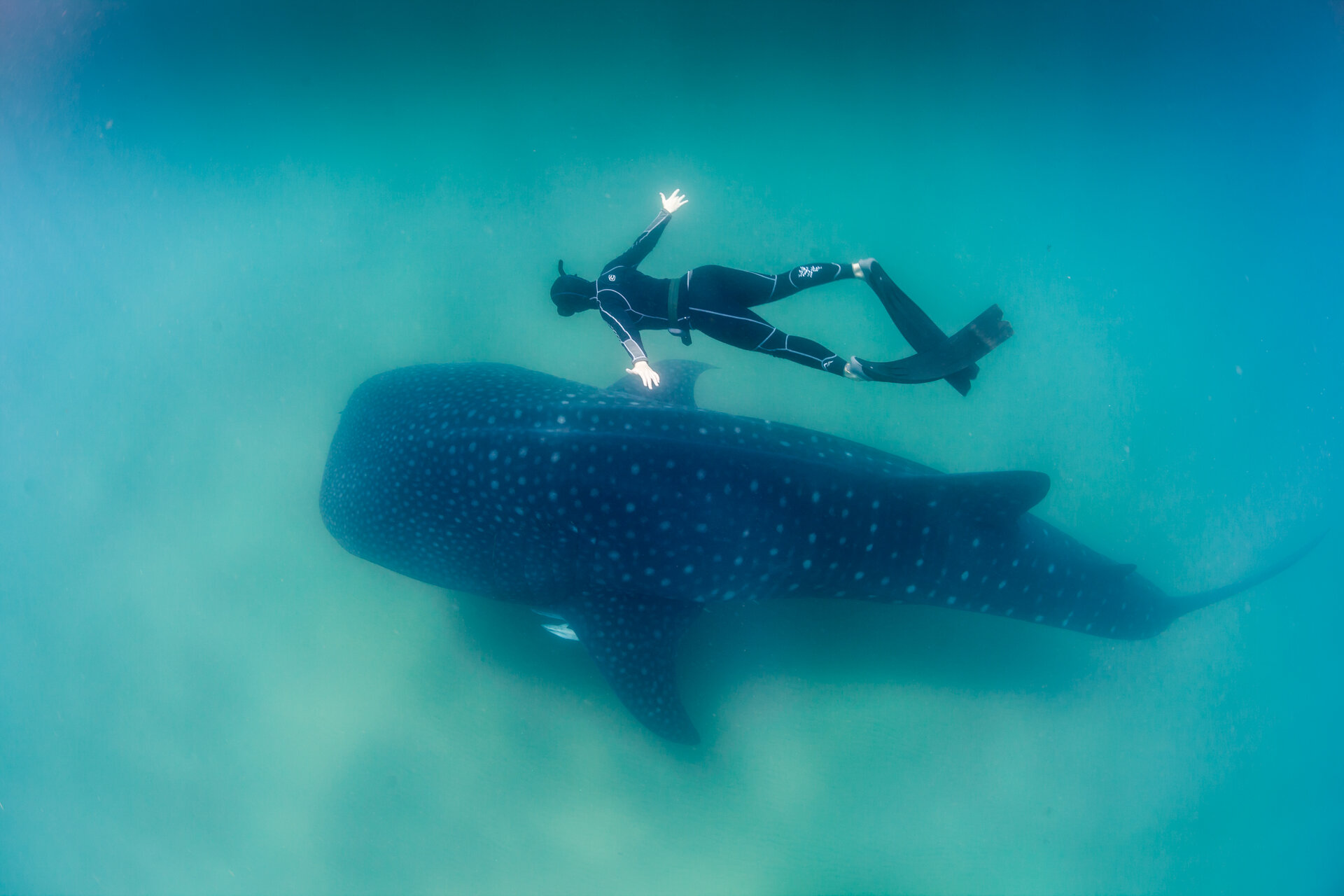
The shallow waters around the islands support over 120 documented fish species and extensive formations of both hard and soft corals in water shallow enough for comfortable surface snorkeling. The archipelago is particularly important for two charismatic species: whale sharks, which congregate in the Farasan Banks between February and May during plankton blooms, and dugongs — Saudi Arabia hosts the third-largest dugong population on earth, and these gentle sea cows graze on the seagrass beds fringing the southern reefs. Both species are regularly encountered during the season.
Getting there: The only public access is via a free government ferry from Jizan Port, which departs twice daily — typically at 7:00 AM and 3:30 PM. The crossing takes approximately 90 minutes. The nearest airport is Jizan Regional Airport (GIZ), served by domestic flights from Jeddah and Riyadh. There are currently no dive centres or equipment rental facilities on the islands — you must bring your own mask, snorkel, and fins.
The reward for the extra effort is a snorkeling environment that, by common consensus among Red Sea regulars, is the finest in Saudi Arabia. Visit in the early morning when visibility is best, and plan your schedule around the ferry timetable. The best snorkeling season is October through May, though February through May adds the possibility of whale shark encounters.
2. Umluj — Shore Snorkeling at the Maldives of Saudi Arabia
Umluj has attracted the “Maldives of Saudi Arabia” label from travel writers, and while marketing hyperbole deserves scepticism, in this case the comparison is defensible. This remote town on the Tabuk Province coast, roughly 400 kilometres north of Jeddah, sits amid more than 100 scattered islands with turquoise shallows, white sand, and coral-lined beaches that can be snorkeled directly from shore — no boat required.
From a snorkeling perspective, the headline site is Al Alhasi Beach, where a fringing reef runs parallel to the shoreline in just 1–3 metres of water. The sandy bottom ensures excellent visibility — regularly 30–40 metres in calm conditions — and the mix of brain corals, table corals, and sea fans attracts an impressive variety of reef fish. Green and hawksbill turtles are resident and reliably sighted. Umluj’s main beach restricts boat access to protect the coral, which keeps the shallows calm and uncrowded for snorkelers.
For island-hopping beyond Al Alhasi, private boat hire is available locally at the marina, typically SAR 1,800–2,000 for a full-day tour covering three or four islands with snorkeling stops at each. Umm Sahar Island is the most commonly visited, with coral formations dropping steeply on its eastern side amid resident green sea turtles and occasional dugongs.
Practical note: The drive from Jeddah takes 4–5 hours via the coastal highway. Equipment rental is not available locally — buy or rent gear in Jeddah before you depart. Accommodation options in town are limited but growing.
3. Yanbu — Infrastructure Meets Intact Reefs
For snorkelers who want reliable infrastructure alongside excellent reef access, Yanbu is the best base on the Saudi Red Sea coast. Known as the “Pearl of the Red Sea,” Yanbu has functioned as a commercial and industrial port for decades, and that longevity means it offers the dive shops, tour operators, and hospitality infrastructure that more remote destinations lack.
The most popular snorkeling site near Yanbu is Barracuda Beach, named for the large barracuda that patrol its offshore reefs. Coral formations begin close to shore, and the marine life roster includes parrotfish, clownfish, grouper, and schools of barracuda cruising the shallows. Al Fasma, south of the city, is another popular snorkeling zone with vibrant coral and consistently good visibility, accessible via half-day boat excursions that include equipment and a guide.
Yanbu’s offshore Seven Sisters reef complex is one of the most celebrated dive destinations in the entire Red Sea. While primarily a scuba site given its depth, the reef tops are shallow enough for confident snorkelers to explore the upper sections, where kaleidoscopic hard and soft corals carpet every surface. Tour operators like Yanbu Diving run snorkeling-specific excursions alongside dive trips, with equipment rental available. Half-day snorkeling excursions typically run SAR 150–300 per person.
Yanbu is served by its own airport with flights from Riyadh and Jeddah, making it the most accessible Red Sea snorkeling base outside Jeddah itself. Water temperatures range from 24°C in February to 30°C in August, with October–April visibility typically at 20–30 metres.
4. Jeddah — Beginner-Friendly Urban Reef Access
Jeddah is the obvious entry point for most international visitors to the Saudi Red Sea coast, and the city’s own reef access is better than its urban setting might suggest. The most popular snorkeling destination from Jeddah is Bayada Island — sometimes called “the Maldives of Jeddah” — which offers shallow, sheltered snorkeling in calm water with good coral coverage.
Multiple operators run daily boat trips to Bayada Island from the Obhur Creek area, typically 2–3 hours with snorkeling time included. These trips are genuinely beginner-friendly: the water is shallow enough to stand in many places, snorkeling equipment is included in the trip price, and onboard guides lead less confident snorkelers around the reef. Package prices typically range from SAR 150–250 per person for a half-day trip.
Sharm Obhur, a natural creek cutting into the coastline north of the city, is another accessible option. Its protected inlet creates calm conditions ideal for shore-entry snorkeling. The coral walls serve as a nursery for many fish species, and sea turtles and humphead wrasse are regularly encountered. Al-Haddad Scuba — one of Jeddah’s longest-established dive centres — runs guided snorkeling excursions to offshore sites including Abu Tair Reef, known for reef shark and turtle encounters.
Jeddah has the best range of equipment rental on the coast. Most dive shops rent masks, snorkels, fins, and wetsuits by the day, with full snorkeling kits typically costing SAR 50–100 per day. For those looking to combine snorkeling with city exploration, our Yanbu City Guide and the Jeddah Corniche are both within easy reach.
5. Al Lith — Whale Shark Encounters
Al Lith sits approximately 270 kilometres south of Jeddah and is the primary departure point for Saudi Arabia’s most extraordinary snorkeling experience: swimming alongside whale sharks. Between February and May, the Farasan Banks — a vast shallow reef system stretching south from Al Lith — attract significant congregations of whale sharks drawn by seasonal plankton blooms.
Several dive operators based in Al Lith run combined dive-and-snorkel boat trips where non-divers can snorkel above the reef while certified divers descend deeper. During whale shark season, dedicated snorkel-only safaris are also available. Encounters are not guaranteed, but between March and May the probability is high — experienced operators report sightings on the majority of trips during peak season.
Whale sharks are filter feeders, entirely harmless to humans, and swimming alongside the largest fish on earth — individuals regularly reach 10–12 metres in length — is an experience that does not require a single piece of scuba equipment. A mask, snorkel, and fins are all you need. For a deeper dive into timing, operators, and what to expect, see our dedicated Scuba Diving in Saudi Arabia guide, which covers the Al Lith area in detail.
What You Will See Underwater
Reef Fish
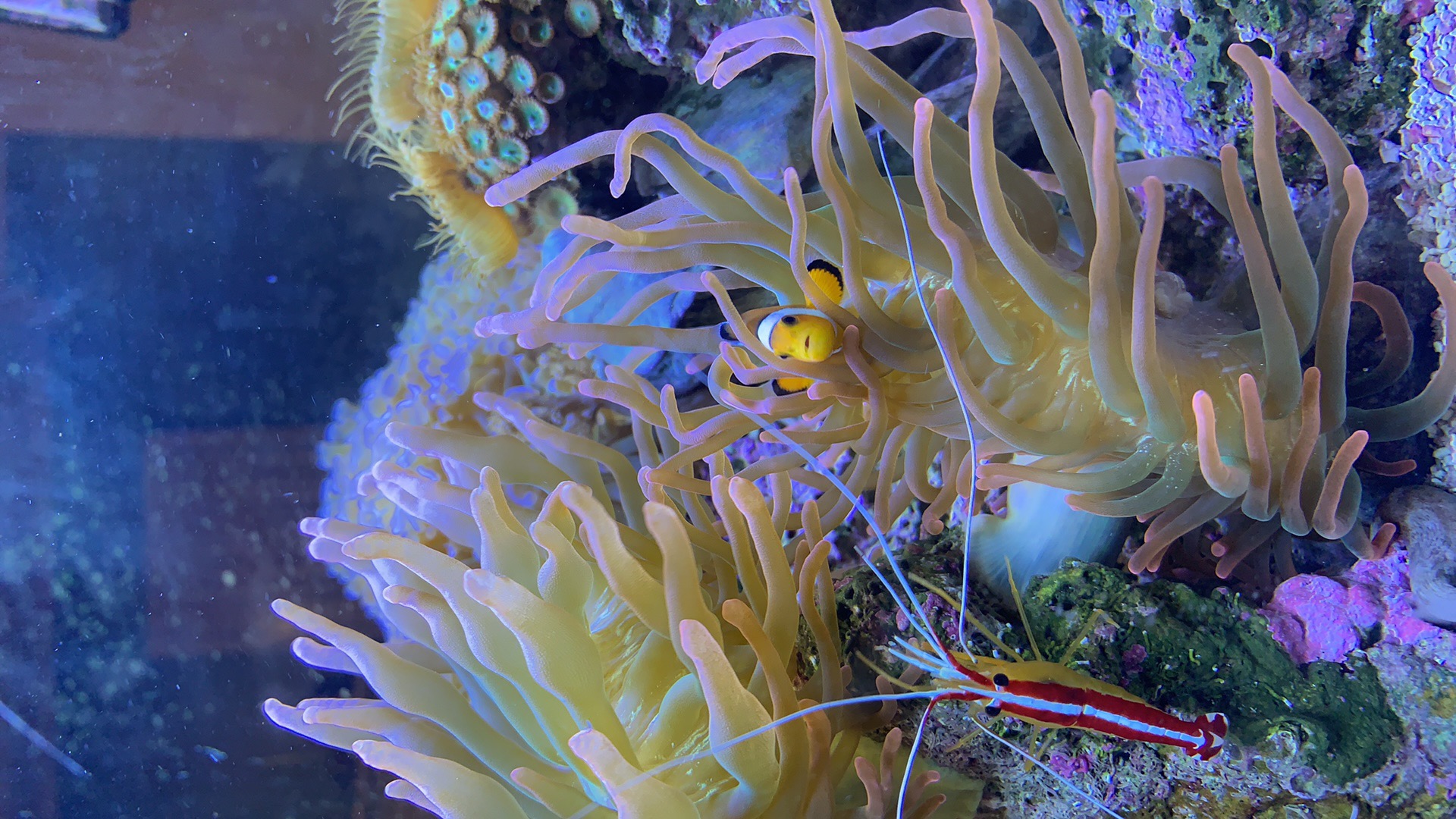
Reef fish diversity is the defining feature of any Red Sea snorkeling session. Expect to encounter parrotfish in multiple species — their beak-like teeth graze on coral, and you will often hear them crunching before you see them. Clownfish shelter in anemones on almost every reef. Schools of anthias — the small orange-red fish that cloud every Red Sea underwater photograph — are ubiquitous. Surgeonfish, wrasse, grouper, snappers, butterflyfish, and pufferfish are all common across the coast.
More unusual encounters are possible at specific sites. Barracuda patrol in open formation at Yanbu’s namesake beach. Reef sharks — blacktip and whitetip — are sighted regularly at Abu Tair Reef off Jeddah and across the Farasan Banks. Moray eels are common in reef crevices along the entire coast and are more visible here than in most tropical destinations.
Coral
Saudi Arabia’s reefs are predominantly fringing reefs — formations that grow parallel to the coastline with a shallow lagoon between reef and shore. This structure is ideal for snorkelers: the lagoon is calm and shallow, and the reef crest — the most biologically productive zone — sits within easy reach of the surface.
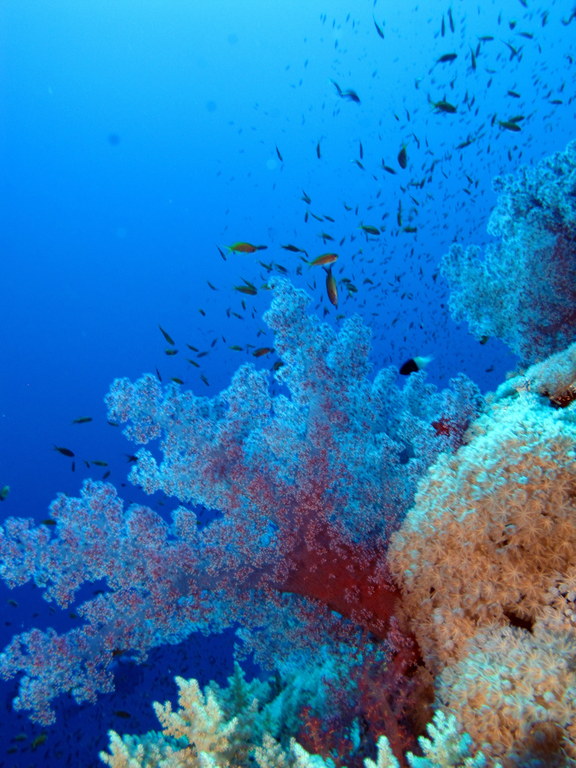
Hard coral genera include Acropora (staghorn and table corals), Porites (massive brain corals), and Favites. Soft corals — sea fans, sea whips, and leather corals — add dramatic colour, particularly in current-exposed channels. The Farasan Islands, the northern coast around Umluj, and the central coast near Yanbu have the highest-quality coral cover. Jeddah’s reefs show more impact from urban proximity but remain interesting and accessible.
Turtles, Dugongs, and Dolphins
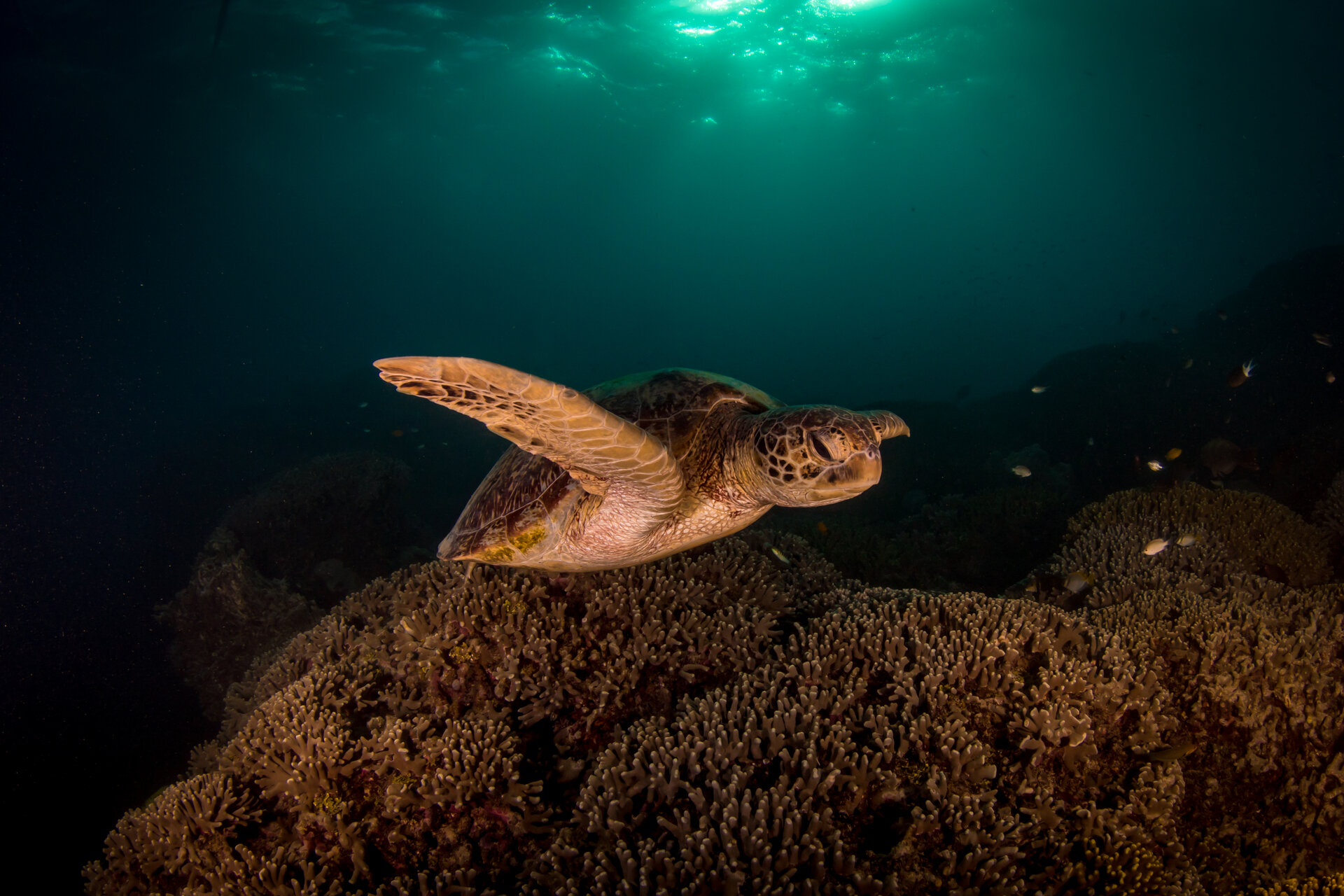
Green and hawksbill sea turtles are found at virtually every site described in this guide. Both species nest on Saudi beaches, and protected areas like the Farasan Islands support healthy breeding populations. Dugongs — related to manatees and found only in the Indo-Pacific — graze on seagrass beds around the Farasan and Umluj archipelagos. Spinner dolphins, Indo-Pacific bottlenose dolphins, and even Bryde’s whales frequent the deeper waters offshore and are occasionally encountered from snorkeling boats.
Best Season for Snorkeling
The optimal snorkeling window is October through May. This aligns with the cooler part of the year when air temperatures along the coast sit at 20–28°C and water temperatures at 24–27°C. Visibility is at its best during this period — consistently 15–25 metres at good sites, with 30 metres or more achievable at pristine locations like Umluj and the Farasan Islands.
| Month | Water Temp (°C) | Air Temp (°C) | Visibility | Notes |
|---|---|---|---|---|
| Oct–Nov | 26–28 | 28–32 | 20–30m | Season opens; warm and clear |
| Dec–Feb | 24–26 | 20–25 | 20–30m | Best visibility; whale shark season starts Feb |
| Mar–May | 25–28 | 25–35 | 15–25m | Peak whale shark season; warming gradually |
| Jun–Sep | 29–32 | 35–45 | 10–20m | Extreme heat; reduced visibility; not recommended |
November through April is generally the peak of the season. February through May is the key period for whale shark encounters near Al Lith and the Farasan Banks. June through September is possible but demanding — water temperatures rise above 30°C, air temperatures regularly exceed 40°C, and visibility can be reduced by plankton blooms. The physical discomfort of snorkeling in full summer heat is significant.
Equipment: What to Bring and What to Rent
Essential Gear
For most snorkeling sites in Saudi Arabia, a basic kit of mask, snorkel, and fins is all you need. A well-fitting mask is the single most critical item — poor seals cause water ingress and ruin the experience. If you own your own kit, bring it. Rental gear is available in Jeddah and Yanbu but quality varies between operators, and at remote locations like Umluj and the Farasan Islands no rental is available at all.
- Mask: Ensure a proper seal before you get wet. Press the mask to your face without the strap — if it stays in place with a gentle inhale through the nose, the fit is good.
- Snorkel: A dry-top or semi-dry snorkel prevents water entering from waves. Worth the small investment.
- Fins: Open-heel fins with booties give more versatility, especially on rocky entries. Full-foot fins are lighter to pack.
- Rash guard or wetsuit: A long-sleeved rash guard provides sun protection and guards against jellyfish stings. A 2mm shorty wetsuit is comfortable in the cooler months (December–February) when water temperatures dip toward 24°C.
- Reef-safe sunscreen: Standard formulations contain oxybenzone and octinoxate, which are toxic to coral larvae. Use a mineral sunscreen or cover up with a rash guard instead.
Rental and Purchase Options
| Location | Gear Rental Available? | Typical Cost |
|---|---|---|
| Jeddah | Yes — multiple dive shops | SAR 50–100/day for full snorkel kit |
| Yanbu | Yes — included in most excursions | SAR 150–300/person (half-day trip incl. gear) |
| Umluj | No — bring your own | N/A |
| Farasan Islands | No — bring your own | N/A |
| Al Lith | Yes — via dive operators | Included in whale shark safari packages |
Tour Operators and Booking
Jeddah: Al-Haddad Scuba (haddadscuba.com) is the most established operator, running guided snorkeling excursions alongside dive trips. DiveInJed offers daily reef trips from the Obhur area. Multiple day-trip operators run Bayada Island snorkeling tours bookable through Klook, GetYourGuide, and Viator, typically SAR 150–250 per person. Getmyboat lists independent boat charters from the Obhur area.
Yanbu: Yanbu Diving (yanbudiving.com) and Dream Divers (dreamdiver.sa) run snorkeling excursions to Barracuda Beach, Al Fasma, and offshore sites with equipment included. Half-day excursions run SAR 150–300 per person. Ootlah lists local boat trips in the city, with group boat hire from SAR 1,000.
Umluj: No formal tour operators. Private boat hire for island tours is arranged through local boat owners at the main marina/jetty. Expect SAR 1,800–2,000 for a full-day multi-island trip including snorkeling stops. Bring all your own gear.
Farasan Islands: No commercial snorkeling tours or equipment rental on the islands. The free government ferry from Jizan is the only way in. Bring everything you need and plan to snorkel independently from beaches and shallow reef zones.
Al Lith: Hope of Spring Dive (hopespringdive.com) and Al-Ahlam Marine (alahlam.sa) operate whale shark snorkeling safaris during the February–May season. Book well in advance during peak months (March–April).
For those considering a private boat trip along the coast, our Saudi Arabia Yacht Charter guide covers Red Sea private island cruises that include snorkeling stops.
Safety: Marine Hazards and Precautions
The Red Sea is generally a safe snorkeling environment, but awareness of a few marine hazards will keep your experience trouble-free.
Creatures to Respect
- Lionfish: Colourful and slow-moving, lionfish carry venomous dorsal spines. They do not hide from snorkelers and are common on most reefs. Maintain distance and never attempt to touch them. Stings are extremely painful but rarely life-threatening.
- Stonefish: Among the most venomous fish in the world, stonefish are superbly camouflaged against rocks and coral rubble. The primary risk is stepping on one in shallow water. Always wear reef shoes or dive booties when entering from shore, and avoid walking on the reef.
- Sea urchins: Long-spined urchins are abundant in rocky shallows. Their spines penetrate skin easily and break off, causing persistent pain. Watch your footing and avoid bracing against rocks.
- Jellyfish: Red Sea jellyfish species are generally not dangerous, though stings cause discomfort and occasional allergic reactions. A rash guard or thin wetsuit provides effective protection.
- Fire coral: Not a true coral but a hydrozoan, fire coral causes a burning rash on contact. It grows in sheet-like formations and is pale yellow-brown in colour. Do not touch any coral, and fire coral is one reason why.
First Aid
For stonefish, lionfish, and sea urchin injuries, immerse the affected area in hot water (as hot as can be tolerated, ideally 42–45°C) for 30–90 minutes to help break down heat-sensitive toxins. Seek medical attention for all stonefish stings and any severe reactions. Carry a basic marine first-aid kit including vinegar (for jellyfish stings), tweezers, and antiseptic.
General Snorkeling Safety
- Never snorkel alone, especially at remote sites without lifeguard presence
- Check current and tide conditions before entering the water
- Stay within your ability — if you are a weak swimmer, use a flotation vest
- Avoid snorkeling near boat channels and harbour entrances
- Tell someone your plan and expected return time when snorkeling at remote beaches
Conservation and Conduct
Saudi Arabia’s Red Sea reefs are protected by national law and international designations. The Farasan Islands Marine Reserve is actively enforced; collecting marine specimens, feeding fish, and disturbing nesting sites are all prohibited. Across the entire coast, touching coral and standing on reefs are illegal and can result in significant fines.
The rules are straightforward:
- Do not touch coral. Even light contact can damage years of growth. Coral is a living animal colony.
- Do not stand on the reef. Use your fins to maintain buoyancy above the reef.
- Do not feed fish. It disrupts natural feeding patterns and makes fish aggressive toward humans.
- Do not collect shells, coral fragments, or marine specimens. This is illegal in Saudi Arabia.
- Use reef-safe sunscreen or, better still, wear a rash guard and avoid chemical sunscreen entirely.
The underwater environment you are entering has been largely undisturbed. Saudi Arabia’s government, through initiatives led by KAUST and organisations like SHAMS (the Saudi Arabia Marine Sports authority), is investing heavily in coral restoration — including a 100-hectare coral restoration demonstration on Shushah Island near NEOM. Treat the reef with respect, and it will continue to offer the quality that makes this coast worth the journey.
Getting to the Red Sea Coast
The main international gateway is Jeddah (King Abdulaziz International Airport, JED), served by major carriers worldwide and the most convenient base for first-time visitors. From Jeddah, the entire central coast — Bayada Island, Sharm Obhur, and the drive north to Yanbu or Umluj — is accessible.
Yanbu (Yanbu Airport, YNB) has regular domestic flights from Riyadh and Jeddah and is the best base for snorkelers who want the balance of infrastructure and reef quality.
Jizan (Jizan Regional Airport, GIZ) is the gateway to the Farasan Islands, served by flights from Jeddah and Riyadh. From Jizan, a short drive reaches the ferry terminal.
Umluj is reached by road — approximately 4–5 hours by car from Jeddah along the coastal highway, or 3 hours south from Yanbu. There is no commercial airport.
All visitors require a visa. Saudi Arabia’s tourist e-visa covers all tourism activities including water sports. It is available online to nationals of most countries and typically processed within minutes. Full details, including nationality eligibility and the application walkthrough, are in our Saudi Arabia Visa Guide.
Snorkeling vs. Scuba Diving and Freediving
If this guide has whetted your appetite and you are considering going deeper, Saudi Arabia’s Red Sea offers excellent progression opportunities. Our Scuba Diving in Saudi Arabia guide covers certification, sites, and operators for those ready to strap on a tank. For the discipline that sits between snorkeling and scuba — breath-hold diving without equipment — see our Freediving in Saudi Arabia guide, which lists schools, sites, and how to start.
The beauty of snorkeling is its simplicity. No certification, no heavy equipment, no decompression stops. Just a mask, a snorkel, a pair of fins, and some of the clearest, most biodiverse water on earth. The Saudi Red Sea delivers on all counts.
Explore More Saudi Arabia Travel Guides
- Saudi Arabia Diving and Snorkelling Guide — The complete guide to diving and snorkelling on the Red Sea coast
- Scuba Diving in Saudi Arabia — Red Sea sites, operators, and what to see underwater
- Freediving in Saudi Arabia — Schools, sites, and how to start breath-hold diving
- Umluj: The Maldives of Saudi Arabia — Complete guide to Saudi Arabia’s most beautiful islands
- Yacht Charter Saudi Arabia — Red Sea private island cruises with snorkeling stops
- Kite Surfing in Saudi Arabia — Best wind spots on the Red Sea coast
- Saudi Arabia Travel Guide 2026 — The complete guide to visiting the Kingdom
- Saudi Arabia Visa Guide — Every visa type explained