
Saudi Arabia operates one of the most extensive automated traffic enforcement systems in the world. If you are planning to drive in Saudi Arabia as a tourist, understanding the Saher speed camera network and the country’s traffic fine structure is not optional — it is essential. Fines are issued automatically, linked to your vehicle registration and border entry number, and unpaid penalties can prevent you from leaving the country. This guide, part of our Saudi Arabia Travel Guide 2026, covers everything visitors need to know: speed limits on every road type, the fine amounts for each violation tier, how the Saher system works, how to check and pay fines, and what happens when you are driving a rental car.
Speed Limit (Urban): 50–80 km/h (30–40 km/h near schools and hospitals)
Speed Limit (Highway): 120 km/h (select routes 140 km/h)
Camera System: Saher — automated nationwide network since 2010
Speeding Fine (up to 25 km/h over): SAR 300–500 (approx. USD 80–133)
Speeding Fine (over 25 km/h): SAR 500–900 (approx. USD 133–240)
Red Light Fine: SAR 3,000–6,000 (approx. USD 800–1,600)
Pay Fines: Absher app, Efaa platform, or SADAD banking system
Visa Required: Yes — tourist e-visa available
What Is the Saher System?
Saher (Arabic: ساهر, meaning “vigilant”) is Saudi Arabia’s automated traffic monitoring and enforcement system. Launched on 21 April 2010 in Riyadh by the General Directorate of Traffic under the Ministry of Interior, the system was developed at an estimated cost of SAR 5.6 billion (approximately USD 1.5 billion) and is operated in partnership with the Dalla Albaraka Group.
The system was initially deployed across eight major cities — Riyadh, Jeddah, Makkah, Madinah, Dammam, Tabuk, Abha, and Buraydah — before expanding nationwide. Between 2016 and 2021, the number of Saher cameras increased by 320 percent, and the network now covers highways, urban intersections, school zones, tunnels, and commercial districts across the Kingdom.
What Saher Cameras Detect
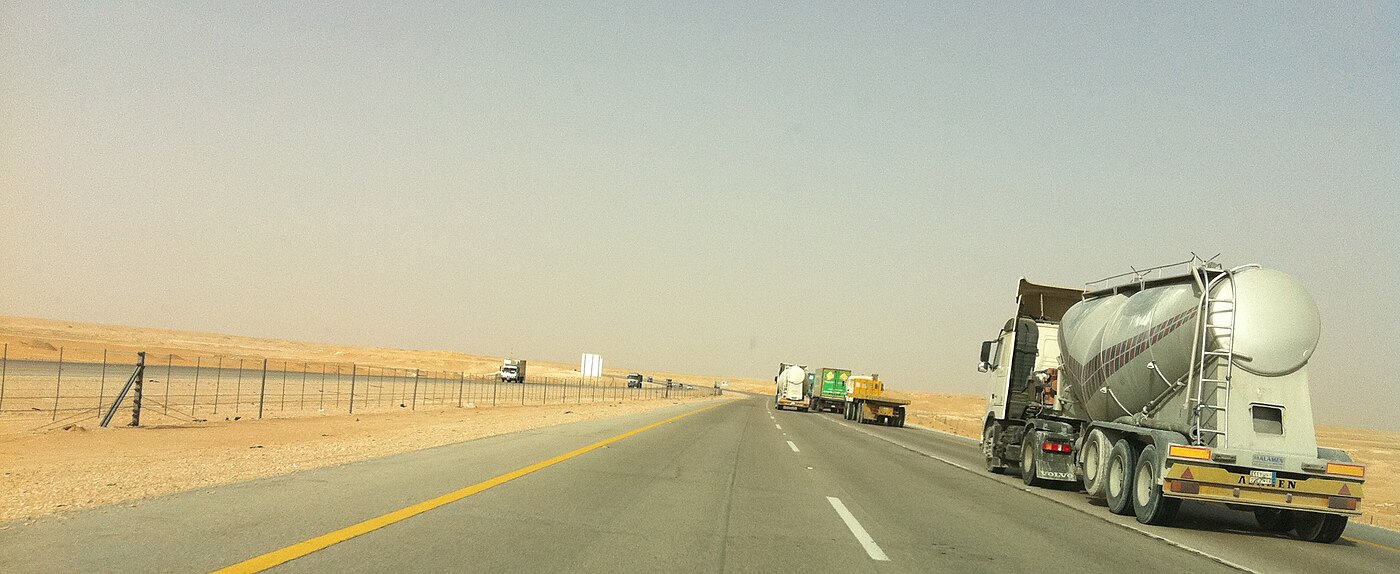
Modern Saher cameras are not limited to speed enforcement. The system uses high-resolution 360-degree cameras with AI-powered image recognition, radar-based speed detection (including the Multanova radar platform in Jeddah), infrared capability for low-light and dust-storm conditions, and automatic number plate recognition (ANPR). The seven categories of violations that Saher cameras now record automatically include:
- Speeding — both instantaneous and average-speed measurement between two camera points
- Running red lights — cameras at signalled intersections capture vehicles crossing after the light turns red
- Mobile phone use — including eating and drinking while driving
- Seatbelt violations — both driver and front-seat passenger
- Driving on hard shoulders, sidewalks, or pedestrian lanes
- Driving without headlights in tunnels, rain, or at night
- Damaged or illegible licence plates
Tourist tip: Saher cameras use average-speed measurement between fixed points. Slowing down only when you see a camera and speeding up afterwards will still result in a fine if your average speed between two camera positions exceeds the limit.
Impact on Road Safety
The Saher system has had a measurable impact on road safety in Saudi Arabia. According to published research, mortality rates in road traffic accidents fell from 13.2 percent before 2010 to 8.2 percent after the system was introduced. National road fatalities dropped from 9,031 in 2016 to 4,423 in 2023. By 2018, the system had issued over 170 million violations, collecting approximately SAR 10 billion (USD 2.67 billion) in fines since inception.
Speed Limits in Saudi Arabia
Speed limits vary by road type, location, and vehicle category. Tourists accustomed to European or North American speed limits should pay close attention, as urban limits in Saudi Arabia are lower than many visitors expect, while highway limits can be higher. Anyone planning to explore multiple cities should review our Riyadh and Jeddah travel guides for city-specific driving advice.
Speed Limits by Road Type
| Road Type | Speed Limit | Notes |
|---|---|---|
| School zones, hospitals, markets | 30–40 km/h | Strictly enforced; cameras often present |
| Residential streets | 50 km/h | Standard city-centre limit |
| Urban arterial roads | 60–80 km/h | Multi-lane city roads; varies by posted signs |
| Intercity / rural roads | 80–90 km/h | Two-lane roads between towns |
| National highways | 120 km/h | Standard maximum for cars on most highways |
| Select smart corridors | 140 km/h | Clearly posted; includes sections of Highway 40 and the Riyadh–Qiddiya expressway |
Vehicle-Specific Speed Limits
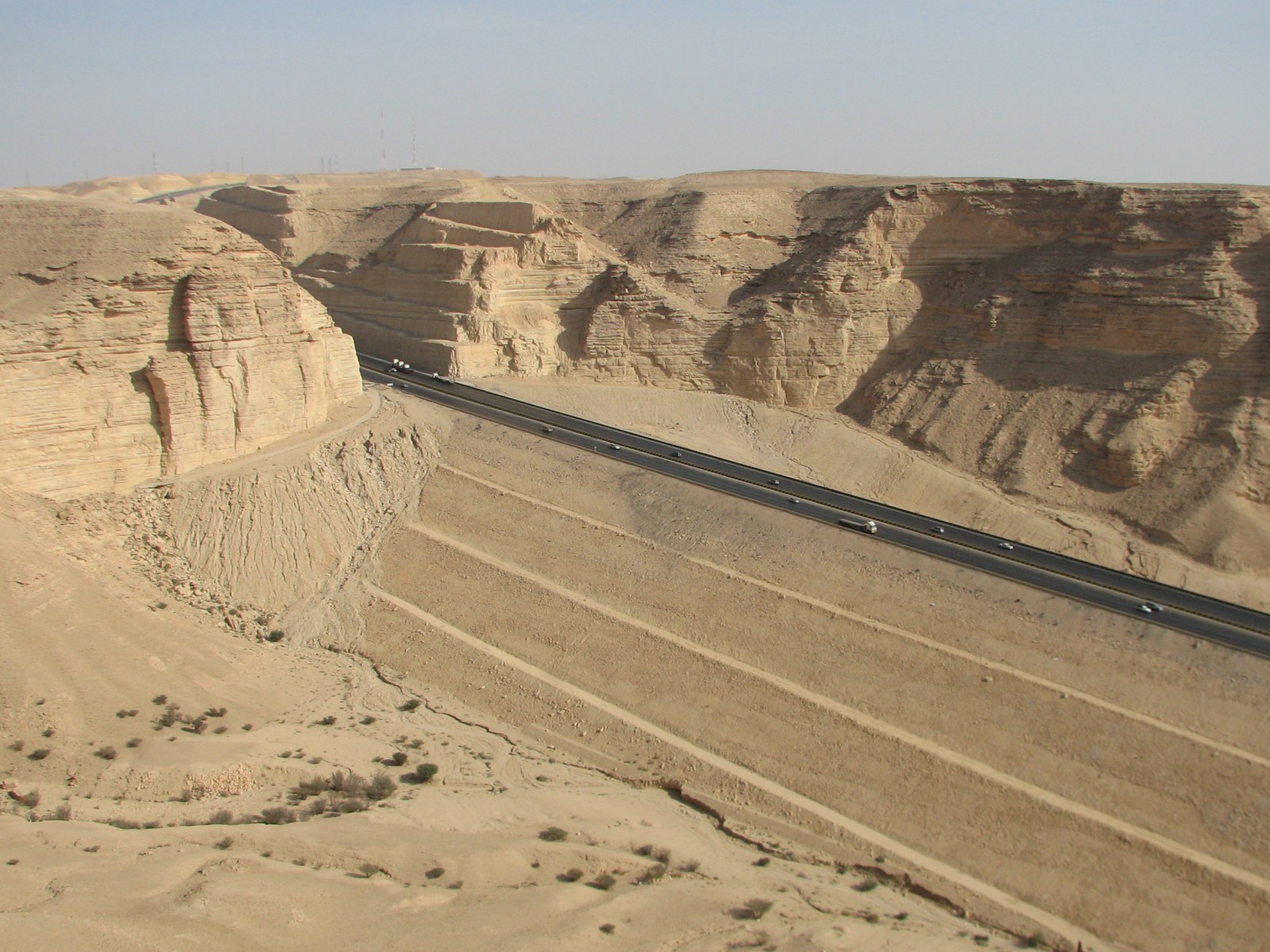
Even on roads where the posted limit is 120 or 140 km/h, certain vehicle categories have lower maximum speeds:
- Buses: Maximum 100 km/h on highways
- Trucks and heavy goods vehicles: Maximum 80–100 km/h depending on weight and vehicle type
- Light motor vehicles (cars): Up to the posted limit, maximum 140 km/h on designated roads
Tolerance and Buffer Zones
Some roads have minor enforcement tolerances — for example, cameras on a 120 km/h road may not trigger until approximately 130 km/h. However, this buffer is not guaranteed and narrows on higher-limit roads. On 140 km/h routes, fines are commonly issued above 145 km/h. The safest approach is to stay 5–10 km/h below the posted limit, particularly on unfamiliar roads.
Warning: Fog zones in certain areas (particularly along the Abha–Taif mountain roads) may have temporary speed reductions to as low as 15 km/h. Variable-message signs display the reduced limit, and Saher cameras enforce it.
Traffic Fine Amounts
Saudi Arabia’s traffic fine system is structured into eight categories based on violation severity, with fines ranging from SAR 100 for minor infractions to SAR 10,000 for extreme offences. The amounts below are set by the General Department of Traffic (Muroor) and apply to all drivers, including tourists.
Speeding Fines
| Speed Over Limit | Fine (SAR) | Approximate Fine (USD) | Category |
|---|---|---|---|
| Up to 25 km/h over the limit | SAR 300–500 | USD 80–133 | Category 6 |
| More than 25 km/h over the limit | SAR 500–900 | USD 133–240 | Category 5 |
The fine amount within each range depends on the exact speed recorded and the road type. Repeat offenders may receive fines at the higher end of the bracket.
Other Common Violations and Fines
| Violation | Fine (SAR) | Approximate Fine (USD) |
|---|---|---|
| Running a red light | SAR 3,000–6,000 | USD 800–1,600 |
| Using a mobile phone while driving | SAR 900 | USD 240 |
| Not wearing a seatbelt | SAR 150–300 | USD 40–80 |
| Driving without headlights (tunnels/night/rain) | SAR 2,000 | USD 533 |
| Driving on hard shoulders or sidewalks | Up to SAR 2,000 | Up to USD 533 |
| Damaged or illegible licence plate | SAR 2,000+ | USD 533+ |
| Illegal parking | Up to SAR 500 | Up to USD 133 |
| Not using turn signals | SAR 150–300 | USD 40–80 |
| Driving under the influence | SAR 5,000–10,000 | USD 1,333–2,666 |
| Drifting or racing on public roads | SAR 5,000–10,000 | USD 1,333–2,666 |
Note: Running a red light is one of the most heavily penalised violations in Saudi Arabia. At SAR 3,000–6,000 per offence, a single red-light violation can cost more than an entire week of car hire. Saher cameras at intersections capture both the red-light violation and any associated speeding.
How Fines Work for Tourists and Rental Car Drivers
This section is critical for anyone visiting Saudi Arabia on a tourist visa and renting a car.
Fines Are Linked to Your Border Number
When you enter Saudi Arabia, you are assigned a border number (رقم الحدود). All traffic violations recorded by Saher cameras are linked to this number through the vehicle’s licence plate registration. The rental company’s vehicle is registered in their system, and the fine is initially assigned to the car. The rental company then transfers the liability to the driver who had the vehicle at the time of the violation.
How Rental Companies Handle Fines
- Most rental companies include a clause in their contract allowing them to charge your credit card for any fines incurred during the rental period.
- Fines may appear on your card days or even weeks after you return the vehicle, as Saher violations can take 24–72 hours to be processed and assigned.
- Some companies add an administrative fee (typically SAR 50–100) on top of each fine for processing.
- Insurance does not cover traffic fines — only accident-related damage.

Can Unpaid Fines Stop You Leaving Saudi Arabia?
Yes. Border authorities check for outstanding violations when you exit the country. Unpaid traffic fines can result in a hold at the airport or land border, preventing you from departing until the fines are settled. Even if you are not stopped on departure, unpaid fines are linked to your passport record and can cause problems if you attempt to re-enter Saudi Arabia or transit through another GCC country. Since 2025, GCC nations have been linking traffic violation databases, meaning a fine in Saudi Arabia could be recognised and enforced in the UAE, Bahrain, Kuwait, Qatar, or Oman.
Important: Always check for outstanding fines before heading to the airport for your departure flight. Allow at least 24–48 hours for any recent violations to appear in the system.
How to Check and Pay Traffic Fines
Saudi Arabia offers several digital platforms for checking and paying traffic fines. Tourists do not need to visit a police station or traffic office in person.
Absher Platform
Absher (absher.sa) is the Saudi government’s primary e-services portal. Visitors can check traffic violations using the “Query Traffic Violation for Visitor” service, which requires your border number and violation number. The Absher platform supports online payment via linked bank accounts or payment cards.
Efaa National Violations Platform
Efaa is the national violations payment platform that consolidates traffic fines and other government penalties into a single interface. Visitors can search for violations by entering their border number and date of birth. Payment is processed through SADAD (the Saudi payment network) or Mada debit cards.
Bank ATMs and Online Banking
If you have a Saudi bank account (common for longer-stay visitors or residents), you can pay fines through ATMs or online banking services using the SADAD system. Select “Government Payments,” then “Traffic Violations,” and enter your ID or border number.
Rental Company Settlement
If your rental company has already paid the fine on your behalf and charged your card, you do not need to pay again. Always request a receipt or confirmation from the rental company to avoid double payment.
Common Tourist Mistakes That Lead to Fines
Tourists driving in Saudi Arabia — whether on a Riyadh city trip or an intercity drive to AlUla — frequently incur fines for these avoidable mistakes:
1. Assuming Highway Speeds Apply in Cities
Saudi Arabia’s intercity highways allow 120–140 km/h, but urban limits drop to 50–80 km/h. Many tourists fail to adjust when entering a city, particularly on ring roads and urban expressways that look like highways but carry lower limits. The transition is not always clearly marked, and Saher cameras are positioned at these boundary points.
2. Ignoring Average-Speed Cameras
Unlike point-speed cameras that measure your speed at a single location, average-speed cameras calculate your speed over a distance between two camera points. Driving at 130 km/h on a 120 km/h road, slowing to 110 km/h past the camera, then accelerating again will still produce an average over the limit.
3. Using a Mobile Phone
A SAR 900 fine for mobile phone use is one of the most common penalties tourists receive. This includes holding a phone for navigation, making calls, or even checking messages at a red light. Use a dashboard mount or the vehicle’s built-in screen for navigation. Eating and drinking while driving is also classified under this violation category.
4. Not Wearing a Seatbelt
Seatbelt enforcement applies to both driver and front-seat passenger. Saher cameras can detect seatbelt violations, and the fine of SAR 150–300 applies per person, per incident.
5. Running Yellow Lights
In Saudi Arabia, the penalty for crossing an intersection after the light has turned red is SAR 3,000–6,000. Many tourists from countries with more lenient amber-light enforcement are caught. If the light turns yellow and you can stop safely, stop.

6. Driving Without Headlights in Tunnels
Saudi Arabia requires headlights to be on in tunnels, during rain, and at night. The fine of SAR 2,000 for driving without headlights surprises tourists who assume daytime running lights are sufficient. In tunnels, you must switch to dipped (low-beam) headlights.
7. Speeding in School Zones
School zones carry limits of 30–40 km/h, and the enforcement periods cover school hours. The reduced limits are posted on signs, but tourists unfamiliar with Arabic road signage may miss them. Most school zone signs include the international red-circle speed symbol with the number, but always be alert in residential areas during morning and afternoon hours.
What Happens If You Receive a Saher Flash
If a Saher camera records a violation, you may notice a flash — either a single flash or a double flash. A single flash typically indicates that the camera has recorded your speed for monitoring purposes. A double flash indicates that a violation has been recorded. However, not all cameras use visible flashes, and newer models operate without any visible indication.
The violation is processed within 24–72 hours and linked to the vehicle’s registration. For rental vehicles, the rental company is notified and the violation is transferred to the renter. You can check for new violations on the Absher or Efaa platforms using your border number.
Tips to Avoid Fines
- Use GPS navigation with speed alerts. Google Maps and Waze both display speed limits on Saudi roads and warn you when you exceed them. This is the single most effective way to avoid fines.
- Stay 5–10 km/h below the posted limit, especially on unfamiliar roads and in urban areas.
- Mount your phone on the dashboard. If you must use your phone for navigation, secure it in a mount before you start driving. Touching your phone while driving is a SAR 900 fine.
- Wear your seatbelt. Both driver and front passenger.
- Stop on yellow. If you can stop safely, do so. The red-light fine is SAR 3,000–6,000.
- Watch for speed limit changes when entering cities, school zones, construction areas, and fog zones.
- Check for fines daily if you are driving a rental car. Log into Absher or Efaa with your border number each evening.
- Keep headlights on in tunnels, at night, and during any rain or dust storms.
- Do not drive on hard shoulders, even in heavy traffic. The fine is up to SAR 2,000.
- Allow extra time before departure. Check for outstanding fines at least 48 hours before your flight and settle any balances.
Recent Changes to Saudi Traffic Laws
Saudi Arabia has been progressively tightening traffic enforcement as part of its Vision 2030 road safety targets. Key recent developments include:
- Seven new automated violation categories: Saher cameras now detect mobile phone use, seatbelt violations, driving on hard shoulders, headlight violations, licence plate damage, illegal parking, and lane discipline for trucks — all in addition to speeding and red-light enforcement.
- 50% fine discount programme: In 2024–2025, the Ministry of Interior offered a 50 percent reduction on accumulated traffic fines for violations committed before April 2024, applicable to citizens, residents, and visitors. The discount deadline was 18 April 2025. Check current availability, as the programme may be extended or renewed.
- Truck-specific enforcement: Lane discipline violations for trucks carry a SAR 2,000 fine, and skipping weigh stations incurs a SAR 5,000 penalty, doubled if repeated within one year.
- GCC-linked violations: Traffic violations are being linked across all six GCC countries, meaning a fine in Saudi Arabia will be visible and potentially enforceable in the UAE, Bahrain, Kuwait, Qatar, and Oman.
Driving in Saudi Arabia — Practical Context
Understanding speed cameras and fines is just one part of driving safely in Saudi Arabia. For comprehensive guidance on road rules, licence requirements, fuel, road conditions, and driving culture, see our dedicated Driving in Saudi Arabia guide. If you are renting a vehicle, our Car Hire in Saudi Arabia guide covers costs, insurance, rental company options, and tips for tourists.
Saudi Arabia’s road network is extensive and generally well-maintained, making self-driving an excellent way to explore the Kingdom. The intercity highways connecting Riyadh, Jeddah, Dammam, and more remote destinations like AlUla and Tabuk are well-signed and offer excellent facilities. But respect the speed limits, watch the cameras, and keep your fines at zero.
Explore More Saudi Arabia Travel Guides
- Saudi Arabia Travel Guide 2026 — The complete guide to visiting the Kingdom
- Driving in Saudi Arabia — Road rules, licences, and what to expect on the road
- Car Hire in Saudi Arabia — How to rent a car, costs, and top tips
- Riyadh Travel Guide — Everything you need to know about the Saudi capital
- Jeddah Travel Guide — The Red Sea city of art, food and the Grand Mosque
- Saudi Arabia Visa Guide — Every visa type explained