
Saudi Arabia requires every tourist visa holder to carry health insurance, and basic coverage is bundled directly into the cost of your e-visa. But that mandatory policy has serious gaps — a $27,000 medical cap, no trip cancellation protection, no adventure sports coverage, and no meaningful medical evacuation benefit. If you are planning a trip to the Kingdom, whether to explore the ancient tombs of AlUla, dive the Red Sea, or undertake the Hajj pilgrimage, this guide breaks down exactly what you get with your visa, where it falls short, and which supplementary providers fill those gaps. For full planning advice, start with our Saudi Arabia Travel Guide 2026.
Best Time to Visit: October–March (cooler months; insurance premiums do not vary by season)
Getting There: Direct flights to Riyadh (RUH), Jeddah (JED), or Dammam (DMM) from most major hubs
Visa Required: Yes — tourist e-visa (SAR 535, includes basic health insurance)
Budget: $0 extra (mandatory coverage included) to $45–250 for supplementary plans
Must-Know: Mandatory visa insurance caps at SAR 100,000 (~$27,000); medical evacuation to the US can exceed $250,000
Avoid: Assuming your visa-bundled insurance is sufficient for adventure activities, Hajj, or high-value trips
Is Travel Insurance Mandatory for Saudi Arabia?
Yes. Since the launch of Saudi Arabia’s tourist visa programme in September 2019, health insurance has been a compulsory component of every tourist visa issued by the Kingdom. When you apply for a Saudi e-visa or receive a visa on arrival, a health insurance policy is automatically included in the visa fee. You do not need to purchase a separate policy to enter the country.
The total tourist visa fee of SAR 535 (approximately $142) covers both the visa itself and the mandatory health insurance premium. The policy is provided by Tawuniya, Saudi Arabia’s largest insurance company, in partnership with the Council of Health Insurance (CHI). It activates automatically upon your arrival in Saudi Arabia and remains valid for the duration of your visa — up to 90 days for tourist visas, with multiple entries permitted within a one-year window.
This means you can technically enter Saudi Arabia without buying any additional insurance. But whether you should rely solely on that mandatory policy is a different question entirely.
What the Mandatory Visa Insurance Covers
The Tawuniya policy bundled with your Saudi tourist visa provides the following:
| Benefit | Coverage Limit |
|---|---|
| Emergency medical treatment | Up to SAR 100,000 (~$27,000) |
| Hospitalisation | Included within the SAR 100,000 cap |
| Diagnostic services and medications | Included within the SAR 100,000 cap |
| Emergency dental (pain relief / trauma only) | Limited coverage |
| Medical evacuation (basic transport) | Minimum SAR 10,000 (~$2,700) |
| Repatriation of remains | Minimum SAR 10,000 (~$2,700) |
| COVID-19 treatment (including quarantine) | Included |
You can verify your coverage status through the CHI website at chi.gov.sa using your visa number.
What the Mandatory Policy Does NOT Cover
The gaps in the visa-bundled policy are significant, and they are the reason most experienced travellers purchase supplementary coverage:
- Trip cancellation or interruption: If your flights are cancelled, your hotel goes bankrupt, or a family emergency forces you home early, the mandatory policy offers nothing.
- Adventure sports and activities: Scuba diving, dune bashing, mountain hiking, rock climbing, sandboarding — none of these are covered. If you are injured during any activity beyond basic sightseeing, you are on your own.
- Adequate medical evacuation: The SAR 10,000 (~$2,700) evacuation benefit is a fraction of what an air ambulance actually costs. According to the US Department of State, medical evacuation from the Middle East to the United States can exceed $250,000.
- Personal liability: If you accidentally injure someone or damage property, the visa policy will not help.
- Baggage loss, theft, or delay: No coverage.
- Routine dental or vision care: Only emergency trauma-related dental treatment is included.
- Pre-existing medical conditions: Typically excluded.
- Expenses exceeding the $27,000 cap: A single night in a private Saudi hospital ICU can cost SAR 5,000–15,000. A serious road accident or cardiac event could exhaust the entire policy within days.
- For the mandatory visa insurance: Present your visa number and passport at any CHI-approved hospital. The hospital will verify your coverage directly with the insurer. You should not need to pay upfront for emergency treatment within the policy limits — but carry cash or a card as a backup, since verification can sometimes be slow.
- For supplementary insurance: Contact your provider’s 24/7 assistance line before seeking treatment (if the situation allows). Most providers require pre-authorisation for non-emergency treatment. Keep all receipts, medical reports, and invoices — you will need them for reimbursement claims.
- Private hospitals: Major private hospital groups in Riyadh, Jeddah, and Dammam are accustomed to dealing with foreign insurance. Dr. Sulaiman Al Habib Medical Group and Saudi German Hospital both have dedicated international patient departments.
- Carry both policy numbers: Keep your visa insurance reference (linked to your visa number) and your supplementary policy details in an easily accessible digital format — a screenshot in your phone’s camera roll works.
- Download your provider’s app: World Nomads, SafetyWing, Heymondo, and Allianz all have mobile apps with digital ID cards, claim filing, and 24/7 chat support.
- Know the nearest hospital: Before heading to remote areas (the Empty Quarter, Asir Mountains, Tabuk canyons), identify the nearest hospital with an emergency department. Google Maps works well in Saudi Arabia for hospital locations.
- Keep receipts for everything: If you need to file a claim, you will need itemised receipts for all medical expenses, pharmacy purchases, and any additional travel costs incurred due to the medical event.
- Understand the claims process before you leave: Read your policy’s claims procedure. Some providers require you to call before seeking treatment (except in life-threatening emergencies). Others allow you to pay out of pocket and submit for reimbursement later.
- Check your credit card: Some premium credit cards (Chase Sapphire Reserve, Amex Platinum, Citi Prestige) include trip cancellation and limited medical coverage. Check whether your card benefits apply to Saudi Arabia before purchasing duplicate coverage.
- Direct from providers: World Nomads, SafetyWing, Allianz Travel, Heymondo
- Comparison sites: Squaremouth and InsureMyTrip let you compare dozens of plans side by side, filtered by destination, trip cost, and coverage needs
- Travel agencies: If you are booking through a Saudi Arabia tour operator, they may offer group insurance packages — compare these against standalone policies before committing
- Saudi Arabia Travel Guide 2026 — The complete guide to visiting the Kingdom
- Health and Vaccinations for Saudi Arabia — What shots and medications you need before your trip
- Saudi Arabia Entry Requirements — Documents, health rules, and customs regulations
- Is Saudi Arabia Safe for Tourists? — Honest security assessment and practical tips
- Saudi Arabia Packing List — What to bring and what to leave home
- Saudi Arabia Visa Guide — Every visa type explained

Why You Need Supplementary Travel Insurance
The mandatory visa insurance is a safety net, not a comprehensive shield. Here is why supplementary coverage matters for Saudi Arabia specifically:
Healthcare Costs Are High for Foreigners
Saudi Arabia operates a dual healthcare system. Government hospitals serve Saudi nationals at low or no cost, but foreign visitors are directed to private hospitals where fees are substantially higher. A GP consultation at a private hospital in Riyadh or Jeddah costs SAR 200–500 ($53–133). Specialist consultations run SAR 400–800. An MRI scan can cost SAR 2,000–5,000. Surgery, depending on complexity, can range from SAR 20,000 to well over SAR 100,000 — which could consume your entire mandatory insurance cap in one procedure.
For practical health advice before your trip, including recommended vaccinations, see our Health and Vaccinations for Saudi Arabia guide.
The Country Is Vast and Remote
Saudi Arabia is the size of Western Europe. If you are hiking in the Asir Mountains, exploring the canyons of Tabuk region, or camping in the Empty Quarter, you could be hours from the nearest hospital. Medical evacuation by helicopter from a remote desert location to a major hospital in Riyadh, Jeddah, or Dammam is genuinely expensive — and the visa policy’s SAR 10,000 evacuation cap would not cover even the first hour of flight time.
Adventure Tourism Is Growing Fast
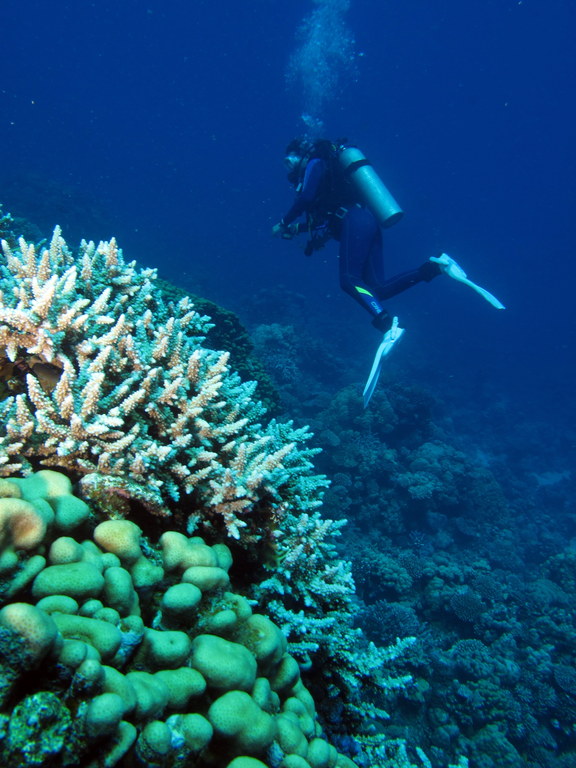
Saudi Arabia’s Vision 2030 tourism push has opened up an enormous range of activities that standard insurance policies typically exclude. Red Sea scuba diving, sandboarding, paragliding, hot air ballooning over AlUla, and camel trekking are all popular options that carry inherent risk — and none are covered by the visa-bundled policy.
Best Travel Insurance Providers for Saudi Arabia
The following providers offer supplementary policies that work well alongside the mandatory Saudi visa insurance. Each has strengths suited to different types of traveller.
World Nomads — Best for Adventure Travellers
World Nomads is the go-to provider for travellers planning active trips. Their policies cover over 150 adventure activities by default, including scuba diving, dune bashing, sandboarding, rock climbing, and camel trekking — all activities commonly undertaken in Saudi Arabia.
| Feature | Standard Plan | Explorer Plan |
|---|---|---|
| Emergency medical | $100,000 | $250,000 |
| Medical evacuation | $300,000 | $500,000 |
| Trip cancellation | $2,500 | $10,000 |
| Adventure activities | 150+ | 200+ (including higher-risk sports) |
| Approximate cost (2-week trip, age 30–39) | $40–80 | $70–140 |
Best for: Backpackers, solo travellers, and anyone planning to do more than sightseeing. Particularly suited to visitors heading to AlUla for rock climbing, the Red Sea coast for diving, or the Empty Quarter for desert activities.
Key limitation: You cannot upgrade from Standard to Explorer mid-trip. Choose your plan before departure.
Allianz Travel Insurance — Best for Trip Protection
Allianz is the strongest choice if your primary concern is protecting non-refundable costs — flights, hotels, tour packages, and event tickets. Their trip cancellation coverage is among the most generous available.
| Feature | OneTrip Prime | OneTrip Premier |
|---|---|---|
| Emergency medical | $50,000 | $100,000 |
| Medical evacuation | $500,000 | $1,000,000 |
| Trip cancellation | Up to 100% of trip cost | Up to 100% of trip cost |
| Baggage loss/delay | $1,000 | $2,000 |
| Approximate cost (2-week trip, $3,000 trip cost) | $80–150 | $130–250 |
Best for: Travellers with expensive pre-booked packages, families, and anyone whose Saudi Arabia trip involves significant non-refundable costs. Children aged 17 and under are covered free when travelling with a parent or grandparent (not available in all US states).
Key limitation: Adventure sports coverage is more limited than World Nomads. Check the specific activities list before purchasing if you plan to dive or do desert sports.
SafetyWing — Best for Digital Nomads and Long Stays
SafetyWing’s Nomad Insurance was built specifically for remote workers and long-term travellers. If you are staying in Saudi Arabia for more than a couple of weeks, or combining it with travel through other Middle Eastern countries, SafetyWing’s subscription model is hard to beat on value.
| Feature | Nomad Essential | Nomad Complete |
|---|---|---|
| Emergency medical | $250,000 | $250,000 + wellness benefits |
| Medical evacuation | $100,000 | $100,000 |
| Trip cancellation | Not included | Not included |
| Coverage period | 4-week rolling (auto-renews) | 4-week rolling (auto-renews) |
| Approximate cost (age under 40) | $56 per 4 weeks | $99 per 4 weeks |
Best for: Digital nomads, long-stay visitors, and multi-country travellers. Particularly useful if you are basing yourself in Riyadh or Jeddah while working remotely.
Key limitations: No trip cancellation coverage. No deductible on either plan, which is a plus. The Complete plan is not available to those who reside in Saudi Arabia for six months or more per year.
Heymondo — Best for Customisation
Heymondo offers a flexible, modular approach to travel insurance. You start with a base plan and add extras — adventure sports coverage, electronics protection, higher cancellation limits — to build exactly the policy you need. Their 24/7 app includes live chat and video medical consultations.
Best for: Travellers who want granular control over their coverage, or those who need electronics coverage (useful if you are carrying expensive camera equipment for photography in AlUla or the Asir Mountains).
Approximate cost: $30–120 for a two-week trip, depending on add-ons selected.
IMG (International Medical Group) — Best for Medical Evacuation
If medical evacuation is your top concern — for example, if you are travelling with elderly family members or visiting remote areas — IMG offers plans with up to $2,000,000 in medical evacuation coverage, the highest in the industry.
Best for: Older travellers, those with underlying health conditions, and anyone whose itinerary includes remote areas far from major hospitals.
Tip: You can stack supplementary insurance on top of the mandatory visa insurance. If you need to make a claim, the mandatory policy pays first (up to its limits), and your supplementary policy covers the remainder. Always keep both policy numbers accessible during your trip.
How to Choose the Right Policy
The best travel insurance for your Saudi Arabia trip depends on your itinerary, health profile, and risk tolerance. Use this decision framework:
Scenario 1: Short City Break (Riyadh, Jeddah, or Dammam)
If you are spending a week in major cities visiting museums, restaurants, and malls, the mandatory visa insurance may genuinely be sufficient. Saudi Arabia’s cities have excellent private hospitals (Dr. Sulaiman Al Habib, Saudi German Hospital, and King Faisal Specialist Hospital are all internationally accredited). The SAR 100,000 cap should cover most non-catastrophic medical events.
Recommended: Mandatory visa insurance only, or a basic Allianz OneTrip plan if you have expensive flights to protect.
Scenario 2: Adventure and Exploration Trip
If your itinerary includes diving in the Red Sea, dune bashing near Riyadh, hiking in the Asir Mountains, or desert camping in Tabuk region, you need adventure sports coverage and higher medical/evacuation limits.
Recommended: World Nomads Explorer plan ($70–140 for two weeks).
Scenario 3: Hajj or Umrah Pilgrimage
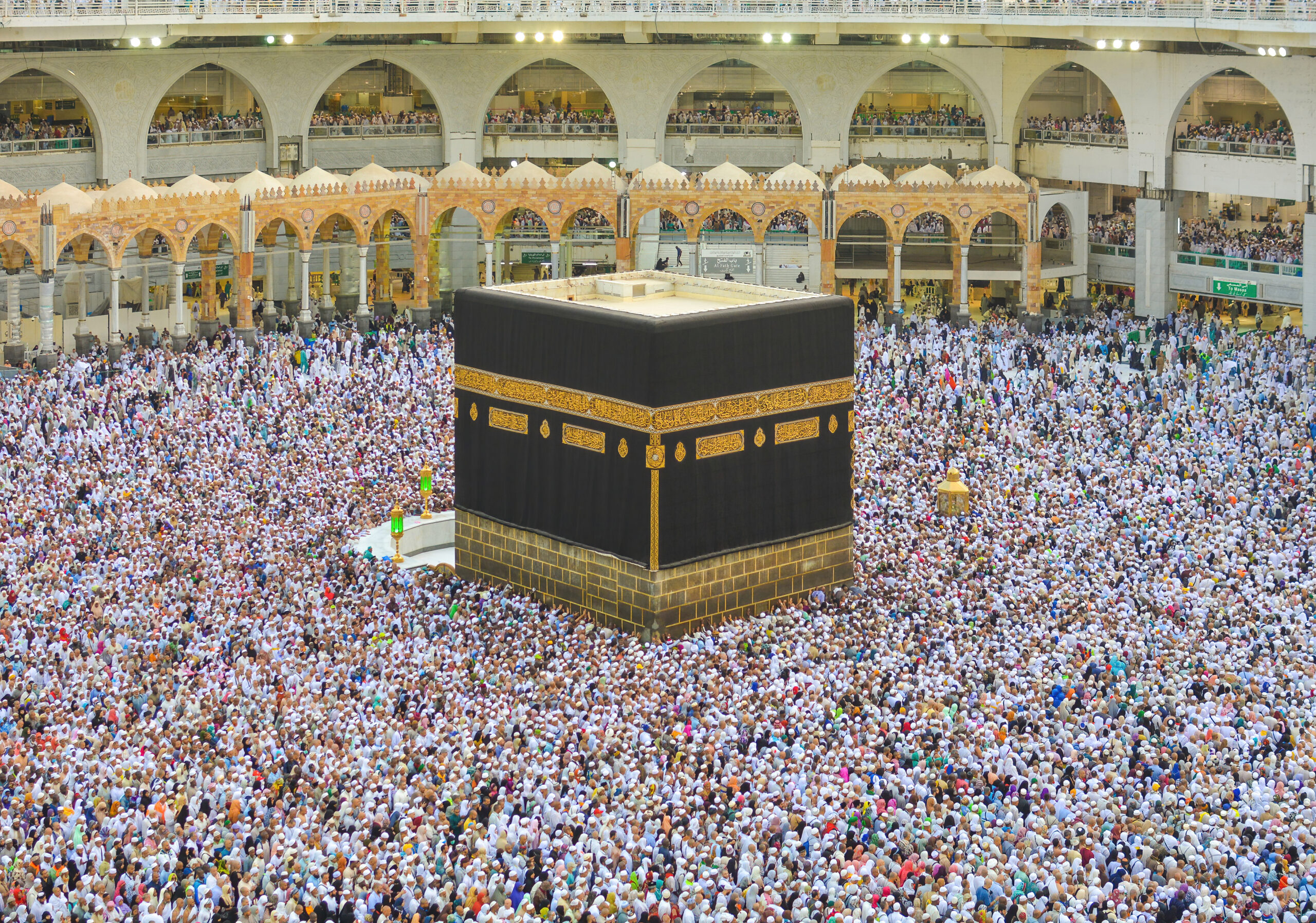
Pilgrimage carries unique risks: extreme heat (Mecca regularly exceeds 45°C in summer), crowd density, physical exhaustion from walking long distances, and respiratory infections from close-quarters accommodation. The Saudi government provides 90-day health coverage linked to Hajj and Umrah visas, similar to the tourist visa policy, but with the same limitations. Read our Hajj 2026 Guide for comprehensive pilgrimage planning.
Recommended: Allianz or a dedicated Hajj/Umrah policy (Allianz offers one through its Middle East operations). Ensure coverage for heat-related illness, medical evacuation, and repatriation of remains.
Scenario 4: Digital Nomad or Long Stay
If you are staying for more than two weeks, a traditional trip-based policy becomes expensive. SafetyWing’s subscription model ($56 per four weeks for under-40s) is far more cost-effective for extended stays.
Recommended: SafetyWing Nomad Essential or Complete.
Scenario 5: Family Holiday
Travelling with children changes the calculus. You want trip cancellation (children get sick unpredictably), high medical limits, and a provider with responsive 24/7 support.
Recommended: Allianz OneTrip Premier (children free when travelling with parents) or Heymondo with add-ons.
What to Look for in a Saudi Arabia Travel Insurance Policy
Whatever provider you choose, ensure your supplementary policy includes these minimum benchmarks:
| Coverage Type | Minimum Recommended | Why |
|---|---|---|
| Emergency medical | $100,000 | Private hospital costs in Saudi Arabia are high; a single surgery can exhaust the mandatory $27,000 cap |
| Medical evacuation | $250,000 | Air ambulance from Riyadh to the US or Europe can exceed $200,000 |
| Trip cancellation | 100% of non-refundable trip cost | Protects your investment if you cannot travel |
| Adventure sports | Explicit inclusion of planned activities | The visa policy excludes all adventure activities |
| 24/7 assistance hotline | English-speaking support | You may need help navigating Saudi hospitals where staff speak Arabic primarily |
| Repatriation of remains | $50,000+ | The visa policy’s SAR 10,000 is inadequate for international repatriation |
How to Make a Claim in Saudi Arabia
If you need medical treatment during your trip:
Important: Save your insurance policy documents, emergency contact numbers, and claim reference numbers in both your phone and a printed copy. Saudi Arabia’s mobile network coverage is excellent in cities but patchy in remote desert and mountain areas. See our SIM Card Guide and eSIM Guide for staying connected.
Special Considerations for Specific Traveller Types
US Citizens
The US has no reciprocal healthcare agreement with Saudi Arabia. US travel insurance is not universally accepted at Saudi hospitals, so ensure your policy explicitly covers Saudi Arabia as a destination. The US State Department strongly recommends medical evacuation coverage of at least $100,000 for travel to the Middle East.
UK and EU Citizens
The UK’s GHIC (Global Health Insurance Card) and EU EHIC are not valid in Saudi Arabia. You need private travel insurance. The UK Foreign, Commonwealth and Development Office (FCDO) advises all travellers to Saudi Arabia to take out comprehensive travel insurance that covers medical treatment abroad, including medical repatriation.
Travellers with Pre-Existing Conditions
The mandatory visa insurance typically excludes pre-existing conditions. If you have diabetes, heart disease, respiratory conditions, or other chronic illnesses, you need a supplementary policy that either covers pre-existing conditions outright or allows you to declare them for an additional premium. Allianz OneTrip Prime includes pre-existing condition coverage as standard (subject to eligibility requirements).
Over-65 Travellers
Insurance premiums increase significantly after age 65. SafetyWing’s Nomad Essential costs approximately $218 per month for travellers aged 60–69, compared to $56 for under-40s. World Nomads and Allianz also charge higher premiums. Shop around and get quotes from multiple providers — comparison sites like Squaremouth and InsureMyTrip allow side-by-side comparison.
Practical Tips for Managing Insurance on Your Trip
Frequently Asked Questions
Can I enter Saudi Arabia without travel insurance?
No — insurance is mandatory and included in your visa fee. You will have coverage automatically when you arrive. The question is whether that basic coverage is enough for your trip.
Does the mandatory insurance cover COVID-19?
Yes. The Tawuniya policy linked to your visa covers COVID-19 treatment, including quarantine costs if medically required.
Is the mandatory insurance valid for the entire one-year visa period?
The insurance covers each individual visit for up to 90 consecutive days. If you leave and re-enter Saudi Arabia within the visa’s one-year validity, a new insurance period begins.
Can I use my home country’s health insurance in Saudi Arabia?
Most domestic health insurance plans do not provide international coverage. Check with your provider. Even if your plan has an international component, it may not cover medical evacuation or repatriation — the two most expensive risks.
What if I am doing Hajj or Umrah? Do I get separate insurance?
Yes. Hajj and Umrah visas include their own mandatory health coverage (up to 90 days), provided by the Council of Health Insurance. The coverage limits and exclusions are similar to the tourist visa policy. Given the unique physical demands of pilgrimage, supplementary coverage is strongly recommended.
Does travel insurance cover flight delays or cancellations?
The mandatory visa insurance does not. Supplementary policies from Allianz, World Nomads, and Heymondo typically include coverage for significant delays (usually 6–12 hours) and cancellations, subject to the specific terms of each plan.
Where to Buy Travel Insurance for Saudi Arabia
You can purchase supplementary travel insurance at any point before or during your trip (though buying before departure gives you access to trip cancellation coverage). Here are the most efficient routes: