
Ride-hailing apps have transformed how visitors get around Saudi Arabia. Whether you are landing at King Khalid International Airport in Riyadh or navigating the sprawling streets of Jeddah, Uber and Careem are the two apps you need on your phone. Both are licensed by the Transport General Authority (TGA), both accept international credit cards, and both work in every major Saudi city. This guide, part of our Saudi Arabia Travel Guide 2026, explains exactly how to use them, what each ride category costs, and which app to choose in different situations.
Best Time to Use: Year-round — essential during Hajj and Ramadan seasons when street taxis are overwhelmed
Available In: Riyadh, Jeddah, Mecca, Medina, Dammam, Khobar, Tabuk, Abha, Taif, and most cities
Visa Required: Yes — tourist e-visa or Hajj/Umrah visa
Typical Fare: SAR 15–40 (USD 4–11) for a standard city ride; SAR 8 minimum
Recommended App: Download both — Uber for reliability, Careem for local features and Hala Taxi integration
Avoid: Unlicensed street taxis — fines up to SAR 20,000 for drivers and risk for passengers
Why Ride-Hailing Apps Are Essential in Saudi Arabia
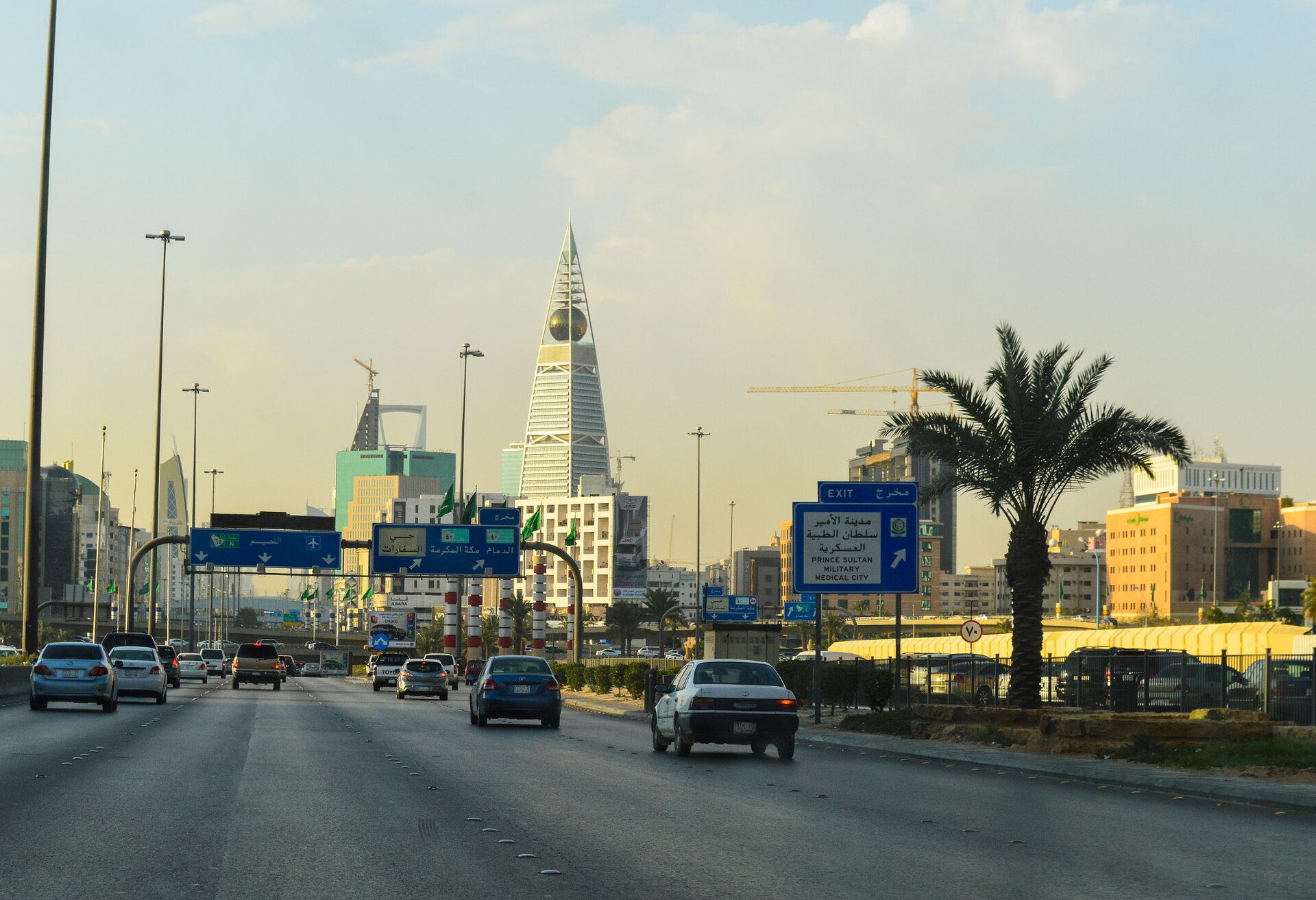
Saudi Arabia is a car-dependent country. Cities are vast, pavements are rare outside malls, and summer temperatures regularly exceed 45°C. Public transport is improving — the Riyadh Metro opened its first lines in late 2024 — but for most visitors, app-based taxis remain the practical way to get around.
The numbers confirm this: in the second quarter of 2025, ride-hailing platforms across the Kingdom completed over 32 million trips, a 104% increase year-on-year, with the number of active drivers reaching 263,000. The Transport General Authority (TGA) licenses all ride-hailing operators, meaning every Uber and Careem driver you book has passed background checks and holds a valid commercial transport licence.
Crucially, Saudi law now prohibits unlicensed passenger transport entirely. The TGA imposes fines of up to SAR 20,000 and vehicle impoundment for up to 60 days on unlicensed operators. For non-Saudi violators, deportation is possible. This means the days of haggling with informal taxi touts outside airports are over — stick to the apps.
Uber in Saudi Arabia: What You Need to Know
Uber entered Saudi Arabia in 2014 and acquired Dubai-based Careem in 2020 for $3.1 billion. Despite the shared ownership, the two apps operate independently with different interfaces, pricing, and driver pools. Uber is the app most international visitors already have installed.
Uber Ride Categories
| Category | Vehicle Type | Capacity | Best For |
|---|---|---|---|
| UberX | Standard sedan (Toyota Corolla, Hyundai Accent) | 4 passengers | Everyday rides, short trips |
| Comfort | Newer sedan with extra legroom (Toyota Camry, Hyundai Sonata) | 4 passengers | Longer journeys, airport transfers |
| UberXL | SUV or minivan (Toyota Fortuner, Hyundai Staria) | 6 passengers | Families, groups, extra luggage |
| Uber Black | Premium sedan (Lexus ES, BMW 5 Series) | 4 passengers | Business meetings, special occasions |
Uber Pricing
UberX fares start with a base fare of approximately SAR 5–7, plus a per-kilometre rate of around SAR 1.0–1.5 and a per-minute charge of SAR 0.3–0.5. The minimum fare is SAR 8. A typical 10 km city ride in Riyadh costs SAR 20–30 (USD 5–8).
Surge pricing applies during peak hours, religious holidays, and major events. During Hajj season and Riyadh Season, fares can multiply 1.5–3x. The app always shows the estimated fare before you confirm, so there are no surprises.
Uber Payment Methods
- Credit/debit card — Visa, Mastercard, and Amex accepted, including international cards
- Cash — available in Riyadh and Jeddah (pay the driver directly)
- Apple Pay / Google Pay
- Uber Cash — prepaid wallet balance
Tip: Some drivers prefer cash and occasionally cancel card-payment rides. If this happens, simply rebook — it is rare but more common late at night. Adding a small cash tip alongside a card payment can improve your experience.
Careem in Saudi Arabia: The Local Favourite
Careem launched in 2012 as a ride-hailing startup in Dubai and has since evolved into a super app offering rides, food delivery, grocery delivery, courier services, and a digital wallet (Careem Pay). In Saudi Arabia, it often has more drivers available in smaller cities and during off-peak hours than Uber.
Careem Ride Categories
| Category | Vehicle Type | Best For |
|---|---|---|
| GO Budget | Older economy cars | Cheapest option for short distances |
| GO | Standard sedan (Corolla, Accent) | Reliable everyday rides |
| GO+ | Newer, more spacious sedan (Camry, Sonata) | Comfortable longer trips |
| Business | Premium vehicles (Lexus, BMW) | Executive-level transport |
| MAX | Large SUV or minivan | Groups of up to 6 passengers |
Careem Pricing
Base fares for Careem GO typically start at SAR 5–9, with distance rates of approximately SAR 1.0–2.0 per kilometre and time rates of SAR 0.3–0.8 per minute. GO Budget can be 15–25% cheaper than standard GO for the same route. Like Uber, surge pricing applies during high-demand periods.
Careem Payment Methods
- Credit/debit card — international cards accepted
- Cash — widely available across all cities
- Careem Pay — digital wallet that earns cashback on rides
- Apple Pay
Hala Taxi Integration
Careem integrates with Hala Taxi, a government-regulated metered taxi service available through the Careem app. Hala taxis are licensed, use standard meters, and can be cheaper than private ride-hailing for short hops. You book them exactly like a regular Careem ride but select the Hala Taxi option. Careem offers an instant 10% cashback on Hala Taxi bookings paid through the app.
Uber vs Careem: Which Should You Use?
The honest answer: download both. They cost roughly the same and often have different availability depending on time, location, and demand. Here is when each app has the edge:
| Situation | Better App | Why |
|---|---|---|
| Airport pickup in Riyadh or Jeddah | Uber | Dedicated pickup zones clearly marked in the app |
| Smaller cities (Tabuk, Abha, Taif) | Careem | Larger driver pool in secondary Saudi cities |
| Cheapest possible fare | Careem GO Budget | Lowest category available on either platform |
| Premium ride | Either | Uber Black and Careem Business are comparable |
| Paying cash | Careem | Cash accepted in all cities, not just Riyadh and Jeddah |
| Super app features (food, delivery) | Careem | Food delivery, groceries, and Careem Pay built in |
| Already have an account from home | Uber | Your existing Uber account works in Saudi Arabia |
| Group of 5–6 | Careem MAX or UberXL | Both offer large-vehicle options |
Other Ride-Hailing Apps Worth Knowing
Uber and Careem dominate, but several alternatives operate in Saudi Arabia:
- Bolt — recently launched in Saudi Arabia with competitive pricing, often the cheapest for short trips. Growing fast in Riyadh and Jeddah.
- Jeeny — formerly Easy Taxi, a regional app known for short-distance rides and flexible payment methods including digital wallets. Has plans to electrify 50% of its fleet by 2028.
- Kaiian — a Saudi-founded app (2016) popular for budget-friendly rides, particularly among residents.
- InDrive — allows passengers to set their own fare and negotiate with drivers. Used more for inter-city commutes than tourist trips.
Our recommendation: Install Uber and Careem before you arrive. Add Bolt as a third option if you want to price-compare. The others are useful backups but not essential for short visits.
How to Get a Ride from Saudi Airports
Every major Saudi airport has dedicated ride-hailing pickup zones. Here is what to expect at the main gateways. For terminal layouts and transfer options, see our Saudi Arabia Airport Guide.
Riyadh — King Khalid International Airport (RUH)
After clearing immigration and collecting your bags, follow signs to the ride-hailing pickup area. The Uber and Careem apps will direct you to a specific pickup point that varies by terminal. Your driver’s name, car model, colour, and licence plate appear in the app — always verify these before getting in. A ride to central Riyadh (Olaya district) typically costs SAR 50–80 (USD 13–21) and takes 25–40 minutes depending on traffic.
Jeddah — King Abdulaziz International Airport (JED)
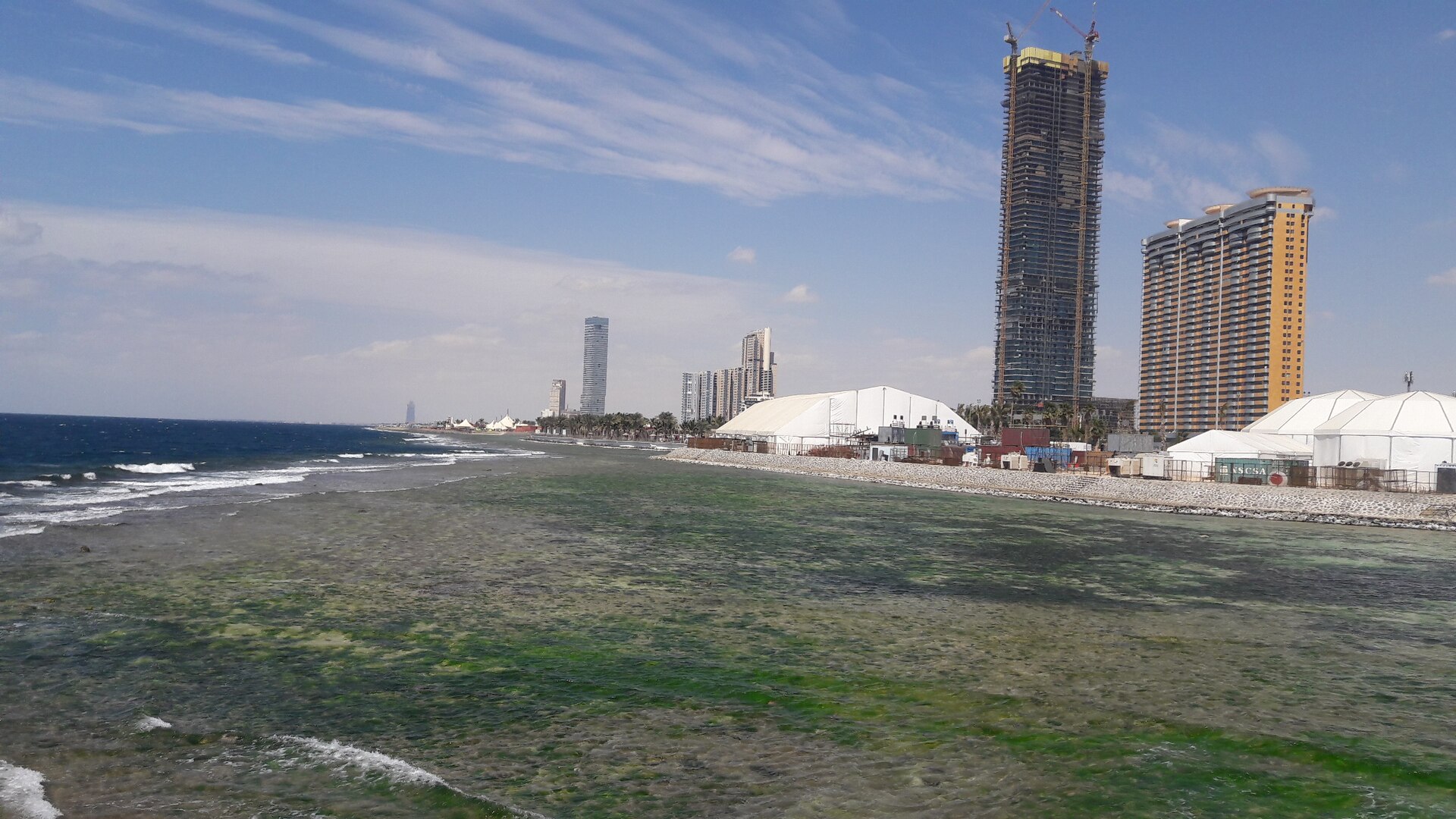
Jeddah’s new Terminal 1 has well-marked ride-hailing zones on the ground floor. A ride to Al Balad (the historic centre) or the Corniche costs approximately SAR 40–70 (USD 11–19). During Hajj and Umrah seasons, expect longer wait times and higher fares due to the enormous volume of arriving pilgrims.
Dammam — King Fahd International Airport (DMM)
King Fahd Airport serves the Dammam and Al Khobar region. Rides to central Dammam cost around SAR 60–90 as the airport sits 50 km northwest of the city. To Al Khobar, expect SAR 80–120.
Practical Tips for Using Ride-Hailing in Saudi Arabia
Set Up Before You Fly
- Download Uber and Careem and add your payment method before arriving. Both apps require phone number verification — if you plan to use a Saudi SIM, you can update the number later.
- Your existing Uber account from any country works in Saudi Arabia. Careem may require a separate registration if you don’t already have one.
- Enable location services on your phone. GPS accuracy matters — Saudi addresses often lack street numbers, so the pin drop is how your driver finds you.
Understand Surge Pricing
Fares spike during:
- Friday prayers (12:00–14:00) — many drivers pause to pray
- Hajj and Umrah seasons — especially around Mecca and Medina. If you’re visiting for pilgrimage, see our Hajj 2026 Guide for dedicated transport advice.
- Riyadh Season (October–March) — demand surges near Boulevard Riyadh City and event venues
- Heavy rain — rare but causes road flooding, and every driver gets booked instantly
- Late night (00:00–03:00) — fewer drivers active
Save money: If you see surge pricing, wait 5–10 minutes and check again, or compare prices on the other app. You can also walk a few hundred metres to a different pickup point where demand may be lower.
Tipping
Tipping is not expected in Saudi Arabia but is appreciated. Both Uber and Careem have in-app tipping options. If paying cash, rounding up to the nearest SAR 5 or 10 is a common and welcome gesture. During Ramadan, tipping drivers who are fasting is considered especially kind.
Women Travelling Solo
Saudi Arabia has made significant changes to women’s rights and mobility in recent years. Women can and do use ride-hailing apps freely, travelling solo at any hour. Both apps display the driver’s name, photo, and vehicle details before pickup. Careem offers the option to request a female driver in some cities, though availability is limited. Saudi anti-harassment laws are strictly enforced — if you feel unsafe at any point, contact the police or call the 1919 helpline.
Language
Most Uber and Careem drivers in Saudi Arabia speak basic English, but communication can be limited. The apps handle navigation and payment, so language is rarely a barrier. For complicated pickup locations, use the in-app chat or send a pin drop. Learning a few Arabic phrases helps: shukran (thank you), yemeen (right), and yasaar (left).
City-by-City Guide
Riyadh
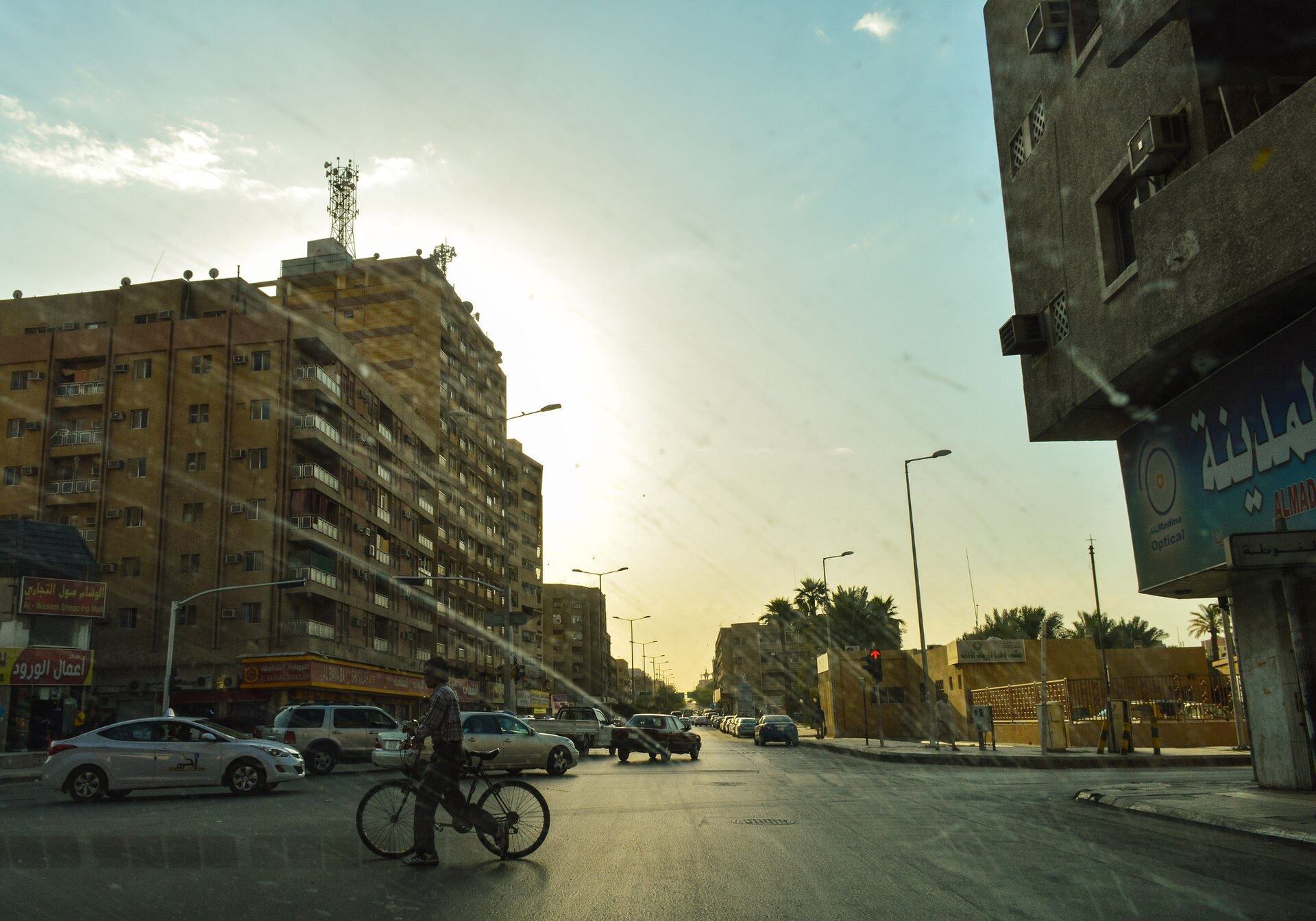
The capital has the highest ride-hailing density in the Kingdom. Coverage is excellent across all districts, from the diplomatic quarter to the southern industrial areas. Traffic is heavy during morning (07:00–09:00) and evening (16:00–19:00) rush hours — factor this into your timing. For things to do between rides, see our Riyadh Travel Guide.
Jeddah
Jeddah’s layout is more sprawling and coastal. Rides along the Corniche are scenic but can be slow during weekend evenings when locals flock to the waterfront. The historic Al Balad district has narrow streets where large vehicles struggle — UberX or Careem GO work better here than XL categories. See our Jeddah Travel Guide for neighbourhood details.
Mecca and Medina
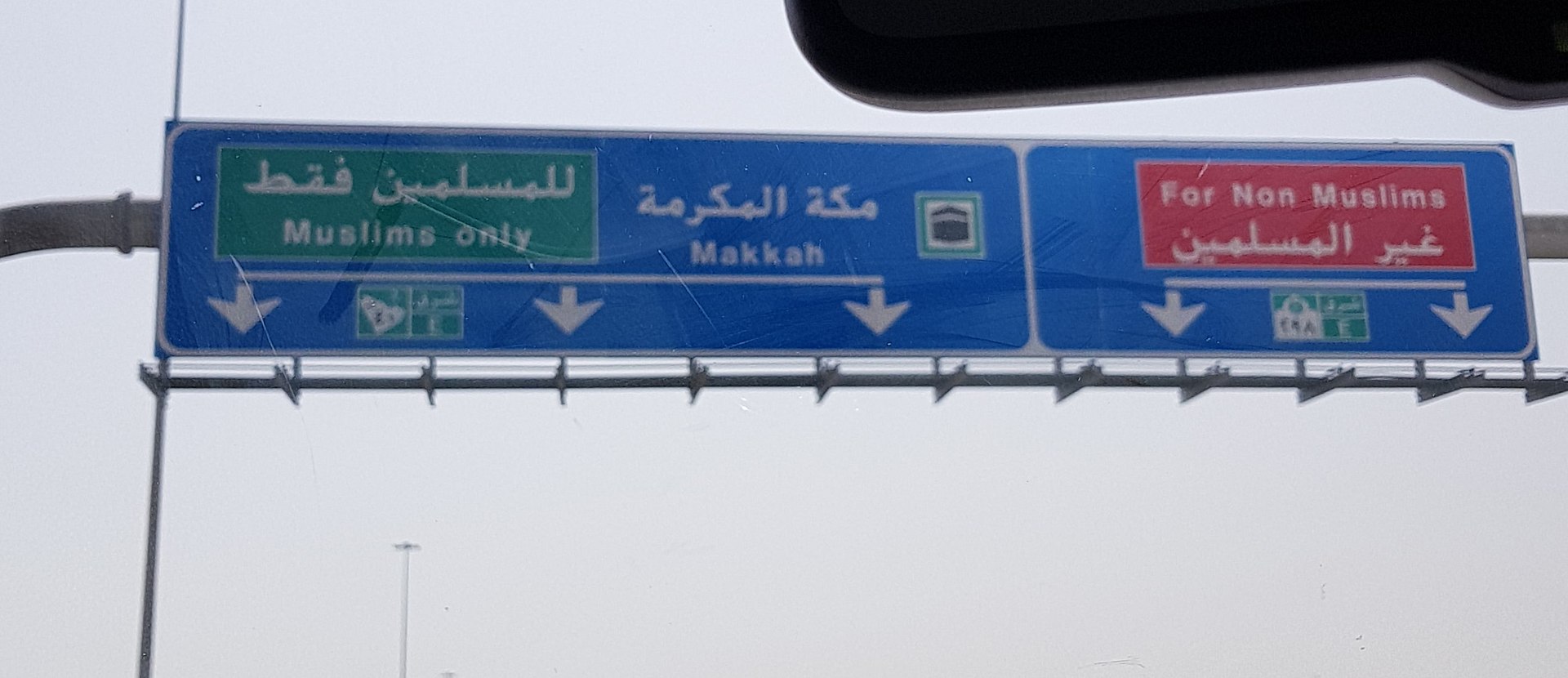
Both apps operate in the holy cities but with restrictions. Non-Muslims cannot enter Mecca — this applies to ride-hailing too. If you accidentally set a destination within the Haram zone without a valid Hajj or Umrah permit, expect to be turned back at checkpoints. During peak Hajj season, ride-hailing availability in central Mecca drops significantly as road closures channel traffic away from the Grand Mosque.
Dammam and Al Khobar
The Eastern Province cities have good ride-hailing coverage. Rides between Dammam and Al Khobar (about 25 km) typically cost SAR 35–55. The area around King Fahd Causeway (connecting to Bahrain) gets congested on Thursday evenings.
Smaller Cities
In Tabuk, Abha, Taif, and AlUla, ride-hailing works but with fewer drivers. Wait times of 10–15 minutes are common. Careem generally has better coverage than Uber in these cities. For AlUla, pre-booking transport through your hotel or tour operator is advisable for trips to Hegra and Elephant Rock, as ride-hailing availability in remote archaeological areas is limited.
Common Mistakes to Avoid
- Not verifying your ride — always check the driver’s name, car model, and licence plate before entering. Scams are rare but not impossible.
- Relying on one app only — Uber might surge while Careem doesn’t, and vice versa. Compare both.
- Booking during prayer times — some drivers will cancel rides called during the call to prayer. Wait until prayers end.
- Expecting taxis to stop for you — Saudi Arabia has moved firmly toward app-based booking. Hailing a car on the street is not only difficult but can result in using an unlicensed vehicle.
- Setting a destination inside Mecca’s Haram zone without eligibility — the driver cannot enter, and you’ll waste both your time and theirs.
- Ignoring the dress code — while ride-hailing drivers are generally relaxed, Saudi Arabia has dress code expectations for both men and women. Dressing modestly avoids unnecessary attention.
- Forgetting to check local customs — greeting your driver, sitting in the back seat, and being polite go a long way.
Ride-Hailing During Hajj and Umrah
If you are visiting for pilgrimage, ride-hailing dynamics change significantly. During Hajj season (peak period around Dhul Hijjah), central Mecca and the areas around Mina, Arafat, and Muzdalifah are subject to extensive road closures. Ride-hailing is impractical for the ritual routes — organised buses and walking are the standard. However, Uber and Careem remain useful for:
- Getting from your hotel to the Haram outside peak ritual days
- Trips between Mecca and Jeddah
- Getting around Medina, where ride-hailing operates normally
For comprehensive pilgrimage transport planning, see our Hajj 2026 Guide.
Getting Your Visa Sorted
You will need a valid visa to enter Saudi Arabia. Most leisure visitors qualify for the Saudi tourist e-visa, which can be obtained online in minutes and is valid for one year with multiple entries. Citizens of over 60 countries are eligible. Hajj and Umrah visitors need separate pilgrimage visas. Full details, including eligible nationalities and application steps, are in our Saudi Arabia Visa Guide 2026.
Useful Arabic Phrases for Your Ride
| English | Arabic (transliterated) | When to Use |
|---|---|---|
| Thank you | Shukran | Always |
| Turn right | Yemeen | Correcting navigation |
| Turn left | Yasaar | Correcting navigation |
| Stop here | Wa’if hena | Drop-off point |
| How much? | Bi kam? | Metered taxis or cash negotiation |
| God willing | Insha’Allah | In response to estimated arrival times |
| Go straight | Seedah / Ala tool | Navigation assistance |
Explore More Saudi Arabia Travel Guides
- Saudi Arabia Travel Guide 2026 — The complete guide to visiting the Kingdom
- Public Transport in Saudi Arabia — Buses, metro, and trains across the Kingdom
- Driving in Saudi Arabia — Roads, rules, and international licence requirements
- Saudi Arabia Airport Guide — Terminal layouts, transfers, and arrival tips
- Saudi Customs and Etiquette — What not to do as a visitor
- Saudi Arabia Visa Guide — Every visa type explained