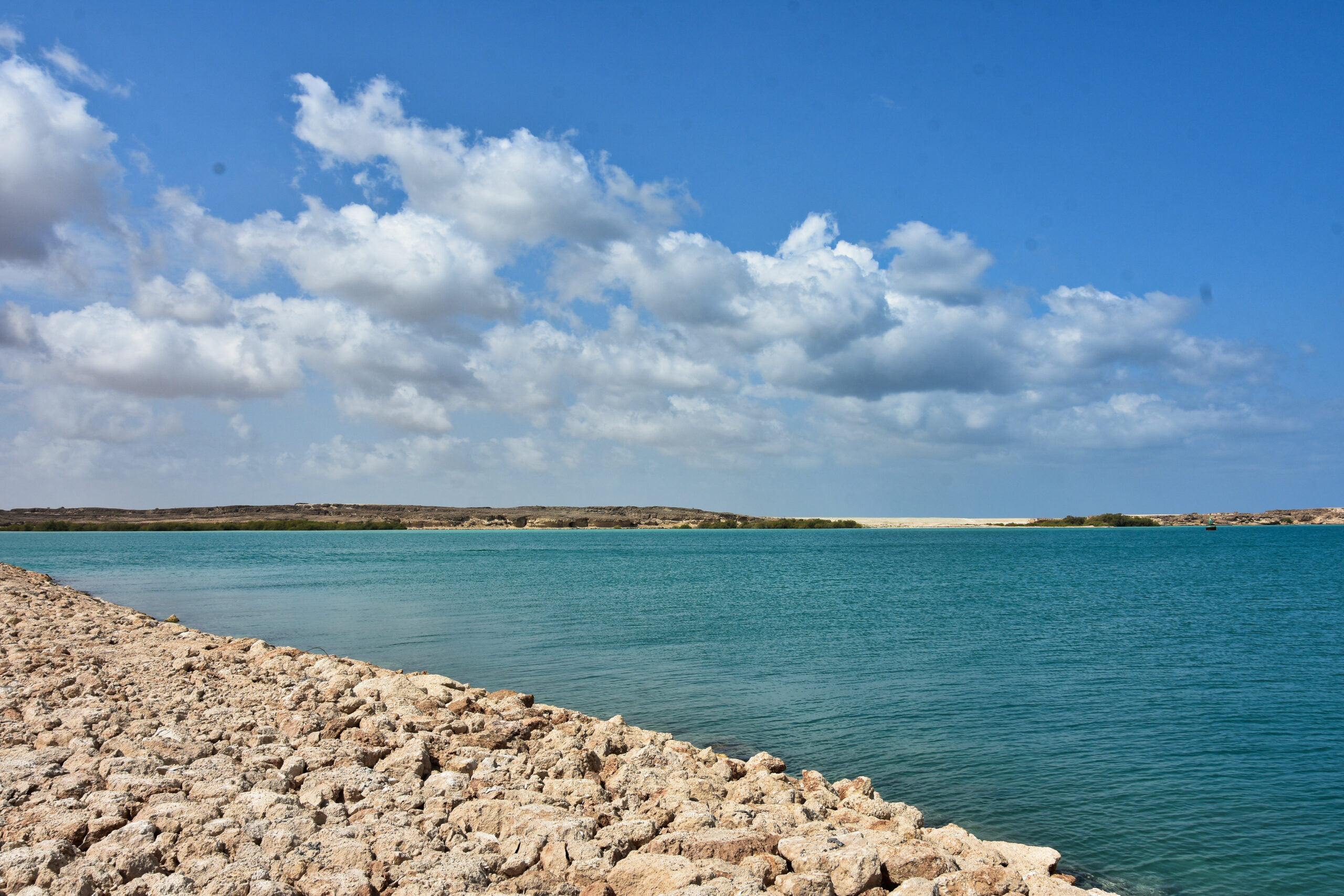

Best Season: October to April (calm seas, 20–30°C, peak underwater visibility)
Charter Hubs: Jeddah (Red Sea Marina, Jeddah Yacht Club & Marina), Yanbu (Al Ahlam Marina), Umluj, and the new Sindalah Island marina (NEOM)
Visa Required: Yes — tourist e-visa
Daily Rate From: SAR 1,750 (approx. $465 USD) for a half-day sunset cruise; luxury superyacht weekly rates from $45,000 USD
Must-Do: Anchor at a private sandbar island near Umluj and snorkel pristine reefs with 40-metre visibility
Avoid: Booking during Hajj season (May–June); marinas in Jeddah are heavily congested and prices surge significantly
Stretching for 1,760 kilometres along Saudi Arabia’s western flank, the Red Sea conceals one of the world’s least-visited yachting frontiers. Its waters are exceptionally warm, hyper-saline, and extraordinarily clear — visibility regularly exceeds 30 metres — and its coastline is punctuated by hundreds of uninhabited islands, pristine coral gardens, and white sandbars that appear and disappear with the tides. For years this was a closed sea, accessible only to Saudi nationals. Today, under Vision 2030’s sweeping tourism reforms, the doors are open — and the global yachting community is only just beginning to take notice.
This guide is part of the Saudi Arabia Travel Guide 2026. It covers everything you need to plan a private yacht charter on Saudi Arabia’s Red Sea: where to base yourself, what destinations to aim for, how to navigate the new permit framework, and what to budget across the full spectrum from half-day cruises to multi-week superyacht expeditions.
Why Charter a Yacht on Saudi Arabia’s Red Sea?
The Red Sea’s unique geography makes it exceptional for private yacht charter. Enclosed on both sides, it develops minimal swell compared to open oceans. The prevailing north-to-northwesterly winds between October and April are steady and predictable — ideal for sailing. Water temperatures remain above 25°C year-round, and the extraordinary salinity enhances buoyancy and visibility in ways divers and snorkellers find almost startling when they first enter the water.
Saudi Arabia’s stretch of the Red Sea — the eastern coast — is widely considered the less-explored side. Dive sites and anchorages that would be crowded in Egypt or Jordan remain genuinely solitary here. A charter in Saudi waters is, at this moment in history, a journey into a coast that most of the world has not yet reached.
There is also the infrastructure argument. Since 2021, the Saudi Red Sea Authority (SRSA) has been systematically modernising the regulatory environment for recreational yachting, consolidating what were once multiple overlapping permit processes into a single digital platform. In January 2026, the SRSA launched the Introductory Guide to Coastal Tourism Activities — a one-stop digital gateway covering documentation requirements, licensed agents, approved charter operators, and environmental compliance procedures. The message from the Kingdom is clear: it wants superyachts and charter guests.
The Charter Hubs: Where to Base Your Voyage
Jeddah — The Primary Gateway
Saudi Arabia’s second city and its commercial capital sits on the Red Sea coast, and it remains the most practical starting point for any charter. Two marinas serve the market at very different ends of the spectrum.
Jeddah Yacht Club & Marina is the flagship facility — a five-star marina complex with berths for yachts up to 120 metres LOA, customs and immigration clearance, an on-site helipad, five-star hotel, restaurants, and retail. It sits on the southern end of the Corniche and attracts the largest vessels. Red Sea Marina, located at Obhur Creek 24 kilometres north of the city, serves a broader range of charter vessels from 8 to 60 metres, and offers diving boat charters as a core product. Half-day sunset cruises from Obhur start from around SAR 1,750, with full-day open-sea diving packages from SAR 11,500 for groups of up to 28.
From Jeddah, the most popular day-charter destinations are the Corniche reef gardens, the Submerged Island (a shallow reef plateau 2.5 hours offshore), and the outer banks north towards Umluj.
Yanbu — The Diver’s Hub
Located 380 kilometres north of Jeddah, Yanbu has long been the more serious diving community’s preferred Red Sea base. The industrial city’s waterfront belies its extraordinary marine environment: within 40 minutes of the Al Ahlam Marina, charter boats reach Al Baridi Island, a constantly shifting sandbar surrounded by coral gardens. The famous Seven Sisters reef chain, known for hammerhead shark aggregations, lies within half a day’s sailing. The Iona shipwreck — a coral-encrusted cargo vessel resting at a 45-degree angle — is one of the Saudi Red Sea’s finest recreational dives.
Yanbu is also a convenient jumping-off point for extended charters northward towards the Umluj archipelago and the Red Sea Project coastline. A two-day coastal cruise from Yanbu to Umluj, anchoring at islands each night, represents one of the Saudi Red Sea’s most rewarding itineraries.
“The Seven Sisters reef chain near Yanbu is one of the most extraordinary hammerhead shark environments in the entire Red Sea. We counted more than 40 on a single dive in January.”
— Reported by divers via Al Ahlam Marina, Yanbu
Umluj — The Archipelago Base
Dubbed the “Maldives of Saudi Arabia”, Umluj sits 540 kilometres north of Jeddah in Tabuk Province and offers something neither Jeddah nor Yanbu can match: an archipelago of more than 100 islands within direct sailing distance, most of them uninhabited and entirely unspoiled. The reefs here support approximately 200 coral species and an estimated 1,200 fish species. Underwater visibility regularly reaches 40 metres. Dugongs use the seagrass beds north of the archipelago; green and hawksbill turtles breed on the outer islands; spinner dolphins patrol the passages between islands.
Umm Sahar Island, 40 minutes from Umluj marina, is the most commonly visited day-charter destination: a long white beach in shallow, reef-fringed shallows that is perfectly accessible for non-divers. For extended charters, the outer island chains offer genuine wilderness anchorages — no other boats, no infrastructure, no sound except wind and water.
Sindalah Island (NEOM) — The Emerging Superyacht Destination
The most anticipated entry into the Saudi Red Sea yachting market is NEOM’s Sindalah Island, a purpose-built 840-hectare luxury marina destination off the Tabuk coast, north of Al Wajh. The $4 billion project was designed by Italian naval architect Luca Dini — best known for superyacht design — and built around an 86-berth marina with capacity for vessels up to 75 metres LOA.
Sindalah held a formal launch ceremony in October 2024. As of early 2026, operational management has been transferred to Red Sea Global (the Saudi government entity overseeing the Red Sea Project and Amaala), and the island is in the process of opening to paying guests. When fully operational, it will offer 413 luxury hotel rooms, 333 apartments, beach clubs, and full superyacht services, positioning it as the Gulf’s answer to Monaco or Porto Cervo. Charter brokers including Burgess and CharterWorld already list Sindalah as a confirmed itinerary stop for 2026 and 2027 charters.
Farasan Islands — The Remote South
For the most adventurous itinerary, the Farasan Islands sit 40 kilometres off the Jazan coast in Saudi Arabia’s deep south — a UNESCO Biosphere Reserve since 2021 and one of the Red Sea’s most biodiverse marine environments. The 84-island archipelago shelters manta rays, whale sharks (peak February to May on the Farasan Banks), dugongs, green and hawksbill turtles, and occasional orcas. Liveaboard vessels out of Jizan Port reach Farasan in under two hours.
Because of its remote location, Farasan is best approached as a dedicated 5 to 7 day liveaboard expedition rather than a day charter. Dive conditions here are exceptional — water temperature 24 to 29°C, October to April — and the lack of significant boat traffic means reefs remain entirely intact. See our dedicated Saudi Arabia diving guide for the full rundown on Farasan Banks dive sites.
Types of Yacht Charter Available
Half-Day and Full-Day Charters
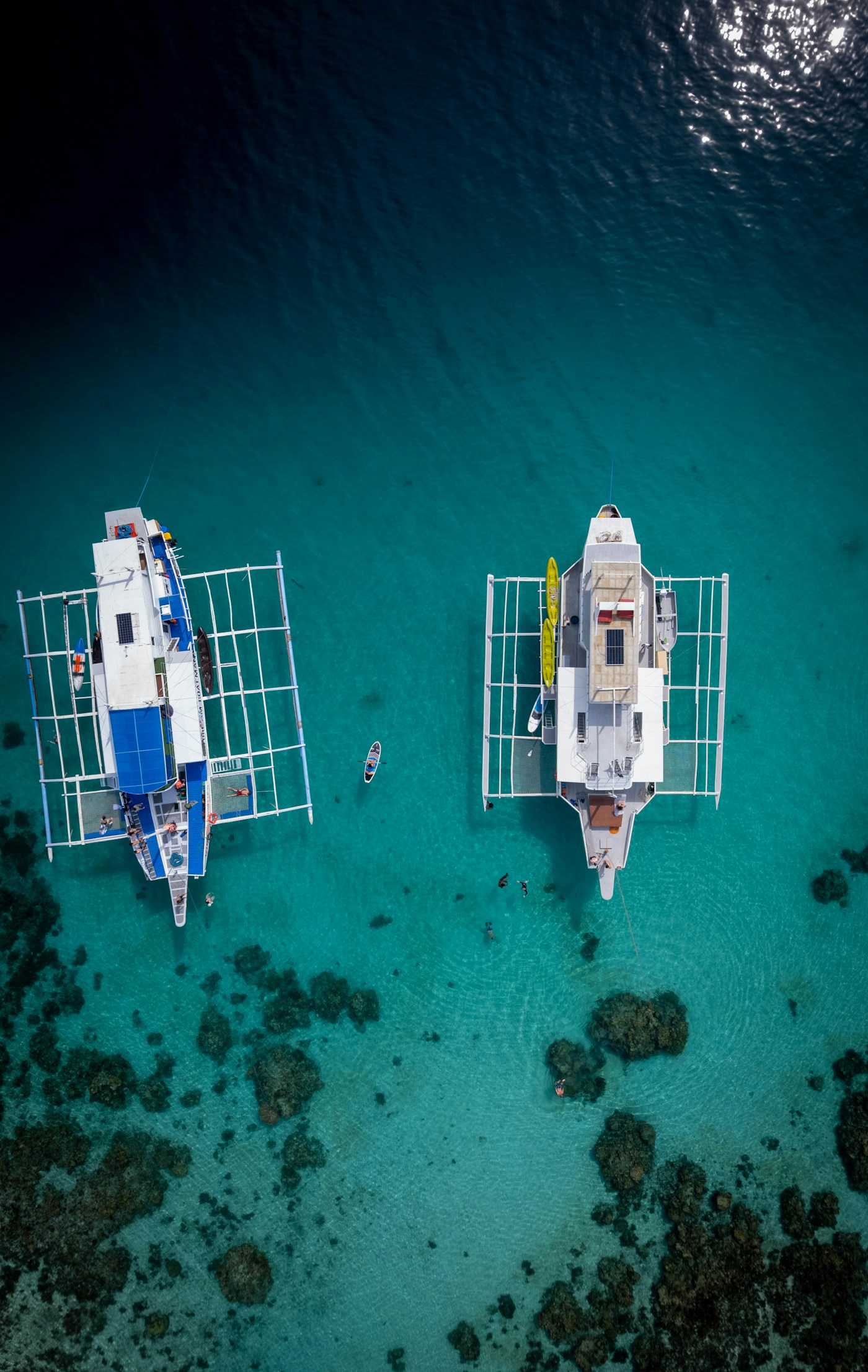
The entry point for Red Sea yacht charter in Saudi Arabia is a half-day or full-day boat hire from one of the established marinas. From Red Sea Marina in Jeddah, sunset cruises on the Sheraton Yacht run from SAR 1,750 per hour (with promotions offering two hours for the price of one). Full-day diving packages accommodating up to 28 passengers with 30 scuba tanks are priced from SAR 11,500, inclusive of VAT. Platforms such as Ootlah and GetMyBoat list local operators in Jeddah and Yanbu with a range of vessels and group sizes.
Private Bareboat and Skippered Charter
Visitors wishing to spend multiple days exploring Saudi Arabia’s Red Sea islands independently can charter a skippered or bareboat vessel through international brokers operating in the region. YATCO, TWW Yachts, FGI Yacht Group, and Camper & Nicholsons all have Saudi Red Sea listings. Vessels range from modern sailing catamarans suited to island-hopping to comfortable motor yachts with accommodation for 6 to 12 guests. Weekly rates for crewed charter begin around $12,000 to $25,000 for smaller to mid-size vessels.
Tip: Request a reef-safe briefing, a qualified dive guide, and a rigid inflatable tender when booking. The ability to anchor offshore and use the tender to reach shallow reef flats dramatically expands the number of islands accessible to your charter.
Luxury and Superyacht Charter
The upper tier of the Saudi Red Sea charter market has expanded rapidly since 2022. Burgess, CharterWorld, Yachtzoo, and IYC list superyachts operating in the Red Sea with weekly rates from approximately $45,000 upward, scaling to $210,000 and beyond for 58-metre-plus vessels. Full-service superyacht charters include a private chef, dive crew, tender fleet, water-toys package, and personalised itinerary planning. A typical week might combine the Jeddah Corniche, Umluj archipelago, and a Sindalah Island call.
The Inaugural Red Sea Week, timed to coincide with Sindalah Island’s opening, has established an annual racing and rally event designed to draw the superyacht fleet to Saudi waters. It signals the Kingdom’s intention to compete directly with established superyacht hubs in the Mediterranean and Caribbean.
Suggested Itineraries
Three Days — Jeddah and the Northern Reef Gardens
Day 1: Depart Jeddah Yacht Club & Marina after morning provisioning. Sail north along the Corniche, anchoring for lunch over the outer reef gardens. Afternoon snorkelling. Return to marina for sunset drinks with views of Jeddah’s historic Al-Balad district from the water.
Day 2: Full day to Submerged Island, the shallow reef plateau that rises from 1,500 metres of open water to within 3 metres of the surface. Exceptional fish life including surgeonfish, hawksbill turtles, and reef sharks. Anchor lunch.
Day 3: Morning at Obhur Creek, visiting the Red Sea Marina and exploring the boutique waterfront. Optional dolphin-watching cruise in the early afternoon before returning south to Jeddah.
Seven Days — Jeddah to Umluj and Back
Days 1–2: Depart Jeddah, sailing north. Overnight anchor at a reef island south of Yanbu. Morning dive at the Iona shipwreck, then sail into Yanbu’s Al Ahlam Marina for provisioning and a waterfront dinner.
Days 3–5: Continue north to the Umluj archipelago. Three nights at anchor among the outer islands — snorkelling Umm Sahar reef, paddleboarding between sandbars, evening fishing. Optional: arrange a spearfishing guide licensed for the protected areas.
Days 6–7: Return south, stopping at a different set of reef anchorages. Final night in Jeddah with a sunset dinner at Jeddah Yacht Club before disembarkation.
Ten to Fourteen Days — The Full Saudi Red Sea Expedition
An extended itinerary combines Jeddah, Yanbu, the Umluj archipelago, and a flight or fast-transfer to Jazan for a dedicated Farasan Islands liveaboard segment of 3 to 4 days. This itinerary covers the entire Saudi Red Sea yachting experience — from the urban waterfront of Jeddah to the truly remote, reef-ringed wilderness of the Farasan Banks — and represents one of the most complete sailing journeys available in the Arabian Peninsula.
Permits, Regulations, and Practicalities
The Saudi Red Sea Authority Framework
The Saudi Red Sea Authority (SRSA) governs all yachting activity in Saudi territorial waters. Under the current framework:
- Foreign-flagged yachts operating commercially must hold a valid Cruising Permit and a Charter Permit issued through the SRSA’s Ebhar platform. Charter Permits require submission of a classification certificate from an internationally recognised body and proof that the vessel meets ISM/ISPS standards (for vessels of applicable size). Commercial charter vessels must be at least 24 metres LOA to operate under the foreign flag charter framework.
- All vessels operating under charter must maintain AIS (Automatic Identification System) continuously while in Saudi waters.
- Smaller private-charter operations (day charters, domestic operators) work under Saudi-flag licensing and are not subject to the foreign flag charter rules. When booking through a local operator such as Red Sea Marina or Al Ahlam Marina, these permits are handled by the operator — guests need only present their tourist e-visa.
- Half-day sunset cruise (Jeddah, up to 10 guests): SAR 1,750–3,500 (~$465–$930 USD)
- Full-day diving charter (Jeddah, up to 28 guests): SAR 11,500+ (~$3,065+ USD)
- Day charter (Yanbu, 6 guests, skippered): SAR 2,500–5,000 (~$665–$1,330 USD)
- Crewed weekly charter (10–15m sailing catamaran): from $8,000–$15,000 USD
- Crewed weekly charter (20–30m motor yacht): from $20,000–$50,000 USD
- Superyacht weekly rate (50m+): from $100,000–$250,000 USD (plus expenses typically 30–35% of base rate)
- Arrive early at Jeddah: Allow a day in the city before embarkation to clear any administrative requirements, provision the vessel, and adjust to the climate.
- Pack reef-safe sunscreen: Many operators now require it by charter contract to protect Saudi Arabia’s marine protected areas. Standard chemical sunscreens are harmful to coral.
- Bring a waterproof bag for your phone: Sea conditions between October and April are generally mild, but spray is constant on moving vessels.
- Snorkelling equipment: Most charter operators provide basic fins and masks, but quality varies widely. If snorkelling is a priority, bring your own.
- Cash in SAR: Port fees, additional provisions, and local guide fees at smaller marinas often require cash. ATMs are widely available in Jeddah and Yanbu but scarce at smaller ports.
- Flight connections: Jeddah’s King Abdulaziz International Airport connects to most major international hubs. For Farasan Islands, the gateway is Jazan Regional Airport, served by Saudi and Flynas from Jeddah and Riyadh.
- Saudi Arabia Travel Guide 2026 — The complete guide to visiting the Kingdom
- Farasan Islands — Saudi Arabia’s untouched Red Sea paradise
- Umluj — The Maldives of Saudi Arabia
- Yanbu — Red Sea gateway and diving paradise
- Saudi Arabia Diving Guide — Complete Red Sea diving guide
- Saudi Arabia Visa Guide — Every visa type explained
The SRSA’s January 2026 digital guide consolidates all of these pathways into a single electronic resource with smart links to the relevant authority platforms, shortening what was previously a fragmented and slow administrative process into a more streamlined digital workflow.
Environmental Rules
Saudi Arabia’s Red Sea marine protected areas — including the Farasan Biosphere Reserve and the Red Sea Project’s protected zone around the Al Wajh lagoon — have specific no-anchor and no-fishing zones. Charter operators are legally required to brief guests on reef-safe practices, and operators booking at Farasan Islands should be aware that parts of the archipelago require advance permits from the National Center for Wildlife.
Dress Code and Social Norms Aboard
While Saudi Arabia has liberalised significantly under Vision 2030, social norms apply in marinas and port areas. On the open water, dress codes on private charter vessels are governed by the vessel’s policies rather than Saudi law. In marinas and ashore, modest dress is expected — swimwear should be covered when leaving the vessel in port areas, particularly in more traditional towns like Yanbu’s historic Al Sur district or Jazan.
Alcohol Policy
Saudi Arabia has a strict prohibition on alcohol. No alcohol is permitted on vessels operating under Saudi-flag charter, and none may be imported. Some foreign-flagged superyachts operating under international registry in Saudi waters have previously operated under different arrangements, but the legal landscape here remains complex — consult your charter broker and seek legal clarity before any assumptions are made.
Best Time to Charter
The Red Sea charter season runs October to April. Water temperatures in this window are 24 to 29°C, air temperatures range from 20 to 30°C, and north-northwesterly winds provide predictable sailing conditions. May to September brings extreme heat (air temperatures exceeding 40°C), high humidity, and often hazy visibility. Avoid Hajj season (late May to early June in 2026) — Jeddah’s marinas are congested, staff and provisioning services are overwhelmed, and the atmosphere in port is chaotic.
What to Expect Underwater
The Saudi Red Sea is widely regarded among dive professionals as one of the world’s premier marine environments. The combination of coral diversity, fish biomass, and water clarity is difficult to match anywhere in the tropical Indian Ocean or Pacific. The reef systems here have benefited from decades of relatively limited access — they have not suffered the bleaching, anchor damage, or overfishing that have degraded reefs across much of Southeast Asia.
From a charter vessel you can expect: reef sharks (blacktip and whitetip) at most outer anchorages; hawksbill turtles on sandy reef flats; schooling barracuda, trevally, and surgeonfish in mid-water columns; coral gardens dense with moorish idols, angelfish, and parrotfish; occasional whale shark encounters (especially February to May on the Farasan Banks and off Yanbu); and, in the deep south, manta ray cleaning stations that draw multiple mantas at a time.
For more on the best dive sites accessible from charter vessels, see the Saudi Arabia Diving and Snorkelling Guide.
Booking a Saudi Red Sea Yacht Charter
Through an International Broker
For multi-day crewed charters and superyachts, the most reliable path is through a specialist broker. Burgess, Camper & Nicholsons, CharterWorld, YATCO, Yachtzoo, and Marcus Yachting all actively list Saudi Red Sea itineraries. Brokers will handle charter party agreements, permit applications (or advise on the framework), provisioning coordination, and itinerary planning. For a two-week family charter on a 20-metre crewed motor yacht, budget a minimum of $20,000 to $30,000 all-in, excluding international flights.
Through Local Operators
For day charters and shorter cruises, local operators are the most practical option. Red Sea Marina (Jeddah) and Al Ahlam Marina (Yanbu) both operate charter fleets with licensed captains. Platforms including Ootlah and GetMyBoat list smaller operators across Jeddah, Yanbu, and Umluj. Experiences by ROAM specialises in curated Red Sea charter packages combining yacht access with island experiences.
Pricing Summary
The following is a general guide to market rates in 2025–2026. All prices are approximate and subject to variation by operator, season, and vessel:
Practical note: Always confirm whether your quoted rate is a base charter fee (plus expenses for fuel, provisioning, port fees, and crew gratuity) or an all-inclusive rate. Most international brokers quote base rates; local day-charter operators usually quote all-in. A 30 to 35% addition to the base rate is standard for international crewed charters.