
Why Yanbu Deserves a Place on Your Saudi Arabia Itinerary
On the sun-drenched western coast of Saudi Arabia, where ancient trade routes once carried frankincense and spices from Yemen to the Mediterranean, sits a city that most international travellers have never heard of. Yanbu — the second-largest Saudi city on the Red Sea after Jeddah — is a place of quiet contradictions: a 2,500-year-old port town that doubles as one of the Kingdom’s most important industrial hubs, a laid-back coastal escape with world-class coral reefs just offshore, and a gateway to Medina that offers something Medina itself cannot — a beach.
With a population of around 370,000, Yanbu sits roughly 300 kilometres north of Jeddah and 260 kilometres west of Medina by road. It is divided into three distinct zones: the atmospheric old town of Yanbu Al Bahr, the modern residential and commercial district, and the sprawling Royal Commission industrial city to the south. For visitors, the first two are where the magic happens — coral-stone alleyways that once sheltered Lawrence of Arabia, a palm-lined corniche stretching along turquoise waters, and dive sites that rival anything on the Egyptian side of the Red Sea.
A Brief History: From Spice Port to Industrial Powerhouse
Yanbu’s story begins at least two and a half millennia ago, when it served as a staging post on the incense route connecting the Arabian Peninsula’s southern kingdoms with Egypt and the wider Mediterranean world. Its natural harbour made it a prized possession for successive civilisations, and by the Ottoman period it had become a significant Red Sea port handling both trade and pilgrim traffic bound for the holy cities of the Hejaz.
The city’s most famous foreign resident arrived in 1916. T.E. Lawrence — the British intelligence officer who would become known as Lawrence of Arabia — used Yanbu as a base during the Arab Revolt against Ottoman rule. His former residence in the old quarter has been earmarked for restoration by Saudi Arabia’s Ministry of Tourism, and the narrow lanes around it still feel remarkably unchanged.
Yanbu’s modern transformation began in 1975, when the Royal Commission for Jubail and Yanbu designated it as one of two new industrial cities (alongside Jubail in the Eastern Province). The catalyst was strategic: after the Lebanese civil war disrupted oil flows through the Trans-Arabian Pipeline, the Kingdom needed a reliable Red Sea export terminal. Today, Yanbu Industrial City spans over 600 square kilometres and houses the largest petroleum export facility on the Red Sea coast. But the industrial zone sits well to the south, and the tourist-friendly areas along the coast feel a world apart.
Getting to Yanbu
By Air
Prince Abdul Mohsin bin Abdulaziz International Airport (IATA: YNB) handles domestic flights from Riyadh, Jeddah, and Dammam, with Saudia and flynas operating regular services. The airport sits about eight kilometres from the city centre, and most hotels offer shuttle transfers. International visitors will typically fly into Jeddah’s King Abdulaziz International Airport and connect onward — or simply drive.
By Road
The drive from Jeddah takes approximately three to three and a half hours along the well-maintained coastal highway, a scenic route that hugs the Red Sea for much of its length. From Medina, the journey is roughly three hours (260 km) through desert terrain that gradually gives way to coastal scrubland as you approach the sea. Both routes are straightforward and well-signposted.
Visa Requirements
Saudi Arabia’s tourist eVisa is available to nationals of more than 60 countries. Valid for one year with multiple entries, it permits stays of up to 90 days per visit. GCC nationals can enter with just a passport or national ID. Applications are processed online through the official Visit Saudi portal, and approval is typically swift. Note that during Hajj season, access to airports in Jeddah, Medina, Yanbu, and Taif may be restricted to Hajj visa holders.
When to Visit
Yanbu’s climate is defined by extremes. Summers are scorching — July and August regularly exceed 40°C with oppressive humidity — while winters are balmy and near-perfect for outdoor exploration.
Best months (November to March): Daytime temperatures range from 22°C to 30°C, humidity is manageable, and the Red Sea water temperature hovers around 24–26°C. This is prime diving and snorkelling season, with excellent underwater visibility.
Shoulder months (April and October): Still pleasant, with temperatures in the low to mid-30s. Good for beach activities, though midday heat can be intense.
Avoid (June to September): Temperatures push past 38–40°C with high humidity. Outdoor sightseeing becomes uncomfortable, though diving remains possible in early mornings.
Flower Festival window (January to February): If you want to combine coastal relaxation with one of Saudi Arabia’s most spectacular horticultural events, time your visit for the annual Yanbu Flower Festival, typically held from late January through late February.
Exploring Yanbu Al Bahr: The Historic Old Town
The heart of old Yanbu is a compact labyrinth of coral-stone buildings, carved wooden doorways, and latticed balconies known as mashrabiyyas — the same Hejazi architectural tradition found in Jeddah’s historic Al Balad district, but on a more intimate scale. The two- and three-storey houses were built from Red Sea coral blocks, a construction technique that kept interiors cool in summer and gave the buildings their distinctive pinkish-grey hue.
Wander the narrow alleyways and you will find restored heritage buildings interspersed with structures still awaiting renovation. The Saudi government has invested in preservation efforts here, though the old quarter retains an authentic, lived-in feel that more polished heritage districts sometimes lack.
Lawrence of Arabia’s House
T.E. Lawrence’s former residence sits within the old town and is one of Yanbu’s most visited heritage sites. While the building’s interior is not always accessible, the surrounding streets — where Lawrence plotted strategy with Emir Faisal during the Arab Revolt — reward exploration. The Ministry of Tourism announced restoration plans in 2020, aiming to preserve the site as a permanent cultural attraction.
Yanbu Heritage Museum
The local museum houses archaeological finds, ethnographic displays, and maritime exhibits that chart the city’s evolution from ancient trading port to modern industrial centre. Artefacts include traditional fishing equipment, navigational instruments, and items recovered from historic shipwrecks along the coast.
The Fish Market
Arrive early at the old port’s fish market to watch local fishermen unload the night’s catch. Hammour (grouper), red snapper, prawns, and squid are laid out on ice, and the atmosphere is loud, salty, and unmistakably authentic. You can buy fish here and have it cooked at nearby restaurants, or simply absorb the scene with a cardamom coffee from one of the harbourside cafés.
The Corniche and Beaches
Yanbu’s waterfront corniche is the city’s social spine — a palm-lined promenade that stretches along the Red Sea, divided into two distinct sections that each offer a different atmosphere.
North Corniche
The more traditional and relaxed of the two sections, the North Corniche is bordered by a sprawling park popular with families, especially in the cooler evening hours. Picnic areas dot the waterfront, playgrounds keep children occupied, and the sunset views across the Red Sea are consistently spectacular. ATV rentals and camel rides are available here for those seeking a more active experience.
South Corniche
The South Corniche represents modern Yanbu — a polished marina, a youth park, and proximity to the city’s better restaurants and shopping options. The beaches here tend to be better maintained, with cleaner sand and more facilities. It is a ten-minute drive to the main dining and retail districts.
Yanbu Al Bahr Beach
Also known as Royal Commission Beach, this is Yanbu’s signature stretch of sand — clear turquoise water, soft white sand, and enough space that it rarely feels crowded, even on weekends. Swimming, sunbathing, and picnicking are the main draws. The beach is family-friendly, with shallow entry points and calm waters that make it suitable for children.
Barracuda Beach
Named for the fish that patrol its offshore reefs, Barracuda Beach is a favourite among snorkellers. Coral formations begin close to shore, and the marine life is remarkably varied — expect to see parrotfish, clownfish, and, yes, barracuda cruising the shallows. Bring your own equipment or rent from dive operators in town.
Diving and Snorkelling: Yanbu’s Underwater World
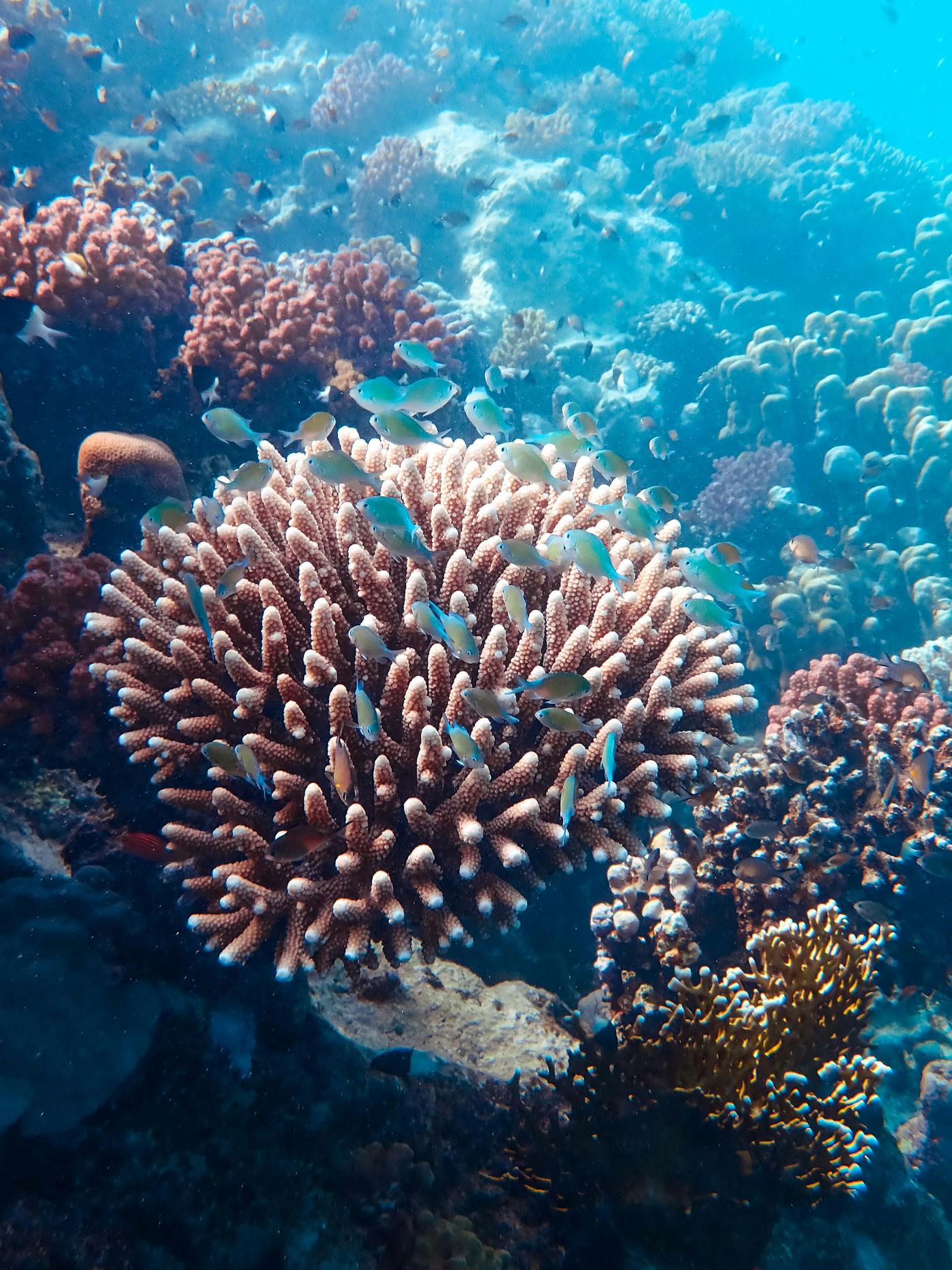
Yanbu is increasingly recognised as one of Saudi Arabia’s premier diving destinations, with pristine reefs that have benefited from decades of relative obscurity. While Egypt’s Red Sea resorts have absorbed the bulk of international diving traffic, Yanbu’s sites remain uncrowded and largely untouched.
Seven Sisters Reef
The crown jewel of Yanbu diving. This stunning collection of reef islands — visible from the surface as turquoise patches against the deeper blue — supports an extraordinary diversity of marine life. Hammerhead sharks patrol the deeper waters year-round, while the shallower sections are carpeted with kaleidoscopic hard and soft corals. The reef system includes multiple dive sites, each with its own character: dramatic drop-offs, swim-throughs, and coral gardens teeming with tropical fish.
Abu Galawa
Located within the Seven Sisters system, Abu Galawa is considered by many dive operators to be the most beautiful individual site in the Yanbu area. Underwater grottos and sheer drop-offs create a dramatic landscape, and visibility frequently exceeds 25 metres. Reef sharks, eagle rays, and large groupers are regular sightings.
Sharm Yanbu
A gentler option ideal for beginners and families. The sheltered bay offers calm, shallow reefs where snorkellers can float above coral gardens without needing to venture far from shore. Marine life is abundant despite the shallow depth — sea turtles, rays, and schools of colourful reef fish are common.
Al Fasma Area
A popular snorkelling zone south of the main city, Al Fasma features vibrant coral formations and consistently good visibility. The area is accessible by boat, with several operators offering half-day excursions that include equipment rental and guides.
Practical Diving Information
Several dive centres operate in Yanbu, including Yanbu Diving (one of the most established operators), offering PADI-certified courses from beginner to advanced levels. A single dive typically costs SAR 250–400 (approximately $65–$105), while full-day boat trips to the Seven Sisters run SAR 600–900. Snorkelling excursions are more affordable at SAR 150–300 per person. Equipment rental is widely available. The best diving conditions occur between October and April, when water temperatures sit around 24–27°C and visibility is at its peak.
The Yanbu Flower Festival
Every year between late January and late February, Yanbu transforms into a riot of colour for the Flowers and Gardens Festival — one of Saudi Arabia’s largest and most popular annual events. The festival has earned a Guinness World Record for the world’s largest flower carpet, and the scale of the horticultural displays is genuinely impressive.
The 2025 edition ran from 27 January to 27 February, featuring themed gardens, floral carpets of staggering intricacy, a butterfly garden, a bird aviary, and a miniature strawberry farm. The festival grounds open daily from 4pm to 11pm, and entry tickets start from around SAR 11. It draws hundreds of thousands of visitors from across the Kingdom and the wider Gulf region.
For 2026 dates, check the official Yanbu Flower Festival website or the Visit Saudi portal, as specific dates are typically announced in late autumn. If your travel dates are flexible, this is one of the most compelling reasons to visit Yanbu — the combination of perfect winter weather, blooming gardens, and uncrowded beaches is hard to beat.
Where to Eat
Yanbu’s dining scene reflects its identity as a working port city with a cosmopolitan workforce. Seafood dominates, but you will also find excellent Turkish, Indian, Pakistani, and Levantine cuisine.
Seafood
Al Marsah Seafood Restaurant: A local institution serving freshly grilled fish, prawns, and lobster. The catch is sourced daily from the harbour, and the preparation is simple — charcoal-grilled with lemon, garlic, and local spices. Expect to pay SAR 80–150 for a generous seafood platter.
Ozone Seafood Restaurant: Another strong seafood option with a broader menu. Good for families, with a mix of grilled and fried preparations.
Quraafi for Seafood: Popular among locals for its generous portions and fresh catch. Less polished than Al Marsah but arguably more authentic.
International Dining
Guzel Saray: Turkish cuisine with Red Sea views — arguably the most scenic dining spot in Yanbu. The grilled meats and meze platters are well-executed, and the sunset views from the terrace are worth the visit alone.
Damascene Grill: Syrian-influenced cooking with excellent kebabs, fattoush, and freshly baked bread. Good value for money.
Indese Restaurant: A local favourite for Indian and Pakistani cuisine, known for generous portions and authentic spice blends. Popular with families and the expat community.
The Ocean Restaurant: Consistently rated among Yanbu’s best for its diverse menu covering Middle Eastern and international dishes. Service is attentive, and the portions are generous.
Street Food and Cafés
The Yanbu Night Market comes alive after sunset with stalls selling shawarma, foul (fava bean stew), fresh juices, and local sweets. It is a great place to graze your way through an evening meal while browsing handicrafts and local goods. Along the corniche, small cafés serve Arabic coffee, fresh fruit smoothies, and light bites well into the night.
Where to Stay
Yanbu’s accommodation ranges from international chain hotels to budget-friendly local options. Prices are significantly lower than Jeddah or Riyadh, making it excellent value for Red Sea coastal accommodation.
Upper-Range
Holiday Inn Yanbu: Set in landscaped gardens fifteen minutes from the airport, with two outdoor pools (including a children’s pool), a fitness centre, and an airport shuttle. Rates start from around SAR 400–600 per night.
Novotel Yanbu: A reliable international option with spa facilities, a pool, and modern rooms. Well-located for both the corniche and the Royal Commission area.
Kempinski Hotel & Resort Sariya Yanbu Red Sea: The luxury option, offering resort-style accommodation with direct beach access, a full-service spa, and premium dining. Rates vary seasonally but expect SAR 800+ per night.
Mid-Range
Radisson Blu Hotel Yanbu: Solid mid-range choice with spa access, a 24-hour airport shuttle, and comfortable rooms. Rates from SAR 300–500 per night.
Canary Beach Hotel: Budget-friendly with a beachfront location and free airport transfers. A good base for travellers prioritising location over luxury.
Budget
ibis Yanbu Saudi Arabia: The no-frills option from the Accor chain. Clean, functional rooms close to the beach at rates starting from SAR 180–250 per night. Hard to beat for budget-conscious travellers who plan to spend most of their time outdoors.
Day Trips and Nearby Attractions
Medina (3 Hours by Road)
Medina — Islam’s second holiest city — is the most significant day-trip destination from Yanbu. Non-Muslim visitors can explore the city’s heritage sites, souqs, and restaurants, though entry to the Prophet’s Mosque (Al-Masjid an-Nabawi) and its immediate precinct is restricted to Muslims. The drive through the Hejazi desert is scenic, particularly in the early morning light.
Al Nawras Island
A short boat ride from the Yanbu coast, Al Nawras Island offers pristine beaches, excellent snorkelling over shallow reefs, and panoramic views of the Red Sea. Day-trip boat excursions are available from the harbour and typically include snorkelling equipment and lunch.
Desert Excursions
The golden dunes east of Yanbu provide opportunities for camel safaris, sandboarding, and desert camping. Several local operators offer half-day and full-day excursions with experienced guides, and the contrast between the coastal cityscape and the vast interior desert is striking.
Getting Around Yanbu
Yanbu is a spread-out city, and a rental car is the most convenient way to explore, particularly if you want to reach beaches and dive sites outside the central area. Major international rental agencies operate at the airport and in the city centre.
Ride-hailing apps — Uber and Careem (the regional equivalent) — work reliably in Yanbu, particularly around the Royal Commission area and the corniche. Local taxis are also available but less consistent. Expect to pay SAR 15–30 for most intra-city journeys by ride-hail.
Walking is pleasant along the corniche and within the old town, but distances between the major zones (old town, corniche, Royal Commission area) make it impractical as your sole mode of transport.
Practical Tips
Currency: Saudi Riyal (SAR). Credit cards are widely accepted at hotels and restaurants; carry cash for markets, smaller cafés, and beach vendors.
Language: Arabic is the primary language. English is understood in hotels and tourist-facing businesses but less so in the old town and local markets. A few basic Arabic phrases go a long way.
Dress code: Saudi Arabia has relaxed its dress requirements for tourists in recent years, but modest clothing remains expected — particularly away from beaches and hotel pools. Cover shoulders and knees in public areas, markets, and restaurants.
Alcohol: Saudi Arabia does not permit the sale or consumption of alcohol. Hotels and restaurants serve non-alcoholic beverages only.
Prayer times: Shops and some restaurants close briefly during the five daily prayer times. This is less disruptive than it once was — many larger businesses now remain open — but it is worth factoring into your schedule, particularly for the midday and late afternoon prayers.
Ramadan: During the holy month of Ramadan, eating, drinking, and smoking in public during daylight hours is prohibited. Restaurants open after sunset, and the atmosphere becomes festive in the evenings. Tourist hotels typically provide private dining areas for non-fasting guests.
Safety: Yanbu is extremely safe by international standards. Petty crime is rare, and the Royal Commission area in particular is well-maintained and heavily policed. Standard travel precautions apply — secure valuables, be aware of your surroundings — but personal safety is not a significant concern.
Connectivity: Mobile data and Wi-Fi coverage are excellent throughout Yanbu. Local SIM cards from STC, Mobily, or Zain are available at the airport and in shopping centres. Many hotels offer complimentary high-speed Wi-Fi.
Budget Guide
Yanbu is one of the more affordable coastal destinations in Saudi Arabia. A rough daily budget breakdown:
Budget traveller (SAR 300–500/day): Budget hotel, street food and local restaurants, public beaches, self-guided sightseeing.
Mid-range traveller (SAR 600–1,000/day): Mid-range hotel, a mix of casual and sit-down dining, one organised diving or snorkelling excursion, ride-hailing for transport.
Comfort traveller (SAR 1,200+/day): Upper-range hotel or resort, restaurant dining, private diving trips, rental car, spa treatments.
Yanbu in the Context of Saudi Tourism
Saudi Arabia’s tourism sector is expanding rapidly under Vision 2030, and the Red Sea coast is at the centre of that transformation. While mega-projects like NEOM and The Red Sea destination grab headlines further north, Yanbu offers something different: an established city with genuine history, real infrastructure, and a local character that purpose-built resorts cannot replicate.
For travellers building a broader Saudi itinerary, Yanbu slots naturally into a Red Sea coastal route — fly into Jeddah, drive north to Yanbu for two or three nights of diving and old-town exploration, then cut inland to Medina before continuing onward. It is the kind of destination that rewards curiosity: less polished than Dubai, less chaotic than Cairo, and home to some of the finest diving in the Red Sea — without the crowds.
Yanbu may not remain under the radar forever. Visit while it still feels like a discovery.
For photographers, Yanbu’s coral reefs and historic harbour offer exceptional subjects — see our photography guide for more. Couples looking for a romantic Red Sea escape should also consider our Saudi Arabia honeymoon guide.