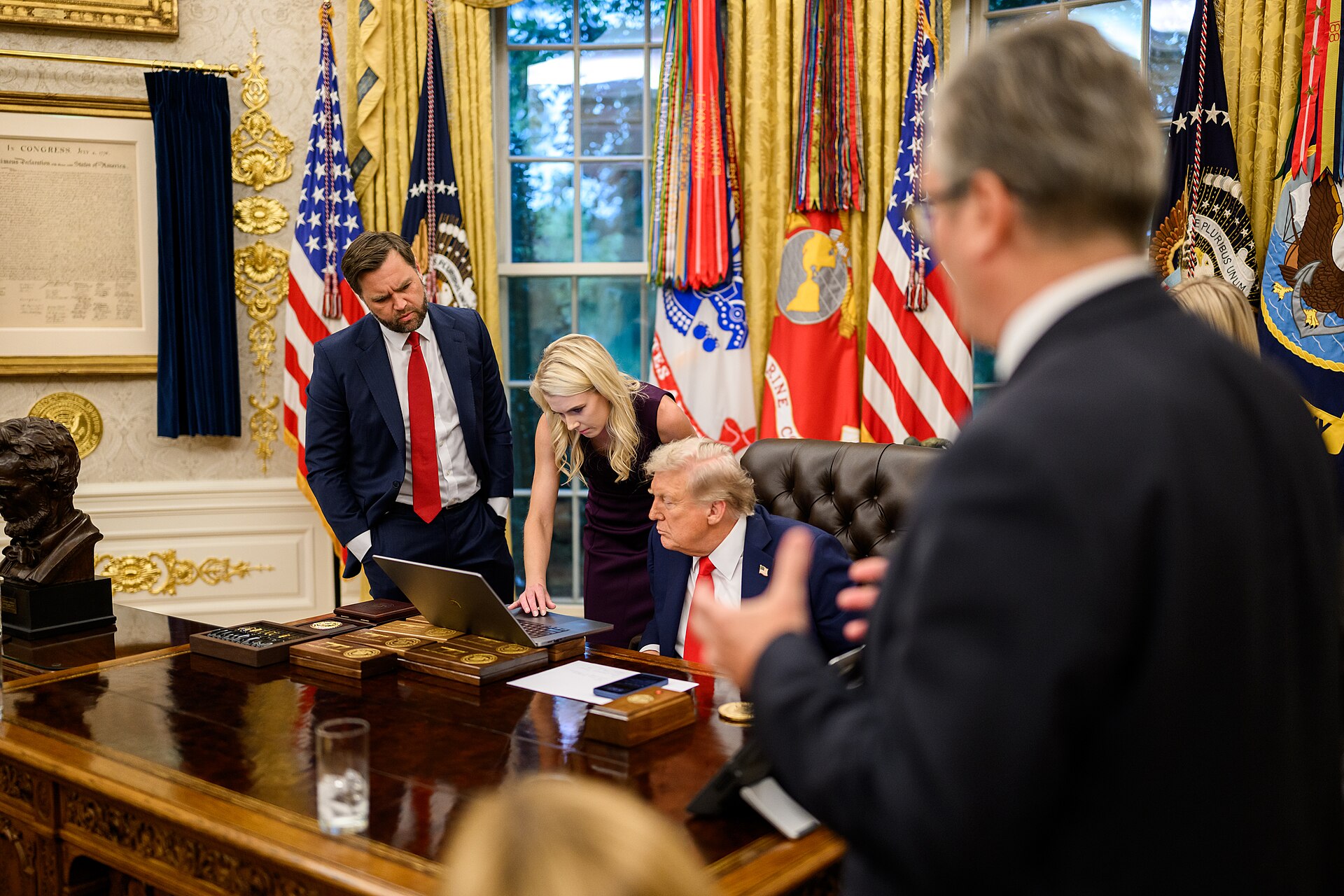

WASHINGTON — President Donald Trump extended a pause on strikes against Iran’s energy infrastructure by ten days on Thursday, pushing the deadline to April 6, 2026, as indirect ceasefire negotiations between Washington and Tehran continued to stall. The extension, announced via Truth Social, came at the explicit request of the Iranian government, according to Trump, marking the second time in four days that the president has delayed what he has described as the destruction of Iran’s power grid.
The pause prolongs a volatile diplomatic window that has failed to produce direct talks between the two sides nearly a month into a conflict that has killed more than 30 people across the Persian Gulf, shut down the Strait of Hormuz to most commercial shipping, and driven Brent crude above $106 per barrel. For Saudi Arabia, the extension deepens a strategic dilemma: Riyadh wants Iran’s missile arsenal degraded before any ceasefire but fears that a prolonged war without resolution will continue to draw Iranian fire onto its cities, oil fields, and civilian infrastructure.
Table of Contents
- Why Did Trump Extend the Iran Deadline to April 6?
- What Does the 15-Point US Peace Proposal Include?
- What Are Iran’s Five Conditions for Ending the War?
- Oil Markets Swing Between Fear and Hope
- What Does the Extension Mean for Saudi Arabia?
- The Strait of Hormuz Remains the Central Battleground
- Day 27 of Strikes and No Sign of Ceasefire
- From 48 Hours to April 6 — A Timeline of Deadlines
- Frequently Asked Questions
Why Did Trump Extend the Iran Deadline to April 6?
Trump posted on Truth Social at approximately midday Eastern Time on Thursday: “As per Iranian Government request, please let this statement serve to represent that I am pausing the period of Energy Plant destruction by 10 Days to Monday, April 6, 2026, at 8 P.M., Eastern Time.” The president later told Fox News that Iran had initially requested a seven-day pause, but he opted to grant ten days instead.
The extension is the second delay to what began as a 48-hour ultimatum issued on March 22, when Trump threatened to destroy Iran’s power grid unless Tehran reopened the Strait of Hormuz. That deadline passed without action on March 24, when Trump issued a five-day pause that was set to expire on March 28. Thursday’s announcement replaced that deadline entirely, extending the window by an additional ten days.
White House envoy Steve Witkoff, speaking at a Cabinet meeting earlier on Thursday, said that Pakistan, Egypt, and Turkey had approached the United States to serve as mediators. Witkoff described a “15-point action list” that, in his words, “forms the framework for a peace deal.” The document was transmitted to Tehran through Pakistani intermediaries, according to officials familiar with the process.
Trump added in a subsequent social media post: “Talks are ongoing and, despite erroneous statements to the contrary by the Fake News Media, and others, they are going very well.” Iranian officials have denied that any direct talks are taking place.
What Does the 15-Point US Peace Proposal Include?
The full text of the American proposal has not been published, but officials involved in the mediation effort have described its broad contours. According to an Egyptian official cited by multiple wire services, the 15-point framework addresses five principal areas: a rollback of Iran’s nuclear programme, restrictions on Tehran’s ballistic missile capabilities, limits on Iranian support for armed proxy groups, the reopening of the Strait of Hormuz to commercial shipping, and a phased approach to sanctions relief.
An Israeli official told CNN that Tel Aviv was consulted on the proposal but expressed concern that Trump might settle for a temporary monthlong ceasefire rather than insisting on the comprehensive framework. Israel’s ambassador to the United Nations said on March 24 that Israel was “not part of any reported Iran talks,” though Reuters reported that Israeli Prime Minister Benjamin Netanyahu had spoken with Trump about the terms.
Pakistan’s role as the primary channel of communication has elevated Islamabad’s diplomatic standing. Pakistani Prime Minister Shehbaz Sharif confirmed on Wednesday that his government was facilitating “indirect exchanges” between Washington and Tehran. Saudi Crown Prince Mohammed bin Salman discussed Pakistan’s mediation effort with Sharif in a call this week, according to Saudi state media.
| Country | Role | Status |
|---|---|---|
| Pakistan | Primary communication channel between US and Iran | Active — transmitted 15-point proposal to Tehran |
| Turkey | Supporting mediator | Active — offered to host talks |
| Egypt | Supporting mediator | Active — official described proposal contents |
| Oman | Traditional Iran-US back-channel | Involved but lower profile |
| Qatar | Potential host for talks | Complicated by Iranian missile strikes on Qatari territory |
What Are Iran’s Five Conditions for Ending the War?
Iran dismissed the American proposal on Wednesday, with state television broadcasting Tehran’s counterproposal outlining five conditions for ending hostilities. Foreign Minister Abbas Araghchi called the US plan “maximalist” and “unreasonable,” telling Iranian state media: “No negotiations have happened with the enemy until now, and we do not plan on any negotiations.”
Iran’s five conditions, as announced through state media and confirmed by intermediaries, are:
- A complete end to all acts of aggression against Iranian territory and military forces by the United States and Israel.
- Concrete, enforceable guarantees that no future military action will be taken against Iran — a demand that effectively asks for a binding security pact.
- Payment of war reparations and compensation for damage to Iranian civilian and military infrastructure.
- An end to the conflict across all fronts, including a cessation of hostilities involving Iran’s allied resistance groups in Lebanon, Iraq, and Yemen.
- Recognition of Iran’s sovereignty over the Strait of Hormuz, including what Tehran has described as its right to regulate and charge tolls on passing vessels.
The fifth condition represents the most significant point of divergence from Washington’s position. The US proposal explicitly requires the Strait of Hormuz to be reopened to unrestricted commercial shipping. Iran’s counter demands the opposite: formal acknowledgement of Iranian authority over the waterway. An Iranian military spokesperson said the “authority to issue passage permits is ours,” according to Press TV.
Analysts have described the two positions as fundamentally incompatible. “The Hormuz issue alone makes a quick deal impossible,” a senior European diplomat involved in back-channel discussions told Reuters on Thursday. “Washington cannot accept Iranian sovereignty over international waters, and Tehran cannot accept losing the only leverage it has left.”
Oil Markets Swing Between Fear and Hope
Brent crude futures settled at $108.01 per barrel on Thursday, a jump of 5.66 percent, while West Texas Intermediate climbed 4.61 percent to close at $94.48, according to CNBC. The sharp rise reversed a brief period of optimism earlier in the week when ceasefire rumors had pushed Brent below $100 for the first time since the war began.
The reversal was driven by Iran’s public rejection of Washington’s peace framework. “The market had priced in some probability of a deal,” a London-based commodities strategist at Goldman Sachs told Bloomberg. “That probability dropped to near zero after Araghchi’s statements.”
The broader financial markets also suffered. The S&P 500 fell 1.7 percent on Thursday, its worst single-day decline since the war began on February 28, CNBC reported. The Dow Jones Industrial Average dropped 469 points, or 1 percent, and the technology-heavy Nasdaq composite sank 2.4 percent.
| Date | Event | Brent Crude ($/bbl) | Market Reaction |
|---|---|---|---|
| Feb 27 (pre-war) | Day before US-Israel strikes | ~$73 | Baseline |
| Mar 1 | War begins, Hormuz disrupted | ~$85 | Immediate spike |
| Mar 8 | Trump considers Hormuz takeover | ~$120 | Near-peak |
| Mar 20 | Iraq declares force majeure | $119 | Surge then crash |
| Mar 24 | Ceasefire rumors circulate | $97 | Brief drop below $100 |
| Mar 26 | Iran rejects US plan, Trump extends deadline | $108 | Sharp rebound, stocks fall |
The Iran conflict has added an estimated $15 to $20 per barrel in risk premium to crude since hostilities began, according to the US Energy Information Administration. Brent crude is now approximately 47 percent higher than its pre-war level, a trajectory that analysts at Citigroup have compared to the 1973 oil embargo in terms of supply disruption magnitude.
What Does the Extension Mean for Saudi Arabia?
For Riyadh, Trump’s decision to extend the deadline deepens a strategic bind. Saudi officials have privately communicated to Washington that the Kingdom wants Iran’s cruise and ballistic missile capabilities “degraded as much as possible” before any ceasefire is finalised, CNN reported on Thursday, citing a senior Gulf official. A negotiated settlement that leaves Iran’s asymmetric warfare capabilities intact would, in Riyadh’s view, validate Tehran’s strategy of attacking Gulf states as a pressure tool.
Crown Prince Mohammed bin Salman has told Trump that Saudi Arabia is concerned about a ceasefire that leaves Iran “angry and capable” of continuing to strike its neighbours, according to CNN. At the same time, MBS conveyed that it is important Israel stop attacking civilian infrastructure in Iran, because a lack of functioning infrastructure after the war risks creating conditions that could further foment hatred of the United States and its allies in the region.
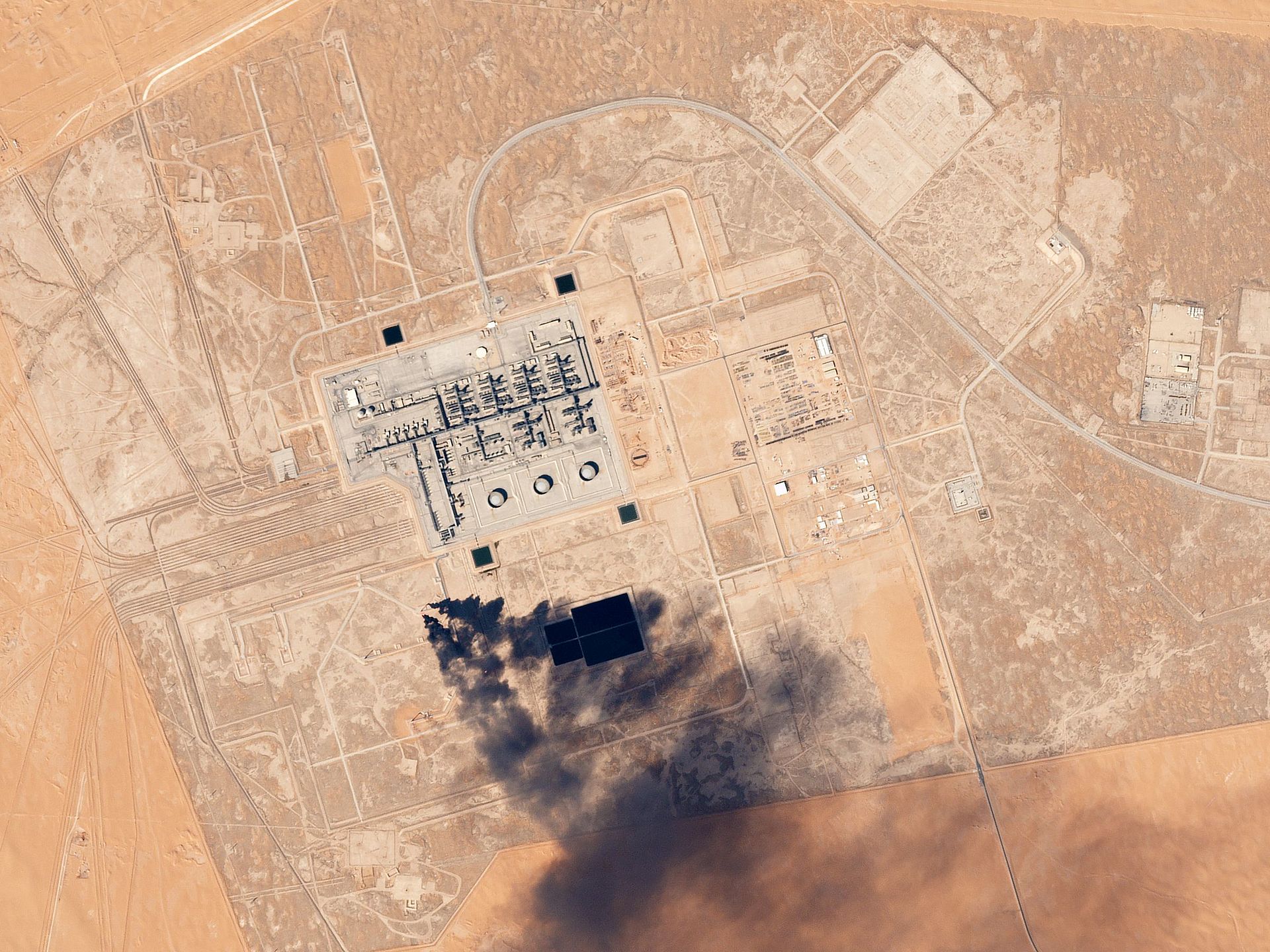
Saudi Arabia’s defence posture has hardened since the war began. The Saudi Ministry of Defence announced on Thursday the interception of at least seven drones heading toward Riyadh and the Eastern Province, the 26th consecutive day of Iranian aerial attacks on the Kingdom. The Eastern Province, home to the majority of Saudi Arabia’s oil processing infrastructure, has faced sustained bombardment throughout the conflict.
The Kingdom has also moved to consolidate a unified regional position. Saudi Arabia joined the UAE, Kuwait, Bahrain, Qatar, and Jordan in issuing a joint statement on Thursday condemning Iran’s “blatant” and “criminal” attacks on their energy infrastructure and civilian areas. The statement asserted the signatories’ right to “self-defence” — language that CNBC described as a significant shift in tone from Gulf states that had previously encouraged de-escalation and adopted a conciliatory position toward Tehran.
Defence Minister Prince Khalid bin Salman has held calls with his French and Swedish counterparts this month to discuss the regional escalation, and Riyadh has already agreed to give the US military access to King Fahd Air Base — a reversal of its earlier position that Saudi bases could not be used to attack Iran.
The Strait of Hormuz Remains the Central Battleground
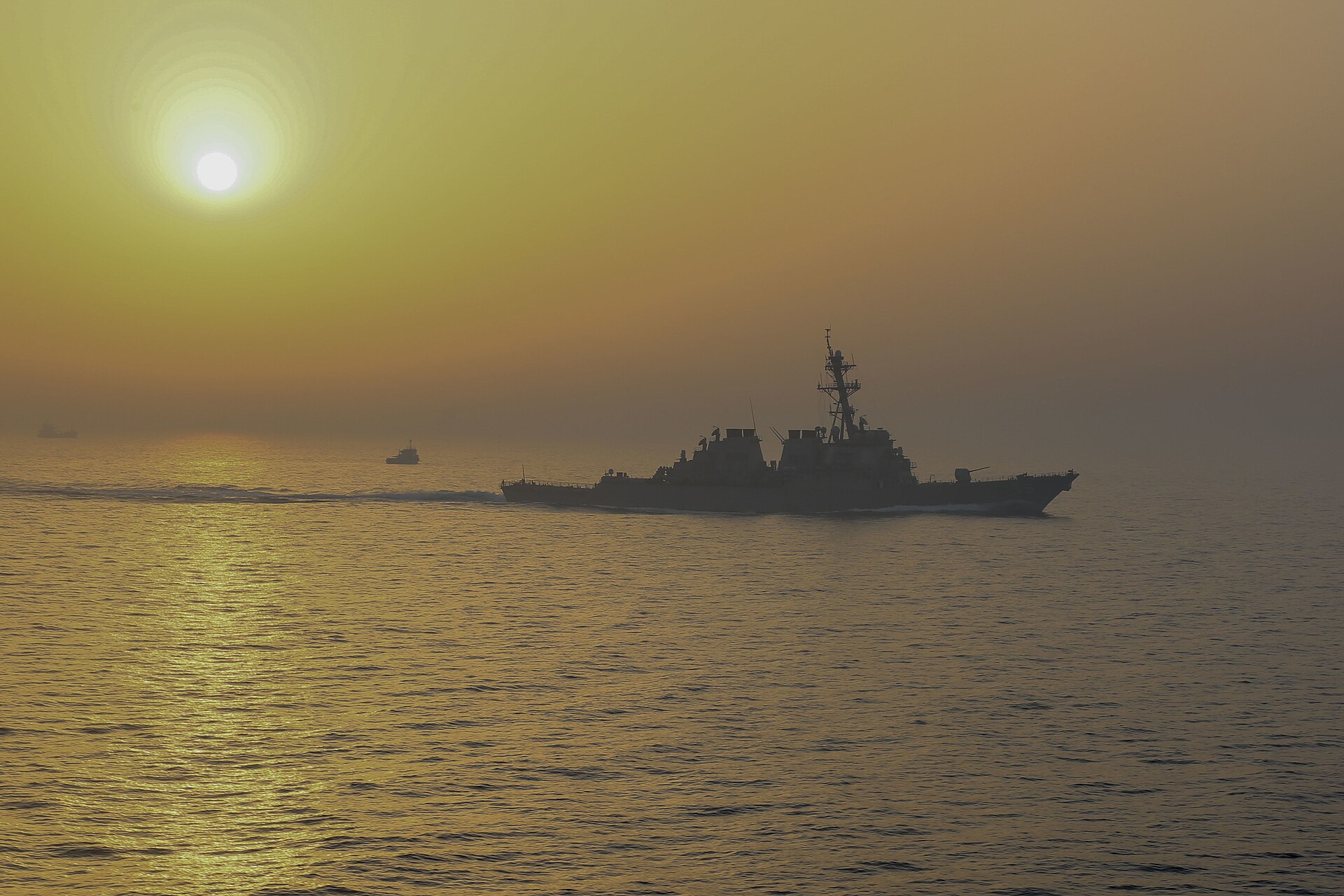
The Strait of Hormuz, through which approximately 20 percent of the world’s oil and liquefied natural gas supplies passed before the war, remains effectively closed to most commercial traffic. Pre-war, the strait carried roughly 130 ships per day, according to maritime tracking data. As of Thursday, fewer than six ships were transiting daily, all in coordination with Iranian naval forces, Bloomberg reported.
On Thursday, Foreign Minister Araghchi announced that ships from five nations — China, Russia, India, Iraq, and Pakistan — would be permitted to transit the strait. “There is no reason to allow the ships of our enemies and their allies to pass through,” Araghchi said, according to Indian and Pakistani media outlets. The announcement formalises a selective transit regime that Iran has been operating informally since the first week of the war.
The selective opening creates a two-tier system in the world’s most critical energy chokepoint. Ships flagged to nations Tehran considers friendly may pass; those belonging to the United States, its European allies, and Gulf Arab states cannot. Maritime analysts described the arrangement as unprecedented in modern international shipping.
Saudi Arabia has responded by rerouting crude oil exports to the Red Sea port of Yanbu via the 1,200-kilometre East-West Pipeline. As of March 25, Saudi Arabia was ramping Yanbu exports toward 5 million barrels per day, according to World Oil, a massive logistical undertaking that has required at least 40 very large crude carriers to anchor near the port waiting to load.
Day 27 of Strikes and No Sign of Ceasefire
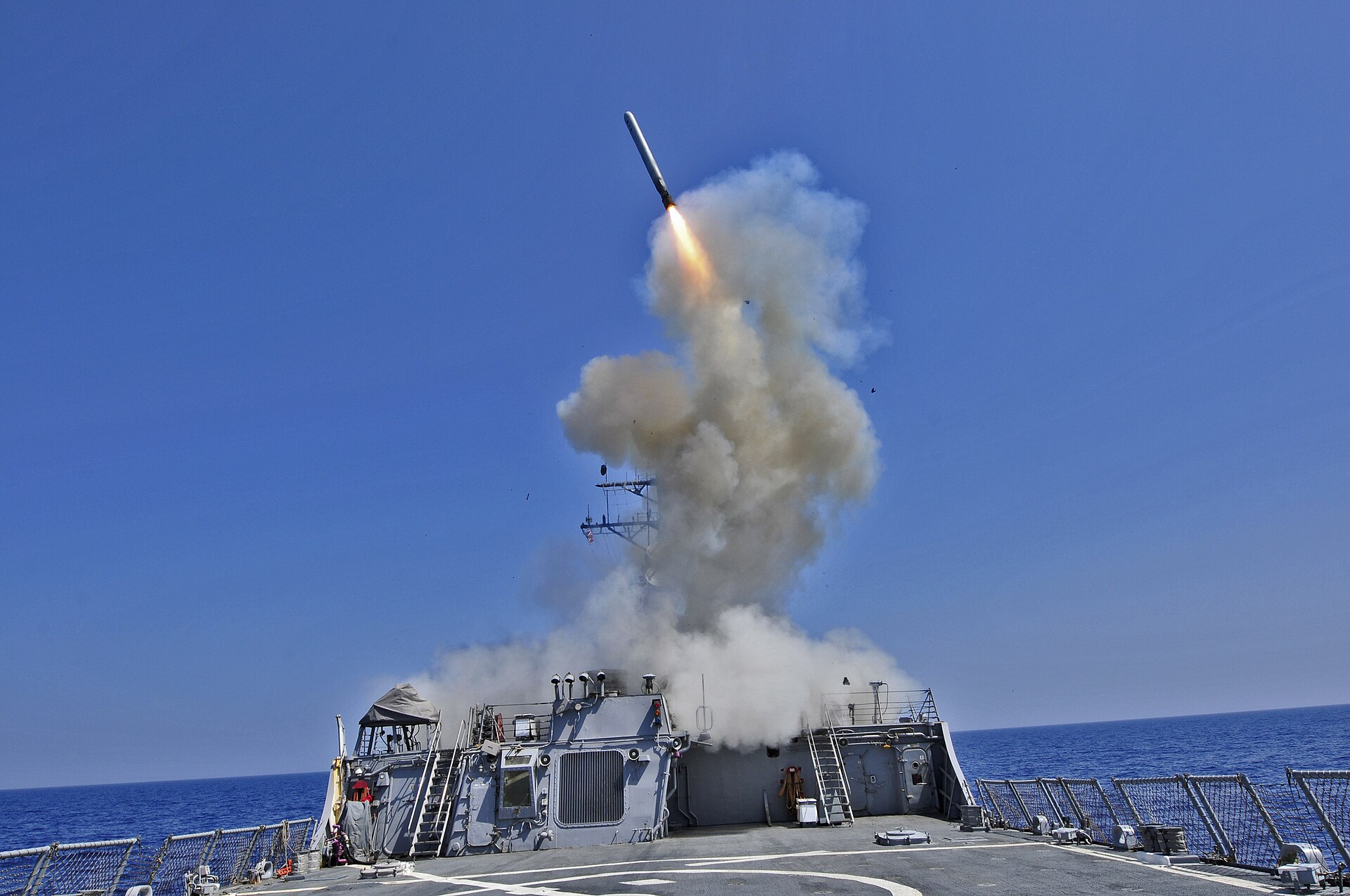
The war entered its 27th day on Thursday with no sign of a pause in military operations by either side. Israel launched a wave of strikes targeting infrastructure in the central Iranian city of Isfahan, according to Al Jazeera. The Israel Defence Forces said they had killed the head of the Iranian Revolutionary Guard’s naval forces — the commander responsible for operations in the Strait of Hormuz — though Iran did not immediately confirm the death.
Iran struck back on Thursday, firing two rounds of missiles at central Israel that caused destruction and injuries, according to Israeli media. One Israeli soldier was killed in southern Lebanon in a separate exchange. The UAE intercepted 15 missiles and drones on Thursday, bringing its total casualties during the war to eight, according to Emirati officials.
The scale of the conflict since February 28 has been extensive. According to the ACLED conflict data project, more than 30 people have been killed in Arab states along the Persian Gulf since the war began, with many of the victims being migrant workers from South and Southeast Asia. Iran has fired hundreds of missiles and drones at targets across the Gulf, hitting ports, airports, residential areas, oil facilities, and military installations in Saudi Arabia, the UAE, Kuwait, Bahrain, and Qatar.
The United States has concentrated its strikes on Iranian military facilities, nuclear sites, and leadership targets. The initial attack on February 28 killed Supreme Leader Ali Khamenei and several other senior officials. Since then, US and Israeli forces have systematically targeted Iran’s air defence networks, missile production facilities, and command-and-control infrastructure, according to the Pentagon.
From 48 Hours to April 6 — A Timeline of Deadlines
Trump’s escalation-then-extension pattern has defined the diplomatic rhythm of the conflict’s final week. Each deadline has produced a flurry of back-channel activity followed by a postponement, a cycle that has left markets, allies, and adversaries uncertain about Washington’s ultimate intentions.
| Date | Action | Deadline Set | Result |
|---|---|---|---|
| Mar 22 | Trump issues 48-hour ultimatum to Iran | Mar 24 | Deadline passes without strikes |
| Mar 23 | Trump delays strikes by 5 days | Mar 28 | Superseded by new extension |
| Mar 26 | Trump extends pause by 10 days at Iran’s request | Apr 6, 8 PM ET | Current active deadline |
The pattern has drawn criticism from both hawks and doves in Washington. Republican senators have urged Trump to follow through on his threats, arguing that repeated extensions signal weakness. Democratic lawmakers have called for congressional authorisation before any strikes on Iran’s civilian energy infrastructure, which powers hospitals, homes, and water desalination plants serving 88 million people.
For Saudi Arabia and its Gulf neighbours, the deadline cycle has produced a paradox. Every extension provides more time for diplomacy, but it also prolongs the period of Iranian attacks on Gulf territory. Since March 22, when the first ultimatum was issued, Saudi Arabia has intercepted dozens of additional drones and missiles. The Kingdom’s Patriot and THAAD batteries have performed well, according to the Saudi Defence Ministry, but each interception consumes munitions that take months to replace.
Whether April 6 becomes the day Trump orders strikes on Iran’s energy grid or issues yet another extension will depend on what happens in the ten days between now and then. Pakistan’s foreign minister said Thursday that Islamabad was “cautiously optimistic” about the prospect of face-to-face talks, though no date or venue has been agreed. Iran’s supreme leadership council, which has governed since Khamenei’s death, has given no public indication of willingness to meet American demands on the Strait of Hormuz.
Frequently Asked Questions
What did Trump announce about Iran on March 26?
President Trump announced via Truth Social that he was extending a pause on strikes against Iran’s energy infrastructure by ten days, setting a new deadline of April 6, 2026, at 8 PM Eastern Time. The extension was granted at the request of the Iranian government, according to Trump. Iran initially asked for seven days, but Trump opted to provide ten.
What are Iran’s five conditions for peace?
Iran’s counterproposal demands: an end to all military aggression, guarantees against future attacks, payment of war reparations, a ceasefire across all fronts including proxy conflicts, and recognition of Iranian sovereignty over the Strait of Hormuz. The fifth condition — Hormuz sovereignty — is the most contentious, as the US proposal requires the strait to be reopened to unrestricted shipping.
How has Saudi Arabia responded to the deadline extension?
Saudi Arabia has maintained a dual posture: publicly supporting a peaceful resolution while privately urging Washington to degrade Iran’s missile capabilities before agreeing to any ceasefire. On March 26, Saudi Arabia joined five other Gulf states and Jordan in a joint statement condemning Iran’s attacks and asserting a right to self-defence. The Saudi military continued intercepting Iranian drones throughout the day.
What is happening with oil prices?
Brent crude settled at $108.01 per barrel on March 26, up 5.66 percent, after Iran’s rejection of the US peace framework dashed hopes for a quick resolution. The war has added an estimated $15 to $20 per barrel in risk premium, with crude approximately 47 percent higher than pre-war levels. The Strait of Hormuz remains largely closed, with fewer than six ships transiting daily compared to 130 before the conflict.
What happens if Iran does not meet the April 6 deadline?
Trump has threatened to destroy Iran’s power grid and energy infrastructure if Tehran does not reopen the Strait of Hormuz by the deadline. However, the president has already extended the deadline twice, leading to uncertainty about whether he will follow through. Strikes on Iran’s energy grid would affect electricity, water desalination, and basic services for 88 million people, raising significant humanitarian and legal concerns that Democratic lawmakers have flagged.