
RIYADH — U.S. President Donald Trump on Thursday renewed his threat to destroy Iran’s power plants, oil infrastructure, and desalination facilities if a ceasefire is not reached before his self-imposed April 6 deadline, a 60-hour countdown that now runs parallel to an Iranian targeting doctrine already being applied against Gulf civilian water systems — including two strikes on Kuwaiti desalination plants in less than a week.
The convergence transforms the war’s fifth week into something distinct from its first four. Both sides are now treating water and power infrastructure — the systems that keep civilian populations alive in an arid region — as instruments of coercion, if not yet as systematic targets. For Saudi Arabia, whose coastal desalination plants sit within range of Iranian missiles and supply the overwhelming majority of the kingdom’s potable water, the arithmetic is no longer theoretical.
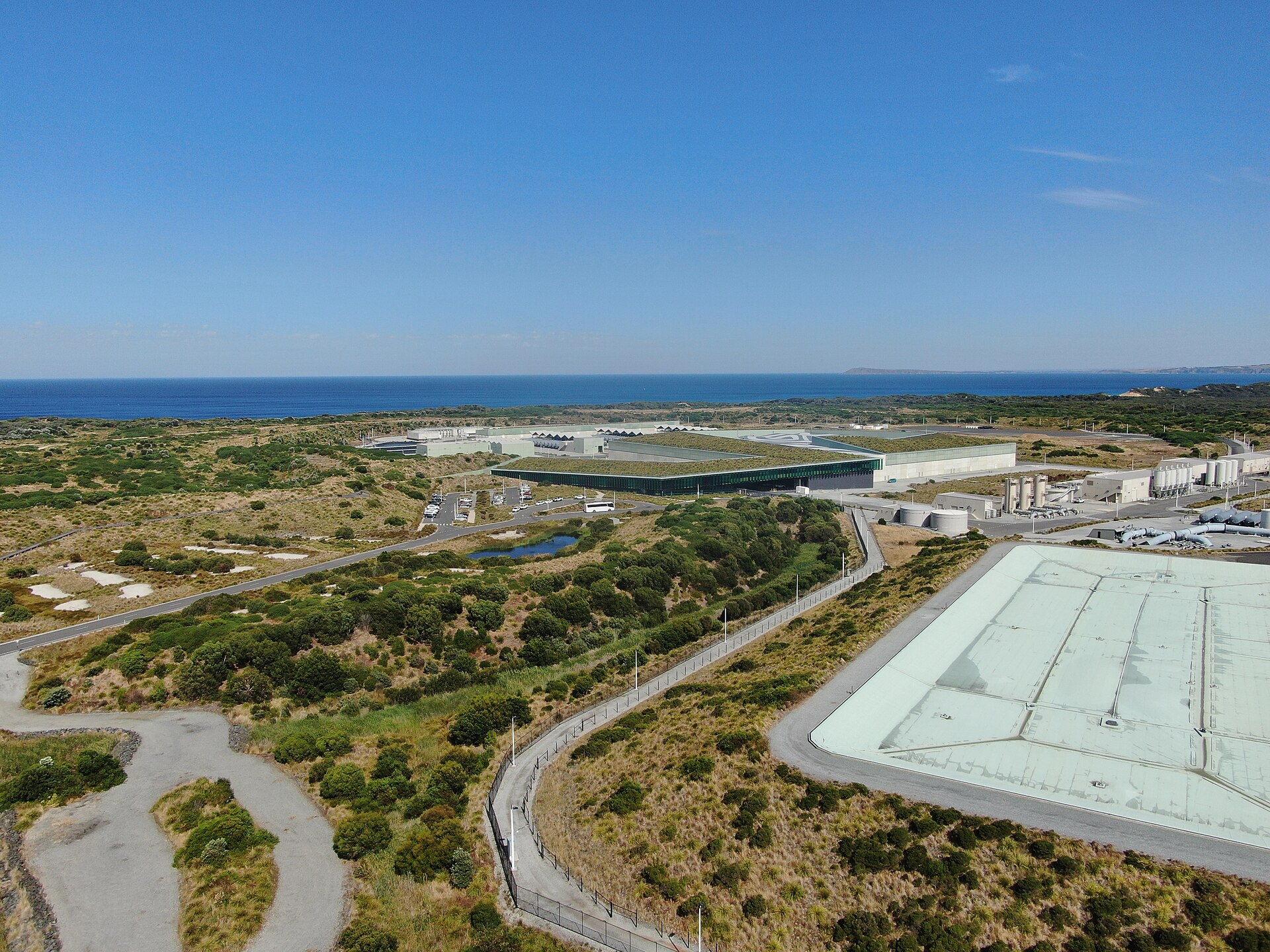
Table of Contents
- The April 6 Deadline and What Trump Has Threatened
- Iran Is Already Hitting Gulf Water Infrastructure
- What Does the Targeting Symmetry Mean?
- Saudi Arabia’s Desalination Exposure
- Can Either Side Legally Target Water Systems?
- Day 35: The War’s Other Escalation
- Is Diplomacy Keeping Pace With the Escalation?
- Background
- Frequently Asked Questions
The April 6 Deadline and What Trump Has Threatened
Trump first threatened Iran’s power grid and energy infrastructure in late March, then postponed strikes by 10 days, citing “productive” talks. On March 26, he posted on Truth Social that he was “pausing the period of Energy Plant destruction” to Monday, April 6, 2026, at 8 PM Eastern Time, framing it as a response to an “Iranian Government request,” according to Al Jazeera.
On March 30, Trump expanded the threat’s scope. If a deal was not “shortly reached” and the Strait of Hormuz was not “immediately ‘Open for Business,’” the United States would “conclude our lovely ‘stay’ in Iran by blowing up and completely obliterating all of their Electric Generating Plants, Oil Wells and Kharg Island (and possibly all desalinization plants!), which we have purposefully not yet ‘touched,’” PBS NewsHour reported.
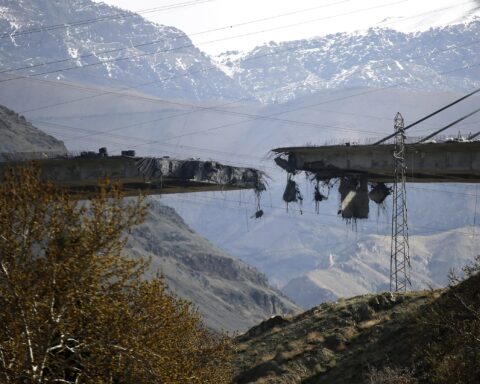
Then on Thursday, April 3, Trump posted again: “The biggest bridge in Iran comes tumbling down, never to be used again — Much more to follow!” and “The New Regime leadership knows what has to be done, and has to be done, FAST!” CNBC reported. The pattern — bridge, then power grid, then water — traces an escalation ladder whose next rung is civilian infrastructure that international humanitarian law exists specifically to protect.
Iran Is Already Hitting Gulf Water Infrastructure
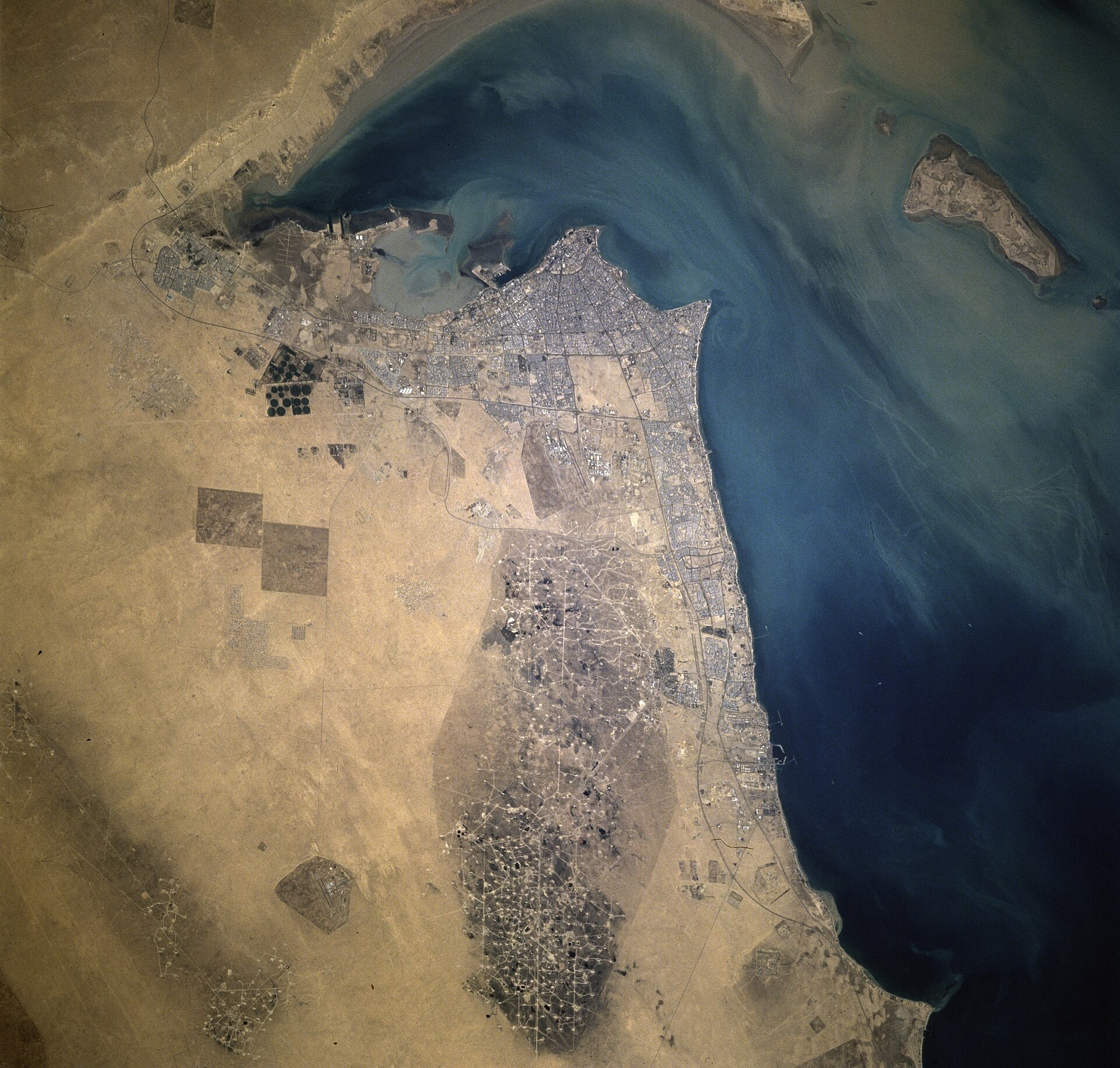
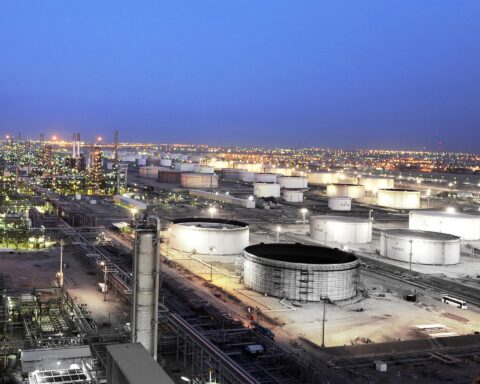
While Trump’s threats dominate international headlines, Iran’s Islamic Revolutionary Guard Corps has been executing a version of the same doctrine against Gulf states that have not joined the U.S.-led military coalition. Kuwait, a non-combatant, has absorbed three strikes on its Mina al-Ahmadi refinery — which processes approximately 346,000 barrels per day, according to industry data — in the past two weeks. On March 30, an Iranian strike hit a Kuwaiti power and desalination plant, killing one Indian worker, according to Al Jazeera. On April 3, the same desalination complex was struck again alongside the refinery — the second confirmed hit on Kuwaiti water infrastructure within four days.
Iran denied responsibility for both strikes on Kuwait’s water systems, blaming Israel. Kuwaiti authorities attributed them to Iranian aggression, a claim Iran’s IRGC dismissed without credible counter-evidence. The IRGC’s official position — that it is “determined to respond to any threat at the same level in a way that creates deterrence” — was reported by NBC News, with Gulf desalination plants explicitly cited as retaliatory targets.
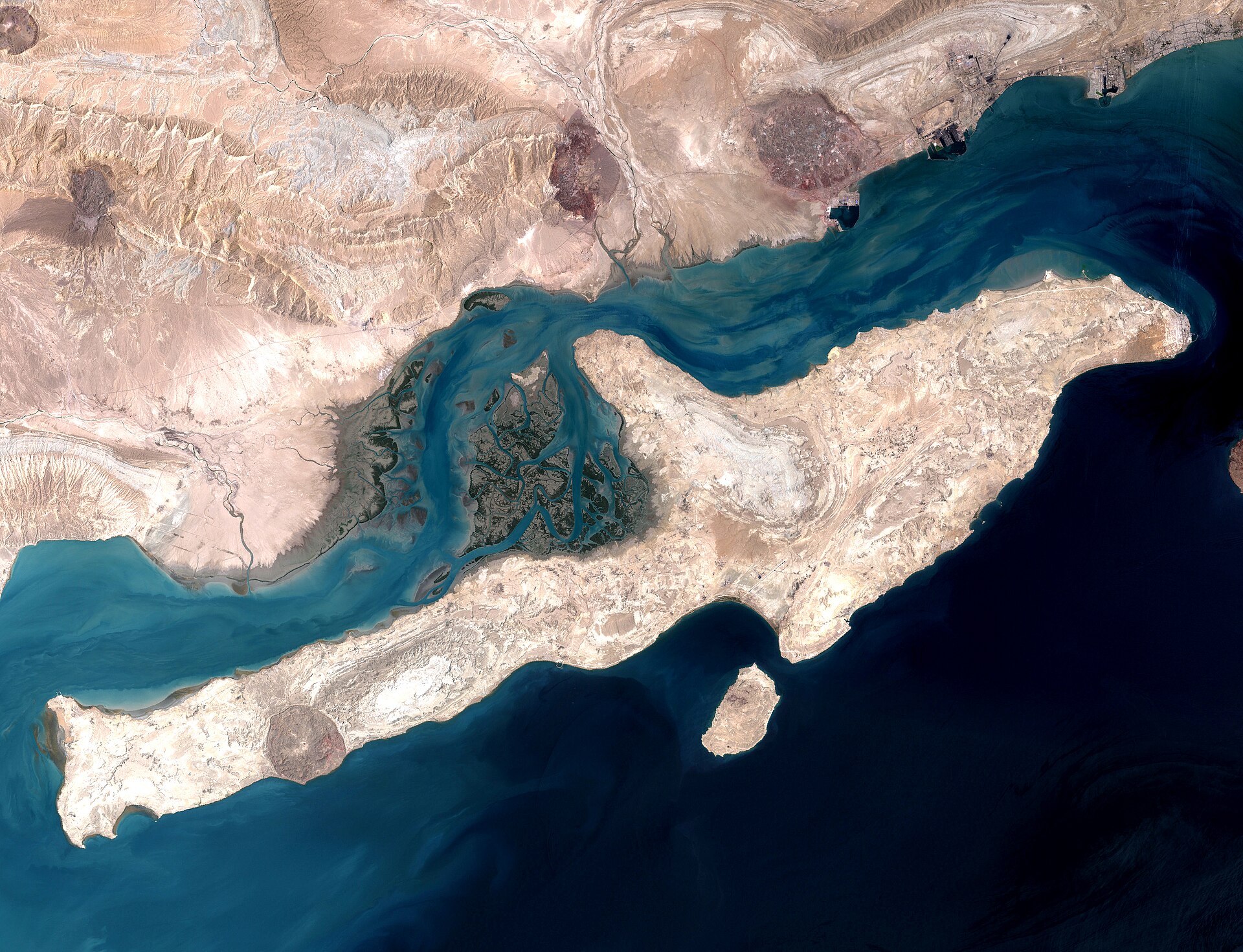
The war’s first confirmed strike on a desalination facility came on March 7, when a plant on Iran’s Qeshm Island in the Strait of Hormuz was rendered non-functional. Iranian Foreign Minister Abbas Araghchi accused the United States, writing on social media that “water supply in 30 villages has been impacted” and calling the strike “a dangerous move with grave consequences. The U.S. set this precedent, not Iran.” The U.S. and Israel denied responsibility. The next day, an Iranian drone damaged a desalination plant in Bahrain, injuring three workers — a sequence that Foreign Policy described as establishing a “spiral of retaliation” over water infrastructure.
What Does the Targeting Symmetry Mean?
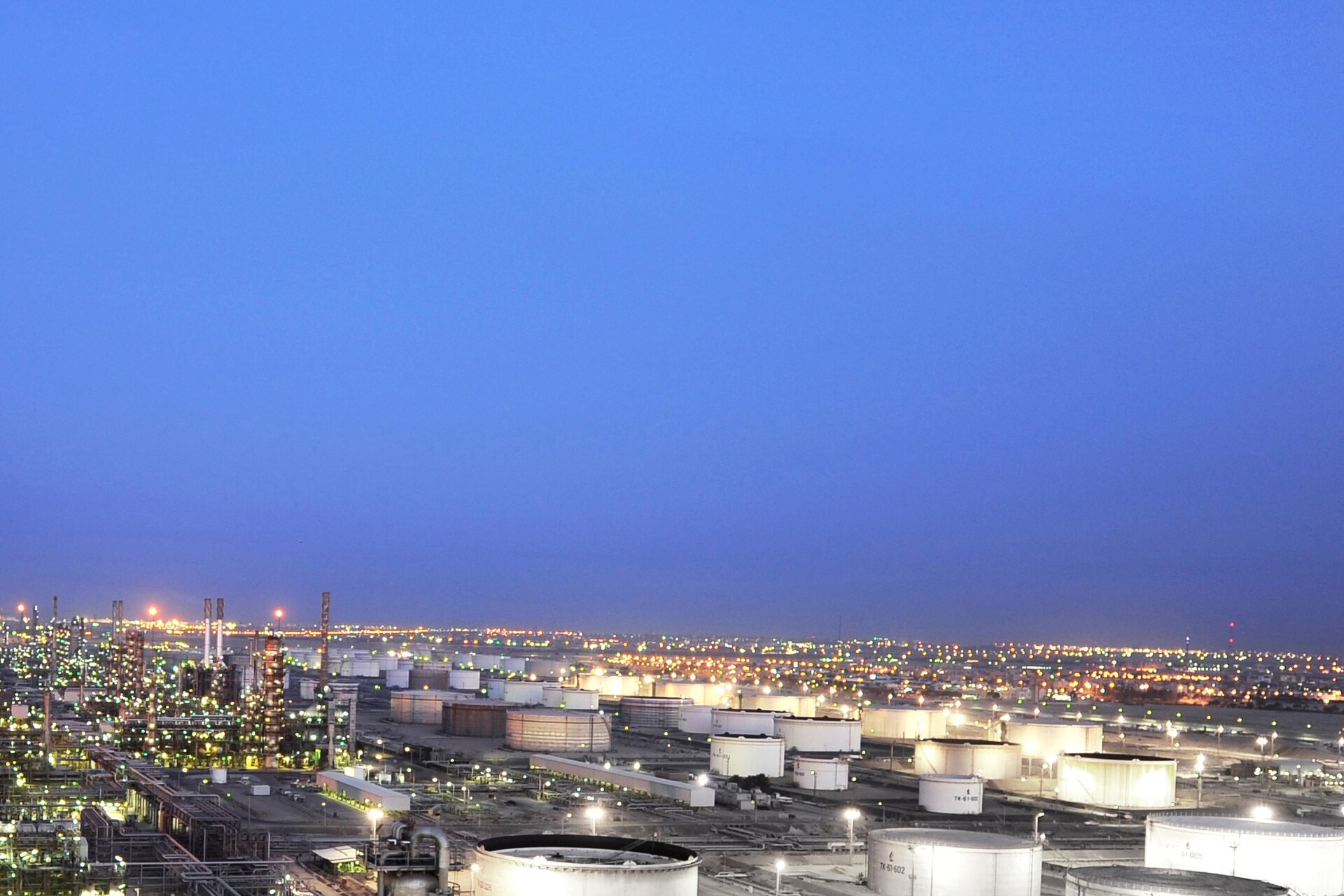
The pattern now visible across 35 days of war is not that one side has escalated to civilian infrastructure while the other exercises restraint. Both sides are converging on the same targeting logic. The United States has struck (or is accused of striking) a desalination plant on Qeshm Island, destroyed Tehran’s largest bridge, and now explicitly threatens electric power, oil production, and water treatment. Iran has hit desalination plants in Bahrain and Kuwait, struck refineries across the Gulf, and fired missiles and drones at energy infrastructure in Saudi Arabia, including attacks on the Ras Tanura refinery and Prince Sultan Air Base.
Michael Christopher Low, writing in Project Syndicate, framed the dynamic as one of mirrored asymmetric power: Iran can threaten the Gulf’s civilian water supply in ways that mirror American power over Iran’s water and energy systems. The difference is scale. Iran’s Qeshm plant served 30 villages. Saudi Arabia’s Ras Al-Khair complex alone supplies water to roughly seven million people.
What the symmetry reveals is a war in which the laws of armed conflict are being subordinated to the logic of coercion. Trump’s threats are explicitly conditional — do what I want, or I destroy your civilian infrastructure. Iran’s strikes on Kuwait, a country that has not attacked Iran, follow the same grammar: we will hit what hurts, regardless of combatant status.
Saudi Arabia’s Desalination Exposure
Saudi Arabia operates approximately 30 desalination plants through the Saline Water Conversion Corporation, with total capacity exceeding 5.6 million cubic meters per day, according to InvestRiyadh.ai. The kingdom derives 70 percent of its potable water from these facilities. Most Saudi cities maintain three to five days of water storage in elevated tanks and reservoirs.
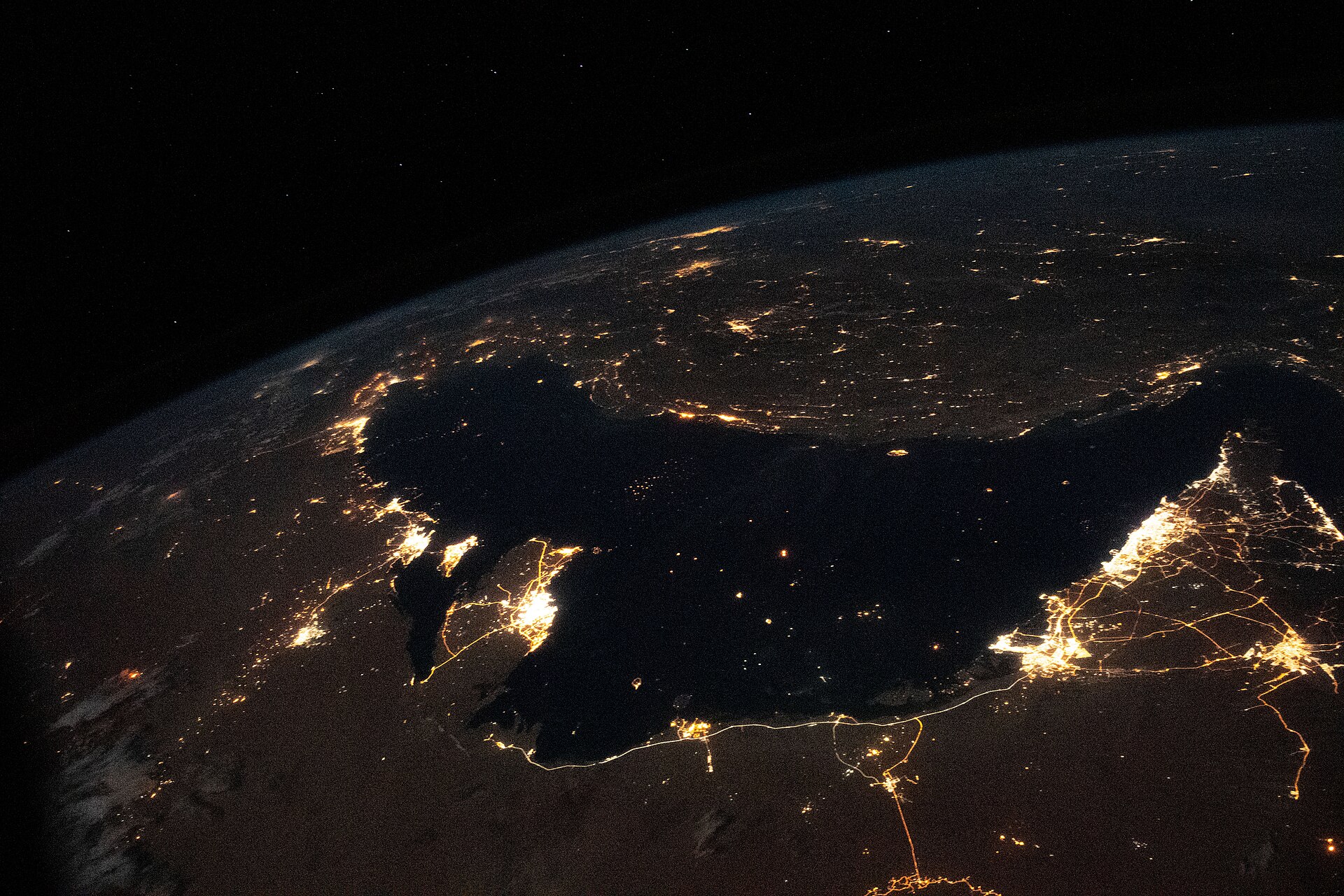
Two of the kingdom’s four largest complexes — Ras Al-Khair and Jubail — sit on the Persian Gulf coast, within 350 kilometers of Iran. CSIS military analysts have described GCC desalination plants as “large, fixed, open-air industrial complexes mostly concentrated along the coast,” making them “as exposed to Iranian weaponry as any civilian infrastructure that has been targeted.” More than 90 percent of the Gulf’s desalinated water comes from just 56 plants, according to CSIS.
Sanam Mahoozi, a research associate at City St George’s, University of London, told The Conversation that a major plant disruption in Saudi Arabia could trigger “emergency water rationing for millions of residents within a matter of days,” affecting hospitals, sanitation, food production, and industry simultaneously. The dependency is even more acute elsewhere in the GCC: Kuwait and Bahrain rely on desalination for more than 90 percent of potable water; Qatar, 99 percent; Oman, 86 percent.
One Gulf regional official privately told U.S. officials, according to CNN: “It will be a huge catastrophe if they strike, we rely on desalination for almost all drinking water.” The concern is not hypothetical solidarity. It is that Trump’s threat to destroy Iranian water infrastructure invites the retaliation Iran has already demonstrated it will execute — against Gulf targets that cannot intercept every incoming missile.
The Saudi Water Authority announced in January 2026 plans for five new desalination plants by 2028, emphasizing inland locations and Red Sea coast sites — an implicit acknowledgment that Gulf-facing facilities are exposed. The kingdom’s planned desalination investment totals up to $80 billion, CNN reported. The strategic logic is geographic diversification away from the Iranian missile envelope, but the timeline — 2028 — does not address the vulnerability that exists in April 2026.
Can Either Side Legally Target Water Systems?
Additional Protocol I to the Geneva Conventions prohibits attacks on “objects indispensable to the survival of the civilian population,” a category that explicitly includes drinking water installations. Neither the United States nor Iran is a member of the International Criminal Court.
More than 100 U.S.-based international law experts signed a letter published by Just Security on April 2 stating that U.S. strikes may constitute war crimes. The letter, co-authored by Yale Law School professors Oona Hathaway and Harold Koh, NYU’s Philip Alston, and former Human Rights Watch chief Kenneth Roth, cited strikes on schools, health facilities, and homes — and warned that the threatened escalation to power and water infrastructure would deepen the violations.
Gabor Rona, an international law expert, told NPR that Trump’s threat to strike desalination plants and power grids is “a threat to commit war crimes both under international and U.S. law.” Erika Guevara-Rosas, senior director at Amnesty International, stated that “intentionally attacking civilian infrastructure such as power plants is generally prohibited” and that such strikes “could amount to a war crime.”
The legal framework applies equally to Iran’s strikes on Kuwaiti water infrastructure, though Tehran denies responsibility. The practical effect is that both sides have created a precedent environment in which water and power infrastructure — the systems most directly connected to civilian survival in the Gulf — are being treated as instruments of strategic pressure, regardless of what the Geneva Conventions say about them.
Day 35: The War’s Other Escalation
The infrastructure threats unfolded on the same day Iran shot down a U.S. F-15E Strike Eagle over southern Iran — the first confirmed loss of an American aircraft inside Iranian territory since the war began on February 28. One crew member was rescued by U.S. special forces operating on Iranian soil; the second remained missing as of Thursday evening, with Iran offering a bounty and asking civilians in the area to join the search, according to CBS News.
Iranian state media initially claimed the aircraft was an F-35. Peter Layton, a former Australian air force officer, told NPR that wreckage photographs indicated “an F-15 from the 48th Fighter Wing, based at RAF Lakenheath in the United Kingdom.” The shootdown adds military pressure to a day already defined by infrastructure escalation — and raises the question of whether the loss of an American aircraft and crew member changes the calculus around the April 6 deadline.
Brent crude rose nearly 8 percent on Thursday to $109.03 per barrel, according to NPR. The Strait of Hormuz, which before the war carried roughly 138 cargo vessels daily according to Lloyd’s List data, has seen traffic fall sharply — NPR reported fewer than 50 transits per day as of this week. The economic compression is already acute for Gulf producers; the threat of power grid and water infrastructure destruction on either side of the Gulf would deepen it.
Is Diplomacy Keeping Pace With the Escalation?
White House special envoy Steve Witkoff told CBS News that there were “strong signs” Iran was “looking for an off-ramp.” The United States has presented a 15-point peace proposal through Pakistani mediators, demanding — among other conditions — the decommissioning of Iran’s Fordow nuclear facility, elimination of enrichment capability, and cuts to its ballistic missile inventory, according to Iran International.
Iran countered with five conditions of its own: a halt to U.S. and Israeli attacks, mechanisms to prevent resumption of hostilities, war reparations, an end to strikes on Hezbollah and Iraqi militias, and — the structural obstacle — international recognition of Iran’s authority over the Strait of Hormuz. Iran’s parliament speaker, Mohammad-Bagher Ghalibaf, dismissed the American proposal as cover for troop deployments: “The enemy, openly, sends messages of negotiation and dialogue, but secretly is planning a ground attack,” PBS reported.
Iranian Foreign Minister Araghchi told Al Jazeera on March 31 that “if there are messages through others to which we respond with our own position and demands, that is not called conversation, nor negotiation.” The gap between the two sides’ positions — U.S. demands for nuclear disarmament and Hormuz reopening versus Iranian demands for sovereignty recognition and reparations — has not narrowed in a week. Pakistan’s mediation channel has already frayed.
The April 6 deadline, now approximately 60 hours away, arrives against this backdrop: no diplomatic framework that either side has accepted, an American aircraft shot down, Iranian strikes continuing against non-combatant Gulf infrastructure, and a presidential threat to destroy water and power systems serving tens of millions of Iranian civilians. Britain’s parallel diplomatic track through a 35-nation Hormuz summit has not produced concrete results.
Background
The United States and Israel launched strikes against Iran on February 28, 2026, now in its 35th day of active conflict.
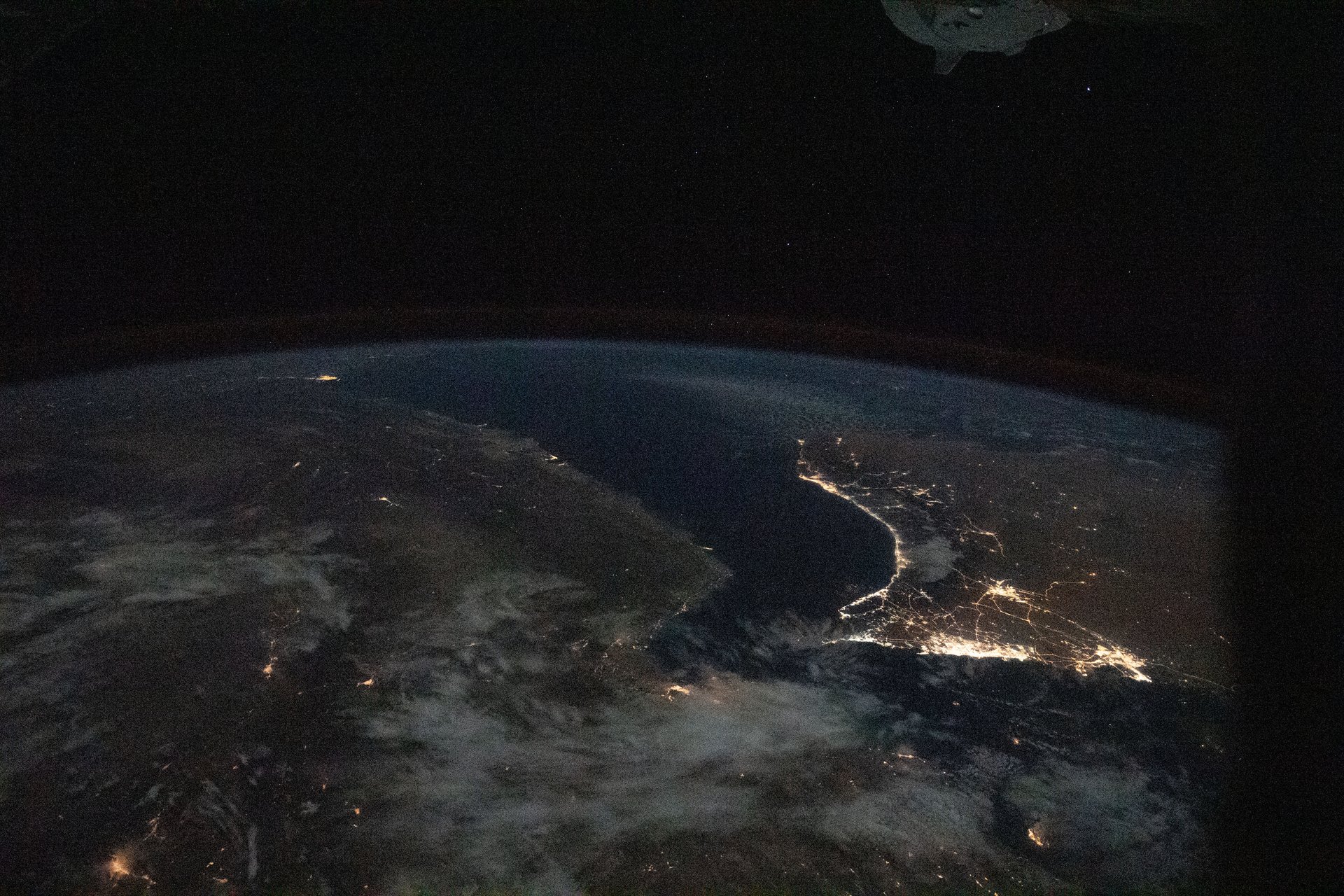
Saudi Arabia has absorbed multiple Iranian strikes since the war began, including drone attacks on the Ras Tanura refinery on March 2, missiles aimed at Prince Sultan Air Base that damaged five U.S. Air Force refueling planes, a missile targeting Al-Kharj, and a drone intercepted heading toward the Shaybah oilfield, according to compiled strike data. None have targeted Saudi desalination infrastructure — a restraint that Iran’s IRGC has not committed to maintaining.
The Yemen war precedent hangs over the current conflict. The Saudi-led coalition, with U.S. and UK support, targeted water, sanitation, and energy infrastructure throughout the 2015-2022 war in Yemen — a history Iran’s propagandists now invoke to frame Gulf states as having forfeited the moral authority to object to infrastructure targeting. David Michel, senior fellow for water security at CSIS, described a concerted attack on Gulf desalination plants as “a provocative escalation” that would affect approximately 100 million people across the region.
Frequently Asked Questions
How long could Saudi Arabia sustain water supply if a major desalination complex were knocked offline?
Most Saudi cities maintain three to five days of water storage in elevated tanks and reservoirs, according to industry estimates. The kingdom does not have a strategic water reserve comparable to its Strategic Petroleum Reserve. The Saudi Water Authority’s January 2026 announcement of five new inland and Red Sea-facing plants reflects awareness of this vulnerability, but none will be operational before 2028. Emergency measures would include redirecting output from undamaged plants and activating groundwater sources, but Saudi groundwater reserves are already severely depleted from decades of agricultural extraction.
Has the United States ever struck civilian water infrastructure in a previous conflict?
During the 1991 Gulf War, U.S.-led coalition forces destroyed much of Iraq’s electrical grid, which powered water treatment and pumping stations. A 1991 Defense Intelligence Agency document, declassified in 1995, analyzed how sanctions would prevent Iraq from repairing its water treatment infrastructure, predicting outbreaks of disease — which subsequently occurred. The legal and ethical debate over that campaign informed the development of the 1998 Rome Statute establishing the International Criminal Court, though the United States never ratified it.
What would an Iranian strike on Ras Al-Khair mean for Riyadh?
Ras Al-Khair, located on the Persian Gulf coast approximately 75 kilometers north of Jubail, is the world’s largest desalination complex and supplies water to Riyadh — the capital, population roughly 7.5 million — via a 500-kilometer pipeline. A sustained disruption at Ras Al-Khair would require the capital to rely entirely on the Jubail complex and whatever output could be rerouted from Red Sea-facing plants such as Yanbu and Shuqaiq. The SWCC has not disclosed whether its pipeline network allows full redundancy between its eastern and western coastal plants.
Why is Iran striking Kuwait, which has not joined the U.S.-led coalition?
Kuwait hosts Camp Arifjan and Camp Buehring, which have served as staging areas for U.S. military operations in the region for decades. Iran has framed strikes on Kuwaiti infrastructure as targeting the logistics chain supporting the U.S. war effort, though the desalination plants hit on March 30 and April 3 have no military function. Kuwait’s government has called the strikes unprovoked attacks on civilian targets. The pattern mirrors Iran’s broader strategy of imposing costs on Gulf states to pressure them into opposing the U.S. campaign. On April 3, Iran also struck Kuwait’s Mina Al-Ahmadi oil refinery and shut down the UAE’s Habshan gas complex for the second time in fifteen days, while publishing a bridge target list that included the King Fahd Causeway connecting Saudi Arabia and Bahrain.
What is the War Powers Resolution deadline and how does it interact with the April 6 date?
Under the U.S. War Powers Resolution, the president must withdraw forces from hostilities within 60 days of their introduction unless Congress authorizes continued military action. The 60-day clock, which began when strikes were launched on February 28, expires around April 28-29. Trump’s self-imposed April 6 deadline for power grid strikes precedes the War Powers deadline by more than three weeks. Congress has not voted to authorize the war. Several bipartisan resolutions challenging the war’s legality are pending in both chambers, though none have reached a floor vote.