
ABU DHABI — The United Arab Emirates on April 8 formally demanded that Iran be “held accountable and fully liable for damages and reparations” for 40 days of aerial bombardment across the Gulf, a maximalist legal position that no other GCC member state has endorsed — and that Saudi Arabia, which absorbed hundreds of strikes on its own territory, has conspicuously declined to echo. The Saudi foreign ministry’s ceasefire statement, issued within hours of Abu Dhabi’s, contained neither the word “accountability” nor “reparations.”
The divergence is not rhetorical. It is structural. Riyadh’s foreign ministry responded to the same ceasefire with language so deliberately emptied of legal consequence — “comprehensive sustainable pacification” — that it reads less like a diplomatic statement than a placeholder designed to foreclose nothing. Abu Dhabi’s statement, by contrast, invoked UN Security Council Resolution 2817, cited a precise projectile count of 2,819, and used the word “reparations” three times.
Table of Contents
What the UAE Actually Said
The UAE Ministry of Foreign Affairs statement, released hours after the ceasefire announcement on April 8, made four distinct demands: that Iran accept full liability for damages, that it pay reparations, that it comply fully with UNSC Resolution 2817, and that it execute a “complete and unconditional reopening of the Strait of Hormuz.” The language was juridical, not diplomatic — closer to a war-crimes tribunal filing than to the hedged formulations that typically emerge from Gulf foreign ministries in the first hours of a truce.
The statement cited 2,819 ballistic missiles, cruise missiles, and drones fired at Gulf states over the 40-day conflict. According to ACLED data from April 2026, the UAE absorbed roughly 2,400 of those projectiles — approximately 85 percent of the total — making it the most heavily targeted GCC state. Thirteen Emiratis were killed and 221 injured. The Habshan gas facility had its operations suspended twice. The Ruwais refinery suffered multiple fires. Al Taweelah aluminium plant took hits that injured six workers. Ports at Fujairah, Jebel Ali, and Khor Fakkan were all struck.
Anwar Gargash, the diplomatic adviser to UAE President Sheikh Mohamed bin Zayed, had been building toward this position for at least ten days. On March 29, he told The National that any political solution “must include clear guarantees to prevent future attacks, reinforce the principle of non-aggression, and ensure Iranian compensation for targeting civilian and vital infrastructure.” On April 7, he told Euronews: “With this regime, there is no trust.” On April 8, he declared: “The UAE triumphed in a war we sincerely sought to avoid.”
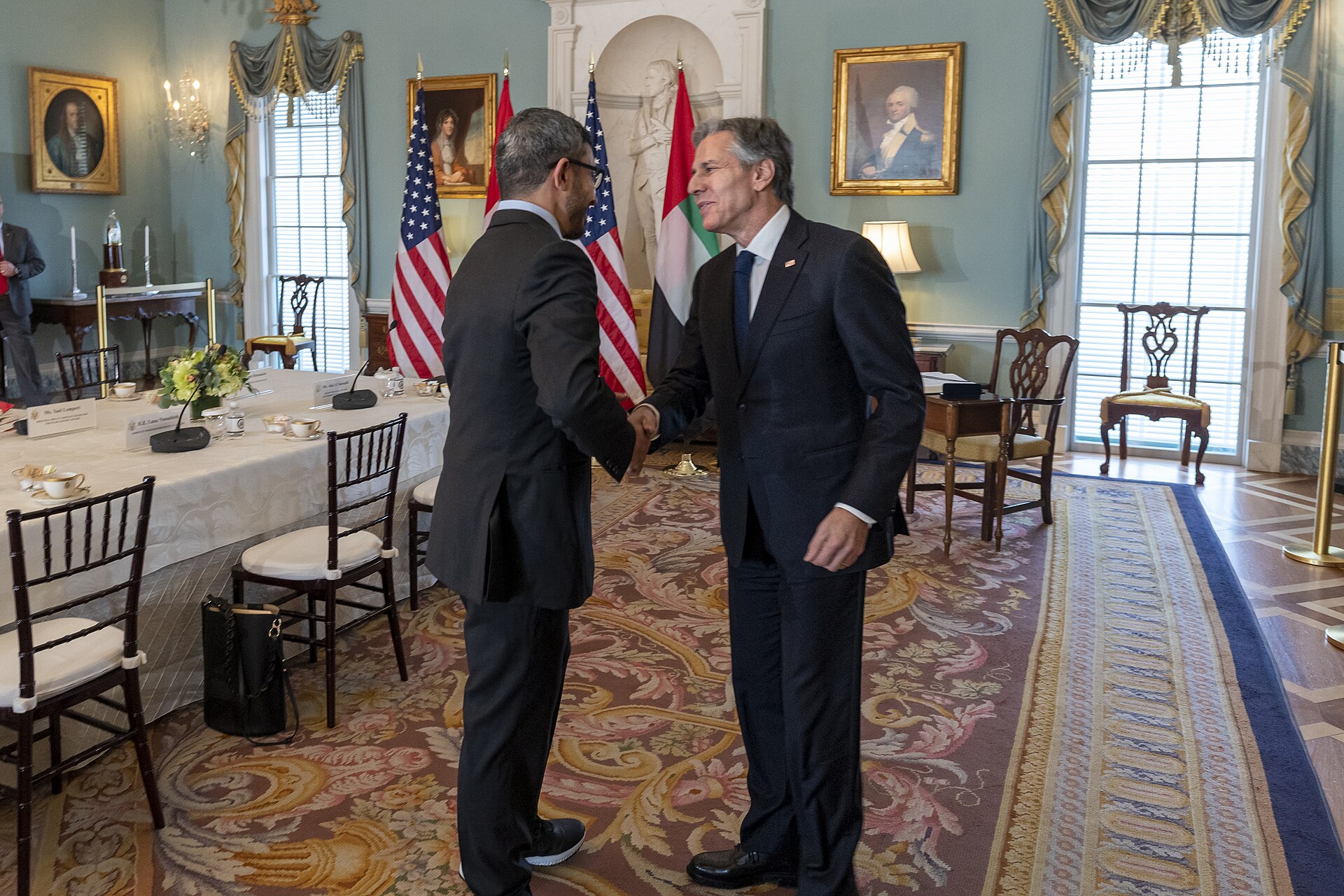
The ceasefire itself had barely taken hold when the UAE was forced to defend it. On April 8 alone — the day the truce was announced — the UAE Defence Ministry confirmed it intercepted 17 ballistic missiles and 35 drones. UAE Ambassador to the United States Yousef Al Otaiba summarized Abu Dhabi’s posture: “A simple cease-fire isn’t enough.”
The Middle East briefing 3,000+ readers start their day with.
One email. Every weekday morning. Free.
What Saudi Arabia Did Not Say
The Saudi foreign ministry’s April 8 statement said the Kingdom “welcomes” the ceasefire and expressed hope it would “lead to a comprehensive sustainable pacification.” It urged the reopening of the Strait of Hormuz. It did not use the words “accountability,” “reparations,” or “liability.” It did not cite UNSC Resolution 2817. It did not mention Iran by name in a punitive context.
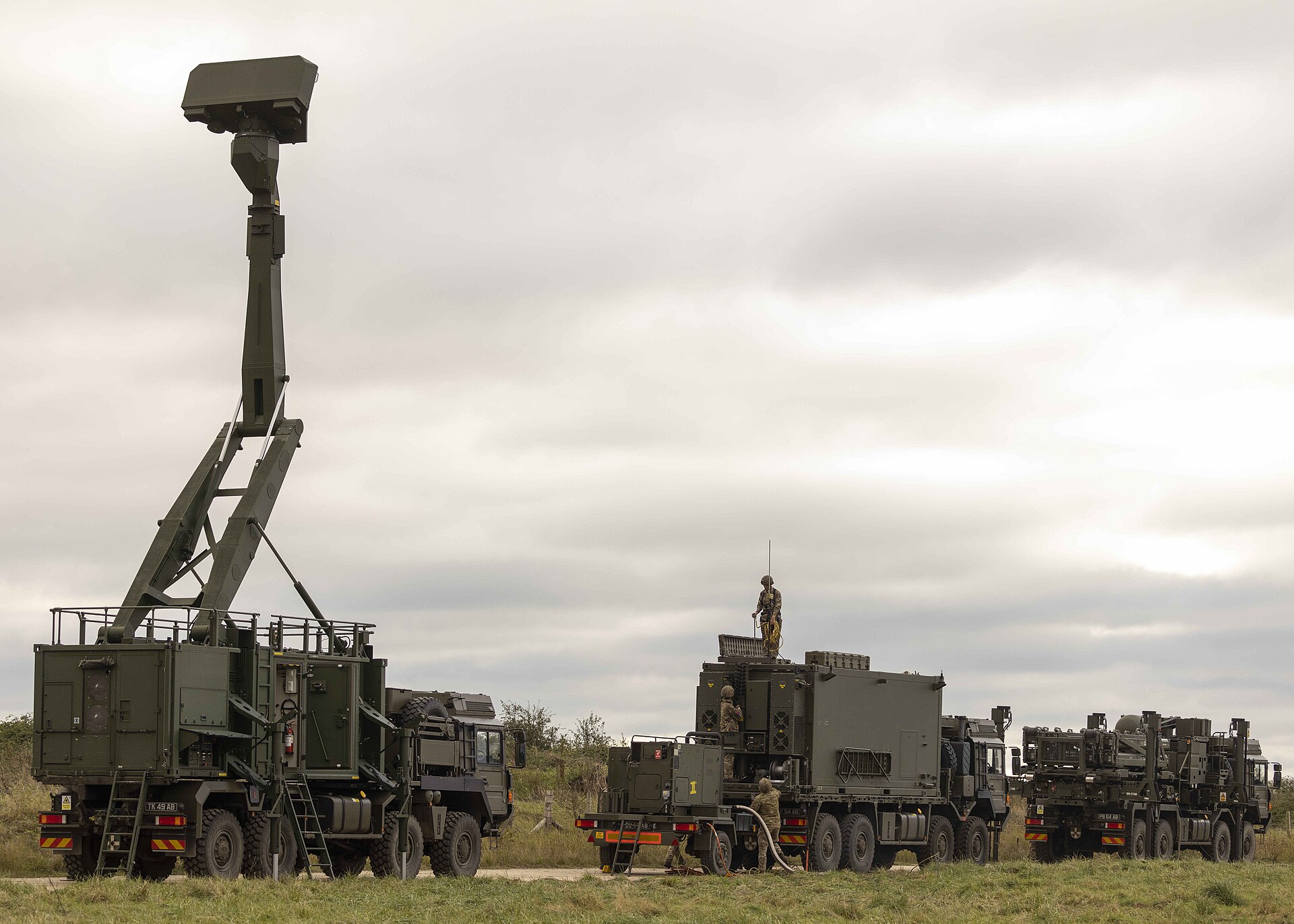
Saudi Arabia suffered its own catastrophic damage during the 40-day war. Ras Tanura was struck in March. The SABIC complex at Jubail took debris from intercepted missiles on April 7. The East-West Pipeline pumping station was hit on April 8 after the ceasefire’s nominal start. The Kingdom intercepted 799 drones and 95 missiles — 894 projectiles — between March 3 and April 7, depleting its PAC-3 missile stockpile to roughly 400 rounds from a pre-war inventory of approximately 2,800.
Iran’s UN letters demanding counter-reparations named the UAE and Bahrain — not Saudi Arabia — as respondents, according to Anadolu Agency.
The GCC Spectrum on April 8
| State | Key Language | Used “accountability” | Used “reparations” | Posture |
|---|---|---|---|---|
| UAE | “held accountable and fully liable for damages and reparations” | Yes | Yes | Maximalist / punitive |
| Saudi Arabia | “comprehensive sustainable pacification” | No | No | Diplomatic ambiguity |
| Qatar | “initial step toward de-escalation” | No | No | Mediator-compatible |
| Oman | “appreciates efforts of Pakistan” | No | No | Facilitator-consistent |
| Kuwait | “comprehensive and permanent settlement” | No | No | Neutral / cautious |
| Bahrain | Co-sponsored UNSC 2817 (March 11) | Implicitly | No | Aligned with UAE |
Qatar’s foreign ministry spokesperson Majed al-Ansari said the war “must be resolved” through diplomacy and that nations must “find a way to live next to each other.” Oman’s foreign minister, Sayid Badr Albusaidi, went further, telling Euronews that Iran’s retaliation during the conflict was “inevitable” and “probably the only rational option” — language that is structurally incompatible with any reparations framework premised on Iranian aggression. Kuwait hoped for a “comprehensive and permanent settlement” without attribution of fault.
Saudi Arabia’s April 8 statement contained neither “accountability” nor “reparations” — and did not name Iran in a punitive context.
Why Are Reparations Unenforceable Without a New Resolution?
The UAE anchored its demand in UNSC Resolution 2817, adopted on March 11 with 13 votes in favour and two abstentions — China and Russia. The resolution, co-sponsored by Bahrain on behalf of the GCC, drew 135 co-sponsors, the highest count for any Security Council resolution in UN history. It condemned Iran’s attacks and determined they “constitute a breach of international law.”
It did not, however, establish a reparations mechanism. According to legal analysis by Safia Southey of Columbia University and the University of Amsterdam, published in Verfassungsblog, Resolution 2817 makes a finding of wrongfulness but creates no compensation framework. The precedent the UAE implicitly invokes — UNSC Resolution 687 of April 1991, which declared Iraq liable for all losses from its invasion of Kuwait — required a separate follow-up resolution, UNSC 692, to create the UN Compensation Commission. That commission processed roughly 2.7 million claims, awarded $52.4 billion from $352.5 billion claimed, and made its final payment in December 2021 — thirty-one years after the Gulf War ended.
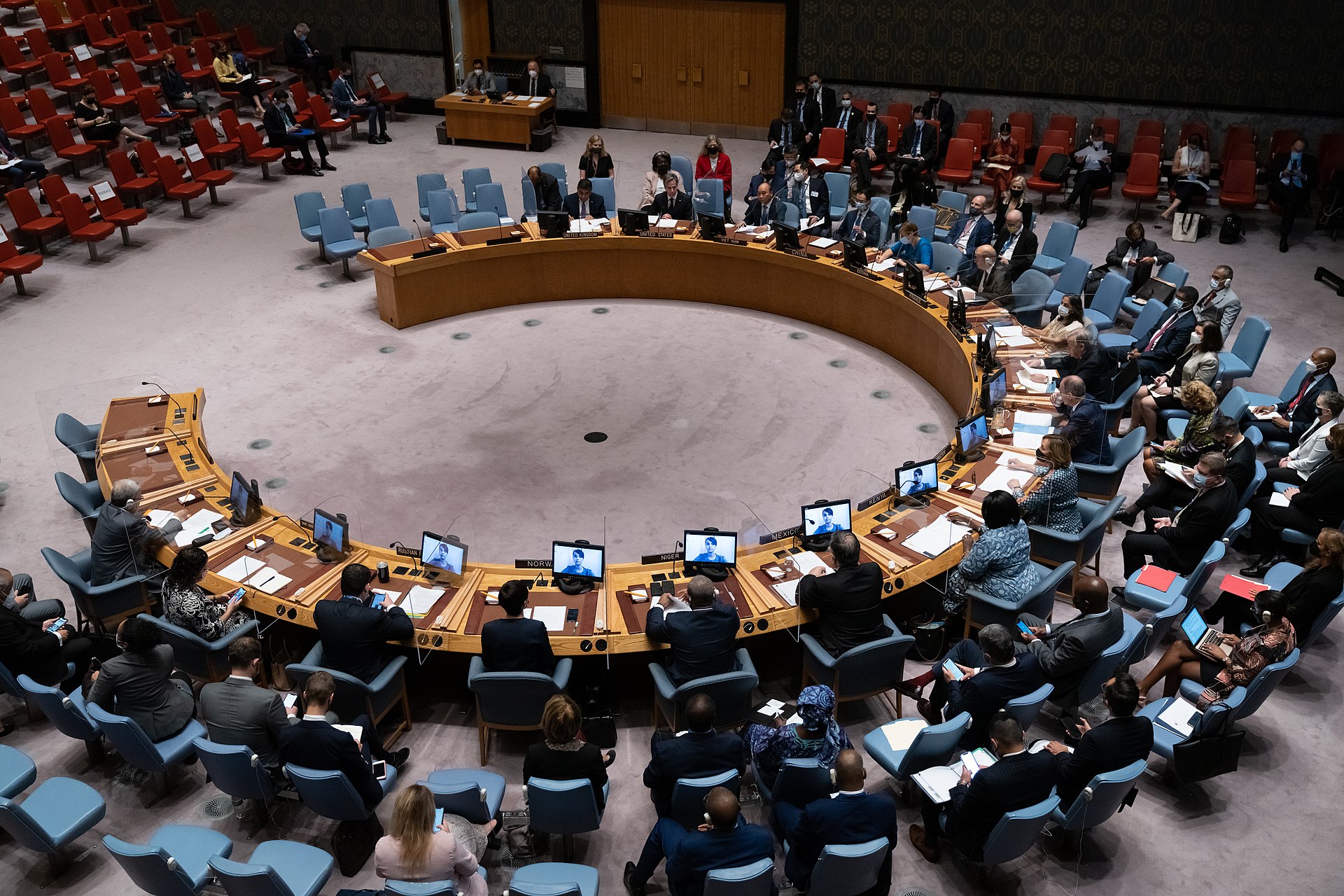
Any attempt to create a comparable commission for 2026 would require a new Security Council resolution. Russia and China, which abstained on 2817, would almost certainly veto any upgrade that imposed binding financial obligations on Iran. The 1991 model also depended on a defeated state whose oil revenues could be levied under international supervision. Iran in 2026 is not a defeated state — it is a co-equal ceasefire party that claims victory, routes its oil revenues through SWIFT alternatives including China’s Kunlun Bank and USDT on the Tron blockchain, and has filed its own counter-claims for reparations.
Can Saudi Arabia Afford to Back the UAE?
Four structural constraints explain Riyadh’s reticence, and none of them are ideological.
The first is fiscal. Aramco’s May Official Selling Price was set at a premium of $19.50 per barrel above the Oman/Dubai benchmark on April 6, when Brent was trading near $109. By April 8, Brent had crashed to roughly $96.24 — leaving the May OSP $11 to $14 per barrel above spot. The June OSP repricing window opens around May 5. Saudi Arabia’s PIF-inclusive fiscal breakeven sits at approximately $94 per barrel, according to Bloomberg estimates. Goldman Sachs cut its Q2 2026 Brent forecast to $90 on April 9, according to Reuters. A reparations demand that collapses the ceasefire — and with it the tentative reopening of Hormuz, where Iran allowed only 15 ships through on day one — would destroy the price stability Riyadh needs to avoid a June OSP correction of historic proportions.
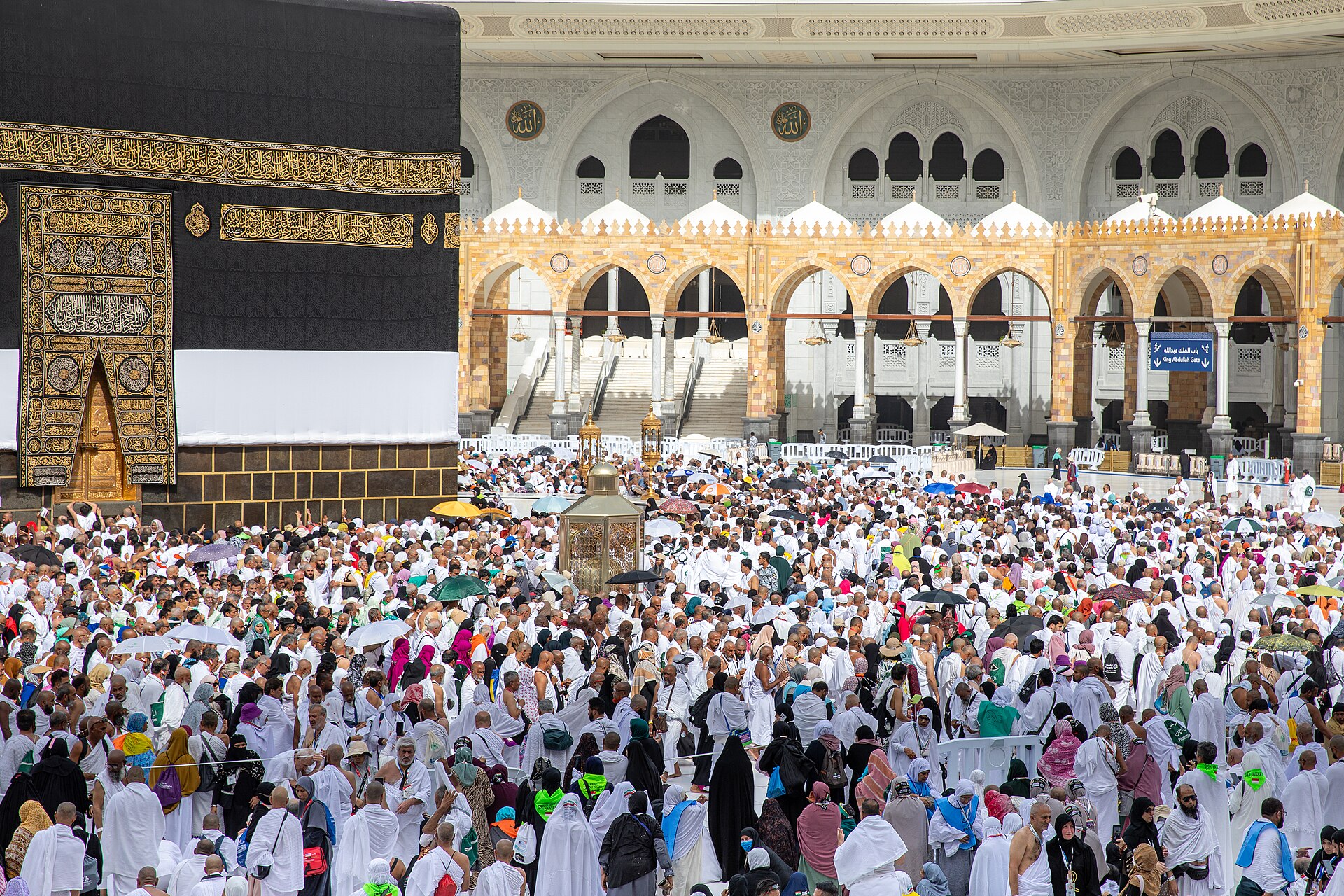
The second is Hajj. Pilgrim arrivals begin April 18, with peak season running through May 25-26. Saudi Arabia has roughly 400 PAC-3 interceptor rounds remaining — an 86 percent drawdown from the pre-war stockpile of approximately 2,800. Camden, Arkansas, the sole production facility for PAC-3 MSE rounds, manufactures roughly 620 per year. Any Iranian retaliation triggered by a Saudi endorsement of reparations during the pilgrimage window would confront an air-defense architecture that cannot sustain another campaign.
The third constraint is the mediation architecture. Saudi Arabia was excluded from the April 10 Islamabad bilateral talks between Washington and Tehran — a format in which it had held a co-guarantor seat as recently as March 29-30. The Phase 2 negotiations that will determine Hormuz’s long-term status are expected to run through Qatar and Oman. Saudi Arabia cannot signal support for those tracks while endorsing a UAE demand that Iran has called a deal-breaker. Iran’s 10-point plan already includes sanctions relief, withdrawal of US forces from regional bases, and reparations from the United States and Israel — conditions that grow harder to negotiate around if a fellow GCC state is simultaneously pressing a parallel legal claim.
The fourth is Iran’s counter-demand trap. Tehran filed letters to the UN asserting that the UAE and Bahrain bear “international responsibility for violations of international law” because they permitted their territory to serve as launch platforms for US and Israeli strikes. Iran demanded “full, effective and prompt reparations” from both states for “all material and moral damages,” according to Anadolu Agency. If Saudi Arabia endorses the UAE’s reparations framework, it implicitly invites Iran to extend that counter-demand — challenging the legality of the US military presence at Prince Sultan Air Base, which cost over $1 billion in Saudi-funded construction and hosts 2,000 to 3,000 US troops — into a formal legal forum.
Allison Minor, director of the Atlantic Council’s Project for Middle East Integration, described Saudi Arabia as seeking to “gauge how best to shape what comes next in Iran” while maintaining strategic distance. Andrew Leber, a nonresident scholar at the Carnegie Middle East Program, argued that Gulf states “cannot leverage spending power at the White House to reshape Trump’s war-forward approach.” Giorgio Cafiero of Gulf State Analytics documented the wider spectrum: Saudi Arabia and the UAE were “most willing to align with Trump against Iran,” while Qatar and Oman advocated de-escalation throughout the conflict.
Iran’s Mirror Claim
Iran’s position is not defensive silence. It is a formal legal counter-offensive. In letters submitted to the United Nations, Tehran argued that the UAE and Bahrain violated international law by hosting the military infrastructure from which American and Israeli strikes were launched against Iranian territory. The letters demanded compensation for “all material and moral damages” — a formulation that mirrors the UAE’s own language almost word for word.
Gargash anticipated this. “When Iranians speak about reparations, it also works here,” he told Euronews on April 7. The acknowledgment was unusual — a senior Emirati official conceding that the reparations framework he was constructing could be turned against his own state. Iran’s 10-point ceasefire plan, which President Trump described as “workable,” includes demands for sanctions relief, withdrawal of US forces from all regional bases, and compensation for over 1,200 Iranian civilians killed during the conflict.
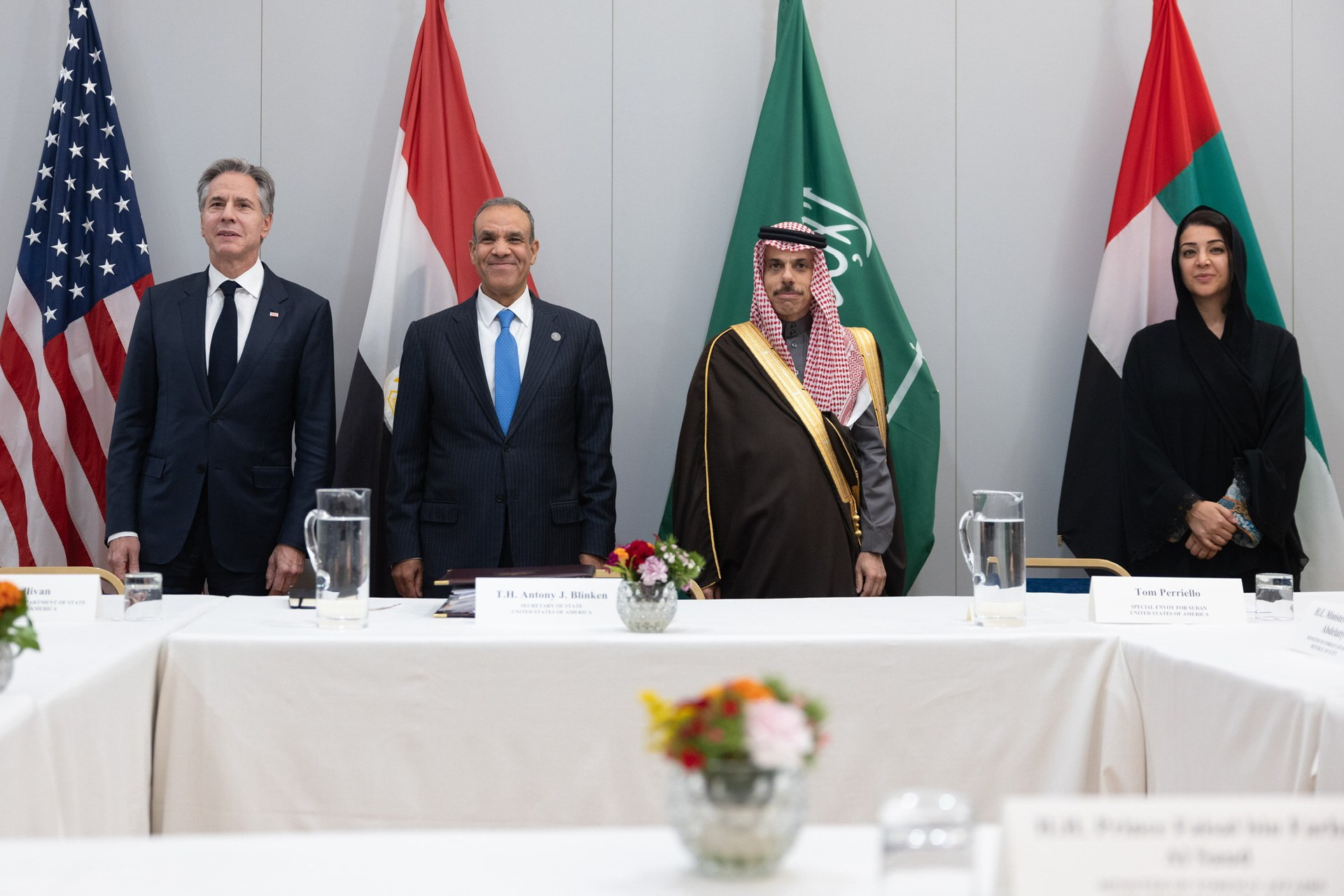
The UAE demands reparations under a resolution that contains no enforcement mechanism. Iran demands counter-reparations under a legal theory that challenges the foundational arrangement of US military presence in the Gulf.
The Qatar Blockade Echo
The pattern is not new. In June 2017, Saudi Arabia, the UAE, Bahrain, and Egypt imposed a blockade on Qatar over its ties to Iran and its hosting of Al Jazeera. The blockade lasted three and a half years, ending with the Al Ula Declaration in January 2021. The UAE took the most maximalist position throughout — demanding Qatar sever all Iranian ties, shut Al Jazeera, and accept external monitoring of its compliance.
Qatar’s Iran channel, which Abu Dhabi sought to destroy during the blockade, is now the primary mediation track that Saudi Arabia needs operational for Phase 2 negotiations.
Kuwaiti political scientist Bader Al Saif argued that “only collective action among the GCC states is likely to get them out of this dilemma.” But collective action requires a shared position, and the April 8 statements demonstrate that no such position exists. The six GCC members issued six distinct formulations, ranging from Abu Dhabi’s demand for legal accountability to Muscat’s characterization of Iranian retaliation as rational.
Background
The Iran-Gulf war began on February 28, 2026, when Iran launched coordinated strikes across the Gulf region. Over 40 days of conflict, Iran fired approximately 2,819 missiles and drones at GCC member states, according to the UAE foreign ministry’s count. UNSC Resolution 2817, adopted March 11 with 135 co-sponsors, condemned the attacks but established no enforcement or reparations mechanism.
A ceasefire framework emerged through Pakistani and Omani mediation, with a phased structure: Phase 1 covers an initial 45-day truce, while Phase 2 — expected to address Hormuz sovereignty, Iran’s nuclear program, and long-term security architecture — was deferred to subsequent negotiations. The ceasefire was announced on April 8 but was immediately violated: Israeli strikes on Lebanon triggered a second Hormuz re-closure the same day, and the UAE intercepted 52 projectiles on April 8 alone. Iran’s Supreme Leader Ayatollah Khamenei, who had been absent from public view for 39 days, was attributed a written statement on state television ordering units to cease fire while the SNSC declared that “negotiations are continuation of battlefield.”
The 1991 Gulf War remains the only precedent for a UN-administered reparations regime in the region. UNSC Resolution 687 declared Iraq liable; Resolution 692 created the UN Compensation Commission. The UNCC awarded $52.4 billion and made its final payment in December 2021. That model required a defeated state under international occupation, a Chapter VII mandate, and Iraqi oil revenues under UN supervision — none of which exist in 2026.
FAQ
Has any GCC state other than the UAE publicly supported the reparations demand?
Bahrain comes closest. It co-sponsored UNSC Resolution 2817 on behalf of the GCC and has generally aligned with Abu Dhabi’s posture throughout the conflict. However, Bahrain has not issued a standalone statement using the word “reparations.” Bahrain is also named in Iran’s counter-claim — Tehran’s UN letters specifically demand reparations from both the UAE and Bahrain for hosting US and Israeli military operations. Bahrain’s Fifth Fleet facilities at NSA Bahrain had SATCOM terminals destroyed on February 28, the first day of the war, and the kingdom’s airspace has been closed since that date.
What would a reparations commission require legally?
Under established precedent, a binding reparations regime requires a Security Council resolution adopted under Chapter VII of the UN Charter, which authorizes enforcement measures. Resolution 2817 was not adopted under Chapter VII. A new resolution would need nine affirmative votes and no vetoes from any of the five permanent members. China and Russia abstained on 2817 and have publicly criticized what they describe as Western militarization of the conflict. Both are expected to veto any resolution that imposes financial obligations on Iran. An alternative path — adjudication before the International Court of Justice — would require Iran’s consent to jurisdiction, which Tehran has not given and is unlikely to offer while filing its own counter-claims.
How does the UAE’s position affect oil markets?
The reparations demand introduces a new variable into ceasefire stability calculations. If Iran interprets the demand as a precondition for Phase 2 negotiations — as its foreign ministry has suggested — the 45-day truce could collapse before the June OSP repricing window opens around May 5. Goldman Sachs already cut its Q2 2026 Brent forecast to $90 per barrel on April 9. Saudi Arabia’s PIF-inclusive fiscal breakeven is approximately $94 per barrel. A resumed conflict would re-close Hormuz, where Iran allowed only 15-20 ships per day through on April 8 versus a pre-war average of 138, according to Windward maritime data. The Kpler-estimated 6 million barrel-per-day deficit from Hormuz restrictions has already driven Brent volatility of 13 to 17 percent in single sessions.
Has the UAE made reparations a precondition for normalization with Iran?
Gargash’s April 7 statement — “With this regime, there is no trust” — and the April 8 demand for “full compliance” with UNSC 2817 before any political engagement suggest Abu Dhabi has effectively closed its diplomatic channel to Tehran. The UAE’s position contrasts with Qatar, whose foreign ministry spokesperson Majed al-Ansari said nations must “find a way to live next to each other,” and with Oman, whose foreign minister described Iran’s wartime conduct as “inevitable.” Whether the UAE maintains this position through Phase 2 negotiations will depend in part on whether Emirati reconstruction costs — for Habshan, Ruwais, Al Taweelah, and damaged port infrastructure — can be financed domestically or will require international insurance and sovereign claims mechanisms that presuppose Iranian liability.
Could Iran’s counter-claims succeed?
Iran’s legal theory — that hosting states bear responsibility for strikes launched from their territory — has limited precedent in international law but serves a strategic function regardless of its legal merit. By filing counter-claims against the UAE and Bahrain, Tehran creates a symmetry that complicates any multilateral reparations framework: a commission that adjudicates UAE claims against Iran would, in principle, also need to hear Iran’s claims against the UAE. This is one reason Saudi Arabia’s silence may be calculated rather than negligent — endorsing a reparations framework opens the door to Iranian counter-claims challenging the legality of Prince Sultan Air Base, which was struck by six ballistic missiles and 29 drones on March 28 and remains the most politically sensitive US military installation in the Kingdom.