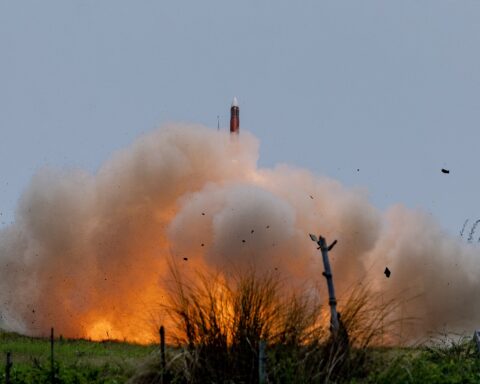
JEDDAH — Ukraine and Saudi Arabia signed a defense cooperation memorandum of understanding on March 27, marking Kyiv’s first military agreement with any Gulf state and formalizing a wartime partnership built on a shared enemy: Iran’s Shahed drone.
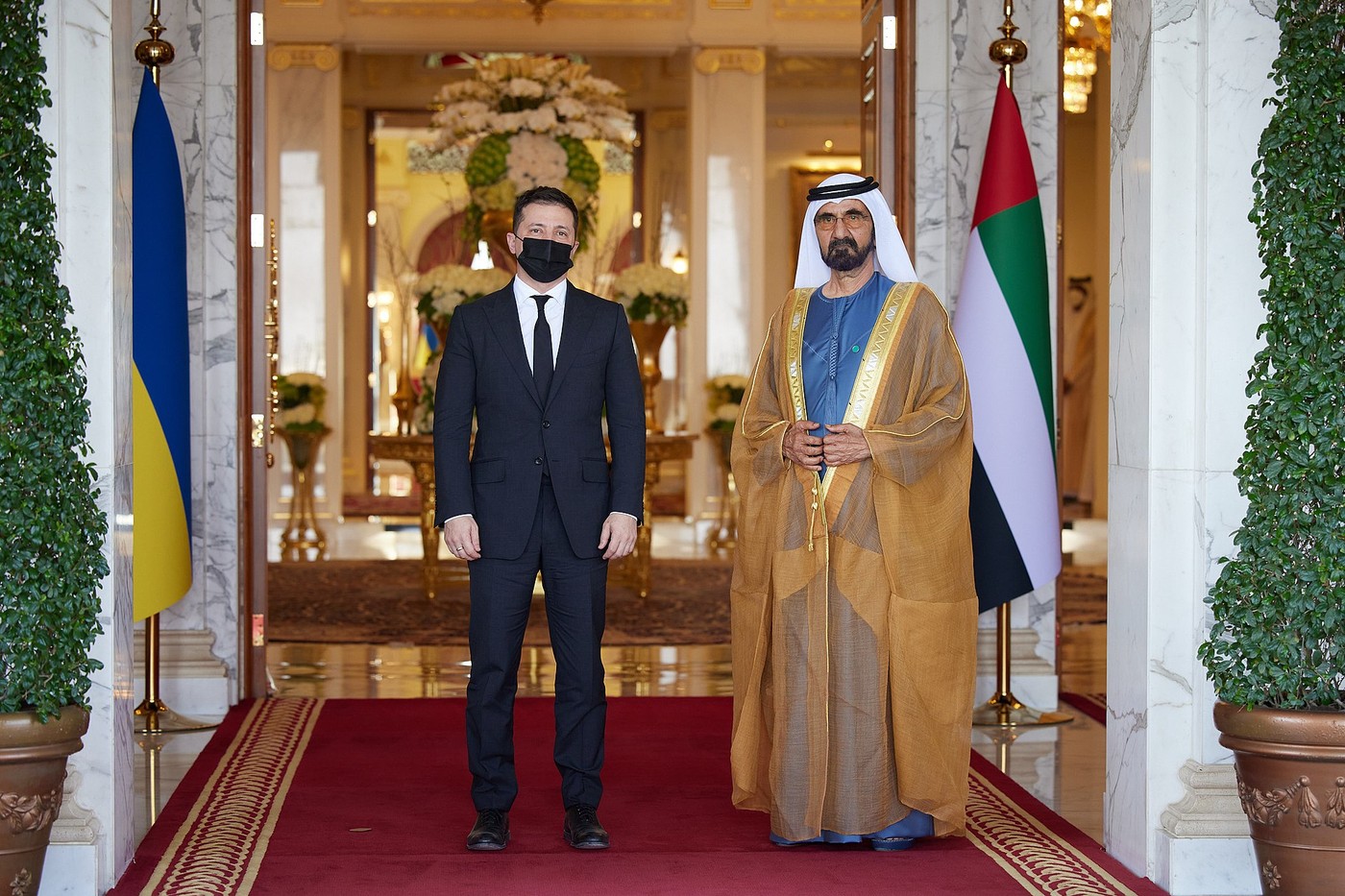
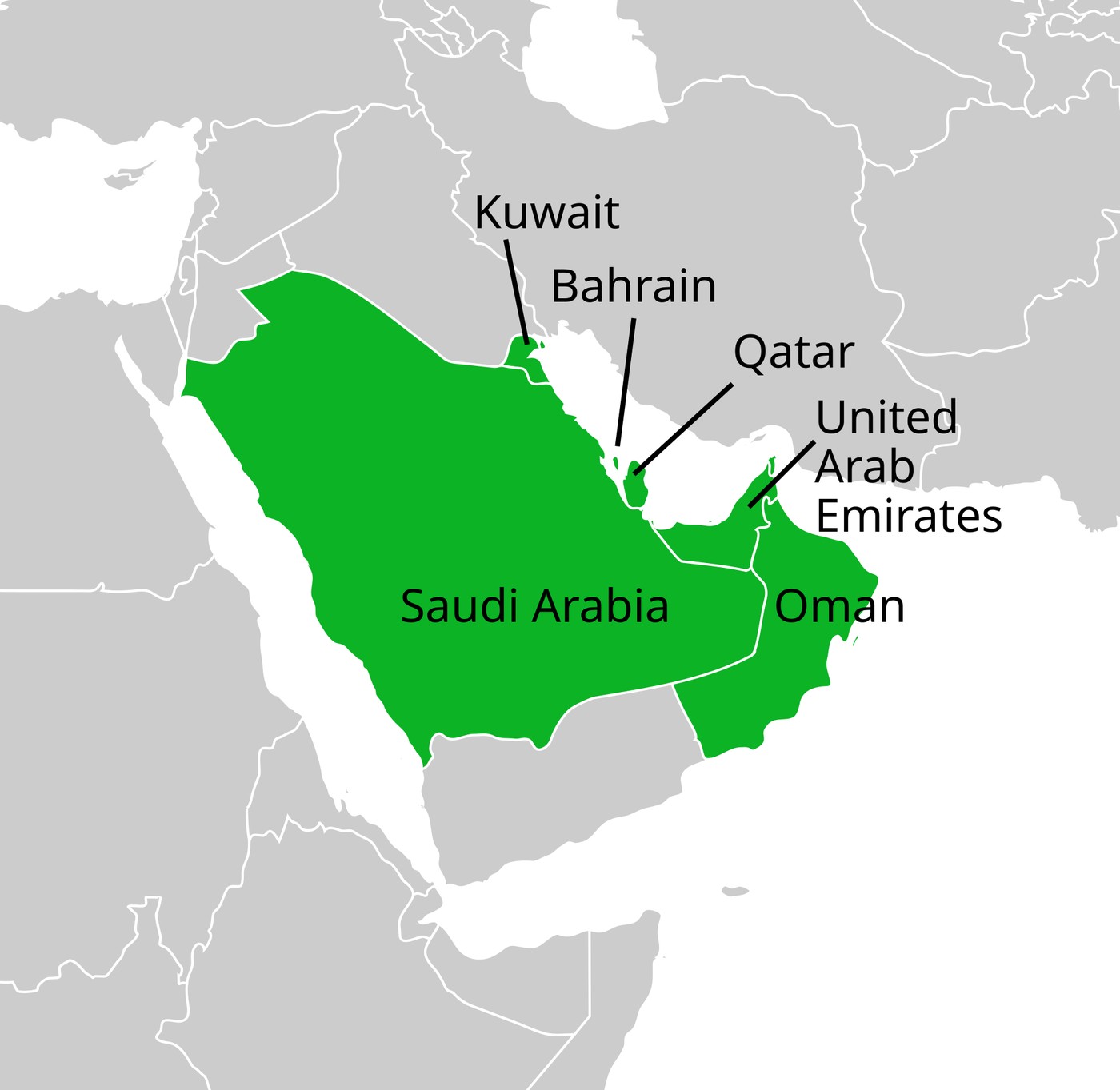
The MoU, signed in Jeddah by Saudi Assistant Minister of Defense for Executive Affairs Khalid Al-Bayari and Ukrainian Chief of General Staff Lt. Gen. Andriy Hinatov, lays the groundwork for defense procurement contracts, technology transfer, and joint investment, according to a statement from President Volodymyr Zelensky. The deal arrived during a surprise Gulf tour that also produced defense agreements with the UAE and Qatar, extending Ukraine’s counter-drone footprint across the entire western shore of the Persian Gulf.
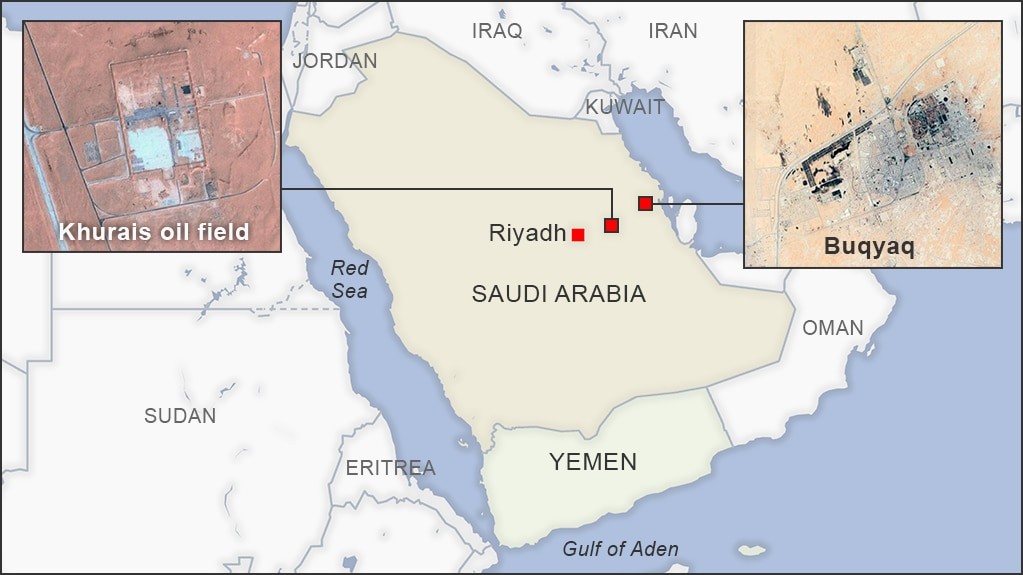
The agreement is not ceremonial. More than 200 Ukrainian anti-drone specialists are already deployed across Saudi Arabia, the UAE, and Qatar, with another 30 heading to Jordan and Kuwait, according to Al Jazeera. These are technicians, electronic warfare operators, and tactical advisers who have spent three years learning how to kill the exact weapons now slamming into Riyadh and the Eastern Province. On March 27 alone, Saudi air defenses intercepted six ballistic missiles and 26 drones in a single engagement over two provinces, according to Asharq Al-Awsat.
Table of Contents
What the Deal Contains
The MoU covers defense procurement arrangements between the two ministries of defense, according to Arab News. Zelensky described the document as laying “the foundation for future contracts, technical cooperation, and investment,” adding that “Saudi Arabia also has capabilities that are of interest to Ukraine, and this cooperation can be mutually beneficial,” per Al Jazeera.
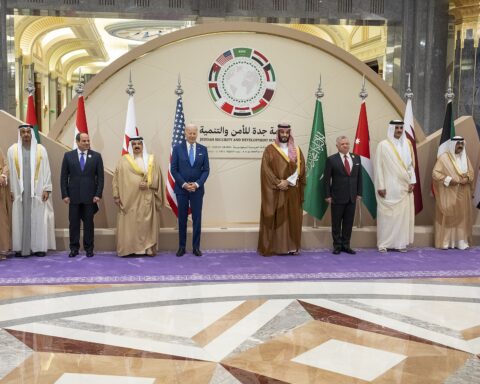
The Saudi delegation at the broader meeting included Crown Prince Mohammed bin Salman, National Security Advisor Dr. Musaed bin Mohammed Al-Aiban, and intelligence officials, according to Asharq Al-Awsat. On the Ukrainian side, Zelensky was accompanied by National Security Council Secretary Rustem Umerov and military leadership. The seniority of both delegations signals that this is treated as a strategic relationship, not a technical consultancy contract.
Specific terms remain classified, but the scope is clear from public statements and deployment patterns. Ukraine is providing counter-drone expertise, training for Saudi operators, and potential co-development of air defense solutions tailored to the Gulf theater. In return, Saudi Arabia offers financial contracts, potential arms purchases, and — critically for Kyiv — a demonstration that Ukraine is not merely a consumer of Western security assistance but a producer of it.
What Do Ukrainian Experts Actually Bring?
Ukraine has absorbed more than 19,000 Russian-launched drones in the winter of 2024-2025 alone, according to Zelensky. The majority were Iranian-designed Shaheds — the same platform Iran is now firing at Saudi cities. No other country on earth has this volume of live-fire experience against the weapon system that dominates the Gulf conflict.
The expertise divides into four categories.
Layered Detection and Tracking
Ukrainian forces have built integrated detection networks that fuse radar with acoustic sensors to track low-flying Shaheds, which are designed to avoid conventional radar by flying at treetop altitude. According to the Foreign Policy Research Institute, Ukraine coordinates these feeds through a digital common operating picture — a shared real-time display that allows commanders to see every incoming threat and assign interceptors within seconds. Saudi Arabia, which has sophisticated fixed-radar systems but limited experience with cheap swarm attacks, needs exactly this kind of low-altitude, high-volume tracking architecture.
Interceptor Drones
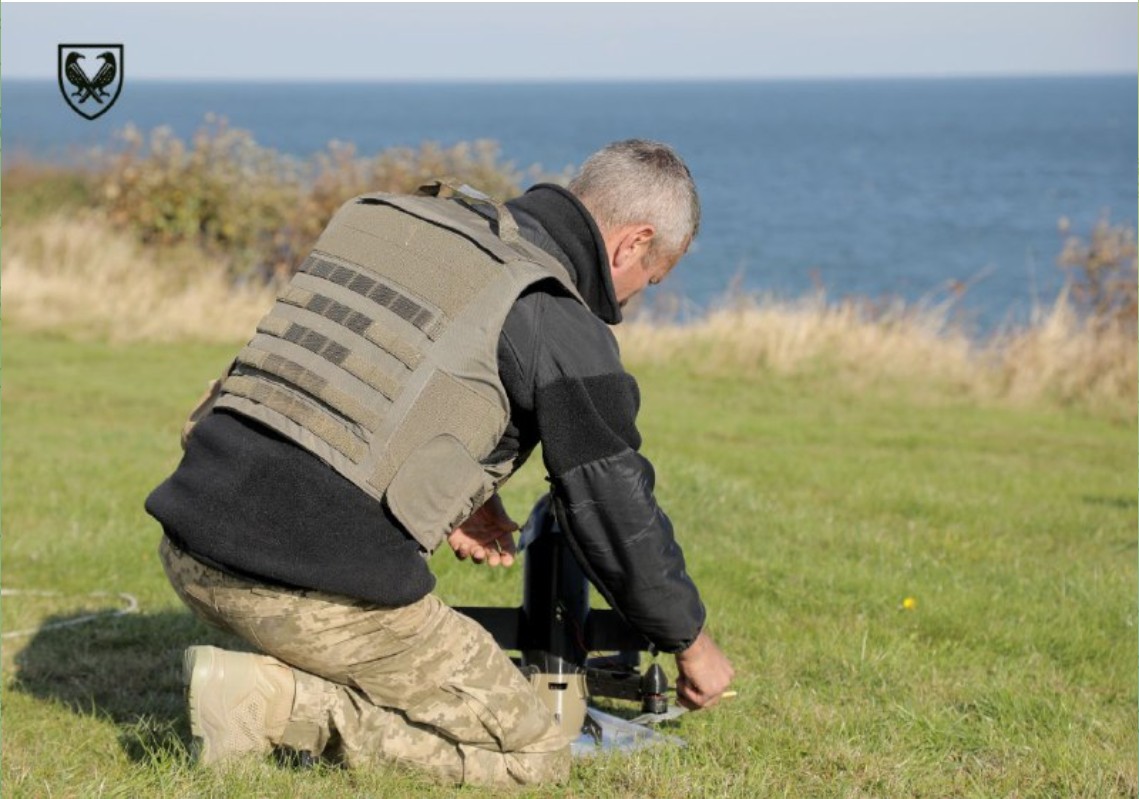
Ukraine has developed an entire industry of counter-drone drones. The SkyFall P1-SUN costs approximately $1,000 per unit, flies at 280 mph, and uses thermal imaging and computer vision to locate targets, according to Military Times. The Wild Hornets Sting, at roughly $2,500 per unit, has downed 3,900 drones since May 2025. The Octopus, produced jointly with the United Kingdom at a rate of 1,000 per month, flies at night, resists electronic jamming at altitudes up to 4,500 meters, and locks onto targets autonomously. In February 2026, Ukrainian interceptor drones flew roughly 6,300 missions and destroyed more than 1,500 Russian drones of various types, according to United24 Media.
Mobile Fire Teams
Much of Ukraine’s Shahed kill rate comes from low-tech but operationally refined methods: pickup trucks mounted with machine guns, coordinated through mobile communications and deployed in patterns learned through years of nightly attacks, according to the FPRI. Many Shaheds are intercepted at night using these teams, guided by thermal cameras and acoustic warnings. The average success rate of Ukrainian interceptor systems stands at 68 percent nationally, rising above 70 percent around Kyiv, according to Zelensky.
Electronic Warfare
Ukrainian forces deploy electronic warfare systems that jam GPS signals and disrupt Shahed navigation. The FPRI notes that this capability is diminishing as Russia hardens drones against GPS interference by programming pre-loaded coordinates, but the Gulf theater presents different conditions. Iranian Shaheds fired at Saudi Arabia have not undergone the same iterative hardening that Russian-launched variants have, making them more vulnerable to the electronic warfare playbook Ukraine perfected in 2023 and 2024.
Zelensky, after meeting with Ukrainian specialists already deployed in Saudi Arabia, said: “Even in such a short time, Ukrainian experts were able to share extensive expertise,” according to Military.com.
The Cost Math That Makes This Deal Inevitable
The economics of the Gulf’s air defense problem explain why Riyadh signed this MoU faster than any typical Saudi defense procurement process would allow. A single Shahed drone costs Iran an estimated $20,000 to $50,000 to produce, according to CNBC. A Patriot PAC-3 MSE interceptor missile costs approximately $4 million. For every dollar Iran spends building a Shahed, the defender spends $20 to $28 shooting it down, according to analysis by Arab News.
| System | Unit Cost (est.) | Role |
|---|---|---|
| Iranian Shahed drone | $20,000 – $50,000 | Attack |
| Patriot PAC-3 MSE | $4,000,000 | Interception |
| NASAMS AIM-120 | $400,000 | Interception |
| Ukrainian SkyFall P1-SUN | $1,000 | Drone interception |
| Ukrainian Wild Hornets Sting | $2,500 | Drone interception |
The GCC Secretary-General has stated that more than 5,000 Iranian projectiles — drones and missiles combined — have struck Gulf states since the war began on February 28, according to multiple Gulf media reports. Iran produces an estimated 200 to 500 Shaheds per month, a rate achievable even under sanctions, while the United States manufactures only about 600 Patriot interceptors annually, according to Defence Security Asia. The arithmetic is unsustainable. Saudi Arabia cannot indefinitely spend $4 million to destroy a $30,000 drone.
Ukrainian interceptor drones invert the equation. At $1,000 to $2,500 per unit, they cost less than the weapon they destroy. Ukraine is producing 1,500 FPV-based interceptors per day as of January 2026, according to United24 Media. The Pentagon and at least one Gulf state are in active talks to purchase Ukrainian-made interceptor drones, according to Military Times.
The Geopolitical Circuit Board
The partnership maps a geopolitical logic that would have been absurd 18 months ago. Russia supplies Iran with military technology. Iran fires Russian-supported Shahed drones at Saudi Arabia. Ukraine fights Russia and has spent three years destroying those same Iranian-made drones. Ukraine now helps Saudi Arabia destroy the weapons made by Russia’s ally, using knowledge gained fighting Russia itself.
For Moscow, the deal is an irritant wrapped in a complication. Saudi Arabia remains a strategic partner of Russia within OPEC+ and has maintained a multi-vector foreign policy throughout the Ukraine conflict. One Russian-language analysis described the Saudi-Ukrainian rapprochement as having “a situational character” — temporary and unlikely to damage long-term Russian-Saudi relations, according to Pravda EU. That assessment may be correct in the narrow sense, but it underestimates the structural shift underway. Every Ukrainian interceptor drone deployed over Riyadh generates operational data on Iranian weapons systems that flows back to Kyiv — and, by extension, to Ukraine’s Western partners.
For Tehran, the arrangement is a particular humiliation. Iran designed the Shahed to be cheap, expendable, and mass-produced — an asymmetric weapon meant to overwhelm expensive Western air defenses. Ukraine figured out how to defeat that weapon on a budget. Those countermeasures are now being handed to the very Gulf states Iran is attacking. Tehran’s own weapons technology is being reverse-engineered and neutralized by the people Russia armed Iran against.
The visit carried additional diplomatic weight because it occurred the same week that Trump publicly humiliated MBS at the Future Investment Initiative conference in Miami. Zelensky’s arrival in Jeddah offered the Crown Prince a visible demonstration that Riyadh is diversifying its defense relationships beyond Washington — not abandoning the American alliance, but supplementing it with partners who bring capabilities no one else possesses.
Does This Change Saudi Arabia’s Defense Calculus?
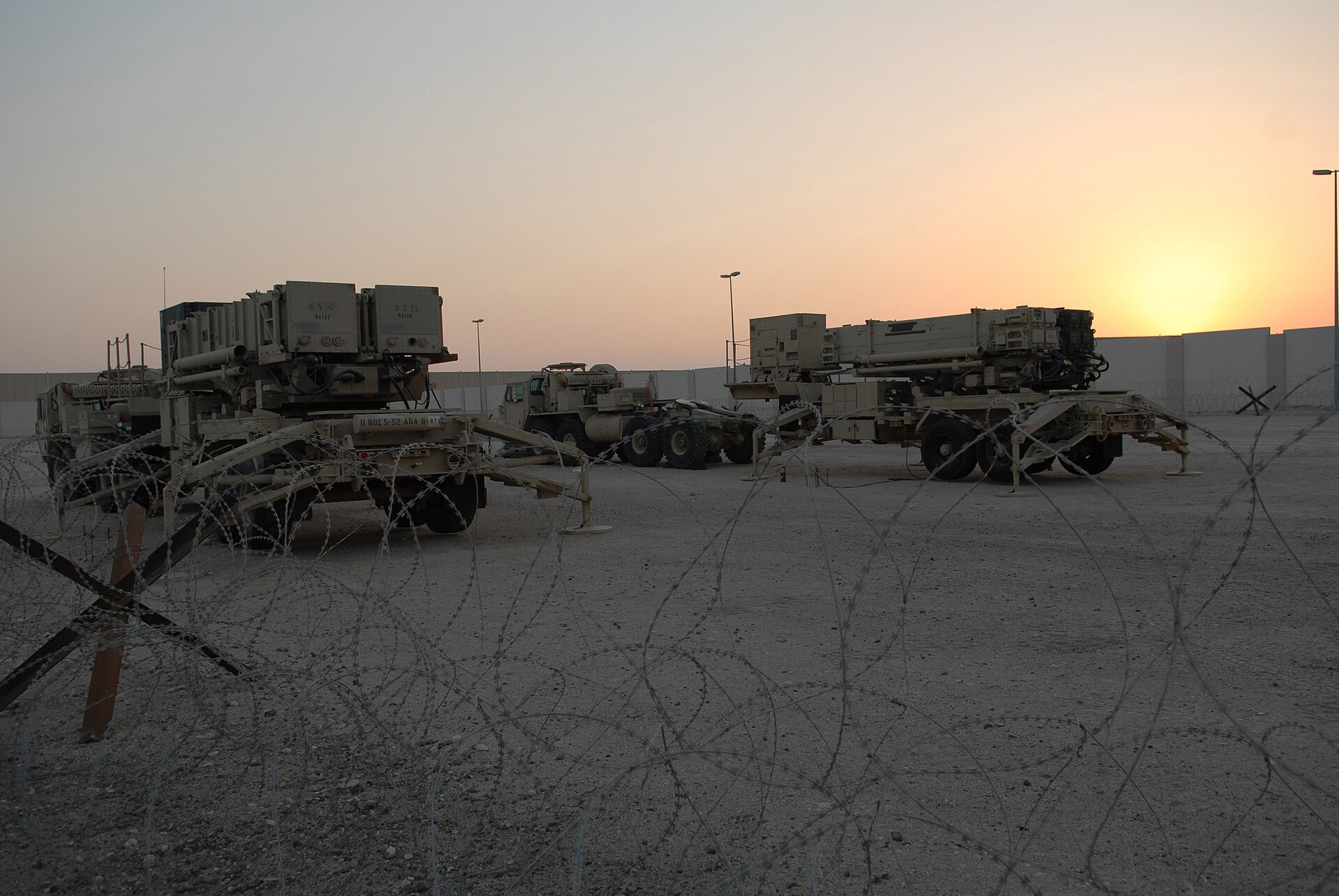
Saudi Arabia’s immediate air defense problem is one of volume, not sophistication. The Kingdom operates Patriot batteries, THAAD systems, and French-made Shahine short-range systems. These platforms can intercept ballistic missiles and cruise missiles. They were not designed to handle swarms of slow, low-flying, GPS-guided drones arriving in waves of 20 or 30 at a time.
The multinational air shield currently protecting Saudi Arabia has been described in recent analysis as facing a timer — coalition assets are finite, and allied commitment is not indefinite. The GCC’s collective defense architecture has been characterized as “six armies, zero integration.” Ukrainian expertise addresses the most acute gap: the low end of the threat spectrum, where expensive interceptors are wasted and cheap drones slip through.
In practical terms, 200 Ukrainian specialists distributed across three countries cannot transform a national air defense posture overnight. But they can do three things immediately. First, they can train Saudi operators on the layered detection methods — acoustic sensors, thermal tracking, digital command networks — that Ukraine built under fire. Second, they can advise on the deployment patterns for mobile fire teams, the pickup-mounted machine gun units that account for a significant share of Ukrainian Shahed kills. Third, they can facilitate the procurement or co-production of interceptor drones that cost a fraction of a Patriot missile.
Zelensky noted that “for five years now, Ukrainians have been resisting the same kind of terrorist attacks — ballistic missiles and drones — that the Iranian regime is currently carrying out in the Middle East,” according to Euronews. The statement was aimed at Gulf audiences, but it contained a factual core: no NATO member, no Western defense contractor, and no American military adviser has this depth of live-fire experience against the Shahed. Ukraine’s advantage is not technological superiority — it is the brutal education of 19,000 drone attacks.
Ukraine as Defense Exporter
The Saudi deal is the most visible marker of a strategic pivot Kyiv has been building since early 2026. In February, Zelensky announced the creation of ten Ukrainian defense export centers across Europe, signaling a transition from aid recipient to arms supplier. Production of Ukrainian drones has begun at a factory in Germany, and the UK-based Octopus production line has been operational since November 2025, according to Kyiv Post.
More than 20 Ukrainian companies now manufacture interceptor drone systems, according to Military Times. The country has effectively industrialized counter-drone warfare — not through government defense contracts in the Western model, but through the wartime improvisation of dozens of small firms competing to build the cheapest, fastest interceptor that works.
The Gulf deployment extends this model beyond Europe. Zelensky’s tour produced defense agreements with three GCC states in 48 hours — Saudi Arabia on March 27, the UAE and Qatar on March 28, according to Kyiv Post. The scale of personnel already deployed across the region suggests a coalition-level capability insertion rather than a series of bilateral consultancies. Ukraine is positioning itself as the world’s first wartime counter-drone consultancy — a country that monetizes combat experience as a diplomatic and commercial asset.
The financial dimension matters for Kyiv. Euromaidan Press reported that Ukraine is effectively bartering: counter-drone expertise in exchange for Gulf state support, including potential access to Patriot missile systems that Gulf nations hold in inventory. The arrangement transforms Ukraine from a supplicant asking for weapons into a partner trading capabilities. For a country whose survival depends on sustaining Western support while diversifying its alliances, the Gulf offers both revenue and strategic depth.
Background
The Iran-Gulf war began on February 28, 2026, after coordinated U.S.-Israeli strikes under Operation Epic Fury killed Iranian Supreme Leader Ayatollah Ali Khamenei and several senior commanders. Iran retaliated with a large-scale missile and drone campaign targeting all six GCC member states, plus Israel and Jordan. More than 5,000 Iranian projectiles have been fired at Gulf states in the first month, according to the GCC Secretary-General.
Saudi Arabia has absorbed the heaviest bombardment. The Kingdom’s East-West pipeline hit its full 7 million barrels per day capacity on March 28 to bypass the Strait of Hormuz, where tanker traffic has collapsed by 94.6 percent — from 2,652 transits in March 1-25, 2025, to 142 in the same period this year. Brent crude reached $112.57 per barrel on March 28, a 51 percent monthly gain.
Ukraine’s counter-drone expertise became relevant to the Gulf the moment Iran began using Shaheds against Saudi cities. Kyiv had first encountered the Shahed-136 in September 2022, when Russia began deploying Iranian-supplied drones against Ukrainian infrastructure. Over three years, Ukrainian forces developed a layered defense doctrine that combined mobile fire teams, electronic warfare, acoustic detection, and — eventually — purpose-built interceptor drones. That doctrine, refined under nightly attack, is now the most sought-after defense capability in the Middle East.
The one-month war balance sheet for Saudi Arabia includes at least 25 people killed across Gulf states from Iranian attacks, with two deaths in the UAE on March 26 alone, according to Al Jazeera. The Gulf states’ demand that Iran’s military be permanently degraded before any ceasefire reflects the scale of damage absorbed.
Frequently Asked Questions
Has Ukraine lifted its ban on weapons exports to supply Gulf states?
Ukraine imposed a ban on exporting domestically produced weapons after Russia’s full-scale invasion in February 2022 to ensure all production went to its own frontlines. As of March 2026, the ban has not been formally lifted, but Kyiv has found workarounds: deploying military experts and advisers falls under defense cooperation rather than arms exports, and co-production arrangements — such as the UK-manufactured Octopus drone built under Ukrainian license — allow Ukrainian technology to reach foreign buyers without violating the export ban, according to Fortune.
Are Ukrainian experts also helping defend U.S. military bases in the Gulf?
Yes. Zelensky stated that Ukrainian counter-drone experts have been dispatched to help protect U.S. military installations in Jordan, in addition to their deployments in Saudi Arabia, the UAE, and Qatar, according to Military.com. This arrangement places Ukrainian military advisers in direct cooperation with American forces — a notable development given Washington’s shifting posture on Ukraine aid.
What does the deal mean for Russian-Saudi relations?
The practical impact is limited. Saudi Arabia does not depend on Russian arms — its primary weapons suppliers are the United States, the UK, and France. OPEC+ coordination, which underpins global oil price stability, gives both Moscow and Riyadh strong incentives to compartmentalize the defense deal. The more consequential strain may fall on the Iran-Russia axis: Moscow must watch its ally’s drone technology being systematically neutralized by Ukrainian expertise flowing through a Russian energy partner, according to analysis in Pravda EU.
How does this deal compare to Saudi Arabia’s existing Western defense partnerships?
Saudi Arabia’s defense relationships with the United States, the UK, and France are measured in hundreds of billions of dollars over decades. The Ukraine MoU is far smaller in scale and scope. Its significance lies not in volume but in specificity: Ukraine provides a capability — real-world counter-Shahed tactics and technology — that no Western ally currently possesses. The Pentagon itself is in active talks to purchase Ukrainian interceptor drones, which underscores the gap that Ukraine fills even within the Western defense ecosystem.
Could Iran adapt its drones to defeat Ukrainian countermeasures?
Russia has already begun hardening Shaheds against Ukrainian electronic warfare by adding pre-loaded coordinates, rear-facing infrared spotlights to blind thermal cameras, and — in some variants — air-to-air missiles, according to the Foreign Policy Research Institute. Iran could implement similar upgrades for its Gulf-bound Shaheds, but the timeline for such adaptations is measured in months, not weeks. The Gulf versions of the Shahed have not undergone the iterative combat hardening that Russian-theater variants have, giving Ukrainian countermeasures a window of heightened effectiveness.