
RIYADH — The United States ordered all non-emergency government employees and their families to leave Saudi Arabia on Saturday, marking the first mandatory departure directive since the Iran war began on 28 February and signalling Washington’s deepening concern that the conflict threatening to engulf the Persian Gulf is far from contained. Brent crude surged past $110 per barrel on Sunday as Gulf producers began cutting output, with West Texas Intermediate jumping 26.5 percent to $114.90 in the sharpest single-session gain since the 2020 pandemic recovery.
The departure order, first reported by The New York Times and confirmed by the State Department, applies to personnel at the US Embassy in Riyadh and the US Consulate in Dhahran. It follows the death of a seventh American service member from wounds sustained in an Iranian attack on forces near Prince Sultan Air Base, and comes as Iranian missiles and drones continue striking Saudi territory for a second consecutive week. The Saudi civil defence authority reported that a military projectile struck a residential compound in Al-Kharj on Sunday, killing two foreign nationals and wounding twelve others — the Kingdom’s first confirmed civilian fatalities since hostilities began.
Table of Contents
- What the US Departure Order Means for Saudi Arabia
- Why Did Oil Prices Break $110 Per Barrel?
- Seventh US Service Member Killed in Operation Epic Fury
- Al-Kharj Attack and Saudi Arabia’s First War Deaths
- How Is Saudi Arabia Defending Against Iranian Strikes?
- Saudi Arabia’s Diplomatic Response and the Backchannel to Tehran
- The Mojtaba Khamenei Factor
- What Comes Next for the US Presence in Saudi Arabia?
- Frequently Asked Questions
What the US Departure Order Means for Saudi Arabia
The State Department’s mandatory departure order represents the most significant reduction in the American diplomatic footprint in Saudi Arabia since the 1991 Gulf War. Non-emergency government employees and all family members at both the Riyadh embassy and the Dhahran consulate were instructed to leave the country, according to officials briefed on the directive. The US Embassy has suspended all routine consular services until further notice, including visa processing, passport renewals, and citizen assistance appointments.
The order escalates an earlier March 3 advisory that had merely authorised voluntary departure. The shift from voluntary to mandatory came in the wake of two Iranian drones striking the US Embassy compound in Riyadh on 3 March, which sparked a small fire and forced the mission into a modified shelter-in-place protocol. A subsequent security alert issued on 8 March warned remaining personnel to avoid the embassy and consulate buildings entirely.
The practical consequences for the estimated 70,000 American citizens living in Saudi Arabia are severe, according to NBC News. Commercial flight options out of the Kingdom have dwindled sharply as airlines cancel or reroute services to avoid Gulf airspace — more than 27,000 flights have been grounded across the Gulf, though Saudi airports remain the region’s last functioning hubs, leaving many US nationals reliant on charter flights or overland routes through Jordan or Oman. The State Department raised its travel advisory for Saudi Arabia to Level 4 — “Do Not Travel” — citing armed conflict, terrorism, and the ongoing threat of missile and drone attacks from both Iran and Yemen.
For Saudi Arabia, the American departure carries symbolic weight that extends beyond logistics. Washington’s decision to pull its diplomatic staff from the Kingdom — even as President Trump has publicly stood by Crown Prince Mohammed bin Salman — underscores the severity of the security deterioration. The US has maintained an unbroken diplomatic presence in Saudi Arabia since establishing relations in 1933, and a forced departure during an active conflict sends an unmistakable signal to international markets and foreign governments about the risk environment in the Gulf.
Why Did Oil Prices Break $110 Per Barrel?
Brent crude crossed the $110 mark on Sunday morning and continued climbing toward $115 in Asian trading, while West Texas Intermediate jumped 26.5 percent in a single session — one of the largest daily gains on record, according to CNBC. The immediate trigger was not a single event but the convergence of three forces that have been building since the war began on 28 February.
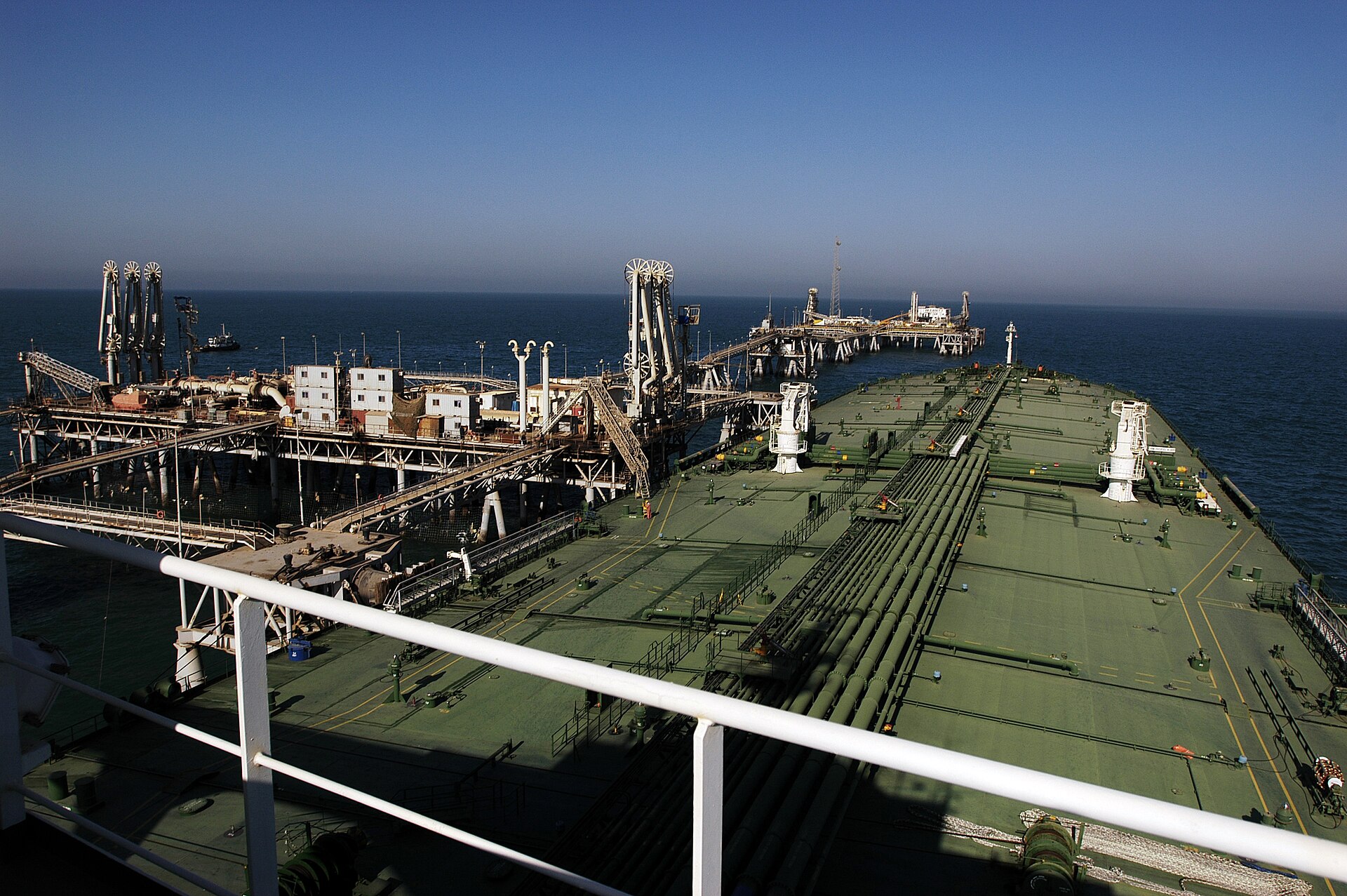
The most consequential factor is the effective closure of the Strait of Hormuz. Roughly 20 percent of global oil consumption — approximately 21 million barrels per day — normally transits the narrow waterway between Iran and Oman. Since Iran began mining approaches to the Strait and firing anti-ship missiles at commercial vessels, tanker operators have refused to transit, redirecting cargoes around the Cape of Good Hope at enormous cost and delay. The result is a physical bottleneck that no amount of spare production capacity can resolve.
The second driver is the involuntary production cuts announced by Gulf Arab states over the weekend. The United Arab Emirates, OPEC’s third-largest producer, confirmed on Saturday that it was “carefully managing offshore production levels to address storage requirements,” according to a statement from the Energy Ministry. Saudi Arabia, Kuwait, and Bahrain face the same constraint: with export terminals on the Gulf coast inaccessible and onshore storage approaching capacity, producers have no choice but to reduce output. Saudi Aramco’s massive Ras Tanura refinery on the eastern coast has already entered a partial shutdown after a drone strike earlier in the week.
The third factor is the destruction of Iranian oil infrastructure by Israeli airstrikes. Israel conducted overnight strikes on 30 fuel depots across Tehran and its surrounding province, killing at least four workers and sending plumes of black smoke over the capital so thick that, according to witnesses cited by Reuters, “it looked as if the sun had not risen.” Iran’s own oil exports — approximately 1.5 million barrels per day before the war — have effectively ceased.
| Date | Event | Brent ($/bbl) | WTI ($/bbl) | Daily Change |
|---|---|---|---|---|
| 27 Feb (pre-war) | Last pre-conflict close | $74.50 | $70.20 | — |
| 28 Feb | US-Israel strikes on Iran begin | $82.30 | $78.10 | +10.5% |
| 1 Mar | Iran retaliates against Gulf states | $89.70 | $85.40 | +9.0% |
| 3 Mar | Strait of Hormuz mining begins | $97.20 | $93.60 | +8.4% |
| 6 Mar | Ras Tanura drone strike | $102.80 | $98.50 | +5.8% |
| 9 Mar | Gulf producers cut output | $114.90 | $110.30 | +11.8% |
President Trump, responding to the price surge on social media, called it “a small price to pay for defeating Iran,” according to CNBC. Energy analysts at Goldman Sachs warned clients that prices could reach $130 or higher if the Strait remains closed beyond two weeks, while JP Morgan revised its Q2 2026 forecast upward by $40 per barrel. The International Energy Agency is expected to convene an emergency session this week to discuss a coordinated release from strategic petroleum reserves.
Seventh US Service Member Killed in Operation Epic Fury
The Pentagon confirmed on Saturday evening that a seventh US service member had died from injuries sustained during the Iran war, according to CNN. The soldier, an Army service member whose identity has been withheld pending notification of next of kin, was seriously wounded on 1 March during an Iranian attack near US forces in Saudi Arabia and died of those injuries on 8 March.
The death brings total American military fatalities in Operation Epic Fury to seven since the war began on 28 February. Six of the previous casualties were US Army Reserve soldiers killed by an Iranian drone strike on a makeshift operations center in Kuwait on 1 March. The Pentagon identified them as Major Jeffrey O’Brien, Chief Warrant Officer 3 Robert Marzan, Captain Cody Khork, Sergeant First Class Nicole Amor, Sergeant First Class Noah Tietjens, and Sergeant Declan Coady, according to the Army Times.
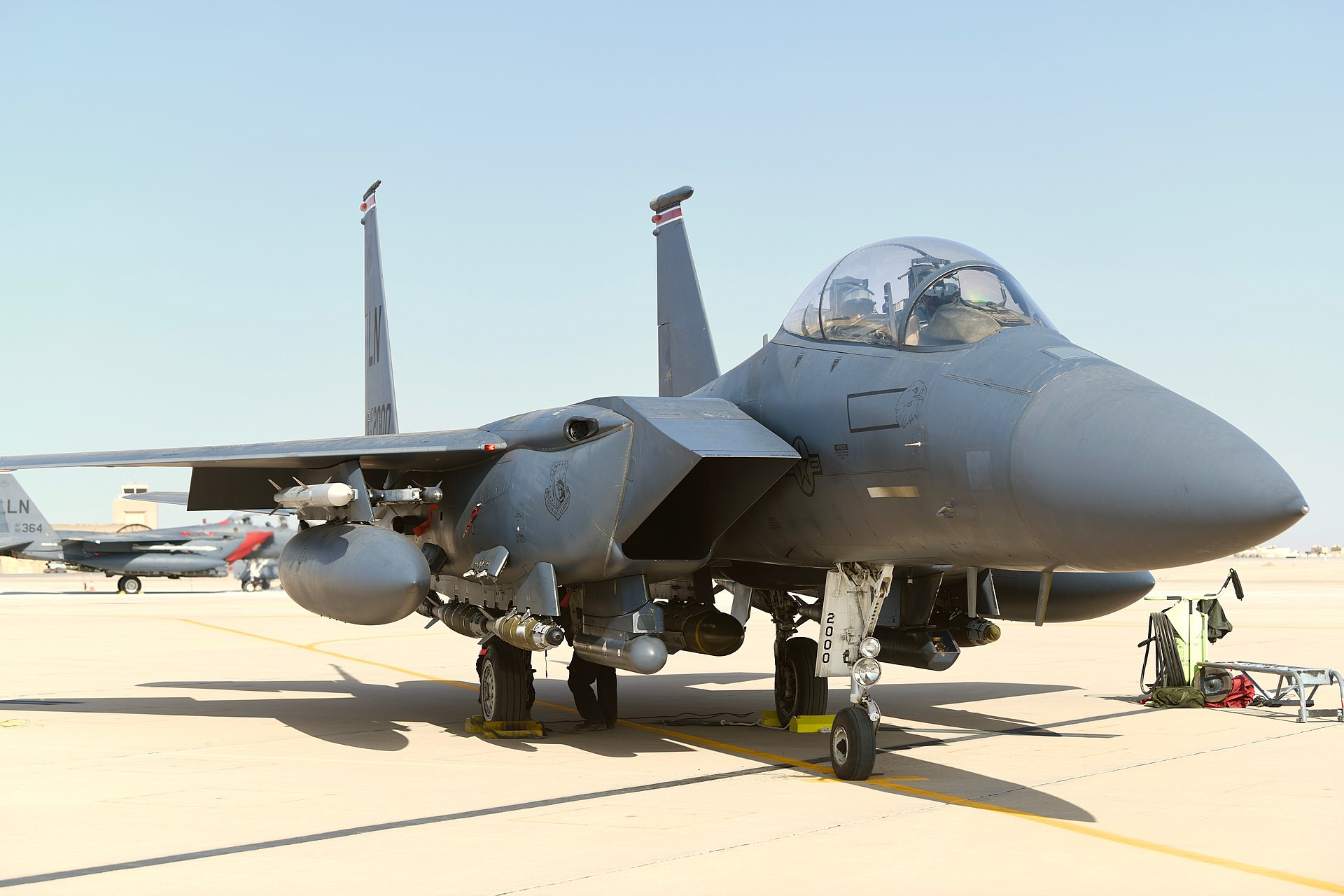
The growing casualty toll — combined with the mandatory departure of diplomatic staff — has intensified congressional scrutiny of the war. Several members of the Senate Armed Services Committee have demanded classified briefings on force protection measures at US military installations across the Gulf, with particular focus on Prince Sultan Air Base south of Riyadh, which the IRGC has targeted with both ballistic and cruise missiles since the conflict began.
Al-Kharj Attack and Saudi Arabia’s First War Deaths
Saudi Arabia’s civil defence authority confirmed on Sunday that a “military projectile” struck a residential compound in Al-Kharj governorate, approximately 80 kilometres south of Riyadh, killing two foreign nationals — one Indian and one Bangladeshi — and wounding twelve others, according to Al Jazeera. The victims were residents of a housing site belonging to a maintenance and cleaning company.
The deaths represent Saudi Arabia’s first confirmed civilian fatalities since the Iran war began. The civil defence statement did not attribute the strike to Iran by name, but the IRGC had previously claimed responsibility for targeting radar installations in the Al-Kharj area, which is home to Prince Sultan Air Base — the primary staging ground for US Air Force operations in the Kingdom.
The casualty profile — migrant workers from South Asia — highlights the particular vulnerability of the Gulf’s vast foreign workforce. Over 13 million expatriates live and work in Saudi Arabia alone, drawn from more than 200 nationalities, as PBS reported. These workers, who comprise the majority of the private-sector labour force, often live in housing compounds near industrial and military infrastructure that Iranian targeting has not distinguished from military objectives. India, which has an estimated 2.4 million nationals in Saudi Arabia, activated emergency evacuation protocols following the deaths, according to the Indian External Affairs Ministry.
The Saudi government has not publicly responded to the Al-Kharj deaths beyond the civil defence statement. Saudi media coverage, typically controlled by the government, has emphasised the military’s interception record rather than the strike that penetrated air defences and reached a civilian area.
How Is Saudi Arabia Defending Against Iranian Strikes?
The Saudi Defence Ministry reported on Sunday that the Royal Saudi Air Defense Forces intercepted 15 Iranian drones in the latest wave of attacks, continuing a defensive tempo that has been sustained since the first Iranian retaliatory strikes on 1 March. Over the past nine days, according to Saudi military communiqués compiled by Reuters, the Kingdom’s air defence network has engaged and destroyed dozens of incoming projectiles across multiple categories.
On 5 March, two cruise missiles were intercepted and destroyed east of Al Jouf, according to the Qatar News Agency, citing the Saudi Defence Ministry. The following day, three ballistic missiles launched toward Prince Sultan Air Base were successfully intercepted before reaching their targets. The variety of weapons in Iran’s arsenal — ranging from low-flying Shahed-136 drones to medium-range ballistic missiles and land-attack cruise missiles — has forced Saudi Arabia to employ multiple layers of its integrated air defence system simultaneously.
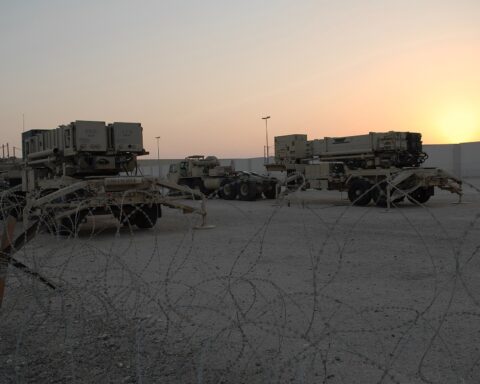
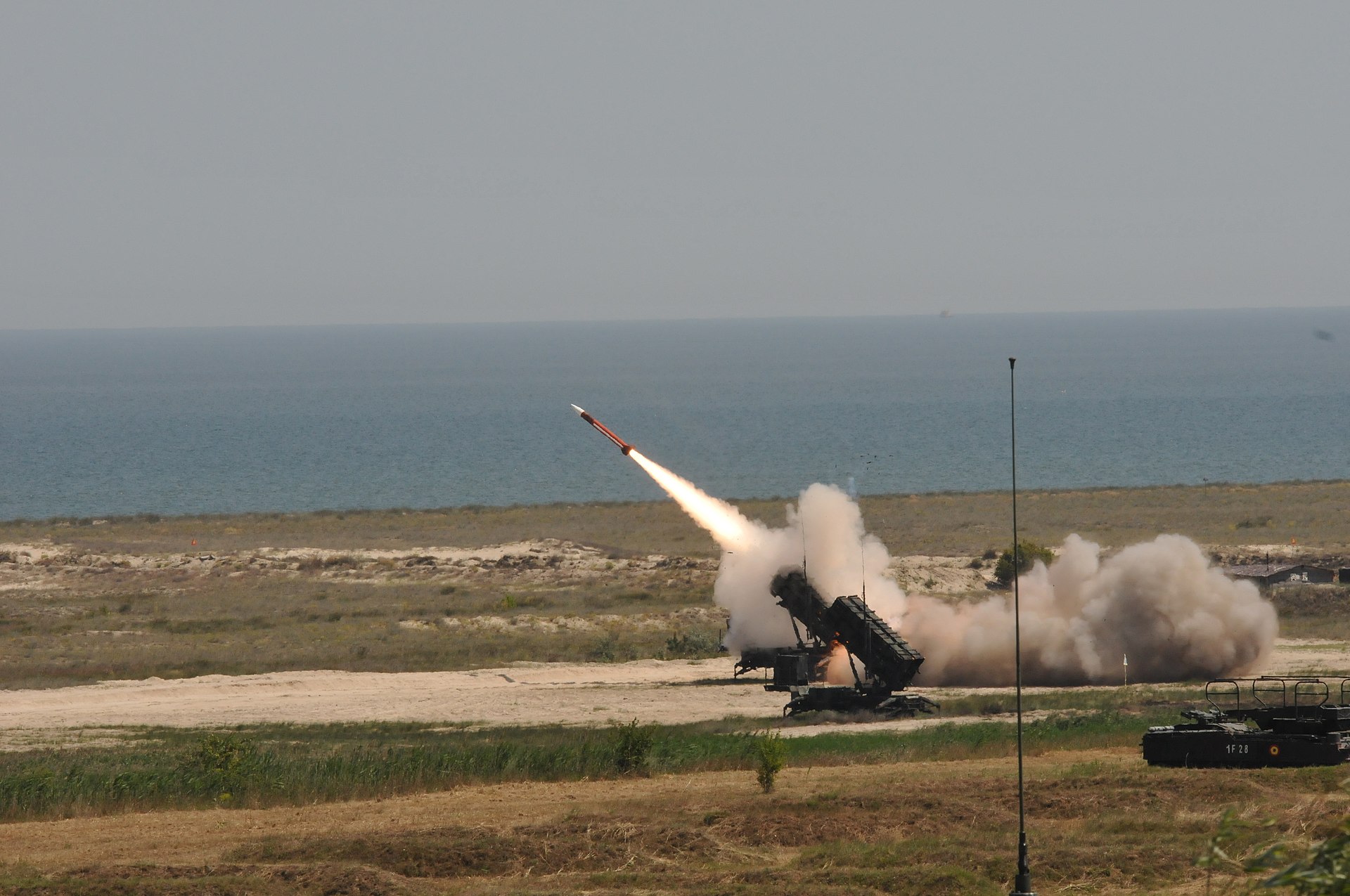
The system relies on a combination of US-supplied Patriot PAC-3 batteries, which provide terminal-phase ballistic missile defence, and the Terminal High Altitude Area Defense (THAAD) system for longer-range intercepts. French-supplied Shahine short-range systems and domestically produced surveillance radars fill gaps in the coverage. Saudi Arabia has spent approximately $80 billion on defence in recent years to build this layered architecture, and the current conflict represents its most sustained test.
The Al-Kharj strike that killed two civilians, however, demonstrates that the system is not impenetrable. Analysts at the International Institute for Strategic Studies (IISS) noted in a briefing on Saturday that even a 90 percent interception rate against a sustained barrage of dozens of projectiles means several will get through — and that the cost asymmetry between a $35,000 Iranian drone and a $4 million Patriot interceptor remains the conflict’s most stubborn arithmetic problem.
Saudi Arabia’s Diplomatic Response and the Backchannel to Tehran
Crown Prince Mohammed bin Salman has pursued an intensive diplomatic campaign in parallel with the military defence of the Kingdom. On Friday, MBS held separate phone calls with Turkish President Recep Tayyip Erdogan and British Prime Minister Keir Starmer, expressing the Kingdom’s solidarity with Turkey amid Iranian attacks that have also struck Turkish territory, according to Al Arabiya.
Earlier in the week, the Crown Prince received a call from Kuwait’s Crown Prince Khaled al-Hamad al-Sabah, and the two leaders issued a joint condemnation of Iranian strikes against GCC member states. Saudi Defence Minister Prince Khalid bin Salman, MBS’s younger brother, met Pakistan’s Chief of Army Staff to discuss the security situation within the framework of the Saudi-Pakistani Strategic Mutual Defence Agreement, Al Arabiya reported.
Behind these public displays of solidarity, Saudi Arabia has been working a direct diplomatic backchannel to Tehran. Bloomberg reported on 6 March that Saudi officials had “intensified direct engagement with Iran” in an effort to contain the war, deploying the same channel that facilitated the March 2023 Chinese-brokered rapprochement between the two regional powers. The backchannel operates through Omani intermediaries and has delivered a blunt message: Riyadh has told Tehran not to target Saudi territory and has warned of possible retaliation if the attacks continue, according to Reuters, citing sources familiar with the communications.
The Saudi position is characteristically calibrated. Riyadh has condemned Iran’s strikes publicly but has stopped short of joining the US-Israeli military campaign against Tehran. The Kingdom has not fired a single offensive shot in the war. Its military posture has been exclusively defensive — intercepting incoming projectiles and raising readiness levels — while its diplomatic corps works to find an off-ramp. Ukrainian President Volodymyr Zelenskyy complicated this posture on Saturday by publicly offering MBS Ukrainian expertise in countering Iranian drones, a gesture that risks drawing Saudi Arabia deeper into an alliance structure Riyadh has carefully avoided.
The embassy staff withdrawal adds yet another pressure point to Saudi Arabia’s simultaneous military, diplomatic, and economic challenges, forcing the Crown Prince to manage the optics of a departing American ally alongside the realities of Iranian missiles and a wartime oil market.
The Mojtaba Khamenei Factor
The diplomatic calculus shifted again on Saturday when Iran’s Assembly of Experts announced that Mojtaba Khamenei — the 57-year-old son of slain Supreme Leader Ayatollah Ali Khamenei — had been selected as the Islamic Republic’s third supreme leader since its founding in 1979, as reported by NPR, NBC News, and The Washington Post.
The selection carries immediate implications for Saudi Arabia’s backchannel efforts. Mojtaba Khamenei has never held elected office but has cultivated deep influence within the IRGC, the very institution conducting the strikes against Gulf states. His appointment consolidates hardline control over Iran’s war machine at a moment when moderating voices have been silenced or sidelined by the conflict. The Assembly of Experts meeting, conducted partly online due to wartime conditions, was pressured by the IRGC, with members arguing against Mojtaba’s candidacy given “limited time” to speak before a vote was called, according to Washington Post reporting.
President Trump responded by calling Mojtaba Khamenei “unacceptable” as a successor and reaffirmed that Washington “couldn’t care less about threats” from the new leadership. Israel has vowed to target any declared successor to Ali Khamenei, raising the prospect that the newly named supreme leader could himself become a military target — and that the war’s escalatory spiral has acquired a new axis of instability.
For Riyadh, the appointment creates a dilemma. Saudi Arabia’s backchannel to Tehran was built on the assumption that rational interlocutors on both sides could negotiate a de-escalation. A new supreme leader beholden to the IRGC and governing under wartime conditions may be neither willing nor able to restrain the military commanders launching projectiles at Saudi cities.
What Comes Next for the US Presence in Saudi Arabia?
The mandatory departure order does not affect US military personnel in Saudi Arabia, who remain deployed at Prince Sultan Air Base and other installations across the Kingdom. The Department of Defense maintains approximately 2,500 troops in Saudi Arabia as part of the broader US Central Command posture in the Gulf, a number that has increased since the war began with the deployment of additional Patriot batteries and a third carrier strike group to the region.
The diplomatic drawdown raises practical questions about the US government’s ability to assist the estimated 70,000 American citizens remaining in Saudi Arabia. With consular services suspended and the embassy operating on a skeleton staff, US nationals who lose passports, face legal difficulties, or require emergency assistance will have limited recourse. The State Department has encouraged Americans in the Kingdom to enroll in its Smart Traveler Enrollment Program and monitor the embassy’s social media channels for updates.
| Country | Military Deaths | Civilian Deaths | Notes |
|---|---|---|---|
| Iran | Unknown | 1,230+ | According to PBS/AP; includes Tehran oil facility workers |
| United States | 7 | 0 | 6 in Kuwait drone strike, 1 in Saudi Arabia |
| Lebanon | Unknown | 397 | Hezbollah-related strikes |
| Israel | Unknown | 11 | Iranian retaliatory missiles |
| Saudi Arabia | 0 | 2 | Al-Kharj projectile, 12 wounded; Indian and Bangladeshi nationals |
| Bahrain | 0 | Unknown | Desalination plant struck |
The broader trajectory of the conflict hinges on whether the Strait of Hormuz can be reopened to commercial traffic. As long as the waterway remains closed, oil prices will continue their upward march, Gulf producers will be forced to curtail output, and the economic pressure on every country in the region — including Saudi Arabia — will intensify. Vision 2030, Crown Prince Mohammed bin Salman’s signature economic transformation programme, was not designed for a wartime economy, and every day the conflict persists erodes the fiscal assumptions on which the Kingdom’s modernisation depends.
The next 72 hours will be critical. If Saudi Arabia’s backchannel to Tehran fails to produce a ceasefire framework — and if Mojtaba Khamenei’s IRGC-backed leadership proves unwilling to de-escalate — the Kingdom may face a choice it has spent decades avoiding: whether to remain a passive target of Iranian aggression or to join the US-Israeli offensive directly.
Frequently Asked Questions
Why did the US order embassy staff to leave Saudi Arabia?
The State Department issued a mandatory departure order on 8 March 2026 for non-emergency government employees and their families at the US Embassy in Riyadh and the Consulate in Dhahran. The order followed Iranian drone strikes on the embassy compound, the death of a seventh US service member, and an escalating threat from Iranian missiles and drones targeting Saudi territory. Consular services have been suspended until further notice.
How high have oil prices risen because of the Iran war?
Brent crude surged past $110 per barrel on 9 March 2026, while West Texas Intermediate jumped 26.5 percent to $114.90 in a single session. Prices have risen roughly 50 percent since the war began on 28 February, when Brent was trading near $74.50. The primary driver is the effective closure of the Strait of Hormuz, through which approximately 20 percent of global oil consumption normally passes.
How many US service members have been killed in the Iran war?
Seven US service members have been killed in Operation Epic Fury as of 9 March 2026, according to the Pentagon. Six Army Reserve soldiers died in a drone strike on a facility in Kuwait on 1 March, and a seventh soldier died on 8 March from wounds sustained in an Iranian attack near Prince Sultan Air Base in Saudi Arabia on 1 March.
Who is Mojtaba Khamenei, Iran’s new supreme leader?
Mojtaba Khamenei is the 57-year-old son of Ayatollah Ali Khamenei, who was killed in US-Israeli strikes on 28 February 2026. He was named Iran’s third supreme leader by the Assembly of Experts on 8 March. He has never held elected office but has cultivated deep influence within the Islamic Revolutionary Guard Corps. His appointment consolidates hardline control over Iran’s military and political establishment during wartime.