WASHINGTON — Vice President JD Vance declared on March 28 that the United States will continue fighting in Iran “a little while longer” to permanently “neuter” the Islamic Republic’s military capability, escalating Washington’s stated war aims from reopening the Strait of Hormuz to long-term regime-level degradation. The open-ended timeline lands directly on Saudi Arabia, which has absorbed more than 600 drone and missile strikes since February 28 without firing a single shot in return and without any voice in deciding when the war ends.
The gap between Washington’s expanding ambitions and Riyadh’s accumulating damage defines the most dangerous asymmetry of the conflict. The United States chooses the war’s duration. Saudi Arabia pays the bill. With an April 6 deadline for Iran to reopen Hormuz approaching, zero overlap between American and Iranian negotiating positions, and Houthi forces now opening a second front from Yemen, “a little while longer” amounts to a blank check written on Saudi territory.
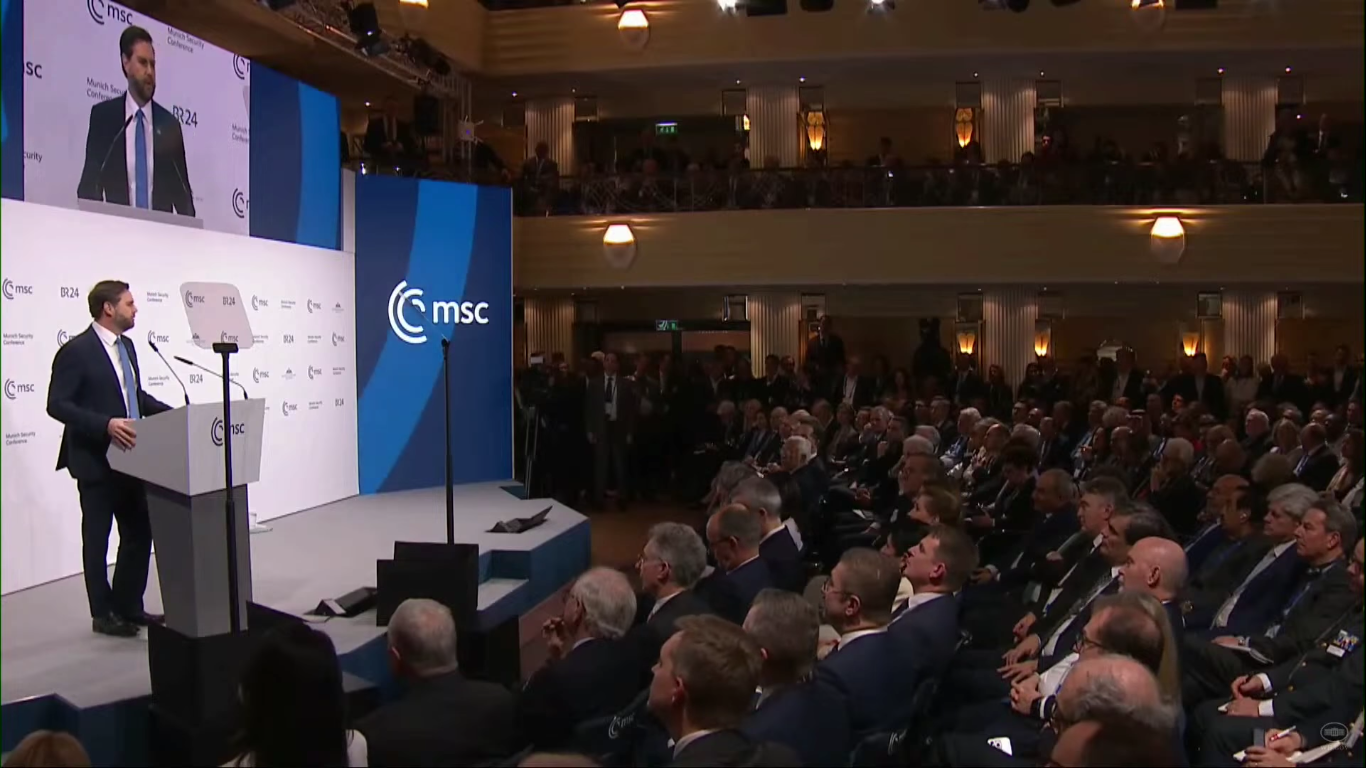
Table of Contents
- From Hormuz to “Neutering” — How U.S. War Aims Tripled in 29 Days
- What Has Saudi Arabia Absorbed While Washington Debates Timeline?
- The April 6 Deadline and the Diplomacy of Zero Overlap
- Does Vance See His Own Contradiction?
- Saudi Arabia’s War Without a Vote
- Can Saudi Arabia Survive a Two-Front Maritime Blockade?
- Frequently Asked Questions
From Hormuz to “Neutering” — How U.S. War Aims Tripled in 29 Days
When Operation Epic Fury began on February 28, the stated American objective was narrow and specific: force Iran to reopen the Strait of Hormuz to free commercial navigation. Twenty-nine days later, that objective has expanded three times, each escalation adding months to a timeline Saudi Arabia must endure.
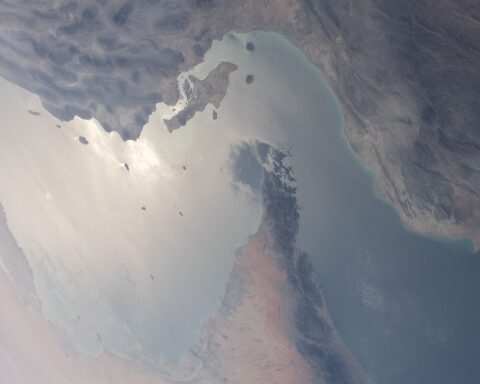
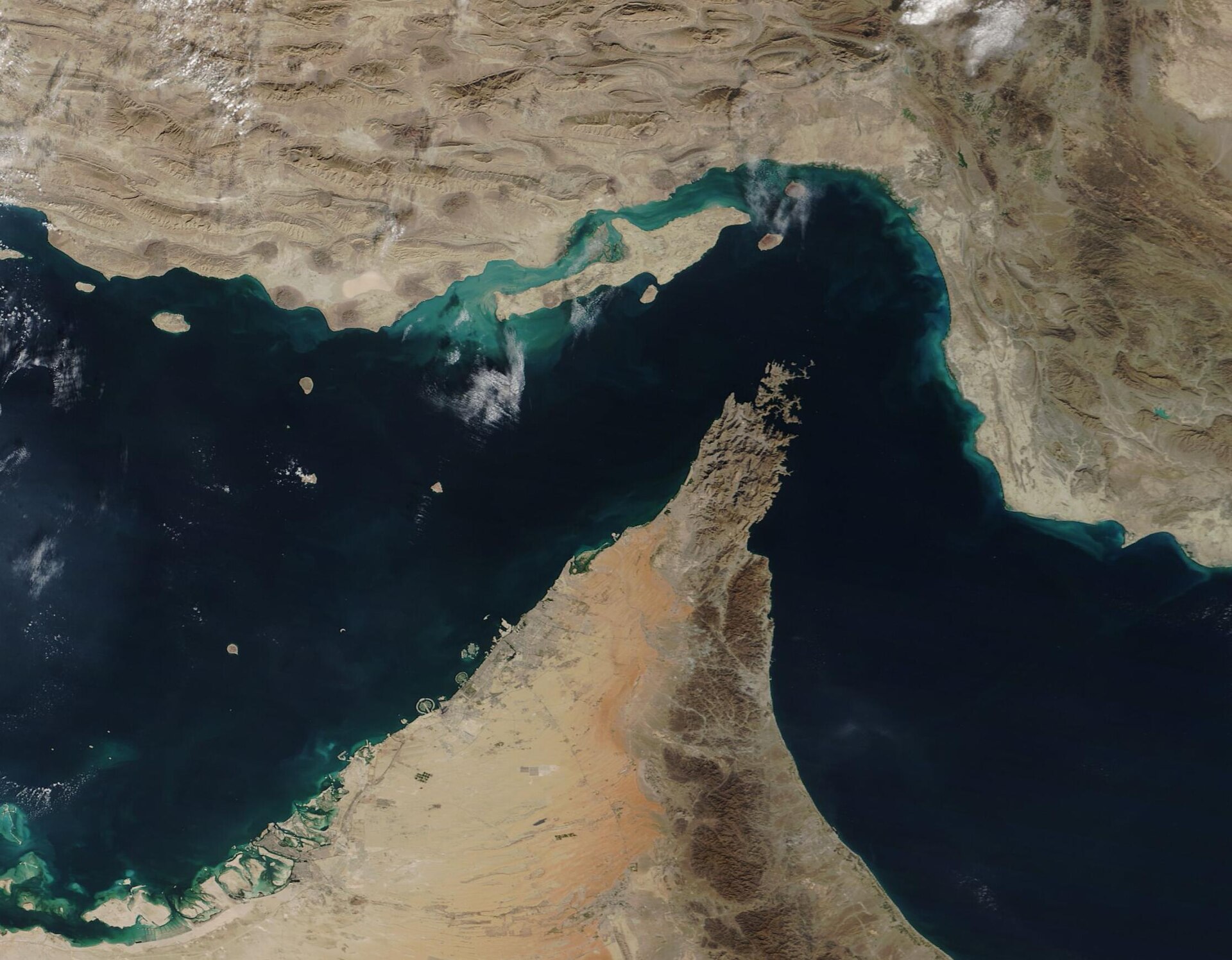
The first aim was maritime. President Trump demanded Iran reopen the strait, which Tehran closed to non-Iranian commercial vessels on approximately March 2, disrupting roughly 17.8 million barrels per day of global oil flows, according to Goldman Sachs commodity analysts. The second aim appeared on March 27 when Trump added denuclearization to the conditions, demanding Iran surrender its nuclear program as part of any settlement.
The third and most expansive aim came from Vance himself on March 28 during an appearance on the “Benny Show” podcast. “The president’s going to keep at it for a little while longer to ensure that once we leave, we don’t have to do this again for a very, very long time,” Vance said, according to the Times of Israel. He described the goal as ensuring Iran is “neutered” militarily — language that implies not a maritime enforcement action but the permanent degradation of an entire nation’s armed forces.
This represents textbook mission creep. A specific, measurable objective — reopen a shipping lane — has become an open-ended commitment to reshape the regional military balance. The shift matters because reopening Hormuz is achievable in weeks. Permanent military degradation of a country with 610,000 active-duty personnel, an entrenched ballistic missile program, and proxy networks spanning four countries is the work of years.
What Has Saudi Arabia Absorbed While Washington Debates Timeline?
While Vance frames the conflict as “a very temporary reaction to what is ultimately a short-term conflict,” Saudi Arabia’s damage ledger tells a different story. ACLED tracking data puts total Iranian strikes on the Kingdom above 600 since the war began. Saudi air defenses have intercepted the vast majority — maintaining an 85-90% intercept rate, per U.S. Central Command assessments — but the volume alone has strained the Kingdom’s Patriot and THAAD batteries.
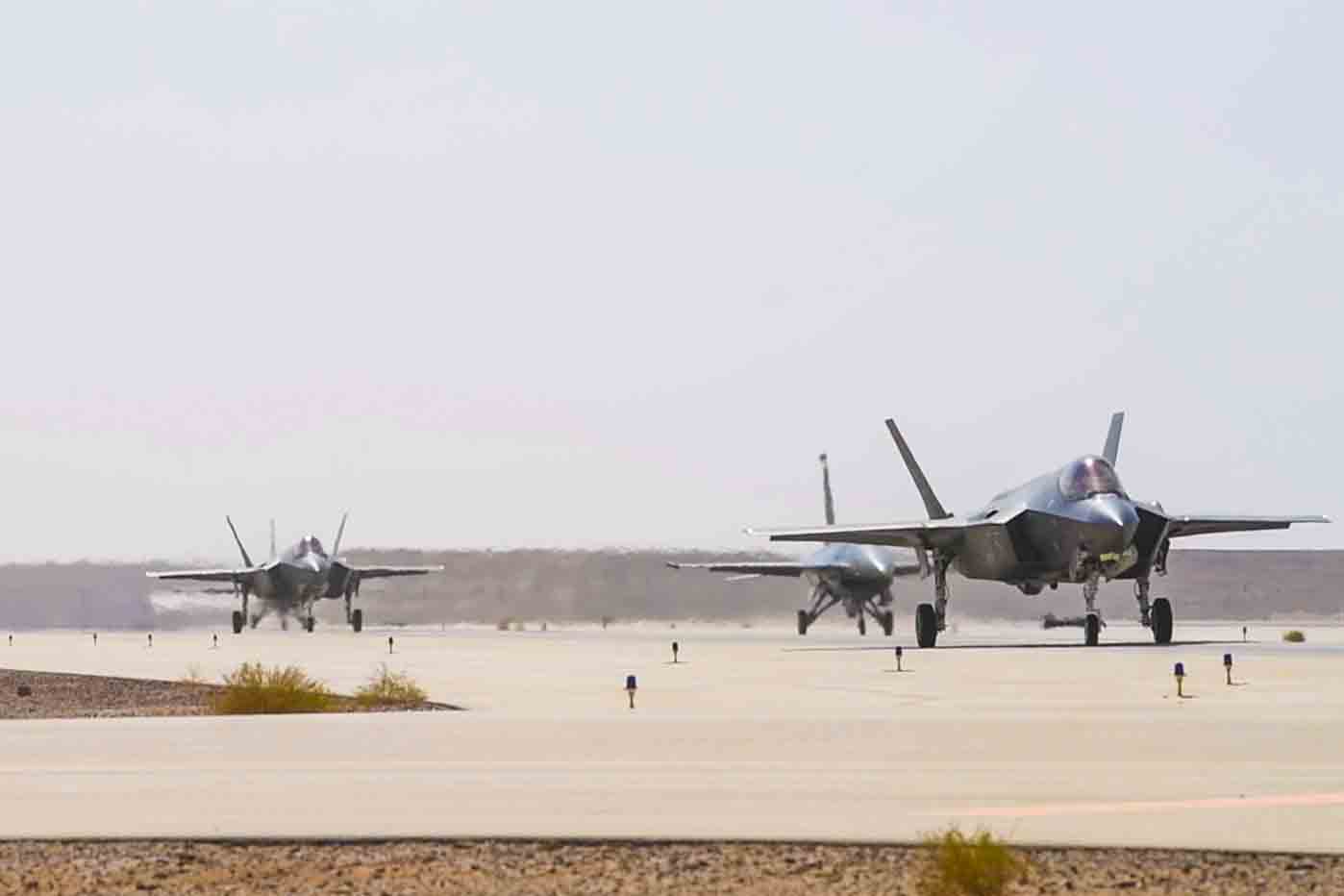
The most consequential strike hit Prince Sultan Air Base on March 27, wounding at least 12 American service members — two seriously — and destroying a KC-135 Stratotanker while damaging an E-3 AWACS aircraft, according to Military Times and Washington Post reporting. Prince Sultan sits 90 kilometers south of Riyadh. The loss of the KC-135 and damage to the AWACS represent more than hardware costs; they degrade the aerial refueling and airborne command-and-control capabilities that sustain the entire air campaign over Iran.
In response, Saudi Arabia opened King Fahd Air Base in Taif — 1,400 kilometers from the nearest Iranian launch positions — as an alternative staging area, according to Iran International and Middle East Eye. The relocation acknowledges a grim reality: infrastructure in eastern and central Saudi Arabia sits within range of Iran’s Fateh-110 ballistic missiles and Shahed-136 drones. Moving west reduces vulnerability but increases operational complexity for missions over western Iran.
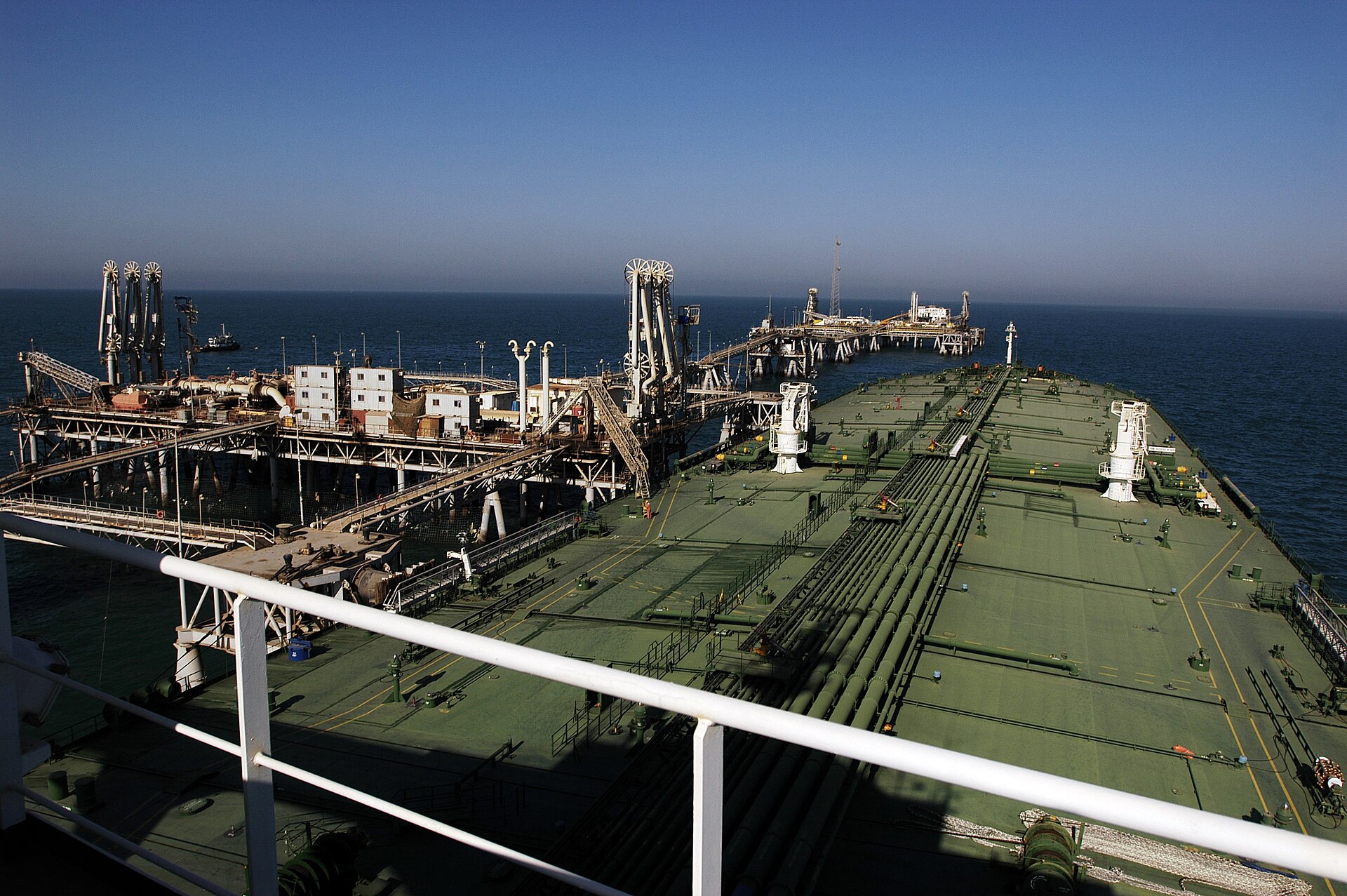
Beyond military infrastructure, the economic toll is mounting. Aramco shut four supergiant oil fields in the Eastern Province as a precaution. The East-West Pipeline reached its maximum capacity of 7 million barrels per day on March 28, according to Bloomberg, but that covers barely a third of the roughly 20 million bpd that transited Hormuz before the blockade. Saudi tourism has lost an estimated $15-30 billion over two to three years in forward bookings, with more than 23,000 flights cancelled and the Saudi Grand Prix scrapped entirely.
The April 6 Deadline and the Diplomacy of Zero Overlap
Trump extended his deadline for Iran to reopen Hormuz to April 6, according to NPR, buying eight more days of what Vance calls a “short-term conflict.” The problem is that neither side has offered terms the other can accept, and Vance’s “a little while longer” language provides no clarity on what happens when April 6 passes without a deal.
The diplomatic record is bleak. Washington transmitted a 15-point plan to Tehran on approximately March 24, according to Axios and Foreign Policy. Iran’s Foreign Ministry described it as “extremely maximalist and unreasonable,” per Al Jazeera. Tehran countered with five conditions of its own, reported by Middle East Eye: an immediate halt to all aggression and assassinations; concrete mechanisms guaranteeing no future attack; war reparations; formal U.S. recognition of Iran’s “natural, legal right” to control maritime activity in the Strait of Hormuz; and an end to all sanctions.
The United States rejected all five. The negotiating positions share zero overlap. Iran demands recognition of its sovereignty over Hormuz — the very blockade the war was launched to break. The U.S. demands denuclearization and permanent military degradation — conditions that would require Iran to accept strategic defeat as the price of peace.
Iranian Foreign Minister Abbas Araghchi made Tehran’s position explicit. “At present, our policy is the continuation of resistance,” he said on March 25, according to Al Jazeera. “We do not intend to negotiate. So far, no negotiations have taken place.” He added: “This war is not our war. We did not start it. The United States must be held accountable.”
Trump envoy Steve Witkoff insists there are “strong signs” Iran will accept the American offer. But Witkoff’s optimism sits uncomfortably against Araghchi’s flat refusal and against Iran’s actions — which have included escalating strikes on Gulf targets even as diplomatic channels remained nominally open.
Does Vance See His Own Contradiction?
On March 27, Vance rebuked Israeli Prime Minister Benjamin Netanyahu in a tense phone call for “overselling” the war’s prospects, according to an Axios report citing a U.S. source. “Before the war, Bibi really sold it to the president as being easy, as regime change being a lot likelier than it was,” the source said. “And the VP was clear-eyed about some of those statements.”
One day later, Vance adopted language that exceeds even Netanyahu’s framing. “Neutering” Iran’s military for “a very, very long time” is not a limited objective. It is regime-level degradation — precisely the kind of maximalist aim Vance accused Netanyahu of promoting. The vice president rebuked Israel’s prime minister for selling an easy war on Monday, then sold an even harder war on Friday.
The contradiction extends to Vance’s assurance that “we’re not interested in being in Iran a year down the road or two years down the road.” Permanently neutering a nation’s military capability while refusing a multi-year commitment is not a strategy. It is a wish. The United States achieved regime change in Iraq in three weeks in 2003 and spent the next eight years failing to stabilize what it had broken. Iran’s military infrastructure is more dispersed, more deeply buried, and more heavily defended than Iraq’s ever was.
Meanwhile, the 13 American service members killed in action and nearly 300 wounded during Operation Epic Fury, according to NPR, suggest the conflict is already extracting costs that “short-term” does not adequately describe.
Saudi Arabia’s War Without a Vote
The structural problem for Riyadh is straightforward: the United States decides how long the war lasts, and Saudi Arabia absorbs the consequences of that decision without a vote. Crown Prince Mohammed bin Salman has declined to retaliate directly despite the sustained bombardment — a posture that reflects both calculation and the absence of attractive alternatives.
Gulf states have demanded that Iran’s military be permanently degraded before any ceasefire — aligning them with Vance’s stated goal. But the Gulf states want degradation achieved quickly. An open-ended “little while longer” without defined endpoints is the worst possible outcome: it guarantees continued strikes on Saudi territory while deferring the permanent security gains Riyadh seeks to an unspecified future.
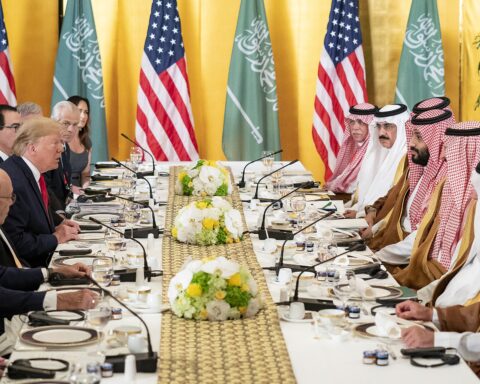
The power dynamic was laid bare at the FII Priority Summit in Miami on March 28, where Trump said of MBS: “He didn’t think he would be kissing my ass… and now he has to be nice to me.” The White House edited the remarks from its official live stream before clips circulated online, according to multiple outlets including RT and Business Today. The statement, delivered at a Saudi-backed investment forum while Saudi cities absorb Iranian ordnance, captures the relationship’s imbalance in a single sentence.
Saudi diplomatic efforts reflect the urgency. Foreign ministers from Saudi Arabia, Turkey, Egypt, and Pakistan are convening in Islamabad on March 30 for de-escalation talks, according to Al Arabiya. Turkish Foreign Minister Hakan Fidan told A Haber the meeting aims to establish “a mechanism aimed at de-escalation.” But a mechanism is not a ceasefire, and none of the four countries at the table have the ability to compel either Washington or Tehran to accept terms.
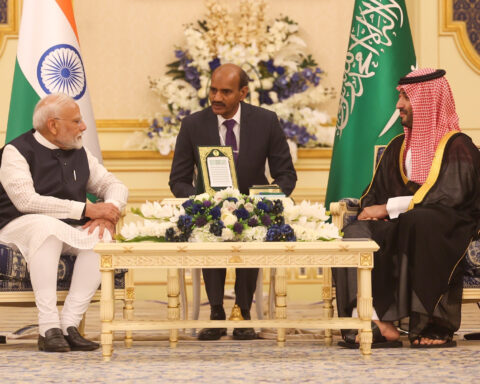
India’s Prime Minister Narendra Modi called MBS on March 28, with both leaders agreeing on the “need to ensure freedom of navigation,” according to the Bombay Samachar. India is one of five nations Iran has granted free transit through its Hormuz toll operation — which charges up to $2 million per vessel for ships from other countries, per Reuters. Modi’s call offers diplomatic solidarity but no naval escorts.
Can Saudi Arabia Survive a Two-Front Maritime Blockade?
Vance’s “little while longer” faces a compounding problem: the war is expanding, not contracting. On March 28, Yemen’s Houthi forces launched their first missile strike against Israel since Operation Epic Fury began, according to CNBC and Axios. The Israel Defense Forces confirmed interception of the projectile. Houthi spokesman Yahya Saree described it as “the first military operation using a barrage of ballistic missiles targeting sensitive Israeli military sites.” The IRGC’s March 29 ultimatum declaring American university campuses across the Gulf legitimate targets confirmed the pattern: each week widens the target set from military to economic to civilian.
The Houthi intervention is not merely symbolic. Mohammed Mansour, the Houthis’ deputy information minister, told local media on March 28 that “closing the Bab al-Mandeb strait is among our options,” according to U.S. News. The Bab al-Mandeb accounted for approximately 12% of seaborne oil trade and 8% of liquefied natural gas trade, according to U.S. Energy Information Administration data. If the Houthis act on that threat, Saudi Arabia faces a second maritime chokepoint closure — this one strangling its Red Sea export route through Yanbu, the western terminal of the very pipeline Riyadh rushed to full capacity as a Hormuz workaround.
Lloyd’s List reported on March 28 that “Houthis see no reason to prevent Yanbu VLCC trade at present” — a conditional statement that offers no long-term guarantee. The pipeline’s 7 million bpd capacity, reported by Bloomberg, already falls 13 million bpd short of replacing Hormuz transit volumes. A Bab al-Mandeb closure would eliminate even that partial workaround.
Oil markets are pricing in the risk. Brent crude closed at $112.57 per barrel on March 28, up 4.22% on the day and 51.33% from $71.24 one month earlier, according to trading data. WTI touched $100.04 intraday. Goldman Sachs estimates a $14-18 per barrel geopolitical risk premium in current prices and warned that Brent could exceed its 2008 all-time high of approximately $147.50 if the disruption persists, according to CNBC.
For Saudi Arabia, the calculus is paradoxical. Higher oil prices generate windfall revenue — but only for the barrels Riyadh can actually export. With Hormuz closed and Bab al-Mandeb threatened, the Kingdom banks a war windfall on paper while its physical export capacity shrinks.
The Background
Iran struck all six GCC member states in retaliation for the joint U.S.-Israeli air campaign that began on February 28, with Saudi Arabia absorbing the heaviest sustained bombardment while providing basing access and logistical support to American forces. The one-month balance sheet for Saudi Arabia includes destroyed military hardware, shuttered oil fields, cancelled tourism events, and a diplomatic position that depends entirely on American decisions Riyadh cannot influence.
Frequently Asked Questions
What did Vance mean by “neutering” Iran?
Vance used the term on March 28 to describe the permanent degradation of Iran’s offensive military capabilities — ballistic missiles, drone production facilities, air defenses, and nuclear infrastructure — so that Tehran cannot threaten its neighbors or restart its weapons programs after U.S. forces withdraw. This goes far beyond the original Hormuz objective and mirrors language typically associated with post-World War II disarmament of defeated powers, not limited military operations. No U.S. official has publicly defined what “neutered” would look like in measurable terms.
How many U.S. troops have been killed or wounded in Operation Epic Fury?
As of March 28, 13 American service members have been killed in action and nearly 300 wounded during Operation Epic Fury, according to NPR citing U.S. Central Command figures. The majority of wounded personnel have returned to duty. The March 27 strike on Prince Sultan Air Base in Saudi Arabia wounded at least 12, with two listed in serious condition, marking one of the largest single-incident casualty events of the campaign.
Could Saudi Arabia enter the war as a combatant?
Saudi Arabia has not publicly considered direct offensive action against Iran and lacks the long-range strike platforms — stealth aircraft, cruise missiles, or carrier-based aviation — to sustain independent operations against Iranian territory. Riyadh’s military doctrine emphasizes air defense and deterrence rather than power projection. Entering the war would also expose Saudi oil infrastructure to deliberate, concentrated Iranian retaliation rather than the current pattern of sporadic strikes aimed primarily at U.S. assets on Saudi soil.
What happens if both Hormuz and Bab al-Mandeb close simultaneously?
A dual chokepoint closure would eliminate Saudi Arabia’s two primary maritime export routes. The East-West Pipeline terminates at Yanbu on the Red Sea coast, and Yanbu tanker traffic exits through the Bab al-Mandeb strait. The only remaining option would be overland pipelines — the Iraq-Turkey Kirkuk-Ceyhan line and the Saudi rail corridor to Jordan — neither of which has the capacity to replace seaborne exports. The International Energy Agency has modeled a dual closure as a 25-30 million bpd disruption, which would be the largest supply shock in the history of the oil market.
Is the April 6 deadline enforceable?
Trump’s April 6 deadline carries no automatic enforcement mechanism or treaty obligation. Previous deadlines in the conflict — including the original Hormuz ultimatum — have been extended without consequence when they passed unfulfilled. The deadline functions more as a political marker for domestic audiences than a military tripwire. Trump retains the option to extend again, escalate strikes on Iranian energy infrastructure (which he paused on March 26), or accept a partial deal. Iran’s public position of refusing all negotiations suggests April 6 will pass without resolution.