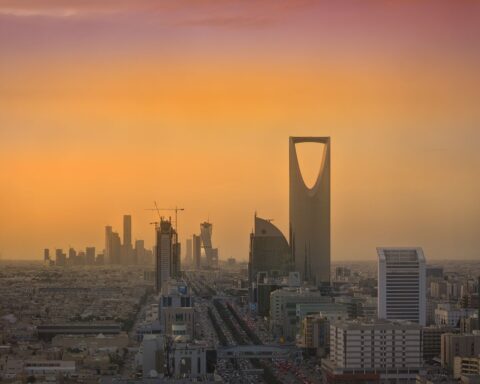
The Saudi government is in the final stages of preparing a revised five-year strategic plan for Vision 2030, aiming to intensify the Kingdom’s focus on high-growth, high-tech sectors as it enters the second half of its transformative journey. This new roadmap is expected to prioritize investments in Artificial Intelligence (AI), minerals, tourism, and renewable energy, reflecting the lessons learned from the first decade of the vision and adapting to a rapidly shifting global economic landscape. The move is seen as a sign of the Kingdom’s agility and its determination to ensure that the goals of Vision 2030 are met with maximum efficiency and impact.
The upcoming plan will focus on optimizing the Kingdom’s massive financial resources and sovereign wealth, primarily channeled through the Public Investment Fund (PIF). Rather than just focusing on large-scale infrastructure, the refined strategy is expected to place equal weight on building a robust ‘knowledge economy.’ This includes substantial new investments in human capital development, aiming to create a highly skilled workforce that can compete on the world stage. The goal is to move Saudi Arabia up the global value chain, from a supplier of energy to a center for innovation and high-tech manufacturing. This shift is essential for ensuring long-term prosperity in a post-oil world.
Crown Prince Mohammed bin Salman, the architect of Vision 2030, has long advocated for a pragmatic approach to the national vision. The refined five-year plan will allow the government to recalibrate the timeline of some major giga-projects while accelerating others with higher immediate economic returns. This selective approach is a natural progression as the first phase of foundation-building transitions into a period of scaling and delivering results. The international investment community is watching closely, looking for signals on where the Kingdom sees its greatest future competitive advantages. The focus on AI and minerals, in particular, suggests that Saudi Arabia is positioning itself as a central player in the global energy transition and the digital revolution.
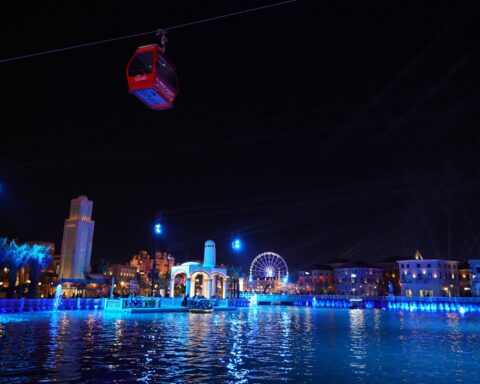
Furthermore, the plan is expected to include new initiatives to further empower the private sector and SMEs. By simplifying regulations and providing better access to capital, the government aims to increase the private sector’s contribution to GDP to 65% by 2030. The tourism sector is also a key beneficiary, with the upcoming roadmap outlining plans to further develop the Kingdom’s world-class cultural and natural heritage sites. The success of events like the Saudi Cup and Formula E shows the massive potential of this sector to attract international visitors and create high-quality jobs for Saudi nationals.
Transparency and fiscal responsibility remain central to the Kingdom’s economic strategy. The revised plan will include clear performance indicators and regular progress reports, ensuring that the nation’s wealth is being managed with the highest standards of accountability. The Ministry of Economy and Planning has emphasized that the refined roadmap is designed to build a resilient and diversified economy that can withstand global volatility. By being proactive and focused, Saudi Arabia is ensuring that the promise of Vision 2030 remains on track to deliver a more prosperous and sustainable future for all its people.
As the final details of the new five-year plan are being polished, the sense of momentum in the Kingdom is palpable. This is not just a plan for a government; it is a vision for a whole nation. The refinements being made are a sign of strength and confidence, demonstrating that Saudi Arabia has the vision and the flexibility to lead in a changing world. The unveiling of the roadmap in the coming weeks will mark the beginning of a new and exciting chapter in the history of the Kingdom, one that will see it emerge as a modernized, diversified, and globally integrated superpower.