
DOHA — On Tuesday, the IRGC designated 18 American companies as “legitimate military targets,” gave employees until 8pm Tehran time on Wednesday to evacuate, and published the list through its official Sepah News outlet: Cisco, HP, Intel, Oracle, Microsoft, Apple, Google, Meta, IBM, Dell, Palantir, Nvidia, JPMorgan Chase, Tesla, General Electric, Boeing, and two UAE-based firms — the Abu Dhabi AI company G42 and the Dubai cybersecurity firm Spire Solutions. On Wednesday, Iranian missiles hit Batelco’s headquarters in Bahrain, which hosts Amazon Web Services infrastructure, sparking confirmed fires. On Thursday, the IRGC claimed it had struck Oracle’s Dubai data centre specifically in retaliation for the strike on former Foreign Minister Kamal Kharazi’s home that killed his wife — a claim the Dubai Media Office called “fabricated and incorrect.” Whether or not every individual strike lands, the pattern is unmistakable: Iran published a target list, set a deadline, and began executing against it.
The tech company strikes are the newest layer of an Iranian targeting strategy that, across 34 days of war, has evolved through four distinct phases, each one expanding the definition of what constitutes a legitimate target and each one designed to impose a different category of cost on a different audience. The pattern, when mapped against the confirmed strikes rather than the rhetoric, reveals a campaign that is more deliberate and more structurally coherent than the Western narrative of indiscriminate retaliation suggests.
Table of Contents
Phase 1: Military Retaliation (Days 1-5)
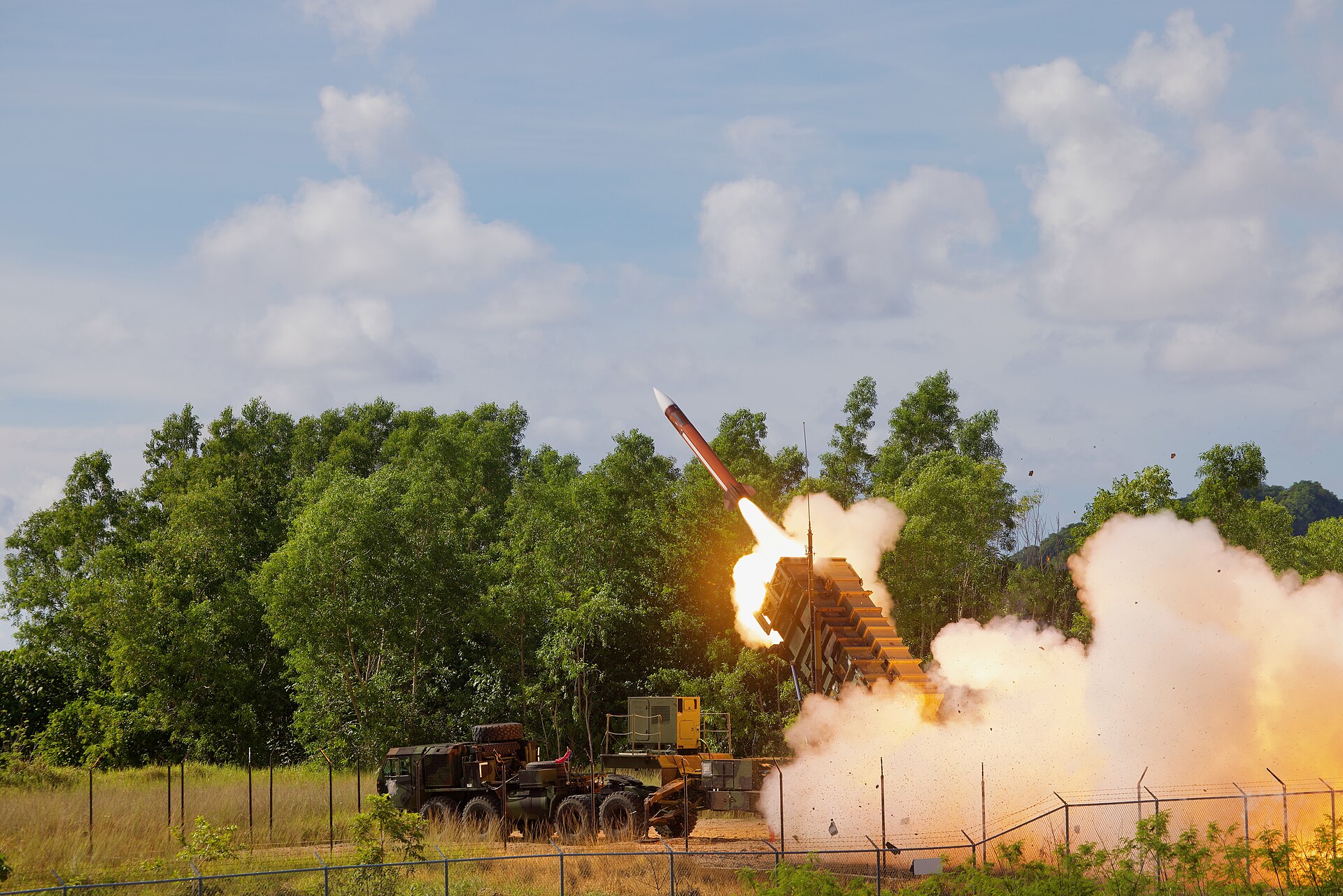
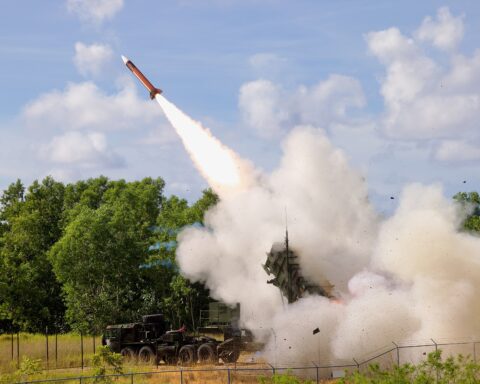
Iran’s initial response was conventional and expected: missile and drone barrages directed at US military installations across the Gulf. Al-Udeid Air Base in Qatar, Camp Arifjan in Kuwait, Al Dhafra Air Base in the UAE, and US 5th Fleet facilities in Bahrain were all struck within the first 72 hours. The IRGC claimed it had hit “all Israeli and US military targets in the Middle East” and warned that “all US assets throughout the region are considered legitimate targets.” UAE Defence Ministry data shows Iran launched over 100 drones per day at Emirati territory during the first four days alone.
The targets in this phase were military — bases, radar systems, command infrastructure. The AN/FPS-132 early warning radar at Al-Udeid, valued at $1.1 billion, was struck by an Iranian missile on March 1 and represented the single most expensive piece of US equipment destroyed. Iran also fired ballistic missiles toward the USS Abraham Lincoln in the Indian Ocean (they fell short) and the US confirmed the destruction of 17 Iranian warships including one submarine in return. The military-on-military exchange was intense but, from the Iranian perspective, unsustainable — by March 5, CENTCOM reported that Iranian ballistic missile launches had dropped by 90% and drone attacks by 83% from their opening-day peaks as stockpiles depleted and launch infrastructure was degraded.
Every Gulf Cooperation Council country except Oman was struck in this phase. The exemption was telling — Oman had been mediating between the US and Iran and maintained diplomatic channels with Tehran. Iran’s targeting distinguished between countries hosting US military assets (all hit) and the one country that had served as a diplomatic intermediary (spared). That distinction would not survive the second phase.
Phase 2: Energy Infrastructure (Days 2-20)
The shift from military to energy targets began almost immediately and marked the first expansion of Iran’s targeting logic beyond conventional retaliation. The confirmed strikes on energy infrastructure across the Gulf include:
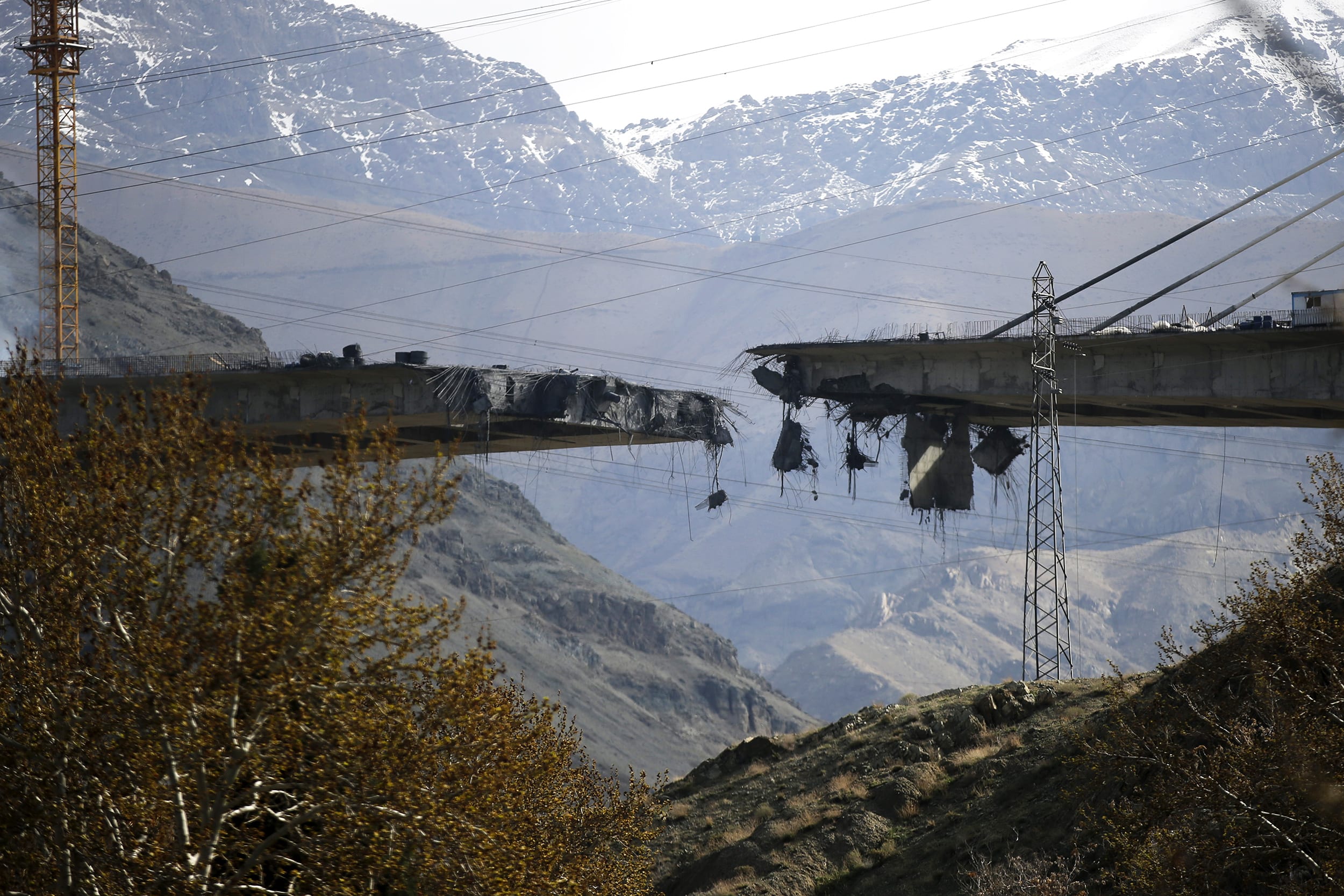
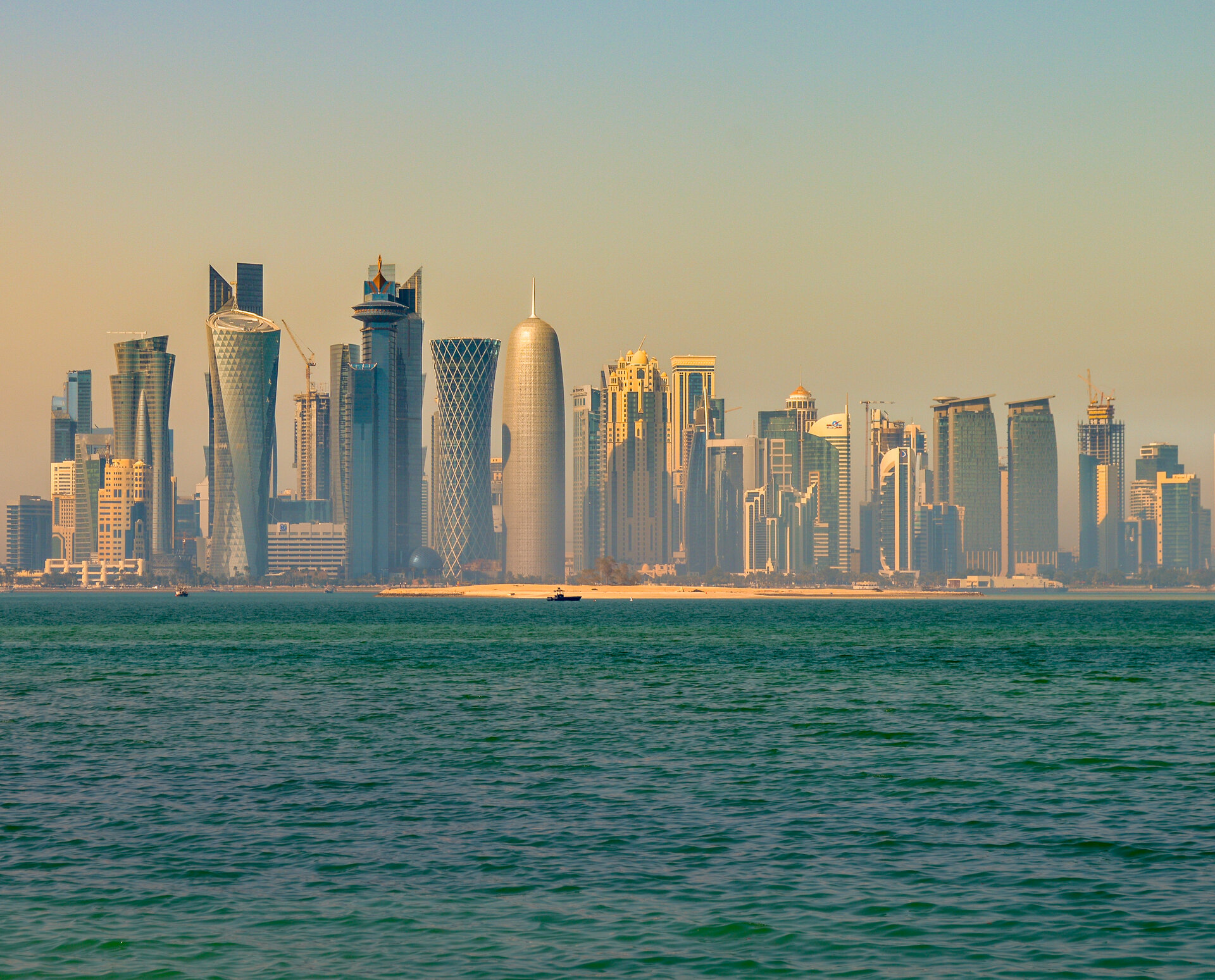
Qatar: Ras Laffan Industrial City struck on March 2 (drones) and March 18-19 (ballistic missiles), destroying two LNG trains and damaging the Pearl GTL facility. QatarEnergy halted all LNG production and declared force majeure. Mesaieed Industrial City also struck, including a water tank at a power plant. Combined effect: 17% of Qatar’s LNG export capacity confirmed offline for 3-5 years, with additional undisclosed damage likely.
Saudi Arabia: Ras Tanura oil refinery struck in early March, with satellite imagery confirming firefighting efforts and damage. Ras Tanura has a capacity of 550,000 barrels per day and is one of the largest refineries in the Middle East. Multiple other facilities targeted across the kingdom, with 750 Iranian strikes absorbed by Saudi territory through day 34.
Bahrain: BAPCO, the country’s sole refinery, struck and declared force majeure on oil exports. Bahrain International Airport fuel tanks hit by drones on March 11-12, setting fires on Muharraq Island.
Kuwait: The oil tanker Sonangol Namibe struck by a sea drone while anchored near Mubarak Al Kabeer Port — over 800 kilometres from the Strait of Hormuz — representing a significant geographical expansion of the maritime campaign. Kuwait International Airport fuel depots hit on April 1, causing what Kuwaiti authorities described as a “massive” fire. Six power lines knocked out of service.
UAE: Abu Dhabi’s Habshan gas facilities shut down after being hit by falling debris from intercepted strikes. Alba (Aluminium Bahrain) and Emirates Global Aluminium both struck on March 29, with the IRGC claiming the facilities were “linked to the United States military” — an expansive definition that classified industrial infrastructure as a legitimate military target based on its economic relationship to the US rather than any direct military function.
The energy targeting served a different strategic purpose from the military strikes. Iran cannot win the air war — CENTCOM established air dominance over western Iran and Tehran within 24 hours. What Iran can do is make the war economically unbearable for the countries hosting the US operation, on the logic that governments absorbing $20 billion in annual revenue losses (Qatar), force majeure on their sole refinery (Bahrain), and 750 drone and missile strikes (Saudi Arabia) will eventually pressure Washington to stop. As Critical Threats’ analysis noted, the campaign “aims to exploit relatively softer GCC defenses compared to Israel or US bases to force the GCC to capitulate and pressure the United States to cease attacks.”
Phase 3: The Hormuz Toll (Days 3-Present)
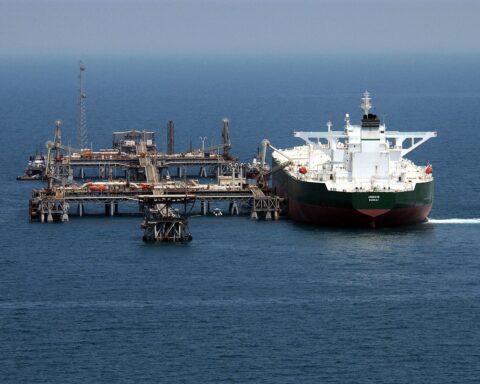
The maritime campaign has been the most strategically consequential component of Iran’s response, and the one that has most directly affected global energy markets. Pre-war, approximately 110 ships transited the Strait of Hormuz daily. That figure has collapsed to 5-10, with those remaining vessels forced out of the recognised international shipping lane and into Iranian territorial waters between a chain of islands, where the IRGC inspects them and — according to multiple reports — charges up to $2 million per vessel to transit.
The confirmed maritime attacks are extensive: at least 21 attacks on merchant ships by March 12 according to UKMTO data, including strikes on oil tankers, bulk carriers, and tugboats. The IRGC sank or damaged vessels using a combination of ballistic missiles, drones, unmanned surface vessels (sea drones), and mine-laying operations. The US military reported destroying 16 Iranian minelayers. A tanker was hit by a projectile off Qatar’s coast as recently as April 1.
Iran’s Hormuz strategy is not a blockade in the traditional sense — it is a conversion of a international waterway into a sovereign toll operation. The IRGC’s stated position is that not “a single drop of oil will leave the region” without Iranian consent, and NBC reported that “every indication is that the Iranians want to make this into a long-term arrangement, even after the war continues.” The implications extend beyond the immediate conflict: if Iran successfully establishes a permanent toll mechanism over the Strait, it acquires a structural veto over 20% of the world’s oil supply that would survive any ceasefire.
The economic consequences are already severe. Iraq — a founding OPEC member that derives 90% of its budget revenue from oil exports — announced this week that it has begun trucking crude oil overland through Syria because every maritime export route is either closed or under Iranian control. Oil prices have surged from pre-war levels to above $100/barrel (Brent reached $119.45), while European and Asian gas prices spiked 50% and 39% respectively after the Ras Laffan strikes. War risk insurance for Hormuz transit has increased from 0.125% to 0.2-0.4% of vessel value — an additional quarter of a million dollars per voyage for large tankers.
Phase 4: The Digital Gulf (Days 30-Present)
The IRGC’s designation of 18 American tech companies as military targets on March 31, followed by confirmed strikes on Batelco (hosting AWS infrastructure) in Bahrain and a claimed but UAE-denied strike on Oracle’s Dubai data centre, represents the newest and most strategically ambitious expansion of Iran’s targeting doctrine.
The declared justification is that these companies provide the AI, surveillance, and cloud computing infrastructure that enables the targeted killing of Iranian officials. The IRGC’s statement, published through Sepah News, said: “For every assassination, a US company will be destroyed.” The threat followed the reported killing of Brigadier General Jamshid Eshaghi, head of budget and financial affairs at Iran’s armed forces general staff, in a US-Israeli strike.
The 18 companies named — Cisco, HP, Intel, Oracle, Microsoft, Apple, Google, Meta, IBM, Dell, Palantir, Nvidia, JPMorgan Chase, Tesla, General Electric, Boeing, G42, and Spire Solutions — represent a cross-section of America’s technology, defence, and financial infrastructure in the Gulf. Several have obvious military-industrial connections (Boeing, Palantir, GE). Others — Tesla, Apple, JPMorgan — are included because of their commercial presence in Gulf countries, which Iran frames as economic participation in the war effort. The inclusion of G42, Abu Dhabi’s flagship AI company, and Spire Solutions, a Dubai cybersecurity firm, signals that Iran is also targeting Gulf states’ own technology ambitions, not just American corporate presence.
The practical impact extends beyond the physical strikes. American companies have begun asking Gulf-based employees to work remotely or limit travel. AWS infrastructure disruption in the UAE on March 3 from Iranian drone strikes demonstrated the vulnerability of cloud services to kinetic attack. The IRGC’s one-kilometre evacuation advisory — urging civilians to clear the area around tech company offices — is both a humanitarian warning and a psychological operation designed to make Western corporate presence in the Gulf feel physically dangerous rather than merely commercially risky. Tesla showrooms on Sheikh Zayed Road in Dubai, Google offices in Riyadh, Oracle data centres across the UAE — every one of these locations now carries a declared threat from a state military actor with the demonstrated capability and willingness to follow through.
The strategic aim is to attack the post-oil economic model that the Gulf states have spent a decade building. Saudi Arabia’s Vision 2030, the UAE’s diversification into tech and finance, Bahrain’s fintech ambitions, Qatar’s smart-city investments — all of these depend on Western corporate confidence that the Gulf is a safe, stable operating environment. If Iran can make that confidence untenable — not permanently, but for long enough that investment decisions shift and talent relocates — it damages the Gulf states’ long-term economic trajectory in ways that outlast any ceasefire.
What the Pattern Reveals
Mapped in sequence, the four phases show an escalation ladder that is more systematic than opportunistic. Phase 1 (military) imposed direct costs on the US force posture. Phase 2 (energy) imposed economic costs on the host nations. Phase 3 (Hormuz) imposed global economic costs on every country dependent on Gulf energy exports. Phase 4 (tech/digital) imposes costs on the future economic model the Gulf states are building to replace oil dependency.
Each phase expanded the target set to a new category and each addressed a different audience. The military strikes were aimed at the Pentagon. The energy strikes at the Gulf governments. The Hormuz closure at the global economy. The tech targeting at the boardrooms of companies deciding whether the Gulf is still a viable place to do business.
Iran cannot win this war militarily — its air force is destroyed, its navy has lost 17 warships, its ballistic missile launches have dropped by 90% from opening-day levels, and its supreme leader, his predecessor, and dozens of senior commanders are dead. What the targeting pattern reveals is a strategy designed not to win the war but to make the post-war settlement as expensive as possible for everyone except Iran. If the Gulf states’ energy infrastructure is degraded, their shipping lanes are under Iranian control, and their technology sector is under physical threat, then the countries hosting the American operation have a quantifiable, compounding incentive to demand that Washington stop — and the terms of any ceasefire will reflect the costs Iran has imposed rather than the military dominance the US has achieved.
Whether this strategy is working depends on who you ask. Gas prices in Europe have risen 50% since the war began. Oil is above $100. US gasoline has gone from $2.46 to over $4 per gallon. Iraq is trucking its oil through Syria. The 40-nation diplomatic summit convened in London today to discuss reopening Hormuz is, by its very existence, evidence that Iran’s maritime strategy has created a problem that 40 governments believe requires collective action to solve. On the other side of the ledger, Iran has lost its air force, its navy, most of its missile production capacity, and — according to Trump’s Wednesday address — will face strikes on its power grid and oil infrastructure within two to three weeks if it doesn’t come to terms. The IRGC’s expanding target list is the response of a military that is losing the kinetic war and attempting to win the economic one before the lights go out.
FAQ
How many Iranian strikes have hit Gulf states since February 28?
Comprehensive figures are difficult to confirm across all six GCC countries. UAE Defence Ministry data shows Iran launched over 100 drones per day at Emirati territory during the first four days. Saudi Arabia has absorbed 750 strikes through day 34. UKMTO reported 16 maritime attacks and four suspicious incidents in the Persian Gulf by March 12 alone. All six GCC countries except Oman were struck in the opening phase; Oman was subsequently struck as well, with Iran attributing the Duqm port attack to “autonomous IRGC action.”
Which energy facilities have been confirmed damaged?
Confirmed damage: Ras Laffan LNG (Qatar — Trains 4 and 6, Pearl GTL, 17% capacity offline for 3-5 years), Ras Tanura refinery (Saudi Arabia), BAPCO refinery (Bahrain — force majeure declared), Bahrain International Airport fuel tanks, Kuwait International Airport fuel depots, Habshan gas facilities (UAE — shut down), Mesaieed water/power infrastructure (Qatar). Additional unconfirmed damage to further facilities is likely based on QatarEnergy’s own disclosure of strikes on “several other LNG facilities.”
What are the 18 companies Iran designated as targets?
Cisco, HP, Intel, Oracle, Microsoft, Apple, Google, Meta, IBM, Dell, Palantir, Nvidia, JPMorgan Chase, Tesla, General Electric, Boeing, G42 (UAE), and Spire Solutions (UAE). The IRGC published the list through Sepah News on March 31, set a deadline of 8pm Tehran time on April 1, and struck Batelco’s headquarters in Bahrain (which hosts AWS infrastructure) within hours of the deadline. The IRGC also claimed a strike on Oracle’s Dubai data centre, which the UAE government has denied. Earlier in the war, Iranian drone strikes disrupted power to AWS cloud facilities in the UAE on March 3.
Has any country been spared from Iranian strikes?
Oman was initially exempted, consistent with its role as mediator between the US and Iran. However, Oman’s Duqm port was subsequently struck, with Tehran attributing the attack to “autonomous IRGC action” rather than a command decision — a formulation that preserved diplomatic deniability while expanding the target set. No GCC country has been fully spared.
What is the “Tehran Toll Booth”?
NBC’s term for Iran’s conversion of the Strait of Hormuz from an open international waterway into a controlled transit corridor. Ships are being routed through Iranian territorial waters between a chain of islands, inspected by the IRGC, and charged up to $2 million per vessel. Pre-war transit was 110 ships per day through the recognised international lane; current transit is 5-10 ships per day through Iranian-controlled waters. Multiple reports indicate Iran intends to maintain this arrangement permanently, even after a ceasefire.