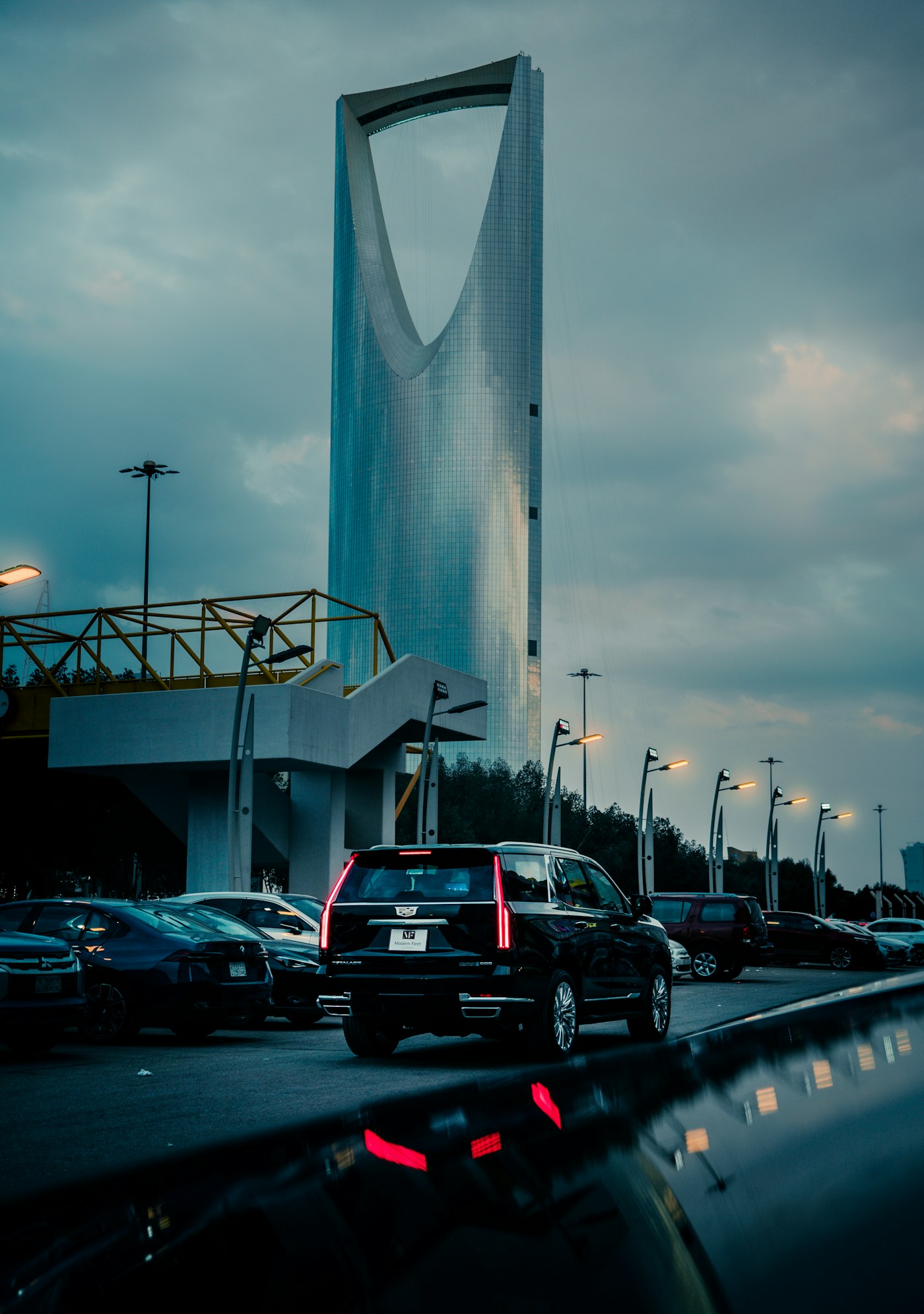

RIYADH — Saudi Arabia welcomed 122 million visitors in 2025, a five per cent increase year-on-year, and climbed to 14th place in the Numbeo Safety Index — the highest ranking of any G20 nation. By most conventional metrics, the Kingdom is among the safest countries in the Middle East for tourists. But safety in Saudi Arabia cannot be reduced to a crime statistic. It is a layered question that involves regional security, strict legal codes that carry severe penalties, cultural expectations that differ sharply from Western norms, and — as of early 2026 — an active military conflict that has prompted the United States to issue a Level 3 “Reconsider Travel” advisory. This guide sets aside the promotional glossiness of tourism marketing and the reflexive anxiety of Western headlines. What follows is a factual, section-by-section assessment of every dimension of safety a visitor needs to understand before booking a flight to the Kingdom.
Table of Contents
- The Overall Safety Picture
- What Do Western Governments Actually Say?
- The Iran Conflict and Regional Security in 2026
- How Low Is the Crime Rate for Tourists?
- Laws That Can Get You Arrested
- Is Saudi Arabia Safe for Solo Female Travellers?
- LGBTQ+ Travellers and the Law
- Driving Safety and Road Risks
- Extreme Heat and Health Hazards
- Photography Rules and Restricted Zones
- Religious Sensitivity and Cultural Etiquette
- Entry Requirements and Visa Safety Tips
- Common Scams and How to Avoid Them
- Emergency Numbers, Embassies, and Medical Care
- Safety Assessment by Visitor Type
- Frequently Asked Questions (See also: Dress code | Solo female travel | Visa guide | Getting around)
The Overall Safety Picture
Saudi Arabia ranks 14th globally on the 2025 Numbeo Safety Index, ahead of every other G20 nation and behind only a handful of small, historically peaceful states. Among Middle Eastern countries, the Kingdom trails only the UAE, Qatar, and Oman — all of which have populations a fraction of Saudi Arabia’s 32 million residents and 13 million expatriates.
The 2025 Global Peace Index told a more dramatic story. Saudi Arabia surged from 102nd place in 2024 to 22nd in 2025, driven by improved diplomatic relations, zero internal conflict deaths, and political stability gains linked to Vision 2030 reforms. The Institute for Economics and Peace credited the restoration of diplomatic ties with Iran and Lebanon — a thaw that, ironically, collapsed when the US-Iran conflict erupted in late February 2026.
Street crime against tourists is exceptionally rare. The Kingdom’s homicide rate of 0.64 per 100,000 (World Bank, 2018 — the most recent available data) is lower than that of most European countries and roughly one-tenth of the United States figure. Petty theft, pickpocketing, and bag-snatching occur but at rates that most Western visitors would consider negligible.
The more relevant risks for tourists are not criminal. They are legal (Saudi law criminalises behaviours that are legal or trivial elsewhere), environmental (extreme heat kills people every year), regional (an active military conflict), and cultural (social expectations enforced by both law and community pressure). Each of these demands a dedicated assessment.
What Do Western Governments Actually Say?
Travel advisories are the closest thing to an official government verdict on a country’s safety. As of March 2026, every major Western government has escalated its warning level for Saudi Arabia due to the Iran conflict.
| Government | Advisory Level | Key Risks Cited | Date Updated |
|---|---|---|---|
| United States (State Dept) | Level 3 — Reconsider Travel | Iranian drone/missile strikes, terrorism, exit bans, social media laws | March 2026 |
| United Kingdom (FCDO) | Advise against all but essential travel (Eastern/Riyadh Provinces) | Missile/drone attacks, shrapnel risk, Yemen border | March 2026 |
| Canada (GAC) | Exercise a high degree of caution | Terrorism, regional instability | March 2026 |
| Australia (DFAT) | Reconsider your need to travel | Military conflict, terrorism | March 2026 |
The US advisory is particularly stark. On 8 March 2026, the State Department ordered non-emergency US government employees and their families to leave Saudi Arabia. The advisory explicitly warns that “US citizens have been arrested for past social media activity, including comments posted while outside of Saudi Arabia” — a risk factor that predates the conflict and applies regardless of the regional security situation.
The UK FCDO’s position is more granular. It advises against all but essential travel to the Eastern Province and Riyadh Province specifically, while allowing travel to other regions with increased caution. It continues to advise against all travel within 10 kilometres of the Yemen border.
It is worth noting that these elevated advisories are a product of the 2026 conflict. Before February 2026, Saudi Arabia sat at Level 2 (“Exercise Increased Caution”) for the US and equivalent for other Western governments — a level shared by countries such as France, Belgium, and Turkey. The conflict has temporarily elevated the risk profile, and advisories may be downgraded if a ceasefire holds.
The Iran Conflict and Regional Security in 2026
The single most significant safety factor for visitors in 2026 is the active military conflict between the United States and Iran, which began on 28 February 2026. Saudi Arabia, while not a primary belligerent, has been struck by Iranian missile and drone attacks targeting cities, airports, military bases, energy facilities, and diplomatic compounds.
Iran has launched multiple barrages into Saudi territory. The Houthis in Yemen — Iran’s most capable regional proxy — have independently attacked Saudi border towns and interior cities with armed drones, missiles, and rockets for years, though these attacks intensified dramatically after the conflict’s outbreak.
The practical impact on tourists has been significant. Commercial flights remain operational but have been “significantly disrupted,” according to the US Embassy. Riyadh sent its first air raid alert to eight million phones in March 2026. The FCDO has reported “shrapnel from intercepted missiles and drones falling across the region.”
For context, Saudi Arabia’s air defence network — anchored by Patriot and THAAD missile systems — is among the most sophisticated in the world. The vast majority of incoming missiles and drones have been intercepted. But interception is not a guarantee of safety; debris from destroyed projectiles has caused casualties and property damage.
If you are advised to take shelter, stay indoors or find the nearest safe building and take hard cover, with an interior stairwell or a room with as few external walls or windows as possible providing additional protection.
UK Foreign, Commonwealth and Development Office, March 2026
Tourists in western regions — Jeddah, AlUla, and the Red Sea coast — face lower direct risk than those in Riyadh or the Eastern Province. The Yemen border zone (within 20 kilometres on the southern frontier) remains a strict no-go area. US government employees are prohibited from travelling within 20 miles of the Yemen border under any circumstances.
The honest assessment: Saudi Arabia is not a conventional war zone in the way that Yemen, Syria, or Sudan are. Infrastructure functions, hotels operate, and daily life continues in most cities. But the risk of a missile or drone strike on a populated area is real and ongoing. Visitors must decide whether that risk is acceptable.
How Low Is the Crime Rate for Tourists?
By virtually every measure, Saudi Arabia has one of the lowest crime rates in the world. The Kingdom’s most recent homicide rate — 0.64 per 100,000 population (World Bank, 2018) — represents a 36 per cent decline from 2007 and places Saudi Arabia below Japan, Singapore, and most of Western Europe on a per-capita basis.
The Numbeo Crime Index assigns Saudi Arabia a crime index of 32.6 (mid-2025), compared to 47.8 for the United States, 46.1 for France, and 45.1 for the United Kingdom. For tourists specifically, the risks break down as follows.
| Crime Type | Risk Level | Context |
|---|---|---|
| Violent crime against tourists | Very low | Virtually unheard of. No pattern of tourist-targeted violence |
| Petty theft / pickpocketing | Low | Occurs in crowded souks and at religious sites during Hajj/Umrah |
| Taxi/transport scams | Moderate | Overcharging, broken meters, long-routing. Use Uber/Careem instead |
| Counterfeit goods | Low-moderate | Fake designer items sold in some markets |
| ATM/card skimming | Low | Present but not widespread. Use bank-attached ATMs |
| Terrorism | Low (elevated due to conflict) | Saudi security services are highly effective domestically |
The heavy police and security presence — a feature of Saudi society that can feel oppressive to visitors from liberal democracies — has a tangible upside: streets are genuinely safe to walk at night in Riyadh, Jeddah, and other major cities. Female travellers consistently report feeling physically safer on Saudi streets after dark than in most European capitals.
The caveat is that the Kingdom’s low crime rate is maintained through a justice system that imposes severe punishments, including public flogging, amputation, and execution. The deterrent works, but the same system can ensnare tourists who inadvertently break laws they did not know existed.
Laws That Can Get You Arrested
This is the section most travel guides soft-pedal. Saudi Arabia’s legal system is based on Sharia (Islamic law) as interpreted by the Hanbali school of jurisprudence. Behaviours that are legal, common, or trivial in Western countries carry severe penalties — including imprisonment, flogging, and, in extreme cases, execution.
| Activity | Legal Status | Penalty |
|---|---|---|
| Alcohol possession or consumption | Illegal (no exceptions) | Flogging, fines, imprisonment, deportation |
| Drug possession (any amount) | Illegal | Up to 5 years prison + SAR 30,000 fine |
| Drug trafficking | Illegal | Death penalty |
| Entering Saudi Arabia smelling of alcohol | Can trigger arrest | Detention at border |
| Public displays of affection | Prohibited | Fines, detention |
| Sex outside marriage | Illegal | Imprisonment, flogging, deportation |
| Criticising the government on social media | Criminal offence | Up to 45 years imprisonment |
| Criticising Islam or the royal family | Criminal offence | Imprisonment |
| Photographing people without consent | Prohibited | Fine up to SAR 3,000 |
| Importing religious materials (non-Islamic) | May be confiscated | Items seized at customs |
| Profane language or gestures in public | Prohibited | Fines under Public Decency Law |
The alcohol ban is absolute. There are no tourist exemptions, no hotel bars, no duty-free exceptions. You may be arrested at the border if you arrive intoxicated or smelling of alcohol from a connecting flight. Penalties historically included up to 500 lashes, though more recent enforcement has leaned toward fines and deportation for foreigners.
The social media risk deserves particular emphasis. The US State Department explicitly warns that “US citizens have been arrested for past social media activity, including comments posted while outside of Saudi Arabia. This may include posting, re-posting, or liking comments critical of the Saudi government or its leaders and policies. Punishment for social media activity has included prison sentences of up to 45 years.” In 2022, a Saudi-American student, Salma al-Shehab, was sentenced to 34 years for following activists and retweeting their posts.
Exit bans represent another under-discussed risk. Saudi authorities can prevent anyone — including tourists — from leaving the country. Exit bans may be triggered by unpaid visa overstay fees, commercial disputes, family disputes, or at the discretion of security services. According to the Freedom Initiative, at least 89 US persons (citizens or permanent residents) were documented as detained or subject to travel bans in Saudi Arabia in a 2021 report. Embassies have limited power to intervene; only Saudi authorities can lift an exit ban.
The 2019 Public Decency Law formalised 19 offences including littering, queue-jumping, immodest dress, and photographing people without permission. Fines range from SAR 50 (approximately $13) to SAR 3,000 ($800) for first offences, doubled for repeat violations.
Is Saudi Arabia Safe for Solo Female Travellers?
The short answer is: safer than many assume, but with important caveats. Saudi Arabia has undergone a dramatic transformation in women’s rights since 2017. Women can now drive (since June 2018), travel without a male guardian, check into hotels alone, attend sporting events, and start businesses without male permission. The abaya is no longer legally required for foreign women, and the religious police (mutawa’een) were stripped of arrest powers in 2016.
Female labour force participation has reached 35 per cent as of 2024, exceeding the Vision 2030 target of 30 per cent. Over one million Saudi women entered the labour force in the three years following the driving ban’s removal, according to research published in the Journal of Development Studies.
Solo female travellers consistently report feeling physically safe in Saudi Arabia. Walking alone at night in major cities, taking ride-hailing services with male drivers, and dining in restaurants alone are all routine and unremarkable. Ride-hailing apps Uber and Careem offer the option to request a female driver in most cities.
The caveats are significant, however. The male guardianship system, while reformed, has not been abolished. Adult Saudi women still require guardian approval for certain legal actions. Foreign visitors are largely exempt from these restrictions, but the underlying social attitudes persist. Unwanted attention from men — staring, unsolicited conversation, car-following — occurs and is more common in conservative areas than in cosmopolitan Riyadh or Jeddah.
For dress code guidance, our dedicated Saudi Arabia dress code guide covers what to wear in every situation. The headline: cover shoulders and knees, avoid tight or revealing clothing, and carry a lightweight scarf for mosque visits. Medina requires more conservative dress. You do not need to wear an abaya, but loose-fitting, modest clothing is expected throughout the Kingdom.
For a comprehensive guide to planning and navigating the Kingdom as a woman, see our solo female travel guide to Saudi Arabia.
LGBTQ+ Travellers and the Law
This section cannot be diplomatically hedged. Saudi Arabia is one of the most dangerous countries in the world for LGBTQ+ individuals, and no amount of tourism-sector marketing changes the legal reality.
Both male and female same-sex sexual activity is illegal under Saudi law. Penalties include capital punishment, prison sentences of indeterminate length, flogging, fines, and deportation for foreigners. According to the ILGA World Database and the Human Dignity Trust, Saudi Arabia is among a handful of countries where the death penalty is a legally available punishment for consensual same-sex relations.
The prohibition extends beyond sexual activity. Anything perceived as “condoning homosexuality” — including social media posts, clothing, or media consumption — can result in prosecution. The General Commission for Audiovisual Media’s 2025 media rules explicitly ban content deemed “immodest” or promoting non-traditional lifestyles.
In 2023, the Saudi Tourism Authority updated its website to state that “Everyone is welcome to visit Saudi Arabia” in response to a FAQ about LGBTQ+ visitors. This statement has no legal force. The law has not changed, and the criminal code remains in full effect.
LGBTQ+ travellers who choose to visit Saudi Arabia must exercise extreme discretion. There should be no public expression of sexual orientation or gender identity. Same-sex couples should not share hotel rooms (front desk staff may report this). Social media accounts should be scrubbed of any content that could be flagged during device inspections at the border.
The frank assessment: for LGBTQ+ individuals, the risk is not theoretical. There is no safe way to be openly LGBTQ+ in Saudi Arabia. Many LGBTQ+ travellers choose not to visit the Kingdom for this reason, and that decision is entirely rational.
Driving Safety and Road Risks
Road traffic is statistically the greatest physical danger a tourist faces in Saudi Arabia — more likely to cause injury or death than crime, terrorism, or military conflict combined.
Saudi Arabia records approximately 18 road fatalities per 100,000 population, according to a 2025 study published in Scientific Reports (Nature). That figure is roughly seven times the UK rate (2.6 per 100,000) and higher than the US rate (14 per 100,000). A systematic review published in the journal Cureus identified speeding, mobile phone use while driving, and failure to wear seatbelts as the three primary risk factors. Drivers aged 21 to 25 account for nearly 30 per cent of all traffic accidents.
The good news: road fatalities have declined by 35 per cent between 2016 and 2021, following Vision 2030 enforcement initiatives including speed cameras (Saher system), mandatory seatbelt laws, and penalties for mobile phone use. The WHO and Saudi Ministry of Health launched a joint road safety initiative in 2023.
| Country | Rate | Context |
|---|---|---|
| United Kingdom | 2.6 | Among world’s safest |
| Japan | 3.6 | Strict enforcement |
| Germany | 3.7 | Autobahn included |
| Australia | 4.7 | Long distances |
| United States | 14.0 | High variance by state |
| Saudi Arabia | 18.0 | Declining (down 35% since 2016) |
| Iran | 20.5 | Poorly maintained roads |
If you rent a car, you will need your full home driving licence and a 1968 International Driving Permit (IDP). Comprehensive insurance is essential — without an IDP, your policy may be void in the event of an accident. Drive defensively, particularly on intercity highways where speeds of 140-160 km/h are common despite posted limits. Night driving in rural areas carries additional risk from unmarked road obstacles and camels.
For most tourists, ride-hailing apps (Uber and Careem) and hired drivers offer a safer alternative to self-driving. In cities, the Riyadh Metro (opened 2024) provides a modern, efficient option.
Extreme Heat and Health Hazards
Saudi Arabia’s climate kills more visitors than its criminals do. The 2024 Hajj disaster — in which at least 1,301 pilgrims died from heat-related causes between 14 and 19 June — was the starkest illustration. Temperatures at the Grand Mosque in Mecca reached 51.8°C (125.2°F). Research published in The Lancet found that the upper limits of human heat tolerance were breached for a total of 43 hours over those six days.
The Hajj deaths disproportionately affected unregistered pilgrims — 83 per cent of fatalities were among unauthorised visitors who lacked access to air-conditioned facilities, misting stations, and organised transport. But the underlying risk applies to any visitor during the summer months.
| Season | Months | Avg High (°C) | Avg High (°F) | Risk Level |
|---|---|---|---|---|
| Winter | Dec-Feb | 20-22 | 68-72 | Comfortable |
| Spring | Mar-Apr | 28-35 | 82-95 | Warm but manageable |
| Summer | May-Sep | 42-45 | 108-113 | Dangerous for outdoor activity |
| Autumn | Oct-Nov | 33-38 | 91-100 | Hot but declining |
The optimal visiting window is November through February, when temperatures are moderate and comfortable for sightseeing. March and April are acceptable but warm. May through September should be avoided for any itinerary involving significant outdoor activity — temperatures routinely exceed 45°C in Riyadh, the Eastern Province, and the interior desert regions. Coastal cities like Jeddah are somewhat cooler but oppressively humid.
Heatstroke symptoms include confusion, cessation of sweating, rapid heartbeat, and loss of consciousness. Saudi hospitals are well-equipped to treat heat illness, but prevention is far better than treatment. Carry water constantly, stay indoors during midday hours (11am to 3pm), and monitor the Saudi National Centre for Meteorology’s heat advisories.
Medical care in Saudi Arabia is generally of a high standard. The Kingdom operates 380 government hospitals and 160 private hospitals, with major urban facilities staffed by English-speaking physicians trained internationally. Comprehensive travel health insurance with repatriation coverage is strongly recommended — private medical care can be expensive, and UK/European prescriptions are not accepted. Only doctors registered with the Saudi Commission for Health Specialities may issue prescriptions locally.
The CDC recommends that travellers to Saudi Arabia be up to date on routine vaccinations and consider hepatitis A and B vaccines. Since 2025, meningococcal vaccination (ACYW135) is mandatory for entry regardless of purpose of travel, and the international vaccination certificate must be carried.
Photography Rules and Restricted Zones
Saudi Arabia takes photography restrictions seriously, and ignorance of the rules is not accepted as a defence. The penalties are fines, equipment confiscation, and potentially arrest.
Photographing government buildings, military areas, palaces, and energy facilities is illegal. This includes military bases, police and security personnel, airport restricted zones, border areas, and Aramco installations. Drone photography requires a permit, and drones are banned outright near airports, military sites, government buildings, and religious sites.
Photographing people without explicit consent violates the Public Decency Law. This includes street photography where individuals are identifiable. The restriction is most strictly enforced regarding women and families — photographing a Saudi woman without her consent can result in arrest, not merely a fine.
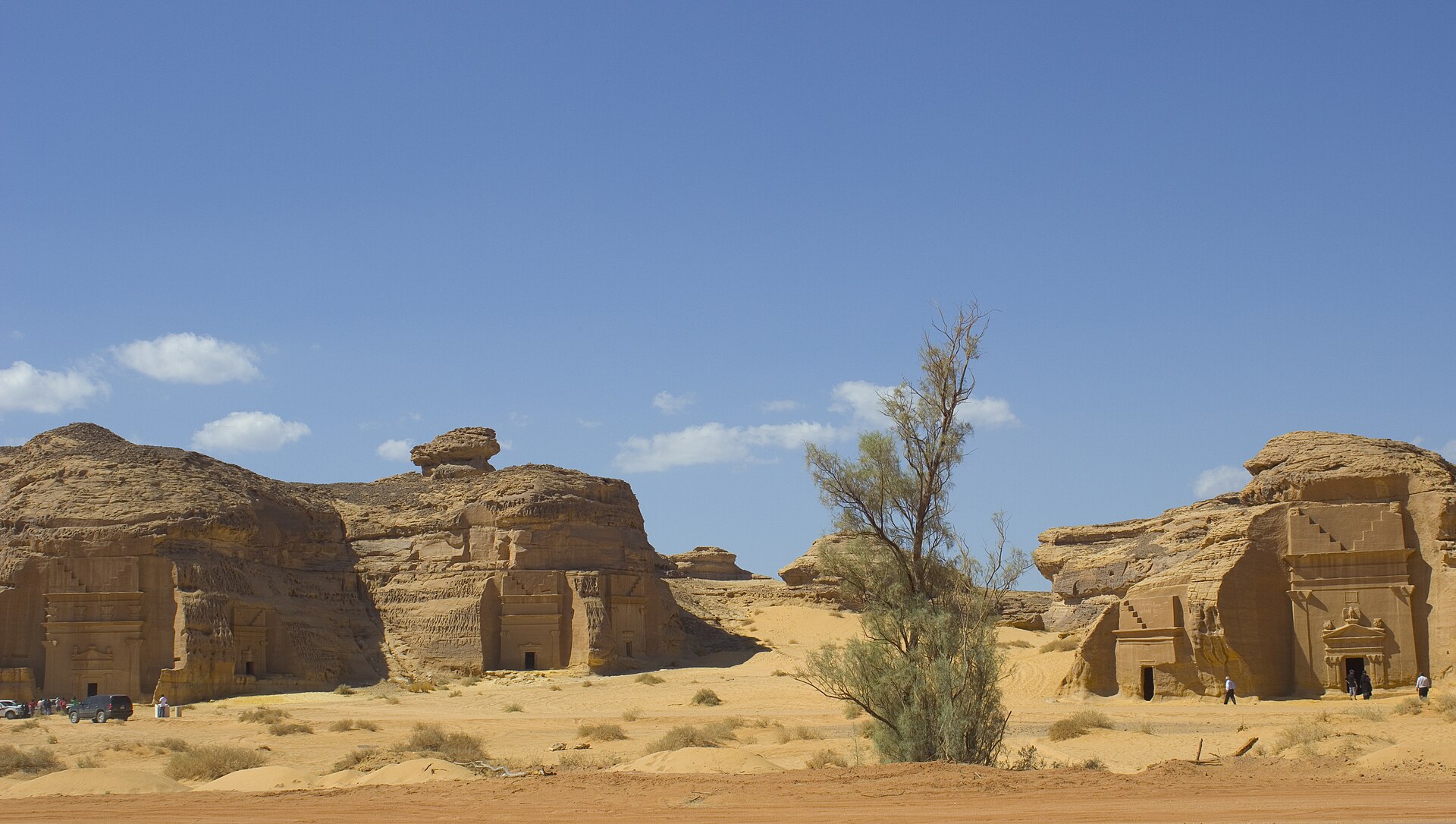
At tourist sites — AlUla, Diriyah, the Edge of the World, and similar destinations — photography is generally welcome and even encouraged. Mosques outside of Mecca and Medina often permit photography, though you should ask first. Social media content creation is thriving in Saudi Arabia; the restrictions apply to specific subjects and locations, not to photography in general.
For commercial filming or professional photography, permits from the General Commission for Audiovisual Media (GCAM) are required. The 2025 media rules added explicit bans on filming children or domestic workers without consent and content that “flaunts luxury” or promotes “immodesty.”
Religious Sensitivity and Cultural Etiquette
Saudi Arabia is the custodian of Islam’s two holiest cities, and religious sensitivity is not optional — it is enforced by law and deeply embedded in social expectations.
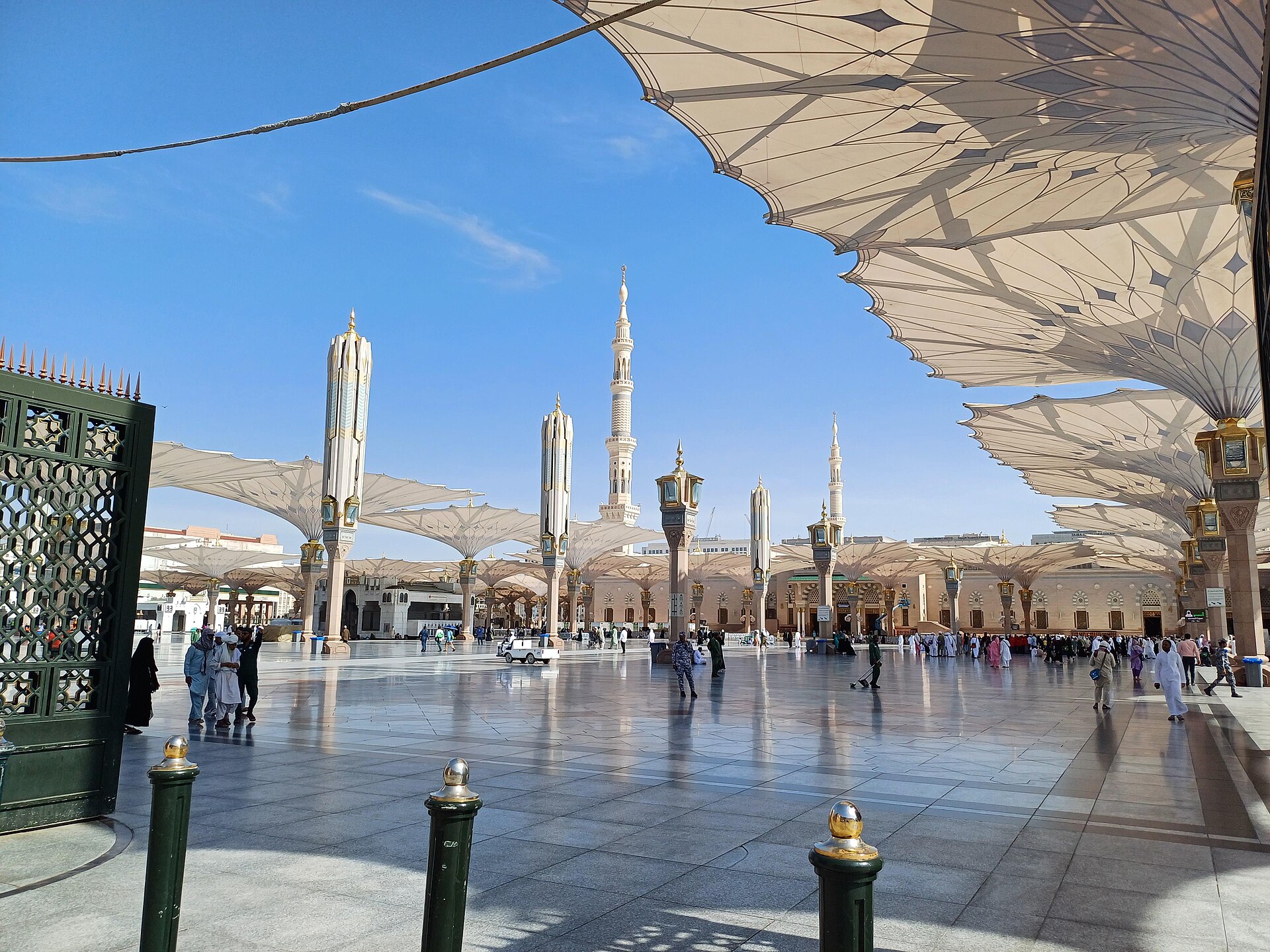
Non-Muslims are prohibited from entering the city of Mecca under any circumstances. Checkpoints on all approach roads verify identity and religion. Non-Muslims who attempt to enter face imprisonment and deportation. The ban on Medina’s Prophet’s Mosque was partially lifted in 2023 — non-Muslims may now enter the city of Medina but remain restricted from the mosque complex itself.
Outside the holy cities, non-Muslims enjoy considerable freedom. Mosques in other cities often welcome respectful visitors outside prayer times. Women must cover their hair, arms, and legs when visiting mosques. Men should wear long trousers.
During Ramadan — the Islamic holy month of fasting — eating, drinking, and smoking in public during daylight hours is prohibited for everyone, including tourists. Many restaurants close during the day and reopen after sunset. Hotels typically offer discreet dining for non-fasting guests, but public consumption will draw censure and potentially a fine. Ramadan dates shift annually (roughly 11 days earlier each year on the Gregorian calendar). Visiting during Ramadan offers a unique cultural experience but requires planning.
Broader cultural expectations include: do not insult Islam, the Prophet Muhammad, the Quran, or the Saudi royal family. These are criminal offences, not social faux pas. Avoid discussing religion critically, even in private conversations that might be overheard. Do not bring non-Islamic religious materials into the country — customs officials may confiscate Bibles, religious symbols, and similar items, though enforcement varies.
Respect prayer times. Many businesses close briefly for each of the five daily prayers (Fajr, Dhuhr, Asr, Maghrib, Isha). Shopping malls, restaurants, and attractions may pause service. This is not optional and should be factored into daily planning.
Tipping is appreciated but not obligatory. Service charges of 10-15 per cent are increasingly added to restaurant bills. Greet people with “As-salamu alaykum” (peace be upon you) — it is universally appreciated regardless of the recipient’s religiosity. Avoid showing the soles of your shoes or feet to anyone, and use your right hand for greetings, eating, and offering items. These are small courtesies that make a significant difference in how you are received.
Alcohol-free socialising centres on coffee (qahwa), tea, and the shisha (hookah) tradition. Saudi coffee culture is rich and varied — accept offered coffee as a gesture of hospitality, even if you only take a sip. Declining coffee outright can be perceived as rude in traditional settings.
Entry Requirements and Visa Safety Tips
Saudi Arabia opened to mass tourism in September 2019 with the launch of its eVisa programme. Citizens of 66 countries — including the United States, United Kingdom, Canada, Australia, all Schengen nations, Japan, and China — can apply online for a multiple-entry tourist eVisa valid for one year with stays of up to 90 days per visit. Visa-on-arrival is also available for nationals of eligible countries at all Saudi airports and seaports.
The eVisa costs approximately $160 (SAR 535), which includes mandatory health insurance. Applicants must be at least 18 years old and hold a passport valid for at least six months from the date of entry. GCC nationals (from Bahrain, Kuwait, Oman, Qatar, and the UAE) can enter visa-free with a passport or national ID card.
Several safety-relevant visa considerations deserve attention. First, overstaying your visa is a criminal offence that can result in fines, imprisonment, and an exit ban. Track your permitted stay carefully and depart before it expires. Second, the eVisa does not permit employment or study — working on a tourist visa can result in deportation and a re-entry ban of up to five years. Third, the Hajj pilgrimage requires a separate Hajj visa and cannot be performed on a tourist eVisa.
Apply for your eVisa at least four days before travel through the official portal (visa.visitsaudi.com). Third-party visa services exist but carry a higher risk of fraud and inflated fees. Carry a printed copy of your visa approval alongside the digital version — mobile phone batteries die at inconvenient moments.
Common Scams and How to Avoid Them
Saudi Arabia is not a high-scam destination by international standards, but the tourism boom has attracted the usual opportunists. The most common scams targeting tourists include the following.
Taxi overcharging remains the most frequent complaint. Drivers may claim the meter is broken, demand a flat rate far above the actual fare, take unnecessarily long routes, or claim they have no change when paid with large bills. The solution is straightforward: use Uber or Careem exclusively. Both apps show the fare upfront and eliminate haggling. If you must use a street taxi, agree on the price before getting in, or insist on the meter.
Fake tour guides approach tourists at popular sites and offer “exclusive” access or insider knowledge before demanding inflated fees. Book tours through licensed operators or your hotel concierge. At sites like Diriyah and AlUla, official guides are available through the tourism authority.
“Gift” scams follow a predictable pattern: a friendly local offers a free traditional garment, a camel ride, or a souvenir, then aggressively demands payment. Politely decline unsolicited gifts from strangers.
Counterfeit merchandise — particularly fake designer bags, clothing, and electronics — is sold in some markets. If the price seems too good to be true, it is.
ATM and credit card skimming occurs at low rates. Use ATMs attached to bank branches, cover the keypad when entering your PIN, and monitor your statements. Contactless payment is widely accepted in urban areas.
Emergency Numbers, Embassies, and Medical Care
Memorise these numbers or save them in your phone before arriving. Saudi emergency services operate effectively and response times in major cities are generally fast.
| Service | Number | Notes |
|---|---|---|
| General Emergency (all services) | 112 | Nationwide, connects to all emergency services |
| Police | 999 | Arabic first, English available on request |
| Ambulance | 997 | Fast response in urban areas |
| Fire / Civil Defence | 998 | Also handles building collapses, rescues |
| Traffic Police (Muroor) | 993 | For road accidents |
| Highway Patrol | 996 | Intercity road emergencies |
| Border Guard | 994 | Coastal and border emergencies |
| Tourist Helpline (local) | 930 | Tourism-specific assistance, multilingual |
| Tourist Helpline (international) | +966 9200 00890 | For calling from abroad |
| Passport/Visa (Jawazat) | 992 | Visa and immigration issues |
Emergency operators typically answer in Arabic but can transfer to English-speaking staff. Multilingual support is available in English, French, German, Bahasa Indonesia, and Urdu.
| Embassy | Location | Emergency Phone |
|---|---|---|
| United States | Riyadh | +966 11 488 3800 |
| United Kingdom | Riyadh | +966 11 481 9100 |
| Canada | Riyadh | +966 11 207 5100 |
| Australia | Riyadh | +966 11 250 5100 |
Register with your embassy before travelling. The US Smart Traveler Enrollment Program (STEP), the UK’s travel notification service, and equivalent programmes from other governments ensure your embassy can contact you in an emergency. This is especially important given the current regional security situation.
Medical facilities in major Saudi cities meet international standards. King Faisal Specialist Hospital in Riyadh, King Abdulaziz Medical City, and Saudi German Hospitals across the Kingdom all offer advanced care with English-speaking staff. Emergency treatment is provided regardless of insurance status, but follow-up care requires payment. Travel insurance with medical evacuation coverage is essential — a medical evacuation flight from Saudi Arabia to Europe typically costs $50,000 to $100,000.
Safety Assessment by Visitor Type
Not all visitors face the same risks. The following assessment maps specific risk levels by traveller profile, drawing on the evidence presented throughout this guide.
| Visitor Type | Overall Safety | Primary Risks | Key Precautions |
|---|---|---|---|
| Couple (male-female, married) | High (outside conflict zones) | Road accidents, heat, photography laws | Carry marriage certificate, modest dress |
| Solo male traveller | High | Road accidents, alcohol/drug laws, social media | Scrub social media, no alcohol |
| Solo female traveller | Moderate-High | Unwanted attention in conservative areas, dress code | Use ride-hailing, modest dress, avoid isolated areas |
| Family with children | High | Heat exposure, road safety | Travel in winter, use car seats, carry water |
| LGBTQ+ traveller | Low | Criminal prosecution, imprisonment | Maximum discretion or consider not visiting |
| Business traveller | Moderate-High | Exit bans (commercial disputes), social media | Settle all debts before departure, legal advice |
| Journalist / activist | Low | Surveillance, detention, exit bans | Extreme caution; consider not visiting |
| Religious pilgrim (Hajj/Umrah) | Moderate | Heat (summer Hajj), crowd crushes, unregistered status | Register officially, travel in cooler months for Umrah |
| Dual national (Saudi heritage) | Variable | Male guardianship claims, exit bans, conscription | Legal consultation before travel |
The assessment above reflects the baseline in peacetime. The 2026 Iran conflict adds an additional layer of risk for all visitor categories, particularly in the Eastern Province and Riyadh. Western governments have specifically warned their nationals about the risk of being targeted as a result of their nationality during the conflict period.
Frequently Asked Questions
Is Saudi Arabia safe to visit right now in 2026?
Saudi Arabia remains safe in terms of street crime and internal security. The primary concern in 2026 is the Iran conflict, which has triggered missile and drone attacks on Saudi territory. The US has issued a Level 3 “Reconsider Travel” advisory, while the UK FCDO advises against non-essential travel to the Eastern and Riyadh Provinces. Western Saudi Arabia (Jeddah, AlUla, Red Sea coast) faces lower conflict-related risk. The situation is evolving and travellers should check their government’s advisory immediately before departure.
Can I drink alcohol in Saudi Arabia as a tourist?
No. Alcohol is completely illegal in Saudi Arabia with no exceptions for tourists, diplomats, or any other category of visitor. There are no hotel bars, no duty-free allowances, and no grey areas. You can be arrested at the border if you arrive intoxicated or smelling of alcohol. Penalties include fines, imprisonment, flogging, and deportation.
What happens if I post something critical of Saudi Arabia on social media?
You risk arrest and imprisonment. The US State Department confirms that citizens have been arrested for social media activity conducted both inside and outside Saudi Arabia, including liking, sharing, or commenting on posts critical of the government. Sentences of up to 45 years have been imposed. Scrub your social media of any content that could be construed as critical of Saudi Arabia, Islam, or the royal family before you travel.
Is Saudi Arabia safe for women travelling alone?
Saudi Arabia is physically safe for solo female travellers, with low crime rates and effective policing. Women no longer need a male guardian to travel, check into hotels, or move freely. The abaya is not required for foreign women, though modest dress covering shoulders and knees is expected. Ride-hailing apps offer the option to request female drivers. The main concerns are unwanted attention in conservative areas and strict dress/behaviour codes. See our full solo female travel guide for detailed advice.
What should I do during an air raid alert in Saudi Arabia?
Move immediately to an interior room or stairwell with as few external walls and windows as possible. Stay away from glass. Follow instructions from the Civil Defence authority and do not go outdoors until the all-clear is given. The Saudi government sends alerts via mobile phone to all devices in affected areas. Hotels will have shelter procedures — familiarise yourself with them at check-in.
Can non-Muslims visit Mecca?
No. Non-Muslims are strictly prohibited from entering the city of Mecca. Checkpoints on all approach roads verify identity and religion. Attempting to enter as a non-Muslim can result in imprisonment and deportation. Non-Muslims may visit the city of Medina (since 2023) but are restricted from entering the Prophet’s Mosque complex. For more on navigating Saudi Arabia as a tourist, see our complete travel guide hub.
What is the biggest safety risk for tourists in Saudi Arabia?
Road traffic accidents. Saudi Arabia records approximately 18 road fatalities per 100,000 population — roughly seven times the UK rate. Speeding, mobile phone use, and failure to wear seatbelts are the primary risk factors. Use ride-hailing apps or hired drivers rather than renting a car, particularly for intercity travel. If you do drive, carry an International Driving Permit and comprehensive insurance.