
Saudi Arabia was, until recently, one of the most closed countries on earth for non-Muslim visitors. There was no tourist visa. There were no concerts, no cinemas, no mixed-gender restaurants. That has changed dramatically. Since the Kingdom launched tourist e-visas in September 2019 as part of its Saudi Arabia travel transformation under Vision 2030, millions of non-Muslim visitors have arrived — and the vast majority leave surprised at how welcoming, safe, and easy the experience actually is. This guide covers exactly what non-Muslim travellers are allowed to do, where they can and cannot go, and the cultural rules that genuinely matter on the ground in 2026.
Best Time to Visit: October – March (cooler weather; avoid Ramadan if you prefer normal restaurant hours)
Getting There: Direct flights to Riyadh (RUH), Jeddah (JED), and Dammam (DMM) from most major hubs worldwide
Visa Required: Yes — tourist e-visa available for 63 nationalities, valid for one year with stays up to 90 days
Budget: USD 80–200 per day depending on city and comfort level
Must-See: AlUla’s Hegra tombs, Diriyah’s At-Turaif district, Jeddah’s Al-Balad old town
Avoid: Attempting to enter Mecca — it is strictly off-limits to non-Muslims and enforced by checkpoints
How Saudi Arabia Opened Up to Non-Muslim Tourists
Before 2019, the only way to enter Saudi Arabia was on a business visa, a diplomatic passport, or as a Muslim pilgrim. Crown Prince Mohammed bin Salman’s Vision 2030 programme changed that completely. The Kingdom introduced a straightforward tourist e-visa available to citizens of 63 countries, launched entertainment mega-events like Riyadh Season, lifted the ban on women driving, opened cinemas and concert venues, and invested billions in tourism infrastructure along the Red Sea coast and in AlUla.
The result is a country that genuinely wants visitors. Saudi tourism numbers have surged — the Kingdom welcomed over 100 million visitors in 2023, including both domestic and international travellers, and is targeting 150 million by 2030. For non-Muslims, the transformation is real but the Kingdom remains conservative by Western standards. Understanding where the new openness applies and where traditional rules still hold is the key to a smooth visit.
Where Non-Muslims Cannot Go: Mecca and Medina
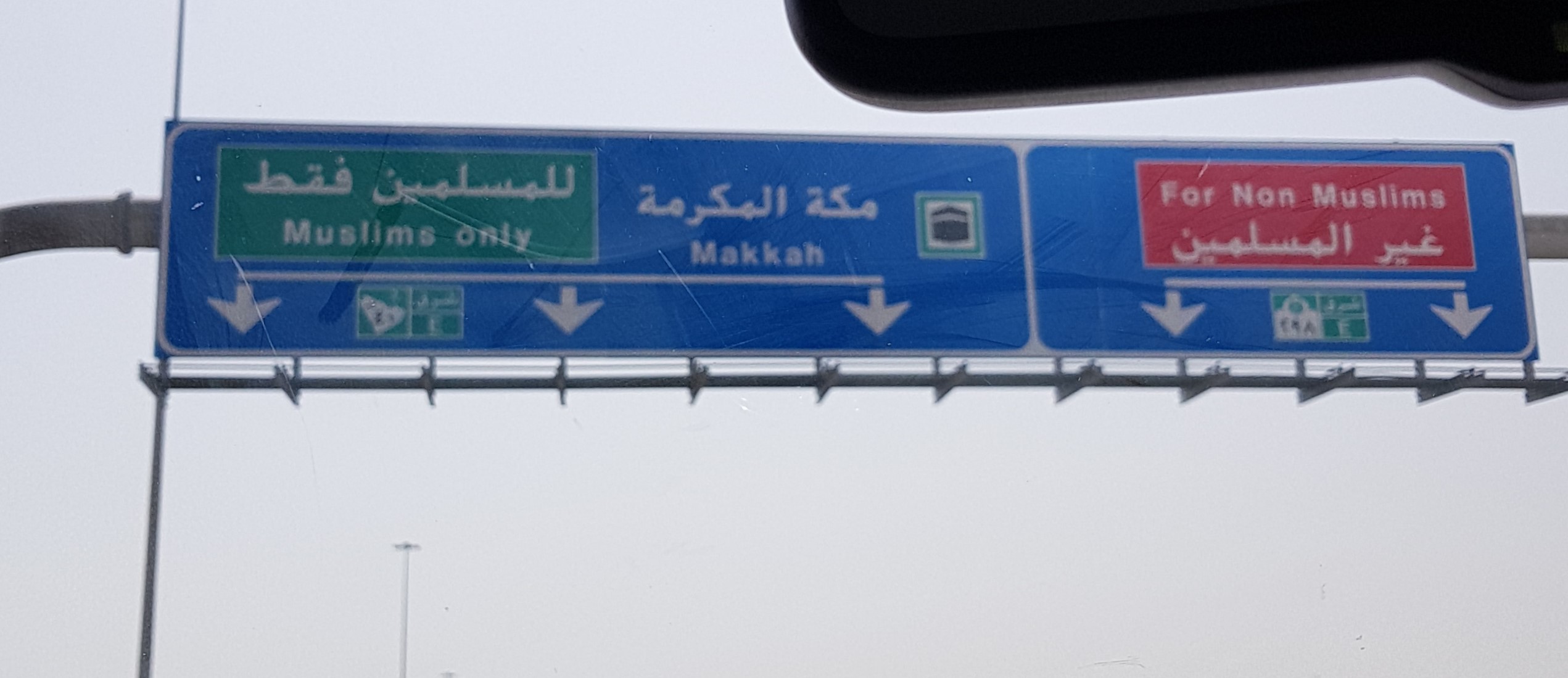
This is the single most important restriction for non-Muslim travellers and it is absolute: non-Muslims are forbidden from entering the city of Mecca. This ban is centuries old, grounded in Islamic jurisprudence, codified into Saudi law, and enforced by checkpoints on every road leading into the city. Attempting to enter Mecca as a non-Muslim can result in fines, detention, and deportation. Road signs on the approaches to Mecca clearly indicate where non-Muslims must exit the highway.
There is no exception for curiosity, academic research, journalism, or any other purpose. If you are not Muslim, Mecca is off your itinerary entirely.
Medina: Partially Accessible
The rules for Medina are different and more nuanced. Since 2023, non-Muslims have been permitted to visit the city of Medina itself. You can walk the streets, eat in restaurants, stay in hotels, and explore the historic districts. However, the central zone around Al-Masjid an-Nabawi (the Prophet’s Mosque) remains restricted to Muslims only. This area is clearly marked with fences, signposts, and security guards. Outside that boundary, the rest of Medina is open to all visitors.
This makes Medina a worthwhile stop for non-Muslim travellers interested in Islamic history and architecture — you can see the mosque’s distinctive green dome from the surrounding streets and experience the vibrant atmosphere of the city, even if you cannot enter the mosque itself.
Dress Code: What Non-Muslims Should Wear
Saudi Arabia’s dress code has relaxed significantly but modesty remains the baseline. Here is what actually applies in 2026:
Women
- Abaya not required. Since 2019, foreign women are no longer required to wear an abaya in public. Crown Prince Mohammed bin Salman confirmed this in a 2018 interview.
- Modest clothing expected. The law requires “decent, respectful clothing.” In practice, this means covering shoulders and knees. Loose-fitting trousers or long skirts, tops with sleeves, and higher necklines are the norm.
- Head covering not required in most public spaces. However, you must cover your hair when entering any mosque (Medina’s open areas, for example) or very conservative rural areas.
- Swimwear is fine at hotel pools, private beaches, and resort facilities. Cover up before returning to public areas.
- In Riyadh and Jeddah, t-shirts and knee-length shorts are acceptable in malls and tourist areas.
- Avoid going shirtless in public (fine at hotel pools and private beaches).
- For mosque visits, wear long trousers and a shirt with sleeves.
- No public non-Islamic worship. There are no churches, temples, or synagogues in Saudi Arabia. Public prayer, religious gatherings, or worship services outside of Islam are not permitted.
- Personal religious items such as a Bible, cross necklace, or prayer beads for private use are generally tolerated. However, displaying them prominently in public is inadvisable.
- Proselytising is illegal. Distributing religious materials, attempting to convert Muslims, or publicly criticising Islam can result in arrest and deportation.
- Private worship is tolerated in practice. Many expatriate communities hold private religious services in homes and compounds, and authorities generally do not interfere — but there is no legal protection for this.
- No eating, drinking, or smoking in public during daylight hours. This applies to everyone — Muslim and non-Muslim alike. Fines can reach SAR 500 (USD 133).
- Hotel restaurants typically serve meals to non-Muslim guests behind screens or in enclosed areas during the day. Room service is always available.
- Reduced business hours. Government offices run 9am–2pm; shops and malls often close during the day and reopen after iftar (sunset meal).
- Evenings come alive. After sunset, cities transform. Streets buzz with iftar gatherings, markets stay open past midnight, and the festive atmosphere is worth experiencing.
- Dress even more conservatively during Ramadan. This is the most religious period of the year.
- Never photograph military installations, government buildings, or security personnel. This is a criminal offence.
- Do not photograph people without their consent — especially women, families, and children. This is both illegal and deeply disrespectful in Saudi culture. Fines for photographing people without permission range from SAR 300 to SAR 500,000.
- Mosques: Exterior photography is usually fine. Interior photography is often restricted, especially during prayer times.
- Drones require a permit and are banned in residential areas, heritage zones, and near government facilities.
- Pork is not available anywhere in Saudi Arabia. All meat is halal. If you have dietary restrictions, communicate them clearly — vegetarian and vegan options are growing in cities.
- No alcohol with meals (see above). Restaurants serve fresh juices, Arabic coffee (qahwa), tea, and increasingly good specialty coffee.
- Family sections in restaurants have largely been abolished. Previously, restaurants had separate sections for single men and families/women. Most restaurants in major cities now have open seating, though some traditional establishments in smaller towns may still maintain separate areas.
- Tipping: Service charges of 15% are added to bills at most restaurants. Additional tipping is appreciated but not expected.
- Concerts and live music: International artists regularly perform in Riyadh and Jeddah. Past headliners have included BTS, David Guetta, Andrea Bocelli, and Anthony Joshua boxing matches.
- Riyadh Season: The annual mega-event (October–March) features hundreds of shows, concerts, comedy acts, immersive theatre, and food festivals across multiple zones.
- Cinemas: Banned until 2018, Saudi Arabia now has modern multiplex cinemas in every major city.
- Cafes: The cafe culture is booming. Specialty coffee shops, shisha lounges, and dessert cafes stay open late and serve as the primary social gathering spots.
- Sporting events: The Saudi Cup (horse racing), Dakar Rally, WWE events, and the Jeddah F1 Grand Prix all attract international visitors.
- Days 1–2: Riyadh — National Museum, Al Masmak Fortress, Diriyah, Kingdom Centre Sky Bridge, Riyadh Season events (if in season)
- Day 3: Fly to AlUla — Hegra tombs, Elephant Rock at sunset
- Day 4: AlUla — Dadan ruins, Old Town, Maraya concert hall, desert stargazing
- Day 5: Fly to Jeddah — Al-Balad walking tour, Corniche sunset, seafood dinner
- Day 6: Jeddah — Floating Mosque, contemporary art galleries, souk shopping
- Day 7: Day trip or departure — Red Sea snorkelling, or fly home
- Saudi Arabia Travel Guide 2026 — The complete guide to visiting the Kingdom
- Saudi Arabia Dress Code — Exactly what to wear as a tourist in 2026
- Travelling During Ramadan — A non-Muslim’s guide to visiting during the holy month
- Solo Female Travel in Saudi Arabia — Honest 2026 guide for women travelling alone
- Is Saudi Arabia Safe? — A brutally honest safety assessment
- Saudi Arabia Visa Guide — Every visa type explained
Men
Regional Differences
Jeddah is the most relaxed city — you will see foreign women without head coverings and in relatively casual clothing. Riyadh is slightly more conservative but increasingly tolerant. Smaller towns and rural areas remain more traditional, and dressing more modestly there shows respect. The Asir highlands and eastern desert towns are noticeably more conservative than the major cities.
Alcohol: Still Banned for Tourists
As of early 2026, alcohol remains illegal for tourists throughout Saudi Arabia. There are no bars, no hotel minibars, and no licensed restaurants serving alcohol to visitors. This is one of the biggest adjustments for Western travellers and there is no legal workaround.
The only exception is a restricted alcohol store in Riyadh’s Diplomatic Quarter, which opened in January 2024 and serves non-Muslim diplomats and select expatriates holding “premium residency” status with monthly incomes above SAR 50,000 (roughly USD 13,300). Tourists do not qualify.
There have been persistent reports that Saudi Arabia plans to permit alcohol at select tourist venues — including five-star hotels and resort properties — ahead of the 2034 FIFA World Cup. However, Saudi officials have denied these reports, and as of April 2026 no such policy has been implemented. Plan your trip assuming a completely dry experience.
Important: Penalties for alcohol violations in Saudi Arabia are severe, including fines, imprisonment, and deportation for foreigners. Do not attempt to bring alcohol into the country or purchase it through informal channels.
Religious Expression and Worship
Saudi Arabia follows a strict interpretation of Islamic law regarding religious expression:
For non-Muslim visitors, the practical advice is simple: respect Islam as the state religion, keep your own beliefs private, and avoid any public religious activity.
Ramadan: Travelling During the Holy Month
Ramadan reshapes daily life across Saudi Arabia. During the holy month (which fell from 28 February to 29 March in 2026, and will shift approximately 10 days earlier each year), travelling during Ramadan requires extra planning:
Ramadan can be a fascinating time to visit if you prepare for the schedule changes, but first-time visitors may prefer to come during a different period when restaurants and attractions operate on normal hours.
Best Destinations for Non-Muslim Visitors
With Mecca off-limits and Medina only partially accessible, non-Muslim travellers still have an extraordinary range of destinations. Saudi Arabia is a vast country — larger than Western Europe — and its diversity surprises most visitors.
Riyadh
The capital is where Vision 2030 is most visible. Riyadh offers the Al Masmak Fortress, the National Museum, the atmospheric mud-brick ruins of Diriyah’s At-Turaif district (a UNESCO World Heritage Site), and the soaring Kingdom Centre tower. Riyadh Season (October–March) brings international concerts, sports events, immersive entertainment, and a nightlife scene with cafes open past 2am. Boulevard City and Boulevard World are entertainment mega-zones with rides, restaurants, and live performances.
Jeddah
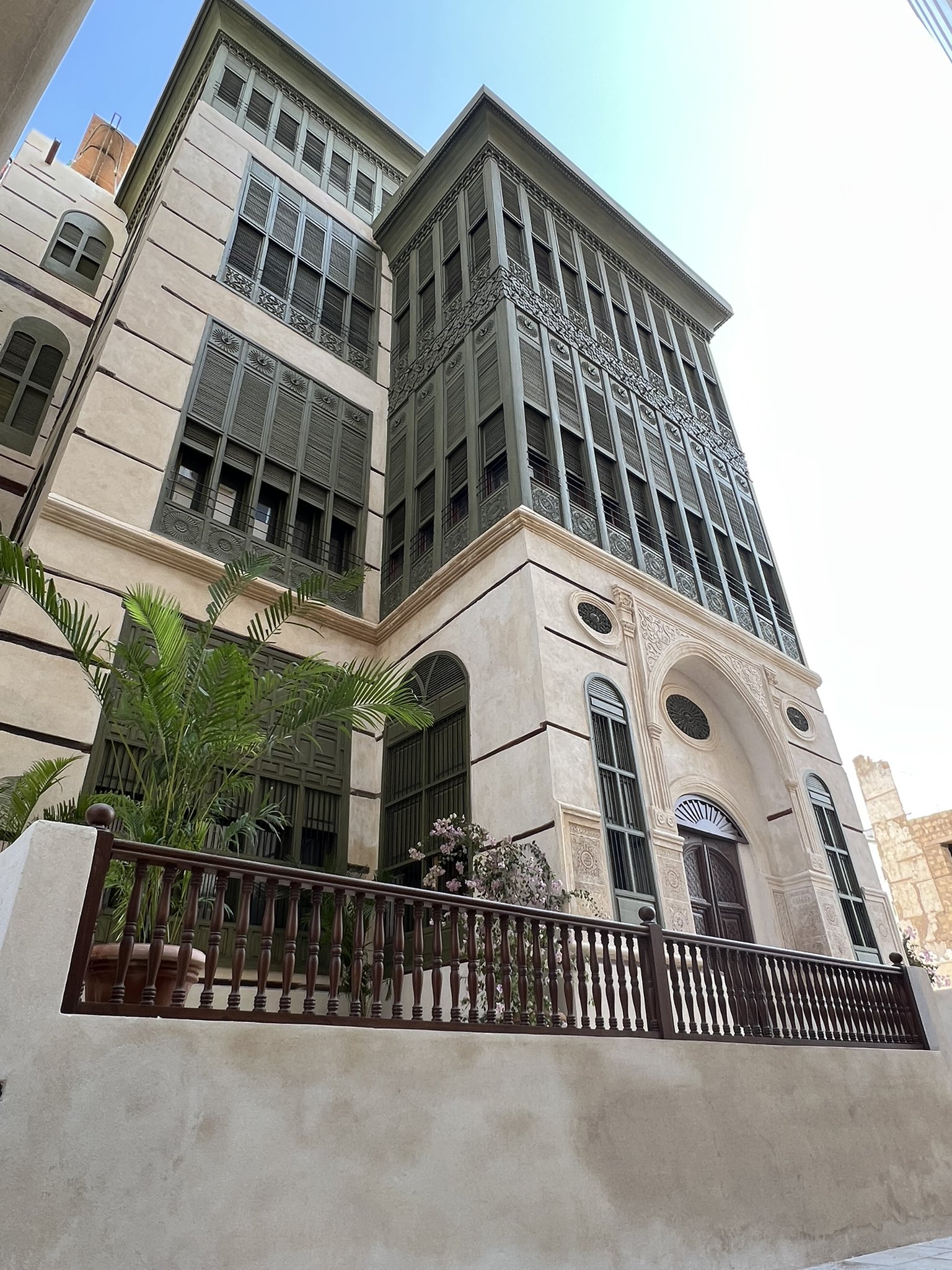
Jeddah is the most cosmopolitan Saudi city and the easiest for first-time non-Muslim visitors. The Al-Balad historic district — with its coral-stone houses and wooden lattice balconies — is a UNESCO World Heritage Site. The Corniche waterfront stretches for 30 kilometres, the contemporary art scene is thriving, and the food is excellent. Jeddah also hosts the Formula 1 Saudi Arabian Grand Prix on its dramatic Corniche street circuit.
AlUla
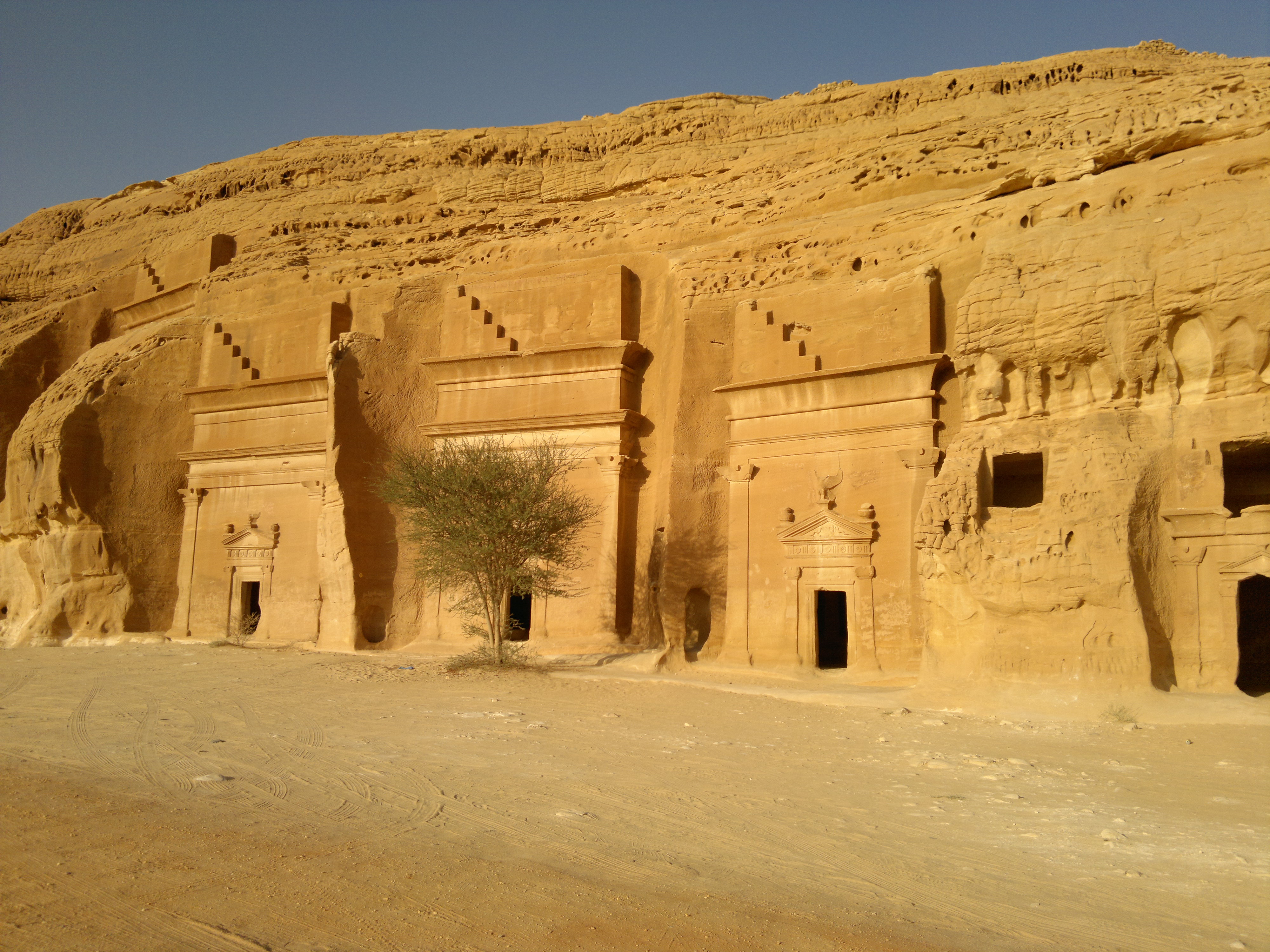
AlUla is the jewel of Saudi tourism for non-Muslim visitors. The Nabataean tombs of Hegra (Madain Salih) — Saudi Arabia’s first UNESCO World Heritage Site — are a rival to Petra in Jordan, carved into golden sandstone over 2,000 years ago. Elephant Rock, the ancient Dadan kingdom ruins, and the AlUla Old Town add to a destination that feels genuinely otherworldly. This is pre-Islamic history at its most dramatic, and it is fully accessible to all visitors.
The Red Sea Coast
The Red Sea coast offers world-class diving and snorkelling with pristine coral reefs that have been largely untouched by mass tourism. Yanbu is a growing dive destination, and the new Red Sea Global resorts (Amaala and The Red Sea) are targeting luxury eco-tourism. Saudi beaches along this coast are stunning and uncrowded.
The Asir Highlands
The Abha and Asir region in the southwest offers a completely different Saudi Arabia — green mountains, cool temperatures, terraced villages, and misty peaks above 3,000 metres. The hiking trails here are some of the best in the Middle East.
Unmarried Couples and Solo Female Travellers
Unmarried Couples
Foreign unmarried couples on tourist visas can share hotel rooms in Saudi Arabia. This rule was relaxed specifically for international tourists — hotels will ask for passport copies but not proof of marriage. However, public displays of affection remain off-limits for all couples, married or unmarried. Keep physical affection private.
Note: this relaxation applies only to foreign tourists. Saudi nationals and expatriates on residency visas are still required to show proof of a mahram (family) relationship to share a hotel room.
Solo Female Travellers
Women can now travel independently in Saudi Arabia, drive rental cars, and book hotel rooms alone. The solo female travel experience has improved enormously since 2019, and most solo women report feeling safe and welcomed. That said, unwanted attention can occur in some areas, and female travellers should be aware that cultural conservatism varies by region.
LGBTQ+ Travellers: An Honest Warning
This section is deliberately blunt because the stakes are high. Same-sex relations are illegal in Saudi Arabia under Sharia law. Penalties range from imprisonment and corporal punishment to, in theory, the death penalty. There are no legal protections for LGBTQ+ individuals, and advocacy for LGBTQ+ rights is itself a criminal offence.
In 2023, the Saudi Tourism Authority briefly updated its website to “welcome” LGBTQ+ visitors, but the law has not changed. Enforcement is inconsistent but the risk is real — even suspicion of homosexuality can attract attention from authorities.
If you choose to travel to Saudi Arabia as an LGBTQ+ individual, absolute discretion is essential. Avoid all public displays of affection, manage social media and dating app profiles carefully (Grindr and similar apps are monitored), and understand that there is no legal recourse if you face discrimination or prosecution. Read the Saudi Arabia safety guide for broader security context.
Photography Rules
Tourists can photograph most public spaces, including heritage sites, landscapes, and cityscapes. However, important restrictions apply:
For more on where to point your camera, see the best photography spots in Saudi Arabia.
Food and Dining
Saudi food and dining is one of the highlights for non-Muslim visitors. The cuisine is excellent and increasingly diverse:
Must-try dishes include kabsa (spiced rice with meat), jareesh (crushed wheat porridge), mutabbaq (stuffed pastry), and fresh-caught Red Sea seafood in Jeddah.
Entertainment and Nightlife
Saudi Arabia’s nightlife and entertainment scene has been transformed since 2019. While there are no bars or nightclubs serving alcohol, the Kingdom now offers:
Check the Saudi Arabia events calendar 2026 for specific dates and bookings.
Practical Tips for Non-Muslim Visitors
Prayer Times
Saudi Arabia observes five daily prayer times, and you will hear the call to prayer (adhan) from mosques throughout the day. During prayer times — which last approximately 20–30 minutes — some smaller shops may close temporarily. Malls and larger stores generally remain open. Plan around prayer times, especially for Friday noon prayers (the most important of the week), when many businesses close for 1–2 hours.
Weekend
The Saudi weekend is Friday and Saturday. Government offices and many businesses are closed on these days. Friday is the Islamic holy day — expect reduced activity in the morning and afternoon.
Currency and Payments
The Saudi Riyal (SAR) is pegged to the US dollar at approximately 3.75 SAR to 1 USD. Card payments are accepted almost everywhere, and Apple Pay and contactless payments are widespread. ATMs are plentiful.
Language
Arabic is the official language. English is widely spoken in hotels, airports, malls, and tourist areas in Riyadh, Jeddah, and the Eastern Province. Signage is bilingual (Arabic and English) on highways and in cities. In smaller towns, English proficiency drops — a translation app is helpful.
Connectivity
Pick up a local SIM card or eSIM on arrival. STC, Mobily, and Zain all offer tourist data packages. Wi-Fi is available in most hotels and cafes. Note that VoIP services (WhatsApp calls, FaceTime) work intermittently — they were previously blocked but restrictions have loosened.
Getting Around
Getting around Saudi Arabia is easiest by domestic flight (Riyadh to Jeddah is a 2-hour flight) or rental car. Riyadh’s new metro system is operational. Ride-hailing apps (Uber and the local Careem) work well in all major cities.
Health and Safety
Saudi Arabia is generally very safe — violent crime against tourists is rare. The main risks are extreme heat (summer temperatures exceed 45°C), aggressive driving, and dehydration. Carry water at all times. Comprehensive travel insurance is recommended.
Common Misconceptions
Non-Muslim visitors often arrive with outdated assumptions. Here are the most common misconceptions corrected:
| Misconception | Reality in 2026 |
|---|---|
| Women must wear an abaya | Not required for foreign women since 2019. Modest clothing is sufficient. |
| Women cannot drive | Women have been driving since 2018. Rental cars are available to female tourists. |
| There is nothing to do | Riyadh Season alone draws millions. Concerts, sports, cinema, restaurants, and adventure tourism are booming. |
| Non-Muslims are unwelcome | The Kingdom is actively investing billions to attract non-Muslim tourists. Hospitality is deeply embedded in Saudi culture. |
| You cannot enter any mosque | Many mosques outside Mecca and Medina welcome respectful non-Muslim visitors outside prayer times. Always ask permission. |
| It is dangerous | Saudi Arabia has one of the lowest violent crime rates in the world. Most tourists report feeling exceptionally safe. |
| You need a male guardian to travel | This applied only to Saudi women and has been largely abolished. Foreign women travel freely and independently. |
What to Budget
Saudi Arabia is not a budget destination but it is not extortionate either. Here is a realistic daily budget range for non-Muslim tourists:
| Category | Budget (USD/day) | Mid-Range (USD/day) | Luxury (USD/day) |
|---|---|---|---|
| Accommodation | $30–50 | $80–150 | $250–600+ |
| Food | $15–25 | $30–60 | $80–150+ |
| Transport | $10–20 | $25–50 | $50–100+ |
| Attractions | $5–15 | $20–40 | $50–100+ |
| Daily Total | $60–110 | $155–300 | $430–950+ |
For a detailed cost breakdown, see the Saudi Arabia cost guide. For hotel recommendations, check the Saudi Arabia hotels guide.
Suggested Itinerary for Non-Muslim First-Timers
If this is your first visit, a 7-day Saudi Arabia itinerary covering the non-religious highlights might look like this:
For the best time to visit, aim for November to February when temperatures are comfortable across most of the country.