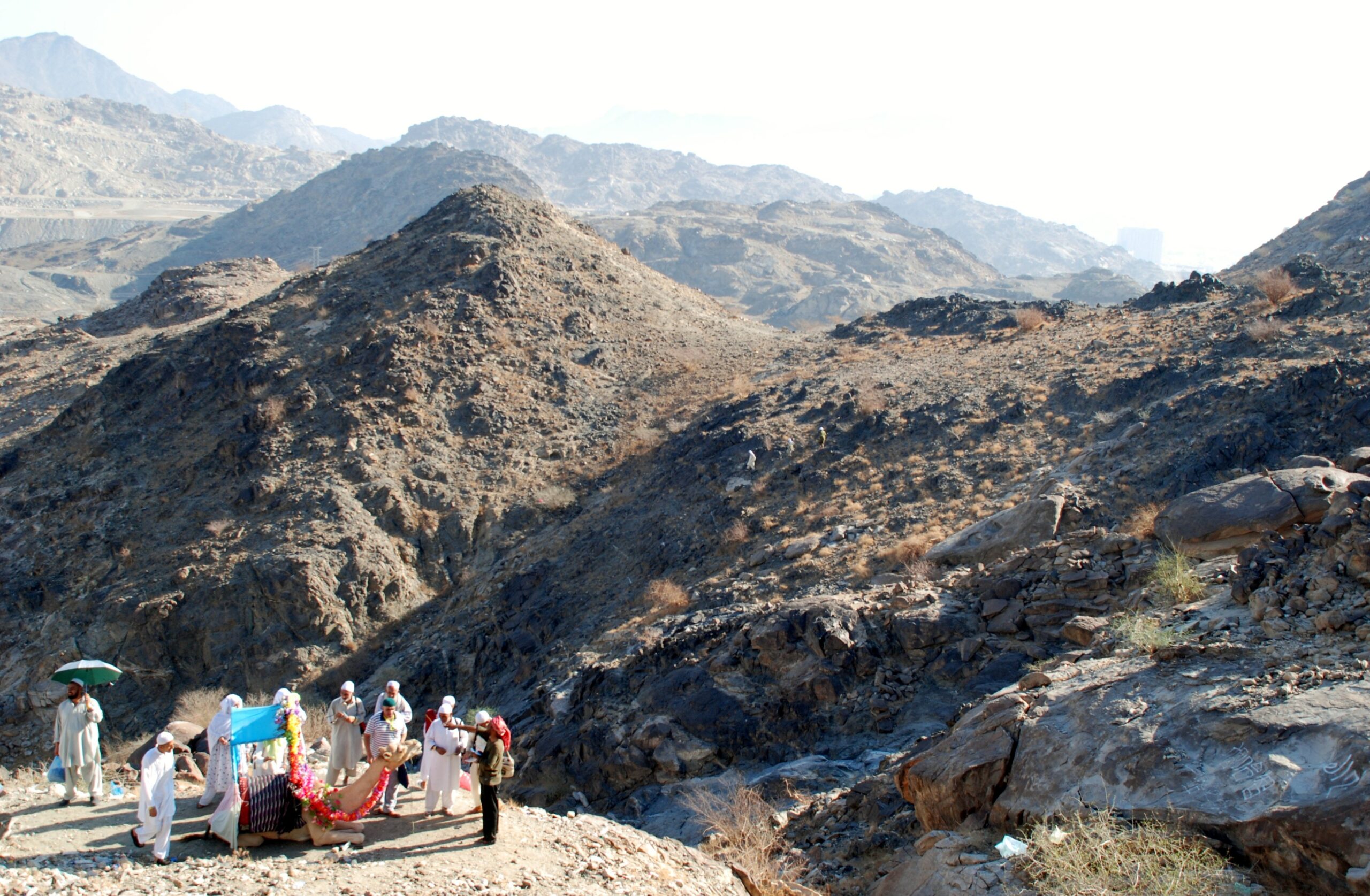

Every year, between late May and early June, Saudi Arabia undergoes one of the most extraordinary transformations on Earth. Hajj — the annual Islamic pilgrimage to Mecca — draws between 1.8 and 2.5 million Muslims from across the globe, reshaping the entire country’s transport, accommodation, and social fabric for weeks at a stretch. If you are not a Muslim planning to perform Hajj, this guide tells you exactly what to expect if you travel to the Kingdom during this period, why most visitors should plan around it, and — if you cannot avoid it — which parts of Saudi Arabia offer a genuinely rewarding trip even as the holy cities close their doors to you. This page is part of our complete Saudi Arabia Travel Guide 2026, covering every aspect of visiting the Kingdom.
Hajj 2026 Dates: Core rites 25–30 May 2026; Day of Arafah 26 May; Eid al-Adha 27 May
Pilgrim Arrivals Begin: 18 April 2026 (Medina); 4 May 2026 (Jeddah)
Non-Muslim Entry to Mecca: Strictly forbidden — no exceptions
Flight Restrictions: Non-Hajj tourists banned from flying to Jeddah, Medina, and Taif during the season
Weather: Extremely hot — Jeddah and Mecca regularly exceed 45°C in late May and June
Visa Required: Yes — tourist e-visa available online
Best Alternative Destinations: Riyadh, AlUla, Eastern Province, Tabuk/NEOM
Avoid: Booking Jeddah or Taif flights during the season; visiting holy city areas without understanding restrictions
What Is Hajj — and Why Does It Matter for Non-Muslim Tourists?
Hajj is one of the Five Pillars of Islam. Every Muslim who is physically and financially able is required to perform it once in their lifetime. The rituals take place over five days in and around Mecca (Makkah), specifically in the sacred sites of Mina, Arafat, and Muzdalifah. The pilgrimage concludes with Eid al-Adha, one of Islam’s two major festivals, observed across the entire Muslim world.
The scale is almost incomprehensible. In a normal Hajj year, Saudi Arabia handles between 1.8 million and 2.5 million international pilgrims — all arriving within a roughly five-week window, all converging on a single city. For context, the entire population of Mecca outside Hajj season is around 2 million people. The logistics required to feed, house, transport, and safeguard this crowd represent one of the most complex annual operations in the world.
For non-Muslim travellers, the implications are straightforward but significant: the entire infrastructure of the Hejaz region (the western coastal area containing Jeddah, Mecca, Medina, and Taif) pivots completely toward serving pilgrims. Tourist services shrink, flights to Jeddah sell out at peak Hajj prices, and major attractions in other parts of the Kingdom see reduced crowds — a potential silver lining if you plan carefully.
The Absolute Rules Non-Muslims Must Know
Mecca Is Completely Closed to Non-Muslims
This is not a guideline or a suggestion — it is enforced Saudi law. Non-Muslims are categorically forbidden from entering Mecca at any time of year, and during Hajj season this prohibition is enforced with extraordinary rigour. Checkpoints ring every road into the city. Authorities check identification and documentation at these points. Attempting to enter Mecca as a non-Muslim can result in immediate deportation, a permanent ban from Saudi Arabia, and potentially criminal charges.
There are no exceptions for journalists, diplomats, curious tourists, or people who “just want to see” the city. The rule is absolute. If you are Muslim but lack a Hajj visa during the pilgrimage season, access is equally restricted.
Medina’s Sacred Zone Is Also Restricted
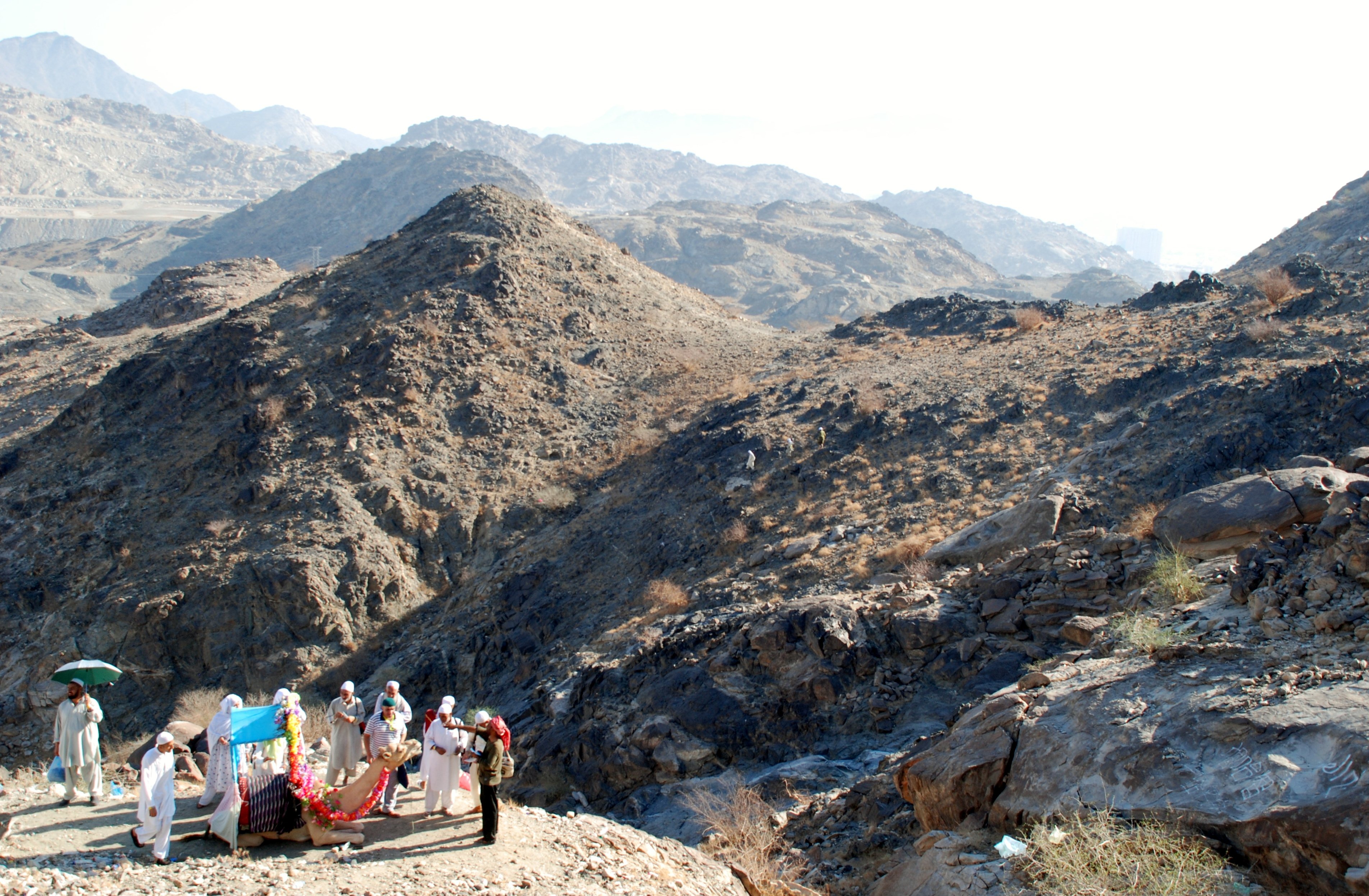
Medina — the Prophet’s city — is not as strictly restricted as Mecca. Non-Muslims may generally enter Medina and much of the city is accessible. However, the Al-Haram zone around the Prophet’s Mosque (Masjid al-Nabawi) is forbidden to non-Muslims. There are clearly marked boundaries and signs indicating where non-Muslims must stop. During Hajj season, these zones are monitored far more intensively than usual.
If you plan to visit Medina during this period, you can still explore the date markets, the old city areas beyond the Haram boundary, and the surrounding landscapes — but you should not attempt to enter the mosque or its immediate precincts. Our Medina Travel Guide covers the accessible areas in detail.
Tourist Flights to Jeddah, Medina, and Taif Are Restricted
This is the practical restriction that catches many non-Muslim travellers by surprise. Saudi Arabia officially restricts non-Hajj tourist flights to Jeddah (King Abdulaziz International Airport), Medina (Prince Mohammed bin Abdulaziz Airport), and Taif (Taif Regional Airport) during the Hajj season. The restriction is applied by Saudi aviation authorities (GACA) and enforced at the airline level — airlines are required to refuse non-Hajj-visa passengers on routes to these airports during the restricted window.
For Hajj 2026, pilgrim arrivals begin flowing into Medina from 18 April 2026, with Jeddah-bound flights picking up from 4 May 2026. The peak restriction period runs through late May and into June, covering the core Hajj rites (25–30 May 2026) and the post-Hajj pilgrim departure period.
If you need to fly to the western region of Saudi Arabia during this window for a genuine reason (connecting flight, business, family visit), check with your airline well in advance. The restrictions are not absolute for all categories of traveller, but tourist e-visa holders face significant practical hurdles.
Hajj 2026 — Key Dates and Timeline
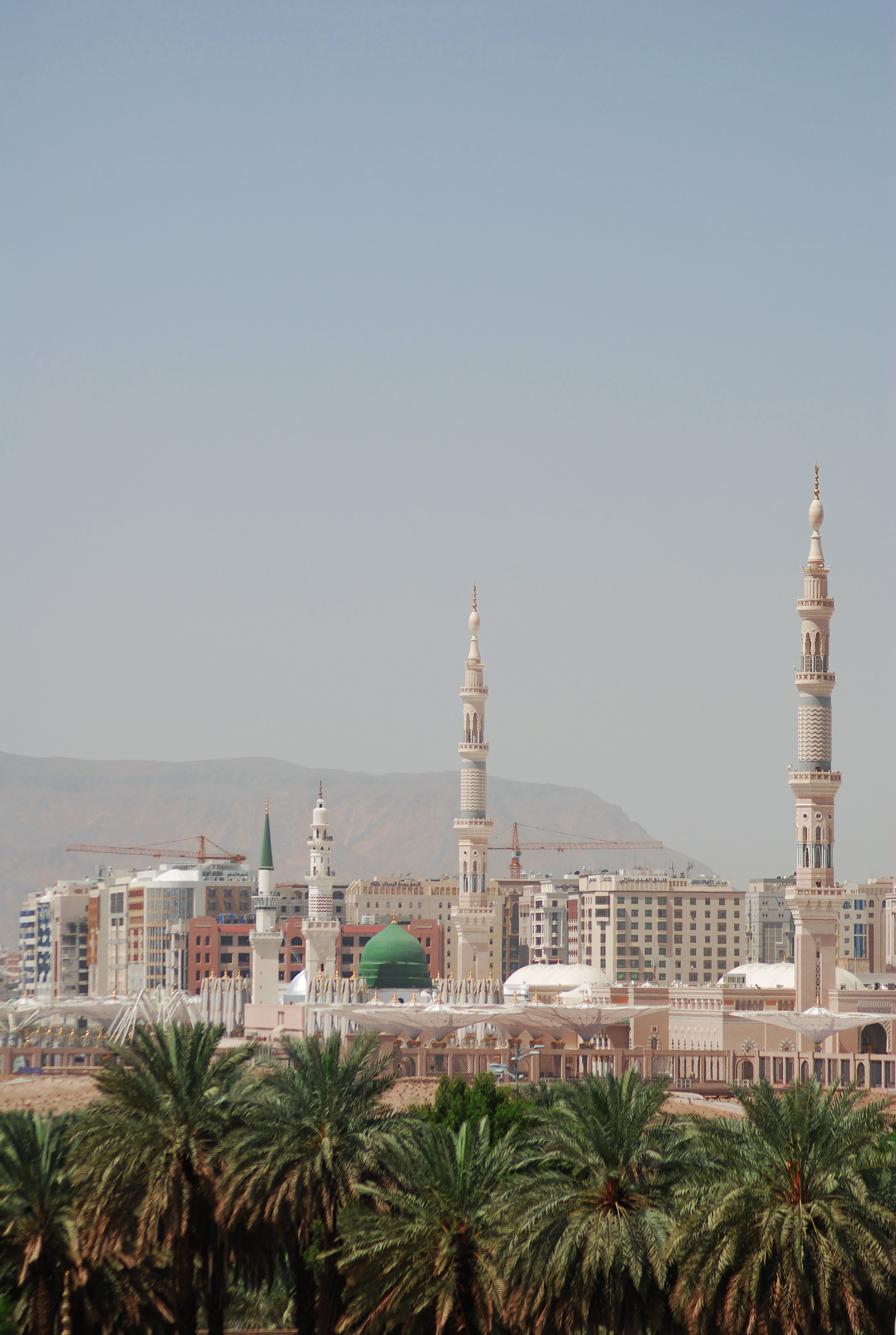
Understanding the Hajj calendar is essential for planning your trip. The pilgrimage follows the Islamic lunar calendar, meaning its dates shift roughly 10–11 days earlier each solar year. For Hajj 2026:
| Date | Islamic Date | Event |
|---|---|---|
| 18 April 2026 | Dhul Qadah begins | Pilgrim arrivals into Medina begin |
| 18 April 2026 | 1 Dhul Qadah | Final day for Umrah pilgrims to remain in Saudi Arabia (Umrah season ends) |
| 4 May 2026 | Dhul Hijjah begins | Pilgrim arrivals into Jeddah begin; Hajj visa period active |
| 25 May 2026 | 8 Dhul Hijjah | Yawm al-Tarwiyah — pilgrims travel to Mina |
| 26 May 2026 | 9 Dhul Hijjah | Day of Arafah — the central Hajj rite; public holiday in Saudi Arabia |
| 27 May 2026 | 10 Dhul Hijjah | Eid al-Adha — national public holiday; pilgrims in Muzdalifah and Mina |
| 28–30 May 2026 | 11–13 Dhul Hijjah | Days of Tashreeq — final Hajj rites; extended public holiday |
| Late May–mid June | — | Pilgrim departures; Jeddah flight restrictions ease gradually |
Important note on dates: Islamic dates depend on the official moon sighting announced by Saudi authorities (typically 1–2 days before the event). The dates above are calculated estimates. Confirm with the Saudi Ministry of Hajj or the Saudi Press Agency (SPA) as the date approaches.
Why Most Tourists Should Avoid the Hajj Window
If you have flexibility in your travel dates, the honest advice is simple: do not plan a leisure trip to Saudi Arabia during Hajj season unless you have a specific reason to do so. Here is why:
Extreme Heat
Late May and early June in western Saudi Arabia is punishing. Jeddah averages 40–44°C in late May. Mecca, enclosed in a bowl of mountains, regularly exceeds 45°C and has recorded temperatures above 48°C during Hajj. Even Riyadh, further inland, climbs into the mid-40s. This is not walking-around weather. AlUla and the northwest, while slightly cooler at altitude, are still uncomfortably hot for outdoor exploration at this time of year.
The Saudi government has made major investments in cooling systems, misting towers, and air-conditioned transport for pilgrims — but as a tourist, you will not have access to these dedicated facilities. If you are hoping to explore ancient ruins, desert landscapes, or historic cities on foot, late May and June is genuinely one of the worst times of year to do so.
Price Surges and Accommodation Shortages
During Hajj season, hotel prices in Mecca and Medina spike 5–10 times their normal rates. This surge spills outward. Jeddah accommodation, already limited during busy periods, reaches near-100% occupancy as pilgrim support services, tour operators, and overflow demand fills every available room. Prices in Riyadh and other cities also rise modestly during the Eid al-Adha public holiday period (27–31 May 2026), when domestic tourism surges.
Our Saudi Arabia Hotels Guide covers the best accommodation options across the Kingdom — but during Hajj, most Jeddah recommendations will be fully booked months in advance at inflated rates.
Reduced Tourist Services
Many tour operators and attractions in the Hejaz region curtail or suspend services during Hajj. The workforce is redirected toward pilgrim support. Some restaurants, shops, and cultural venues in Jeddah operate reduced hours. The experience of visiting as a leisure tourist during this period is noticeably diminished compared to off-peak times.
Where Non-Muslims Can Travel During Hajj Season
If you are travelling to Saudi Arabia during the Hajj period — whether for business, to visit family, or because dates cannot be changed — the good news is that the Kingdom is vast and most of it remains fully open and functioning. The restrictions are geographically concentrated in the holy cities.
Riyadh
The capital remains fully accessible and operational during Hajj season. The Riyadh Travel Guide covers the full range of options. Key highlights available year-round include:
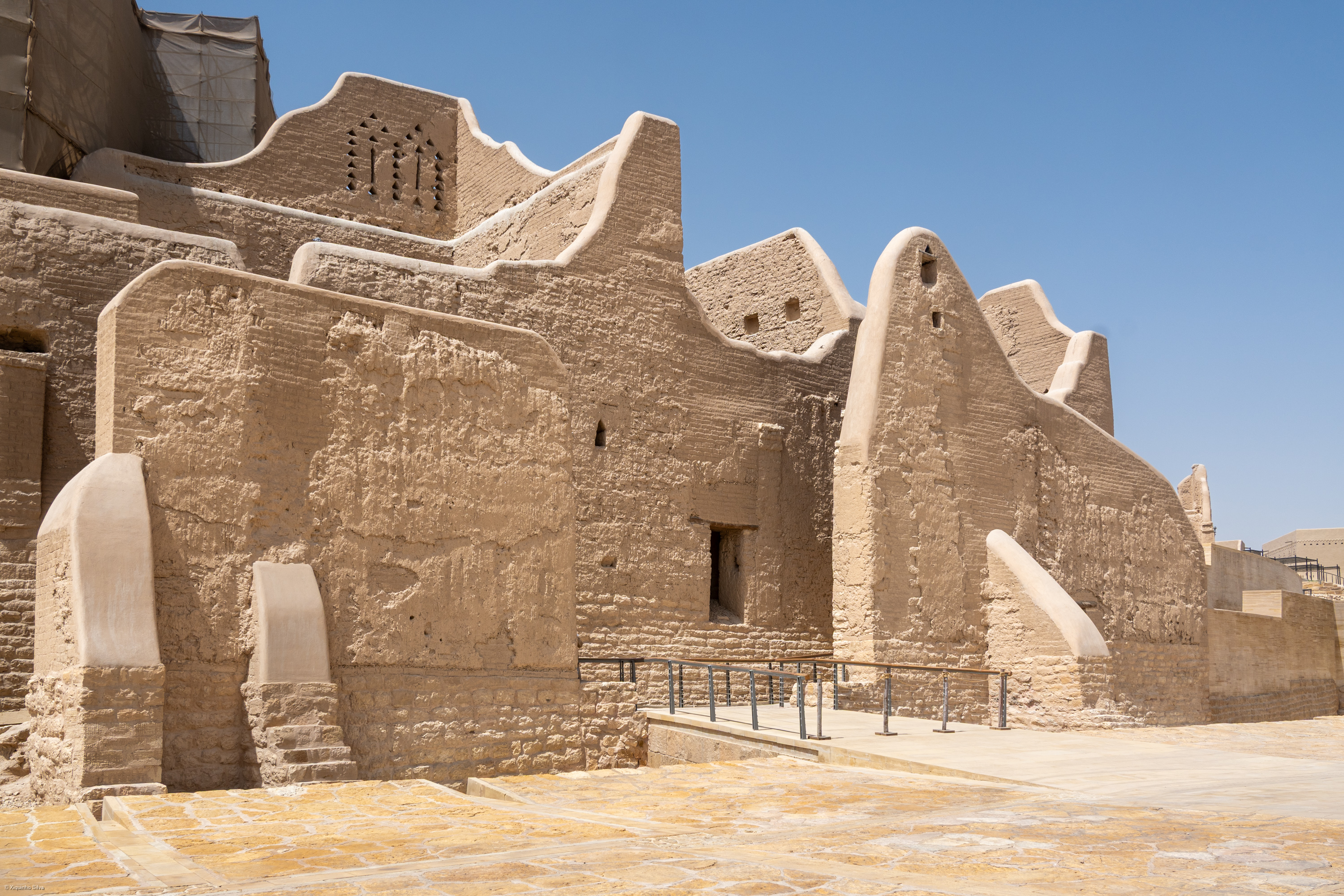
- Diriyah and At-Turaif District — the UNESCO-listed first Saudi capital, with restored mud-brick palaces and cultural museums just 15 minutes from the city centre. An excellent indoor/outdoor experience even in summer heat.
- National Museum of Saudi Arabia — eight galleries covering 4 billion years of Arabian Peninsula history; climate-controlled throughout
- King Abdulaziz Historical Centre — the cultural complex surrounding the National Museum, with landscaped gardens and heritage buildings
- Kingdom Centre Tower Sky Bridge — 300-metre observation deck with panoramic city views
- Al Faisaliah Tower observation floor — second iconic Riyadh skyline landmark with viewing gallery
- Getting there by direct flight is extremely difficult for tourist-visa holders during the Hajj restriction period
- Accommodation is scarce and expensive
- The city’s energy during Hajj season is focused entirely on pilgrim logistics, not leisure tourism
- The Jeddah Islamic Port becomes one of the busiest sea ports in the world as pilgrim ships arrive
- Government offices close for up to a week (exact dates announced by Royal Decree)
- Banks operate reduced hours or close entirely for several days
- Supermarkets and retail generally remain open, often with extended hours
- Restaurants remain open; outdoor grilling and family gatherings dominate the atmosphere
- Domestic travel surges — Riyadh hotels fill with Saudi families, entertainment parks are packed
- Animal slaughter (qurbani/udhiyah) takes place on Eid morning, primarily through regulated abattoirs; visitors may notice ceremonially slaughtered animals in some residential areas
- Business travellers with meetings in Riyadh or the Eastern Province — both cities function normally; just account for the Eid holiday closure window
- Researchers and journalists studying the Hajj phenomenon — Jeddah in particular offers an extraordinary vantage point on the pilgrim experience (though you will need press credentials for any official access)
- Visitors with Saudi family connections — Eid al-Adha is one of the richest times to experience authentic Saudi family culture if you have personal connections in the Kingdom
- NEOM/Red Sea coastal visitors — the coastal resorts of the northwest are less exposed to the heat and fully operational; a beach-focused trip to Sindalah or the Red Sea coast can work well in late May and June
- Hegra (Mada’in Saleh), AlUla — Nabataean tombs predating Islam; Saudi Arabia’s first UNESCO World Heritage Site; fully open to all visitors
- Diriyah (At-Turaif District), Riyadh — birthplace of the Saudi state and early Wahhabi-Hanbali Islamic reform; UNESCO-listed; fully open
- Al-Balad, Jeddah — UNESCO-listed historic district with Ottoman-era coral-stone houses, historic mosques (exteriors), and merchant heritage; accessible to non-Muslims
- Elephant Rock (Jabal al-Fil), AlUla — ancient rock formation with Islamic-era inscriptions; open year-round
- Madain Saleh’s pre-Islamic Lihyanite inscriptions — the AlUla region has 200,000+ rock inscriptions spanning multiple ancient civilisations; accessible with a guide
- Saudi Arabia Travel Guide 2026 — The complete guide to visiting the Kingdom: visa, destinations, transport, and practical tips
- Hajj 2026 Guide — Dates, rituals, registration, costs, and everything Muslims need to know before the pilgrimage
- Umrah for First Timers — The complete step-by-step guide to the smaller pilgrimage, available outside Hajj season
- Riyadh Travel Guide 2026 — The Saudi capital: Diriyah, museums, restaurants, and where to stay
- AlUla Travel Guide 2026 — Hegra, Elephant Rock, and the Nabataean heartland of northwest Saudi Arabia
- Saudi Arabia Visa Guide — Every visa type explained, with current processing times and eligibility
The main practical consideration in Riyadh during Hajj is the Eid al-Adha public holiday (27 May to approximately 31 May 2026). Government offices, some banks, and many businesses close for several days. Malls, restaurants, and tourist attractions generally remain open, often with extended hours to capture domestic holiday visitors.
AlUla and the Northwest
The AlUla region — home to Hegra (Saudi Arabia’s first UNESCO World Heritage Site), Elephant Rock, and the Maraya concert hall — is approximately 1,100 km north of Mecca and completely unaffected by Hajj restrictions. You can fly directly into AlUla airport (ULH) from Riyadh and Jeddah (though Jeddah flights may be harder to book during the restricted window — fly via Riyadh instead).
The honest caveat for AlUla in late May and June: it is hot. The Hegra archaeological site is partially shaded by its rock formations, and guided tours run in the early morning to avoid peak heat, but temperatures regularly reach 38–42°C in late May. AlUla’s main festival season (Winter at Tantora, the marquee cultural events) runs October to March. Summer visits are possible with careful planning but are not the ideal time for outdoor exploration.
Eastern Province (Dammam and Khobar)
The Eastern Province — centred on Dammam and Al Khobar — is fully open during Hajj season and is not subject to any pilgrimage-related restrictions. The region has its own attractions: the Corniche waterfront, the Half Moon Bay beach resort area, and the King Fahd Causeway to Bahrain. It is also the centre of Saudi Arabia’s oil industry and home to strong business infrastructure. Our Dammam and Al Khobar Travel Guide covers the full range of options.
Tabuk and NEOM
Saudi Arabia’s northwest — Tabuk province, home to NEOM and the extraordinary Wadi Rum-like desert landscape — is equally unaffected by Hajj. However, as with AlUla, June temperatures in Tabuk regularly exceed 40°C, making outdoor desert exploration uncomfortable. NEOM’s coastal areas (Sindalah, Sharma) are more bearable thanks to Red Sea breezes. The Tabuk Travel Guide covers current access options.
Jeddah — With Significant Caveats
Jeddah is the most nuanced case. The city itself is not forbidden to non-Muslims — Al-Balad (the historic UNESCO-listed old city), the Corniche, and most of the modern city are accessible year-round. However:
If you want to see Jeddah during this period, your best option is to fly into Riyadh and take the high-speed Haramain Railway — though note that this train also terminates at Jeddah King Abdulaziz Station, and onward services to Mecca are restricted to Hajj ticket-holders. Check current service restrictions before booking.
Eid al-Adha: What Actually Happens Across Saudi Arabia
While the Hajj rites themselves are confined to the holy sites, Eid al-Adha is a national celebration felt across the entire Kingdom. On 27 May 2026 and the days following, Saudi Arabia is in full holiday mode. Here is what that means for visitors:
What Changes
The Atmosphere
Eid al-Adha is genuinely a festive occasion. Saudi families visit relatives, children wear new clothes, and acts of charity (sharing meat with the poor) are observed throughout. As a non-Muslim visitor, you will be treated with warmth and curiosity. It is a fascinating time to experience Saudi culture — provided you have realistic expectations about service availability and plan your practical needs (cash, transport, booking) ahead of time.
Practical tip: Withdraw cash before Eid al-Adha begins. Many ATMs run low during the holiday period, and some banking services are interrupted. Also confirm that your hotel’s restaurant will be open — some switch to reduced menus.
Entry Requirements and Visas for Non-Muslim Visitors
The standard Saudi Arabia tourist e-visa remains available to visitors from eligible countries during the Hajj season. You do not need any special documentation to enter Saudi Arabia as a non-Muslim tourist — you simply cannot use that visa to enter Mecca or the restricted zone around the Prophet’s Mosque in Medina.
However, airlines operating into Jeddah, Medina, and Taif during the Hajj season are required to screen passengers for valid Hajj visas. If you hold a tourist e-visa and are trying to fly into Jeddah during the restricted window, you may be denied boarding. The practical workaround is to fly into Riyadh (King Khalid International Airport), which has no such restrictions, and travel overland or via domestic connections if needed.
Our Saudi Arabia Visa Guide has comprehensive information on the tourist e-visa, business visa, and all other entry categories — including current processing times and eligible nationalities.
Practical Tips for Visiting During Hajj Season
Book Everything Well in Advance
Do not leave flights, accommodation, or transport to last-minute booking if your dates overlap with Hajj. Available inventory in Riyadh will be absorbed by domestic Eid holiday travellers. Riyadh hotels popular with tourists — particularly those near Diriyah and the King Abdulaziz Historical Centre — fill up during the Eid al-Adha holiday week. Book at least 6–8 weeks out.
Time Your Activities Around the Heat
If you are travelling during late May or June, schedule all outdoor sightseeing for early morning (before 9am) or late afternoon (after 5pm). Midday temperatures in most Saudi cities during this period make outdoor walking genuinely dangerous for extended periods. Plan indoor activities (museums, malls, cultural centres) for the peak heat hours of noon to 4pm.
Respect the Occasion
Hajj is the most sacred event in Islam. Even though you are not participating, Saudi Arabia during Hajj season expects a baseline level of sensitivity from all visitors. Dress conservatively. Do not photograph pilgrims without permission. Do not make disparaging comments about the pilgrimage in public. The Saudi population and expatriate Muslim community will be deeply focused on this event, and the atmosphere across the Kingdom will be noticeably more devout than at other times of year.
Understand the Checkpoint System
Roads leading to Mecca are permanently controlled by checkpoint systems. If you are driving in western Saudi Arabia, your GPS will show routes toward Mecca — but you will be stopped and turned back at a checkpoint long before you reach the city. These checkpoints are staffed and enforced. Do not attempt to talk your way through; it will not work and may create serious legal complications.
Stock Up on Essentials Before Eid
In the days immediately before Eid al-Adha, Saudi families stock up on food, beverages, and household goods. Supermarkets see significant crowds in the 48 hours before the holiday. If you need medication, specialty food items, or other essentials, purchase them a day or two before Eid begins.
Is Hajj Season Ever a Good Time for Non-Muslim Visitors?
For the vast majority of leisure tourists, the honest answer is no. The combination of extreme heat, flight restrictions, accommodation pressure, and reduced tourist services makes the Hajj season window (roughly mid-April through mid-June) the least suitable time to visit Saudi Arabia for tourism purposes. The ideal window for non-Muslim visitors is October through March, when temperatures are comfortable, major cultural festivals run (Riyadh Season, AlUla’s Winter at Tantora, the Formula 1 Grand Prix in Jeddah), and tourist infrastructure is fully operational.
That said, there are specific traveller profiles for whom visiting during Hajj season makes sense:
If you are considering a Hajj-adjacent trip specifically because you are curious about the world’s largest religious gathering and want to observe it as closely as possible, the closest you will get as a non-Muslim is Jeddah — and specifically the Jeddah Islamic Port, where you may witness the extraordinary logistics of pilgrim arrival and departure. Even this requires careful planning around the flight restriction period.
For the full guide to Hajj — including eligibility, rituals, registration, and what pilgrims experience: see our Hajj 2026 Guide. If you are a Muslim planning to perform Hajj or Umrah, our Umrah for First Timers guide covers the smaller pilgrimage that is available year-round (outside the Hajj restriction window).
Islamic Sites Accessible to Non-Muslims During Hajj Season
While Mecca and the Prophet’s Mosque are firmly off-limits, Saudi Arabia has an impressive range of Islamic heritage sites that non-Muslims can visit — and that remain fully open during the Hajj period:
Our Islamic Heritage Sites in Saudi Arabia guide covers the full range of options for visitors interested in the Kingdom’s deep religious and archaeological history — including sites that predate Islam by thousands of years.