
Saudi Arabia and Indonesia share one of the deepest cultural bonds in the Muslim world. For Indonesian travellers — whether you are performing Umrah, exploring the ancient ruins of AlUla, or experiencing the modern transformation of Riyadh — the Kingdom offers a uniquely welcoming experience. Bahasa Indonesia is spoken at major tourist sites, Indonesian restaurants line the streets of Jeddah and Mecca, and the country’s entire tourism infrastructure has been tailored to make Southeast Asian Muslim visitors feel at home. This guide, part of our comprehensive Saudi Arabia travel guide, covers everything Indonesian tourists need to plan a trip to the Kingdom in 2026 — from visas and flights to food, prayer facilities, budget planning, and the best destinations beyond the holy cities.
Best Time to Visit: October–March (cooler weather, 20–30°C); Ramadan for spiritual travel
Getting There: Direct flights from Jakarta to Jeddah on Saudia and Garuda Indonesia (10h 25m); connecting flights to Riyadh via Jeddah or Gulf hubs
Visa Required: Yes — tourist e-visa or Umrah visa (e-visa requires valid US/UK/Schengen visa stamp; Umrah visa through licensed Indonesian agents)
Budget: USD 80–150/day (mid-range); Umrah packages from IDR 27–37 million
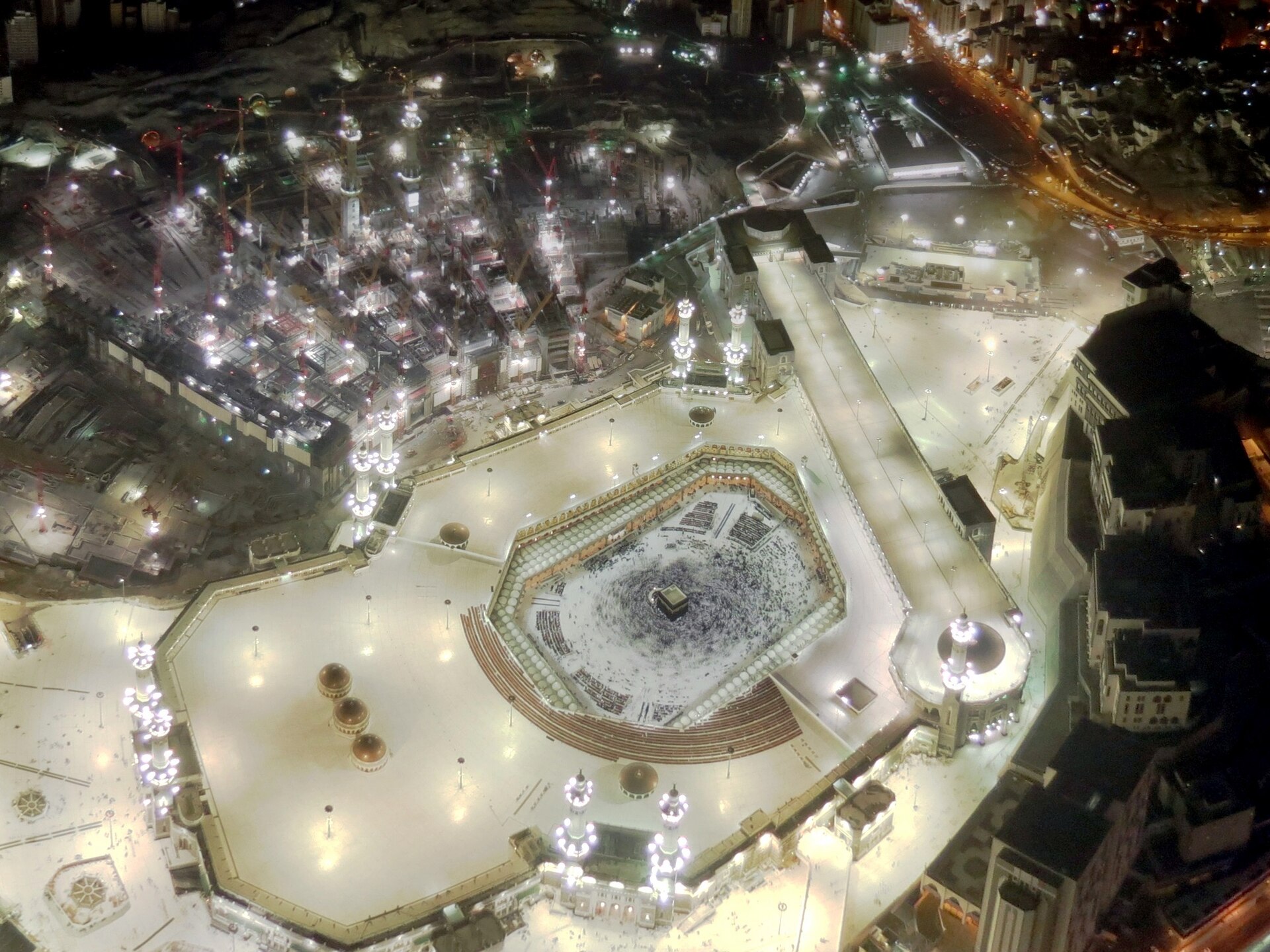
Must-See: Masjid al-Haram (Mecca), Masjid al-Nabawi (Medina), AlUla, Jeddah’s Al-Balad
Avoid: Travelling during peak Hajj season (June 2026) unless performing Hajj — prices triple and holy cities are restricted
Visa Requirements for Indonesian Citizens
Understanding the visa process is the most important step for Indonesian travellers. Saudi Arabia offers several visa types, each with different requirements and costs. For a full breakdown, see our Saudi Arabia visa guide.
Tourist E-Visa
Indonesian citizens are eligible for the Saudi tourist e-visa in 2026, but with a condition: you must hold a valid, previously used US, UK, or Schengen visa, or be a legal resident of a GCC country. If you meet this requirement, apply online at visa.visitsaudi.com. The e-visa costs approximately SAR 535 (around USD 140 / IDR 2.2 million), which includes mandatory travel insurance. Processing typically takes minutes to 24 hours.
The tourist e-visa is valid for one year with multiple entries, allowing stays of up to 90 days per visit and a maximum of 90 days in any 180-day period.
Important: If you do not hold a qualifying visa from the US, UK, or Schengen area, you cannot apply for the standard tourist e-visa online. You will need to apply through the Saudi embassy or an authorised visa agent in Indonesia. Check with your travel agent or the Saudi Embassy in Jakarta (Jl. M.T. Haryono Kav. 27) for current processing requirements.
Umrah Visa
For pilgrimage travel, Indonesian citizens need a dedicated Umrah visa. This is processed through licensed Umrah travel agents registered with Indonesia’s Ministry of Religious Affairs (Kemenag). The visa is typically bundled into your Umrah package cost. Since 2019, Saudi Arabia has also allowed Umrah on a tourist visa outside of Hajj season, but Indonesian citizens who qualify for the e-visa can use it for Umrah directly.
Hajj Visa
Hajj visas are managed entirely through Kemenag’s official quota system. Indonesia receives one of the largest Hajj quotas in the world — over 200,000 places annually — but the waiting list can stretch 20+ years in some provinces. See our Hajj 2026 guide for dates, costs, and what to expect.
Note: During the annual Hajj preparation period (roughly 40 days before Hajj), Saudi Arabia temporarily suspends tourist and Umrah visa issuance for several nationalities including Indonesia. In 2026, expect restrictions from approximately late April through mid-June.
Document Checklist
- Passport: Valid for at least 6 months from entry date, with at least one blank page
- Digital photo: 2×2 inches, white background, taken within last 6 months
- Passport bio page scan: Clear, high-resolution copy
- Meningitis (ACWY) vaccination: Required — get it at least 10 days before departure
- Travel insurance: Included in e-visa fee; verify coverage with your Umrah package
- Return flight booking: Required for visa application
- Accommodation: Hotels near the Haram in Mecca range from SAR 200–1,500/night depending on proximity and season. Many hotels employ Indonesian-speaking staff.
- Prayer times: Download the “Muslim Pro” or “Haram Live” app for real-time prayer schedules and crowd information.
- Shopping: The Abraj Al-Bait mall (Clock Tower) and surrounding souks sell prayer items, dates, zamzam water, and Indonesian snacks. Bargaining is expected in souks but not malls.
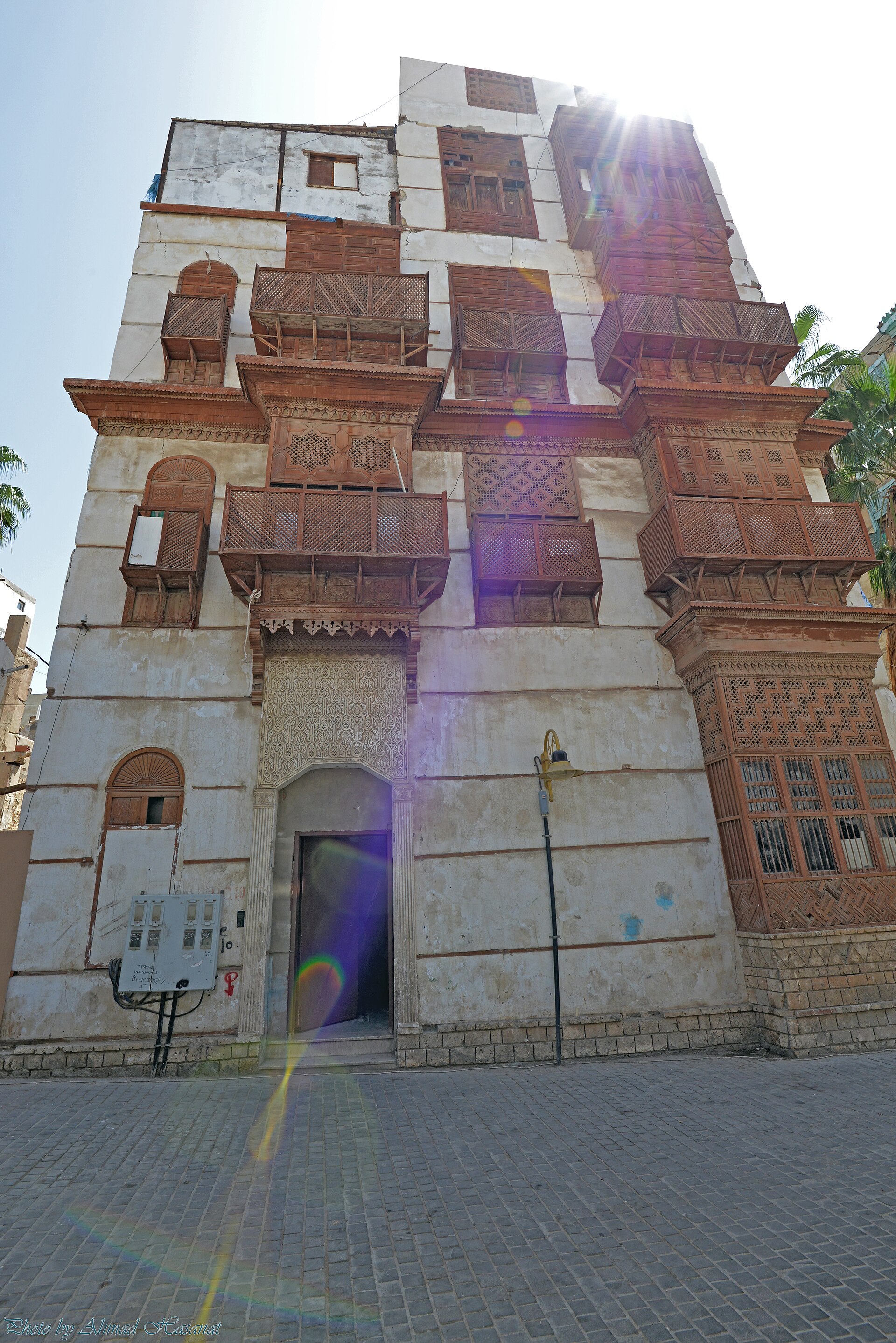
- Al-Balad: The UNESCO-listed historic district with coral-stone buildings, traditional souks, and deep Indonesian heritage connections
- Jeddah Corniche: A 30-km waterfront promenade with public art, parks, and sunset views over the Red Sea
- Red Sea diving: World-class coral reefs accessible as day trips — see our diving guide
- Formula 1: The Jeddah Corniche Circuit hosts the Saudi Arabian Grand Prix annually
- Diriyah: The birthplace of the Saudi state, now a UNESCO World Heritage Site with museums, restaurants, and cultural events
- Kingdom Centre Tower: The Sky Bridge offers panoramic city views at 300 metres
- Riyadh Season: Saudi Arabia’s largest entertainment festival (October–March) with concerts, shows, and themed zones
- Noor Riyadh: The world’s largest light art festival, returning in 2026 with 60+ installations
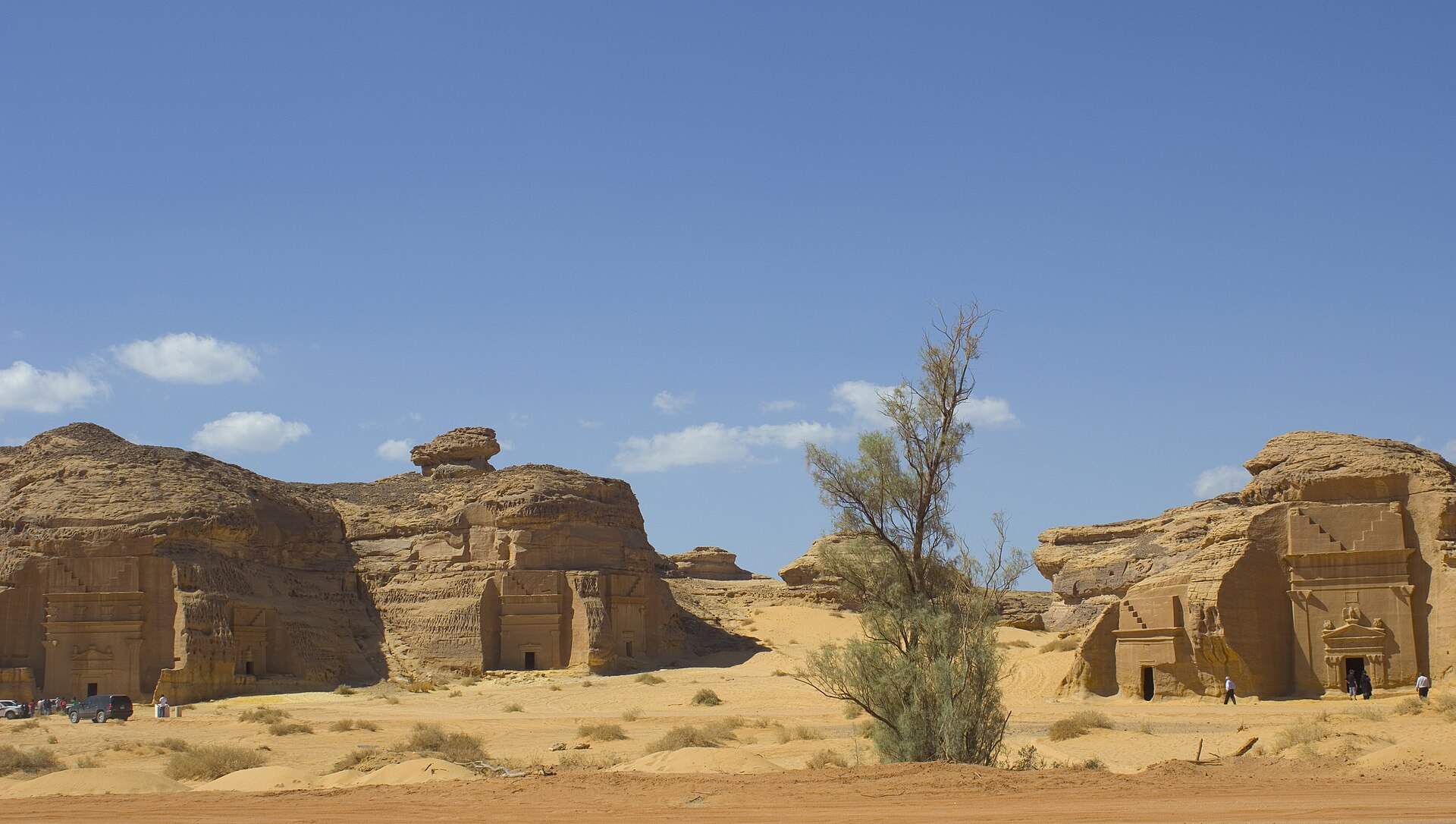
- Hegra: Saudi Arabia’s first UNESCO World Heritage Site — Nabataean tombs carved into sandstone cliffs, similar to Petra in Jordan
- Elephant Rock: A massive natural rock formation that has become one of Saudi Arabia’s most photographed landmarks
- Winter at Tantora: An annual cultural festival (December–March) featuring concerts, fine dining, and hot air balloon flights
- Abha and the Asir Mountains: Cool highlands, green terraces, and temperatures 15–20°C lower than Riyadh — a surprising contrast for tropical travellers
- Taif: The “City of Roses” in the mountains, famous for rose festivals, cooler climate, and historic sites
- Tabuk and NEOM: Northwest Saudi Arabia offers dramatic desert canyons, Wadi Disah, and a glimpse of the futuristic NEOM mega-project
- Budget (quad room): IDR 27.5–31.5 million — basic accommodation, shared room, group transport
- Standard (triple/double room): IDR 32.5–37 million — better hotel proximity to the Haram, more comfort
- Premium: IDR 45–78 million — 5-star hotels adjacent to the Haram, private transport, smaller group
- Currency: Saudi Riyal (SAR), divided into 100 halalas. See our currency guide for detailed advice.
- Exchange: Change money at licensed money changers (sarraf) in Jeddah, Mecca, or Riyadh — rates are usually better than airports. Major Indonesian banks like BCA and Mandiri can arrange SAR before departure.
- Cards: Visa and Mastercard are widely accepted. Many Indonesian banks charge 2–3% foreign transaction fees — consider getting a multi-currency card from Wise or Jenius before your trip.
- ATMs: Available everywhere. Withdrawals from ATMs typically charge SAR 10–20 per transaction. Use Al Rajhi Bank or NCB ATMs for the widest network.
- Tipping: Not mandatory but appreciated. SAR 5–10 for restaurant service, SAR 2–5 for hotel porters.
- Haramain High-Speed Rail: Connects Mecca, Jeddah, and Medina in 2–2.5 hours. Tickets from SAR 50–250. This is the best option for Umrah travellers moving between the holy cities and Jeddah.
- Domestic flights: Saudia, flynas, and flyadeal operate frequent domestic routes. Jeddah to Riyadh takes about 1.5 hours and costs SAR 200–500.
- SAPTCO buses: The national bus service connects all major cities at budget prices (SAR 50–150 for most routes). Comfortable but slower.
- Car rental: Available from SAR 100/day. International driving permits are accepted. Saudi Arabia drives on the right side of the road.
- Verify the agency has a valid PPIU (Penyelenggara Perjalanan Ibadah Umrah) licence
- Check reviews from previous jamaah on social media and travel forums
- Confirm all inclusions in writing: flights, hotels, visa, transport, meals, muthawwif guide
- Be wary of prices significantly below IDR 25 million — they are likely too good to be true
- Meningitis ACWY vaccination: Mandatory — must be administered at least 10 days before departure at a designated health facility (Kantor Kesehatan Pelabuhan or international vaccination centre)
- Flu vaccination: Recommended, especially for Ramadan travel when crowds are dense
- Bring personal medications: Pack prescriptions with original labels. Saudi pharmacies stock most common medications, but brand names may differ from Indonesian ones
- Heat preparation: Even Indonesians accustomed to tropical heat can struggle with Saudi Arabia’s dry desert heat, which can exceed 45°C in summer. Carry water at all times.
- WIB (Jakarta, Java, Sumatra): Saudi Arabia is 4 hours behind (when it’s 12:00 in Saudi, it’s 16:00 WIB)
- WITA (Bali, Kalimantan, Sulawesi): Saudi Arabia is 5 hours behind
- WIT (Papua, Maluku): Saudi Arabia is 6 hours behind
- Greetings: “Assalamu alaikum” is universal and warmly received — identical to Indonesian Muslim greetings
- Photography: Always ask permission before photographing people, especially women. Photography inside mosques is generally permitted outside prayer times, but avoid using flash
- Left hand: As in Indonesia, avoid eating or passing items with the left hand
- Respect for prayer times: When the adhan sounds, be prepared for shops and restaurants to close briefly
- Mosque etiquette: See our detailed mosque etiquette guide
- Dates (kurma): Ajwa dates from Medina are the most prized. Buy from established shops near Masjid al-Nabawi — expect SAR 80–200 per kg for premium Ajwa
- Zamzam water: Available free at the holy mosques. Bottled zamzam can be purchased for checked luggage — airlines allow 5–10 litres per passenger
- Prayer items: Sajadah (prayer mats), tasbih (prayer beads), and Islamic calligraphy from Mecca’s souks
- Perfume and oud: Saudi Arabia is famous for Arabian perfumes and oud oils. Al-Haramain and Abdul Samad Al Qurashi are trusted brands
- Gold: Saudi gold is high quality and often cheaper than in Indonesia. Jeddah’s Gold Souk and Riyadh’s Al Thumairi Street are good shopping areas
- Textiles: Pashmina shawls, abayas, and traditional Saudi thobes make popular gifts
- Embassy of Indonesia, Riyadh: Diplomatic Quarter, Riyadh — Tel: +966-11-488-2800
- Consulate General, Jeddah: Al-Baghdadiyah Al-Gharbiyah, Jeddah — Tel: +966-12-647-0302
- Emergency (police): 911 (works throughout Saudi Arabia)
- Ambulance: 997
- Civil Defence: 998
- Indonesian Ministry of Foreign Affairs (24-hour hotline): +62-21-344-1508
- Saudi Arabia Travel Guide 2026 — The complete guide to visiting the Kingdom
- Umrah for First Timers — Step-by-step guide to performing your first Umrah
- Mecca for Muslim Travellers — Complete city guide for pilgrims and visitors
- Medina Travel Guide — The Prophet’s City for Muslim visitors
- Saudi Arabia Visa Guide — Every visa type explained
- Saudi Arabia Dress Code — What to wear as a tourist in the Kingdom
Flights from Indonesia to Saudi Arabia
Getting to Saudi Arabia from Indonesia is straightforward, with multiple direct and connecting flight options from Jakarta and other major cities.
Direct Flights: Jakarta to Jeddah
The busiest route for Indonesian travellers is Jakarta (CGK) to Jeddah (JED), operated by both Saudia and Garuda Indonesia. Flight time is approximately 10 hours and 25 minutes. Combined, the two airlines offer around 37 direct flights per week — 24 on Saudia and 13 on Garuda Indonesia. Both operate Boeing 777 aircraft on this route.
| Route | Airlines | Frequency | Flight Time | Approx. Price (Return) |
|---|---|---|---|---|
| Jakarta → Jeddah | Saudia, Garuda Indonesia | 37 flights/week | 10h 25m | IDR 8–15 million |
| Jakarta → Riyadh | Saudia (via Jeddah), Gulf carriers | Daily (connecting) | 12–16h | IDR 9–18 million |
| Jakarta → Medina | Garuda, Saudia (seasonal) | Varies | 10–11h | IDR 9–16 million |
Tip: Book flights 3–4 months in advance, especially for Ramadan and Umrah peak season (December–March). Prices can double during these periods. Garuda Indonesia offers familiar in-flight meals and Bahasa Indonesia service — a comfort for first-time international travellers.
Connecting Flights
For Riyadh, AlUla, or Dammam, connecting flights via Jeddah or Gulf hubs (Dubai, Doha, Abu Dhabi) are the standard options. Emirates, Qatar Airways, and Etihad all serve Jakarta with onward connections to Saudi cities.
Flights from Other Indonesian Cities
During Umrah and Hajj season, charter flights operate from Surabaya (SUB), Makassar (UPG), Medan (KNO), and Solo (SOC) to Jeddah and Medina. These are typically arranged through Umrah travel agencies and included in package deals.
The Indonesian Community in Saudi Arabia
Indonesia has one of the deepest historical connections to Saudi Arabia of any nation. Indonesian migrants began settling in the Hejaz region — particularly Mecca and Jeddah — as early as the 19th century, arriving as pilgrims, scholars, and traders. Today, approximately 850,000 registered Indonesian citizens live in the Kingdom, concentrated in Riyadh, Jeddah, Mecca, Medina, and the Dammam area.
This large community means Indonesian travellers benefit from an extensive support network. There are Saudi citizens of Indonesian descent in Mecca and Jeddah whose forefathers settled during the late 19th to mid-20th centuries. Many work in pilgrimage services, hospitality, and trade — and they form a living bridge between the two countries.
For practical purposes, this means you will encounter Bahasa Indonesia speakers at major tourist sites, hotels near the holy mosques, shopping areas in Jeddah’s Balad district, and throughout the Umrah service industry. At Shaden Resort in AlUla, for example, staff speak Bahasa Indonesia and the restaurant serves Indonesian dishes.
Indonesian Food in Saudi Arabia
One of the biggest advantages of travelling to Saudi Arabia as an Indonesian is the abundance of familiar food. Saudi Arabia — particularly the Hejaz region — has a thriving Indonesian restaurant scene that has been established for decades.
Jeddah
Denden Indonesian Cuisine is the most established chain, operating since 1988 with eight branches across Jeddah. Known for crispy fritters (gorengan), rendang, soto, and nasi goreng, Denden is a reliable go-to for authentic Indonesian flavours. Other popular options include Batavia Restaurant and Pasundan Indonesian Restaurant, both highly rated on Tripadvisor.
Mecca
Near Masjid al-Haram, Indonesian restaurants cater heavily to the millions of Indonesian pilgrims who visit annually. Damba Resto sits just a few hundred metres from the mosque gates on the P4 floor of Zamzam Tower — ideal for a meal between prayer times. Restoran Nusantara in the Al-Ka’kiyyah area (12 km from Masjid al-Haram) serves fried rice, mixed rice, soups, and noodles at SAR 20–35 per dish (approximately IDR 85,000–150,000).
Medina
Several Indonesian restaurants sit within walking distance of Masjid al-Nabawi, with one located about 1.4 km from the mosque directly opposite the Umar Bin Khattab Gate. These restaurants serve standard Indonesian staples and are especially busy during Umrah season.
Riyadh and Other Cities
Denden has a branch in Riyadh as well. The city’s diverse dining scene also includes numerous restaurants serving nasi padang-style food. In Dammam and Khobar, the Aramco compound area has Indonesian community gatherings where food is often shared.
Budget tip: A full meal at an Indonesian restaurant in Saudi Arabia costs SAR 20–45 (IDR 85,000–190,000) — comparable to mid-range warung prices in Jakarta. Street food and Saudi shawarma shops are even cheaper at SAR 5–15.
Best Destinations for Indonesian Tourists
While most Indonesian visitors focus on Mecca and Medina, the Kingdom’s tourism transformation under Vision 2030 has opened extraordinary destinations that deserve your time.
Mecca and Medina — The Holy Cities
For Muslim Indonesians, Mecca and Medina remain the primary draw. Our dedicated guides cover everything: Mecca for Muslim travellers, Medina travel guide, and the step-by-step Umrah for first timers guide. Key tips for Indonesian visitors:
Jeddah — Gateway and Cultural Hub
Jeddah is the natural gateway city for Indonesian travellers arriving on direct flights. Don’t treat it as just a transit point — the city offers rich experiences:
Riyadh — The Capital’s Transformation
Riyadh has transformed from a closed capital into a vibrant modern city. Highlights for Indonesian visitors:
AlUla — Ancient Arabia
AlUla is Saudi Arabia’s most spectacular destination outside the holy cities. Indonesian visitors to AlUla can expect Bahasa Indonesia-speaking staff at properties like Shaden Resort, and Indonesian dishes on hotel menus. Key experiences:
Beyond the Classics
Budget Planning: How Much Does Saudi Arabia Cost?
Saudi Arabia is more affordable than most Indonesian travellers expect, especially compared to destinations like Japan, South Korea, or Europe. Here’s a realistic daily budget breakdown in both SAR and IDR.
| Category | Budget | Mid-Range | Comfort |
|---|---|---|---|
| Accommodation | SAR 100–200/night (IDR 430,000–860,000) |
SAR 250–500/night (IDR 1.1–2.1 million) |
SAR 600–1,500/night (IDR 2.6–6.4 million) |
| Food | SAR 40–70/day (IDR 170,000–300,000) |
SAR 80–150/day (IDR 340,000–640,000) |
SAR 200–400/day (IDR 860,000–1.7 million) |
| Transport | SAR 30–60/day (IDR 130,000–260,000) |
SAR 60–120/day (IDR 260,000–515,000) |
SAR 150–300/day (IDR 640,000–1.3 million) |
| Activities | SAR 0–50/day (IDR 0–215,000) |
SAR 50–150/day (IDR 215,000–640,000) |
SAR 200–500/day (IDR 860,000–2.1 million) |
| Daily Total | SAR 170–380 (IDR 730,000–1.6 million) |
SAR 440–920 (IDR 1.9–3.9 million) |
SAR 1,150–2,700 (IDR 4.9–11.6 million) |
Exchange rate reference: 1 SAR ≈ IDR 4,300 (as of early 2026). The Saudi Riyal is pegged to the US Dollar at SAR 3.75 = USD 1, so it remains stable. Check rates at your bank or on the Wise app before travelling.
Umrah Package Costs from Indonesia
Most Indonesian pilgrims travel on organised Umrah packages. In 2026, expect these price ranges:
Packages typically include flights, accommodation in Mecca and Medina, airport transfers, ground transport between cities, Umrah visa, and a guide (muthawwif). See our Umrah cost breakdown for detailed pricing.
Money Tips
What to Wear: Dress Code for Indonesian Tourists
For detailed information, see our Saudi Arabia dress code guide. Here’s the summary relevant to Indonesian visitors:
Women
Saudi Arabia dropped the mandatory abaya requirement for foreign women in 2019. Indonesian women do not need to wear an abaya outside the holy mosques. However, modest dress is both legally required and culturally expected — clothing should cover knees and elbows, and avoid tight or revealing fits. Most Indonesian women already dress modestly, so this is rarely an issue.
At Masjid al-Haram and Masjid al-Nabawi, women must wear a headscarf and full-coverage clothing. Many Indonesian women wear their standard jilbab or kerudung, which is perfectly appropriate.
Men
Men should wear long trousers (no shorts above the knee in conservative areas) and shirts with sleeves. In Riyadh and Jeddah’s modern districts, the dress code is more relaxed — you will see casual Western clothing. In mosques and the holy cities, modest dress is required.
Practical tip: Pack light, breathable fabrics — Saudi Arabia’s heat can be intense. Loose cotton clothing similar to what you’d wear in Indonesia works well. Bring a prayer outfit (mukena for women) for mosque visits.
Getting Around Saudi Arabia
Ride-Hailing Apps
The easiest way to get around Saudi cities is through ride-hailing apps. Careem (the Middle East’s leading app, now owned by Uber) and Uber both operate in Riyadh, Jeddah, Mecca, Medina, and Dammam. Bolt and Jeeny are budget-friendly alternatives. All accept credit card payment through the app — no need to carry cash for transport.
Intercity Travel
Riyadh Metro
Riyadh’s brand-new metro system makes navigating the capital easier than ever, with six lines serving major attractions, malls, and the airport. See our Riyadh travel guide for route details.
SIM Cards and Connectivity
Staying connected in Saudi Arabia is easy and affordable. The three major carriers are STC (best coverage), Mobily, and Zain. For a detailed comparison, see our SIM card and eSIM guide.
Tourist SIM Cards
Available at airports and carrier stores throughout Saudi Arabia. Prices range from SAR 70–150 for 15–70 GB of data with call minutes included. You will need your passport and visa for registration — SIM card registration with biometric data is required by law.
eSIM
If your phone supports eSIM (most newer iPhones and Samsung Galaxy devices), you can purchase a data plan before leaving Indonesia. Providers like Holafly, Airalo, and Nomad offer Saudi Arabia eSIM packages from USD 5–15 for 7–15 days of data. This avoids the airport queue entirely.
Tip: WhatsApp, the dominant messaging app in both Indonesia and Saudi Arabia, works perfectly on Saudi mobile data. Video calls are unrestricted. Download offline Google Maps of your destination cities before departure as a backup.
Umrah Planning for Indonesian Pilgrims
Umrah is the primary reason most Indonesians visit Saudi Arabia. While our Umrah first-timer guide and packing list cover the rituals in detail, here are Indonesia-specific considerations:
Choosing a Travel Agent
Only use Umrah agents registered with Indonesia’s Ministry of Religious Affairs (Kemenag). Check registration status on the Kemenag website or the Siskopatuh system. Fraudulent Umrah agencies remain a problem — in recent years, thousands of Indonesians have been scammed by unlicensed operators offering below-market prices.
Best Time for Umrah
Indonesian pilgrims tend to favour Ramadan (February–March in 2026) for its spiritual significance — performing Umrah during Ramadan is considered equivalent in reward to Hajj. However, this is also the busiest and most expensive season. For a less crowded experience, consider October–November or January when weather is pleasant and crowds are thinner.
Health Preparation
Practical Tips for Indonesian Visitors
Language
Arabic is the official language, but English is widely spoken in tourist areas, hotels, and malls. Bahasa Indonesia is increasingly common at major tourism sites, holy city hotels, and Indonesian restaurants. At AlUla resorts and major Jeddah hotels, you may find Indonesian-speaking staff. In Mecca and Medina, Bahasa Indonesia is spoken widely among service providers catering to pilgrims.
Prayer Facilities
Saudi Arabia is arguably the most prayer-friendly country in the world. Mosques are within walking distance everywhere, and most malls, airports, restaurants, and public spaces have dedicated prayer rooms (musholla). The adhan (call to prayer) sounds five times daily, and most businesses pause during prayer times — typically for 20–30 minutes.
Halal Food
All food in Saudi Arabia is halal by default — there is no need to check labels or ask. Pork and alcohol are completely prohibited in the Kingdom. This is one of the most significant advantages for Indonesian Muslim travellers compared to destinations like Japan, South Korea, or Europe where finding halal food can be challenging.
Time Zone
Saudi Arabia is on AST (Arabia Standard Time), UTC+3. Indonesia spans three time zones:
Electrical Outlets
Saudi Arabia uses Type G outlets (same as UK, with three rectangular pins) at 220V/60Hz. Indonesian devices (Type C, two round pins) will need an adapter. Hotels near the Haram in Mecca often provide universal outlets, but bring an adapter to be safe.
Cultural Etiquette
Safety
Saudi Arabia is one of the safest countries in the world for tourists. Crime rates are extremely low, and solo female travellers — including Indonesian women — report feeling very safe. The main risks are heat-related illness (always carry water), traffic (driving standards can be aggressive), and petty theft in crowded pilgrimage areas (keep valuables secure during tawaf).
Shopping: What to Buy and Bring Home
For a comprehensive guide, see our Saudi Arabia shopping guide. Here are the most popular purchases for Indonesian visitors:
Customs reminder: Indonesian customs allows duty-free import of up to USD 500 in goods per person. Zamzam water is exempt from duty. Declare any gold purchases exceeding this value to avoid penalties at Soekarno-Hatta.
Sample Itineraries
7-Day Umrah + Jeddah
| Day | Location | Activities |
|---|---|---|
| 1 | Arrive Jeddah | Settle in, explore Jeddah Corniche, Indonesian dinner at Denden |
| 2 | Jeddah → Mecca | Haramain train to Mecca, check in, perform Umrah |
| 3 | Mecca | Tawaf, Sa’i completion, visit Jabal Nur, explore Abraj Al-Bait |
| 4 | Mecca | Additional prayers, shopping in Mecca souks, rest |
| 5 | Mecca → Medina | Haramain train to Medina, visit Masjid al-Nabawi |
| 6 | Medina | Rawdah prayer, visit Uhud, Quba Mosque, date shopping |
| 7 | Medina → Jeddah | Return to Jeddah, Al-Balad walking tour, depart |
10-Day Umrah + Tourism
| Day | Location | Activities |
|---|---|---|
| 1–2 | Jeddah | Al-Balad, Corniche, floating mosque, diving day trip |
| 3–5 | Mecca | Umrah rituals, exploration, shopping |
| 6–7 | Medina | Masjid al-Nabawi, Islamic sites, date markets |
| 8–9 | AlUla | Hegra, Elephant Rock, stargazing, Shaden Resort |
| 10 | Return | Fly AlUla → Jeddah → Jakarta |
14-Day Grand Saudi Tour
| Day | Location | Activities |
|---|---|---|
| 1–2 | Riyadh | Diriyah, Kingdom Tower, Riyadh Season events |
| 3–5 | Mecca | Umrah, holy sites, shopping |
| 6–7 | Medina | Prophet’s Mosque, Islamic heritage |
| 8–9 | AlUla | Hegra, Elephant Rock, desert camping |
| 10–11 | Jeddah | Al-Balad, Red Sea, food scene |
| 12–13 | Abha/Asir | Highland villages, Habala, cooler climate |
| 14 | Depart | Fly home from Jeddah or Riyadh |
Indonesian Embassy and Emergency Contacts
The Indonesian government maintains a strong diplomatic presence in Saudi Arabia, reflecting the large Indonesian community:
Important: Register your trip with the Indonesian Embassy through the “Safe Travel” portal before departure. This allows the embassy to contact you in emergencies and provide consular assistance if needed.
Frequently Asked Questions
Can I perform Umrah on a tourist visa?
Yes, since 2019 Saudi Arabia allows Umrah on a tourist visa outside of Hajj season. However, Indonesian citizens must first qualify for the tourist e-visa (requiring a valid US/UK/Schengen visa stamp). Most Indonesian pilgrims use the dedicated Umrah visa through licensed travel agents instead.
Is Saudi Arabia expensive compared to Indonesia?
Saudi Arabia is more expensive than Indonesia but comparable to Malaysia or Thailand. Budget travellers can manage on IDR 730,000–1.6 million per day. The biggest cost is accommodation near the holy mosques — prices drop significantly with distance.
Do I need to speak Arabic?
No. English is widely spoken in tourist areas, and Bahasa Indonesia is common in Mecca, Medina, Jeddah, and at tourist-oriented hotels. Translation apps work well as a backup.
Is it safe for solo Indonesian women to travel in Saudi Arabia?
Yes. Saudi Arabia is one of the safest countries for solo female travellers. Women can drive, check into hotels alone, dine alone, and move freely. Indonesian women wearing standard modest dress (jilbab) will feel very comfortable.
Can I bring Indonesian food into Saudi Arabia?
Dry foods, snacks, and packaged items are generally permitted. Fresh produce, meat, and dairy are prohibited. Sambal and instant noodles (Indomie) are widely available in Saudi supermarkets and Indonesian restaurants, so there is little need to pack food.
What about Ramadan travel?
Travelling during Ramadan is a deeply rewarding spiritual experience for Indonesian Muslims. Expect restaurants to be closed during daylight hours (takeaway is available for non-fasting guests at hotels), larger crowds at mosques, and higher accommodation prices. The iftar atmosphere at the holy mosques is unforgettable. See our Ramadan 2026 guide for dates and tips.