
Pakistan and Saudi Arabia share bonds that run deeper than diplomacy — faith, family, food and a shared language of hospitality. More than two million Pakistanis live and work in the Kingdom, making it one of the largest diaspora communities in the Gulf. Whether you are planning your first Umrah, visiting relatives in Riyadh, or exploring Saudi Arabia’s new tourism landscape as a leisure traveller, this guide from our Saudi Arabia Travel Guide covers everything a Pakistani passport holder needs to know — from visa procedures and Tasheer appointments to flight routes, budget tips, and the best Pakistani restaurants in every major city.
Best Time to Visit: October to March (avoid June–September heat and April–June Hajj restrictions)
Getting There: Direct flights from Islamabad, Lahore, Karachi, Peshawar and more via PIA, Saudia, Airblue, Fly Jinnah and Flynas (4–5 hours)
Visa Required: Yes — tourist visa via Tasheer centre (Pakistani citizens are not eligible for the standard e-visa)
Budget: SAR 350–700 per day (PKR 26,000–52,000) depending on city and comfort level
Must-See: Mecca and Medina (for Muslims), AlUla, Riyadh’s Diriyah, Jeddah’s Al-Balad
Avoid: Applying for a tourist visa during Hajj season (April–June) — applications are suspended for Pakistani nationals
Visa Requirements for Pakistani Citizens
This is the section most Pakistani travellers need to read carefully. Unlike citizens of 63 countries who can obtain a Saudi e-visa online in minutes, Pakistani passport holders must apply through a Tasheer visa centre — Saudi Arabia’s official visa facilitation service operated by the Public Investment Fund. The process is straightforward but requires planning. For full details on every Saudi visa type, see our dedicated Saudi Arabia Visa Guide.
The Tasheer Process — Step by Step
Tasheer centres handle all Saudi visa applications for Pakistani nationals — tourist visas, work visas, family visit visas, Umrah visas and business visas. Here is how the tourist visa application works:
- Book an appointment online at vc.tasheer.com. Select the “Tourist Visa” category, choose your nearest centre, and pick an available date and time slot.
- Prepare your documents:
- Valid passport with at least 6 months remaining validity
- Recent passport-sized photograph (white background)
- Bank statements from the last 3–6 months showing minimum monthly credits of USD 750 (approximately PKR 210,000)
- Confirmed return flight booking
- Hotel reservation or invitation letter (if visiting family)
- Visit the Tasheer centre on your appointment date. You will submit your documents and complete biometric enrolment (fingerprints and photograph).
- Wait for processing — typically 7 to 14 working days.
- Collect your passport with the visa stamp, or arrange courier delivery where available.
Tasheer Centre Locations in Pakistan
There are six Tasheer centres across Pakistan:
| City | Typical Wait for Appointment | Notes |
|---|---|---|
| Islamabad | 3–7 days | Busiest centre — book early |
| Lahore | 3–7 days | High demand during Umrah season |
| Karachi | 2–5 days | Multiple appointment slots daily |
| Peshawar | 1–3 days | Generally shorter waits |
| Quetta | 1–3 days | Least busy centre |
| Multan | 2–5 days | Convenient for southern Punjab |
The US/UK/Schengen Visa Shortcut
There is one important exception: if you hold a valid US, UK, or Schengen visa that has been used at least once, you can bypass the Tasheer process entirely and apply for a Saudi e-visa directly through the official portal at visa.visitsaudi.com. The e-visa is processed within minutes and costs SAR 300 (approximately PKR 22,300). This is the fastest route for frequent international travellers.
Key Visa Rules to Know
Important changes from February 2025: Saudi Arabia replaced the one-year multiple-entry tourist visa for Pakistani nationals (and 13 other nationalities) with a single-entry visa valid for a maximum of 30 days. This change was introduced to prevent unauthorised Hajj participation. Plan your trip length accordingly.
- Visa fee: SAR 300 (approximately PKR 22,300)
- Validity: Single entry, 30 days maximum stay
- Processing time: 7–14 working days via Tasheer
- Hajj season suspension: Tourist, Umrah and family visit visa applications for Pakistani nationals are temporarily suspended from approximately April to mid-June each year during Hajj season
- Passport validity: Minimum 6 months from date of travel
- Overstaying penalty: SAR 15,000 fine and potential deportation — never overstay your visa
Flights from Pakistan to Saudi Arabia
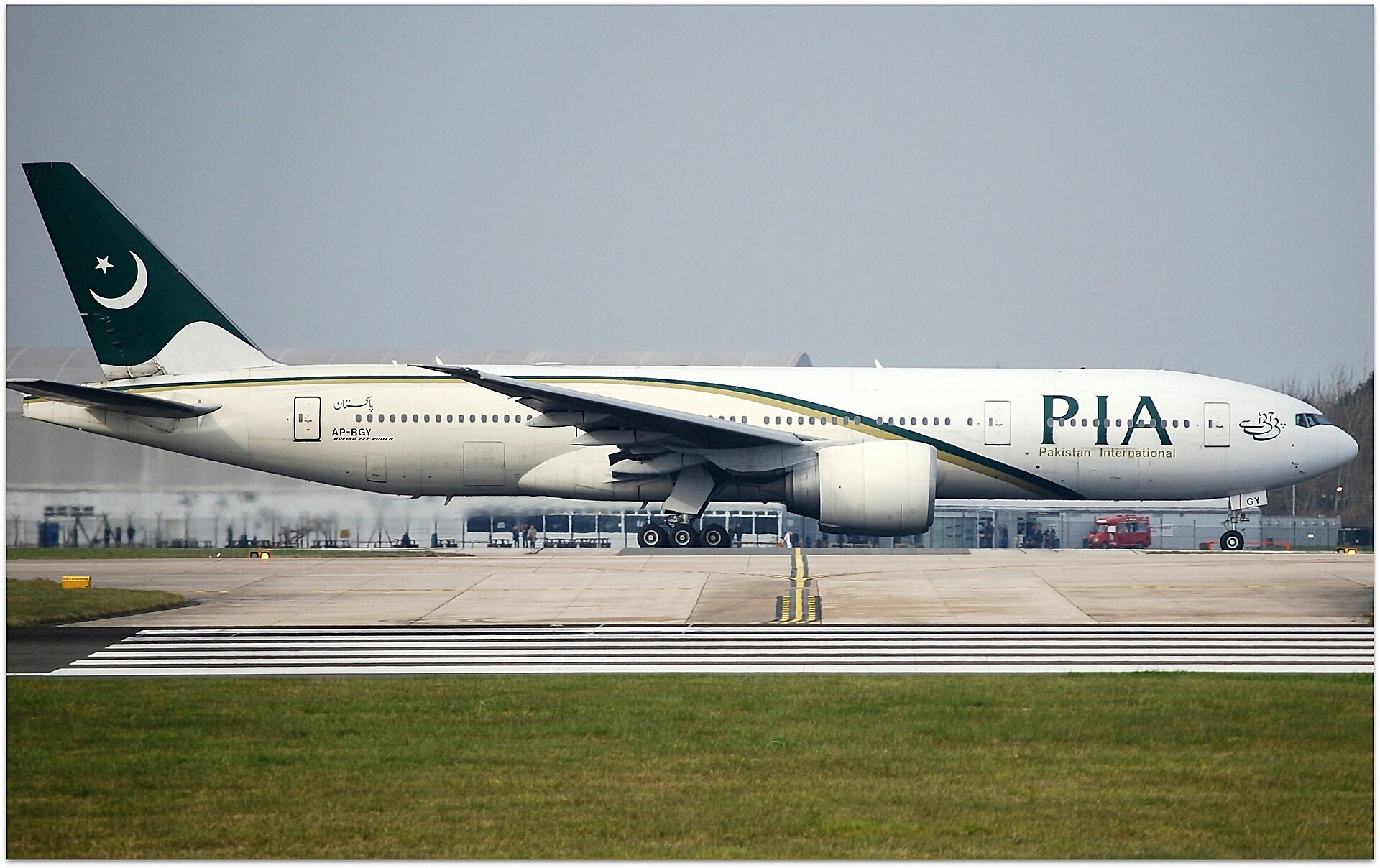
One of the great advantages for Pakistani travellers is the abundance of direct flights connecting major Pakistani cities to Saudi Arabia. With multiple airlines operating daily services, you have genuine competition driving prices down — especially if you book strategically. For a full overview of Saudi routes and booking tips, see our flights to Saudi Arabia guide.
Airlines and Routes
| Route | Airlines | Flight Time | Approximate One-Way Cost |
|---|---|---|---|
| Karachi → Jeddah | PIA, Airblue, Saudia, Flynas | 3.5–4 hours | PKR 42,000–90,000 |
| Lahore → Jeddah | PIA, Saudia, Airblue | 4.5–5 hours | PKR 55,000–120,000 |
| Islamabad → Jeddah | PIA, Saudia, Airblue, Fly Jinnah, Flynas | 4–4.5 hours | PKR 50,000–110,000 |
| Islamabad → Riyadh | PIA, Saudia, Airblue | 4.5–5 hours | PKR 55,000–130,000 |
| Karachi → Riyadh | PIA, Saudia | 3.5–4 hours | PKR 50,000–100,000 |
| Islamabad → Medina | PIA, Saudia | 4–4.5 hours | PKR 55,000–120,000 |
| Lahore → Riyadh | Saudia, PIA | 5 hours | PKR 60,000–140,000 |
| Peshawar → Jeddah | PIA, Saudia | 5 hours | PKR 55,000–100,000 |
How to Get the Cheapest Flights
- Book 4–6 weeks ahead for the best prices. Last-minute bookings can cost two to three times more.
- Fly midweek — Tuesday and Wednesday departures are consistently cheaper than Thursday/Friday.
- Avoid Umrah and Hajj peak seasons (Ramadan and Dhul Hijjah) when demand pushes prices up dramatically.
- Compare on Skyscanner or Bookme.pk — Pakistani booking platforms sometimes offer exclusive fares.
- Consider connecting flights via Dubai, Sharjah or Muscat — flydubai, Air Arabia and Salam Air occasionally undercut direct fares significantly, though you add 3–5 hours of travel time.
- Budget airlines like Flynas and Fly Jinnah offer basic economy fares that are competitive, but check baggage allowances carefully — excess baggage fees can eliminate the savings.
Tip for Hajj and Umrah travellers: During the official Hajj flight operation (April–May 2026), a total of 468 flights across PIA, Airblue, Air Sial and Saudia will transport pilgrims from eight Pakistani cities. If you are performing Hajj, your flights will be coordinated through the Ministry of Religious Affairs — do not book independently.
Money and Budget Planning
Saudi Arabia is not a budget destination by South Asian standards, but Pakistani travellers who plan carefully can visit the Kingdom without breaking the bank. Understanding the full cost breakdown for visiting Saudi Arabia will help you set realistic expectations.
Exchange Rate
As of April 2026, 1 Saudi Riyal (SAR) = approximately 74 Pakistani Rupees (PKR). The SAR-PKR rate has been remarkably stable since early 2026, making budget planning straightforward. Exchange money at airport exchange counters on arrival, or withdraw from ATMs using your Pakistani bank debit card (Meezan, HBL and UBL cards all work at Saudi ATMs, though international withdrawal fees of PKR 500–1,000 apply per transaction).
Daily Budget Estimates
| Category | Budget (SAR/day) | PKR Equivalent | Notes |
|---|---|---|---|
| Budget traveller | SAR 250–400 | PKR 18,500–29,600 | Shared accommodation, street food, public transport |
| Mid-range | SAR 500–800 | PKR 37,000–59,200 | 3-star hotel, restaurants, mix of taxis and metro |
| Comfortable | SAR 900–1,500 | PKR 66,600–111,000 | 4-star hotel, guided tours, car rental |
Money-Saving Tips for Pakistani Travellers
- Eat at Pakistani and South Asian restaurants — a full meal of biryani, dal and naan costs SAR 15–25 (PKR 1,100–1,850) compared to SAR 60–100+ at Saudi or Western restaurants.
- Use the Riyadh Metro — it opened in late 2024 and a single ride costs SAR 4–6, a fraction of taxi fares.
- Stay in districts with large Pakistani communities — areas like Al Batha in Riyadh or Al Balad in Jeddah have budget accommodation and affordable dining.
- Buy a local SIM card on arrival — Zain, STC and Mobily all sell tourist SIM cards from SAR 40–120 at airport kiosks. Zain’s visitor package offers 5 GB data and 100 minutes for SAR 40/week. See our Saudi Arabia SIM card guide for details.
- Carry cash for small purchases — street vendors and small Pakistani restaurants in working-class districts often prefer cash.
Where to Go — Best Destinations for Pakistani Travellers
Most Pakistani visitors to Saudi Arabia head straight for the holy cities, and rightly so — Mecca and Medina are the beating heart of any Muslim’s journey to the Kingdom. But Saudi Arabia’s tourism revolution means there is now far more to explore. Here are the destinations that Pakistani travellers should know about.
Mecca — The Holiest City
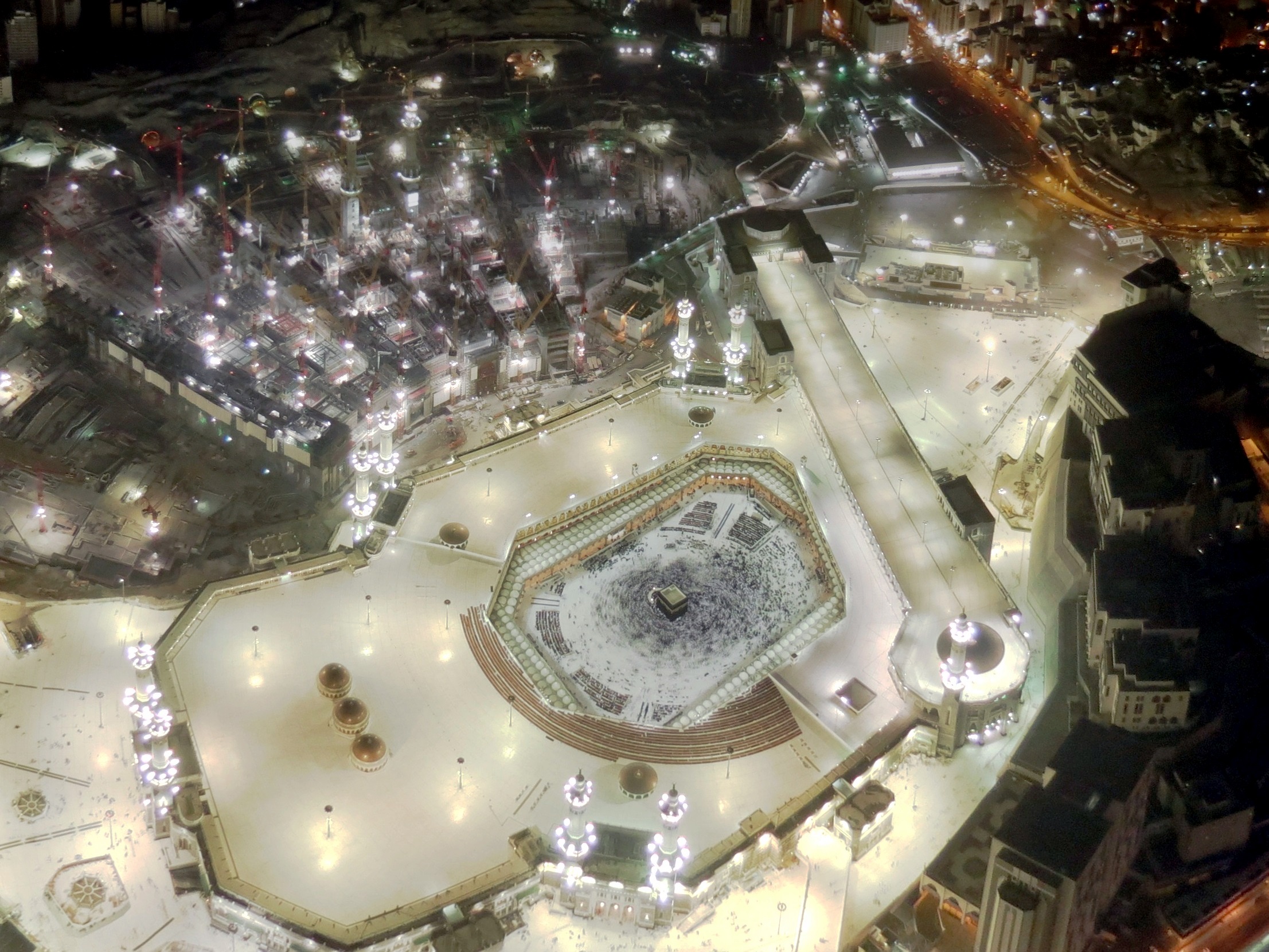
For the millions of Pakistani Muslims who travel to Saudi Arabia, Mecca is the ultimate destination. The city is home to Masjid al-Haram and the Kaaba, and performing Umrah or Hajj here is a once-in-a-lifetime experience for many. Non-Muslims are not permitted to enter Mecca. Our complete guide to Mecca covers everything from Tawaf logistics to the best hotels within walking distance of the Haram.
- Clock Tower Mall (Abraj Al-Bait) — shopping, dining and panoramic views of the Haram
- Jabal al-Nour — the mountain containing the Cave of Hira where the first Quranic revelation was received
- Jabal Thawr — the cave where the Prophet (PBUH) and Abu Bakr (RA) sheltered during the Hijrah
Medina — The Prophet’s City
Medina is the second holiest city in Islam and home to Masjid al-Nabawi (the Prophet’s Mosque), where the Prophet Muhammad (PBUH) is buried. Unlike Mecca, non-Muslims can visit Medina though they cannot enter the Prophet’s Mosque. Most Pakistani Umrah packages include both Mecca and Medina. For detailed visitor information, see our Medina travel guide.
- Masjid al-Quba — the first mosque built in Islam, offering immense spiritual reward
- Uhud Mountain — site of the Battle of Uhud, with the Cemetery of the Martyrs nearby
- Al-Baqi Cemetery — burial place of many companions of the Prophet (PBUH)
Riyadh — The Modern Capital
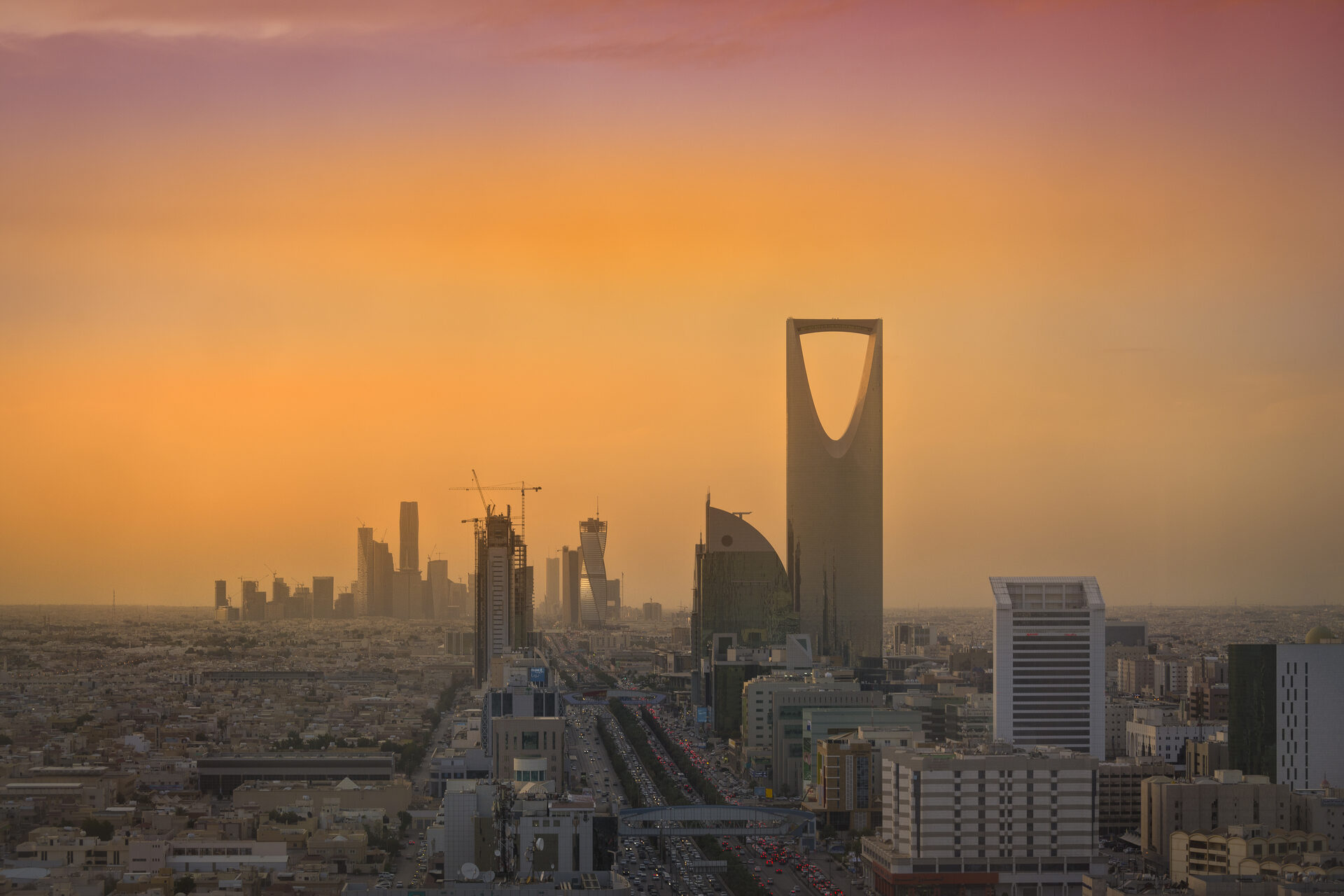
Increasingly, Pakistani travellers are adding Riyadh to their itineraries, especially those visiting family. The capital offers a side of Saudi Arabia that surprises most first-time visitors. Our Riyadh travel guide covers the city in full detail.
- Diriyah — the UNESCO-listed birthplace of the Saudi state, with beautifully restored mud-brick architecture
- Kingdom Centre Tower — the iconic sky bridge offering panoramic views of the city
- Boulevard Riyadh City — entertainment, dining and events during Riyadh Season
- Edge of the World (Jebel Fihrayn) — dramatic desert cliffs about 90 minutes from the city
- Al Batha district — the heart of Riyadh’s Pakistani community, with familiar food, Urdu signage and affordable shopping
Jeddah — Gateway to the Holy Cities
Jeddah is where many Pakistani pilgrims first set foot in Saudi Arabia. But the city deserves more than a transit stop. The Jeddah travel guide covers the historic port city in depth.
- Al-Balad — Jeddah’s UNESCO-listed historic district with coral-stone buildings, merchant houses and traditional souks
- Jeddah Corniche — a 30-kilometre waterfront promenade along the Red Sea
- King Fahd Fountain — the world’s tallest fountain, visible across the city
- Floating Mosque (Al Rahma Mosque) — a stunning mosque built over the Red Sea
AlUla — Ancient Arabia
AlUla is Saudi Arabia’s archaeological crown jewel, and increasingly accessible to all visitors. The ancient Nabataean tombs at Hegra (Saudi Arabia’s first UNESCO World Heritage Site) rival Petra in Jordan. See our AlUla travel guide for full details.
Abha and the Asir Highlands
If you are visiting during summer and want to escape the heat, the southwestern highlands around Abha offer a completely different Saudi Arabia — green mountains, cool temperatures and terraced villages. Check our Abha and Asir guide for trekking routes and cultural experiences.
Food — A Taste of Home (and More)
One of the biggest advantages of visiting Saudi Arabia as a Pakistani traveller is the food. The Kingdom’s large Pakistani community means you will find familiar dishes everywhere — from roadside biryani stalls to proper sit-down restaurants serving nihari, haleem, karahi and fresh tandoori naan. All food in Saudi Arabia is halal by law, so you never need to worry about that. For a wider view of Saudi cuisine, our Saudi Arabia food guide is essential reading.
Pakistani Restaurants Worth Visiting
In Jeddah:
- Khosh Hal Authentic — one of Jeddah’s most popular Pakistani restaurants, known for its family-style traditional dishes
- Bar B.Q Tonight — the famous Karachi-born chain has a strong presence in Jeddah
- Marhaba Restaurant — established in 1985, specialising in barbecue dishes, curries and fresh tandoor bread, with branches also in Riyadh and Khobar
In Riyadh:
- BBQ Tonight Riyadh — consistent quality Pakistani barbecue
- Lahori Kahabey — Lahori-style tikka, seekh kebabs and naan
- Baithak Restaurant — family-friendly Pakistani halal dining
- Al Batha district restaurants — dozens of small Pakistani eateries serving dal chawal, paratha rolls and chai for SAR 10–20 a meal
Saudi Dishes You Must Try
Do not just eat Pakistani food — explore Saudi cuisine too. These dishes will feel familiar to a Pakistani palate:
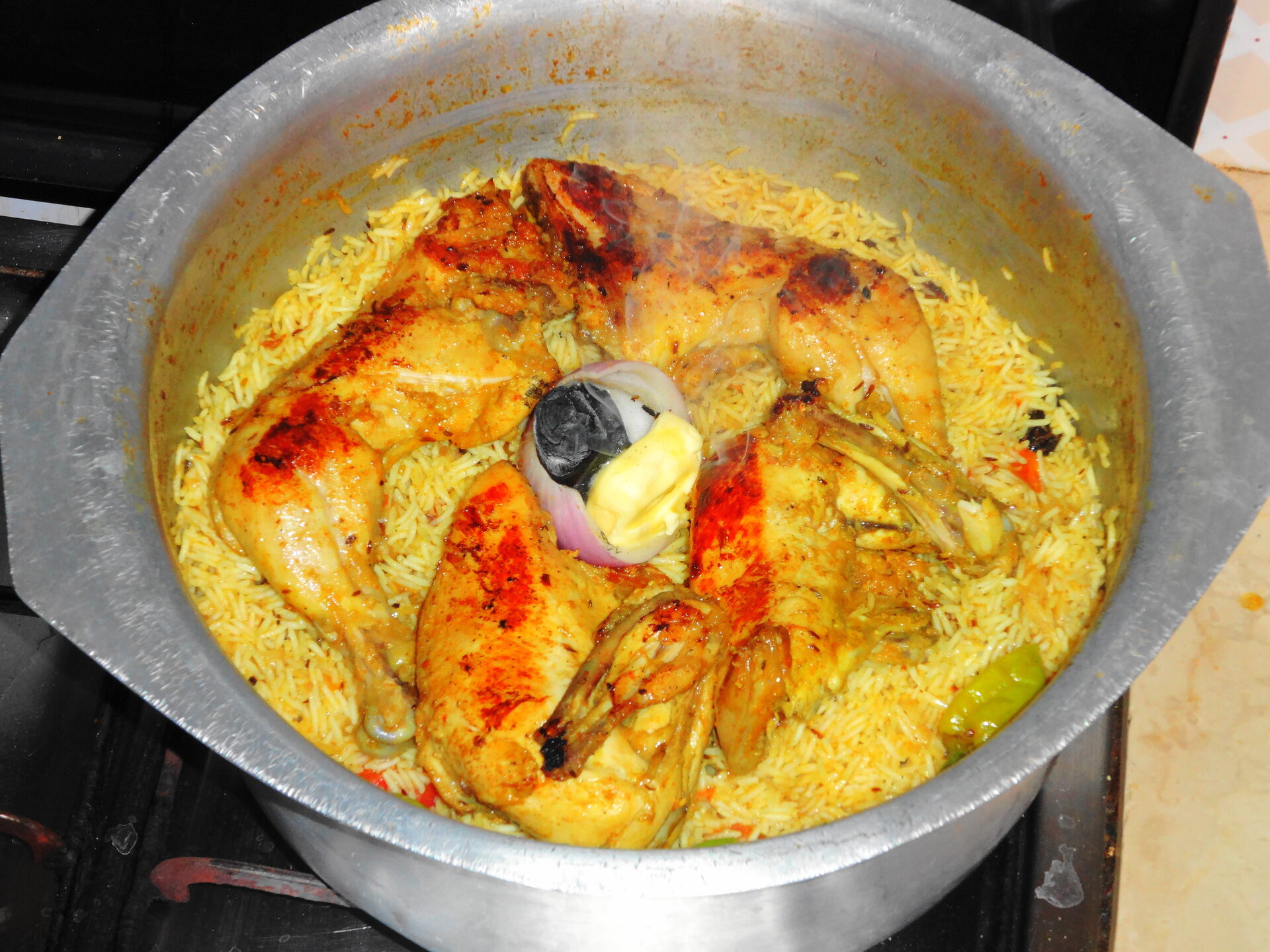
- Kabsa — Saudi Arabia’s national dish, spiced rice with chicken or lamb. Think biryani’s Arabian cousin.
- Mandi — slow-cooked meat and rice, originally Yemeni, cooked underground in a tandoor-like pit. The smoky flavour will remind you of home.
- Mutabbaq — stuffed flatbread (essentially a Saudi paratha) filled with meat, egg and onions.
- Jareesh — crushed wheat cooked with meat and spices, similar to Pakistani haleem.
- Saudi Arabic coffee (Qahwa) — served with dates, lighter and more cardamom-forward than Pakistani chai.
Getting Around Saudi Arabia
Saudi Arabia is a vast country and getting between cities requires either a domestic flight or a long drive. For a complete breakdown of transport options, read our getting around Saudi Arabia guide.
Domestic Flights
Budget airlines Flynas and Flyadeal offer cheap domestic flights between Riyadh, Jeddah, Medina, Dammam and other cities. One-way fares start from SAR 100–200 (PKR 7,400–14,800) if booked early. Saudia also operates domestic routes with slightly higher fares but better baggage allowances.
Riyadh Metro
Riyadh’s new metro system is a game-changer for budget travellers. Six lines connect major attractions, the airport, and commercial districts. A single ride costs SAR 4–6 (PKR 300–450), a fraction of taxi fares.
Taxis and Ride-Hailing
Uber and Careem (the Middle East’s homegrown ride-hailing app) both operate across Saudi Arabia. Careem is often slightly cheaper and more widely used. Many Saudi Careem drivers speak basic Urdu — a genuine advantage for Pakistani travellers who are not comfortable with Arabic or English.
Car Rental
If you hold a valid Pakistani driving licence, you can rent a car in Saudi Arabia, though an International Driving Permit (IDP) is recommended. Car rental starts from SAR 100–150/day (PKR 7,400–11,100) for a basic sedan. Petrol is cheap — about SAR 2.33/litre (PKR 173), roughly one-third of what you would pay in Pakistan. Read our car rental guide for detailed information.
Cultural Tips for Pakistani Travellers
Pakistani travellers have a natural cultural advantage in Saudi Arabia. As a Muslim-majority country with shared Islamic values, much of Saudi culture will feel familiar. But there are some important differences to be aware of. For what to wear, see our Saudi Arabia dress code guide.
What You Already Know
- Prayer times structure the day — shops and restaurants close during Salah, just as you might expect. Saudi Arabia is strict about this.
- Hospitality is sacred — Saudis, like Pakistanis, take guest hospitality seriously. Accept Arabic coffee and dates when offered — it is a sign of respect.
- Ramadan rules apply — no eating, drinking or smoking in public during fasting hours. As Muslim travellers, this is natural for Pakistanis.
- Modest dress — Saudi Arabia’s dress code aligns with Pakistani cultural norms. Men should avoid shorts in public; women should wear loose, covering clothing. Abayas are no longer mandatory for women tourists but remain the cultural norm.
What Might Surprise You
- Punctuality matters more than in Pakistan — Saudi businesses, government offices and even social gatherings often start closer to the scheduled time than you might be used to.
- Queueing is taken seriously — cutting in line, which may be more tolerated in Pakistan, is frowned upon in Saudi Arabia, especially at religious sites.
- Photography restrictions — do not photograph people (especially women) without permission. At military installations and government buildings, photography is strictly prohibited.
- Alcohol is completely banned — there are zero exceptions. Do not attempt to bring any alcohol into the country.
- Public gender mixing — Saudi Arabia has relaxed many gender-segregation rules in recent years, but some restaurants and public spaces still have separate family and singles sections.
Language
Arabic is the official language, but Urdu is effectively Saudi Arabia’s second unofficial language in working-class districts. In areas like Al Batha (Riyadh), Al Balad (Jeddah) and districts near the Haram in Mecca, you will hear more Urdu than Arabic. Many shopkeepers, taxi drivers and restaurant staff are Pakistani or speak Urdu. English is widely understood in malls, hotels and tourist areas. You will not face a significant language barrier.
Safety and Practical Information
Saudi Arabia is one of the safest countries in the world for travellers, with extremely low crime rates. Our safety guide for Saudi Arabia goes into full detail, but here are the key points for Pakistani visitors.
Personal Safety
- Street crime is rare — theft, mugging and violent crime are exceptionally uncommon in Saudi Arabia, far less than in most Pakistani cities.
- Emergency number: 911 (police, ambulance, fire)
- Pakistan Embassy in Riyadh: +966-11-4044-211
- Pakistan Consulate in Jeddah: +966-12-6710-871
Health
- Travel insurance is recommended — medical treatment for visitors is expensive. Read our travel insurance guide for options.
- Meningitis vaccination is mandatory for Hajj and Umrah pilgrims — get the ACWY vaccine at least 10 days before travel and carry the certificate.
- Heat — Saudi summer temperatures regularly exceed 45°C. If visiting between May and September, stay hydrated and limit outdoor activity during midday hours.
- Pharmacies — well-stocked and widely available. Many medications that require a prescription in Pakistan are available over the counter in Saudi Arabia.
SIM Cards and Internet
Buy a prepaid SIM card on arrival at the airport. You will need your passport and visa. The three providers are:
- STC — largest network, best overall coverage
- Mobily — competitive data packages
- Zain — best value visitor packages (5 GB + 100 minutes for SAR 40/week)
eSIMs are also available from all three providers if your phone supports them. Full details in our SIM card and eSIM guide.
What to Pack
- Ihram garments (if performing Umrah) — buy in Pakistan where they are cheaper
- Comfortable walking shoes — essential for Tawaf and Sa’i, which involve kilometres of walking on marble floors
- Unscented soap and toiletries (for those in Ihram)
- Universal power adapter — Saudi Arabia uses Type G (British) sockets, same as in Pakistan
- Light, breathable clothing — cotton and linen are ideal
- Sunscreen and sunglasses — the Saudi sun is fierce
- Prescription medications — bring enough for your entire trip, with a copy of the prescription
Good news for Pakistanis: Saudi Arabia uses the same Type G electrical sockets as Pakistan. You do not need a plug adapter — just pack your regular chargers.
Umrah and Hajj — What Pakistani Travellers Need to Know
For many Pakistani travellers, Umrah or Hajj is the primary reason for visiting Saudi Arabia. Our comprehensive Hajj 2026 guide and Umrah guide for first-timers cover the full details, but here is what matters specifically for Pakistanis.
Umrah from Pakistan
- Umrah visas are separate from tourist visas. Apply through a registered Umrah travel agent or via the Nusuk app (nusuk.sa).
- Group packages from Pakistan typically cost PKR 150,000–400,000 per person, including flights, hotel (Mecca + Medina), transport and visa. Prices vary dramatically by hotel proximity to the Haram.
- Individual Umrah is also possible — book your own flights and hotel, then apply for the Umrah visa through an authorised agent. This can be cheaper but requires more planning.
- Best time for Umrah: Outside Ramadan and Hajj season (October–February) for smaller crowds and lower prices.
Hajj from Pakistan
- Hajj quota for Pakistan: Pakistan typically receives a quota of approximately 179,000 pilgrims annually.
- Government scheme vs private: The Pakistani government operates a Hajj scheme through the Ministry of Religious Affairs (with lower costs), while private tour operators offer premium packages with better accommodation.
- Hajj 2026 flights: The official flight operation runs from approximately 18 April to 21 May 2026, with 468 flights across PIA, Airblue, Air Sial and Saudia from eight Pakistani cities.
- Registration: Apply through the Ministry of Religious Affairs Hajj portal. Places are allocated by lottery for the government scheme.
Travelling with Family
Saudi Arabia has invested heavily in family-friendly tourism, and travelling with children is increasingly straightforward. Our family travel guide covers the best activities for children.
- Family accommodation is widely available — most Saudi hotels are geared towards families, with connecting rooms and children’s facilities.
- Entertainment options: Riyadh Season events, Boulevard Riyadh City, the National Museum, Jeddah’s Fakieh Aquarium and various theme parks.
- Malls are excellent family destinations — most have play areas, food courts with Pakistani restaurants, and prayer rooms.
- Visiting relatives: If visiting Pakistani family members working in Saudi Arabia, they can sponsor a family visit visa for you — a different process from the tourist visa, handled through the Muqeem portal (muqeem.sa).
Common Mistakes Pakistani Travellers Make
Learning from others’ experiences can save you time, money and stress. Here are the most common errors:
- Applying for a tourist visa during Hajj season — applications are suspended from April to mid-June. Plan around this.
- Not meeting the bank statement requirement — you need consistent monthly credits of at least PKR 210,000 over 3–6 months. Start building this record well before you plan to apply.
- Overpacking — Saudi Arabia has everything you need. You do not need to bring food, toiletries or household items from Pakistan.
- Ignoring domestic flight options — many Pakistani travellers try to do everything by road. A Flynas flight from Jeddah to Riyadh can cost SAR 150 (PKR 11,100) and takes 1.5 hours vs 10+ hours by road.
- Exchanging money at Pakistani airports — exchange rates at Pakistani airports are consistently worse than Saudi airport exchanges or ATMs. Carry a small amount of SAR for immediate needs and exchange the rest on arrival.
- Staying only in the holy cities — if your visa allows it, explore beyond Mecca and Medina. AlUla, Jeddah’s historic quarter and Riyadh’s modern attractions are world-class.
- Not downloading essential apps — install Careem, Nusuk (for Umrah booking), Tawakkalna (the Saudi government app for health passes), and Google Maps before departure.
Best Time to Visit Saudi Arabia from Pakistan
The ideal window is October to March, when temperatures are pleasant (20–30°C in most cities) and outdoor activities are enjoyable. For a month-by-month breakdown, see our best time to visit guide.
| Period | Weather | Crowds | Prices | Notes |
|---|---|---|---|---|
| Oct–Nov | Warm, comfortable | Moderate | Moderate | Excellent window — post-Hajj calm, pleasant weather |
| Dec–Feb | Cool, occasionally cold at night | High (Riyadh Season) | Higher in Riyadh | Best weather, pack a light jacket for evenings |
| Mar | Warming up, Ramadan varies | High (Ramadan/Umrah) | High | Ramadan Umrah brings huge Pakistani crowds |
| Apr–Jun | Hot to extreme heat | Hajj season peak | Very high | Tourist visas suspended for Pakistanis during Hajj period |
| Jul–Sep | Extreme heat (45°C+) | Low | Lower | Only visit if heat-tolerant — Abha is cooler |
Explore More Saudi Arabia Travel Guides
- Saudi Arabia Travel Guide 2026 — The complete guide to visiting the Kingdom
- Saudi Arabia Visa Guide 2026 — Every visa type, cost and requirement explained
- Hajj 2026 Guide — Dates, registration, costs and what to expect
- Umrah for First Timers — The complete step-by-step guide
- How Much Does It Cost to Visit Saudi Arabia? — Complete budget breakdown for 2026
- Saudi Arabia Food and Dining Guide — What to eat and where
- Is Saudi Arabia Safe to Visit? — An honest safety assessment
- Solo Female Travel in Saudi Arabia — Honest 2026 guide