
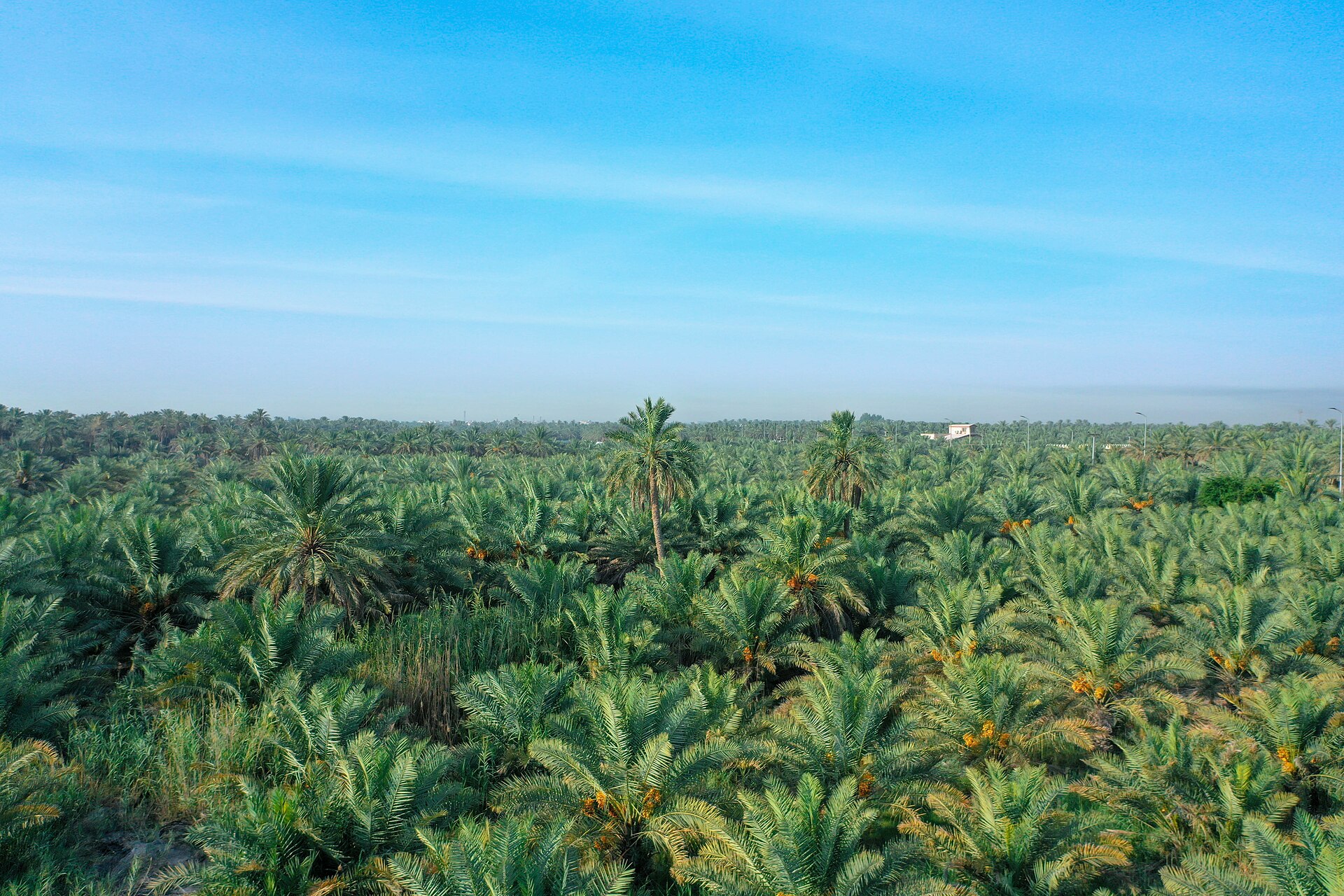
Al Ahsa is a place that defies the imagination. Tucked into Saudi Arabia’s Eastern Province, roughly 150 kilometres south of Dammam and Al Khobar, this UNESCO World Heritage Site is the largest natural oasis on earth — a staggering 85 square kilometres of date palms, ancient springs, and living history stretching back to the Neolithic period. While most visitors to the Eastern Province stick to the Dammam-Khobar corridor, Al Ahsa rewards the curious traveller with one of the Kingdom’s most authentic cultural experiences: cave networks carved by millennia of wind, a souq that has operated continuously since the Ottoman era, and over 2.5 million date palms fed by more than 150 natural springs. This guide covers everything you need to plan a visit to Al Ahsa — from its UNESCO-listed landmarks and best times to go, to practical transport, accommodation, and day-by-day itineraries.
Best Time to Visit: October – March (comfortable daytime temperatures of 20–30°C)
Getting There: Train from Riyadh (2 hours 10 minutes), drive from Dammam (1.5 hours), or fly to Al Ahsa Airport (HOF)
Visa Required: Yes — tourist e-visa available for 49+ nationalities
Budget: SAR 300–600 / US$80–160 per day (mid-range hotel, meals, transport, and entry fees)
Must-See: Jabal Al Qarah caves, Ibrahim Palace, Qaisariah Souq
Avoid: Visiting June–August when temperatures regularly exceed 45°C
Why Visit Al Ahsa?
Al Ahsa is not a museum — it is a living oasis. Farmers still tend date palms using irrigation channels that follow routes laid down centuries ago. Artisans in the Qaisariah Souq still hand-stitch the bisht, the ceremonial cloak worn by Saudi men at weddings and formal occasions. And the springs that gave birth to this oasis still bubble up from the earth, warm and mineral-rich, just as they did when the first settlers arrived thousands of years ago.
UNESCO inscribed Al Ahsa in 2018 as an “evolving cultural landscape,” recognising twelve separate components that together tell the story of how humans have shaped and been shaped by this extraordinary environment. The designation covers date palm groves, historic urban centres, archaeological sites, castles, mosques, springs, canals, wells, and Al Asfar Lake — a seasonal drainage lake that turns the desert gold at sunset. If you are following Saudi Arabia’s UNESCO World Heritage trail, Al Ahsa is one of the most rewarding stops, offering a depth of history and a sense of everyday life that few heritage sites anywhere can match.
For travellers building a broader Saudi Arabia itinerary, Al Ahsa works brilliantly as a two- or three-day addition to an Eastern Province trip. Combine it with Dammam and Al Khobar for a week that balances urban Gulf culture with one of Arabia’s oldest agricultural landscapes.
Understanding Al Ahsa: Geography and History
The Oasis
The name Al Ahsa derives from the Arabic word for the sound of underground water. The oasis sits atop a massive underground aquifer that historically fed over 280 artesian springs, pushing water to the surface without any pumping. This natural irrigation system created an island of green in the Eastern Arabian desert and made Al Ahsa a vital stop on ancient trade routes connecting Mesopotamia, the Gulf coast, and the Hejaz.
The oasis covers approximately 85.4 square kilometres and contains around 2.5 to 3 million date palms. It produces over 100,000 tonnes of dates annually, with varieties numbering between 240 and 360. The most prized is the Khalasah date — golden, buttery, and routinely named as the finest date variety in the world. The agricultural system is a marvel of engineering: a network of canals and channels distributes spring water across the palm groves, with every farmer allocated a specific time slot for irrigation, a system that has operated for centuries.
History in Brief
Human settlement at Al Ahsa stretches back at least 7,000 years. The oasis was a centre of the ancient Dilmun civilisation, which dominated Gulf trade from roughly 3000 to 600 BCE. Later, it passed through Babylonian, Sassanid, and early Islamic hands. The Jawatha Mosque, built around 628 CE, is believed to be the site of the second Friday congregational prayer in Islam — the first being held in the Prophet’s Mosque in Medina.
The Ottomans arrived in the 16th century, building the massive Ibrahim Palace as their military headquarters. Al Ahsa was incorporated into the modern Saudi state when King Abdulaziz captured it in 1913. The 1922 Uqair Protocol, signed at the coastal fort of Uqair just 70 kilometres away, helped establish the borders of modern Saudi Arabia.
Top Attractions in Al Ahsa
Jabal Al Qarah (Land of Civilisation)
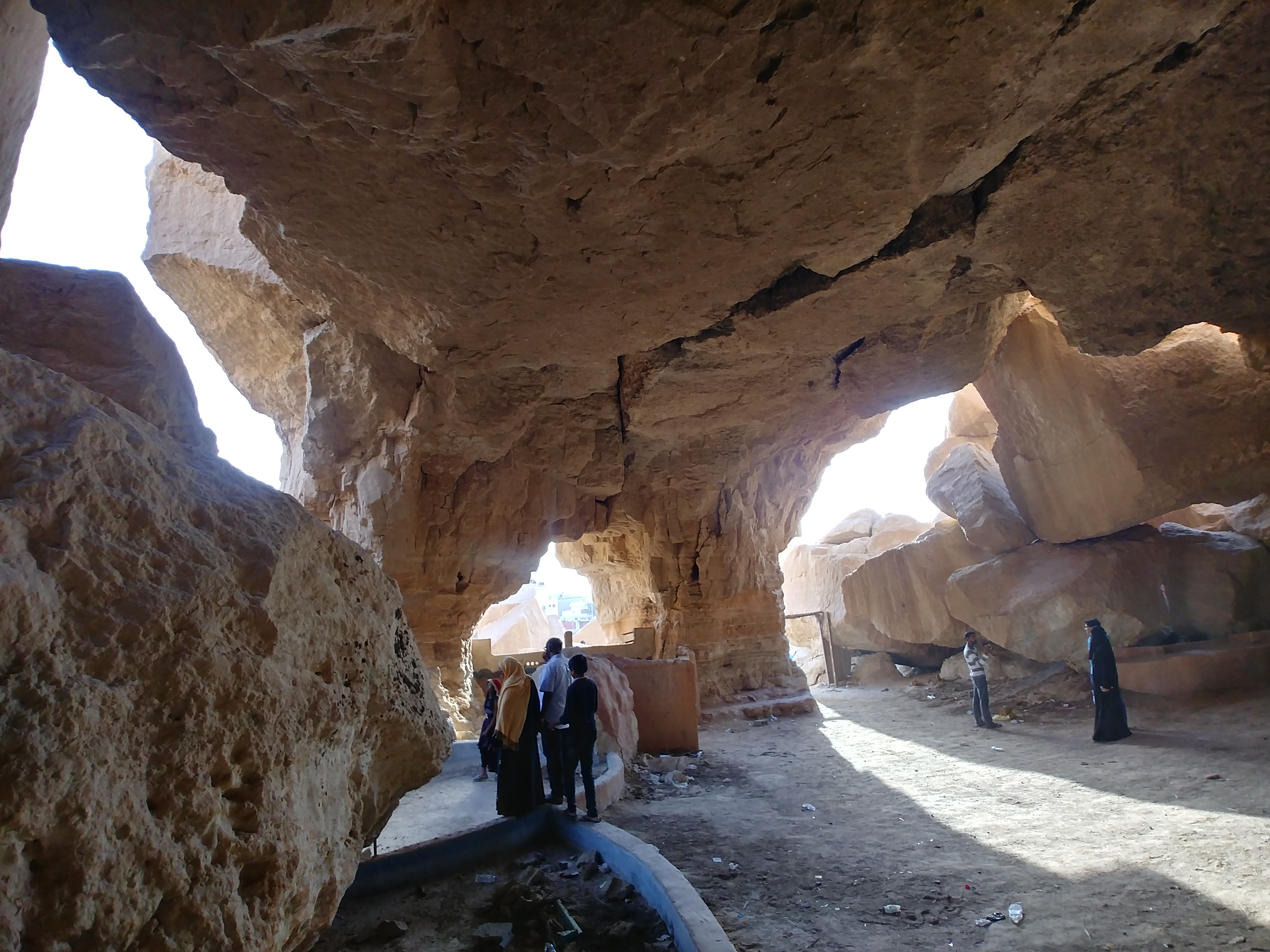
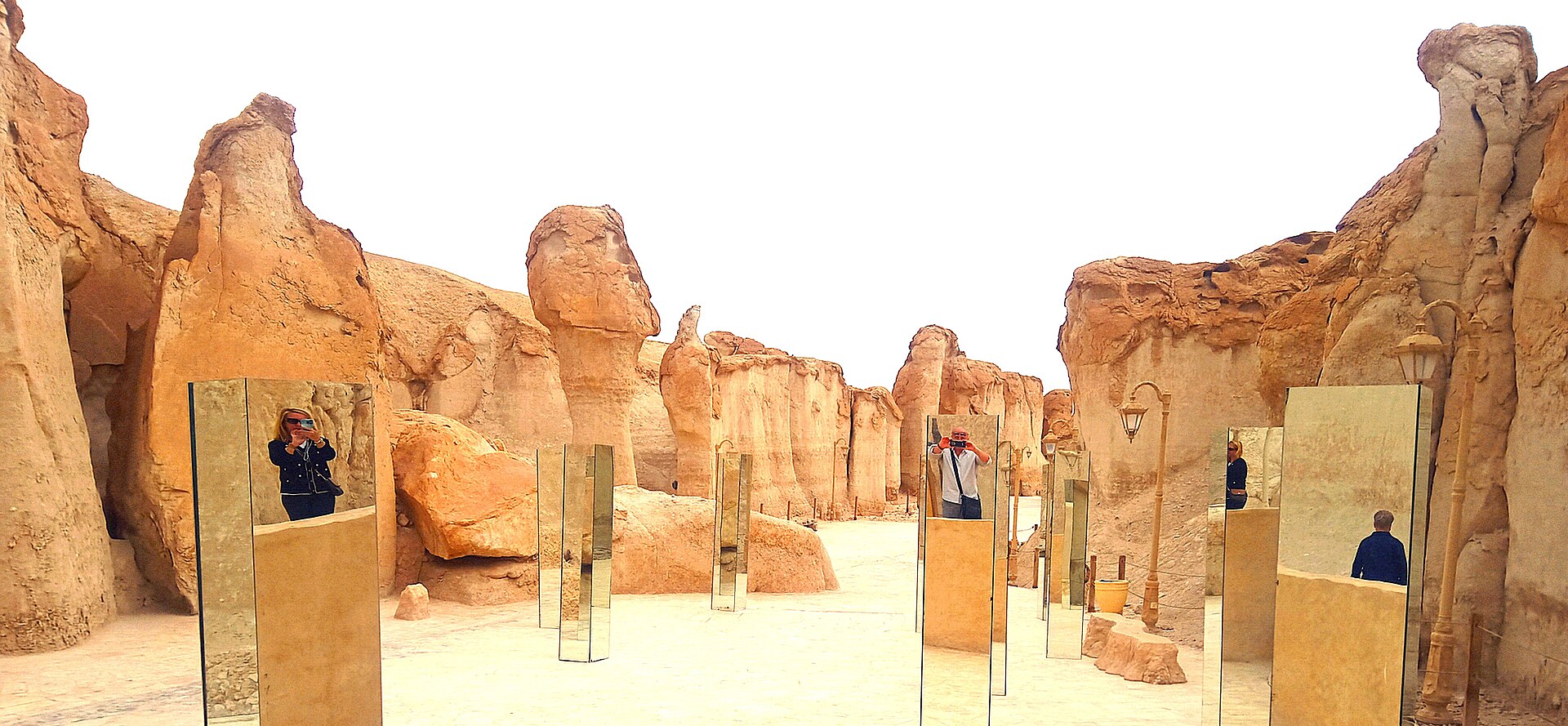
The undisputed highlight of any Al Ahsa visit. Jabal Al Qarah is a low limestone mountain riddled with natural caves that have been sculpted by wind erosion over millions of years into dramatic, otherworldly formations. The caves maintain a naturally cool temperature — around 20°C even in the searing summer — and were historically used by locals as a refuge from the heat.
The site has been developed as a visitor attraction called the “Land of Civilisation,” with manicured walkways, ambient lighting, and informational displays threading through the cave system. The rock formations range from narrow passageways with walls that seem to press in from both sides to cavernous chambers with ceilings dripping with natural stalactite-like shapes.
Practical tip: Jabal Al Qarah is open daily from 8:00 AM to 11:00 PM. Entry costs approximately SAR 50–58 per person. Visit in the late afternoon for the best light on the rock formations, and stay through sunset for golden-hour photography from the upper viewing areas. The site is fully accessible via paved paths and suitable for families.
Ibrahim Palace (Qasr Ibrahim)
Built in 1556 by Ottoman governor Ali Ibn Ahmed Ibn Lawand Al-Burayki, Ibrahim Palace is one of the finest examples of Ottoman military architecture in the Arabian Peninsula. The complex is enormous — a fortified enclosure containing barracks, horse stables, a mosque with a distinctive minaret, and arched corridors that blend Islamic architectural traditions with military pragmatism.
The palace sits in the heart of Al-Hofuf, the main city of Al Ahsa, and served as the seat of Ottoman power in the region for centuries. It was later renovated in 1801 by Saudi governor Ibrahim bin Ufaysan — some historians believe the palace was renamed in his honour. Today it is one of the twelve UNESCO-designated components of the Al Ahsa cultural landscape. Walk through the massive gates, explore the courtyard, and look for the mihrab (prayer niche) inside the mosque — the decorative tilework is exceptional.
Practical tip: Ibrahim Palace is free to enter. It is located in central Al-Hofuf and can be combined with a visit to the Qaisariah Souq, which is just a short walk away.
Qaisariah Souq
Dating to 1822, Qaisariah Souq is one of the oldest continuously operating traditional markets in Saudi Arabia and a UNESCO-listed component of the Al Ahsa cultural landscape. The souq covers 7,000 square metres and contains over 422 shops spread along covered corridors accessed through 14 gates. The architecture features elevated roofing that allows natural ventilation and light — a design perfected long before air conditioning.
This is the place to buy bishts, the hand-stitched ceremonial cloaks for which Al Ahsa is famous across the Gulf. You will also find traditional spices, incense (bukhoor), locally produced dates, perfumes, woven baskets, and colourful teapots. The souq is busiest in the late afternoon and evening, when locals come to shop and socialise.
Shopping tip: Al Ahsa’s bisht makers are considered the finest in the Gulf. Prices range from SAR 500 for a simple everyday cloak to SAR 10,000+ for an elaborately embroidered ceremonial piece. The shops near the main entrance of the souq tend to cater more to tourists; venture deeper for better prices and more authentic interactions.
Jawatha Mosque
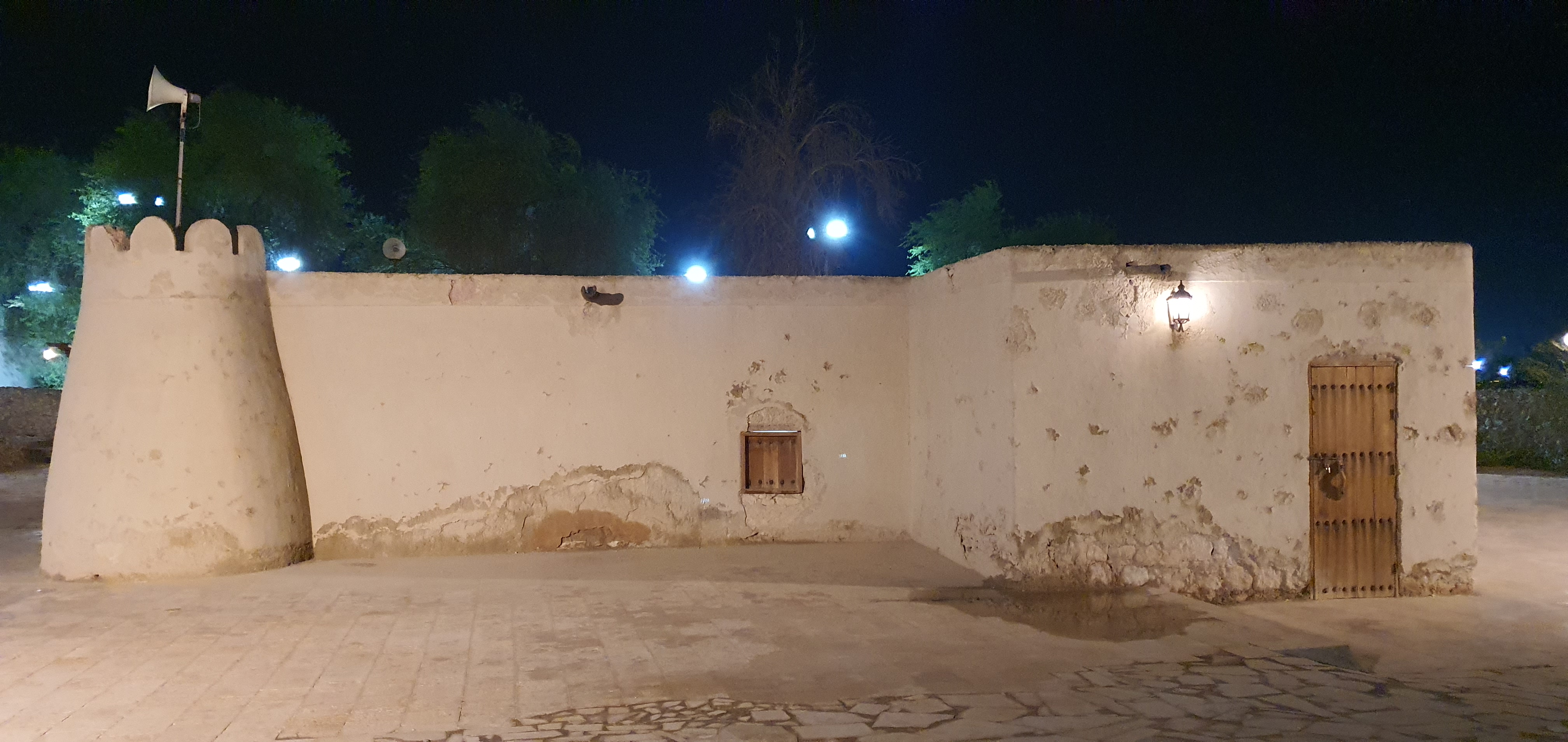
Located about 12 kilometres northeast of Hofuf, Jawatha Mosque holds a remarkable distinction: it was built around 628 CE by the Bani Abd al-Qays tribe and is believed to be the site of the second Friday congregational prayer in Islamic history. The original structure mostly fell into ruins over the centuries, but it was carefully restored in 2007 by the Saudi Commission for Tourism and National Heritage using a design that echoes the Masmak Fort in Riyadh.
The mosque sits within Jawatha Park, a pleasant green space popular with local families, especially on weekends. For travellers interested in the early history of Islam beyond the Hajj and Umrah pilgrimage sites, Jawatha Mosque is a deeply significant destination — physical evidence that Islam had reached the eastern coast of Arabia within the Prophet Muhammad’s own lifetime.
Al Asfar Lake (Yellow Lake)
Al Asfar Lake is one of the most photogenic spots in all of Eastern Saudi Arabia. This shallow seasonal lake, covering approximately 20.8 square kilometres, collects drainage water from the oasis irrigation system and sits surrounded by golden sand dunes — hence its name, “The Yellow.” The combination of turquoise water, golden sand, and green reeds creates a surreal palette that looks almost digitally enhanced in photographs.
The lake is a haven for birdwatchers, especially during the winter migratory season (November to February), when species from Central Asia and East Africa stop over. Activities include kayaking, birdwatching, photography, and simply picnicking among the dunes. The surrounding desert terrain is best accessed with a 4×4 vehicle — there are no paved roads directly to the lake.
Photography tip: Visit Al Asfar Lake in the late afternoon, about one to two hours before sunset. The low sun casts a warm golden glow across the dunes and lake surface — perfect conditions for wide-angle landscape shots. Bring a telephoto lens for migratory birds.
Natural Hot Springs
Al Ahsa’s springs are the lifeblood of the oasis, and several are open to visitors for bathing and relaxation. The most visited include:
- Al-Jawhariah Spring: Warm mineral-rich water, popular for its believed therapeutic properties. Basic changing facilities available.
- Ain Al-Harah (Al-Harrah): One of the hottest springs in the oasis, long used by locals to ease rheumatic conditions.
- Um Sab’ah Spring: A scenic warm spring surrounded by palm trees, popular for family outings.
- Ain Najm: Known for its sulfuric hot water — the strongest mineral content of any spring in Al Ahsa.
- Al-Khodoud Spring: Warm and easily accessible, with a relaxed atmosphere favoured by local families.
- Khalasah dates: The undisputed star. Buy them fresh in season (August–October) or dried year-round from any market stall. The golden variety is the most prized.
- Hasawi rice: A distinctive reddish-brown rice unique to Al Ahsa, grown in the oasis using traditional methods. Look for it served alongside lamb or chicken dishes.
- Kabsa: Saudi Arabia’s national dish — spiced rice with roasted meat — done the Al Ahsa way with local spices and sometimes topped with Khalasah dates.
- Al-Majboos: A Gulf-style rice dish with meat, similar to kabsa but with a distinct spice profile influenced by Bahraini and Kuwaiti cooking traditions.
- Arabic coffee and dates: The default welcome in every home and many restaurants. Al Ahsa’s coffee culture is deeply rooted, and you will find coffee served with dates at every turn.
- Eastern Province loop (5–7 days): Combine Al Ahsa (2–3 days) with Dammam, Al Khobar, and Dhahran (2–3 days), including a day trip across the King Fahd Causeway to Bahrain.
- Heritage trail (10–14 days): Follow the Saudi Arabia UNESCO sites trail — Riyadh’s Diriyah, then Al Ahsa, then across to Jeddah’s historic district and up to Hegra in AlUla.
- Full Saudi itinerary: Our 7, 10, and 14-day Saudi Arabia itinerary guide includes Al Ahsa as a recommended addition to the standard Eastern Province segment.
- Dammam & Al Khobar Travel Guide — Complete guide to the Eastern Province’s Gulf coast cities
- Saudi Arabia UNESCO World Heritage Sites — All of the Kingdom’s UNESCO-listed destinations in one guide
- Saudi Arabia Itinerary: 7, 10 & 14-Day Plans — Plan your perfect route across the Kingdom
- Getting Around Saudi Arabia — Trains, flights, car rental, and transport tips
- Saudi Arabia Hotels Guide — Where to stay across every region
- Saudi Arabia Visa Guide — Every visa type explained
Health note: While locals have used these springs therapeutically for centuries, visitors with skin conditions or sensitivities should test the water carefully, especially at high-mineral springs like Ain Najm.
Uqair Fort and Beach
A rewarding day trip from Al Ahsa, Uqair lies about 70 kilometres to the northeast on the Gulf coast. The fort — also known as Al-Hisn — is where the 1922 Uqair Protocol was signed, establishing the borders between Saudi Arabia and Kuwait. The 10th-century geographer al-Hamdani described Uqair as one of the most important towns in Eastern Arabia, and it served as the region’s primary seaport until well into the 20th century.
The fort itself is a compact stone structure with thick walls and an internal courtyard. The adjacent beach features soft white sand and clear Gulf waters — far less crowded than the beaches near Dammam and Al Khobar. Activities include swimming, picnicking, and camel rides along the shore.
Hofuf National Museum
Built in 1983, the Hofuf National Museum houses around 1,400 artefacts that document the rich history of the Eastern Province. The collection includes archaeological finds from the Dilmun era, Islamic-period manuscripts, historical currencies, traditional crafts, and photographic records of life in Al Ahsa before the oil era. It is a useful first stop to give context before exploring the oasis’s historical sites.
Suggested Itineraries
One Day in Al Ahsa
| Time | Activity |
|---|---|
| 8:30 AM | Arrive at Jabal Al Qarah for the caves — beat the heat and the crowds |
| 11:00 AM | Drive to Ibrahim Palace in central Hofuf |
| 12:30 PM | Lunch in Hofuf — try the local kabsa with Khalasah dates for dessert |
| 2:00 PM | Explore Qaisariah Souq for shopping and people-watching |
| 4:00 PM | Drive to Al Asfar Lake for sunset photography |
| 7:00 PM | Return to Hofuf for dinner |
Two Days in Al Ahsa
Day 1: Follow the one-day itinerary above.
Day 2: Start with a guided date farm tour in the morning — several operators offer walks through the palm groves with tastings of different date varieties. After lunch, visit Jawatha Mosque and Jawatha Park. In the afternoon, drive to one of the natural springs (Al-Jawhariah or Um Sab’ah) for a soak, then spend the evening exploring a different section of the Qaisariah Souq.
Three Days in Al Ahsa (with Uqair)
Days 1–2: As above.
Day 3: Day trip to Uqair Fort and Beach. Pack a picnic, explore the fort and its historical significance, then spend the afternoon on the beach before driving back to Hofuf for a farewell dinner. Alternatively, use the third day to visit the Hofuf National Museum and any springs you missed on Day 2.
Getting to Al Ahsa
By Train
The Saudi Railway Organisation (SAR) operates daily services connecting Al Ahsa (Hofuf station) with Riyadh and Dammam. The journey from Riyadh takes approximately 2 hours and 10 minutes and costs SAR 55–65 (US$15–17) for economy class. There are typically five departures per day. From Dammam, the train takes around 1 hour. For comprehensive transport information, see our guide to getting around Saudi Arabia.
By Car
Al Ahsa is approximately 300 kilometres east of Riyadh (about 3.5 hours by highway) and 153 kilometres south of Dammam (about 1.5 hours). Roads are excellent and well-signposted. A rental car is highly recommended for exploring the oasis and surrounding sites, as distances between attractions can be significant and public transport within Al Ahsa is limited.
By Air
Al Ahsa International Airport (IATA: HOF) is located 25 kilometres from central Hofuf. Budget carrier Flyadeal operates frequent flights from Riyadh and Jeddah. There are also weekly flights to Al Madinah and international connections to Dubai. The airport is small and efficient — expect minimal wait times.
Where to Stay
Al Ahsa’s hotel scene is centred on Hofuf and is steadily improving as tourism grows. Expect clean, comfortable mid-range options rather than luxury resorts. For broader accommodation guidance across the Kingdom, see our Saudi Arabia hotels guide.
| Hotel | Category | Approximate Price (SAR/night) | Notes |
|---|---|---|---|
| InterContinental Al Ahsa | Upscale | SAR 500–800 | Best international-standard hotel in the city; pool, gym, multiple restaurants |
| Somewhere Hotel Al Ahsa | Mid-range | SAR 300–500 | Modern, well-located, popular with Saudi domestic tourists |
| Al Koot Heritage Hotel | Heritage | SAR 250–400 | Traditional character; close to the old quarter and souq |
| Braira Al Ahsa | Mid-range | SAR 250–400 | Near the airport; good option if arriving late |
| Grand Day Hotel | Budget | SAR 120–250 | Clean and functional; good base for budget travellers |
Booking tip: Hotel prices drop significantly during the summer months (May–September) when visitor numbers decline due to extreme heat. Winter weekends (Thursday–Friday) are the busiest periods — book at least two weeks in advance if visiting between November and February.
Food and Dining
Al Ahsa’s culinary identity is rooted in its oasis agriculture and Gulf traditions. The local food scene may lack the international variety of Dammam and Al Khobar, but what it offers is deeply authentic.
Local Specialities to Try
Where to Eat
Hofuf’s main dining options are concentrated along King Abdulaziz Road and around the Al-Rashid Mall area. For the most authentic experience, look for local restaurants in the old quarter near the Qaisariah Souq, where family-run spots serve traditional dishes at very reasonable prices. Expect to spend SAR 30–50 per person for a filling local meal.
Practical Information
Best Time to Visit
Al Ahsa’s climate is desert continental with extreme summer heat. The ideal window is October to March, when daytime temperatures range from 20°C to 30°C and evenings are cool and pleasant. December and January can see overnight temperatures dip to 10°C, so bring a light jacket for evening excursions.
Avoid June to August unless you have a high tolerance for heat — temperatures regularly exceed 45°C and can touch 50°C. Even Jabal Al Qarah’s naturally cool caves cannot compensate for the journey to reach them under a midsummer sun.
Visa Information
Most international visitors to Saudi Arabia can obtain a tourist e-visa online. The e-visa allows a one-year multiple-entry stay with a maximum of 90 days per visit. For full details on eligibility, costs, and the application process, see our comprehensive Saudi Arabia visa guide.
Getting Around Al Ahsa
Public transport within Al Ahsa is limited. A rental car is strongly recommended — you will need one to reach Jabal Al Qarah, Al Asfar Lake, Jawatha Mosque, and the hot springs, all of which are spread across the oasis. Ride-hailing apps (Uber and Careem) work in Hofuf but may have longer wait times than in major cities. For Al Asfar Lake specifically, a 4×4 vehicle is advisable as the final approach is unpaved desert terrain.
Money and Costs
Al Ahsa is significantly cheaper than Riyadh, Jeddah, or the Dammam-Khobar corridor. A comfortable mid-range daily budget breaks down roughly as follows:
| Expense | Budget (SAR) | Mid-Range (SAR) |
|---|---|---|
| Hotel | 120–200 | 300–500 |
| Meals (3 per day) | 60–100 | 120–200 |
| Transport (car rental/fuel) | 100–150 | 150–250 |
| Entry fees & activities | 50–80 | 80–150 |
| Daily Total | SAR 330–530 | SAR 650–1,100 |
Cultural Etiquette
Al Ahsa is more conservative than Saudi Arabia’s major cities. Dress modestly — shoulders and knees covered for both men and women. Women are not required to wear an abaya but should dress conservatively, particularly when visiting mosques or the souq. Photography is generally welcomed at tourist sites, but always ask permission before photographing local people, especially women.
Ramadan Considerations
During Ramadan, restaurants close during daylight hours and site opening times may change. However, visiting Al Ahsa during Ramadan offers a unique cultural experience — the evening iftar (breaking of the fast) in the souq and at local restaurants is a communal, festive occasion. Plan your sightseeing for late afternoon and evening.
Al Ahsa as Part of a Wider Trip
Al Ahsa works best as part of a broader Eastern Province or cross-country Saudi itinerary. Here are the most logical combinations: