
Jubail is one of Saudi Arabia’s most unexpected travel destinations — a city where the world’s largest industrial complex meets pristine Arabian Gulf coastline, ancient archaeological ruins, and a growing network of beaches, parks, and waterfront promenades. Located on the Eastern Province coast roughly 100 kilometres north of Dammam and Al Khobar, Jubail defies easy categorisation. It is at once an engineering marvel, a family-friendly beach town, and a quiet portal into Arabia’s deep pre-Islamic past. Whether you are visiting on a business trip to the petrochemical heartland or specifically seeking out the Eastern Province’s lesser-known coastline as part of a broader Saudi Arabia travel itinerary, Jubail rewards visitors who take the time to explore beyond the factory gates.
Best Time to Visit: November to February (mild temperatures, 18–25°C)
Getting There: Fly into King Fahd International Airport (DMM) in Dammam, then drive 90 km north (approx. 1 hour)
Visa Required: Yes — tourist e-visa
Budget: $80–$200/day (mid-range hotel, meals, transport)
Must-See: Fanateer Beach & Corniche, Jubail Church ruins, Jubail Marine Wildlife Sanctuary
Avoid: Visiting June–September when temperatures regularly exceed 45°C with extreme humidity
Why Visit Jubail?
Most travellers to Saudi Arabia head for Riyadh’s skyscrapers, Jeddah’s historic Al Balad district, or the ancient Nabataean tombs of AlUla. Jubail rarely features on mainstream itineraries, and that is precisely its appeal. The city offers a side of the Kingdom that few visitors ever see: a meticulously planned industrial metropolis where manicured parks line wide boulevards, where families gather on sandy Gulf beaches at sunset, and where one of the oldest church buildings on the Arabian Peninsula sits quietly in the desert.
Jubail’s metro area population has grown to approximately 712,000 as of 2025, driven largely by the massive Jubail Industrial City — established by royal decree in 1975 as part of Saudi Arabia’s drive to diversify beyond crude oil exports. The Royal Commission for Jubail and Yanbu transformed what was once a small fishing village of around 160 boats into a city covering over 1,016 square kilometres, home to some of the world’s largest petrochemical, steel, and fertiliser plants.
But Jubail is far more than smokestacks and shipping lanes. The residential and recreational areas, particularly the Fanateer district along the coast, offer genuinely pleasant beaches, a well-maintained corniche, thriving restaurants, and a relaxed pace of life that contrasts sharply with the intensity of Riyadh or Jeddah.
A Brief History of Jubail
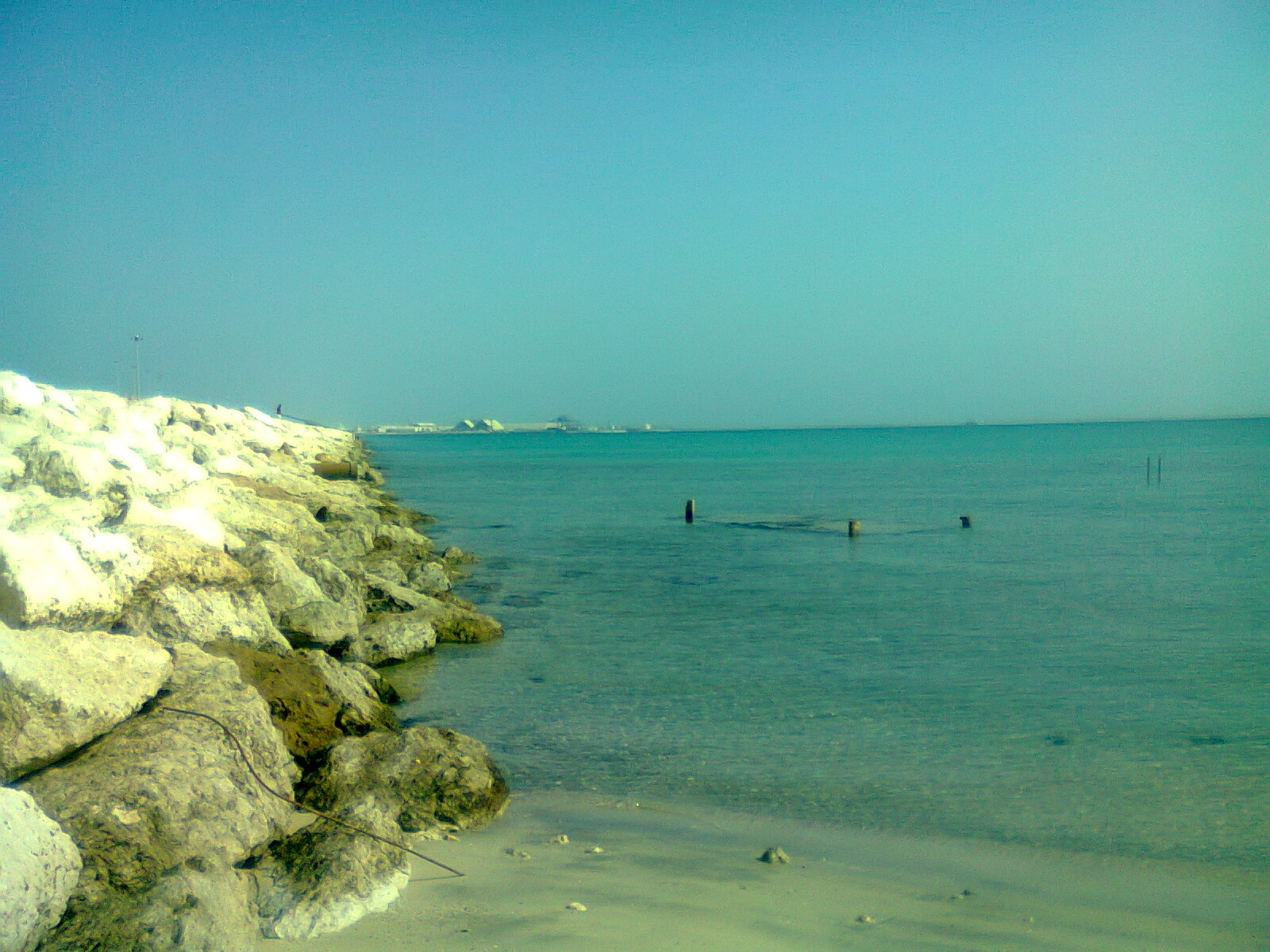
Long before the petrochemical plants and desalination facilities, Jubail was a small but strategically significant port on the Arabian Gulf. Archaeological evidence suggests human settlement in the area stretching back thousands of years. The old town, known locally as Jubail Balad, was a fishing village where dhows departed for pearl-diving expeditions and trade routes connected the Gulf coast to the interior of the Arabian Peninsula.
The Jubail Church: Arabia’s Ancient Christian Heritage
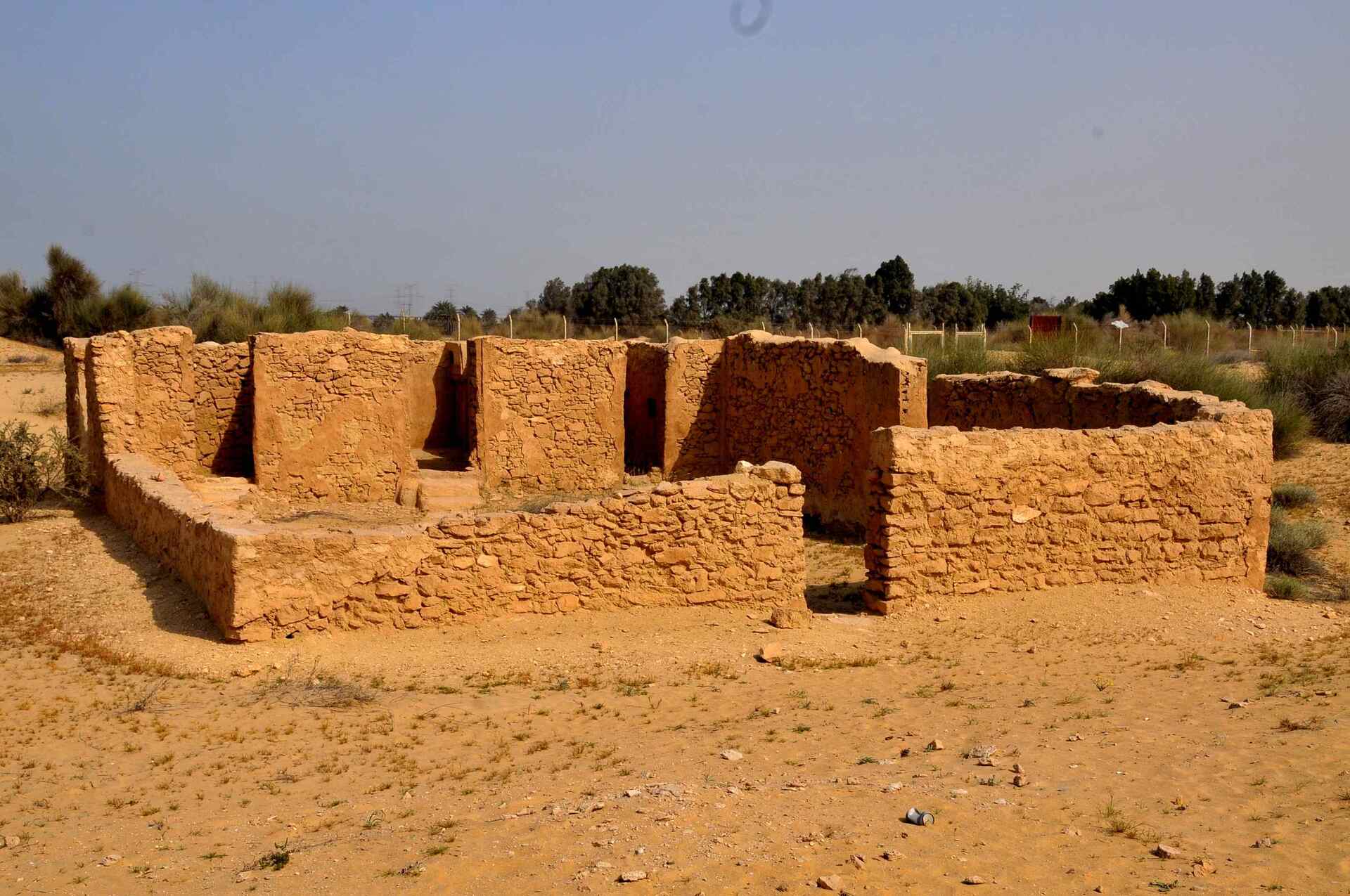
Perhaps Jubail’s most remarkable historical asset is the Jubail Church, discovered in 1986 and excavated by the Saudi Department of Antiquities in 1987. This ancient structure — believed by some scholars to date as far back as the fourth century CE, while others place it in the seventh century — is one of the few known pre-Islamic Christian buildings on the Arabian Peninsula. The modest stone ruins, with their clearly defined apse and nave, offer a tangible reminder that eastern Arabia was once home to thriving Nestorian Christian communities connected to the broader Church of the East.
Other Archaeological Sites
The Jubail area contains several other notable archaeological sites worth knowing about:
- Crease Archaeological Tower: Built in 1928, this watchtower has witnessed Jubail’s transformation from fishing village to industrial powerhouse. It is located within the residential area and accessible to visitors.
- Dosariyah Archaeological Site: One of the oldest settlement sites in the Eastern Province, featuring remains that suggest habitation dating to the fifth millennium BCE.
- Mardouma Archaeological Site: Discovered within the Jubail Industrial City boundary in 2011, this site has yielded artefacts from various periods of Arabian Gulf history.
- Al-Dafi Archaeological Site: Uncovered between 1982 and 1986 during industrial city construction, providing evidence of ancient craft production and trade.
Beaches and the Fanateer District
Jubail’s main draw for leisure visitors is its coastline. The city has five main public beaches — Al Nakheel Beach, Fanateer Beach, Al Baha Beach, Dareen Beach, and Jalmudah Beach — each offering slightly different character and facilities. The Fanateer district, located roughly 20 kilometres from Jubail’s downtown area, is the city’s undisputed leisure hub. It is where most hotels, restaurants, cafes, and entertainment venues are concentrated, and where residents and visitors alike gather for evening promenades along the waterfront.
Al Fanateer Beach
Fanateer Beach is Jubail’s flagship public beach and one of the best on the Eastern Province coast. It features a long stretch of golden sand backed by green lawns shaded with palm trees, paved walking paths, dedicated picnic areas with barbecue facilities, and a children’s playground. The beach is well-maintained and cleaned regularly, with washroom facilities available. Water sports such as kayaking and jet-skiing are available seasonally. Local families particularly favour this beach for weekend gatherings, and the atmosphere on Thursday and Friday evenings is lively and welcoming.
Al Nakheel Beach
Al Nakheel Beach is widely considered Jubail’s most popular beach. Set within a large park area, it offers rest areas, shaded seating under trees, restrooms, and an adjacent green space where children can play. The beach is particularly well-suited for families with young children. Activities include kayaking, beach volleyball, and simply relaxing with a barbecue as the sun goes down over the Gulf. Al Nakheel is cleaner and quieter than some of the more urban stretches, making it a good choice for visitors who prefer a more relaxed setting.
Jubail Corniche
The Jubail Corniche is a 2.5-kilometre waterfront promenade that runs along the coast in the Fanateer area. It is one of the best-kept corniches in the Eastern Province, with landscaped gardens, sculptures, benches, and views over the Arabian Gulf. Joggers, runners, and families strolling in the cooler evening hours make it a vibrant social space. The corniche is lined with cafes, juice bars, and restaurants serving everything from shawarma and grilled seafood to international chains. For visitors staying in Jubail, an evening walk along the corniche is an essential experience.
Tip: The Fanateer area comes alive after sunset. Temperatures drop to comfortable levels, and the corniche fills with families, couples, and groups of friends. Plan your visit for late afternoon to enjoy the golden hour on the beach before transitioning to a corniche walk and dinner at one of the waterfront restaurants.
The Jubail Industrial City
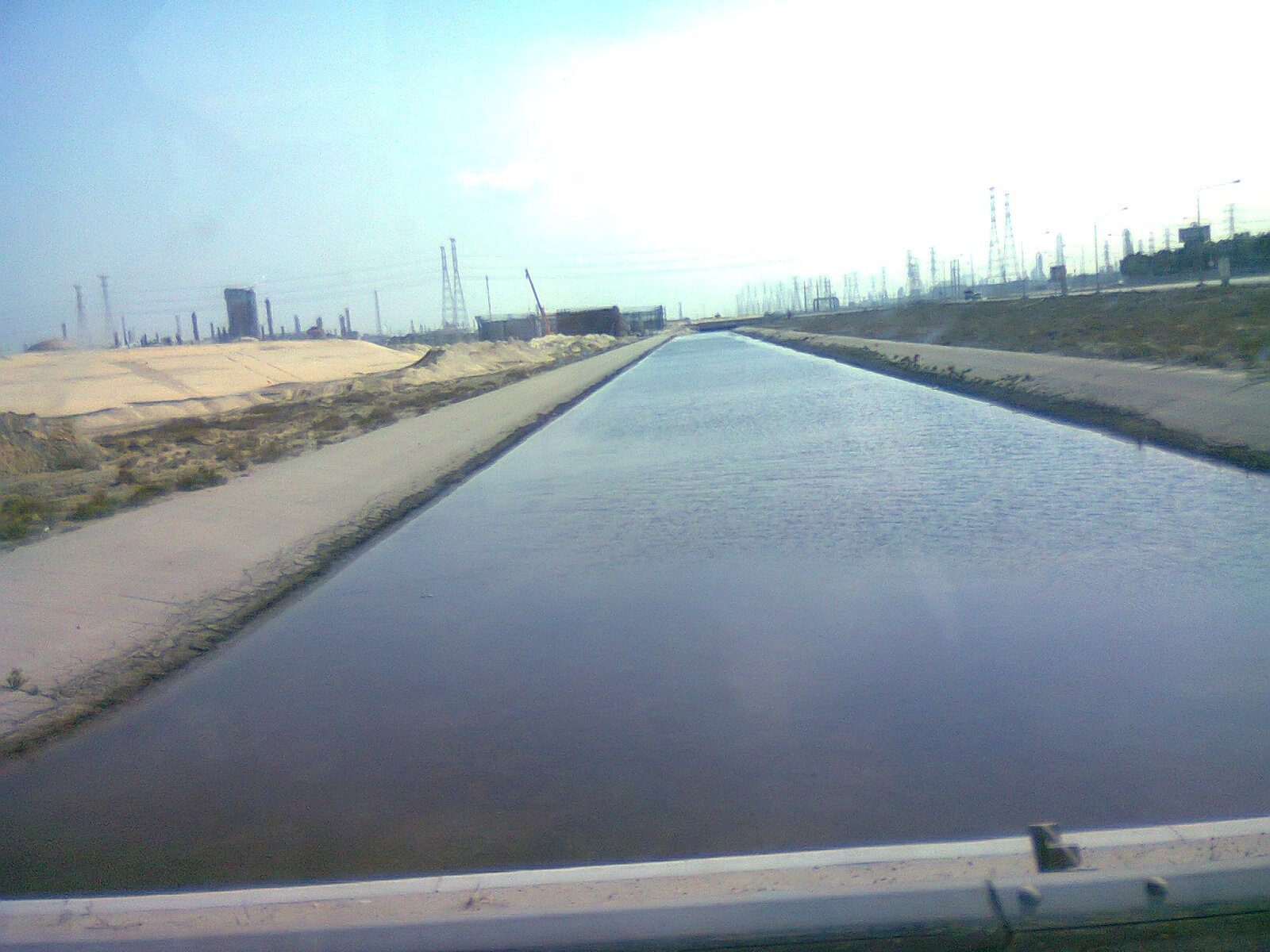
No account of Jubail would be complete without acknowledging the extraordinary scale of its industrial complex. Established in 1975 by the Royal Commission for Jubail and Yanbu, Jubail Industrial City was one of the most ambitious civil engineering projects in history. The Royal Commission was established by royal decree with a mandate to develop the city as a base for heavy industry, leveraging Saudi Arabia’s vast hydrocarbon reserves as feedstock for petrochemical production rather than simply exporting crude oil.
Today, Jubail Industrial City covers over 1,016 square kilometres and is home to major industrial players including SABIC (Saudi Basic Industries Corporation), one of the largest petrochemical companies in the world. The complex produces petrochemicals, refined petroleum products, steel, aluminium, plastics, and fertilisers. It includes a major commercial harbour, desalination plants, power stations, and an extensive road and rail network.
While the industrial zones themselves are not tourist attractions in the traditional sense, the sheer scale of the operation is genuinely impressive. The contrast between the gleaming industrial infrastructure and the quiet residential neighbourhoods just a few kilometres away gives Jubail a character unlike any other city in Saudi Arabia.
Jubail Marine Wildlife Sanctuary
The Jubail Marine Wildlife Sanctuary is one of the Eastern Province’s most significant natural assets. Covering approximately 2,300 square kilometres with over 400 kilometres of coastline, it protects a remarkable diversity of marine and coastal habitats. The sanctuary encompasses mangrove forests, seagrass beds, mudflats, salt marshes, and five offshore coral islands.
Over 200 bird species have been recorded within the sanctuary, including flamingos, western reef herons, ospreys, and various migratory shorebirds. Marine life includes dugongs, sea turtles, dolphins, and a wide variety of fish species that use the seagrass beds as nursery grounds. The sanctuary was established partly in response to the massive oil spill during the 1991 Gulf War, which devastated the area’s coastline. Decades of recovery and conservation work have restored much of the ecosystem.
For visitors interested in birdwatching or marine ecology, the sanctuary provides an extraordinary opportunity. Access is somewhat limited compared to more tourist-oriented nature reserves, but guided excursions can be arranged through local operators. The best time for birdwatching is during the winter migration season (November to March), when the mudflats and mangroves teem with migratory species.
Note for divers: If you are interested in exploring Saudi Arabia’s underwater world, the Eastern Province offers different conditions from the Red Sea coast. The Gulf waters around Jubail tend to be warmer and shallower, with lower visibility but unique marine ecosystems. For world-class diving, consider combining your Jubail visit with a trip to the Red Sea coast, where coral reefs and visibility are outstanding.
Parks and Green Spaces
One of Jubail’s most pleasant surprises for first-time visitors is how green the city is. The Royal Commission invested heavily in landscaping and park development, creating an urban environment that feels remarkably lush for a city in the Arabian Gulf desert.
Deffi Park
Deffi Park is widely regarded as Jubail’s best park. It features extensive green lawns, plenty of mature shade trees, a designated barbecue area with seating, and a range of rides and play equipment for children. The park has ample parking and is well-maintained year-round. It is a favourite gathering spot for families on weekends, particularly during the cooler months.
King Fahd Park
King Fahd Park is one of the largest public parks in Jubail, offering walking trails, open green spaces, playgrounds, and shaded picnic areas. The park is popular with joggers in the early morning and families in the evenings. Its size means it rarely feels crowded, even during peak weekend hours.
Al Nakheel Park
Adjacent to Al Nakheel Beach, this park combines coastal access with landscaped green space. It is ideal for families who want to move between beach activities and park-based recreation without getting in the car.
Shopping and Dining
Shopping
Jubail’s main shopping destinations are concentrated in the Fanateer area:
- The Galleria: Jubail’s premier shopping, dining, and entertainment destination. It houses a wide range of retail stores, restaurants, a cinema, and entertainment facilities for families. This is the go-to mall for visitors looking for a modern shopping experience.
- Al Rashid Mall: A major shopping centre featuring international brands, local boutiques, a food court, and entertainment options. It is slightly more centrally located than The Galleria and serves as a one-stop destination for essentials and leisure shopping alike.
- Fanateer Mall: A three-storey waterfront mall overlooking the Arabian Gulf. The ground and first floors house retail stores, restaurants, and cafes, while the third floor is dedicated to office space. Its shorefront location makes it a pleasant place to browse while enjoying Gulf views.
Dining
Jubail’s dining scene has grown significantly in recent years, particularly along the Fanateer corniche and within the major malls. Expect to find:
- Seafood: Fresh catches from the Arabian Gulf are a staple. The Jubail Fish Market is a bustling daily marketplace where you can buy fresh fish and seafood directly from fishermen — a genuine local experience and a must-visit for food enthusiasts.
- Arabic cuisine: Shawarma, grilled meats, mezze, and traditional Saudi rice dishes are widely available at restaurants throughout the Fanateer area and downtown.
- International chains: Major global food chains are present in the malls and along main roads.
- Cafes and juice bars: The corniche area is particularly well-served by cafes offering Arabic coffee, fresh juices, and light snacks. These make ideal stops during an evening promenade.
Tip: Alcohol is prohibited throughout Saudi Arabia, including in Jubail. Cafes, juice bars, and mocktail venues offer creative non-alcoholic alternatives. Many of the corniche cafes specialise in elaborate fresh juice blends and Arabic coffee preparations.
Jubail Marina
The Fanateer Marina is a waterfront recreational area known for its manicured gardens, public sculptures, and marina filled with private yachts and boats. It serves as a hub for marine leisure activities including fishing trips, sailing excursions, and water sports. The marina area is also surrounded by restaurants and cafes, making it a pleasant destination for a leisurely afternoon or evening. Boat charters for fishing or sunset cruises on the Gulf can be arranged through operators based at the marina.
Where to Stay in Jubail
Jubail offers a range of accommodation from luxury beachfront resorts to practical business hotels. The majority of tourist-oriented accommodation is concentrated in the Fanateer area, close to the beaches and corniche.
| Hotel | Category | Key Features | Price Range (per night) |
|---|---|---|---|
| InterContinental Al Jubail | Luxury | Private beach, diving centre, 34 acres of gardens, multiple restaurants | $200–$400 |
| Alreem Hotel | 5-star | 24-hour business centre, children’s pool and playground, meeting rooms | $150–$300 |
| Coral Jubail Hotel | 4-star | Seafront location, panoramic Gulf-view restaurant, modern rooms | $100–$200 |
| Hilton Garden Inn Al Jubail | Upper mid-range | Multiple dining options, fitness centre, business-friendly amenities | $90–$180 |
| SAS Hotel Jubail | Mid-range | Close to the Corniche, modern rooms, restaurant on-site | $70–$130 |
For the best experience, choose a hotel in the Fanateer area. This puts you within walking distance of the beach, corniche, restaurants, and malls. The InterContinental is the standout luxury option, with its own private beach and extensive grounds, but mid-range options like the Coral Jubail and Hilton Garden Inn offer excellent value. For more accommodation options across the Kingdom, see our Saudi Arabia Hotels Guide.
Getting to Jubail
By Air
The nearest major airport is King Fahd International Airport (DMM) in Dammam, approximately 89 kilometres south of Jubail. This is one of Saudi Arabia’s largest airports, served by Saudia, flynas, Gulf Air, Etihad Airways, Kuwait Airways, and other regional carriers. Flights connect Dammam to Riyadh (1 hour), Jeddah (2 hours), and major international hubs.
From the airport, the drive to Jubail takes approximately one hour via the coastal highway. Rental cars are available at the airport from all major international agencies. Taxis and ride-hailing services (Uber and Careem operate throughout Saudi Arabia) can also make the trip.
Jubail also has a local airfield, Jubail Airport, located 25 kilometres west of the city. However, this facility primarily serves the Royal Saudi Naval Aviation group and does not handle regular commercial passenger flights.
By Road
Jubail is connected to the rest of the Eastern Province and Saudi Arabia by well-maintained highways:
- From Dammam/Al Khobar: Approximately 90 km north via the coastal highway (Route 615). Drive time: about 1 hour.
- From Riyadh: Approximately 420 km east via Highway 40. Drive time: about 4 hours.
- From Bahrain: Cross the King Fahad Causeway to Al Khobar, then drive north. Total journey: approximately 2 hours including border crossing.
Visa Requirements
All visitors to Saudi Arabia need a valid visa. Citizens of over 60 countries can obtain a tourist e-visa online before travel or on arrival. The e-visa costs approximately $160 (including insurance) and is valid for one year with multiple entries, allowing stays of up to 90 days per visit. Visitors from GCC countries do not require a visa.
Best Time to Visit Jubail
Jubail has a hot desert climate moderated by its coastal position, but summers are still extreme. Here is what to expect throughout the year:
| Season | Months | Temperature Range | Conditions |
|---|---|---|---|
| Winter (Best) | December–February | 12–22°C | Pleasant, ideal for beaches and outdoor activities |
| Spring | March–April | 20–32°C | Warm and comfortable, good for visiting |
| Summer | May–September | 36–50°C | Extremely hot and humid, avoid if possible |
| Autumn | October–November | 25–35°C | Cooling down, acceptable for outdoor activities |
The November to February window is unquestionably the best time to visit. Temperatures are mild, the humidity drops to comfortable levels, and the beaches and parks are at their most inviting. January is the coolest month, with daytime temperatures around 18–22°C — genuinely pleasant by Gulf standards. Avoid the June to September period if at all possible: temperatures regularly exceed 45°C with punishing humidity, making outdoor activities uncomfortable and potentially dangerous.
Day Trips from Jubail
Jubail’s location on the Eastern Province coast puts several interesting destinations within easy reach:
Dammam and Al Khobar
The Eastern Province’s twin cities are just one hour south of Jubail. Dammam and Al Khobar offer a larger selection of restaurants, malls, and cultural attractions, including the Dammam Corniche, the King Abdulaziz Center for World Culture (Ithra) in Dhahran, and the vibrant Al Khobar waterfront. The King Fahad Causeway connecting Saudi Arabia to Bahrain departs from the Al Khobar area.
Half Moon Bay
Located south of Al Khobar, Half Moon Bay is one of the Eastern Province’s most popular beach destinations, with a crescent-shaped stretch of sand, resort facilities, and water sports. It makes an excellent day trip when combined with Al Khobar.
Ras Tanura
Just south of Jubail, the town of Ras Tanura is home to one of the world’s most important oil export terminals. While the Aramco facilities are not open to casual visitors, the town has a pleasant beach area and offers insight into the Eastern Province’s oil heritage.
Al Ahsa Oasis
For a longer day trip or overnight excursion, the UNESCO World Heritage-listed Al Ahsa Oasis is approximately 250 kilometres southwest of Jubail. It is the largest natural oasis in the world, with over 2.5 million palm trees, historic forts, traditional markets, and a unique cultural landscape.
Practical Tips for Visitors
- Dress code: Saudi Arabia has relaxed its dress code for tourists significantly, but modest clothing is still expected. In Jubail, casual Western clothing is acceptable in malls, restaurants, and beaches, though swimwear should be limited to beach areas.
- Weekend: The Saudi weekend is Friday and Saturday. Thursday evenings, Fridays, and Saturdays are when beaches and the corniche are busiest.
- Currency: Saudi Riyal (SAR). Credit cards are widely accepted. ATMs are readily available in malls and throughout the Fanateer area.
- Language: Arabic is the official language. English is widely spoken in hotels, malls, and by many business professionals due to the international workforce in the industrial city.
- Transport: Jubail is very much a car city. Rental cars are the most practical option for visitors. Uber and Careem operate in the city. There is no metro or tram system.
- Safety: Jubail is extremely safe. Crime rates are very low, and the city is well-policed and well-lit. Solo travellers, including women, can move freely without concern.
- Photography: Do not photograph industrial facilities, military installations, or government buildings. Beach and public area photography is generally fine, but always ask permission before photographing individuals.
- Ramadan: During the holy month of Ramadan, restaurants and cafes are closed during daylight hours. Non-Muslim visitors are not required to fast but should refrain from eating, drinking, or smoking in public during fasting hours.
Jubail for Hiking and Outdoor Activities
While Jubail itself is coastal flatland rather than mountain terrain, the Eastern Province offers some outdoor opportunities. The beaches provide excellent conditions for jogging, cycling (the corniche paths are popular with cyclists), and water sports. For serious hiking and trekking, you would need to travel to the Asir highlands near Abha or the dramatic landscapes around Tabuk and NEOM in the northwest.
However, the Jubail Marine Wildlife Sanctuary does offer nature walks and birdwatching opportunities along its coastal trails, particularly during the winter months when migratory species are present.
Is Jubail Worth Visiting?
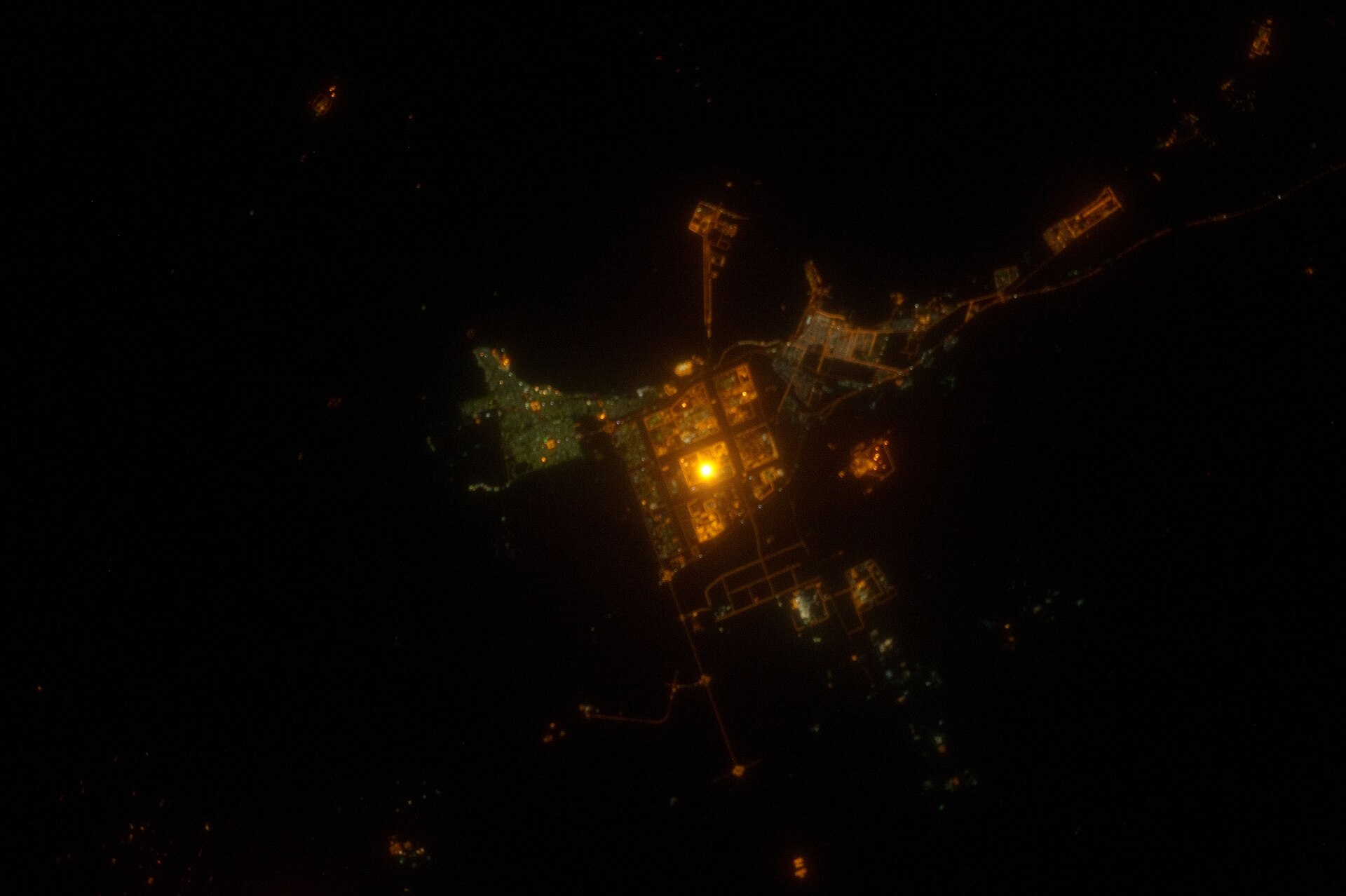
Jubail will not be for everyone. It does not have the cultural density of Jeddah, the cosmopolitan energy of Riyadh, or the archaeological grandeur of AlUla. What it offers instead is something rarer: an honest glimpse into how modern Saudi Arabia actually works. This is a city where the Kingdom’s industrial ambitions are physically manifest — where you can see the scale of economic diversification that has been underway since the 1970s. Combined with genuinely pleasant beaches, a surprising depth of ancient history, and the warm hospitality of a community not accustomed to (but welcoming of) tourists, Jubail makes for a rewarding addition to any Eastern Province itinerary.
If you are already visiting Dammam or Al Khobar, allocating one to two days for Jubail is highly recommended. If you are specifically interested in Saudi industrial heritage, marine wildlife, or pre-Islamic archaeology, Jubail deserves a dedicated visit of two to three days.
Explore More Saudi Arabia Travel Guides
- Dammam & Al Khobar Travel Guide — The complete guide to Saudi Arabia’s Eastern Province twin cities
- Riyadh Travel Guide 2026 — Everything you need to know about visiting the Saudi capital
- Jeddah Travel Guide 2026 — Gateway to the Red Sea coast and historic Al Balad
- AlUla Travel Guide 2026 — Nabataean tombs, Elephant Rock, and desert landscapes
- Saudi Arabia Travel Guide 2026 — The complete guide to visiting the Kingdom
- Saudi Arabia Visa Guide — Every visa type explained, including the tourist e-visa