
Best Season: October–March
Top Regions: Riyadh Red Sands, Empty Quarter (Rub’ al Khali), AlUla, Tabuk, Hail
Visa Required: Yes — tourist e-visa
Half-Day Tour From: SAR 150–350 per person (~USD 40–95); private full-day from SAR 800+
Vehicle: Toyota Land Cruiser or Nissan Patrol (most common); Mercedes G-Class on luxury tours
Avoid: Driving solo into the desert without an experienced licensed guide — navigation, soft sand, and heat all carry serious risks
Saudi Arabia holds some of the most dramatic desert terrain on earth — from the fire-red dunes outside Riyadh to the colossal star dunes of the Rub’ al Khali, the world’s largest continuous sand sea. Dune bashing — the exhilarating sport of driving a powerful 4×4 over the crests and faces of desert dunes — has become one of the Kingdom’s most sought-after adventure activities since tourism opened to international visitors in 2019. If you’re planning a trip using the Saudi Arabia Travel Guide 2026, putting a dune bashing session on your itinerary is close to mandatory. Nothing else captures the scale, silence, and raw adrenaline of the Arabian desert quite like it.
This guide covers the best locations for dune bashing across the Kingdom, the operators worth booking, exactly what to expect on the day, vehicle types, pricing, and the safety rules that keep every run alive.
What Is Dune Bashing?
Dune bashing is a form of off-road driving in which a skilled desert driver takes a purpose-prepared 4×4 vehicle up, over, and down steep sand dunes at varying speeds, combining terrain reading, throttle control, and momentum management to avoid getting stuck or rolling. The experience for passengers is something between a roller coaster and a boat in heavy swell — stomach-dropping descents, lurching climbs, and lateral slides across sand that has the consistency of freshly poured concrete on a firm dune face and deep powder in the troughs.
The sport emerged organically among Gulf residents in the 1980s and 1990s as a weekend pastime. In Saudi Arabia it has always had a devoted local following — the Kingdom’s vast interior deserts make it one of the few places on earth where you can drive for hours without leaving sand. Under Vision 2030’s push to develop adventure tourism, the activity is now formally packaged for international visitors with licensed operators, trained guides, and structured safety protocols.
Dune bashing in Saudi Arabia is not a simulation of adventure — the dunes are genuinely enormous, the distances are real, and the desert demands respect. That is exactly why it is worth doing.
The Best Regions for Dune Bashing in Saudi Arabia
1. The Red Sands — Riyadh’s Desert Backyard
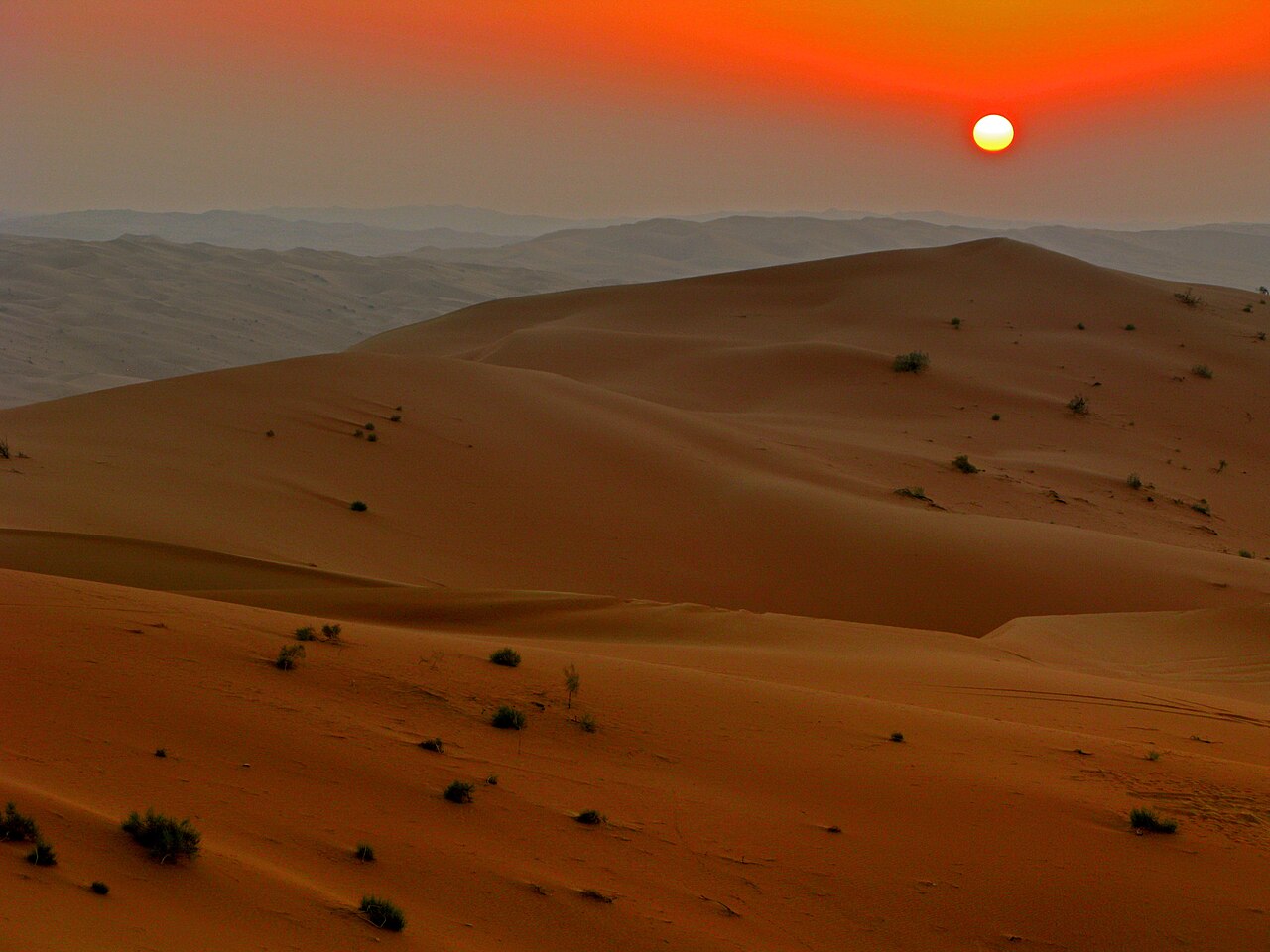
The most accessible dune bashing in the Kingdom is found in the Red Sands (known locally as Al-Nafud Al-Ahmar), a band of iron-oxide-rich dunes stretching south and east of Riyadh. The sand here has a distinctive terracotta colour that deepens dramatically at golden hour — photographers and first-timers both love this location for that reason. The dunes reach heights of 20–30 metres, enough for a proper run without being overwhelming, which makes this the natural starting point for dune bashing newcomers.
Most Riyadh-based operators run half-day afternoon departures from the city — you leave after 3pm, bash the dunes during golden hour, then settle at a desert camp for coffee, dates, and a campfire dinner as stars emerge. The round trip from central Riyadh takes 45 minutes to an hour depending on traffic. Expect active dune driving for 30–45 minutes as part of a longer desert experience that may also include sandboarding, quad biking, and camel rides.
Operator highlight: Riyadh Trips and multiple operators listed on GetYourGuide and Viator offer Red Sands group tours from around SAR 150–250 per person for evening experiences. Private full-day expeditions with a dedicated captain run SAR 800–1,400. The Mandarin Oriental Riyadh offers an 8-hour luxury desert excursion at SAR 1,400 per person (SAR 1,120 for loyalty members), which includes a private Land Cruiser, specialist guide, and catered refreshments.
2. The Empty Quarter (Rub’ al Khali)
The Rub’ al Khali is in a different category entirely. Covering approximately 650,000 square kilometres — roughly the size of France — and spanning Saudi Arabia, Oman, the UAE and Yemen, it is the largest uninterrupted sand sea on the planet. The Saudi portion sits across the Kingdom’s southern provinces, with the main access points being Shaybah in the southeast (an oilfield town not generally accessible to tourists), Najran and Sharurah in the southwest, and Harad in the centre-north.
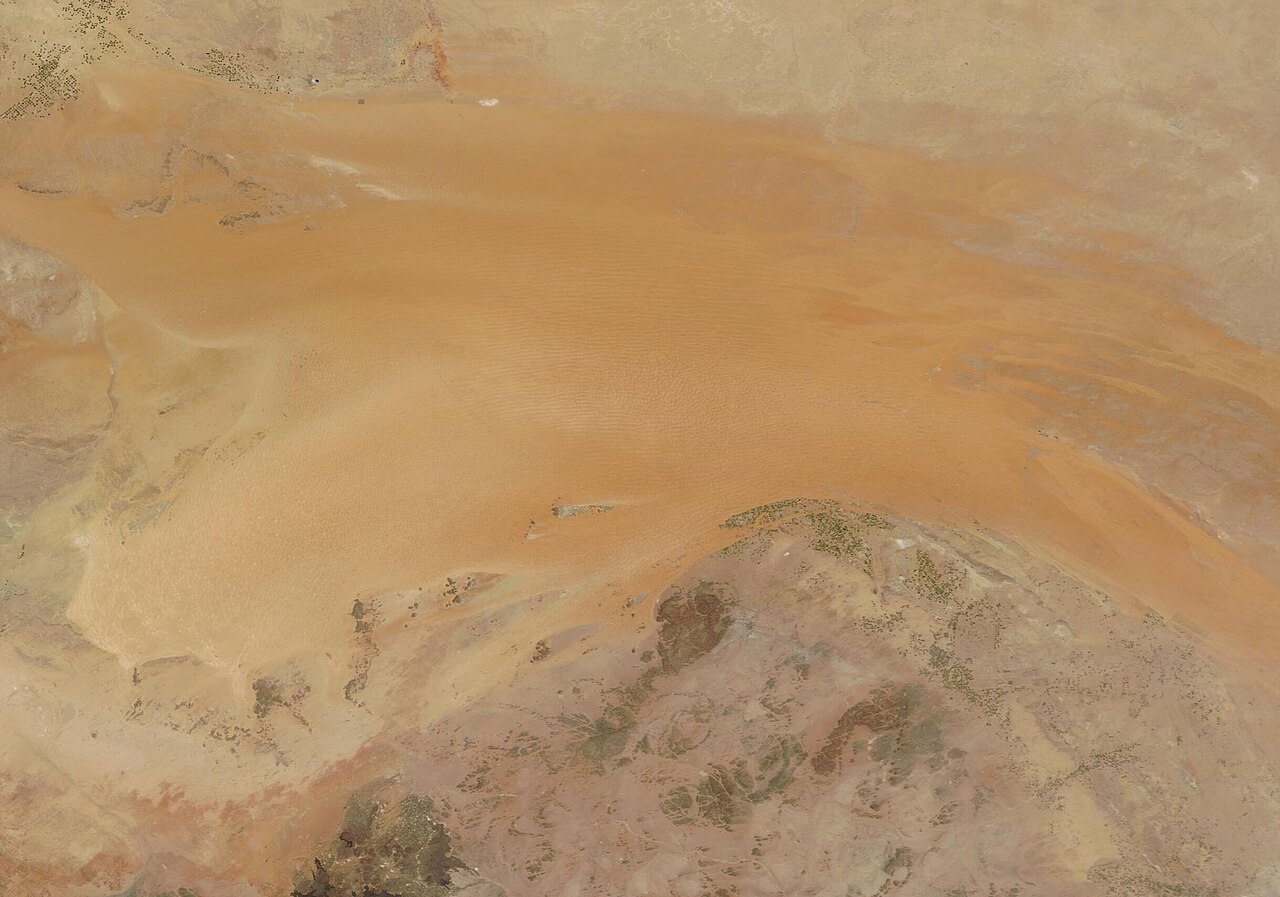
Dunes in the Empty Quarter are on a different scale to anything near Riyadh. Star dunes (uruq) rise 100–250 metres; the longitudinal dune corridors visible from satellite extend for hundreds of kilometres. Dune bashing here is not an afternoon activity — accessing the deep interior requires a minimum two to three days, convoy travel with at least two vehicles, satellite communication equipment, and a guide with verifiable desert navigation experience.
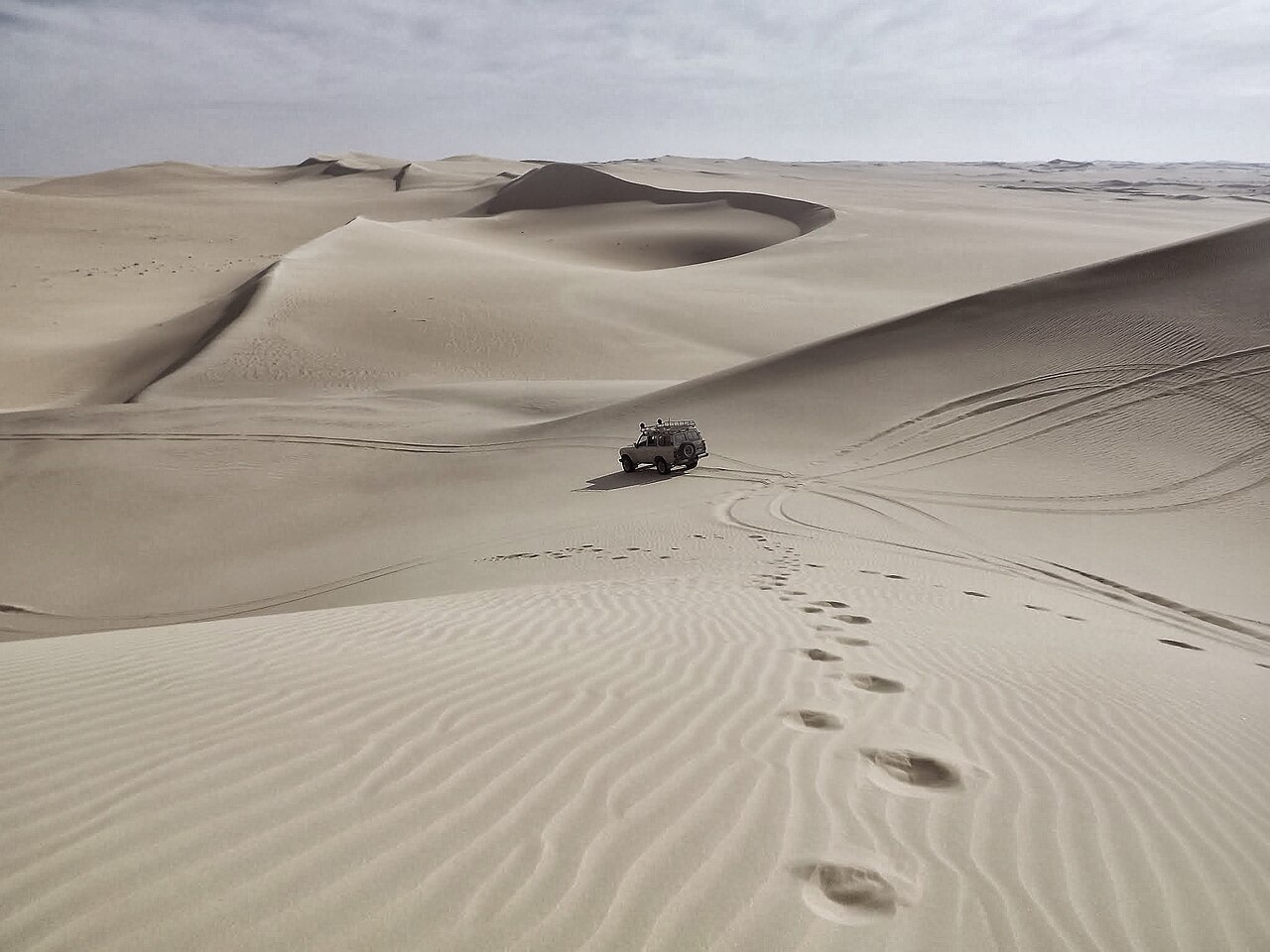
The reward is complete isolation: no roads, no settlements, no light pollution. Guided multi-day Empty Quarter expeditions with overnight camping in furnished desert tents have begun to attract serious adventure travellers since Saudi’s tourism opening. Operators including Ootlah, Saudi Arabia Travel & Tours, and Saudi Safari Tours offer structured Empty Quarter packages — prices typically start around SAR 1,500–2,500 per person for a two-day package, rising significantly for private expeditions. Book at least four to six weeks ahead for these departures as guide and vehicle capacity is limited.
3. AlUla and the Hejaz Desert
AlUla has become Saudi Arabia’s flagship tourism destination, and while it is known primarily for the Nabataean tombs of Hegra and the sandstone formations of Elephant Rock, the surrounding desert offers a different kind of dune bashing. The terrain around AlUla is more varied than the Red Sands or the Empty Quarter: you move through open sand plains, between basalt lava fields, and among eroded sandstone inselbergs. Dune runs here are interspersed with dramatic rock scenery that makes for exceptional photography.
The Experience AlUla platform (the Saudi Tourism Authority’s official destination manager for the region) coordinates desert excursions including 4×4 dune drives as part of multi-activity packages. Several licensed local operators offer half-day 4×4 desert safaris from around SAR 250 per person, often combined with sunset viewpoints at Elephant Rock or a stargazing component — AlUla is home to Saudi Arabia’s first Dark Sky International-certified nature reserves at Manara and AlGharameel, making the night sky here among the finest in the Middle East.
4. Tabuk Province
Tabuk in northwestern Saudi Arabia gives a very different desert experience: the Hisma Desert’s orange and red dunes rise against a backdrop of sandstone escarpments and ancient lava flows. The landscape is often compared to the American Southwest — layers of exposed geology beneath open sky. Tabuk Tours is the main local operator, offering 4×4 desert experiences across the Hisma and nearby sand areas. Tabuk is also the gateway to NEOM and the Wadi Rum-adjacent terrain near the Jordanian border, where the volcanic Harrat Uwayrid adds black basalt fields to the classic sand scenery.
5. Hail and the An-Nafud Desert
The An-Nafud (Great Nafud) is the second-largest desert in Saudi Arabia, a roughly 65,000 km² expanse of brick-red dunes in the Kingdom’s north-centre. Hail sits on its southern edge and gives convenient access to some of the most photogenic red-sand dune fields in the country. The dunes here are steep-sided and classically Arabian in form — the colour photography conditions are exceptional. Our Hail Region Guide covers desert access and operators in detail.
Vehicles: What You’ll Be Riding In
The Toyota Land Cruiser (specifically the 200 Series and the newer 300 Series) is the unchallenged workhorse of Saudi dune bashing. Its combination of a large V8 or turbocharged V6 diesel engine, high ground clearance, locking centre and rear differentials, and decades of proven desert reliability makes it the default choice for professional operators across the Gulf. The Nissan Patrol Y62 runs a close second and handles soft sand differently — slightly lighter on its feet, popular among guides who prefer a more aggressive driving style.
Luxury-tier operators and hotel concierges occasionally deploy the Mercedes G 500 or AMG variants, though these are primarily for shorter, more photogenic runs near Riyadh. For serious deep-desert navigation, Land Cruiser or Patrol remain the professional standards.
The key preparation step that every passenger should understand: before entering the dunes, the driver will stop and deflate the tyres. Standard road pressure (typically 32–36 psi) is dropped to 12–18 psi for soft sand. This dramatically increases the tyre’s contact patch with the sand surface, transforming traction and flotation. At the end of the run, tyre inflation equipment (a compressor, either vehicle-mounted or portable) restores road pressure before returning to tarmac. This is not optional — entering deep sand on fully inflated tyres is a reliable way to get stuck immediately.
Tour Operators Worth Booking
Saudi Arabia’s adventure tourism sector has grown rapidly since 2019, and quality varies. The following operators have established track records:
Saudi Safari Tours (saudisafari.com): One of the longer-established dedicated desert adventure operators in the Kingdom, offering dune bashing safaris from Riyadh and Jeddah. All-inclusive packages cover 4×4 transport, expert captain, sandboarding, camel interaction, and dinner at a desert camp. VAT (15%) is additional to quoted prices.
Ootlah: A Saudi-based experiences booking platform aggregating licensed local operators for Riyadh desert safaris, Jeddah dune experiences, and Empty Quarter expeditions. Riyadh prices start from SAR 25 for basic sessions to SAR 1,500+ for combo deals. Useful for comparison shopping across operators.
GetYourGuide and Viator: Both platforms list multiple vetted Riyadh and Jeddah dune bashing operators with verified reviews. Evening red sands tours from Riyadh typically appear in the SAR 150–350 per person range for group sizes. The advantage of these platforms is transparent review systems and easy refund policies — useful for first-time visitors who want booking security.
Mandarin Oriental Riyadh: For guests who want a premium experience with no logistics, the hotel’s Red Sand Dune Bashing experience at SAR 1,400 per person (8 hours, private 4×4, catered) is the most polished offering in the city. Advance booking of 72 hours is required.
Experience AlUla (experiencealula.com): The official Saudi Tourism Authority destination manager for AlUla coordinates all licensed desert activities in the region, including 4×4 desert drives. Booking through this platform guarantees licensed operators and environmental compliance.
Always verify that your operator holds a current Saudi tourism licence. Licensed guides carry official identification; reputable operators will display their licence details on their website or provide them on request.
What to Expect on the Day
A typical half-day dune bashing tour from Riyadh runs as follows. Your driver — known in Saudi desert parlance as the captain — picks you up from your hotel in a clean, recently serviced Land Cruiser at around 3–4pm for an evening run. The drive to the desert edge takes 30–60 minutes. At the sand, the captain halts, lets air from the tyres, and delivers a brief safety briefing: seatbelts on at all times, no hands or heads outside the vehicle, no phones held up near windows, follow the captain’s instructions immediately if asked to brace.
The actual dune driving usually lasts 30–45 minutes, though some operators extend it significantly. The captain reads the terrain constantly — approaching dune crests at speed to avoid stopping on the face (which risks a rollover), scanning for other vehicles, and choosing lines that offer the most dramatic passenger experience while keeping the vehicle safe. Blind crests are always the most dramatic moments; the driver will often pause at a summit and let the view register before dropping over the far side.
After the active driving, most tours move to a desert camp — a semi-permanent arrangement of carpets, cushions, and low tables in Bedouin style — for Arabic coffee, dates, fruit, and a full dinner of grilled meats, rice, and mezze. Sandboarding, camel rides, and stargazing fill the time before the return drive.
Safety: The Rules That Matter
Dune bashing has a genuine injury record when done carelessly. Saudi Arabia’s licensed operators operate under Ministry of Tourism safety guidelines, but the following rules apply regardless of who you book with:
Seatbelts are non-negotiable. The physics of dune driving mean the vehicle can shift direction and pitch angle faster than an unbuckled passenger can react. Wear yours from the moment you enter the vehicle until the desert run is complete, not just on roads.
Keep all limbs inside the vehicle during the run. A rollover on a dune face is a low-probability but high-consequence event; being partially outside the vehicle during one is catastrophic.
Follow the captain’s instructions immediately. If he says brace, you brace. If he asks you to shift your weight, you do it. Desert driving requires split-second decisions; passengers who argue or freeze create hazards.
Do not drive yourself into remote desert without training, a convoy partner, and desert-certified recovery equipment. Every year, solo desert drivers get stuck, run out of water, or become disoriented in Saudi Arabia’s interior deserts. The Empty Quarter in particular is genuinely life-threatening if something goes wrong without preparation. Solo dune driving without experience is incompatible with survival.
Heat management. Even in the cooler October–March season, desert temperatures can peak at 35°C or above during the day. Bring significantly more water than you think you need — at least 2 litres per person for any half-day outing, more for full-day trips.
What to Wear and Bring
Comfort and cultural respect both point in the same direction: loose, breathable clothing that covers arms and legs. The practicalities are straightforward — fine desert sand penetrates everywhere, direct sun at 35°C burns exposed skin quickly, and the temperature drop after sunset can be sharp, particularly from November to February when evening desert temperatures fall to 10–15°C.
The recommended kit for a dune bashing day:
- Lightweight long-sleeve top and long trousers — cotton or technical fabric; avoid jeans (heat-trapping and uncomfortable when sandy)
- Closed-toe shoes or trainers — sandals are useless on sand and offer no protection if you exit the vehicle
- Sunglasses (UV-rated) — essential; sand glare is intense
- SPF 50+ sunscreen — apply before departure, carry a small tube for reapplication
- Light jacket or fleece — for evening and post-sunset desert camps, October through February especially
- Shemagh or buff — optional but useful if wind picks up or you want to experience the traditional desert headscarf
- Camera or phone in a secure pocket or bag — not held loose during dune driving
- Water — more than you think
- Saudi Arabia Travel Guide 2026 — The complete guide
- Camel Trekking in Saudi Arabia — Desert routes and operators
- Quad Biking in Saudi Arabia — ATV adventures
- Sandboarding in Saudi Arabia — Best dunes
- Hail Region — Saudi Arabia’s desert rose
- Saudi Arabia Visa Guide — Every visa type explained
- Saudi Desert Safari Complete Guide — Multi-day expeditions
Women visiting Saudi Arabia on tourist visas are not required to wear an abaya in public since 2019, but modest coverage of arms and legs is both culturally appropriate in desert camp settings and practically useful in the environment. For more guidance, see our Saudi Arabia Visa Guide for context on dress codes and tourist regulations.
Combining Dune Bashing With Other Desert Activities
Dune bashing is rarely done in isolation. Most half-day packages bundle it with complementary desert activities that use the same location and the cool evening window. The standard combination is dune bashing plus sandboarding — the same dunes serve both activities, and the contrast between the passive, adrenaline-filled 4×4 experience and the physical effort of sandboarding on a board makes for a satisfying afternoon. Stronger legs means better sandboarding; the two activities reward each other.
Quad biking (ATV) is the other common pairing — many Red Sands operators have a small fleet of ATVs at the desert camp for riders to take their own runs on the lower dune faces. This requires considerably more active skill than being a passenger in a 4×4 and offers a different kind of satisfaction. For the full immersion experience, add a short camel trek — even 20 minutes on a camel at sunset over red sand dunes creates a sense of encountering Arabia on its own terms that no motorised activity can quite replicate.
For travellers who want to spend more than a day in the desert, multi-day experiences — including overnight camping under stars, traditional Bedouin-style meals, and early morning photography runs before the heat builds — are available through operators like Saudi Safari Tours and through AlUla’s Experience platform. Our Saudi Desert Safari Complete Guide covers those multi-day options in detail.
When to Go
The optimal window for dune bashing in Saudi Arabia is October through March. Daytime temperatures in the desert drop to a manageable 20–30°C, evenings are cool and clear, and the light quality at golden hour — particularly in November, December, and January — is exceptional for photography. The Red Sands turn a deeper brick red in the low-angle winter sun; the Empty Quarter becomes accessible for multi-day expeditions without heat risk.
April and May are marginal: daytime temperatures begin climbing past 35°C in the interior, and by May the midday desert is hot enough to be genuinely unpleasant for extended activity. June through September is inadvisable for any significant desert exertion — temperatures regularly exceed 45°C in Saudi Arabia’s interior deserts, and the risk of heat illness becomes serious even for short outings. Operators in Riyadh sometimes run very early morning sessions (pre-7am departures) during summer for hardened local enthusiasts, but these are not standard tourist offerings.
For the Empty Quarter specifically, November to February is strongly preferred. The deep desert requires extended vehicle and body exposure; the margin for error on temperature narrows considerably outside the cool season.
Booking Tips and Practical Notes
Book dune bashing tours through verified platforms (Viator, GetYourGuide, Ootlah) or directly with licensed operators rather than through informal intermediaries. Confirm that your operator’s vehicle is equipped with a tyre deflation and inflation kit, a first-aid kit, a fire extinguisher, and a recovery board (for self-recovery if the vehicle becomes stuck). This equipment is standard on all properly run tours.
If you are booking a private desert experience from a hotel concierge, ask explicitly whether the experience includes a licensed Saudi desert guide or simply a driver with a 4×4 — the distinction matters significantly for quality and safety in remote terrain.
For the Empty Quarter, budget for a significantly longer planning horizon. Multi-day expeditions require logistical preparation, operator licensing for remote area access, and coordination around wind and temperature conditions. Operators with Empty Quarter experience typically recommend at least four to six weeks advance booking.
Prices quoted by operators are generally exclusive of Saudi Arabia’s 15% VAT. Factor this into budget planning — a SAR 300 tour becomes SAR 345 after tax.