
Best Season: October–March
Top Regions: AlUla, Hail (Al Nafud), Rub’ al Khali, Tabuk
Visa Required: Yes — tourist e-visa
Half-Day From: SAR 120–350 (~$32–$93 USD)
Duration Options: 30-minute rides to 3-day expeditions
Avoid: June–September (extreme heat); booking with unverified guides; going without sun protection
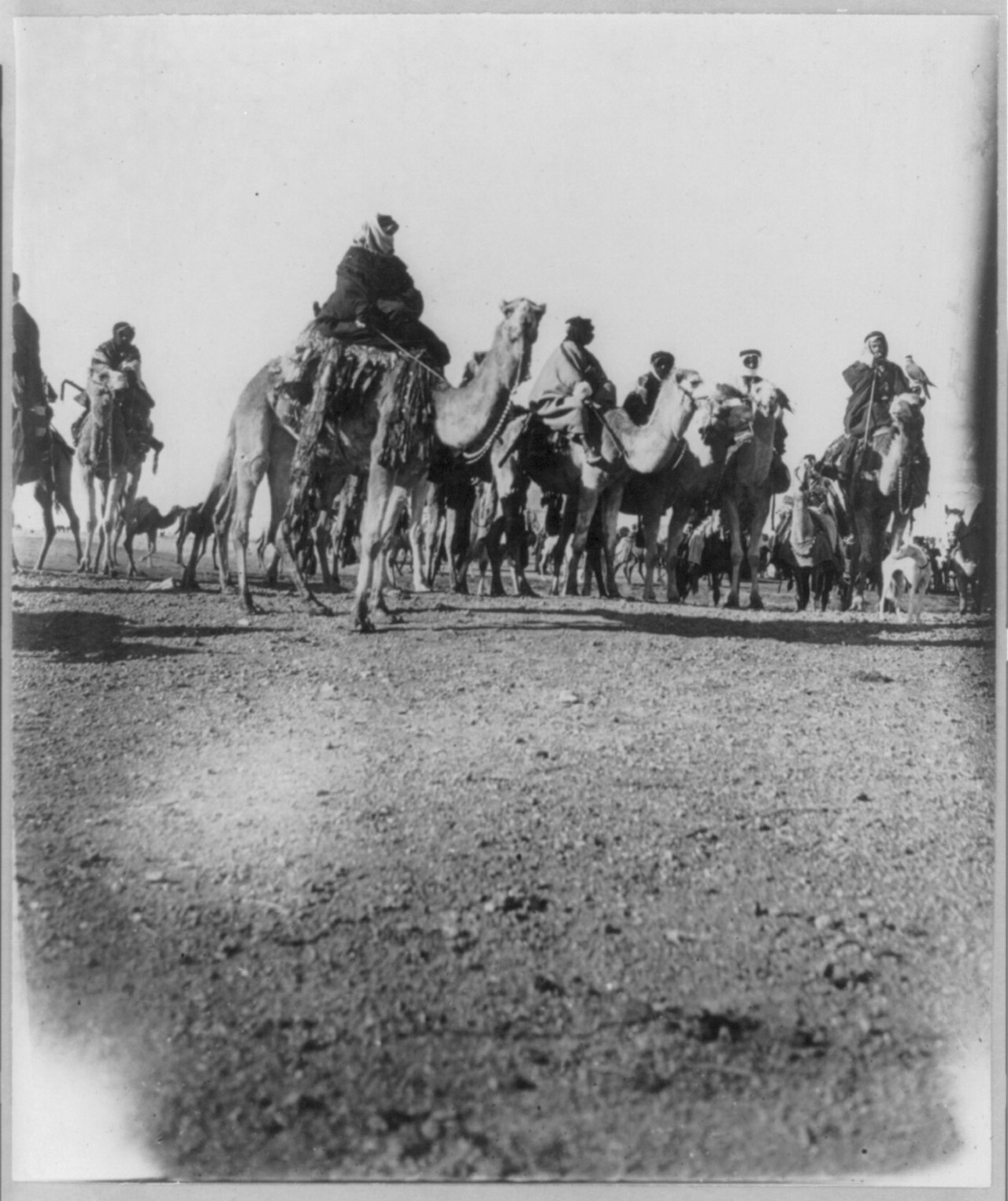
There is no simpler way to understand Saudi Arabia than from the back of a camel. The kingdom’s entire history — its trade routes, its tribal alliances, its poetry, its wars — was conducted from this elevated, swaying vantage point. Long before Vision 2030 opened the country to international tourism, the jamal (camel) was the instrument through which civilisations rose and fell across the peninsula. Today, Saudi Arabia offers travellers a chance to participate in that unbroken tradition, riding through landscapes that have scarcely changed since the Nabataean merchants led their spice caravans north through the Hejaz two thousand years ago.
This guide covers the full spectrum of camel trekking in Saudi Arabia, from a 30-minute sunset ride at a desert camp outside AlUla to a multi-day expedition into the Rub’ al Khali, the world’s largest continuous sand desert. Whether you want a leisurely cultural experience or a genuine test of endurance, the kingdom’s dramatic terrain — rose-red sandstone canyons, star-black lava fields, towering orange dunes — provides one of the world’s most extraordinary backdrops. Read the comprehensive Saudi Arabia Travel Guide 2026 to place your trek within a broader itinerary.
Why Saudi Arabia for Camel Trekking?
Saudi Arabia is not simply another desert destination. It is the ancestral heartland of camel culture itself. The Arabian Peninsula is where the domesticated dromedary camel (Camelus dromedarius) has been central to human survival for at least 3,000 years. The Bedouin tribes of the Nafud and the Rub’ al Khali developed the most sophisticated camel husbandry traditions on earth: training animals to navigate by stars, loading them to precise weights, reading their behaviour as weather forecasts. That knowledge did not disappear; it was absorbed into a culture that still prizes the camel above almost every other symbol of national identity.
The annual King Abdulaziz Camel Festival, held near Riyadh each December and January, draws over 300,000 spectators and more than 38,000 camels competing across dozens of categories — beauty contests, racing circuits spanning eight kilometres, and traditional trade displays. Prize money in 2024–25 exceeded SAR 200 million (approximately $53 million USD). The most prized specimens — slender-necked, light-coated majahin or asayil types — can sell for more than $3 million at auction. No other country on earth invests in camels at this scale, and that cultural intensity translates directly into the quality of trekking experiences available to visitors.
“It was on camels that the earliest traders helped build this region’s first civilisations — and it was on a camel that King Abdulaziz Al Sa’ud united today’s kingdom in the early 20th century.” — AramcoWorld
Saudi Arabia’s extraordinary geographic diversity also gives camel trekking here a unique range. Within a single country you can ride through narrow rose-sandstone canyons, across the rust-red sands of the Nafud, along the ancient Incense Road past Nabataean tombs, or into the vast ochre emptiness of the Empty Quarter. No other destination concentrates this variety into so compact an experience. For those interested in the cultural theatre around camel culture, camel racing in Saudi Arabia is covered separately.
Top Regions for Camel Trekking
AlUla — Heritage Routes Through Nabataean Country
AlUla, in the northwest Medina Province, is where most first-time visitors encounter camel trekking in Saudi Arabia, and with good reason. The region sits within the ancient Hejaz trade corridor, the route along which Nabataean, Roman and Byzantine merchants moved incense, spices and silk north to the Mediterranean world. The camels that walked these routes left the same footprints — literal ones, preserved in the sandstone — that today’s trekking animals traverse.
The primary organised trekking experience in AlUla is Sanam Camp Camel Trekking, operated through the Royal Commission for AlUla (RCU) via the Experience AlUla platform. The camp sits within the sand-and-sandstone landscape framing the Hegra World Heritage Site, and treks depart across terrain overlooking the Nabataean tombs and carved canyon walls. Rides typically run 30 to 90 minutes for standard tours; longer guided excursions covering 10 to 15 kilometres through canyon country can be arranged through local operators. Booking is essential through the experiencealula.com platform, particularly during the Winter at Tantora festival season (October to March), when the region draws its peak visitor numbers.
Other AlUla operators — including several Bedouin-run camps along the Sharaan Nature Reserve perimeter — offer evening camel rides timed for the sunset, when the canyon walls glow a deep amber and temperatures drop to manageable levels. These typically last 45 to 60 minutes, include Arabic coffee and dates at a Bedouin tent, and cost between SAR 150 and SAR 300 per person (~$40–$80 USD). Husaak Adventures, listed on the Experience AlUla platform, combines camel riding with sandboarding and off-road excursions for a broader desert day. For a deeper understanding of AlUla’s archaeological landscape that forms the backdrop to these rides, see the full Hegra AlUla guide.
Hail and the Al Nafud — Red Sands of the North
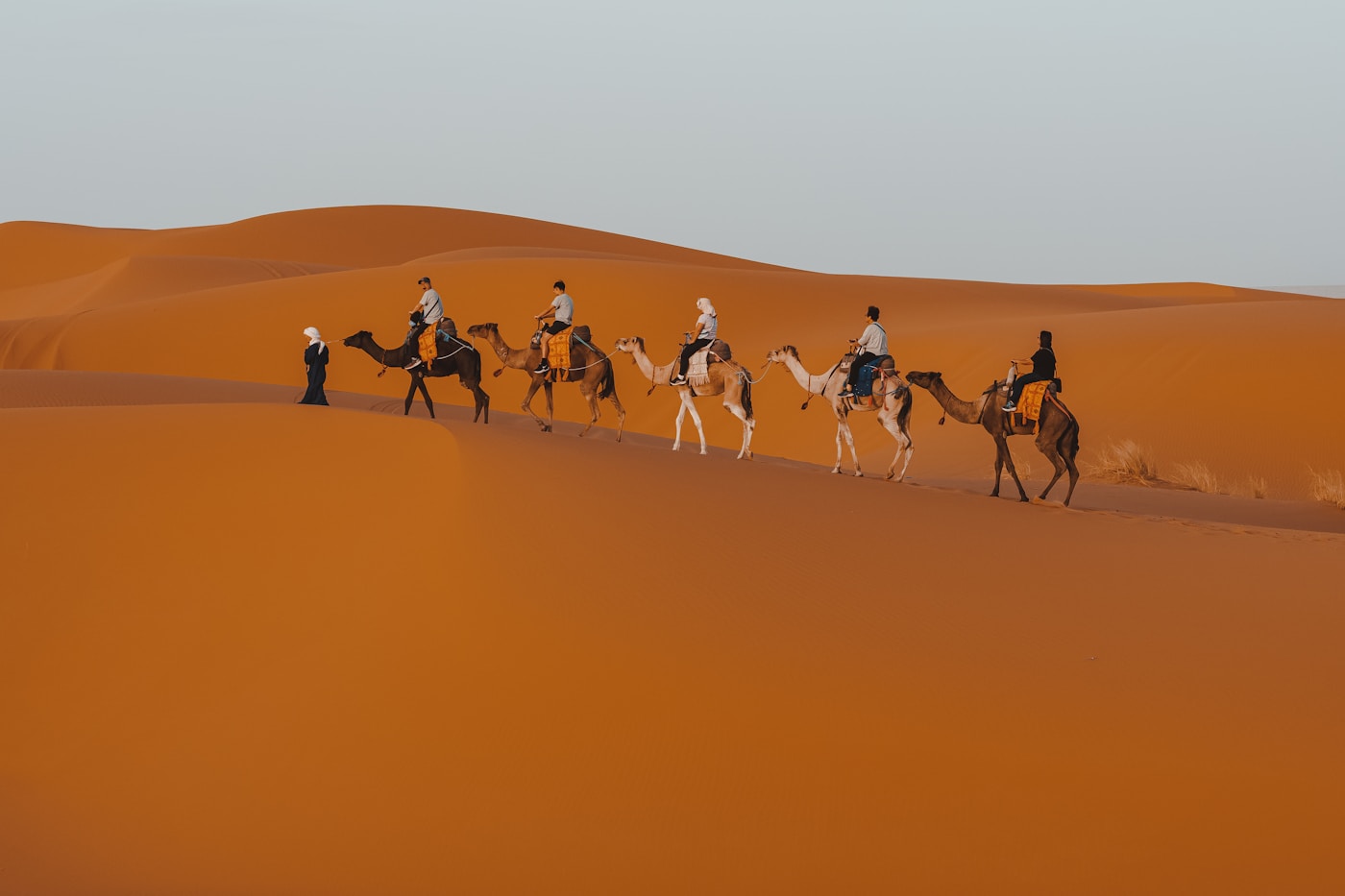
Hail, 600 kilometres north of Riyadh, is the capital of Saudi Arabia’s camel-heartland province. The city sits in the shadow of the Aja Mountains and is ringed by the An Nafud — a 64,000-square-kilometre sea of distinctive rust-red dunes, some rising to over 100 metres. The iron-oxide colouring of the Nafud sands gives these dunes a completely different visual character from the golden silica of the Rub’ al Khali; in late afternoon light they burn almost crimson.
The standout camel trekking programme in this region is Rakayb Jubbah, a structured expedition based in and around the town of Jubbah, one of Saudi Arabia’s most important rock art sites. Jubbah’s sandstone outcrops bear Neolithic petroglyphs — including carved camel and horse figures — that are among the finest in the Arab world, testifying to how central these animals were even to Stone Age communities here. The Rakayb Jubbah programme, organised within the King Salman Royal Natural Reserve (the fourth-largest natural reserve on earth at 130,700 square kilometres), consists of four trips, each lasting three days, covering 20 kilometres on camel back over six hours per day. It is designed as a faithful simulation of historic Bedouin caravan travel: participants ride in formation, rest at pre-planned watering points, and sleep in desert camps where guides teach traditional navigation, plant identification, and Hail folklore. Minimum age is 18; medium-level fitness is required.
Beyond the Rakayb programme, operators around Hail offer full-day camel treks departing at dawn from the desert edge, covering terrain through the red dunes with a midday rest in a Bedouin camp before returning at dusk. Prices for day treks in the Nafud typically run SAR 200–450 per person ($53–$120 USD), including meals and camp hospitality. The Hail region also forms part of Saudi Arabia’s Northern Trail, a heritage route linking multiple significant archaeological and natural sites. For full context on the region’s attractions, see the Hail region guide.
Rub’ al Khali — The Empty Quarter
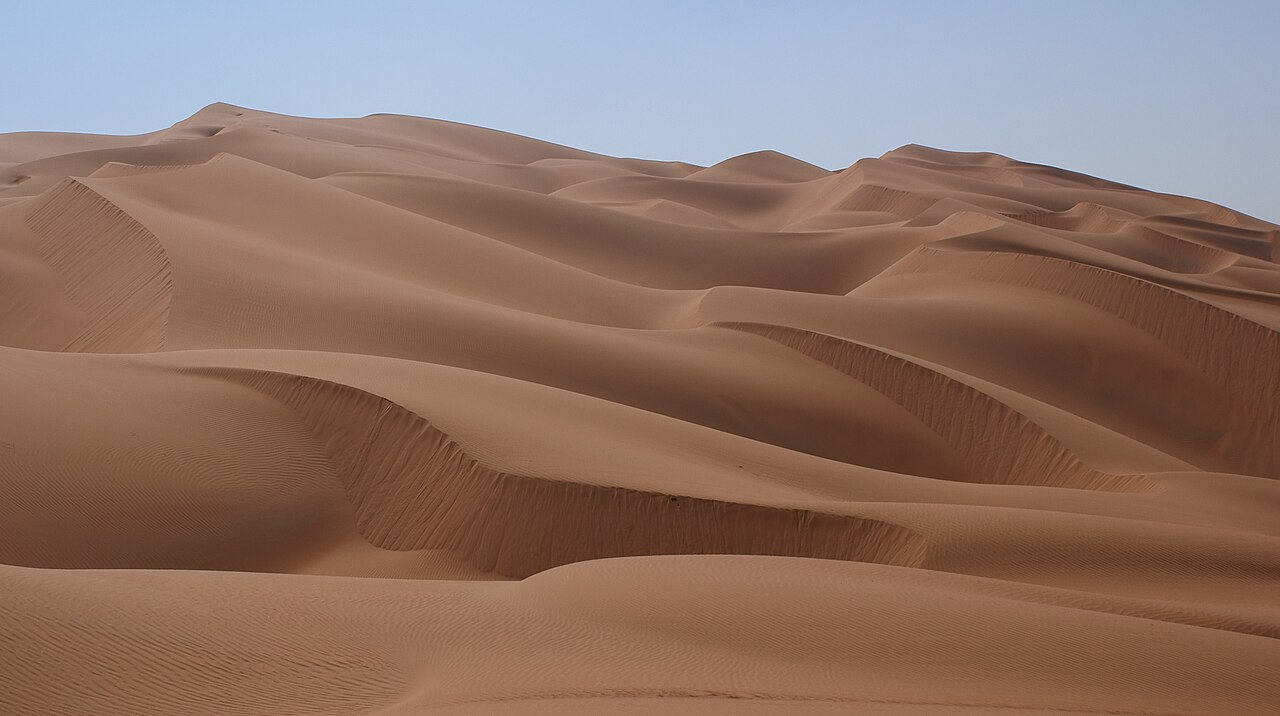
The Rub’ al Khali — the Empty Quarter — is the world’s largest continuous sand desert, covering approximately 650,000 square kilometres across the southern third of the Arabian Peninsula. Saudi Arabia holds the largest share. Dune systems here reach 250 metres in height; some individual dune chains extend for hundreds of kilometres without interruption. Surface temperatures in summer exceed 50°C; in winter, nights can approach freezing. It is, in every conventional sense, inhospitable.
It is also, for those prepared to confront it properly, among the most overwhelming landscapes on earth — and the one that makes the most visceral argument for understanding why camels were indispensable to human survival here. Only the dromedary could carry sufficient water and food reserves across terrain this hostile, navigating by instinct and memory across a seascape with no landmarks.
Multi-day camel treks into the Saudi portion of the Empty Quarter are operated by specialist companies based in Najran, Sharurah, and Riyadh. Arabian Sand Tour Services offers overnight expeditions from one to ten days, with all camping equipment, meals (three per day), and Bedouin guides included. Their guides are drawn from families who still inhabit the desert seasonally — men with an encyclopaedic knowledge of dune navigation requiring no GPS. The standard entry-point for visitors is a two or three-day expedition departing from the accessible northern fringe of the Rub’ al Khali, covering 15 to 25 kilometres per day on camel, with overnight camps beneath a sky entirely free of light pollution. A three-day expedition typically costs SAR 1,800–3,500 per person ($480–$933 USD) depending on group size and the level of camp comfort.
The best time to attempt any trek into the Rub’ al Khali is November through February. Daytime temperatures hover around 20–25°C during these months — entirely manageable — while nights are cool and clear. The Empty Quarter should never be attempted without a verified guide; even experienced operators carry satellite emergency communicators and pre-file route plans with local authorities.
Tabuk — Canyons and Ancient Camel Roads
The northwest Tabuk Province is best known to international visitors for NEOM and the ancient port of Al Wajh, but it harbours exceptional camel trekking terrain that sees far fewer visitors than AlUla. Wadi Al Disah — a canyon 215 kilometres south of Tabuk city, framed by cliffs rising up to 400 metres — is the most dramatic setting, its floor threaded by a perennial stream and shaded by dense palm groves. Camel caravans once used this canyon as a shade corridor on the ancient trade route between the Hejaz and the Gulf of Aqaba, and local operators still run rides through the canyon floor, navigating between towering sandstone pillars.
Arabia Trail for Travel and Tourism operates guided day tours from Tabuk into Wadi Al Disah that incorporate camel riding sections through the canyon. A full day including 4×4 transport from Tabuk, canyon entry, and a camel ride section runs approximately SAR 350–500 per person ($93–$133 USD). The Tabuk region also borders the ancient Nabataean and Roman road systems that connected the port of Aila (modern Aqaba) to the interior — camel trekking here carries an unusually clear historical resonance. For broader context on the northwest, the dune bashing in Saudi Arabia guide covers complementary adventure options across the same terrain.
Choosing the Right Experience
Short Rides (30–90 Minutes)
The entry point for most visitors. Offered at virtually every desert camp and many tour operators across the kingdom, a short ride gives you the sensation of camel movement, the view from two-and-a-half metres above the ground, and a brief contact with an animal of extraordinary temperament. Expect to pay SAR 100–200 per person ($27–$53 USD) for a guided 45-to-60-minute ride. These are generally appropriate for all fitness levels and most ages, though guides will advise on individual suitability. Most short ride operators provide helmets or protective headwear on request, along with basic sun cover.
Half-Day Treks (3–5 Hours)
The most versatile format, available across all regions. A half-day trek typically covers 8 to 15 kilometres, includes a rest stop with Bedouin hospitality (coffee, dates, sometimes a cooked meal), and returns you to the start point before the afternoon heat peaks. Cost ranges from SAR 250–500 per person ($67–$133 USD) depending on operator and location. Half-day treks are suitable for most healthy adults and older teenagers; the key physical demand is tolerating two to three hours in the saddle, which can cause lower-back fatigue if you are not accustomed to the camel’s rolling gait.
Full-Day Treks (6–8 Hours)
Full-day treks, covering 20 to 30 kilometres, are the sweet spot for serious visitors who want a genuine connection to the Bedouin caravan experience without committing to an overnight expedition. They typically involve an early morning departure (5:00–6:00am), a long midday rest in a shaded camp to wait out the warmest hours, and an evening return. Prices run SAR 500–1,000 per person ($133–$267 USD), commonly including all meals, guide fees, and a Bedouin cultural session in camp. Medium fitness is needed; riders who have not spent time on horseback or in similar saddle activities may find a full day demanding.
Multi-Day Expeditions (2–10 Days)
The preserve of committed adventurers and those seeking an experience that goes beyond tourism. Multi-day camel treks — particularly into the Rub’ al Khali or the deeper Nafud — are genuine wilderness expeditions: you sleep under stars, manage water rationing, learn to read the terrain, and experience the emotional rhythm of desert travel that no shorter excursion can simulate. Prices start at approximately SAR 1,800 per person per day for small-group expeditions ($480 USD/day) inclusive of all logistics. The Madventure Arabia Overland tour — a 61-day overland journey including the Rub’ al Khali and AlUla — incorporates multi-day camel trekking segments and starts from approximately £4,961 per person.
Operators and Booking Platforms
Saudi Arabia’s camel trekking sector ranges from government-backed operators (the RCU’s Experience AlUla platform) to independent Bedouin guides who have been leading desert tours for generations. The following are reliable starting points:
- Experience AlUla (experiencealula.com) — Official RCU platform; books Sanam Camp camel treks, Husaak Adventures combo tours, and curated expedition packages. English-language site with direct booking.
- Arabian Sand Tour Services (arabiansandtourservices.com) — Specialists in Rub’ al Khali expeditions; Bedouin-guided, 1–10 day itineraries; all camping equipment included.
- Saudi Private Tours (saudiprivatetours.com) — Luxury multi-day desert safari packages combining camel treks, 4×4 support, and high-comfort desert camps across multiple regions.
- Arabia Trail for Travel and Tourism (arabiatrail.net) — Tabuk-based operator for Wadi Al Disah canyon tours and northwest region day treks.
- GetYourGuide and Viator — Both platforms list verified camel riding experiences in Riyadh (from ~$99 USD), AlUla, and other major centres, with free cancellation options and guest reviews for comparison.
- Webook.com — Saudi-based activity booking platform with local operators across all regions, often at more competitive prices than international aggregators.
- Saudi Arabia Travel Guide 2026 — The complete guide
- Camel Racing in Saudi Arabia — Where to watch and when
- Hegra AlUla — Desert canyons and Nabataean tombs
- Hail Region — Saudi Arabia’s desert rose
- Dune Bashing in Saudi Arabia — Desert 4×4 adventures
- Saudi Arabia Visa Guide — Every visa type explained
Practical Tips for Camel Trekking in Saudi Arabia
When to Go
October to March is the window for all serious trekking. Average daytime temperatures in the main desert regions during this period range from 15°C to 28°C — entirely comfortable for extended riding. April and May are marginal: mornings are fine but afternoons can exceed 40°C. June through September is simply too dangerous for sustained outdoor activity in most of the country’s interior; surface temperatures regularly exceed 50°C and direct sun exposure becomes life-threatening within hours. The season also aligns with major cultural events: the Winter at Tantora festival in AlUla (October–March) and the King Abdulaziz Camel Festival near Riyadh (December–January) both add cultural depth to a desert visit.
What to Wear
The priorities are sun protection, comfort in the saddle, and sand management. Loose-fitting, light-coloured long-sleeved shirts and trousers in natural fibres (cotton or linen) are optimal: they block UV radiation, allow air circulation, and prevent the saddle chafing that synthetic materials accelerate. A wide-brimmed hat or a ghutrah (traditional Arab headscarf) covers the neck and ears — the areas most exposed during riding. Closed-toe footwear with a firm grip is essential; sandals or flip-flops create injury risk when mounting and dismounting. Apply high-SPF sunscreen to all exposed skin before departure and carry a tube for reapplication during rest stops.
Riding Technique for Beginners
The most unsettling moment in a camel ride is not the movement itself but the mount and dismount: camels fold their legs in a rocking two-stage motion that pitches you sharply forward, then backward. Hold the saddle handle firmly and lean back deliberately as the animal rises from its knees. Once standing, the camel’s walk produces a characteristic rolling gait — a four-beat pace with a lateral rhythm quite unlike a horse. Allow your hips and lower back to absorb the movement rather than bracing against it; tension amplifies the discomfort. Most guides will briefly demonstrate and walk alongside beginners for the first section of the route until confidence builds.
Hydration and Desert Safety
Even in winter, the desert environment is dehydrating. Carry at least two litres of water per person for a half-day trek; four litres for a full day. Symptoms of heat stress (headache, confusion, cessation of sweating) can develop faster than most visitors expect even at moderate temperatures. Never venture beyond the immediate environs of a camp or operator base independently; the featureless terrain of the Nafud and Rub’ al Khali is genuinely disorienting. All reputable multi-day operators carry satellite emergency communicators and file route plans with local authorities before departure.
Visa Requirements
International visitors require a Saudi tourist e-visa, available online for citizens of approximately 50 countries. The process takes minutes and grants a 90-day multiple-entry permit. Full details, eligibility lists, and step-by-step instructions are covered in the Saudi Arabia Visa Guide 2026.
Respect for the Animals
Saudi Arabia’s best operators work exclusively with camels that are properly cared for, regularly watered, and handled without coercion. Avoid any operator whose animals appear distressed, malnourished, or are worked during the hottest hours of the day. Responsible visitors do not feed camels without the guide’s permission (some dietary items are harmful), approach them from the side rather than the front, and follow the guide’s instructions on handling at all times. The camel’s reputation for ill temper is largely undeserved when the animal is treated with proper consideration; a well-managed trekking camel is a remarkably patient and cooperative travelling companion.
Combining Camel Trekking with Other Desert Experiences
Most visitors to Saudi Arabia’s desert regions combine camel trekking with complementary activities that deepen the overall experience. AlUla naturally pairs trekking with UNESCO heritage site visits — the Nabataean tombs of Hegra, the pre-Islamic inscriptions at Jabal Ikmah, and the ancient city of Dadan — all reachable within the same day. The Hail region’s petroglyphs at Jubbah are best seen on foot before or after the camel section of a day tour. In the Tabuk region, the canyon scenery of Wadi Al Disah rewards those who combine the camel ride with a walking section through the narrower gorge passages.
For a full adrenaline-focused desert day, many operators in all three of the main regions offer combination packages pairing camel trekking with desert safari activities: dune bashing in 4×4 vehicles, sandboarding on the steeper faces of the dunes, and quad biking. These combination packages typically run SAR 400–800 per person ($107–$213 USD) for a full day and represent excellent value for groups. Dune bashing in Saudi Arabia is covered in detail separately if you want to explore that element further.
Frequently Asked Questions
Is camel trekking safe for beginners in Saudi Arabia?
Yes, at all the major tourist operators. Guides accompany every ride, animals are trained and experienced with tourist riders, and the pace is gentle. First-time riders report that the most challenging element is the mounting process, not the ride itself. Multi-day expeditions into the Rub’ al Khali require more preparation and a higher fitness baseline but are still accessible to healthy non-specialists with proper guidance.
What is the minimum age for camel trekking?
This varies by operator. Short rides (under 30 minutes) are generally offered to children aged 5 and above at most camps, with a parent’s supervision. The Rakayb Jubbah multi-day programme in Hail requires participants to be 18 or over. Most full-day and overnight operators set a minimum of 12–14 years, with parent or guardian accompaniment for minors.
Can women take part?
Absolutely. Saudi Arabia’s tourism sector is fully co-ed for foreign visitors and increasingly so for Saudi nationals. Female-led tour groups, solo female travellers, and mixed groups all participate in camel trekking without restriction at established operators. Modest dress is appreciated but not formally enforced at most desert activity sites.
How far in advance should I book?
For short rides at desert camps, same-day booking is usually possible outside peak season. For AlUla during the Winter at Tantora festival (October–March), book at least two to three weeks ahead. Multi-day expeditions into the Rub’ al Khali require advance planning of four to eight weeks minimum to allow logistical preparation by the operator, particularly for groups of three or more.
Is tipping expected?
Tips are not mandatory but are warmly received. A tip of SAR 20–50 per person per guide is customary for short rides; SAR 50–100 per day for multi-day guides who manage all logistics is appropriate. Payment is always made in cash directly to the guide at the end of the activity.