
Saudi Arabia’s culinary heritage runs far deeper than most visitors expect. Behind every platter of fragrant rice and slow-cooked lamb lies a centuries-old tradition of spice blending, communal preparation and regional variation that shifts dramatically from the Hejaz coast to the Najd highlands to the date palm oases of AlUla. A cooking class is one of the best ways to move beyond restaurant dining and connect with the Kingdom’s food culture from the inside. This guide, part of our Saudi Arabia Travel Guide 2026, covers everything you need to know about booking a Saudi cooking class — the providers, the dishes, the prices and the practical details that will help you get the most from the experience.
Best Cities: Riyadh, Jeddah, AlUla, Al Khobar
Getting There: Fly into Riyadh (King Khalid International) or Jeddah (King Abdulaziz International)
Visa Required: Yes — tourist e-visa available online
Budget: SAR 220–750 per session (~$60–200 USD)
Signature Dishes: Kabsa, Mandi, Saleeg, Harees, Jareesh, Samboosa
Best For: Food-curious travellers, couples, families, solo explorers
Avoid: Booking through hotel concierges without checking independent reviews — quality varies widely
Why Saudi Cuisine Is Worth Learning
Saudi cooking is defined by its spice blends. The base of most dishes begins with a mixture known as baharat — a combination of black pepper, cardamom, cinnamon, cloves, coriander, cumin, nutmeg and dried lime (loomi) that varies by household and region. The Kingdom’s position on ancient trade routes between India, East Africa and the Mediterranean means its pantry draws from a wider range of aromatics than almost anywhere else on the Arabian Peninsula.
Regional variation is dramatic. In the Hejaz (the western coast around Jeddah and Mecca), centuries of Hajj pilgrimage brought Indonesian, Indian and African influences that shaped dishes like saleeg and mabshoor. In the Najd (the central plateau around Riyadh), Bedouin traditions produced robust, protein-heavy dishes like jareesh and harees. In the south, near Abha and Asir, highland cooking relies on local honey, ghee and grains grown in terraced mountain farms. And in AlUla, oasis agriculture supplies moringa, local herbs and ancient grain varieties that appear in dishes found nowhere else in the country.
A cooking class gives you the chance to learn techniques that are rarely written down. Many Saudi recipes are passed through families orally — a pinch of this, a handful of that — and the act of cooking alongside a local host often reveals knowledge you simply cannot get from a recipe book.
Signature Dishes You Will Learn
Most cooking classes in Saudi Arabia focus on the dishes that define the national table. Here is what you can expect to cook, depending on your chosen provider and region.
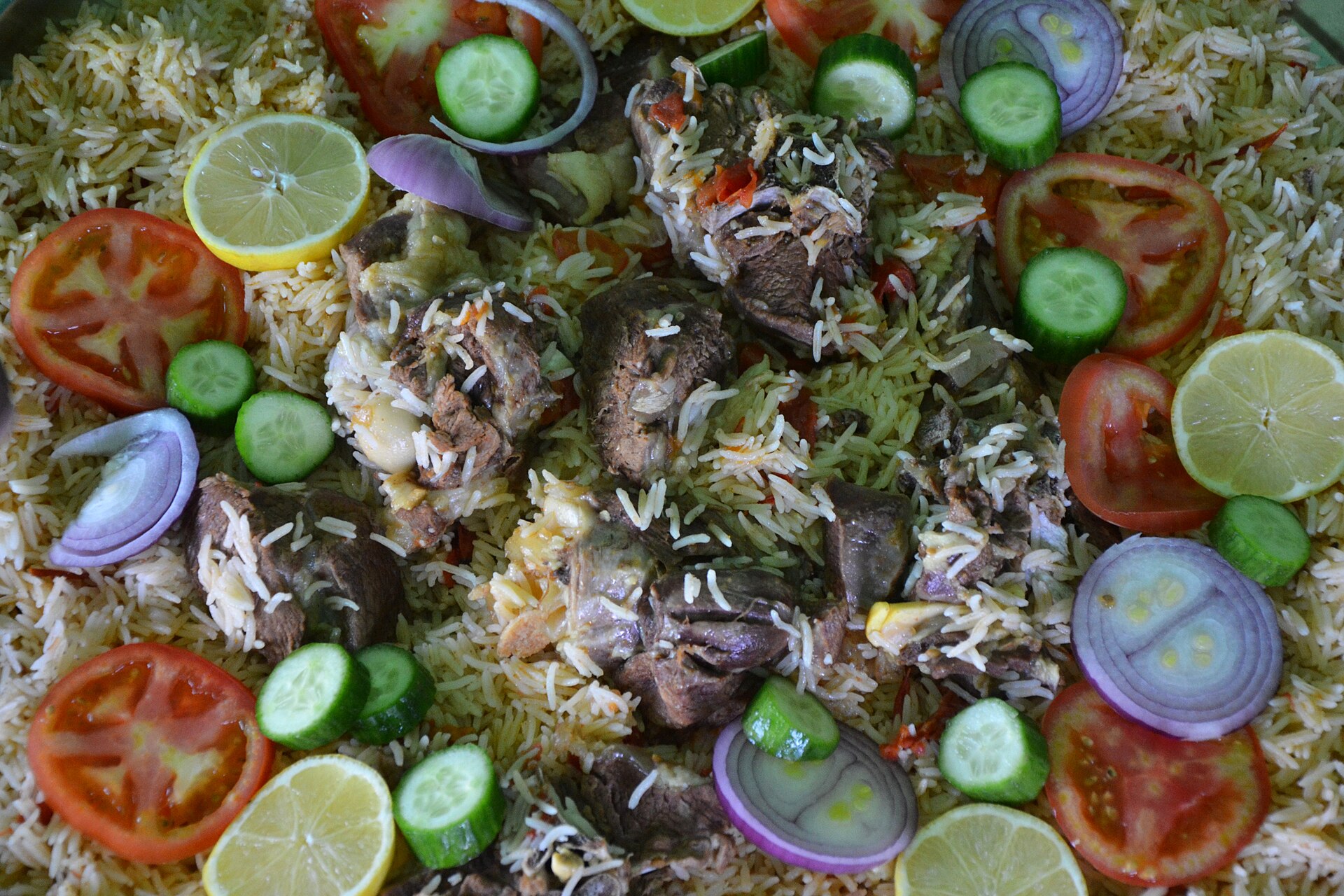
Kabsa
Often called the national dish of Saudi Arabia, kabsa is a fragrant rice dish prepared with chicken, lamb or occasionally camel meat. The rice is cooked in a broth infused with cardamom, cloves, cinnamon, black lime and tomato, then topped with the roasted or braised meat, fried almonds, raisins and fresh coriander. Virtually every cooking class in the Kingdom includes kabsa on its menu. Learning to control the layering of spices and achieve the correct rice texture is the core skill most instructors emphasise.
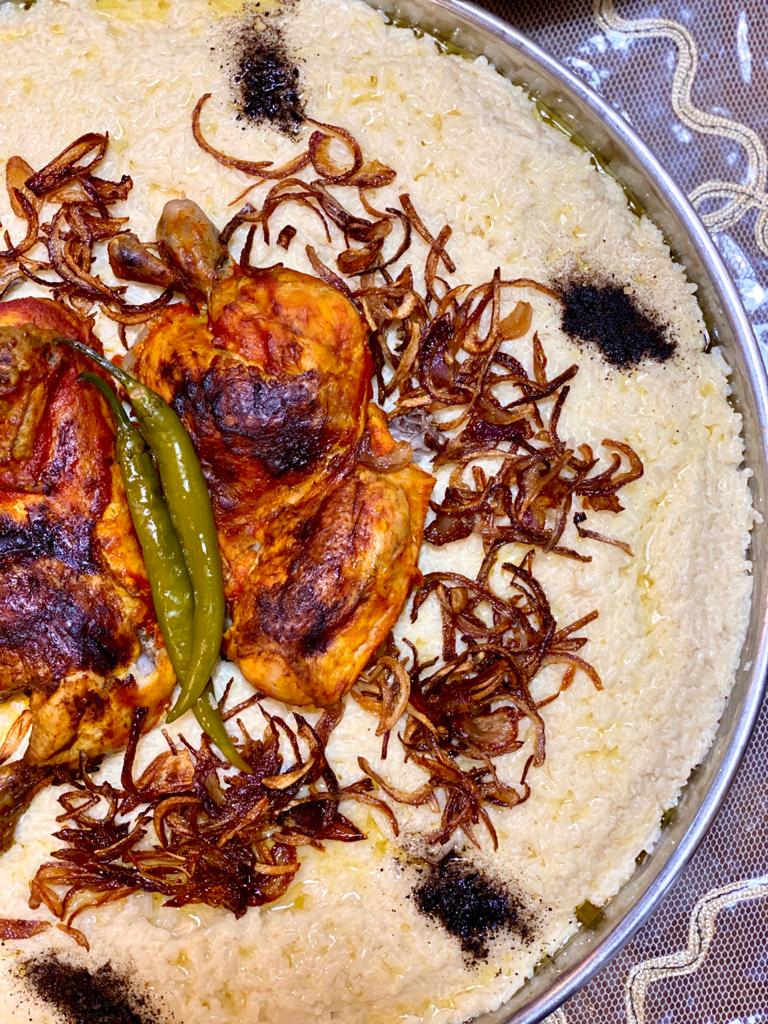
Mandi
Originally from Yemen but now firmly part of the Saudi culinary canon, mandi features whole cuts of lamb or chicken cooked slowly over charcoal in a tannour (underground clay oven). The smoke imparts a distinctive flavour impossible to replicate with conventional cooking. In a class setting, instructors typically demonstrate the spice rub and marination technique, then show how to approximate the smokiness using conventional ovens. The rice for mandi is cooked separately in the meat’s aromatic broth with saffron and turmeric.
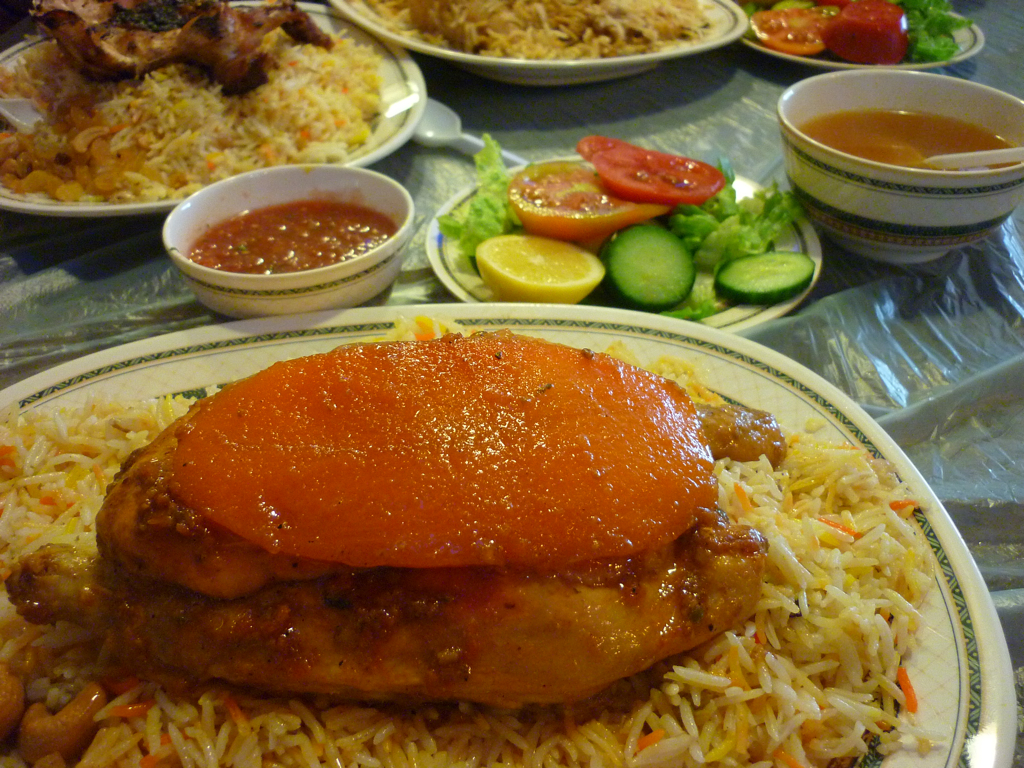
Saleeg
Saleeg is a Hejazi comfort dish sometimes compared to a risotto. Short-grain rice is simmered in chicken broth enriched with milk until it reaches a creamy, porridge-like consistency, then topped with roasted chicken. It is simpler than kabsa but demands precise timing — overcook and it becomes gluey; undercook and the rice stays chalky. Classes in Jeddah frequently feature saleeg alongside other Hejazi specialities.
Harees
Harees is a slow-cooked dish of coarsely ground wheat and meat (typically lamb or chicken), cooked for hours until the wheat breaks down into a smooth, savoury porridge. It is seasoned with cinnamon, cardamom and ghee, and is traditionally associated with Ramadan and Eid celebrations. Learning to prepare harees teaches patience — the dish requires constant stirring and a low, steady heat.
Jareesh
Similar in concept to harees, jareesh uses crushed wheat cooked with meat, onions, garlic, cumin and coriander. The key difference is in the texture — jareesh retains more grain structure and is less smooth than harees. It is a staple of Najdi cooking and appears frequently on class menus in Riyadh.
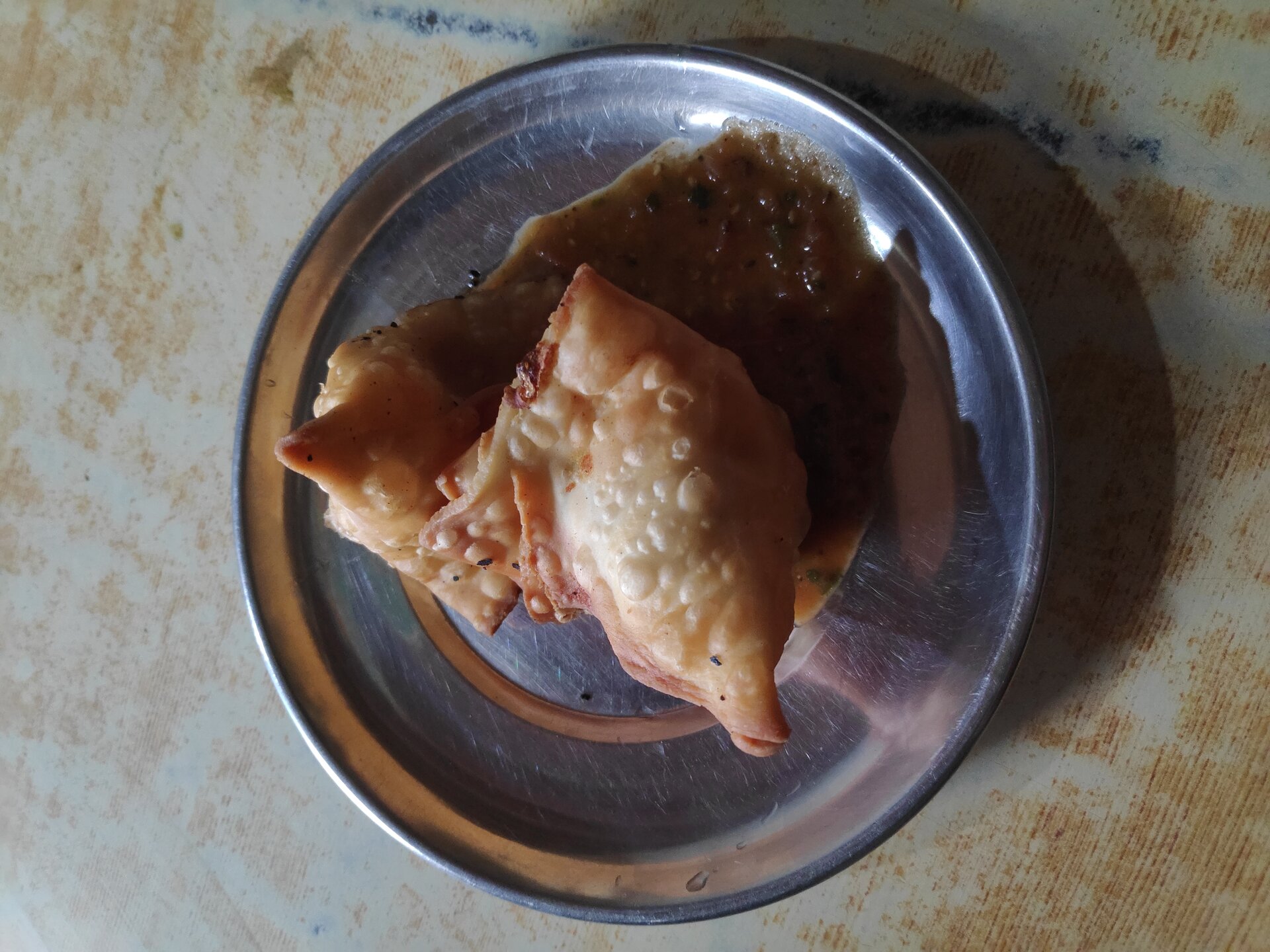
Samboosa
The Saudi version of the samosa, samboosa is a crispy fried or baked pastry filled with spiced minced meat, cheese or vegetables. Samboosa-making is a hands-on highlight of most cooking classes — folding the thin pastry sheets into perfect triangles is a skill that takes practice. They are served as starters or snacks, especially during Ramadan when they appear on virtually every iftar table.
Mutabbaq
Mutabbaq is a stuffed pan-fried bread popular in the Hejaz, filled with a mixture of minced meat, egg, onion and herbs. The dough is stretched thin — almost translucent — before being folded around the filling and fried until golden. It is street food at its finest and a satisfying dish to learn in a class setting.
Msabeeb and Mqashoosh
These traditional Saudi pancakes and pastries round out many class menus. Msabeeb (also spelled masabeeb) are thin, crepe-like pancakes served with date syrup or honey. Mqashoosh is a sweet fried pastry from the Hail region, drizzled with date molasses. Both are simpler to prepare than the main rice dishes and offer a window into Saudi breakfast and dessert traditions.
Where to Find Cooking Classes
Riyadh
Riyadh has the widest range of cooking class options in the Kingdom, from intimate home-based sessions to professional kitchen experiences.
Dunes and Dates is one of the most established providers. Their Saudi Cooking Class runs for three hours every Saturday and Sunday, priced at SAR 750 per person. Participants prepare dishes including kabsa, jareesh and falafel under the guidance of a local chef. The session begins with Saudi coffee (qahwa) and dates, and concludes with a communal meal of everything the group has prepared. They also offer a broader “Traditions and Tastes” cultural experience combining cooking with storytelling about Saudi heritage. Booking is through dunesanddates.com.
Klook lists a Saudi Cooking Class Experience in Riyadh where participants prepare samosas, chicken kabsa and Haili-style mqashoosh. The session opens with qahwa and dates, followed by hands-on cooking, and ends with a group meal and a friendly competition to crown the best dish. Multiple group sizes are available. Book through Klook’s website or app.
Eataly Riyadh at As Sulimaniyah hosts cooking classes every Monday, Wednesday and Saturday from 11am to 12pm. While Eataly’s focus is Italian cuisine (their pizza-making class is popular), the venue occasionally runs Saudi-themed sessions. Kids’ classes are available for SAR 50 per child (ages 5–12, accompanied by an adult). Contact the store at +966 11 293 1502 for the current schedule.
Cozymeal connects travellers with local chefs in Riyadh who offer both in-person home classes and online sessions. Prices vary by chef and menu, typically ranging from SAR 220 to SAR 400 per person. The platform allows you to browse chef profiles, read reviews and book directly online at cozymeal.com.
Miummium is another platform operating in Riyadh that pairs guests with personal chefs for customised cooking classes at home. This option suits travellers who want a private, tailored experience rather than a group class.
New in 2025–2026: The Gordon Ramsay Culinary Academy opened its first international branch at Narjis View Mall in Riyadh, operated under a 10-year partnership with Alkhaleej Training and Education. The academy offers short courses in British and Asian comfort food, baking and patisserie, as well as longer CTH-accredited diploma programmes. Additional branches are planned for Jeddah and Al Khobar. While these courses focus on international rather than Saudi cuisine, they represent a significant addition to Riyadh’s culinary education scene.
Jeddah
Jeddah‘s cooking classes lean toward Hejazi cuisine, reflecting the city’s position as the historical gateway for Hajj pilgrims and its resulting culinary diversity.
Tourist Saudi Arabia operates a Traditional Private Cooking Class and Lunch in Jeddah. The experience runs daily and pairs you with a local chef specialising in Hejazi family recipes. You learn to prepare three courses plus a side dish, covering meat preparation, spice blending, bread making and rice techniques. Prices start from approximately $119 per person for a 5-hour session. A longer full-day experience combining a cooking class with a city food tour is also available.
Sightscape offers cooking classes in Jeddah led by Chef Louloua El Ezzah, covering both traditional Saudi and international cuisines. Classes are interactive and designed for all skill levels. Sightscape also offers a Saudi cooking class in the Eastern Province (Sharqiah), making it one of the few providers with multi-city presence.
Cozymeal Jeddah also operates in the city, offering home-based classes with local chefs. Browse jeddah.cozymeal.com for available sessions.
For travellers visiting Jeddah specifically for food experiences, many classes can be combined with a walking tour of Al Balad (the UNESCO-listed historic district), where street food stalls serve mutabbaq, foul medames and fresh juices. See our Saudi Arabia Food Guide for more on where to eat.
AlUla
AlUla offers two distinctive cooking experiences that draw on the region’s unique oasis agriculture and ancient food traditions.
Anyah Cooking Classes are run through the official Experience AlUla programme. Guided by a professional chef, this experience focuses on dishes made with produce grown in AlUla’s own oasis — a true “oasis to table” concept. Menus are inspired by the region’s gastronomic heritage and change seasonally. Pre-registration is required, and changes or refunds are allowed up to three days before the booked date. Contact Experience AlUla at +966 920 025 003 for current pricing and availability.
Dadan Culinary Arts Centre Workshops offer a more specialised experience focused on heritage food skills: breadmaking with local grains, traditional food preservation techniques, herbal tea preparation using moringa and local herbs, and seasonal cooking with oasis produce. These sessions connect directly to AlUla’s archaeological heritage — the Dadan civilisation that once thrived here left traces of its agricultural practices that modern chefs are now reviving.
Al Khobar and the Eastern Province
The Eastern Province is home to ZADK Saudi Culinary Arts Academy, headquartered in Al Khobar. While ZADK’s core offering is a two-year professional Diploma in Culinary Arts (accredited through a Saudi-Swiss programme with over 1,500 hours of hands-on kitchen time), the academy also runs shorter courses and workshops. ZADK is notable for being the only culinary institution in Saudi Arabia with a dedicated focus on Saudi cuisine as a formal discipline. It is a non-profit operation aligned with Vision 2030’s goals of professionalising the Kingdom’s food sector.
Sightscape also operates a Saudi cooking class in the Sharqiah region, covering appetisers, main courses and desserts with instruction in spice usage and traditional techniques.
The Red Sea
For luxury travellers, the Six Senses Southern Dunes resort near Umluj on the Red Sea coast operates a dedicated cooking school. Classes change daily and cover Saudi regional cuisine, Moroccan, Syrian, Persian and Lebanese dishes, plus plant-based cooking. The school transitions into a private Chef’s Table dining experience in the evenings. This is a premium option best suited to guests already staying at the resort. See our Saudi Arabia Hotels Guide for more on luxury accommodation options.
What to Expect in a Typical Class
While each provider has its own style, most Saudi cooking classes follow a similar structure:
| Element | Details |
|---|---|
| Duration | 2–5 hours, with 3 hours being most common |
| Group Size | 4–12 people for group classes; private sessions available |
| Language | English is standard for tourist-facing classes; Arabic available |
| Welcome | Saudi coffee (qahwa) and dates on arrival |
| Instruction | Hands-on: you chop, mix, spice and cook alongside the chef |
| Dishes Prepared | Typically 2–4 dishes including a rice main, a starter and a dessert or pastry |
| Meal Included | Yes — you eat what you have prepared at the end of the session |
| Take-Home | Most providers give recipe cards or digital recipes; some offer a spice pack |
| Dress Code | Casual clothes that allow movement; closed-toe shoes recommended |
Practical tip: Classes that begin with a spice market visit or ingredient sourcing trip tend to offer more depth than those that start directly in the kitchen. Ask when booking whether the session includes any market element.
Prices and Booking Advice
Prices vary considerably depending on the provider, group size and level of luxury.
| Provider Type | Price Range (per person) | Best For |
|---|---|---|
| Platform classes (Cozymeal, Klook) | SAR 220–400 (~$60–110) | Budget-friendly group experiences |
| Specialist operators (Dunes and Dates, Tourist Saudi Arabia) | SAR 450–750 (~$120–200) | In-depth cultural immersion |
| Private home-based sessions | SAR 300–600 (~$80–160) | Intimate, personalised experience |
| Luxury resort cooking schools (Six Senses) | SAR 800+ (~$215+) | Premium experiences for resort guests |
| Professional academy workshops (ZADK) | Varies — contact directly | Serious food enthusiasts |
Booking tips:
- Book at least 3–5 days in advance, especially for weekend sessions in Riyadh and Jeddah. Popular providers like Dunes and Dates fill up quickly.
- Check cancellation policies before paying. Anyah in AlUla allows free cancellation up to three days before; others may have stricter terms.
- Platform bookings (Klook, Cozymeal) often offer free cancellation 24–48 hours ahead.
- Group discounts are common for parties of 6 or more — ask when booking.
- For private sessions, negotiate directly with the chef for a customised menu. This is particularly worthwhile in Jeddah, where Hejazi home cooks can teach family-specific recipes you will not find elsewhere.
- Vegetarian options: Most classes can accommodate vegetarian participants with advance notice. Samboosa can be filled with cheese or vegetables; jareesh can be prepared without meat; and side dishes like fattoush salad, hummus and foul medames are naturally vegetarian.
- Vegan options: More limited, but possible if you communicate clearly in advance. Foul medames, some rice dishes and vegetable-stuffed mutabbaq can work.
- Gluten-free: Kabsa and mandi are rice-based and naturally gluten-free. Harees and jareesh use wheat and are not suitable for coeliac travellers. Samboosa wrappers contain wheat flour.
- Nut allergies: Flag this clearly. Kabsa and mandi are traditionally garnished with almonds and pine nuts, but these can be omitted.
- October to March is the most comfortable season for visiting Saudi Arabia, with mild temperatures across most of the country. This is peak tourist season, so book early. See our Saudi Arabia Travel Guide for seasonal planning.
- Ramadan is a particularly special time for food-focused travellers. While daytime hours are fasting hours (and some classes pause during this period), several providers offer special iftar preparation classes that teach you to cook the dishes served at the evening meal to break the fast. Samboosa, harees and various sweets feature prominently on Ramadan tables, and learning to prepare them in context adds a meaningful cultural dimension.
- Summer (June–August) is extremely hot in Riyadh and Jeddah. Cooking classes are held indoors and remain comfortable, but you may find fewer sessions available as some operators reduce schedules during the quieter summer months.
- AlUla has a defined tourist season (roughly October to April) and some cooking experiences, including the Dadan Culinary Arts Centre, may only operate during this period.
- Arrive hungry. You will eat what you cook, and the portions are generous. Skip the hotel breakfast on class day.
- Bring a notebook or use your phone to take notes. Recipe cards are helpful, but the improvisational tips — “add a splash of rosewater if the rice smells flat” — are the ones you want to capture in real time.
- Photograph the spice packets. If the chef uses a particular brand of baharat mix or a specific type of dried lime, photograph the packaging so you can source it later. Many Saudi spice brands are available online internationally.
- Visit a local spice shop before or after your class. In Riyadh, the spice stalls at Souq Al Zal in the Dira district sell pre-mixed baharat, whole cardamom pods, saffron and loomi at a fraction of what you would pay at home. In Jeddah, the shops around Al Balad serve the same purpose.
- Consider pairing your class with a food tour. Several operators in both Riyadh and Jeddah offer walking food tours that provide context before you step into the kitchen. Eating the finished dishes at restaurants first helps you calibrate your palate for what you are about to cook.
- Do not underestimate rice. Cooking perfect Saudi rice — fluffy, fragrant, each grain separate — is harder than it looks. Pay close attention to the rice-washing, soaking and water-ratio steps. This is the skill that will serve you best at home.
- Saudi Arabia Travel Guide 2026 — The complete guide to visiting the Kingdom
- Riyadh Travel Guide — Where most cooking classes are concentrated
- Jeddah Travel Guide — Explore the Red Sea city’s vibrant food scene
- Saudi Arabia Food Guide — Complete guide to eating in Saudi Arabia
- Saudi Arabia Visa Guide — Every visa type explained
- Best Neighbourhoods in Riyadh — Where to base yourself for the best food experiences
Dietary Considerations
All cooking classes in Saudi Arabia are halal by default — there is no pork or alcohol in any dish. Beyond this:
Best Time to Book
Saudi cooking classes run year-round, but timing matters:
Tips for Getting the Most Out of Your Class
Ask questions relentlessly. Saudi chefs in a class setting are typically generous with their knowledge, but the best insights come from questions. Ask about the specific spice blend the chef uses, why they prefer one brand of rice over another, and what their family does differently. These details are the real takeaway from the experience.
Getting to Saudi Arabia
Most cooking class destinations are easily reached via Saudi Arabia’s two main international airports. King Khalid International Airport (RUH) serves Riyadh, while King Abdulaziz International Airport (JED) serves Jeddah. AlUla is reached via a domestic flight from Riyadh or Jeddah to Prince Abdul Majeed bin Abdulaziz Airport (ULH), with several daily connections.
You will need a tourist e-visa, which can be obtained online in minutes for citizens of over 60 eligible countries. The visa is valid for one year and allows stays of up to 90 days per visit.
For getting around within cities, ride-hailing apps (Uber and the local Careem) are widely available and affordable. In Riyadh, the new Metro system that opened in late 2024 connects key districts. See our Riyadh Travel Guide for neighbourhood-level navigation advice.