
The Taif Cable Car, known locally as the Teleferic, is one of the most memorable experiences in Saudi Arabia’s western highlands. Suspended above the rugged terrain of Al Hada Mountain, the cable car carries passengers on a 4.5-kilometre journey between the mountain summit and Al Kar Tourist Village in the valley below, offering sweeping views of the Sarawat Mountains, winding switchback roads, and distant rose farms along the way. Whether you are building a full Taif travel itinerary or looking for a single unforgettable activity on a day trip from Mecca or Jeddah, the Teleferic delivers an experience unlike anything else in the Kingdom.
Best Time to Visit: October to April (cooler months; late afternoon for best light)
Getting There: Upper station at Ramada Al Hada Hotel, ~20 km west of central Taif on the Al Hada ring road
Visa Required: Yes — tourist e-visa
Budget: SAR 150 one-way / SAR 300 round trip (~US $40–80); toboggan SAR 30 extra
Must-See: Mountain panorama at sunset, Al Kar Tourist Village, toboggan ride
Avoid: Arriving without checking current hours — seasonal schedules vary
Inaugurated in 2001 and built by the Taif Investment and Tourism Company in partnership with an Austrian engineering firm, the Teleferic holds a distinctive record: it is one of the longest unsupported cable car spans in the world, crossing 4.5 kilometres of mountain terrain without a single intermediate pylon. The system was originally designed to connect the Ramada Al Hada Hotel at the summit with the recreational facilities below, but it has grown into a standalone attraction that draws hundreds of thousands of domestic and international visitors each year. If you are planning to explore Taif and its surroundings, the cable car should be high on your list.
The Cable Car Ride: What to Expect
The Teleferic carries passengers in enclosed gondola cabins that seat up to eight people. Each cabin features large panoramic windows on all sides, so every seat offers an unobstructed view. The ride covers 4.5 kilometres and takes approximately 15 to 20 minutes in each direction, descending (or ascending) roughly 600 metres of elevation between the upper station on Al Hada Mountain and the lower station at Al Kar Tourist Village.
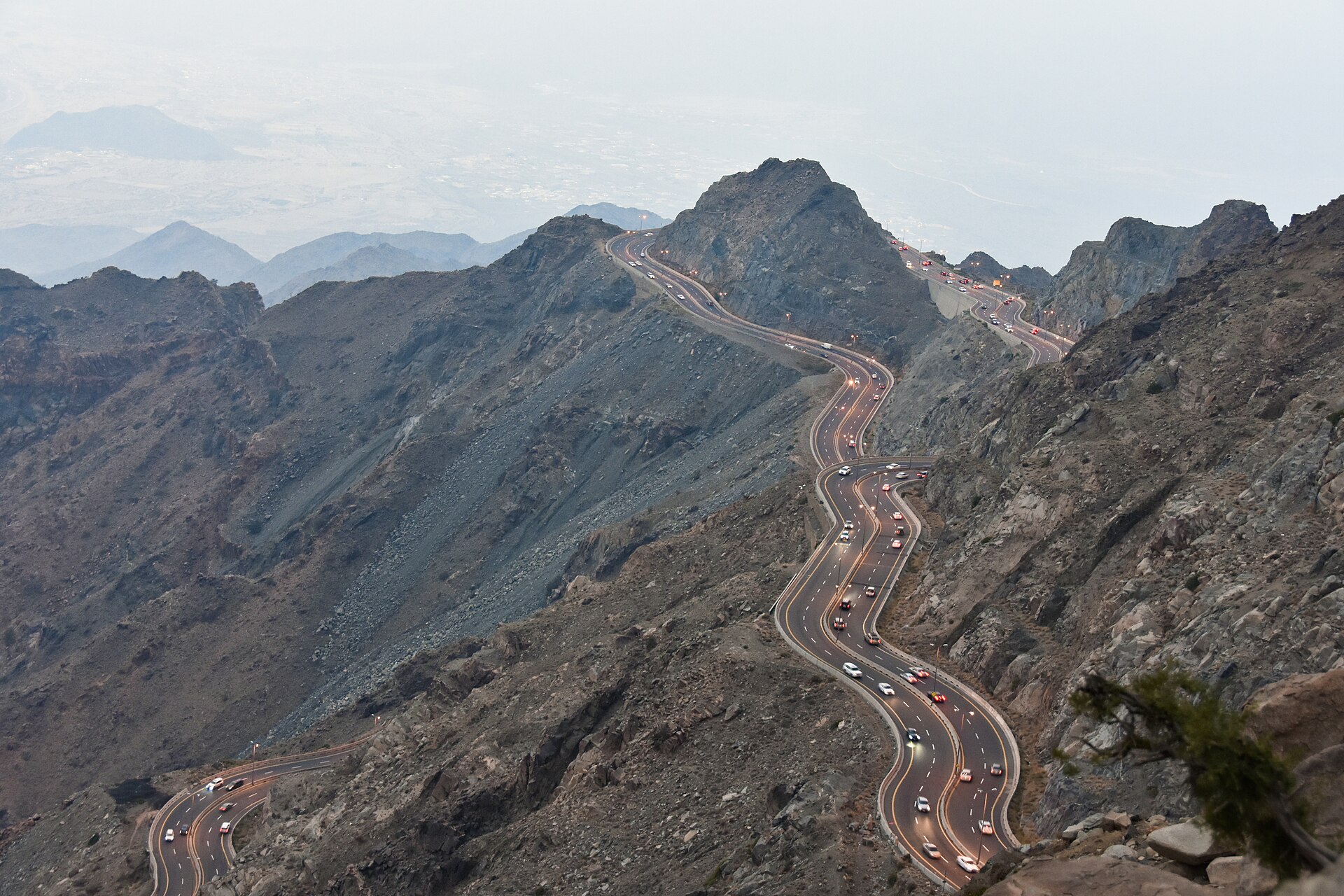
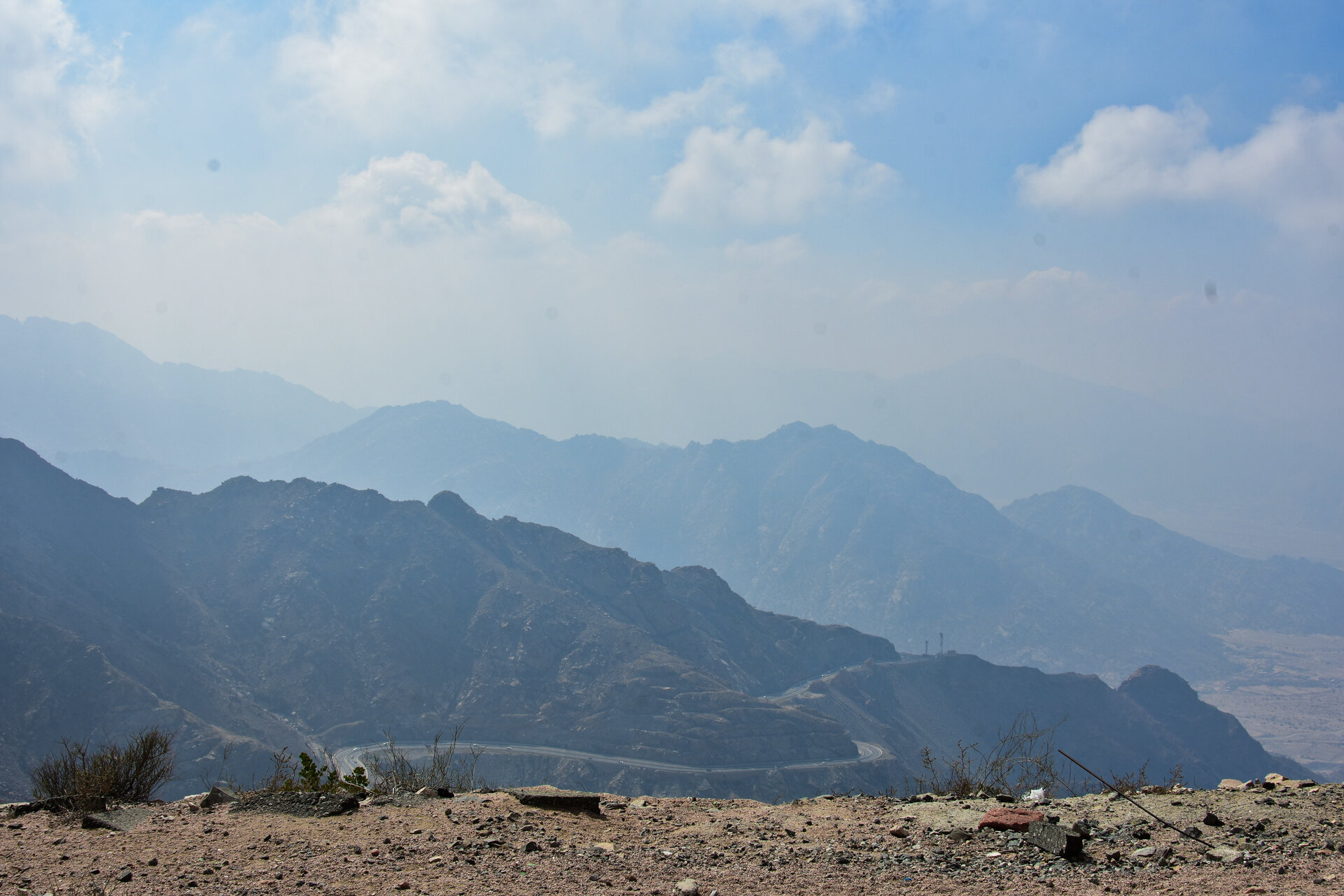
The upper station sits at approximately 2,000 metres above sea level, perched beside the Ramada Al Hada Hotel. As the gondola leaves the station and swings out over the valley, the first thing you notice is the famous Al Hada switchback road far below — a ribbon of asphalt with dozens of hairpin turns that snakes down the mountainside. On clear days, the view extends across layer upon layer of hazy blue ridgelines to the distant Tihama coastal plain. In spring, you may spot patches of green terracing and the pale pink haze of rose farms in the valleys below.
Views Along the Route
The cable car route passes over several distinct landscape zones. Near the summit, the terrain is rocky and arid, dotted with juniper trees and hardy mountain scrub. As you descend, the vegetation thickens and the views open up to reveal:
- Al Hada Mountain switchbacks — the winding road with its dozens of hairpin bends, especially spectacular when illuminated at dusk
- Rose farm terraces — visible as pale green patches in the valleys during the March–April blooming season
- Al Kar Village — the recreational complex and artificial lake at the base of the ride
- Distant mountain ridges — the layered Sarawat peaks fading into blue haze toward Mecca to the west
Tip: Arrive after 4:00 PM for the best experience. The late afternoon light turns the mountains golden, and if you time it right, you can ride down in daylight and return as the city lights and road lamps switch on below — a genuinely magical sight.
Tickets, Prices and Booking
The Teleferic is operated commercially, and tickets are purchased at the upper station near the Ramada Al Hada Hotel. As of 2025, the pricing structure is as follows:
| Ticket Type | Price (SAR) | Approx. USD |
|---|---|---|
| Cable car — one way | 150 | $40 |
| Cable car — round trip | 300 | $80 |
| Toboggan ride | 30 | $8 |
Children: Young children typically ride free on the cable car when accompanied by a paying adult. Confirm at the ticket counter, as age thresholds may vary.
Online booking: Some third-party operators, including Rich Experience Travel Tourism (richexperience.sa), list cable car tickets and packages online. However, most visitors purchase tickets in person at the station. There is no official online reservation system from the operator, so walk-up purchase is the standard method.
Note on pricing: Some older sources cite a ticket price of SAR 84. This appears to be a legacy fare. Multiple recent sources from 2025 confirm the current rate of SAR 150 one-way and SAR 300 return. Prices are subject to change, so confirm before your visit.
Opening Hours and Best Time to Go
Operating Hours
The Teleferic generally operates daily from 9:00 AM to 6:00 PM, though some sources report extended hours to 8:00 PM during peak season (summer holidays and weekends). Hours can vary seasonally and during Ramadan, so it is always worth confirming before making the trip.
Best Season
Taif sits at an elevation of around 1,800 metres and enjoys a milder climate than the scorching lowlands of Mecca and Jeddah. Al Hada Mountain is even higher, reaching approximately 2,000–2,200 metres, which means temperatures are noticeably cooler year-round. That said, the best months for the cable car are:
- October to March — Cool and clear. Daytime highs of 15–25°C at the summit. The best visibility for mountain panoramas.
- March to April — Rose season in Taif. The valleys below the cable car route turn faintly pink and green as the Damask rose farms bloom. This is also the period for the annual Taif Rose Festival.
- June to August — Saudi families flock to Taif as a summer escape. The cable car gets busy, especially on weekends and holidays, but the weather remains pleasant (20–30°C) compared to the 45°C+ heat in Jeddah and Riyadh.
For the best photography conditions, visit on a weekday afternoon between October and April, when the air is clearest and the crowds are thinnest. The Saudi Arabia seasonal guide has more on planning around weather and holidays.
The Toboggan: A Mountain Thrill Ride
Alongside the cable car, Al Hada offers a toboggan ride — a gravity-powered rail descent where you sit in a small cart and control your own speed using a hand brake. The toboggan track is approximately 1.2 kilometres long, starting near the mountain summit and winding down through the rocky terrain in about five minutes.
At SAR 30 per ride, it is an affordable add-on and a genuine thrill for older children and adults. The toboggan lets you control your descent speed, which ranges from a gentle coast to a brisk rush, depending on how brave you are with the brake. The track curves through the mountainside with open views on both sides, making it a more visceral experience than the cable car’s serene glide.
Safety note: The toboggan is not suitable for very young children. Riders need to be able to reach and operate the hand brake independently. Follow the staff instructions carefully, and avoid building up too much speed on the turns.
Al Kar Tourist Village: What Awaits at the Bottom
The cable car’s lower station sits within Al Kar Tourist Village, a family-oriented recreation complex at the base of Al Hada Mountain. After the ride down, there is plenty to do before heading back up:
- Water park and pools — Seasonal water activities including slides and splash pools, popular with families during the warmer months.
- Karting circuit — A small go-kart track suitable for older children and adults.
- Paintball and laser tag — Team-based activities set against the mountain backdrop.
- Rope challenge courses — Aerial obstacle courses for those who want to stay above ground level.
- Sand and adventure games — Assorted activities that rotate seasonally.
- Restaurants and cafes — Several dining options serving traditional Saudi cuisine, grilled dishes, and fast food. Notable restaurants near the village include Al Fakhamah (known for grills), Al Bashaer, and Al Mukhtar.
Al Kar is a relaxed place to spend an hour or two. The lakeside setting and mountain air make it a pleasant contrast to the gondola ride. If you are visiting with children, budget at least 90 minutes at the village to let them enjoy the activities before riding the cable car back up.
Getting to the Cable Car
From Central Taif
The upper cable car station is located beside the Ramada Al Hada Hotel, on the Al Hada ring road about 20 kilometres west of central Taif. The drive takes approximately 25–30 minutes. If you are driving, head west on the Taif–Al Hada road (Route 15) and follow signs for Al Hada. The station has its own parking area, though it can fill up on busy weekends.
Taxis and ride-hailing apps (Uber and Careem both operate in Taif) can take you to the station. Expect to pay SAR 40–60 each way from central Taif. If you prefer driving yourself, a rental car gives you flexibility to explore the wider Al Hada area at your own pace.
From Mecca
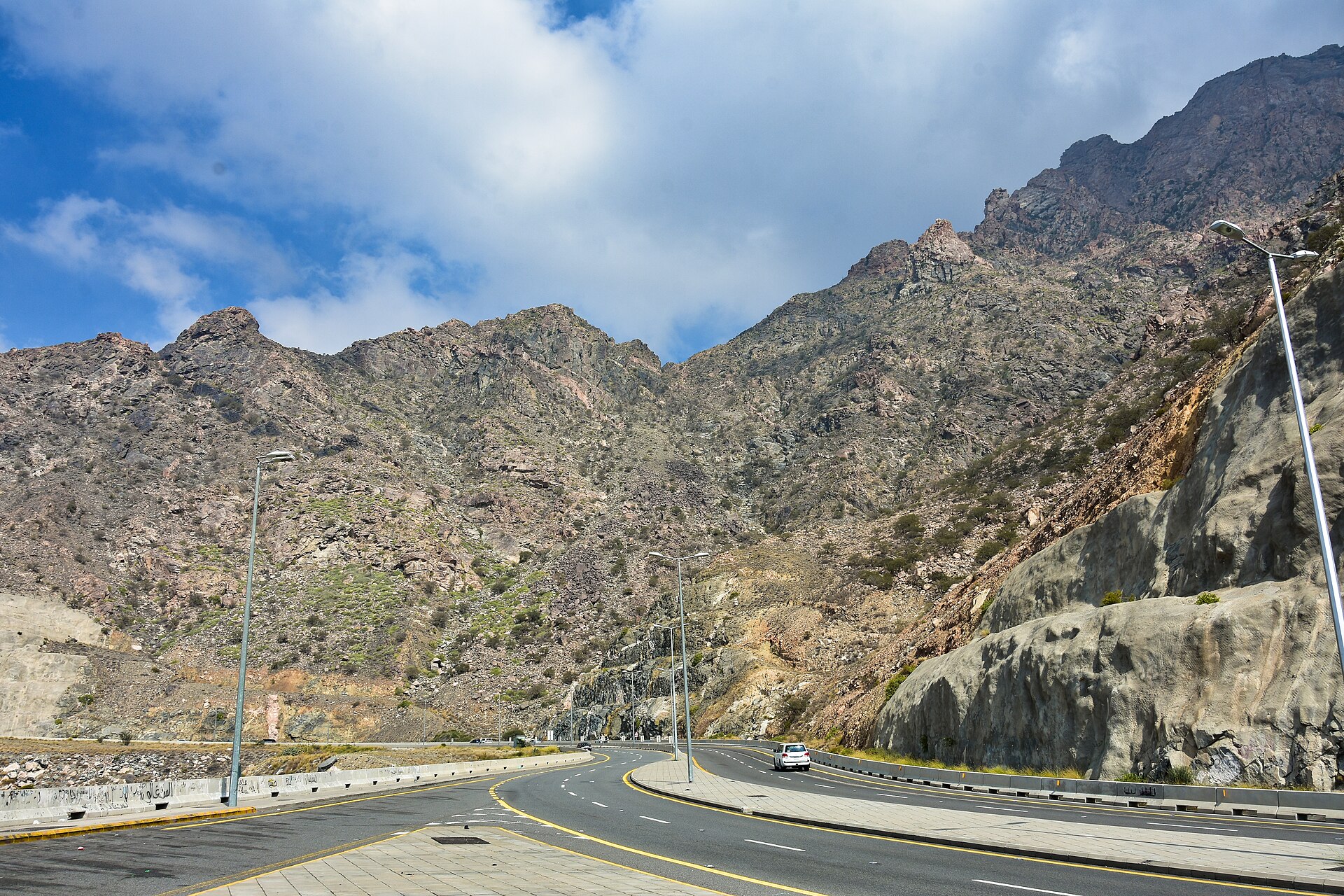
Mecca is about 75 kilometres west of Al Hada. The drive takes roughly 90 minutes via Route 15, climbing through the spectacular mountain passes of the Sarawat escarpment. The road itself is an experience — dozens of hairpin bends with sheer drops and lookout points. This makes the cable car an excellent half-day excursion for Umrah visitors looking for a change of pace.
From Jeddah
Jeddah is approximately 170 kilometres from Al Hada, a drive of about two hours via Route 15 through Mecca. SAPTCO buses run from Jeddah to Taif for SAR 40–60, and private taxis cost SAR 350–500 for a sedan. You can also check transport options across Saudi Arabia for more on intercity travel. If you are spending time in Jeddah, a Taif day trip is entirely feasible.
By Air
Taif Regional Airport (TIF) handles domestic flights from Riyadh on Saudia, flynas, and flyadeal. Seasonal routes also connect to Dammam. Oman Air launched an international service from Muscat to Taif in January 2026. From the airport, Al Hada is about 30 minutes by car. You will need a valid visa to enter Saudi Arabia regardless of your arrival point.
What Else to See Near Al Hada
The cable car is the headline attraction on Al Hada Mountain, but the area has more to offer if you have time to explore. The Al Shafa and Al Hada guide covers the mountain resort area in detail, but here are the highlights closest to the cable car station:
Al Hada Lookout Points
Several roadside viewpoints along the Al Hada ring road offer sweeping panoramas of the switchback road and the valley below. These are free to access and are especially photogenic at sunset. The most popular viewpoint is just a few hundred metres from the cable car station.
Shubra Palace
About 20 minutes’ drive east, in central Taif, stands Shubra Palace — a 1905 Ottoman-era residence that served as a summer palace for Saudi kings including King Abdulaziz and King Faisal. Today it functions as a museum housing early Islamic coins, jewellery, and weapons. The palace’s blend of Ottoman, Hijazi, and classical architectural elements makes it worth a visit on the way to or from the cable car.
Taif Rose Farms
If you visit between March and April, the rose farms in the valleys below Al Hada are in full bloom. The Taif wardh (Damask rose) has been cultivated here for centuries and is distilled into rosewater, perfume oils, and cosmetics. Several farms open to visitors for short morning tours and distillation demonstrations during the season. The annual Taif Rose Festival (usually April) celebrates the harvest with markets, workshops, and cultural events.
Souq Okaz
The reconstructed site of Souq Okaz, the pre-Islamic poetry and trade fair that once drew the greatest literary minds of the Arabian Peninsula, lies about 40 kilometres northeast of Al Hada. The annual Souq Okaz Festival (usually held in summer) features poetry recitals, theatrical performances, and traditional crafts. Even outside festival season, the archaeological site and open-air theatre are worth a quick stop on the way back to Taif.
Practical Tips for Visitors
What to Wear
Al Hada is significantly cooler than lowland Saudi Arabia. Even in summer, evening temperatures at the summit can drop to 15–20°C, and in winter they can fall below 10°C. Bring a light jacket or sweater, especially if you plan to watch the sunset. Comfortable walking shoes are advisable for exploring Al Kar Village at the bottom.
Photography
The cable car’s panoramic windows are good for photography, though they can produce reflections. For the sharpest shots, press your lens gently against the glass to eliminate reflections, or use a rubber lens hood. The best light is in the golden hour (roughly 4:00–6:00 PM), when the mountains glow amber and the switchback road begins to light up. If you are serious about photography in Saudi Arabia, Al Hada is one of the most rewarding locations in the western highlands.
Accessibility
The cable car gondolas are enclosed and reasonably spacious, but boarding requires stepping across a small gap as the cabin passes slowly through the station. Visitors with limited mobility should ask staff for assistance. The upper and lower stations have paved access from the parking areas.
Food and Drink
There are no dining facilities inside the cable car itself. The Ramada Al Hada Hotel at the upper station has a restaurant, and Al Kar Tourist Village at the lower station offers several casual eateries. Bring water, especially in warmer months — the ride itself takes 15–20 minutes each way, and you may spend an hour or more at the village.
Crowds and Timing
The cable car gets busy during Saudi school holidays (summer, Eid periods, and National Day in September) and on weekend evenings (Thursday–Friday). For a quieter experience, visit on a weekday morning or early afternoon. During peak periods, expect queues of 20–40 minutes at the upper station.
Combining the Cable Car with a Taif Day Trip
A well-planned day in Taif can combine the cable car with several other attractions. Here is a suggested itinerary that works well as a day trip from Taif city or as an excursion from Mecca or Jeddah:
| Time | Activity |
|---|---|
| 9:00 AM | Visit Shubra Palace museum (central Taif) |
| 10:30 AM | Tour a rose farm (March–April season) or browse Taif’s old souqs |
| 12:30 PM | Lunch at a traditional restaurant in Taif (try mandi or mathloota) |
| 2:00 PM | Drive to Al Hada (25–30 minutes) |
| 2:30 PM | Explore the Al Hada lookout points |
| 4:00 PM | Cable car ride down to Al Kar Village (arrive in golden hour) |
| 4:30 PM | Activities at Al Kar (toboggan, karting, or strolling the village) |
| 5:30 PM | Cable car return ride (sunset views) |
| 6:00 PM | Dinner at Ramada Al Hada Hotel or drive back to Taif |
If you are building a longer stay, the Saudi Arabia itinerary planner can help you fit Taif into a broader western-region trip that includes Jeddah, Mecca (for Umrah visitors), and the highlands.
Where to Stay Near the Cable Car
There are accommodation options at both ends of the cable car journey:
- Ramada Al Hada Hotel — The most convenient option, located directly beside the upper cable car station. A mid-range hotel with mountain views, a restaurant, and easy access to the Al Hada lookout points. Rates typically start from SAR 300–500 per night.
- Hotels in central Taif — A wider range of options from budget to upscale, 20–30 minutes’ drive from the cable car. Brands including InterContinental, Sheraton, and several local boutique properties operate in the city.
- Al Shafa village stays — For a more remote mountain experience, Al Shafa village (about 45 minutes south of Al Hada) offers traditional stone guesthouses and chalets. See the Al Shafa and Al Hada guide for details.
History and Engineering
The Teleferic was built by the Taif Investment and Tourism Company in partnership with an Austrian cable car engineering firm. Construction began in the late 1990s, and the system was inaugurated in 2001. The project was conceived as part of a broader plan to develop Al Hada Mountain as a year-round tourism destination, complementing the existing resort hotels and recreational facilities.
The system’s most notable engineering feature is its unsupported span. Unlike most cable car systems that use intermediate pylons to support the cable across the route, the Taif Teleferic crosses 4.5 kilometres of mountainous terrain with minimal intermediate support structures. This was a deliberate design choice to minimise visual impact on the mountain landscape and to reduce construction complexity in the difficult terrain. The engineering achievement places it among the longest unsupported aerial tramway spans in the world.
The gondola cabins were designed for the specific conditions of the Sarawat Mountains, with reinforced construction to handle the strong crosswinds that occasionally affect the exposed route. The system undergoes regular safety inspections by specialist maintenance teams, and operations are suspended during severe weather.
Explore More Saudi Arabia Travel Guides
- Taif Travel Guide — The complete guide to Saudi Arabia’s City of Roses, including rose farms, palaces, and mountain attractions
- Al Shafa and Al Hada: Taif Mountain Resorts — Accommodation and activities in the highland villages surrounding the cable car
- Taif City Guide — Practical information on the city itself, from souqs to restaurants
- Saudi Arabia Hiking Guide — Mountain trails across the Kingdom, including routes in the Taif highlands
- Saudi Arabia Visa Guide — Every visa type explained, from tourist e-visas to Umrah permits
- Abha and Asir Travel Guide — The other great Saudi highland escape, further south along the Sarawat range