
Saudi Arabia is not the first country that comes to mind when you think of kayaking, but the Kingdom’s 2,600-kilometre coastline, mangrove-fringed lagoons, and even inland waterways offer paddlers a surprising range of experiences. Whether you are gliding through the turquoise shallows of the Red Sea near Umluj, threading through mangrove channels on the Farasan Islands, or launching from Half Moon Bay on the Arabian Gulf coast, kayaking in Saudi Arabia delivers scenery that few other destinations in the Middle East can match. This guide, part of our Saudi Arabia Travel Guide 2026, covers every practical detail you need to plan a kayaking trip in the Kingdom — from the best locations and seasons to rental prices, safety tips, and tour operators.
Best Time to Visit: October to March (air temperatures 20–30 °C, water 22–27 °C)
Getting There: Fly to Jeddah (Red Sea), Dammam (Arabian Gulf), or Jizan (Farasan Islands)
Visa Required: Yes — tourist e-visa
Budget: SAR 100–350 per session (US $27–$93); guided tours SAR 250–600
Must-See: Umluj island channels, Farasan mangroves, Shura Island (Red Sea Global)
Avoid: Paddling June to August unless launching at dawn — midday temperatures regularly exceed 45 °C
Why Kayak in Saudi Arabia?
The Kingdom sits between two bodies of water — the Red Sea to the west and the Arabian Gulf to the east — and both coasts contain ecosystems that are best explored at the slow, quiet pace a kayak provides. The Red Sea coast between Jeddah and NEOM features more than 1,100 islands, coral reefs supporting over 175 species of hard coral, and mangrove forests that are home to flamingos, herons, and hawksbill turtles. The Arabian Gulf coast around Dammam and Jubail holds its own mangrove ecosystems and the calm, shallow waters of Half Moon Bay.
Saudi Arabia’s Vision 2030 tourism strategy has accelerated investment in outdoor recreation. The Saudi Canoe and Kayak Federation (SCKF), established in 2017 and recognised by the International Canoe Federation in 2021, now serves over 8,000 registered paddlers. Mega-projects like The Red Sea destination and AMAALA are integrating kayaking into their guest activity programmes through WAMA, Red Sea Global’s dedicated water sports brand, which offers guided mangrove kayak tours from Shura Island.
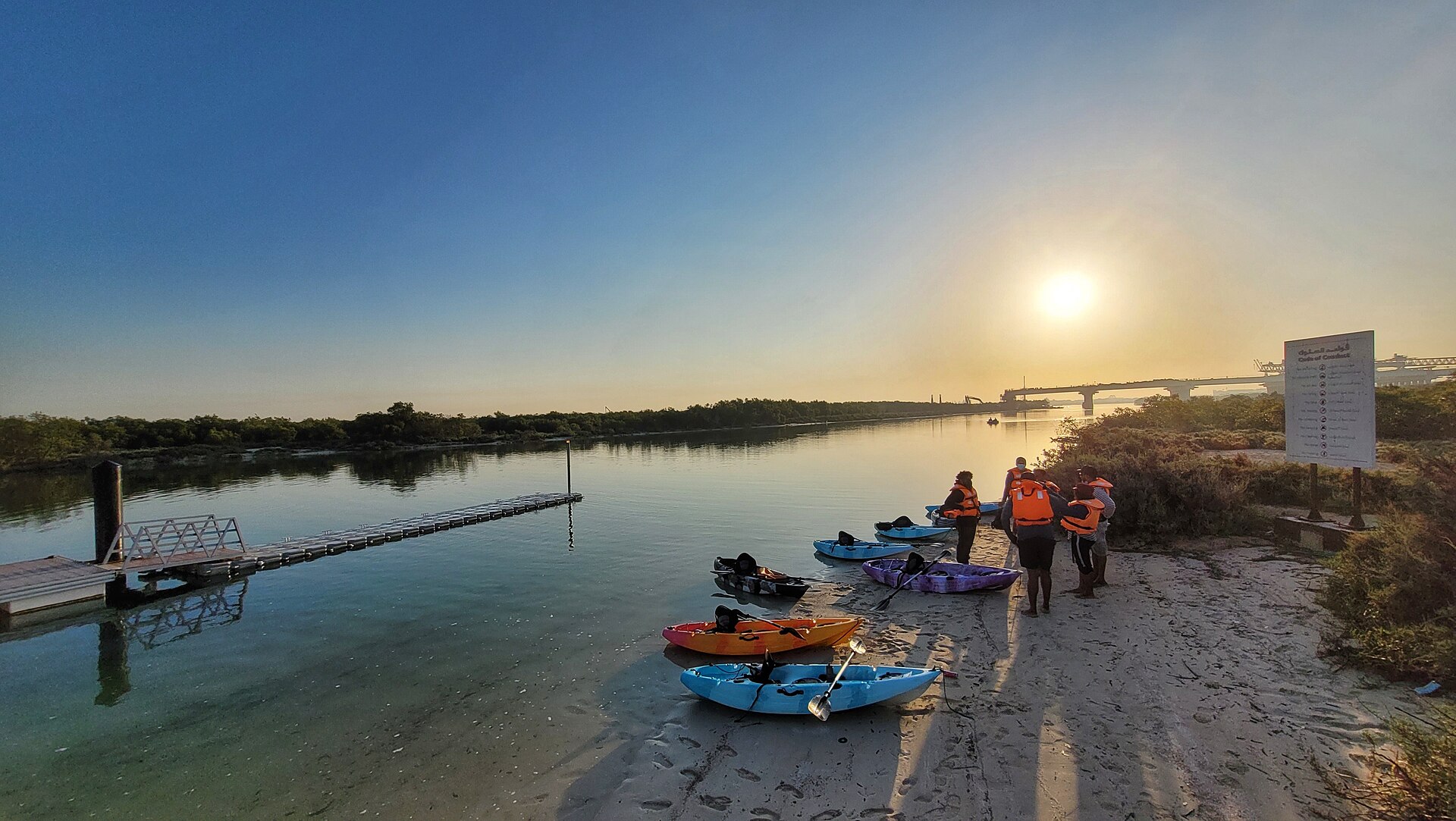
Best Kayaking Locations on the Red Sea Coast
Umluj — The Maldives of Saudi Arabia
Umluj, roughly 400 kilometres north of Jeddah in Tabuk Province, is surrounded by more than 100 small islands with crystal-clear water and pristine sandbars. The shallow, sheltered channels between islands make Umluj one of the best sea-kayaking locations in the Kingdom. Paddlers can weave through turquoise pools, pause on uninhabited sandbars, and encounter reef fish in water so clear that the seabed is visible to depths of several metres.
Local boatmen and tour operators in Umluj offer kayak rentals alongside snorkelling and island-hopping trips. Kayaks can be rented for approximately SAR 100–150 per hour, with full-day island-hopping tours (including kayak, snorkel gear, and boat transfer) running SAR 400–600. The best paddling conditions are between October and April, when northerly winds are mild and sea temperatures sit around 24–26 °C.
Jeddah — Red Sea Gateway
Jeddah’s Corniche and the Obhur Creek area north of the city provide the most accessible kayaking on the Red Sea coast. Obhur Bay, where a narrow sea inlet extends inland, is sheltered enough for beginners and offers views of the Jeddah skyline from the water. Several beach clubs and watersports operators in the Sharm Obhur area — including La Plage — rent single and double kayaks alongside paddleboards. Rental prices in Jeddah typically start from SAR 100–150 per hour.
For more ambitious paddlers, Jeddah’s offshore reef system provides opportunities to kayak out to coral formations visible from the surface, combining paddling with snorkelling stops. These trips are best arranged through local dive centres like Jeddah Kayak (@jeddahkayak on Instagram), which organises group paddles along the coast and to nearby islands.
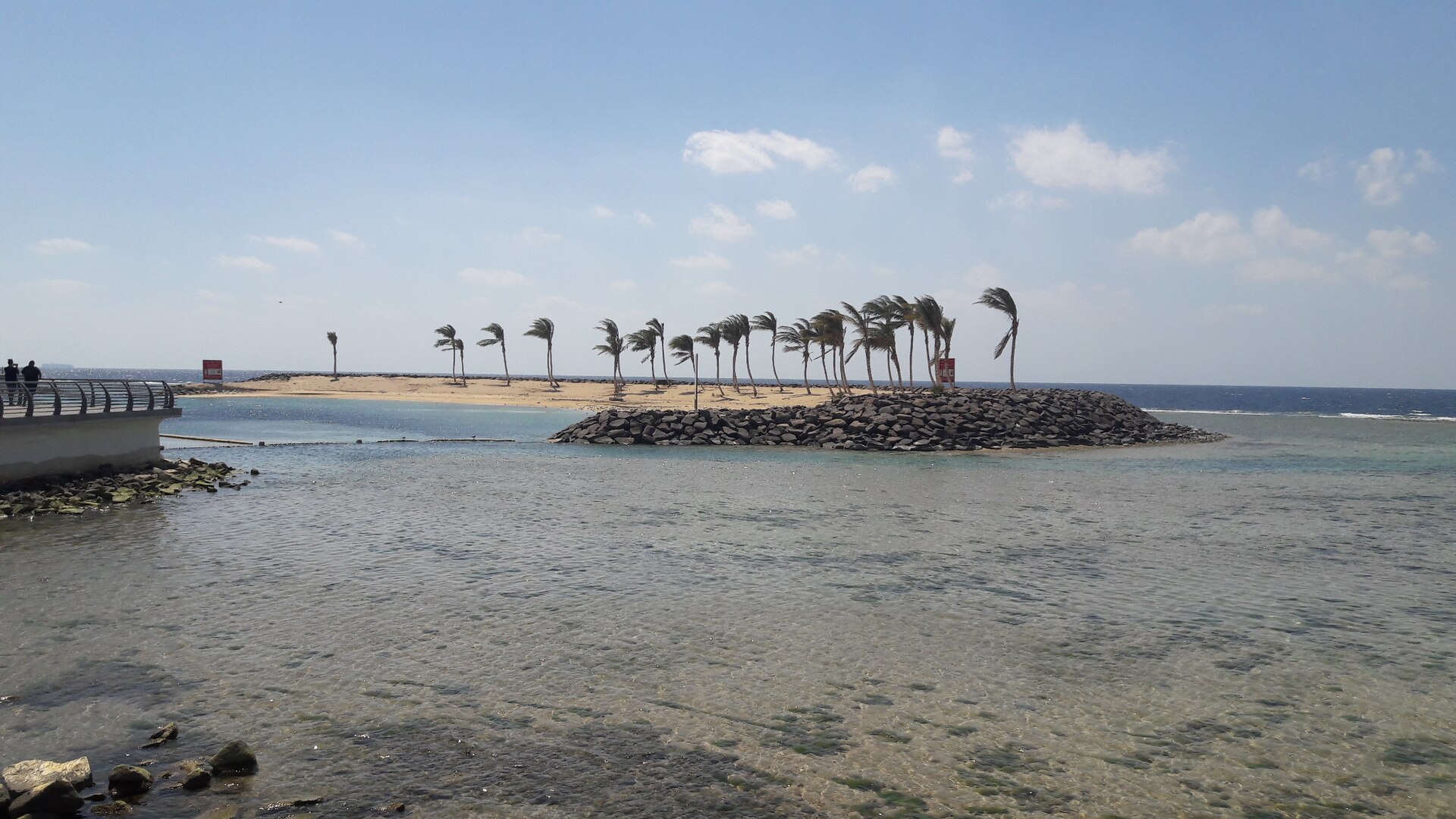
Shura Island — The Red Sea Mega-Project
Shura Island is the hub of Red Sea Global’s flagship destination, located about 500 kilometres north of Jeddah. The island is ringed by mangrove forests that guests at the InterContinental, St. Regis, and Six Senses resorts can explore by kayak through WAMA, Red Sea Global’s water sports brand. WAMA offers guided mangrove kayak tours alongside stand-up paddleboarding, sailing, and kitesurfing. The archipelago contains 92 islands, of which only 22 will be developed, leaving vast stretches of unspoiled paddling territory.
Access to Shura Island requires a resort booking. Kayaking activities are included or available as add-ons depending on the resort package. The area is home to 195 species of fish, and the regenerative tourism ethos means group sizes are kept small and environmental briefings are mandatory before launch.
AMAALA — Ultra-Luxury Paddling
AMAALA Triple Bay, Red Sea Global’s luxury wellness destination on Saudi Arabia’s northwest coast, integrates kayaking and other water sports into its resort offerings. With resorts from Four Seasons, Ritz-Carlton Reserve, and Six Senses expected to be fully operational, AMAALA will offer kayaking through its yacht club and water sports academy. The destination’s protected marine environment and restricted access will make it one of the most exclusive sea-kayaking experiences in the Middle East.
Mangrove Kayaking
Farasan Islands — Al-Qandal Mangrove Forest
The Farasan Islands, a protected archipelago of more than 80 islands off the coast of Jizan in the southwestern corner of the Kingdom, hold Saudi Arabia’s most significant mangrove ecosystem. Al-Qandal Forest, on the northern part of the main island, is a dense mangrove forest that serves as a breeding ground for migratory birds. Kayaking through the mangrove channels here is a quiet, immersive experience — the narrow waterways are shaded by overhanging branches and alive with herons, egrets, and the occasional dolphin in the adjacent open water.
The Farasan Islands Protected Area, designated a marine sanctuary in 1996, covers approximately 3,310 square kilometres and contains over 200 species of fish, 50 types of coral, and three species of dolphin. The islands are reached by a free daily ferry from Jizan port (approximately 90 minutes). Kayak rentals are available through small local operators and safari tours on the island. The best visiting window is October to April, when temperatures are manageable and migratory bird populations peak.
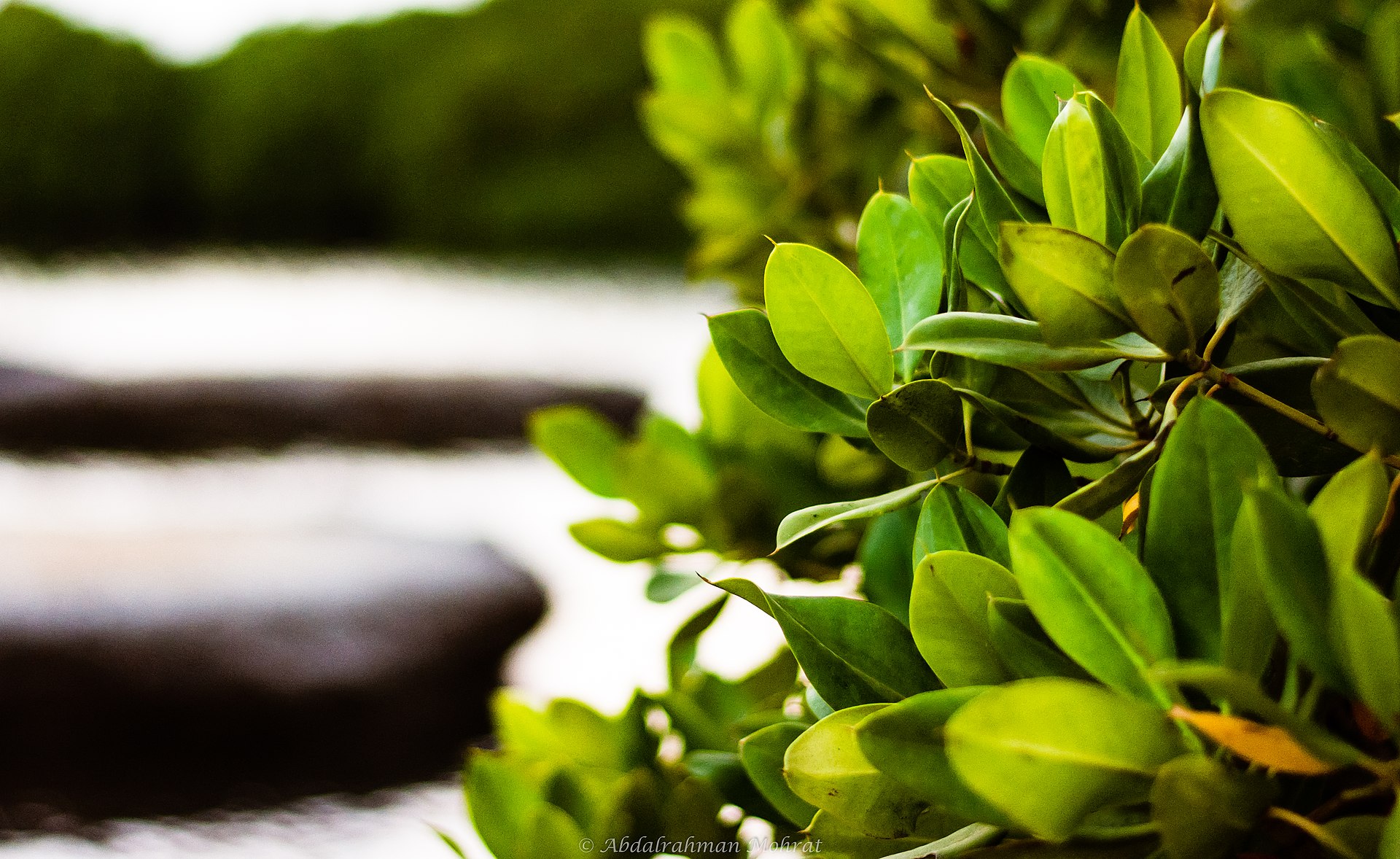
Ras Tanura and Jubail — Eastern Province Mangroves
On the Arabian Gulf coast, the mangrove stands near Ras Tanura and Jubail provide paddling environments that differ markedly from the Red Sea. The grey mangroves (Avicennia marina) that line the Eastern Province shoreline are smaller and more compact than their Red Sea counterparts, but the flat, calm waters of the Gulf make them ideal for beginner and family kayaking. Qatif, just north of Dammam, also has mangrove habitat along its coast, though access is less developed for tourism.
Wildlife You May See
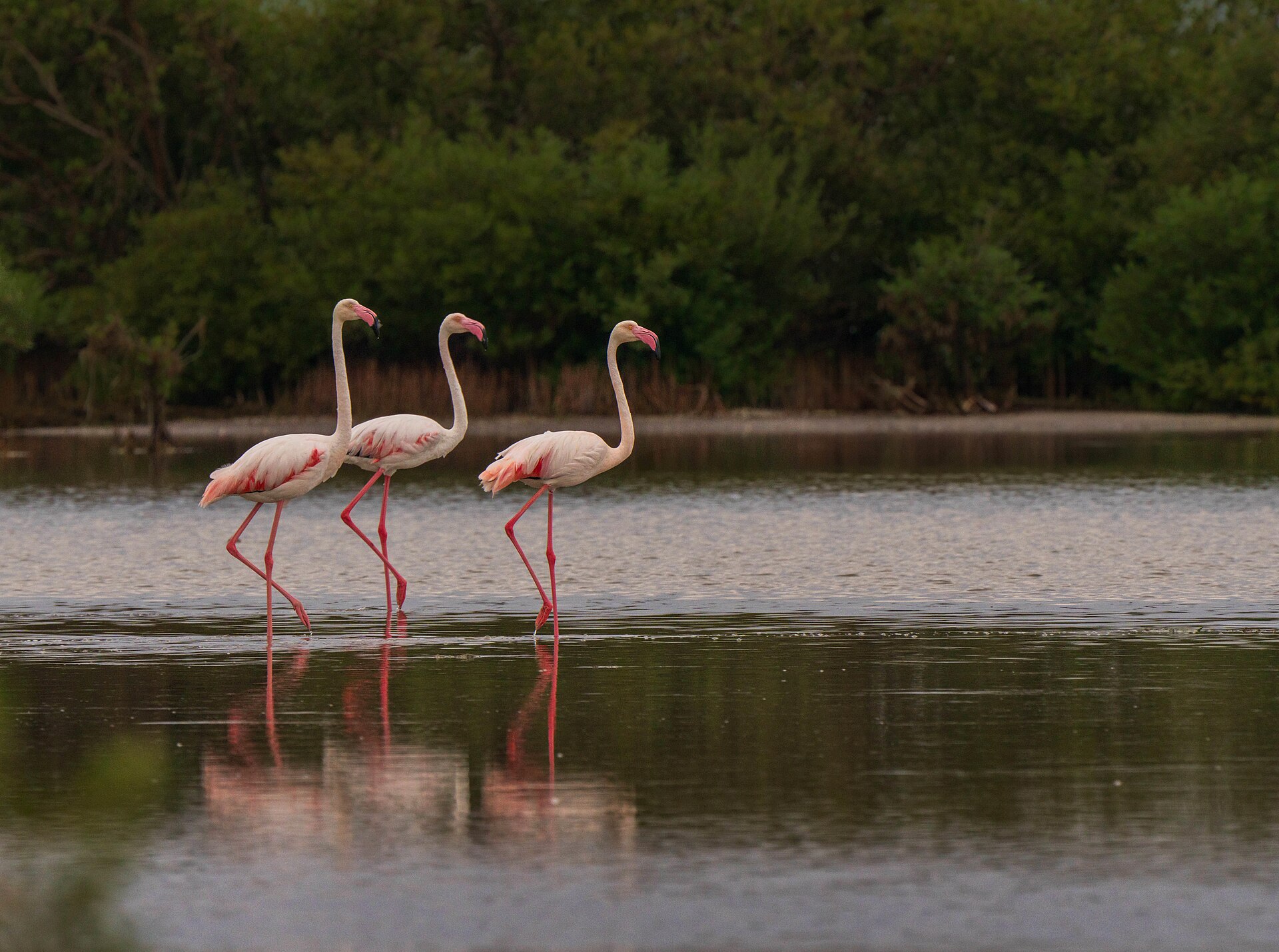
Saudi Arabia’s mangrove and coastal ecosystems support a rich diversity of wildlife that kayakers may encounter. Greater flamingos are regularly spotted in mangrove lagoons, particularly on the Red Sea coast and in the Farasan Islands. Hawksbill turtles, green turtles, and dugongs inhabit the waters around the Red Sea islands. Reef herons, ospreys, and socotra cormorants are common along both coasts. In the Farasan archipelago, the endangered Arabian gazelle roams the islands themselves.
Kayaking on the Arabian Gulf Coast
Half Moon Bay — Al Khobar
Half Moon Bay (Khalij Nisf al-Qamar), situated about 25 kilometres southeast of Dammam and Al Khobar, is the Eastern Province’s most popular beach destination and one of the easiest places in Saudi Arabia to rent a kayak. The bay’s gently curving shoreline creates calm, shallow waters that are suitable for families and beginners. Single and double kayaks are available for hire from beachfront vendors, with typical rates of SAR 50–100 per hour.
Facilities at Half Moon Bay include parking, showers, picnic areas, and food stalls on busy weekends. The bay is busiest on Thursday and Friday evenings (the Saudi weekend). For the most peaceful paddling, visit on weekday mornings between November and March. Water temperatures in the Gulf range from about 20 °C in January to 34 °C in August.
Inland Kayaking
Wadi Namar — Riyadh
Saudi Arabia’s kayaking is not limited to the coasts. Wadi Namar, a two-kilometre-long reservoir in southern Riyadh, is one of the few inland waterways in the Kingdom where kayaking and boating are practised. Surrounded by rocky hills, green walking paths, and an artificial waterfall, the lake is a popular weekend destination for Riyadh residents. Kayak and pedal-boat rentals are available on-site, typically for SAR 50–100 per session. Admission to the park is free.
While Wadi Namar is not a wilderness kayaking experience, it provides a convenient option for visitors based in Riyadh who want to get on the water without travelling to the coast. The best conditions are during the cooler months from November to February.
Best Time to Kayak in Saudi Arabia
| Season | Months | Air Temp | Water Temp (Red Sea) | Conditions |
|---|---|---|---|---|
| Peak (ideal) | Nov–Feb | 20–28 °C | 22–25 °C | Comfortable all day; calm seas; best wildlife viewing |
| Shoulder | Oct, Mar–Apr | 28–35 °C | 25–28 °C | Warm but manageable; dawn/dusk sessions recommended |
| Off-season | May–Sep | 38–48 °C | 28–32 °C | Extreme heat; only viable at dawn; strong afternoon winds possible |
Safety tip: During the shoulder and off-season months, launch before 7:00 AM and return by 10:00 AM. Carry at least three litres of water per person. Sunburn risk is severe year-round — wear UV-protective clothing, a wide-brimmed hat, and reef-safe sunscreen.
Equipment and Rentals
Most kayaking in Saudi Arabia is done in sit-on-top recreational kayaks, which are stable, easy to board from the water, and well-suited to warm conditions. Here is a summary of typical rental options and costs:
| Item | Typical Rate | Availability |
|---|---|---|
| Single sit-on-top kayak | SAR 100–150/hour | Jeddah, Umluj, Half Moon Bay, Wadi Namar |
| Double (tandem) kayak | SAR 150–200/hour | Jeddah, Half Moon Bay, resort destinations |
| Guided mangrove tour (2–3 hrs) | SAR 250–400/person | Farasan Islands, Shura Island, Jeddah |
| Full-day island kayak tour | SAR 400–600/person | Umluj, Red Sea islands |
| Stand-up paddleboard (SUP) | SAR 100–150/hour | Jeddah, resort destinations |
Life jackets are provided with all rentals and are mandatory. Bringing your own kayak into Saudi Arabia is possible but requires checking customs regulations and may attract import duty. For touring kayakers, renting on arrival is more practical.
Tour Operators and Booking
The kayaking tour sector in Saudi Arabia is still developing compared to more established destinations like Oman or the UAE. Here are the main options:
- Jeddah Kayak — A community-driven group in Jeddah that organises regular group paddles, sunset sessions, and coastal tours. Found on Instagram at @jeddahkayak.
- WAMA (Red Sea Global) — The official water sports provider at The Red Sea destination and AMAALA. Offers kayaking, SUP, and sailing from Shura Island. Bookable through visitredsea.com.
- Umluj Tours — Local operators in Umluj offer combined island-hopping and kayaking packages. Bookable through Tripadvisor or local contacts in town.
- Adventure Khobar — An Eastern Province operator offering water sports activities including kayaking at Half Moon Bay and along the Gulf coast.
- Saudi Canoe and Kayak Federation (SCKF) — The national governing body organises events, training programmes, and competitions. Their website at sckf.sa lists upcoming activities and club contacts across the Kingdom.
- UV-protective rash guard or long-sleeved sun shirt
- Reef-safe sunscreen (SPF 50+)
- Wide-brimmed hat with chin strap
- Water shoes or sport sandals with heel straps
- Waterproof phone pouch or dry bag
- Minimum 3 litres of drinking water per person
- Polarised sunglasses (to see through the water surface)
- Snorkel and mask (for reef stops on Red Sea tours)
- Heat: The single biggest risk. Dehydration and heat exhaustion can develop rapidly. Always paddle in the early morning during warm months.
- Currents: The Red Sea has generally mild currents near shore, but tidal flows in narrow channels between islands can be strong. Ask local operators about conditions before launching.
- Marine life: Stonefish and lionfish inhabit Red Sea reefs. Wear water shoes and avoid stepping on coral or sandy patches near reef edges.
- Sun exposure: UV index in Saudi Arabia regularly reaches 10–11+ (extreme). Full-coverage sun protection is not optional.
- Wind: Afternoon winds on the Red Sea can build to 20–30 km/h, making return paddling difficult. Plan to paddle into the wind outbound.
- Saudi Arabia Travel Guide 2026 — The complete guide to visiting the Kingdom
- Saudi Arabia Visa Guide — Every visa type explained, from e-visa to Hajj permits
- Umluj Travel Guide — The Maldives of Saudi Arabia on the Red Sea coast
- Jeddah Corniche Guide — Walking, dining, and water sports along Saudi Arabia’s riviera
- Saudi Arabia Hotels Guide — Where to stay across the Kingdom, from luxury resorts to budget options
- Saudi Arabia Diving and Snorkelling Guide — Explore the Red Sea’s coral reefs and marine life
- Saudi Arabia Hiking Guide — Trails through canyons, mountains, and volcanic fields
Booking tip: Outside of resort destinations, most kayak rentals in Saudi Arabia are arranged on the spot rather than pre-booked online. Arrive early on weekends (Thursday–Friday) to secure equipment, especially at popular spots like Half Moon Bay and Obhur Creek.
Practical Information
Visa Requirements
All visitors to Saudi Arabia need a valid visa. Citizens of 49 countries (including the US, UK, EU, Australia, and most Asian nations) can obtain a tourist e-visa online in minutes. The e-visa costs SAR 535 (approximately US $142), is valid for one year, and allows multiple entries of up to 90 days each. GCC nationals do not need a visa.
What to Bring
Safety Considerations
Getting to Kayaking Destinations
| Destination | Nearest Airport | Drive Time from Airport |
|---|---|---|
| Jeddah (Obhur Creek) | Jeddah (JED) | 30–45 min |
| Umluj | Al Wajh (EJH) or Yanbu (YNB) | 1.5–2 hrs from either |
| Farasan Islands | Jizan (GIZ) | 30 min to Jizan port + 90 min ferry |
| Shura Island (Red Sea) | Red Sea International (RSI) | Resort transfer provided |
| Half Moon Bay | Dammam (DMM) | 40–50 min |
| Wadi Namar | Riyadh (RUH) | 30–40 min |
A rental car is highly recommended for reaching coastal kayaking spots outside major cities. Roads in Saudi Arabia are modern and well-maintained. For destinations like Umluj and the Farasan Islands, a 4WD is useful for accessing remote beaches and launch points.
Combining Kayaking with Other Activities
Kayaking pairs naturally with many of the outdoor activities available across the Kingdom. On the Red Sea coast, a kayaking session can be combined with snorkelling over coral reefs — many operators include snorkel stops as part of island-hopping kayak tours. The Jeddah Corniche area offers jet skiing, sailing, and boat cruises alongside kayaking.
For visitors seeking a broader adventure itinerary, consider pairing coastal kayaking with hiking in the Hejaz Mountains, desert camping in the Empty Quarter, or exploring the archaeological sites at AlUla. The diversity of Saudi Arabia’s landscape means a single trip can combine paddling through mangroves with trekking through sandstone canyons — often within a few hours’ drive.
Accommodation near kayaking destinations ranges from five-star resorts on Shura Island (from US $400/night) to budget guesthouses in Umluj (from SAR 150–300/night) and beachfront camping at Half Moon Bay. For detailed options, see our Saudi Arabia Hotels Guide.
Saudi Arabia’s Growing Kayaking Scene
The sport is growing rapidly in the Kingdom. The Saudi Canoe and Kayak Federation has expanded from a handful of clubs to a national network serving over 8,000 participants since its founding in 2017. The government’s Saudi Green Initiative, which aims to plant 10 billion trees and restore degraded land and marine habitats, has prioritised mangrove restoration — directly expanding the ecosystem that makes mangrove kayaking possible. Saudi Arabia has committed to restoring millions of hectares of degraded land, with mangroves on both coasts receiving targeted replanting.
For eco-conscious travellers, kayaking is one of the lowest-impact ways to experience the Kingdom’s marine environments. The Red Sea destination’s regenerative tourism model, which aims to leave the environment in better condition than it was found, has made kayaking and other non-motorised water sports central to its guest experience — a model that is likely to be replicated across the Saudi coastline as tourism infrastructure expands.