
Saudi Arabia is not the first country most cyclists picture when they think of mountain biking, but the Kingdom is rapidly becoming one of the Middle East’s most compelling two-wheeled destinations. From the cloud-wrapped passes of the Asir Mountains to the ancient sandstone valleys of AlUla, from purpose-built urban cycling networks in Riyadh to multi-day desert stage races through NEOM, Saudi Arabia now offers trail experiences that range from gentle heritage rides to some of the hardest classified bike climbs on the planet. Whether you are planning a broader Saudi Arabia travel itinerary or flying in specifically to ride, this guide covers every trail region, the key events, where to hire gear, and how to prepare for conditions unlike anything in Europe or North America.
Best Time to Visit: November to March (cooler temperatures across most regions; Asir highlands rideable November to February)
Getting There: Fly into Riyadh (KKIA), Jeddah (KAIA), or AlUla (ULH) depending on your target trails
Visa Required: Yes — tourist e-visa available for 49 nationalities
Budget: $80–200/day (bike hire from SAR 150–500/day; guided tours from $100–250/day)
Must-See: AlUla’s 26 km Hegra cycling trail, Asir Mountain passes, NEOM Titan Desert race
Avoid: Riding midday May–September outside the highlands (temperatures regularly exceed 45 °C)
Why Mountain Biking in Saudi Arabia Is Taking Off
Saudi Arabia’s push into adventure tourism is part of Vision 2030, the national strategy to diversify the economy beyond oil. The Saudi Cycling Federation, restructured in recent years, now aims to make cycling one of the Kingdom’s top five sports by 2030. Infrastructure investment has followed: AlUla alone has built over 70 km of dedicated cycling track, Riyadh’s Sports Boulevard project is delivering 220 km of cycling pathways across the capital, and the annual NEOM Titan Desert race has put Saudi Arabia on the international mountain biking calendar alongside Morocco and Oman.
What makes the Kingdom distinctive is terrain diversity. Within a single trip you can ride desert singletrack through Nabataean tombs, tackle Hors Catégorie road climbs above 3,000 metres, cruise a manicured urban greenway, and enter a six-day stage race across uninhabited desert. Few countries compress that range of experiences into one visa stamp.
Best Regions for Mountain Biking
AlUla — Saudi Arabia’s Cycling Capital
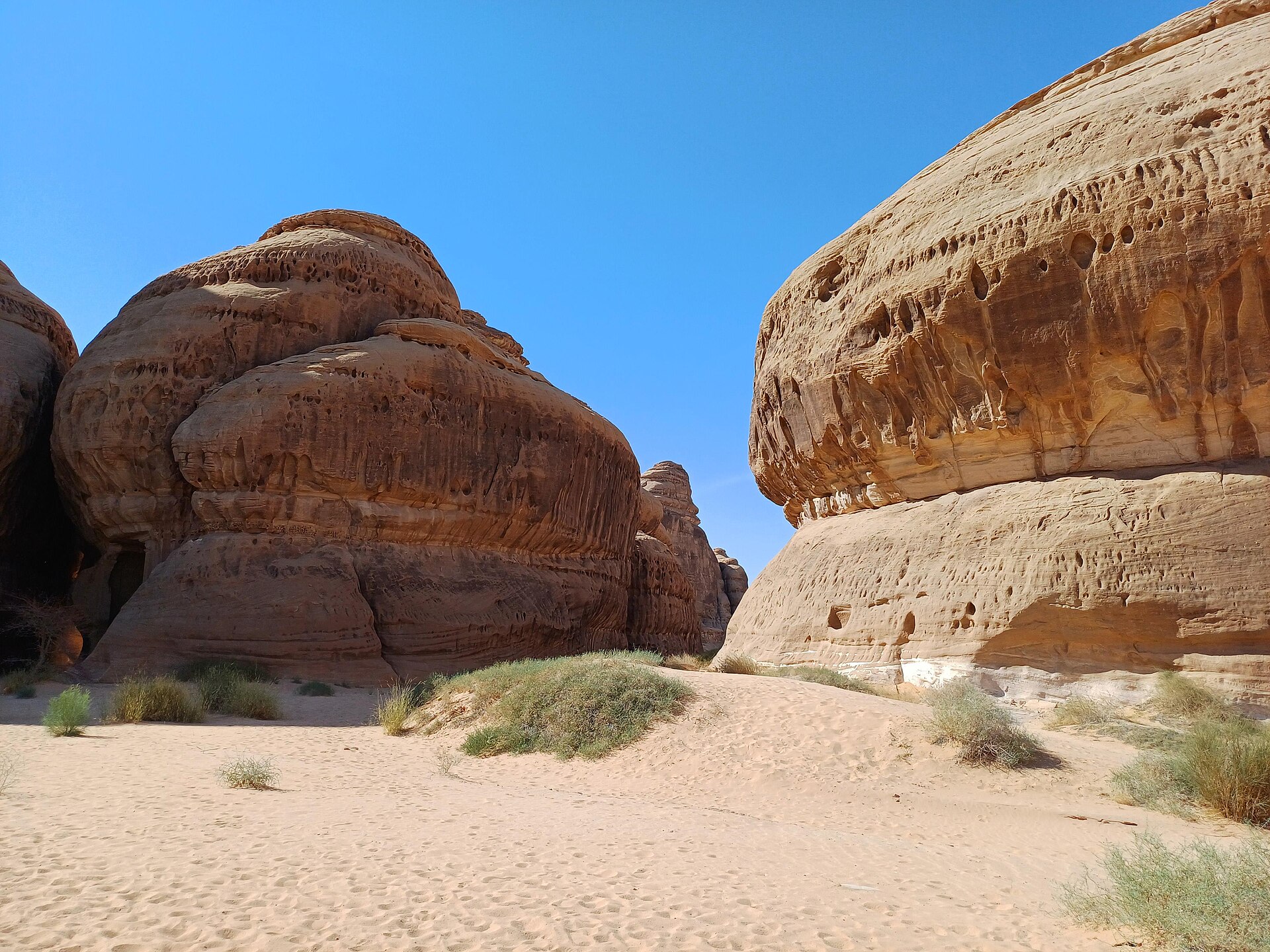
AlUla is the single most developed cycling destination in Saudi Arabia. The region’s cycling infrastructure centres on the Wheels Bike Hub, a full-service facility offering bike rentals, accessories, servicing, road assistance, and a café. From the Wheels Bike Hub, a 26 km uninterrupted trail extends to the Hegra Visitor Centre, passing through landscapes dotted with Nabataean tombs and wind-carved sandstone formations. The ride takes 30 minutes to 2 hours depending on fitness and how many archaeological stops you make along the way.
A second dedicated cycling track of 45 km runs from the AlFareed Roundabout in AlUla Central to the Camel Cup grounds, separated from vehicle roads for safety. For off-road riders, Husaak Adventures — an Oman-based tour operator that launched in AlUla in 2020 — offers guided mountain bike expeditions into the Hidden Valley, combining riding with hiking through terrain that most visitors never see. Weekend camping trips run from October to April, with custom multi-day adventures available for families and groups.
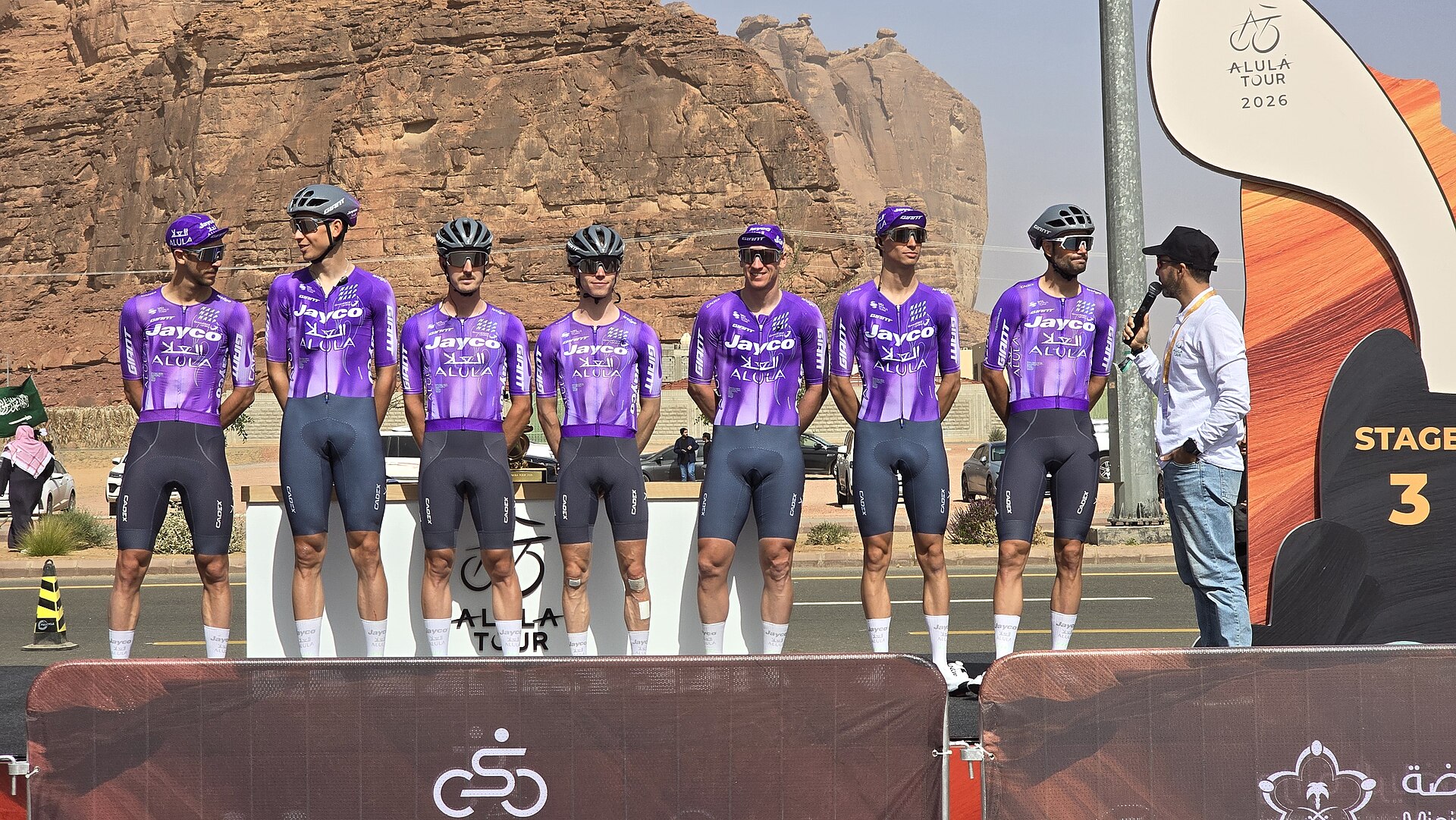
AlUla is also home to the AlUla Tour (formerly the Saudi Tour), the Kingdom’s only UCI World Tour event. The 2026 edition ran from 27 to 31 January, attracting the world’s top professional teams — including Team Jayco AlUla, which is co-sponsored by the region — for a multi-stage race through some of the most photogenic landscapes in the Middle East. Even if you are not racing, timing a visit to overlap with the AlUla Tour gives you a chance to watch professional pelotons carving through ancient canyons, and the event raises the profile of cycling infrastructure that you can ride yourself the rest of the year. The Elephant Rock area and the ancient site of Dadan both sit along or near the main cycling corridors.
Practical tip: The Wheels Bike Hub rents mountain bikes, road bikes, and e-bikes. If you plan to ride the full 26 km Hegra trail and back, carry at least 2 litres of water — there are no refill points between the hub and Hegra. Guided mountain bike expeditions with Husaak typically cost from SAR 350–500 per person for a half-day.
Asir Mountains — The Hardest Climbs on Earth
The Asir region in southwestern Saudi Arabia is home to some of the most difficult cycling climbs anywhere in the world. According to PJAMM Cycling’s global database, within a 100-mile radius of the Asir Mountains there are 11 of the world’s hardest 100 classified bike climbs — the highest concentration of HC (Hors Catégorie) climbs on Earth. The word “Asir” itself means “difficult” in Arabic, and the terrain lives up to the name.
The star climb is Jabal Sawda (Mount Souda), Saudi Arabia’s highest peak at approximately 3,000 metres. The route from the lowlands to the summit gains over 1,000 metres of elevation, with gradients that test even elite cyclists. Other major climbs include Al Jaadah Pass, Rdom Pass, Baniamr Aquabah Pass, Bashout Pass, Parmah Pass, and Al Aqiqah — all documented with detailed climb cards, elevation profiles, and GPS data on PJAMM Cycling.
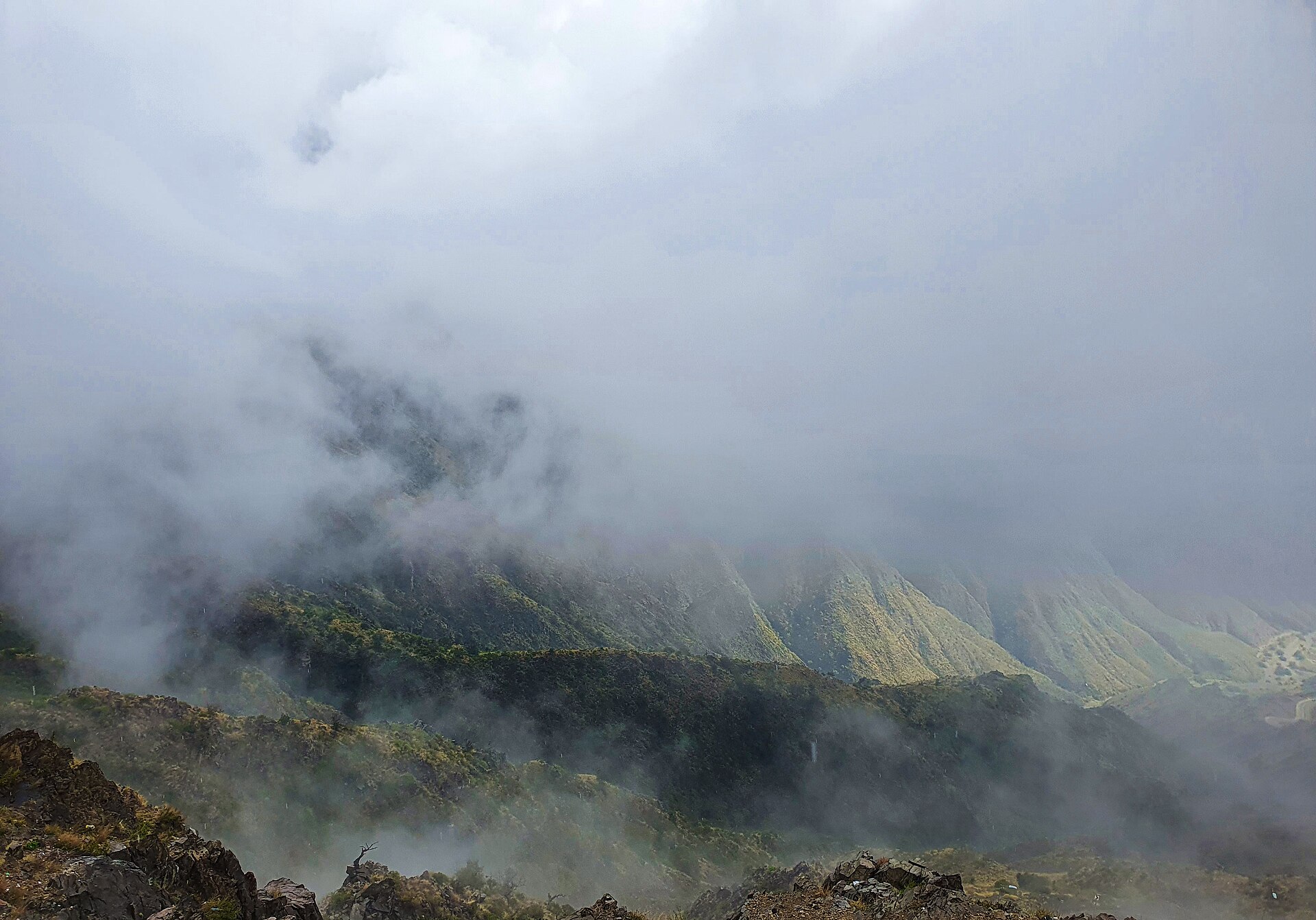
The climate in the highlands is radically different from the rest of Saudi Arabia. Summer temperatures range between 18 °C and 24 °C at night, making Asir the only part of the Kingdom where summer riding is feasible. However, the best months for cycling the big passes are November to February, when traffic on the mountain roads is lighter and conditions are optimal. During summer, the road to Jabal Sawda can be choked with cars, making cycling unsafe.
The Trans Aseer Mountain Range (TAMR) is Saudi Arabia’s first dedicated bikepacking route, spanning over 1,700 km with more than 38,000 metres of cumulative climbing. The route takes riders from sea level to the summit of Jabal Sawda across a mix of paved roads, rugged gravel tracks, high-altitude desert, juniper forests, and ancient coffee plantations. It is designed both as a once-a-year grand depart race and as a year-round self-supported bikepacking route. The TAMR is for experienced bikepackers — the remoteness, altitude, and mixed terrain demand serious endurance and preparation. If you enjoy hiking in Saudi Arabia, the Asir highlands will already be on your radar, and many of the same passes are used by both hikers and bikers.
Warning: At elevations above 1,500 metres, the thinner air can affect performance. If you are not acclimatised to altitude, allow a day or two in Abha before attempting the major climbs. Rainfall is common February to April and again in July and August — gravel tracks become slippery and potentially dangerous after rain.
Riyadh — Urban Trails and Desert Escarpments
The Saudi capital offers more mountain biking than most visitors expect. According to Trailforks, Riyadh Province has 67 mapped mountain bike trails, concentrated in two main areas:
- Diplomatic Quarter (DQ): 6 trails built into the landscaped terrain of the diplomatic enclave. The “Dead End Power” trail offers 90 metres of elevation gain, “Down to Hanifah” drops 44 metres into the wadi, and “Mr Faifa” is the longest at 4.2 km. All support mountain biking, e-biking, hiking, and trail running.
- Al Uyaynah Riding Area: 21 trails northwest of the city, offering more rugged desert terrain. This is where Riyadh Wheelers, Saudi Arabia’s oldest cycling club (founded in the early 1990s), holds its mountain bike events. Their first mountain race covered 27 km through the mountains of Ubayr, drawing more than 150 cyclists.
- Wheels Bike Hub: The primary rental facility in AlUla, offering mountain bikes, road bikes, and e-bikes. Located in AlUla Central with a branch at the Sand Sports Park. Rentals include helmets. The hub also sells accessories and provides full workshop servicing.
- Husaak Adventures: Provides bikes as part of guided mountain bike expeditions. No standalone rental, but their tours include all equipment.
- The Cycle Hub: Riyadh’s premier cycling shop, representing Specialized and Pinarello brands. Offers bike rentals, a full workshop, and Saudi Arabia’s first Retul Fit studio for professional bike fitting. Also organises group rides.
- Wheels Bikes: Rental branch at the Sand Sports Park (southeast of King Khalid International Airport) and at the Promenade.
- Wolfi’s Bike Shop: Independent shop with a range of brands and maintenance services.
- Revolution Cycles Riyadh: Another established shop offering sales, servicing, and expert guidance.
- Sun & Sand Sports: Major retailer with cycling sections in multiple Jeddah locations.
- The Cycle Hub: Also has a Jeddah presence for rentals and servicing.
- Helmet: Mandatory on all organised rides and strongly recommended everywhere else. Rental shops provide helmets, but fit can be imperfect — bring your own if possible.
- Hydration system: A camelbak or frame-mounted bottles are essential. Carry a minimum of 2 litres for any ride over an hour. In desert terrain outside cities, there are no water sources.
- Sun protection: High-SPF sunscreen, UV-protective arm sleeves, and sunglasses. The Saudi sun is intense even in winter.
- Tyre repair kit: Spare tube, tyre levers, hand pump, and tyre sealant. Desert thorns and sharp limestone are a constant puncture risk off-road.
- Navigation: Download offline maps before heading to remote trails. Trailforks, Wikiloc, and Komoot all have Saudi Arabia trail data with GPS tracks.
- Layering: In the Asir highlands, temperatures can drop sharply with altitude and cloud cover. A lightweight windbreaker is essential for descents above 2,000 metres.
- Trailforks: The most comprehensive database, with 67+ trails mapped in Riyadh Province alone. Each trail has difficulty ratings, elevation profiles, and user reviews. Free GPS downloads available.
- Wikiloc: Community-uploaded tracks covering AlUla, Asir, and remote desert routes. Particularly useful for bikepacking routes like the TAMR.
- Komoot: Curated route recommendations with turn-by-turn navigation. Their “Top 10 Cycling Routes in Saudi Arabia” list is a good starting point.
- PJAMM Cycling: Specialises in climb data. Essential for anyone attempting the Asir passes — provides detailed gradient analysis, distance markers, and photo documentation for every major Saudi climb.
- Bikemap: General cycling route database with Wadi Hanifah and Riyadh routes.
- Riyadh (King Khalid International Airport / RUH): Gateway to Wadi Hanifah trails, Diplomatic Quarter trails, Al Uyaynah area, and the Tuwaiq Escarpment. Direct flights from most major international hubs.
- AlUla (Prince Abdul Majeed bin Abdulaziz Airport / ULH): Direct domestic flights from Riyadh and Jeddah, plus seasonal international connections. The most convenient access to the Hegra cycling trail and Wheels Bike Hub.
- Abha (Abha Regional Airport / AHB): Gateway to the Asir Mountain passes and the TAMR bikepacking route. Domestic flights from Riyadh and Jeddah.
- Tabuk (Prince Sultan bin Abdulaziz Airport / TUU): Closest commercial airport to NEOM and the Titan Desert race area.
- Jeddah (King Abdulaziz International Airport / JED): Major international hub with connections to all domestic airports. A good starting point if combining cycling with Red Sea diving or Jeddah sightseeing.
- Day 1: Fly into AlUla. Pick up a rental bike from the Wheels Bike Hub. Afternoon ride on the 26 km Hegra trail — take it easy, stop at archaeological sites.
- Day 2: Morning guided mountain bike expedition with Husaak Adventures into the Hidden Valley. Afternoon visit Elephant Rock and AlUla Old Town.
- Day 3: Ride the 45 km AlFareed Roundabout to Camel Cup grounds track. Return bike. Fly out.
- Day 1: Fly into Abha. Acclimatise — explore the city on foot. Check bike setup.
- Day 2: Ride Al Jaadah Pass or Bashout Pass. Steady pace, focus on acclimatisation.
- Day 3: Attempt Jabal Sawda — the highest climb in Saudi Arabia. Full day.
- Day 4: Recovery ride — gentle route between Abha and Tanomah. Visit Husaak Adventures’ Tanomah adventure centre.
- Day 5: Ride the descent from Al Sooda to Rijal Alma (8.5 miles, 3,461 ft elevation loss). Fly out from Abha.
- Day 1: Rent a bike from The Cycle Hub. Evening ride through Wadi Hanifah and Diriyah.
- Day 2: Morning ride in the Diplomatic Quarter trails. Afternoon explore Olaya district.
- Day 3: Drive out to Al Uyaynah Riding Area for a full day of off-road trails (21 mapped routes).
- Day 4: Sports Boulevard cycling path and Wadi Al Sulay. Return bike.
- Saudi Arabia Hiking Guide — Trails, mountains, and canyons across the Kingdom
- Saudi Arabia Rock Climbing — Climbing spots from Riyadh crags to Asir walls
- Saudi Arabia 4×4 and Off-Road Guide — Desert driving adventures and dune bashing
- Saudi Arabia Canyoning Guide — Wadi descents and canyon exploration
- Saudi Arabia Desert Camping Guide — Camping under the stars in the Kingdom
- Saudi Arabia Travel Guide 2026 — The complete guide to visiting the Kingdom
- Saudi Arabia Visa Guide — Every visa type explained
Wadi Hanifah is Riyadh’s signature cycling corridor — a 120 km stretch of green oasis cutting through the city from south to north. The Sports Boulevard project has opened a 13.4 km section with dedicated cycling paths, pedestrian walkways, and equestrian trails extending from Al Olab Dam to Jeddah Road. A dedicated Cycling Bridge connects Wadi Hanifah to the Promenade with a 771-metre cycling path. Multiple tour operators offer evening bike tours through Wadi Hanifah, combining cycling with visits to the UNESCO-listed Diriyah heritage quarter.
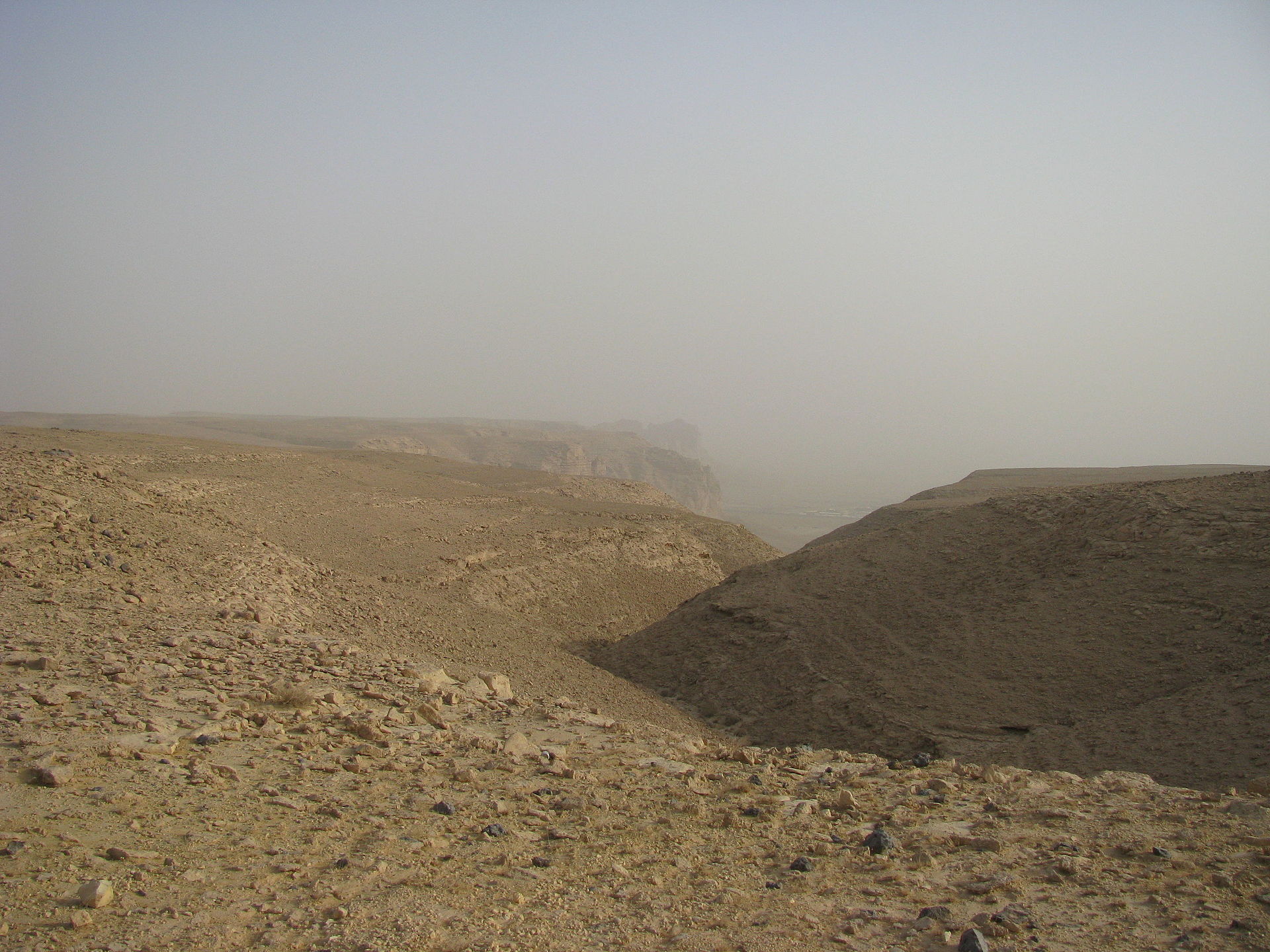
For more adventurous riders, the Tuwaiq Escarpment — the 800 km limestone ridge that defines central Arabia — offers rugged off-road riding about 100 km northwest of the city. The escarpment’s most famous point, the Edge of the World (Jebel Fihrayn), is primarily a hiking destination, but the surrounding desert tracks are increasingly used by mountain bikers willing to navigate rocky, unpaved terrain. Access requires a 4×4 support vehicle, and there are no facilities on the escarpment itself.
Riyadh’s Sports Boulevard is the most ambitious urban cycling project in the Gulf. When complete, it will stretch over 135 km across the city, connecting Wadi Hanifah in the west to Wadi Al Sulay in the east, with a total of 220 km of cycling pathways. As of early 2026, the project is approximately 40 percent complete, with 83 km already accessible. The Sports Boulevard also launched RIYDE, an immersive cycling experience aimed at making the capital a year-round cycling destination.
NEOM and Tabuk — Desert Stage Racing
The remote northwest of Saudi Arabia, centred on the NEOM megaproject zone and Tabuk region, is home to the Kingdom’s flagship mountain bike race: the NEOM Titan Desert Saudi Arabia.
The Titan Desert is a multi-day stage race that has run annually since its first Saudi edition. The 2024 edition covered over 380 km across four stages plus a 12 km prologue, with nearly 3,000 metres of cumulative elevation gain. The race traverses terrain ranging from vast desert plains to narrow canyons, sand dunes, and rocky plateaus — all in the uninhabited backcountry of NEOM. Peter Sagan, the three-time road world champion, headlined the 2024 edition, bringing international attention to the event.
Registration for the Titan Desert includes accommodation in desert camps, meals, and full safety support. It is designed for experienced amateur and semi-professional riders — this is not a beginner event. The camps, set up each night in different locations, are the social heart of the race, where participants recover, eat, and share stories from the day’s stage. The race typically takes place in November.
Entry note: The NEOM Titan Desert is a self-supported race — you ride with your own mountain bike (or rent one through the organisers) and carry your own nutrition and repair kit during stages. Support vehicles handle luggage between camps. Registration opens months in advance and sells out. Check titandesertksa.com for the latest edition dates.
Key Events and Races
| Event | Location | When | Type | Level |
|---|---|---|---|---|
| AlUla Tour (UCI World Tour) | AlUla | Late January | Professional road race (spectator) | Elite |
| NEOM Titan Desert | NEOM / Tabuk | November | 6-day MTB stage race | Experienced amateur+ |
| Riyadh Wheelers Race Championship | Riyadh | September–March (14 races) | Road and MTB races | All levels |
| Trans Aseer Mountain Range (TAMR) | Asir region | Annual grand depart (date varies) | Bikepacking / ultra-endurance | Expert |
| Saudi Cycling Federation events | Various | Year-round | Road, track, MTB | All levels |
The Riyadh Wheelers, founded in the early 1990s, run a 14-race championship season from September to March. The club welcomes beginners, intermediate riders, and competitive cyclists, and has had members from over 60 countries. Saudi nationals now make up roughly half of participants at club events, reflecting the rapid growth of cycling culture in the Kingdom. Mountain bikes and hybrid bikes are permitted in the B-Race category.
Bike Hire and Gear Shops
Bringing your own bike to Saudi Arabia is straightforward — most airlines serving the Kingdom accept boxed bikes as checked luggage — but rental options exist in every major riding region.
AlUla
Riyadh
Jeddah
Gear tip: If you plan to ride desert terrain or the Asir passes, bring your own clipless pedals, shoes, and a multi-tool. Rental bikes in Saudi Arabia are generally well maintained but set up with flat pedals. Tyre sealant is essential for off-road riding — thorns and sharp rock are common on desert trails. Carry a spare tube as well as a patch kit.
Best Time to Ride
Saudi Arabia’s climate divides into three practical cycling seasons:
| Season | Months | Conditions | Best For |
|---|---|---|---|
| Peak riding season | November–February | 20–28 °C in Riyadh, cooler in highlands. Dry. Comfortable all day. | All regions. Asir passes, AlUla, Riyadh trails, NEOM Titan Desert |
| Shoulder season | March, October | 28–35 °C in lowlands. Still manageable with early starts. | Early morning rides. AlUla and Riyadh. Asir still good. |
| Summer | April–September | 38–48 °C in lowlands. Asir highlands 18–30 °C. | Only Asir highlands. Everywhere else too hot for safe riding. |
The riding window for most of the country is narrow. In July and August, average highs in Riyadh reach 43 °C, and many people avoid outdoor exercise entirely until evening. The Asir Mountains are the exception: summer temperatures at altitude stay between 18 °C and 24 °C at night, with daytime highs in the high 20s, making it Saudi Arabia’s only year-round cycling destination. However, the summer monsoon (locally called the “khareef”) brings rainfall to parts of Asir between July and September, which can make gravel tracks slippery.
For the best overall experience, plan your visit between November and February. This window aligns with the Riyadh Wheelers race season, the AlUla Tour, and the NEOM Titan Desert, and temperatures across the country are at their most comfortable for sustained riding.
What to Bring and How to Prepare
Essential Gear
Fitness Preparation
The Asir climbs are genuinely world-class in difficulty — do not underestimate them. Even experienced European or American mountain bikers will find the combination of heat, altitude, and gradient challenging. If you plan to ride the TAMR or the major Asir passes, a base fitness of at least 10 hours per week of cycling in the months before your trip is recommended. For the NEOM Titan Desert, organisers recommend being comfortable with 80–100 km days on mixed terrain.
For casual riders sticking to AlUla’s flat-to-rolling trails or Riyadh’s urban paths, no special preparation is needed beyond general fitness and heat acclimatisation.
Cycling Culture and Community
Cycling in Saudi Arabia has grown rapidly since 2018, when the government began actively promoting the sport as part of Vision 2030’s health and tourism objectives. The Saudi Cycling Federation oversees development, and has formed a strategic partnership with GreenEDGE Cycling (the parent organisation of Team Jayco AlUla) to develop grassroots and competitive cycling across the Kingdom.
The Riyadh Wheelers remain the backbone of the expat and Saudi cycling community in the capital. Founded in the early 1990s when triathletes wanted a dedicated cycling training group, the club now runs a full race season, social rides, and community events. Members come from over 60 countries, and as cycling culture has grown, Saudi nationals now represent about half of riders at club events.
Women’s cycling has been a particular focus. Jeddah, Riyadh, and Al-Khobar have hosted cycling series for women organised by the Saudi Sports for All Federation (SFA) with support from the Saudi Cycling Federation. These events are part of a broader push to increase physical activity participation across all segments of society by 40 percent by 2030.
Trail Apps and Maps
Several platforms provide GPS-ready trail data for Saudi Arabia:
Connectivity warning: Mobile signal can be patchy in remote areas of the Tuwaiq Escarpment, NEOM backcountry, and parts of the Asir highlands. Always download trail maps offline before leaving urban areas.
Getting There and Getting Around
Your choice of airport depends on which trails you want to ride:
A tourist e-visa is required for most nationalities and can be obtained online before travel. It is valid for one year with multiple entries and stays of up to 90 days. Within Saudi Arabia, renting a car is the most practical way to reach trailheads outside major cities. Most trails outside AlUla and Riyadh require 4×4 access.
Safety and Practical Considerations
Heat Management
Dehydration and heat exhaustion are the primary risks for cyclists in Saudi Arabia. Even in winter, midday sun can be intense. Start rides at dawn when possible, carry more water than you think you need, and know the signs of heat stress: headache, dizziness, nausea, and cessation of sweating. In an emergency, call 997 (Saudi ambulance service).
Road Riding Etiquette
Saudi drivers are not yet accustomed to sharing roads with cyclists outside dedicated cycling zones. Ride defensively, use rear lights even during the day, and avoid main highways. The dedicated cycling paths in AlUla, Wadi Hanifah, and the Sports Boulevard are far safer than general-purpose roads.
Cultural Considerations
Standard cycling kit is acceptable while riding, but when stopping at cafés, petrol stations, or town centres, cover shoulders and knees. This applies to both men and women. For more detailed guidance, see our Saudi Arabia dress code guide.
Terrain Hazards
Desert trails can conceal soft sand patches that stop a bike instantly — scan the terrain ahead and keep weight back. Loose limestone on escarpment trails is slippery. In Asir, wet roads after rain can be treacherous on descents. Wildlife encounters are rare but possible: watch for camels on open desert tracks and wild baboons in the Asir highlands.
Sample Itineraries
Weekend in AlUla (3 Days)
Asir Highland Challenge (5 Days)
Riyadh Explorer (4 Days)
Costs
| Item | Cost (SAR) | Cost (USD approx.) |
|---|---|---|
| Mountain bike rental (full day) | 150–500 | $40–135 |
| E-bike rental (full day) | 250–600 | $65–160 |
| Guided half-day MTB tour (AlUla) | 350–500 | $95–135 |
| Husaak weekend camping trip | 1,500–2,500 | $400–670 |
| NEOM Titan Desert registration | ~7,500 | ~$2,000 |
| Basic bike servicing | 100–300 | $27–80 |
| Wadi Hanifah evening bike tour | 150–250 | $40–67 |