
Saudi Arabia rewards travellers who pack with intention. The Kingdom spans coastline, desert, and mountain terrain, with indoor temperatures kept arctic by air conditioning and outdoor heat that can exceed 50 degrees Celsius in summer. Dress code requirements, strict customs rules on prohibited items, and a power outlet standard that catches many visitors off guard all mean your suitcase needs more thought than a typical holiday destination. This guide, part of our Saudi Arabia Travel Guide 2026, walks you through exactly what to bring, what to leave behind, and the items that will make the difference between a comfortable trip and a frustrating one.
Saudi Arabia Packing — At a Glance
Climate: Riyadh: 9–14 °C in winter, 35–45 °C in summer. Jeddah: 20–24 °C in winter, 33–41 °C in summer. Highland Asir: 10–25 °C year-round.
Dress Code: Modest clothing required by law — shoulders and knees covered for all genders. Abaya not required for foreign women.
Visa Required: Yes — tourist e-visa available for 60+ nationalities
Prohibited Items: Alcohol, pork products, narcotics, pornographic material, drone aircraft, religious proselytising materials
Must Pack: High-SPF sunscreen, Type G power adapter, lightweight modest clothing
Common Mistake: Packing only summer clothes — indoor spaces are heavily air-conditioned, and highland regions can be genuinely cold
Clothing for Women
Saudi Arabia’s Public Decency Law, enacted in September 2019 alongside the launch of the tourist e-visa programme, requires all visitors to dress modestly in public spaces. In practice, this means loose, opaque clothing that covers shoulders, upper arms, and knees. Foreign women are no longer required to wear an abaya, and a headscarf is only necessary when entering a mosque.
Everyday Essentials
- Loose-fitting trousers or maxi skirts (at least knee-length, ideally ankle-length for mosque visits)
- Tops with sleeves that cover the shoulders — cap sleeves are acceptable in most urban areas, but half-sleeves are safer
- A lightweight linen or cotton blazer for air-conditioned malls and restaurants (indoor temperatures routinely drop to 18–20 °C)
- One headscarf — essential for mosque visits and useful as a sun shield in the desert
- Comfortable walking shoes with closed toes for archaeological sites and desert excursions
- Sandals for everyday use in cities
- Lightweight long trousers — chinos, linen trousers, or smart joggers all work
- T-shirts and polo shirts with at least cap sleeves
- One collared shirt for upscale restaurants and hotel lobbies
- A light jacket or hoodie for aggressively air-conditioned shopping malls
- Comfortable closed-toe shoes for walking on uneven ground at historical sites
- Sandals or flip-flops for casual use and beaches
- High-SPF sunscreen (SPF 50+): Apply generously and reapply every two hours outdoors. While sunscreen is available at pharmacies and retailers like Boots, Watsons, and Noon in Saudi Arabia, your preferred brand may not be stocked, so bring enough for the trip
- Quality sunglasses with UV protection: Non-negotiable for desert excursions, coastal walks, and even urban sightseeing
- Wide-brimmed hat or cap: Essential for any time spent outdoors
- Lip balm with SPF: The dry air cracks lips faster than you expect
- Moisturiser: Humidity in Jeddah is high, but Riyadh and the interior are extremely dry — your skin will feel it within a day
- Deodorant (bring your own preferred brand; the heat makes this essential)
- Hand sanitiser and wet wipes (useful everywhere, especially in souks and desert camps)
- Insect repellent (seasonal — not usually needed in cities, but important for coastal and agricultural areas)
- Contact lens solution if applicable (available locally, but not always your brand)
- Type G power adapter: Essential unless you are coming from the UK. A universal travel adapter with multiple plug types is the most versatile option
- Voltage converter (if needed): Most modern phone chargers, laptops, and camera chargers are dual-voltage (100–240V) and only need a plug adapter. Check the small print on your charger. Older appliances like hair dryers or straighteners from 110V countries (US, Japan) may need a voltage converter or you risk burning them out
- Portable power bank: Essential for long days out, especially at desert or archaeological sites where there are no power outlets. Saudi airports and malls have plenty of charging stations, but remote areas do not
- Phone and SIM card: Prepaid tourist SIM cards are available at airports from STC, Mobily, and Zain. See our Saudi Arabia phone and SIM card guide for details on the best plans and where to buy
- Camera: Photography is generally welcome at tourist sites, but always ask permission before photographing people, particularly women. Do not photograph military or government installations
- Passport: Must be valid for at least six months from your date of entry. Carry the original at all times — police can ask for ID
- Visa printout or digital copy: The Saudi tourist e-visa is linked to your passport electronically, but keeping a printed or saved PDF copy avoids hassle if Wi-Fi is unavailable at immigration
- Travel insurance documentation: Not legally required but strongly recommended. Ensure your policy covers medical evacuation — ambulance and hospital services are generally good in cities but limited in remote areas
- Accommodation confirmations: Immigration officers occasionally ask where you are staying
- Photocopies and digital backups: Keep copies of your passport data page, visa, and insurance documents in your email and as photos on your phone, separate from the originals
- Driving licence: An international driving permit (IDP) is required if you plan to rent a car, alongside your home country licence
- Cards are accepted almost everywhere: Visa, Mastercard, and Apple Pay / Google Pay work at malls, hotels, restaurants, and most shops. Saudi Arabia has one of the highest contactless payment adoption rates in the world
- Carry some cash in Saudi Riyals: Small vendors, traditional souks, and taxis outside apps sometimes require cash. ATMs are widespread
- Currency exchange: The Saudi Riyal (SAR) is pegged to the US Dollar at 3.75 SAR = 1 USD. Exchange rates are consistent across the Kingdom. Airport exchange counters offer reasonable rates
- Benzodiazepines (Xanax, Valium, Klonopin)
- Stimulants (Adderall, Ritalin, Concerta)
- Opioid painkillers (Tramadol, codeine-based medications)
- Certain sleeping pills (Ambien, Zopiclone)
- Some antidepressants containing controlled compounds
- Any personal prescription medications in their original packaging with the prescription attached
- Paracetamol or ibuprofen for pain and headaches
- Anti-diarrhoeal medication (Imodium / loperamide)
- Electrolyte rehydration sachets (vital in extreme heat)
- Antihistamines for allergic reactions
- Plasters, blister pads, and antiseptic wipes
- Motion sickness tablets if taking desert driving excursions (the dune roads are unforgiving)
- Alcohol: Zero tolerance. No alcohol of any kind may be brought into Saudi Arabia, including in checked luggage. This includes miniature bottles from duty-free shops. Penalties for possession can include detention and deportation
- Pork and pork products: Including pork-based snacks, gelatin-based sweets that contain pork derivatives, and any food products containing pork
- Narcotics and recreational drugs: Drug offences carry severe penalties in Saudi Arabia, including lengthy prison sentences and, in serious trafficking cases, capital punishment
- Pornographic materials: Defined broadly — this includes explicit images on phones or laptops if detected during an inspection
- Religious proselytising materials: Bibles, religious tracts, and missionary materials intended for distribution are prohibited. Personal copies of non-Islamic religious texts for private use are generally tolerated but should be kept discreet
- Weapons and ammunition: Including knives with blades exceeding a certain length, pepper spray, and any item that could be classified as a weapon
- E-cigarettes and vaping equipment: While e-cigarettes are now more widely available in Saudi Arabia than before, importing vaping liquids containing nicotine in quantities beyond personal use may face scrutiny
- Controlled medications: See the detailed section above. You must apply for an SFDA permit before travel
- Professional camera equipment: Small consumer cameras and phones are fine. Large professional setups (cinema cameras, lighting rigs) may be questioned and could require a filming permit from the Saudi Film Commission
- Two-way radios and satellite phones: Wireless transmission equipment requires approval from the Communications, Space, and Technology Commission (CST)
- Closed-toe shoes or boots (sand gets extremely hot; flip-flops will not work)
- A lightweight scarf or shemagh to protect your face and neck from sand and sun
- A warm layer for after sunset — desert temperatures can drop 15–20 °C once the sun goes down
- A headlamp or small torch for campsite use
- A reusable water bottle (minimum 1 litre capacity; you will drink more than you expect)
- Women: a headscarf and loose clothing covering wrists and ankles. An abaya is not required but may be provided at some mosque entrances
- Men: long trousers and a shirt with sleeves
- Slip-on shoes (you remove shoes before entering; laces are inconvenient)
- Socks (mosque floors can be cold stone or hot tiles depending on the time of day)
- Swimwear (for resort pools and private beach clubs)
- A modest cover-up for walking between the beach and public areas
- Reef-safe sunscreen (to protect the coral ecosystems)
- Aqua shoes or reef walkers (for rocky shore entries)
- A dry bag for keeping electronics safe near water
- Passport, visa printout, and travel insurance documents
- All medications (in original packaging, with prescriptions and SFDA permit if applicable)
- One change of clothing (in case your checked bag is delayed)
- Power adapter and phone charger
- A warm layer (aircraft and airport air conditioning runs cold)
- Sunglasses (for walking from the terminal to ground transport)
- An empty reusable water bottle (fill it after security)
- You do not need to pack special anti-theft gear — money belts and hidden wallets are unnecessary in most Saudi contexts
- Carry a photocopy of your passport separately from the original
- Keep at least one credit card separate from your wallet as a backup
- If you are staying at a hotel, use the room safe for your passport and spare cash when out for the day
- Sunscreen and toiletries: Boots, Watsons, and local pharmacies stock international brands. Available at major malls in Riyadh and Jeddah
- Power adapters: Available at airport electronics shops and any Jarir Bookstore or Extra electronics outlet
- Clothing: Malls are central to Saudi social life, and Riyadh and Jeddah have enormous shopping centres (Riyadh Park, Kingdom Centre, Red Sea Mall) where you can buy everything from budget basics to luxury labels
- SIM cards: STC, Mobily, and Zain all have airport and mall counters offering tourist SIM packages
- Medications: Over-the-counter medications are available at pharmacies (Nahdi is the largest chain). Controlled medications cannot be purchased locally without a Saudi prescription
- Saudi Arabia Travel Guide 2026 — The complete guide to visiting the Kingdom
- Saudi Arabia Visa Guide — Every visa type explained, from tourist e-visas to transit and Hajj permits
- Saudi Arabia Dress Code — What to wear as a tourist, with photo examples and regional differences
- Non-Muslim Travel in Saudi Arabia — What is allowed, what to expect, and which sites you can visit
- Phone and SIM Cards in Saudi Arabia — Best SIM plans, eSIM options, and connectivity tips
- Is Saudi Arabia Safe for Tourists? — Crime rates, health risks, and practical safety advice
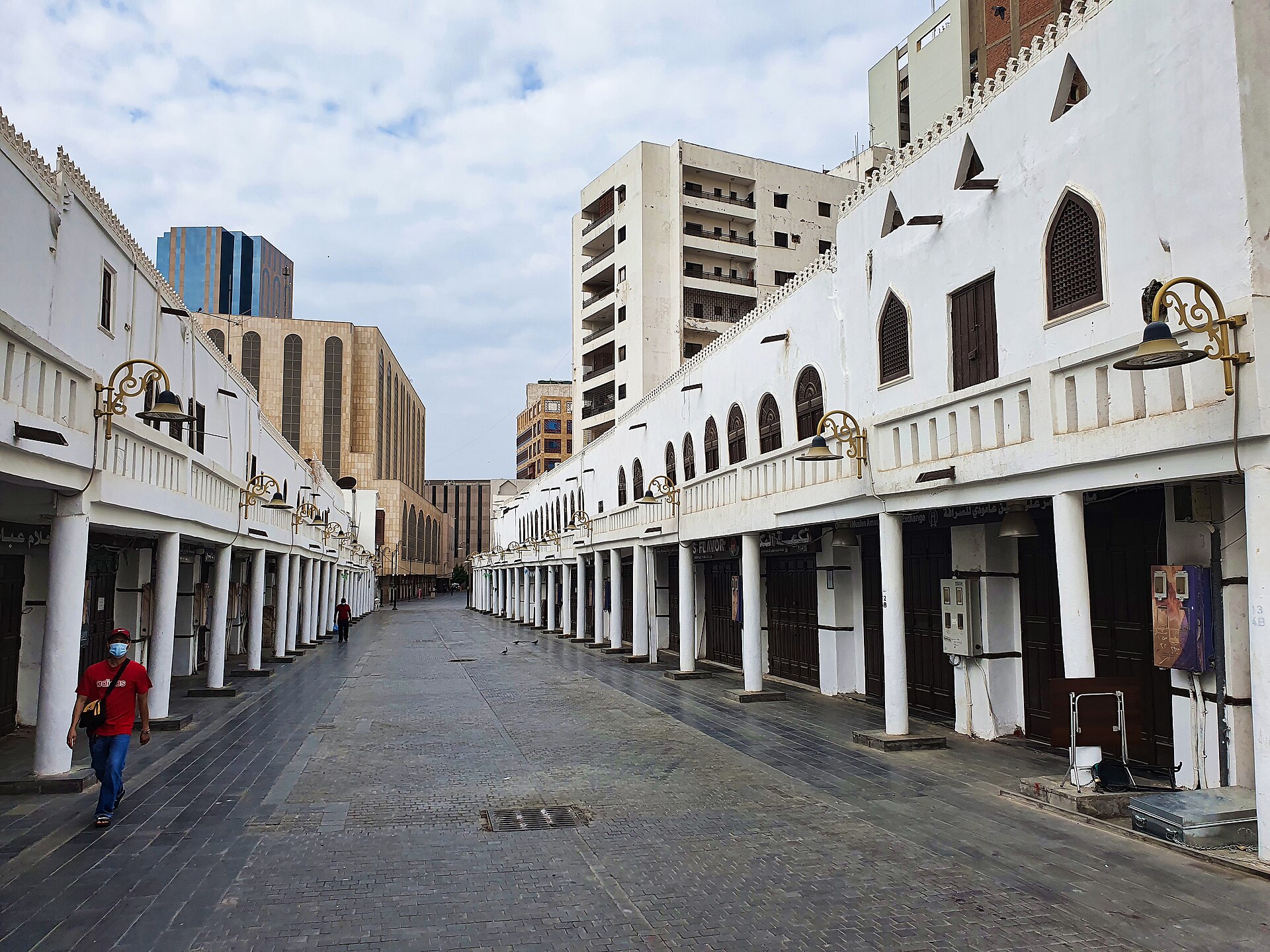
Jeddah is the most relaxed city in the Kingdom for dress standards, and you will see foreign women without head coverings and in relatively casual clothing in malls and the Corniche waterfront district. Smaller towns and rural areas remain more traditional, and dressing more conservatively there shows respect. For a detailed breakdown of what is and is not acceptable, see our Saudi Arabia Dress Code guide.
Swimwear
Bikinis and standard swimwear are acceptable at private resort pools and beach clubs, including at Red Sea resort destinations like AMAALA and The Red Sea project. Some public beaches have designated women-only sections where standard swimwear is fine, as these areas are screened from public view. Pack a modest cover-up for walking between the pool and the hotel lobby.
Clothing for Men
Men face fewer restrictions, but the same Public Decency Law applies. Shorts are acceptable in many settings but should be knee-length rather than thigh-high. Sleeveless gym shirts or tight leggings are best left for hotel gyms.
Everyday Essentials
Tip: Avoid clothing with alcohol brand logos, politically sensitive imagery, profanity, or any text that could be considered offensive. Saudi customs officers do inspect luggage, and such items can be confiscated.
Sun Protection and Toiletries
The Arabian sun is not optional to plan for. Riyadh’s summer temperatures routinely hit 45 °C, and UV indices across the Kingdom are rated “very high” or “extreme” for much of the year. Even winter visits to the desert involve strong sun exposure.
Sun Protection Essentials
Other Toiletries
Important: All toiletries must comply with airline carry-on liquid rules (100ml per container, 1-litre total in a clear bag) if you are not checking luggage. Saudi Arabia does not impose additional restrictions on cosmetics or toiletries beyond standard customs rules.
Packing for the Climate
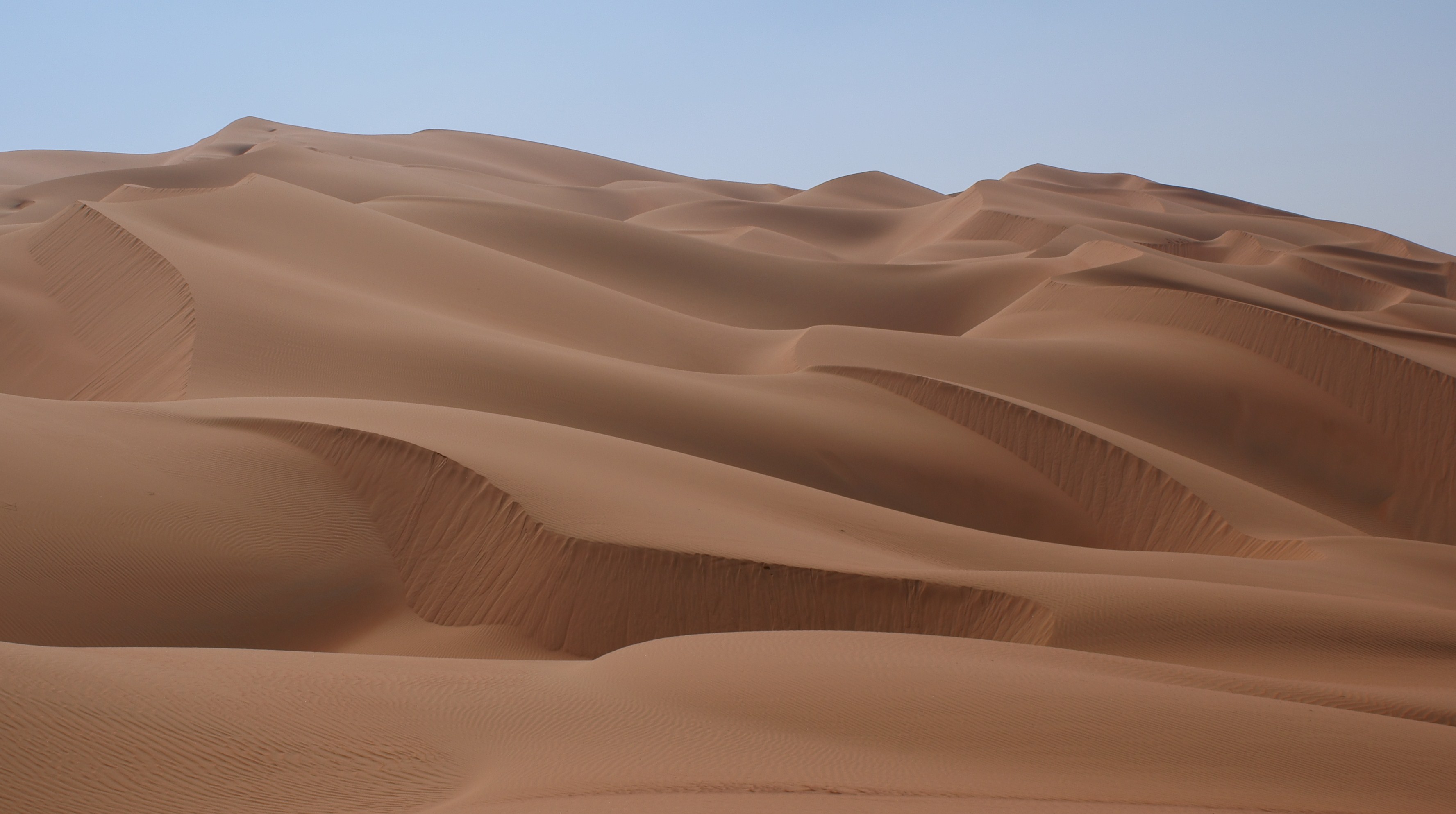
Saudi Arabia is not uniformly hot. The Kingdom spans a surprisingly wide range of climates, and the single biggest packing mistake tourists make is bringing only summer clothing.
Season-by-Season Guide
| Season | Riyadh (Interior) | Jeddah (Coast) | Abha / Asir (Highlands) | What to Pack |
|---|---|---|---|---|
| Winter (Dec–Feb) | 9–22 °C | 20–29 °C | 5–18 °C | Layers, light jacket, warm sweater for evenings |
| Spring (Mar–May) | 18–35 °C | 24–35 °C | 12–25 °C | Lightweight clothing, sunscreen, hat, light layers for AC |
| Summer (Jun–Aug) | 30–46 °C | 29–41 °C | 18–30 °C | Lightest breathable fabrics, maximum sun protection, reusable water bottle |
| Autumn (Sep–Nov) | 22–38 °C | 26–38 °C | 14–26 °C | Similar to spring — transitional layers, sun protection |
If you are visiting the Asir highlands around Abha, pack a genuine warm layer. Winter evenings at 2,200 metres elevation can drop below 5 °C, and morning fog is common. A waterproof jacket is useful during the monsoon-influenced khareef season (typically July to September) when the highlands receive rainfall.
Fabric Advice
Cotton and linen are the best choices for Saudi Arabia. Synthetic moisture-wicking fabrics also work well, particularly for hiking in the mountains or desert excursions. Avoid heavy denim and dark colours that absorb heat. Light colours reflect sunlight and keep you noticeably cooler outdoors.
Electronics and Power
Saudi Arabia uses Type G power outlets — the same three-rectangular-pin design used in the United Kingdom, Singapore, and Hong Kong. The standard voltage is 220V at 60 Hz. If you are travelling from a country that uses a different plug type (the US, Europe, Australia, or East Asia), you will need an adapter.
Electronics Packing List
Warning — Drones: As of 2025, tourists cannot legally fly drones in Saudi Arabia. Only Saudi residents with a national ID can apply for the required GACA (General Authority of Civil Aviation) drone registration and flight permit. Bringing a drone through customs is possible with proper serial number registration, but flying it without authorisation can result in the drone being confiscated and a fine. If you need aerial footage, hire a licensed local operator.
Documents and Money
The documents you carry are as important as the clothes in your bag. Saudi customs is thorough, and missing paperwork can mean delays or denied entry.
Essential Documents
Money
Health and Medication
Packing the right medical supplies requires particular attention in Saudi Arabia, because the Kingdom has strict rules about which medications can be brought into the country.
Controlled Medication Rules (Updated November 2025)
Since 1 November 2025, travellers carrying medications containing narcotic or psychotropic substances must obtain a clearance permit from the Saudi Food and Drug Authority (SFDA) before travelling. This applies to medications such as:
To obtain clearance, submit an application through the SFDA’s Controlled Drugs System (CDS) electronic platform at least two to three weeks before your trip. You will need your prescription, a medical report from your doctor, and proof of identity. Only quantities matching the duration of your visit (up to a one-month supply) are permitted.
Critical: Arriving in Saudi Arabia with controlled medications and no SFDA clearance permit can result in your medications being confiscated at customs, detention, or deportation. This is one regulation that is strictly enforced. Keep your permit, original prescription, and doctor’s letter in your hand luggage alongside the medication in its original labelled packaging.
Medical Kit Essentials
For more on staying healthy during your trip, including whether Saudi tap water is safe to drink, consult our dedicated water safety guide.
What NOT to Bring — Prohibited and Restricted Items
Saudi customs enforces strict import prohibitions. Bringing any of the following items into the Kingdom can result in confiscation, fines, detention, or deportation. This is not an exhaustive list, but covers the items most likely to catch tourists off guard.
Strictly Prohibited
Items Requiring Special Approval
Tip: If in doubt about a specific item, check the Zakat, Tax and Customs Authority (ZATCA) website at zatca.gov.sa before you travel. Saudi customs X-rays all checked luggage — do not assume anything will pass unnoticed.
Packing for Specific Activities
Desert Excursions and Dune Bashing
If your itinerary includes a desert safari, overnight camping, or a visit to the Empty Quarter, add these to your bag:
Mosque Visits
If you plan to visit mosques — including non-Muslim visitors who can now visit many mosques outside of Makkah and Madinah — pack specific items. Our non-Muslim travel guide has full details, but the essentials are:
Hajj and Umrah Pilgrimage
Pilgrims have a very different packing list from leisure tourists. Men performing Hajj or Umrah must wear ihram (two unstitched white cloths), which can be purchased in Saudi Arabia but many pilgrims prefer to bring their own. Women wear modest clothing with a headscarf. See our complete Hajj 2026 guide for the full pilgrimage packing list, including the specific items you will need for each ritual stage.
Beach and Coastal Holidays
The Red Sea coast, particularly around Jeddah and the new Red Sea project resorts, offers excellent diving and snorkelling. If you are heading to the coast, add:
Luggage Tips and Practical Advice
Luggage Size and Weight
Most Saudi-bound flights from major carriers allow 23–30 kg of checked luggage. If you are flying Saudia (the national carrier), economy class passengers typically get 23 kg for a single checked bag, while business class allows 32 kg. Budget airlines serving domestic Saudi routes (like Flynas and Flyadeal) may have tighter limits of 20 kg. Check your airline’s specific allowance before packing.
What to Keep in Your Carry-On
Packing for Aggressive Air Conditioning
This deserves its own section because it genuinely catches visitors off guard. Shopping malls, hotel lobbies, restaurants, and taxis in Saudi Arabia are air-conditioned to temperatures that can feel close to freezing after spending time in 40 °C heat outside. The temperature differential between outdoors and indoors can be 20–25 °C. A lightweight cardigan, hoodie, or pashmina that can fit in a day bag is essential equipment, not an optional extra.
The Complete Packing Checklist
Here is the full list, condensed for quick reference before you close your suitcase. Adjust based on your season of travel and planned activities.
| Category | Items | Priority |
|---|---|---|
| Documents | Passport (6-month validity), visa printout, travel insurance, hotel confirmations, photocopies | Essential |
| Clothing — Women | Loose trousers/maxi skirts, sleeved tops, headscarf, light jacket, comfortable shoes, sandals, swimwear | Essential |
| Clothing — Men | Long trousers, t-shirts/polo shirts, collared shirt, light jacket, comfortable shoes, sandals | Essential |
| Sun Protection | SPF 50+ sunscreen, UV sunglasses, hat/cap, SPF lip balm | Essential |
| Electronics | Type G power adapter, phone charger, portable power bank, camera | Essential |
| Health | Prescription medications (with permits), paracetamol, anti-diarrhoeal, electrolyte sachets, plasters, antiseptic | Essential |
| Toiletries | Moisturiser, deodorant, hand sanitiser, wet wipes, insect repellent | Recommended |
| Desert/Outdoor | Closed-toe shoes, scarf/shemagh, warm evening layer, headlamp, reusable water bottle | If applicable |
| Beach/Coastal | Swimwear, cover-up, reef-safe sunscreen, aqua shoes, dry bag | If applicable |
| Cold Weather (Highlands) | Warm jacket, waterproof layer, long socks, warm pyjamas | If visiting Asir Nov–Feb |
Safety and Practical Reminders
Saudi Arabia is one of the safest countries in the world for tourists, with very low rates of petty crime. Our Saudi Arabia safety guide covers the full picture, but for packing purposes, keep these points in mind:
Where to Buy What You Forgot
If you arrive in Saudi Arabia and realise you have left something behind, most essentials are readily available: