
Saudi Arabia is a photographer’s paradise. From the Nabataean tombs of AlUla to the coral-stone towers of Jeddah’s Al-Balad district, the Kingdom offers visual riches that rival anywhere on earth. But Saudi photography laws are stricter than most Western visitors expect, and ignorance is not accepted as a defence. Whether you are shooting on a smartphone or hauling a full camera bag, you need to know what is allowed, what is forbidden, and what can land you in serious legal trouble. This guide, part of our complete Saudi Arabia travel guide, breaks down every rule you need to follow in 2026.
Photography Rules in Saudi Arabia — At a Glance
Key Law: Anti-Cyber Crime Law (Royal Decree M/17, 2007) — Article 3 governs photography privacy
Penalty Range: SAR 300 to SAR 500,000 fines; up to 1 year imprisonment
Visa Required: Yes — tourist e-visa available for 63 nationalities
Drone Rules: Registration with GACA required; tourists effectively cannot fly drones
Must-Know: Never photograph people without permission, military sites, or government buildings
Avoid: Pointing cameras at women, residential properties, or anything with a no-photography sign
The Legal Framework: Laws That Govern Photography
Saudi Arabia does not have a single, unified photography law. Instead, several overlapping legal instruments regulate what you can and cannot capture with a camera. Understanding these is essential before you raise your lens anywhere in the Kingdom.
The Anti-Cyber Crime Law (2007)
The most important statute for photographers is the Anti-Cyber Crime Law, enacted by Royal Decree No. M/17 on 26 March 2007. Article 3, Paragraph 4 specifically criminalises the invasion of privacy through the misuse of camera-equipped mobile phones and similar devices. The penalty under this article is imprisonment for up to one year and a fine of up to SAR 500,000 (approximately USD 133,000), or both. This is not a theoretical risk — Saudi police actively enforce these provisions, and tourists have been detained for photographing people without consent.
The General Photography Regulation
The Saudi government’s official position, as outlined by Saudipedia (the government’s encyclopedia platform), is that photography is not prohibited in public places unless a specific sign banning photography is posted. However, this broad permission comes with significant exceptions: government facilities, military installations, royal palaces, security personnel, and private property are all off-limits without explicit authorisation.
Defamation and Privacy Protections
Beyond the Cyber Crime Law, publishing photographs that violate someone’s privacy or portray them in an embarrassing manner carries additional penalties. The minimum fine for taking a photograph without permission starts at SAR 300 (approximately USD 80) and can escalate rapidly if the image is shared on social media or causes reputational harm.
What You Can Freely Photograph
The good news is that Saudi Arabia’s photography restrictions are narrower than many visitors fear. The Kingdom actively encourages tourism photography and has invested heavily in making its heritage sites, cities, and landscapes photogenic and accessible. Here is what you can shoot without worry.
Public Landscapes and Cityscapes
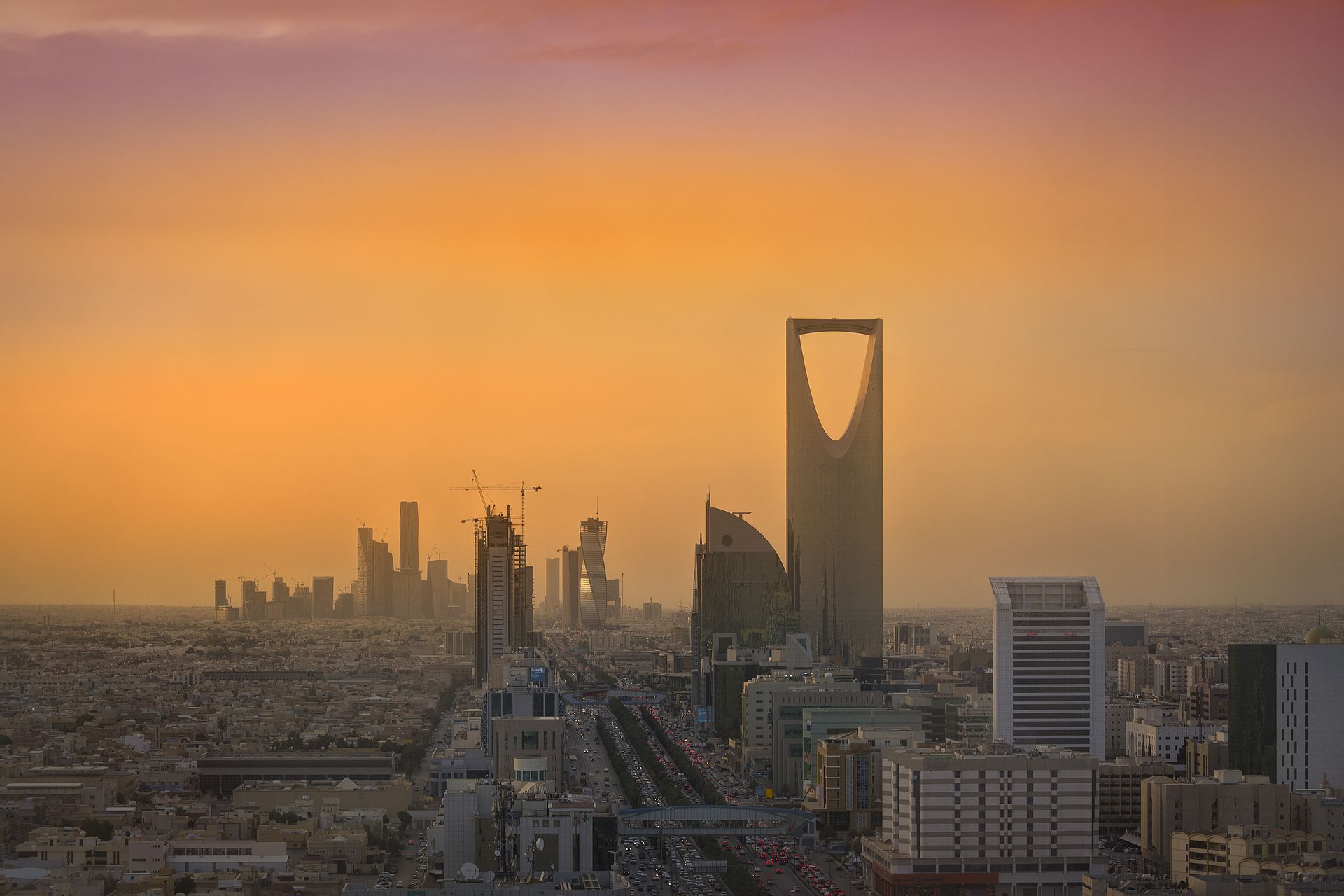
Open-air landscapes, desert vistas, mountain ranges, and urban skylines are entirely fair game. The best photography spots in Saudi Arabia include the Edge of the World near Riyadh, the red sand dunes of the Empty Quarter, the Asir mountain terraces near Abha, and the Red Sea coastline from Umluj to Jizan. No permission is needed for any of these.
Tourist Attractions and Heritage Sites
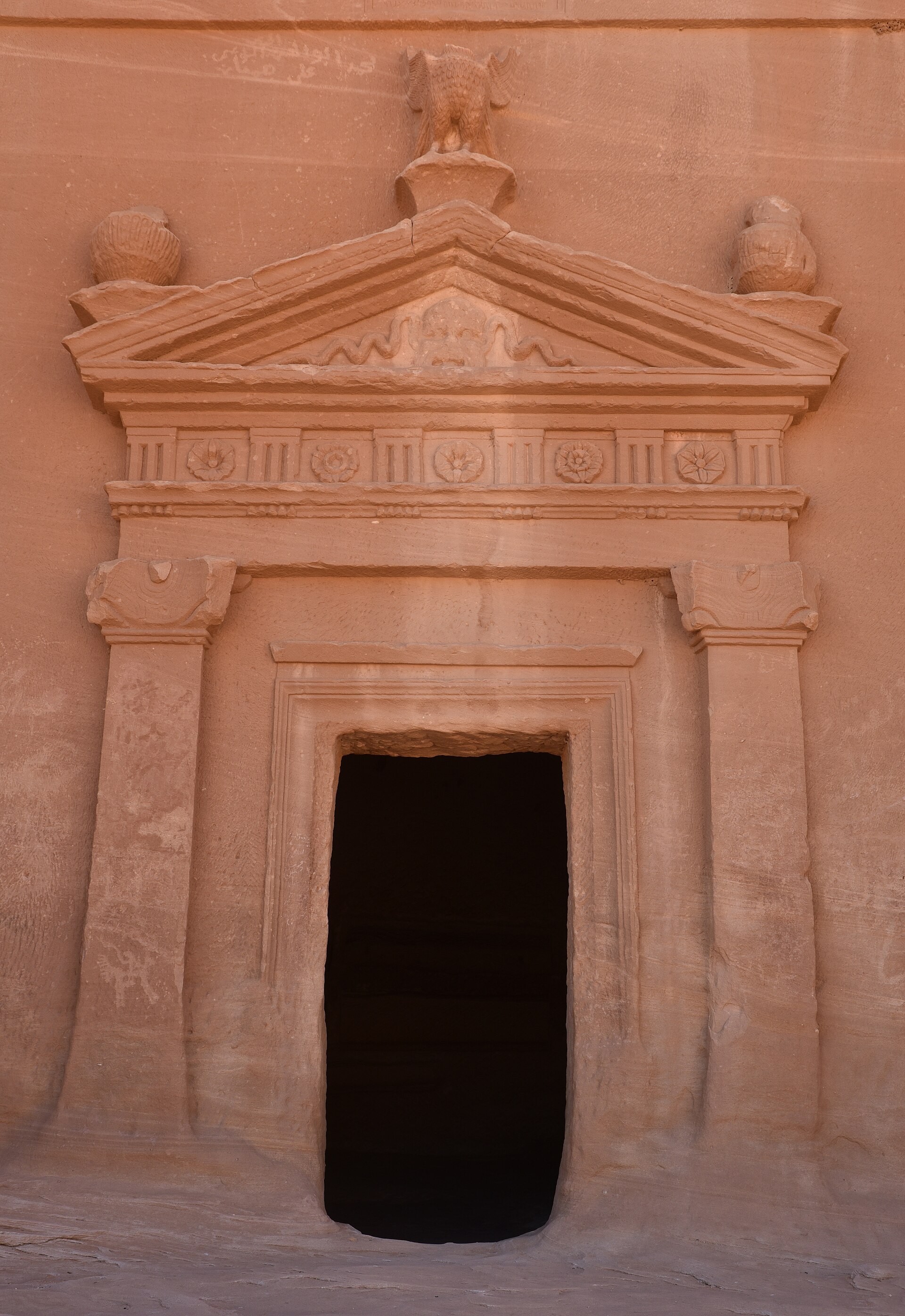
Saudi Arabia’s flagship tourist sites actively encourage photography. Hegra (Mada’in Salih), the Kingdom’s first UNESCO World Heritage Site, permits photography throughout the site. The same applies to AlUla‘s Elephant Rock, Dadan, and the Maraya concert hall. The Al Ahsa Oasis, Saudi Arabia’s second UNESCO site, is also photography-friendly.
Souks, Restaurants, and Commercial Areas
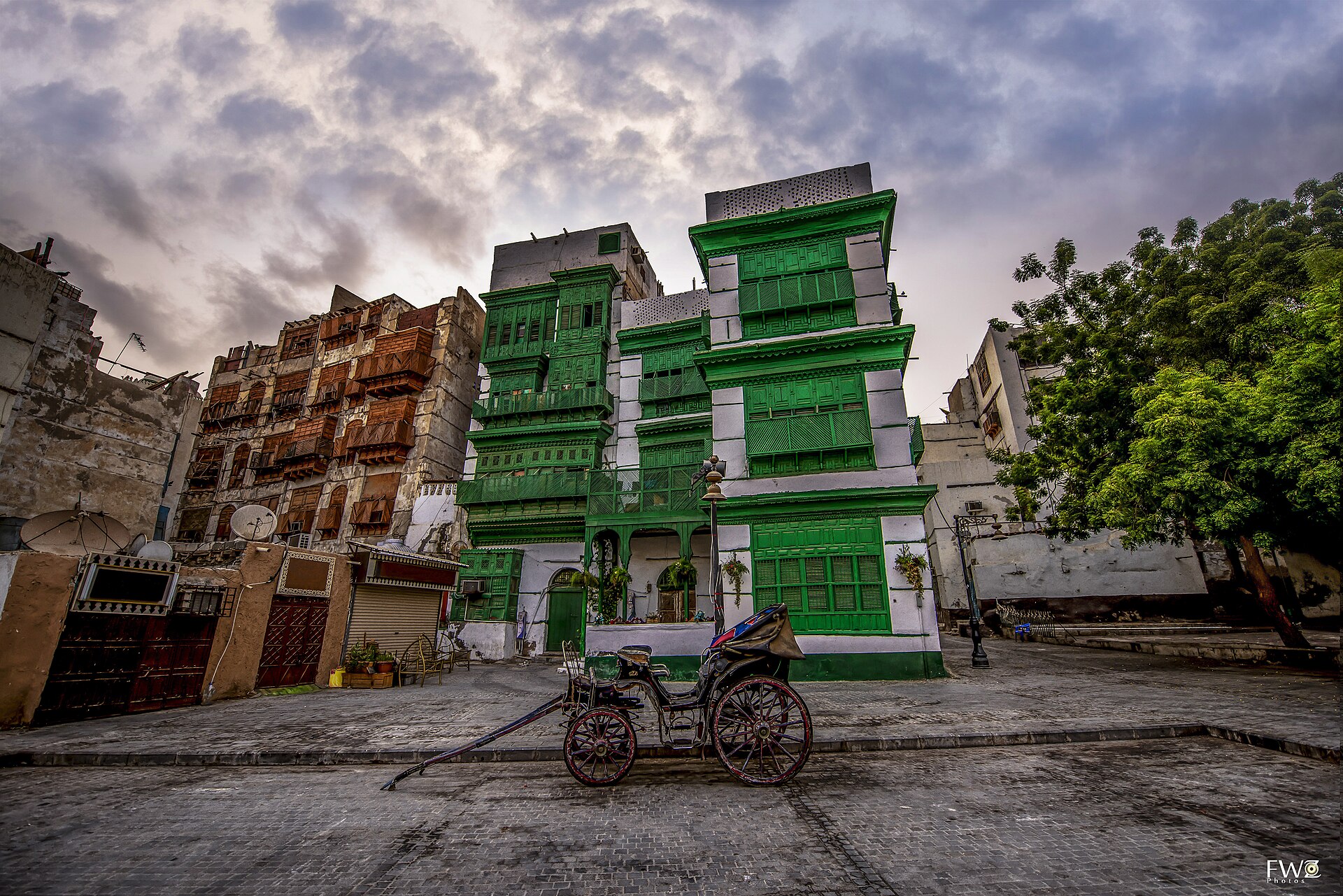
Open-air markets (souks), shopping malls, restaurants, and commercial streets are generally fine to photograph, though individual shop owners may ask you not to photograph their merchandise or staff. Always respect a “no photography” sign when posted. Street food vendors in Jeddah’s Al-Balad district, for example, are accustomed to tourists and typically welcome cameras.
Museums (With Conditions)
Most Saudi museums permit photography using small cameras and mobile phones. The National Museum of Saudi Arabia in Riyadh allows smartphone and compact camera photography but prohibits flash, tripods, and video recording in certain galleries. If you want to photograph exhibits for commercial purposes or use professional equipment, you must apply for a separate permit from the museum. Rules vary between museums, so look for signs at the entrance to each gallery.
What You Cannot Photograph
These restrictions are enforced seriously. Violating them can result in detention, equipment confiscation, fines, and in the most severe cases, imprisonment. Do not test the boundaries.
Military Installations and Defence Sites
Photographing any military base, military personnel, defence facility, naval port, or air force installation is strictly prohibited. This includes perimeter fences, guard posts, and external views of military compounds. Saudi Aramco facilities — refineries, pipelines, oil terminals, and petrochemical plants — are treated with similar severity. In 2019, Saudi Aramco issued a formal directive warning even its own employees against photographing or sharing images of restricted and under-construction areas on social media. As a tourist, you should assume that any industrial or military-looking facility is off-limits.
Government Buildings and Royal Palaces
Government ministries, police stations, intelligence agency buildings, royal palaces, and administrative offices are prohibited. If a building looks official, do not photograph it. Security personnel are known to stop people and ask for permits even for photographing the exteriors of government buildings from across the street. The penalty for photographing military, police, or royal forces can include prison time.
People Without Consent
This is the rule most frequently violated by tourists, and the one most consistently enforced. Saudi law requires explicit consent before photographing any person. This applies to everyone — men, women, children, and security personnel. Photographing Saudi women is particularly sensitive and can provoke a strong reaction from bystanders or family members, potentially leading to a police report.
Practical tip: The polite approach works. A smile, a gesture toward your camera, and a questioning look will usually get a clear yes or no. Many Saudi men — particularly younger generations in tourist areas — are happy to pose. If someone declines, lower your camera immediately and move on. Never photograph children without a parent’s explicit permission.
Private Residences
Never photograph homes, villas, apartment buildings, or residential compounds. Saudi privacy culture extends strongly to the home, and photographing a residence — even its exterior — can be interpreted as surveillance and reported to police.
Accident Scenes and Security Incidents
While Saudi law does permit photography to document events like traffic accidents or altercations for evidentiary purposes, sharing such images on social media or using them in a way that violates someone’s dignity is punishable. Use extreme caution.
Photography at Holy Sites: Mecca and Medina
The rules for photography at Saudi Arabia’s two holiest mosques — Masjid al-Haram in Mecca and Masjid an-Nabawi in Medina — are complex and have tightened significantly in recent years. If you are planning an Umrah or Hajj pilgrimage, understanding these rules is essential.
Masjid al-Haram (Grand Mosque, Mecca)
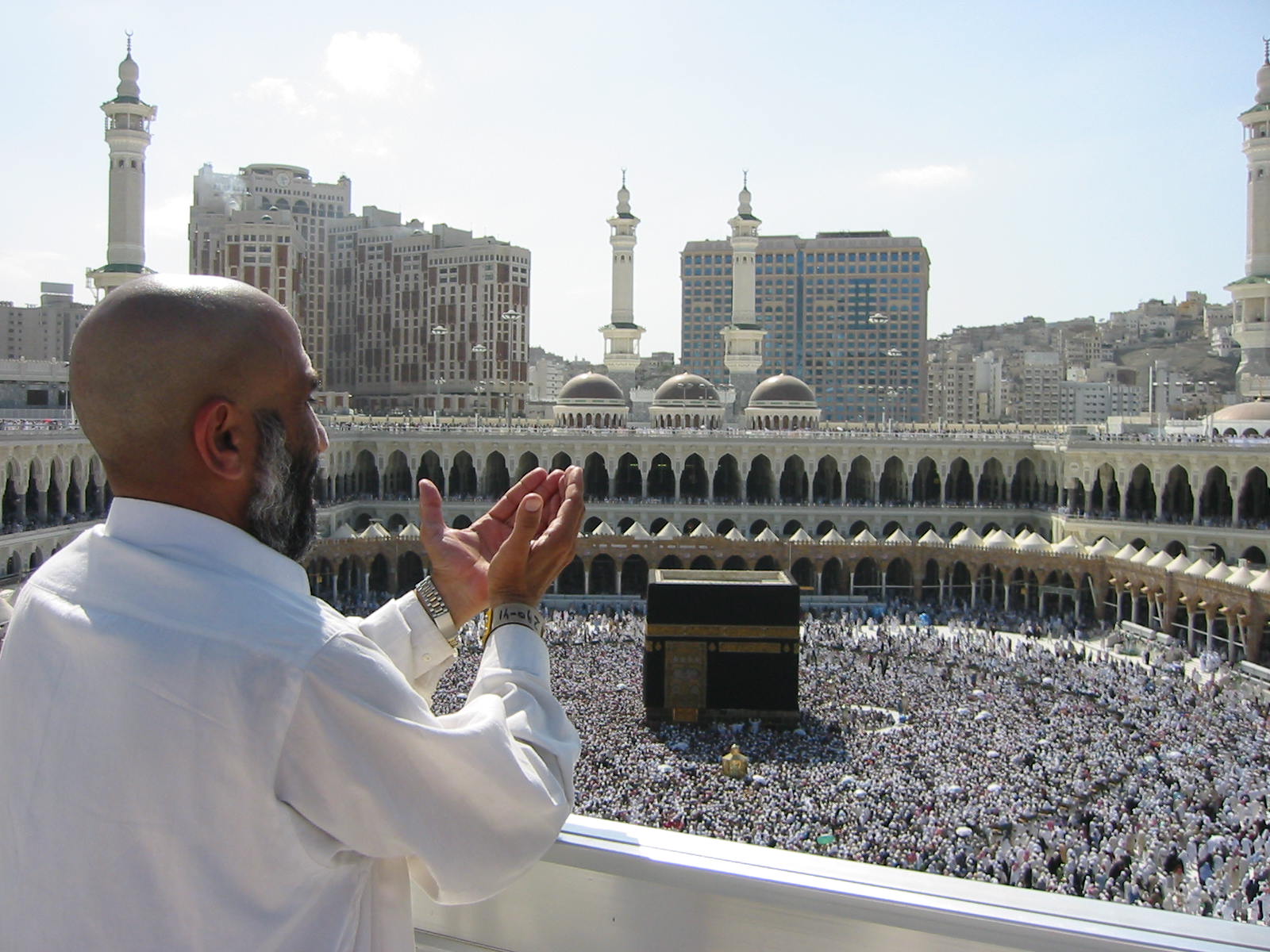
Photography inside the Grand Mosque has been subject to increasing restrictions. During Ramadan 2025, Saudi authorities banned all filming and photography inside both Masjid al-Haram and Masjid an-Nabawi, citing the need to protect worshippers’ privacy, maintain the sacred atmosphere, and facilitate crowd flow. Violators faced potential fines and confiscation of equipment.
For Hajj 2026, multiple reports indicate that the ban on photography and video recording inside both holy mosques will be enforced during peak pilgrimage periods. However, the Saudi Press Agency later clarified that there is no formal permanent ban — rather, restrictions are imposed situationally during periods of high congestion to maintain safety and reverence.
Current guidance for 2026: Assume that photography inside Masjid al-Haram and Masjid an-Nabawi is restricted during Hajj and Ramadan. Outside peak periods, discreet personal photography with a phone may be tolerated, but filming worshippers without consent is never permitted. Follow instructions from mosque security staff at all times. Professional cameras, selfie sticks, tripods, and gimbals are prohibited inside both mosques year-round.
Other Mosques Across Saudi Arabia
Smaller mosques throughout the Kingdom generally permit exterior photography. Interior photography is usually tolerated outside of prayer times, provided you remove your shoes, dress modestly, and do not photograph worshippers. During prayer times (five times daily), photography inside any mosque is inappropriate. The Saudi Arabia travel guide covers prayer time etiquette in more detail.
Street Photography: Etiquette and Practical Tips
Street photography is increasingly common in Saudi tourist areas, and the Kingdom’s rapid modernisation has created a fascinating visual contrast between ancient heritage and futuristic architecture. Here is how to navigate it safely.
Tourist Zones vs. Residential Areas
In designated tourist zones — Al-Balad in Jeddah, Diriyah in Riyadh, the AlUla heritage district — street photography is common and generally accepted. Locals in these areas are accustomed to cameras. In residential neighbourhoods, however, exercise significantly more caution. Avoid photographing houses, private gardens, or people going about their daily routines.
Photographing Women
This bears repeating because it is the single most common source of conflict for tourist photographers. Do not photograph Saudi women without explicit permission. This applies even in tourist areas. If a woman appears in the background of your landscape shot, most Saudis will not object, but deliberately framing a woman — particularly one in niqab — for a “local colour” photograph is considered deeply disrespectful and can lead to a police complaint.
Security Personnel
Police officers, military personnel, and private security guards should never be photographed without permission. This is both a legal requirement and a practical one — security personnel may confiscate your device or detain you for questioning.
The “When in Doubt” Rule
If you are uncertain whether you can photograph something, lower your camera and ask. The Arabic phrase “Mumkin aswir?” (Can I take a photo?) is useful and appreciated. Most Saudis are hospitable and will either agree or politely decline. For more useful phrases, see our essential Arabic phrases guide.
Drone Photography: Strict Regulations
Drone photography in Saudi Arabia is heavily regulated by the General Authority of Civil Aviation (GACA), and the rules effectively prohibit recreational drone use by tourists.
Registration Requirements
Every drone weighing more than 250 grams must be registered with GACA through their Unmanned Aircraft System portal (uas.gaca.gov.sa). Registration requires a Saudi national ID or Iqama (residency permit), which means tourists on a standard tourist e-visa cannot register a drone. Without registration, flying a drone anywhere in the Kingdom is illegal.
Operational Rules for Registered Operators
Even for registered operators, strict rules apply:
- Maximum altitude: 150 metres (492 feet)
- Must maintain visual line of sight at all times
- Daylight hours only, in good weather
- No flights over people, crowds, or populated areas
- No flights near airports, military zones, government buildings, or sensitive locations
- No surveillance or photography of private property or individuals without consent
- Recreational drone licence required (fee: SAR 250 / approximately USD 67)
- A script or treatment / storyboard
- Complete crew list with passport details
- Equipment list
- Detailed shooting schedule and locations
- Proof of local production company partnership (for foreign crews)
- Ensure your visa is valid — e-visa holders have the same photography rights as any tourist
- Download offline maps of your shooting locations so you do not accidentally wander into restricted zones
- Research prayer times for your travel dates — these affect mosque photography and public behaviour
- Leave drones at home unless you hold Saudi residency and a GACA licence
- Carry a lens cloth — dust is a constant challenge, particularly in desert areas
- Always ask before photographing people — a simple gesture usually suffices
- If anyone (civilian or official) asks you to stop photographing, comply immediately
- Avoid photographing anything that looks official, military, or industrial
- Respect “no photography” signs — they carry legal force
- Shoot during golden hour for the best light on sandstone and desert landscapes
- Back up images to cloud storage daily — if your device is confiscated, cloud copies may be all you have
- Do not post images that identify individuals without their consent
- Do not share images of military or government facilities, even in the background of a selfie
- Be cautious with geotagging — location data on images of sensitive areas can attract unwanted attention
- Saudi authorities actively monitor social media for privacy violations
- Saudi Arabia Travel Guide 2026 — The complete guide to visiting the Kingdom
- Best Photography Spots in Saudi Arabia — 20 locations every photographer should visit
- Photography Tours in Saudi Arabia — Guided and self-drive options for serious shooters
- Saudi Customs and Etiquette — Cultural rules every visitor should know
- Is Saudi Arabia Safe for Tourists? — Honest security guide for 2026
- Saudi Arabia Visa Guide — Every visa type explained
Commercial Drone Operations
Commercial drone operators must hold a Remote Pilot Certificate from GACA, obtain a Certificate of No Objection from the General Authority for Media Regulation, and apply for specific flight permits. Processing typically takes 2-4 weeks. In mid-2025, GACA updated regulations under GACAR Part 107 and Part 48, aligning Saudi drone rules more closely with international standards.
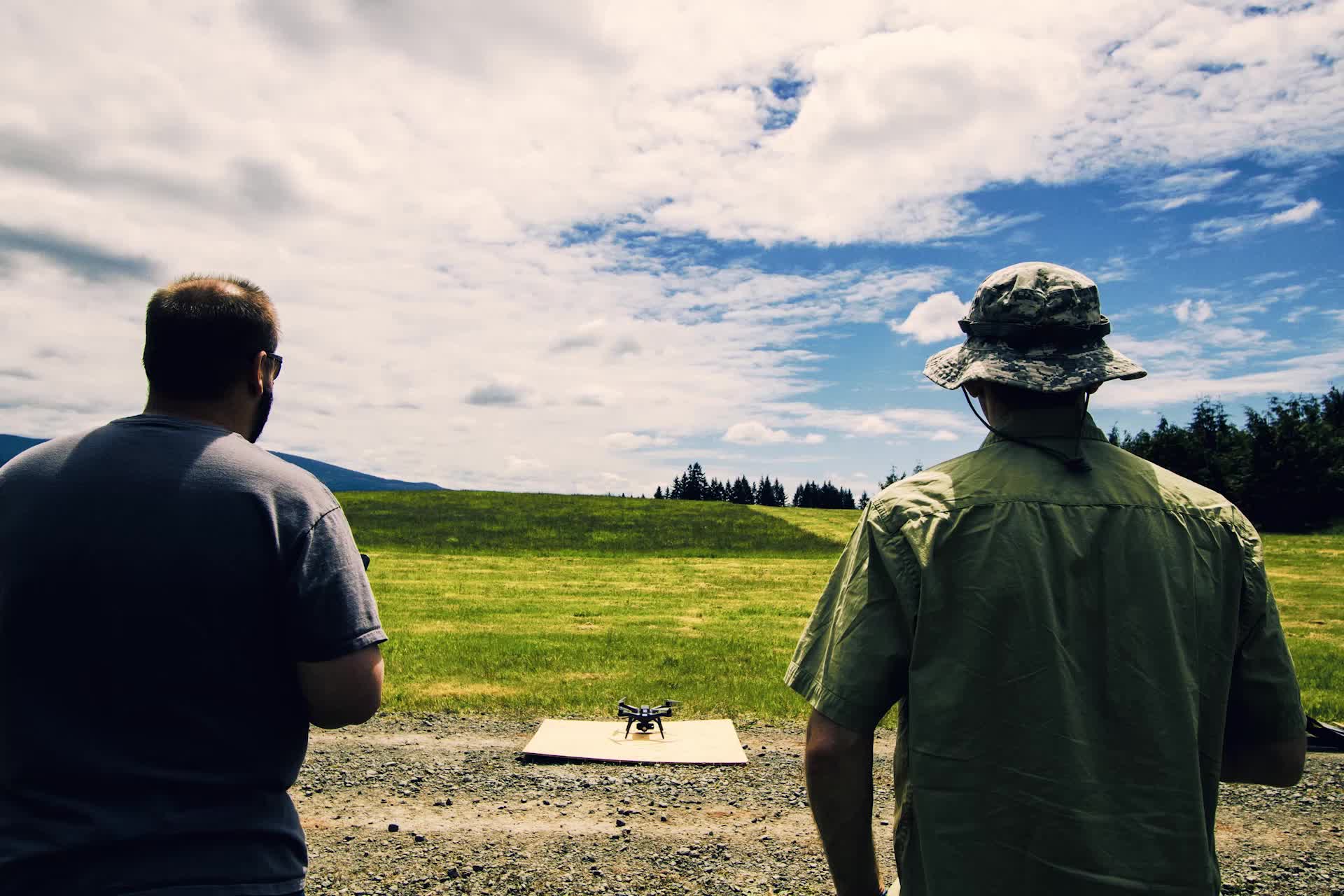
Bottom line for tourists: Leave your drone at home. The registration system requires Saudi residency documentation that tourists do not have. If you are caught flying an unregistered drone, you face confiscation of the equipment and potential fines. If you specifically need aerial footage of Saudi Arabia, hire a licensed local drone operator through a production company.
Commercial Photography and Film Permits
If you are visiting Saudi Arabia for professional photography or filmmaking — whether for a documentary, commercial campaign, fashion shoot, or brand content — you need permits.
Who Needs a Permit
Any photography or videography conducted for commercial purposes requires a permit. This includes product photography, fashion campaigns, promotional content for social media, corporate films, documentaries, and commercial real estate photography. The threshold is commercial intent, not equipment — you can technically shoot commercial content on a phone and still need a permit.
How to Apply
The primary permit-issuing authority is the General Authority for Media Regulation, which issues Certificates of No Objection for filming in public and tourist places. Applications are submitted through the authority’s e-services portal (gmedia.gov.sa). You will need to provide:
Processing typically takes 2-4 weeks. The Saudi Film Commission (film.sa) also provides guidance and facilitates permits for larger productions.
Permit Exemptions
Personal tourism photography using smartphones or small cameras does not require any permit. Content creators and social media influencers operating in a personal capacity occupy a grey area — if your content is clearly promotional or sponsored, you should apply for a permit to avoid complications.
Photography at Specific Locations
Different sites across the Kingdom have their own specific rules. Here is a location-by-location breakdown for the most popular destinations.
AlUla and Hegra
The AlUla region is exceptionally photography-friendly. Hegra’s 111 Nabataean tombs, Elephant Rock, the Dadan archaeological site, and the AlUla Old Town all permit photography. Tripods are allowed outdoors. The Maraya concert hall’s mirrored exterior is one of the most photographed structures in the Kingdom. Commercial photography requires a permit from the Royal Commission for AlUla.
Diriyah and At-Turaif
The At-Turaif UNESCO World Heritage Site in Diriyah, on the outskirts of Riyadh, permits photography. The restored mud-brick structures make for exceptional images, particularly during golden hour. The adjacent Bujairi Terrace commercial district is also photo-friendly.
Edge of the World (Jebel Fihrayn)
No restrictions. This dramatic escarpment about 90 minutes from Riyadh is one of the most photographed natural landmarks in the Kingdom. For other excursions from the capital, see our best day trips from Riyadh guide.
Aramco Facilities and Industrial Sites
Absolutely no photography permitted. This includes the Dhahran campus, refineries at Ras Tanura, Yanbu, and Jubail, pipeline infrastructure, and petrochemical plants. Even photographing these facilities from a distance can attract security attention.
Penalties for Photography Violations
Saudi Arabia enforces photography laws through a tiered penalty system. Understanding the escalation helps you appreciate why compliance matters.
| Violation | Applicable Law | Maximum Penalty |
|---|---|---|
| Photographing a person without consent | General photography regulation | SAR 300 to SAR 500,000 fine; up to 6 months imprisonment |
| Privacy invasion via camera phone | Anti-Cyber Crime Law, Article 3(4) | SAR 500,000 fine; up to 1 year imprisonment |
| Publishing private images online | Anti-Cyber Crime Law + defamation provisions | SAR 500,000 fine; up to 1 year imprisonment |
| Photographing military or government facilities | National security regulations | Imprisonment (length varies); potential deportation |
| Flying unregistered drone | GACA Civil Aviation Regulations | Equipment confiscation; fines; potential criminal charges |
| Commercial photography without permit | Media regulation law | Fines; equipment seizure; shoot shutdown |
Important note: For foreign tourists, the most common outcome for minor violations is a warning, deletion of images, and release. However, photographing military sites or repeated privacy violations can lead to arrest, detention, and deportation. The US State Department’s travel advisory for Saudi Arabia specifically warns that photographing government buildings, military installations, and security forces can result in detention.
Practical Tips for Tourist Photographers
Follow these guidelines and you will have no trouble photographing your way across the Kingdom.
Before You Go
While Shooting
Sharing Images
Best Photography Gear for Saudi Arabia
For a deeper look at photogenic destinations across the country, see our dedicated guide to the 20 best photography spots in Saudi Arabia. If you are interested in guided experiences, our photography tours guide covers operators running dedicated trips to AlUla, the Empty Quarter, and other prime locations.
| Item | Why You Need It | Notes |
|---|---|---|
| UV / polarising filter | Cuts harsh desert glare | Essential for daytime shooting |
| Lens cleaning kit | Sand and dust are constant | Microfibre cloths, blower, brush |
| Weather-sealed camera body | Dust protection | Not essential but strongly recommended |
| Spare batteries | Heat drains batteries faster | Keep spares in a cool bag |
| Lightweight tripod | Permitted outdoors at most sites | Check museum rules individually |
| Wide-angle lens | Captures scale of landscapes and architecture | 16-35mm range ideal |
Photography and Saudi Culture: Understanding the Context
Saudi Arabia’s photography rules are not arbitrary bureaucracy. They reflect deeply held cultural values around privacy, modesty, and the sanctity of personal and domestic space. The Arabic concept of hurma — the inviolability of the private domain — underpins much of Saudi social life. A camera pointed at someone’s home or family is not merely rude; it is experienced as a violation of a fundamental boundary.
Understanding this context will make you a better and more respectful photographer. The vast majority of Saudis you encounter will be warm, curious, and happy to help you get a great shot. The restrictions exist to protect the minority who value their privacy — and the consequences exist because the Kingdom takes that protection seriously.
For a broader understanding of cultural norms, our guides to Saudi customs and etiquette and dress code for women cover the wider behavioural expectations that affect your entire visit.
Frequently Asked Questions
Can I take photos in Saudi Arabia as a tourist?
Yes. Tourist photography with smartphones and personal cameras is permitted in public places, tourist attractions, heritage sites, and most commercial areas. The restrictions apply to specific categories: military sites, government buildings, people without consent, and private residences.
Can I photograph the Kaaba in Mecca?
Photography restrictions at Masjid al-Haram vary by season. During Hajj and Ramadan, photography bans are typically enforced to maintain crowd safety and respect for worshippers. Outside peak periods, discreet personal photography may be tolerated but filming worshippers without consent is always prohibited. Follow security staff instructions.
Can I fly a drone in Saudi Arabia as a tourist?
Effectively no. Drone registration with GACA requires a Saudi national ID or Iqama (residency permit). Tourists on standard visas cannot register, and flying an unregistered drone is illegal. Leave your drone at home or hire a licensed local operator.
What happens if I accidentally photograph a military building?
If you realise your mistake, delete the images immediately. If approached by security, cooperate fully, show your camera roll, and delete any images they request. In most cases, honest tourists who cooperate are warned and released. Refusing to cooperate or arguing will escalate the situation significantly.
Do I need a permit for Instagram or YouTube content?
Personal travel content shared on social media does not require a permit. However, if your content is sponsored, promotional, or commercially motivated — particularly if you are an influencer on a brand trip — you should apply for a filming permit through the General Authority for Media Regulation to avoid potential issues.
Can I photograph at the sunrise or sunset spots?
Absolutely. Natural landscapes, public viewpoints, and outdoor scenic locations are freely photographable at any time. Golden hour and blue hour are the best times for photography across the Kingdom’s desert and mountain landscapes.