
Saudi Arabia is not a country most travellers associate with dawn chasing, yet its geography delivers some of the most dramatic sunrises anywhere on earth. From cliff edges that drop hundreds of metres into ancient seabeds, to sand dunes whose iron-oxide minerals glow reddish gold the moment light hits them, to juniper-cloaked mountain ridges that pierce the cloud layer at over 3,000 metres, the Kingdom rewards anyone willing to set an early alarm. This guide, part of our Saudi Arabia Travel Guide 2026, maps the finest sunrise viewpoints across three distinct landscape zones — desert, mountain and coast — with practical details on how to reach each one, when to arrive, and what to bring.
Best Time to Visit: October to March (cooler temperatures, clearer skies, sunrise between 5:30 and 6:45 AM)
Getting There: Riyadh, Jeddah and AlUla airports serve as gateways; 4×4 vehicle required for desert sites
Visa Required: Yes — tourist e-visa available online
Budget: $50–$200/day depending on guided tours vs self-drive
Must-See: Edge of the World (Tuwaiq Escarpment), Elephant Rock at AlUla, Rub’ al Khali dunes
Avoid: Summer months (May–September) when desert temperatures exceed 45°C before 8 AM
Why Saudi Arabia Is a Sunrise Destination
Three factors make Saudi sunrises exceptional. First, geography: the Arabian Peninsula sits between 17°N and 32°N latitude, producing a sunrise arc that shifts only about 90 minutes between the longest and shortest days of the year — meaning golden-hour timing is predictable and consistent. Second, atmosphere: the low humidity across most of the interior means clean horizons with minimal haze during the cooler months, while the Red Sea coast and Asir highlands offer their own atmospheric effects — sea mist and mountain fog that scatter morning light into vivid colour bands. Third, terrain variety: few countries can offer cliff-edge desert panoramas, 250-metre sand dunes, cloud-level mountain ridges, and turquoise coastal horizons all within a single trip.
Sunrise photography has become a significant draw for international visitors since the launch of the Saudi tourist e-visa in 2019. Tour operators in Riyadh, AlUla and Tabuk now run dedicated dawn excursions, and the Royal Commission for AlUla offers an early-access “AlUla Moments” pass (275 SAR, approximately $73) that grants entry to key sites one hour before official opening — specifically designed for golden-morning-light photography.
Desert Sunrise Spots
Edge of the World (Jebel Fihrayn), Riyadh Province
The Edge of the World — locally known as Jebel Fihrayn — is the most popular sunrise destination in Saudi Arabia and one of the most visually dramatic cliff viewpoints anywhere in the Middle East. Part of the 800-kilometre-long Tuwaiq Escarpment, the viewpoint sits at approximately 1,131 metres elevation and looks out over a vast, flat prehistoric seabed that stretches unbroken to the horizon. At dawn, the first light catches the cliff faces and turns the limestone from grey to amber, while the plains below remain in shadow — creating a layered visual effect that photographers prize.
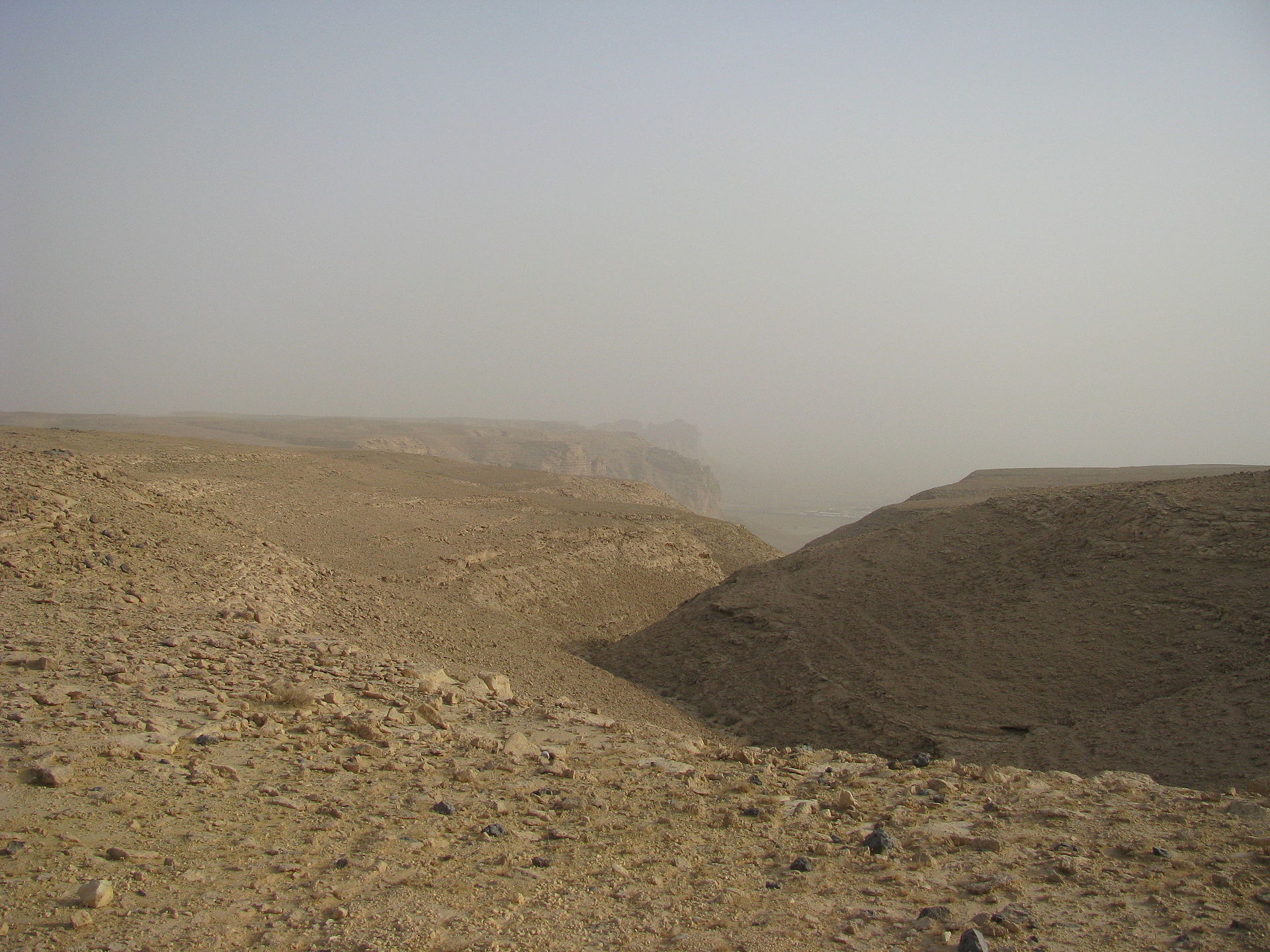
How to get there: The Edge of the World lies approximately 90 kilometres northwest of central Riyadh. The drive takes around 90 minutes along paved highways, with the final 10–15 minutes on unpaved desert track that requires a 4×4 vehicle or a booked tour. Most sunrise tours depart Riyadh hotels at 4:00–4:30 AM and include a traditional Saudi breakfast served on the cliff edge after dawn.
Best time: October to March. Winter sunrise occurs between 6:15 and 6:45 AM, giving you comfortable pre-dawn temperatures of 10–18°C. In summer, sunrise is earlier (around 5:15 AM) but temperatures can already exceed 30°C at dawn.
Tip: There are no fences or barriers at the cliff edge. Stay well back from the rim, especially in low pre-dawn light. Guided tours include safety briefings. Bring a headlamp for the short walk from the parking area to the viewpoint.
Elephant Rock (Jabal AlFil), AlUla
AlUla’s 52-metre-tall Elephant Rock is one of Saudi Arabia’s most recognisable natural landmarks — a sandstone monolith sculpted by millions of years of wind erosion into the unmistakable shape of an elephant with its trunk reaching toward the ground. While sunset photography dominates social media, sunrise at Elephant Rock offers advantages that experienced photographers who know Saudi Arabia’s best spots consistently exploit: softer directional light from the east, far fewer visitors, and a colour palette that shifts from deep purple through rose gold to warm amber as the sun clears the horizon behind the formation.
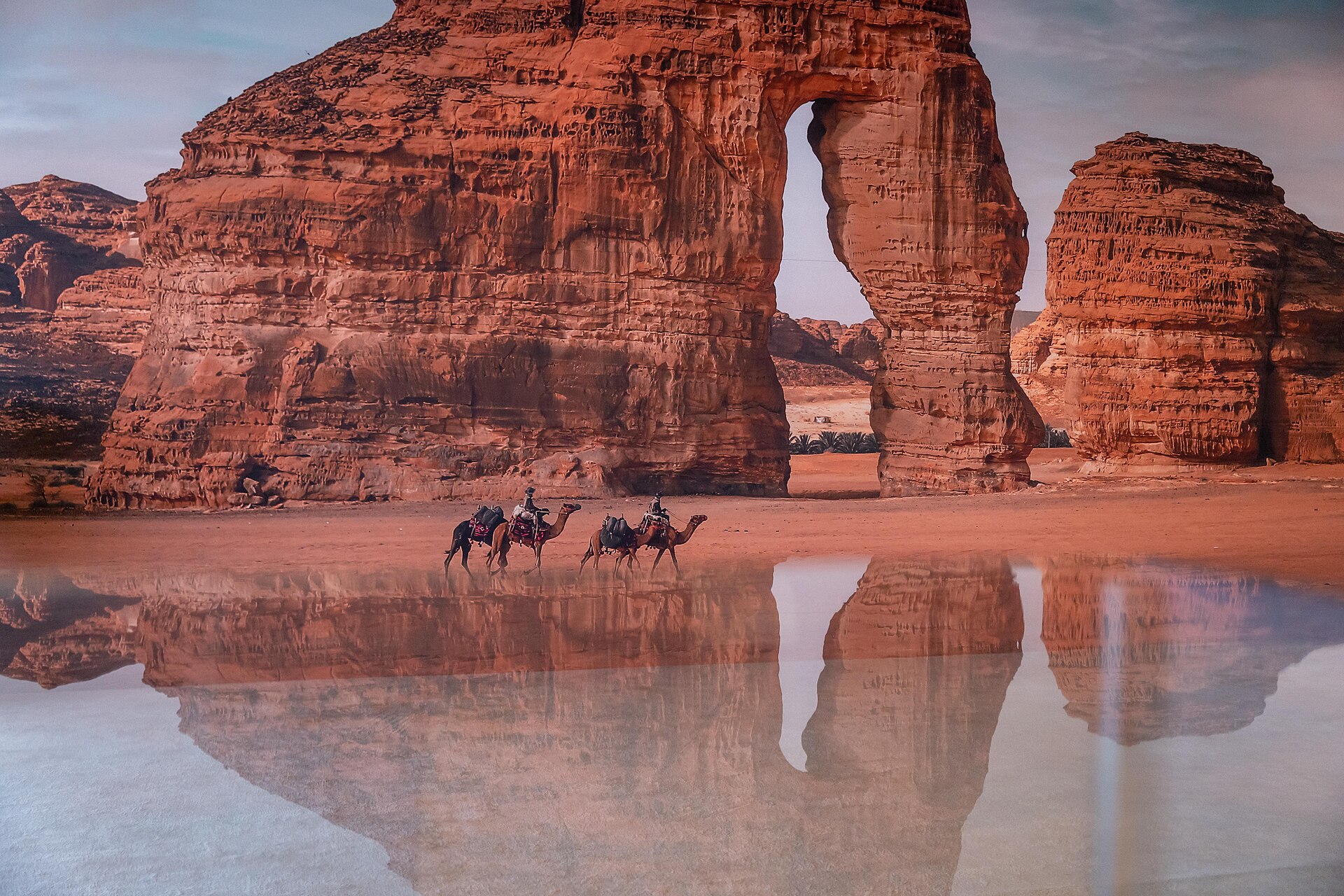
How to get there: Elephant Rock is located 7 kilometres northeast of AlUla Old Town. AlUla has its own airport (ULH) with direct flights from Riyadh and Jeddah. From AlUla town, the site is a 10-minute drive on a paved road. The Royal Commission for AlUla manages all site access — check experiencealula.com for current ticket availability and opening times.
Best time: November to February, when daytime temperatures hover around 18–24°C and sunrise falls between 6:30 and 7:00 AM. The “AlUla Moments” early-access pass (275 SAR) lets you enter an hour before the general public — essential for unobstructed dawn shots.
Hegra (Mada’in Salih), AlUla
Five kilometres south of AlUla Old Town, the UNESCO World Heritage Site of Hegra contains 111 remarkably preserved Nabataean tombs carved into sandstone outcrops. At sunrise, the interplay of light and shadow across the carved facades brings out three-dimensional depth that is lost under the flat overhead light of midday. The tombs glow a deep amber, and the surrounding desert floor catches long, sculpted shadows cast by the monoliths. Hegra rivals Petra in archaeological significance but receives a fraction of the visitors — and unlike Petra, all access is managed through timed ticketed tours, meaning crowds are controlled by design.
How to get there: Hegra is accessible only through organised tours booked via the Royal Commission for AlUla. Standard tours depart from AlUla’s visitor centre. Ask specifically about early morning departure slots if sunrise photography is your priority.
Best time: November to February. Wide-angle lenses (16–35mm) capture the full scale of the tombs against the lightening sky; telephoto lenses (70–200mm) isolate carved details as shadows recede across the facades.
Hisma Desert, Tabuk Province
The Hisma Desert in northwest Saudi Arabia — accessible from the Tabuk region — is a landscape of red sand, towering sandstone pillars and sculpted rock formations that rival Jordan’s Wadi Rum. Believed to be over 500 million years old, the Jibal Hisma rock formations create a natural maze of massifs whose shapes shift dramatically in golden-hour light. At sunrise, the red iron-oxide sand intensifies in colour while the vertical rock faces catch directional light that creates extreme contrast — ideal for landscape photography.
How to get there: The Hisma Desert lies approximately 90 kilometres west of Tabuk city. A 4×4 vehicle is required for desert access. Several Tabuk-based tour operators run overnight camping trips with sunrise excursions. Tabuk airport (TUU) receives flights from Riyadh, Jeddah and Dammam.
Best time: October to March. The area’s distance from artificial light pollution also makes it a premier “astro-tourism” destination — making it possible to combine stargazing and sunrise in a single overnight desert camp.
Mountain Sunrise Spots
Jabal Soudah (Al Soudah), Asir Region
At 3,015 metres above sea level, Jabal Soudah near Abha in the Asir highlands is Saudi Arabia’s highest peak and the country’s most elevated sunrise viewpoint. What makes dawn here exceptional is the cloud inversion phenomenon: on many mornings, particularly during the cooler months, a thick layer of clouds fills the valleys below the summit while the peak sits in clear sky above. The result is a sunrise that breaks not over land but over what appears to be a white ocean, with other mountaintops emerging as dark islands — one of the rarest and most photographed atmospheric effects available to hikers in the Arabian Peninsula.
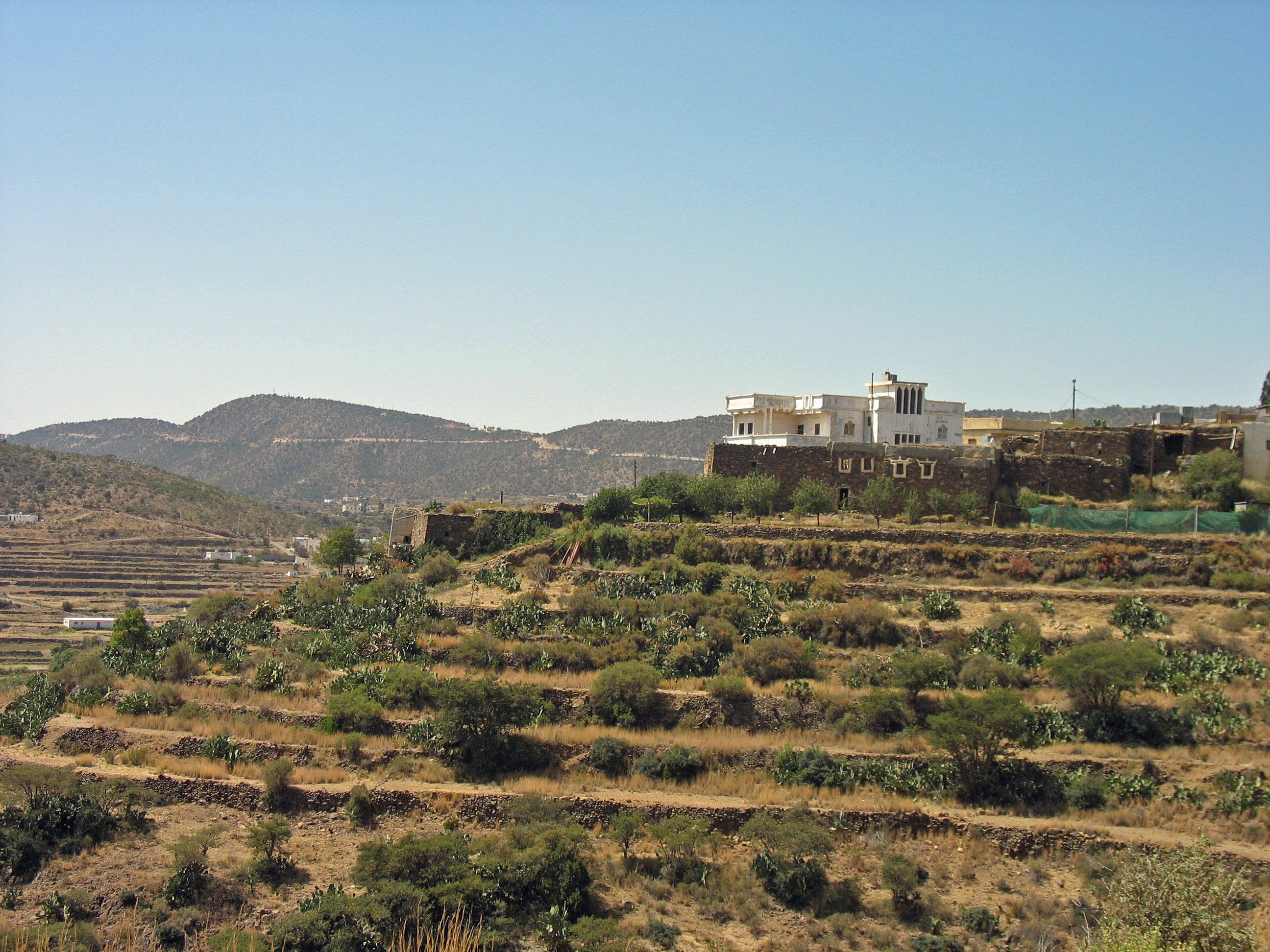
How to get there: Abha has its own regional airport (AHB) with flights from Riyadh, Jeddah and Dammam. Jabal Soudah is approximately 30 kilometres northwest of Abha. You can drive directly to the viewpoint — no hiking required, though there are hiking trails for those who want to reach the summit on foot. The Sawda Mountains Hiking Trail is a popular option that leads to the peak.
Best time: Year-round, but cloud inversions are most frequent from October to February. Summer temperatures at this altitude rarely exceed 25°C, making Al Soudah one of the few places in Saudi Arabia where sunrise watching is comfortable even in July. Sunrise times range from 5:40 AM (June) to 6:45 AM (December).
Tip: The mountains around Abha are covered with dense juniper forests — Saudi Arabia’s greenest landscape. Arrive 90 minutes before sunrise to secure a viewpoint position and watch the pre-dawn colour build. Temperatures at the summit can drop below 5°C on winter mornings, so bring a warm layer.
Green Mountain (Jabal al-Akhdar), Abha
Accessible by cable car from central Abha, the Green Mountain offers a more convenient — though lower-altitude — sunrise viewpoint for travellers staying in the city. The cable car does not operate before dawn, but the viewpoint at the summit can be reached by a short drive. The panoramic view encompasses Abha city below and the Tihama valleys stretching toward the Red Sea coast, with the sunrise illuminating mist-filled valleys in layers of orange and purple. The mountain’s green illumination at night (installed as part of a tourism development initiative) switches off before dawn, restoring natural conditions for sunrise photography.
How to get there: A 15-minute drive from Abha city centre to the summit parking area. The cable car operates from 10:00 AM, so dawn visitors must drive.
Wadi Disah (Valley of the Palms), Tabuk Province
Wadi Disah is a 15-kilometre-long canyon running through the Jebel Qaraqir sandstone massif, about 80 kilometres south of Tabuk city. The canyon walls rise 400 metres on either side, creating a narrow corridor where sunrise light enters at a steep angle — illuminating the upper cliff faces in brilliant gold while the valley floor remains in cool shadow. The contrast between the sunlit sandstone and the lush palm trees, natural springs and green vegetation at the base of the canyon makes this one of the most visually striking dawn landscapes in Saudi Arabia. For hikers using our Saudi Arabia hiking guide, Wadi Disah offers a 14-kilometre round-trip trail that passes through the most photogenic sections of the canyon.
How to get there: From Tabuk, drive south approximately 80 kilometres. A 4×4 is recommended for the final stretch into the canyon. Some sections of the trail involve wading through shallow streams, so waterproof footwear is advisable.
Best time: November to March. The narrow canyon orientation means sunrise light enters gradually — arrive 30 minutes before official sunrise to catch the progression of light down the cliff face.
Coastal Sunrise Spots
Umluj Islands, Red Sea Coast
Known as the “Maldives of Saudi Arabia,” Umluj offers a sunrise experience unlike any other in the Kingdom. The town’s archipelago of over 100 small islands scattered across the Red Sea creates a seascape where dawn light reflects off turquoise shallow water, white sand bars and coral formations. Ranked among the world’s top 100 beaches in the 2024 Golden Beach Awards alongside Bora Bora and Copacabana, Umluj is best experienced from a boat positioned between the islands at first light, when the water is glass-calm and the colours are at their most saturated.
How to get there: Umluj is located on the Red Sea coast in Tabuk Province, approximately 150 kilometres south of NEOM. The nearest airport is Yanbu (YNB), about 300 kilometres to the south, or Tabuk (TUU), roughly 400 kilometres to the north. Most visitors drive from either city. Local fishermen offer island-hopping boat trips that can be timed for sunrise departures.
Best time: October to April, when daytime temperatures range from 20°C to 30°C, seas are calm, and underwater visibility is at its best. Scientists have identified over 300 species of coral in these waters — more than four times the number found in the Caribbean.
Haql Beach, Gulf of Aqaba
At the extreme northwest tip of Saudi Arabia, the small coastal town of Haql sits on the Gulf of Aqaba with views across the water to Egypt’s Sinai Peninsula and Jordan’s Aqaba. Sunrise here breaks over the mountains of the Sinai — a rare instance where you watch the sun rise over another continent while standing on the Arabian Peninsula. The clear Gulf waters and the dramatic mountain backdrop on both sides of the narrow strait create a compressed, layered dawn scene. Haql also has a famous shipwreck visible from shore — the Georgios G, a cargo vessel that ran aground in 1978 — whose rusting hull becomes a dramatic foreground subject against the sunrise.
How to get there: Haql is located in the Tabuk Province, close to the Jordanian border. The nearest airport is Tabuk (TUU), approximately 200 kilometres to the southeast. The drive takes around 2.5 hours. Haql’s beaches are quiet and uncrowded, with white sand and clear water.
Best time: November to April, when temperatures are pleasant (daytime 20–28°C) and the seas are calm. The Gulf of Aqaba extends 180 kilometres along the coast here, offering numerous beach access points.
Farasan Islands, Jizan Province
The Farasan archipelago — 170 coral islands lying 40 kilometres off the coast of Jizan in the far southwest — is Saudi Arabia’s most remote sunrise destination and one of its most rewarding. The islands’ UNESCO Tentative List status reflects their extraordinary biodiversity: manta rays, whale sharks, sea turtles (including endangered green and hawksbill species), dugongs, and several dolphin and whale species inhabit the surrounding waters. Sunrise from Farasan’s white beaches, with mangrove forests framing the horizon and the Red Sea stretching south toward the Arabian Sea, has a quality of wildness and isolation that no other Saudi coastal spot can match.
How to get there: Free ferries run daily from Jizan port to Farasan Island, with the crossing taking approximately 90 minutes. Jizan has its own regional airport (GIZ) with flights from Riyadh and Jeddah. Accommodation on Farasan is limited — book ahead during peak season (November to March).
Best time: November to March. In winter, migratory birds from Europe join the resident species, making dawn an exceptional time for birdwatching as well as photography.
The Great Desert Dune Fields
Rub’ al Khali (The Empty Quarter)
The Rub’ al Khali — the Empty Quarter — is the largest continuous sand desert on earth, covering approximately 650,000 square kilometres across Saudi Arabia, the UAE, Oman and Yemen. Its dunes reach heights of up to 250 metres, and their reddish-orange colour (caused by iron oxide in the feldspar sand) intensifies dramatically at sunrise, producing a colour effect that has no equivalent in any other desert system on the planet. The interplay of light and shadow across the dune crests — sharp ridgelines lit from one side while the slip faces remain in deep shadow — creates graphic, almost abstract compositions that are the signature image of Arabian desert photography.
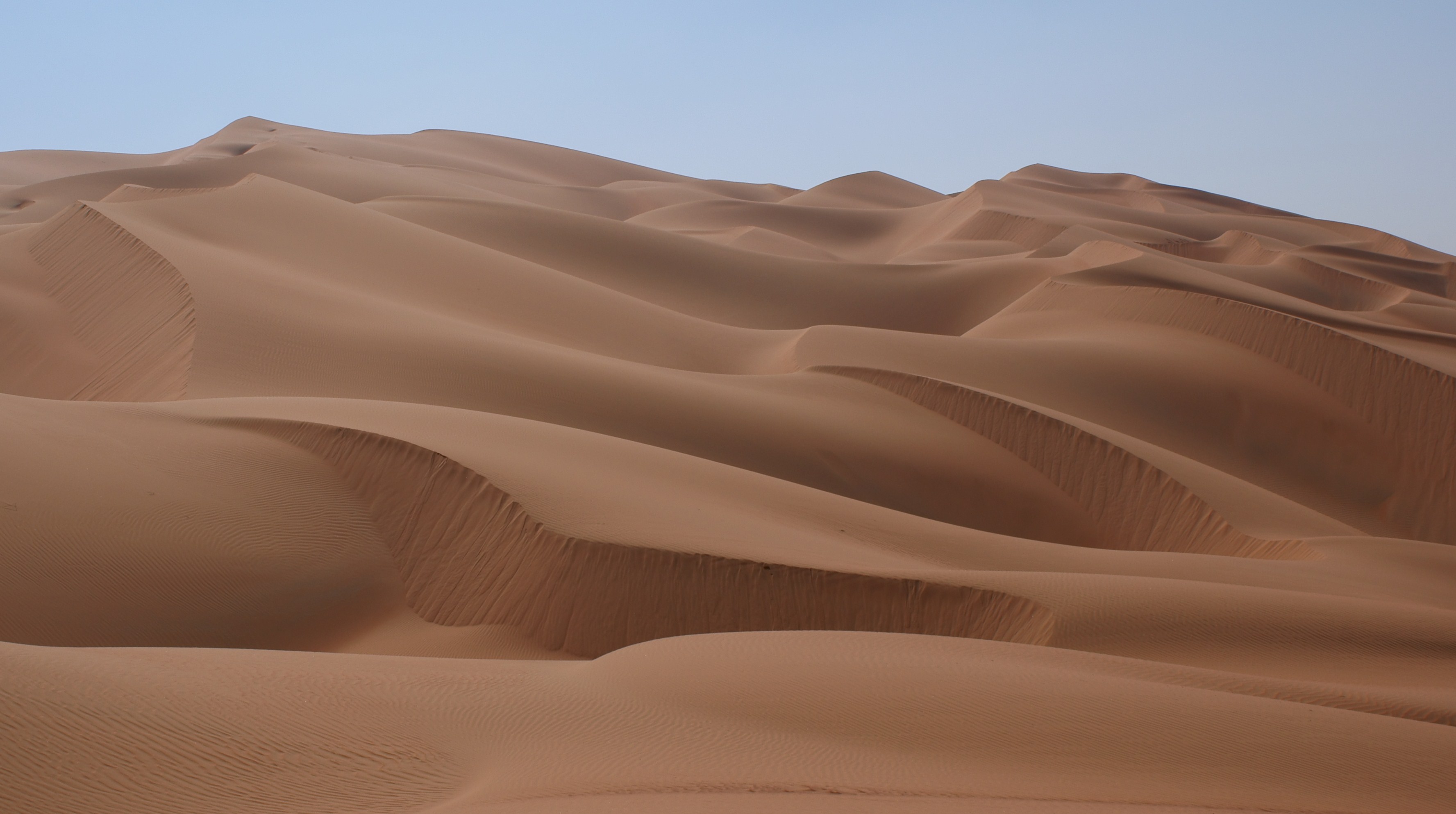
How to get there: The most accessible entry point for tourists is from the Shaybah area in the south of Saudi Arabia’s Eastern Province, or from desert camps accessible from Riyadh (approximately 6–8 hours’ drive southward). Several tour operators run multi-day 4×4 expeditions that include overnight camping and sunrise experiences. The Empty Quarter is genuine wilderness — solo entry without an experienced guide and appropriate equipment is dangerous and strongly discouraged.
Best time: November to February. Summer daytime temperatures frequently exceed 50°C (122°F), while winter nights can drop below freezing — the dramatic temperature differential creates particularly clear dawn atmospheres. Plan to arrive at your chosen dune position at least 45 minutes before sunrise to set up and allow your eyes to adjust to the pre-dawn light.
Warning: The Empty Quarter has no mobile phone coverage, no roads, and no permanent water sources across vast areas. Never enter without a qualified guide, a fully equipped 4×4, satellite communication device, and at least 10 litres of water per person per day.
Sunrise Photography Tips for Saudi Arabia
Timing and Planning
Saudi Arabia’s sunrise times vary by approximately 90 minutes across the year. In Riyadh, winter sunrise (December) occurs around 6:30 AM, while summer sunrise (June) occurs around 5:15 AM. Coastal and western locations see sunrise slightly later due to their longitude. Use apps such as PhotoPills or The Photographer’s Ephemeris to calculate exact sunrise position and timing for your specific location and date.
Golden hour — the period of warm, directional light immediately after sunrise — lasts approximately 30–45 minutes in Saudi Arabia, shorter than at higher latitudes. Plan to be in position at least 30 minutes before sunrise to capture the pre-dawn colour bands (blues, purples, pinks) that often precede the sun breaking the horizon.
Equipment Essentials
| Item | Why You Need It |
|---|---|
| Wide-angle lens (16–35mm) | Captures sweeping desert panoramas and cliff-edge views |
| Telephoto lens (70–200mm) | Compresses dune layers, isolates details on tomb facades at Hegra |
| Sturdy tripod | Essential for long exposures in pre-dawn darkness |
| Headlamp (red light mode) | Navigate to viewpoints without ruining night vision |
| Lens cleaning cloth | Fine desert sand gets everywhere — clean before every shot |
| Extra batteries | Cold desert mornings drain batteries faster than expected |
| Warm mid-layer | Desert and mountain temperatures can drop below 5°C at dawn in winter |
Sand and Dust Protection
Saudi Arabia’s fine desert sand is the single biggest hazard for camera equipment. Use a weather-sealed body and lens combination where possible. When changing lenses, turn your back to any wind and shield the camera body with your jacket. Keep a rocket blower in your pocket — never use compressed air cans, as the propellant can damage sensor coatings. Zip-lock bags large enough to hold your camera body provide emergency sandstorm protection.
Practical Information
When to Go
The optimal window for sunrise chasing across Saudi Arabia is October to March. During these months, desert and coastal temperatures are comfortable in the pre-dawn hours (typically 8–20°C depending on elevation and location), skies are clearer, and sunrise times fall in a manageable 5:30–6:45 AM range. The Asir highlands around Abha are the exception — their altitude makes them viable for sunrise photography year-round, with summer peak temperatures rarely exceeding 25°C at the summit of Jabal Soudah.
Getting Around
A rental car is essential for most sunrise spots in Saudi Arabia. Desert locations (Edge of the World, Hisma, Rub’ al Khali, Wadi Disah) require a 4×4. Major international rental agencies operate at all Saudi airports. For self-drive desert trips, download offline maps — mobile coverage is absent at many viewpoints. Alternatively, book guided sunrise tours through local operators; Riyadh-based operators charge approximately 250–500 SAR ($67–$133) per person for Edge of the World sunrise tours including breakfast and 4×4 transport.
Visa Requirements
International visitors from over 60 eligible countries can obtain a Saudi tourist e-visa online before travel. The e-visa is valid for one year and permits stays of up to 90 days per visit. Processing typically takes 5–30 minutes. Citizens of GCC countries do not require a visa.
Where to Stay
For sunrise-focused trips, choose accommodation that minimises pre-dawn drive time:
- Edge of the World: Stay in central or northwest Riyadh to reduce the 90-minute drive. Some desert camps near the escarpment offer overnight stays, eliminating the drive entirely.
- AlUla: The town has a growing range of hotels and desert resorts, including luxury options within the Ashar Valley. Staying in AlUla Old Town puts Elephant Rock 10 minutes away.
- Abha: Hotels throughout Abha city centre are within 30–40 minutes of Jabal Soudah by car.
- Tabuk: For Hisma Desert and Wadi Disah access, Tabuk city hotels provide the closest base. Overnight desert camps in the Hisma offer the most immersive dawn experience.
- Umluj: Limited accommodation — book early. Beachfront chalets and rental apartments are the main options.
- Day 1 — Riyadh: Arrive and rest. Sunset orientation drive toward the Tuwaiq Escarpment to scout the Edge of the World viewpoint for the following morning.
- Day 2 — Edge of the World: Pre-dawn departure at 4:00 AM. Sunrise at the escarpment with breakfast on the cliff edge. Return to Riyadh. Afternoon flight to AlUla (1 hour 40 minutes).
- Day 3 — AlUla: Sunrise at Elephant Rock (arrive by 6:00 AM). Morning visit to Hegra. Afternoon exploration of AlUla Old Town and Dadan archaeological site.
- Day 4 — Fly to Abha: Morning flight. Afternoon acclimatisation drive to Jabal Soudah to scout viewpoints. Evening in Abha.
- Day 5 — Jabal Soudah: Pre-dawn drive (30 minutes from Abha). Sunrise above the cloud layer. Descend to explore the Asir region’s terraced villages and juniper forests.
- Saudi Arabia Travel Guide 2026 — The complete guide to visiting the Kingdom
- Best Photography Spots in Saudi Arabia — 20 locations every photographer should visit
- Umluj: The Maldives of Saudi Arabia — Red Sea coast beaches, islands and coral reefs
- Tabuk Travel Guide — Gateway to NEOM, Wadi Disah and northwest Saudi Arabia
- Saudi Arabia Hotels Guide — Where to stay across the Kingdom
- Saudi Arabia Visa Guide — Every visa type explained
Safety Considerations
Pre-dawn desert driving carries specific risks. Always inform your hotel of your plans and expected return time. Carry at least 5 litres of water per person, a charged mobile phone, and a physical map or offline GPS. Cliff-edge viewpoints such as the Edge of the World have no barriers — maintain a safe distance from the rim, especially in darkness. In mountain areas, fog can develop rapidly and reduce visibility to near zero; if driving to Jabal Soudah before dawn, use low-beam headlights and drive slowly on winding mountain roads.
A Suggested Five-Day Sunrise Itinerary
For photographers and travellers who want to combine multiple sunrise types in a single trip:
This itinerary covers desert cliff, desert rock formation, and mountain summit — three fundamentally different sunrise experiences. To add a coastal sunrise, extend by two days and fly from Abha to Jizan, then take the ferry to the Farasan Islands.
Hajj and Seasonal Considerations
During the Hajj pilgrimage season (dates shift annually based on the Islamic lunar calendar), domestic flights and hotels in western Saudi Arabia experience peak demand. Book flights and accommodation well in advance if your sunrise trip overlaps with Hajj. The Hajj period itself does not restrict access to the sunrise spots listed in this guide, but transport availability and pricing may be affected.