
July is the month most travellers cross off their Saudi Arabia shortlist — and that is exactly why it deserves a second look. Yes, Riyadh regularly hits 44–46 °C, and the coastal humidity in Jeddah and Dammam can feel suffocating. But July also brings the lowest hotel rates of the year, empty queues at world-class museums, summer festivals purpose-built for the heat, and highland escapes where the thermometer barely touches 25 °C. If you plan around the climate rather than against it, a July trip to Saudi Arabia can be genuinely rewarding — and far cheaper than a winter visit. This guide, part of our wider Saudi Arabia travel guide, explains exactly how to do it.
Average Temperatures: 43–46 °C in Riyadh; 38–41 °C on the coasts; 22–28 °C in the Asir highlands
Best Regions: Abha & Asir highlands, Taif, indoor Riyadh, evening Jeddah
Visa Required: Yes — tourist e-visa available online
Budget: $80–$150/day (30–50% cheaper than peak season)
Must-See: Aseer Season festival, Jeddah Summer Festival, Riyadh Boulevard after dark
Avoid: Midday outdoor sightseeing in lowland cities — schedule activities before 9 AM or after 6 PM
Why Visit Saudi Arabia in July
The argument for July travel comes down to three factors: price, access and events. Five-star hotels in Riyadh and Jeddah routinely drop rates by 30–50% compared to the November–February peak. Attractions that draw queues in winter — the National Museum, Masmak Fortress, Jeddah’s Al-Balad historic district — are blissfully quiet. And Saudi Arabia’s summer festival calendar is now extensive, with the government investing heavily in indoor entertainment, evening cultural programming and highland tourism to keep the domestic and international visitor economy running year-round.
Ramadan does not fall in July in 2026 (it takes place in February–March), so restaurants, cafes and attractions operate on normal schedules throughout the month. This removes the biggest practical complication that summer travellers faced in earlier years when Ramadan overlapped with the hottest months.
July Weather by Region
Saudi Arabia spans 2.15 million square kilometres, so “July weather” depends entirely on where you go. The Kingdom has three distinct climate zones that matter for summer travel planning.
The Lowland Interior: Riyadh, Qassim, Ha’il
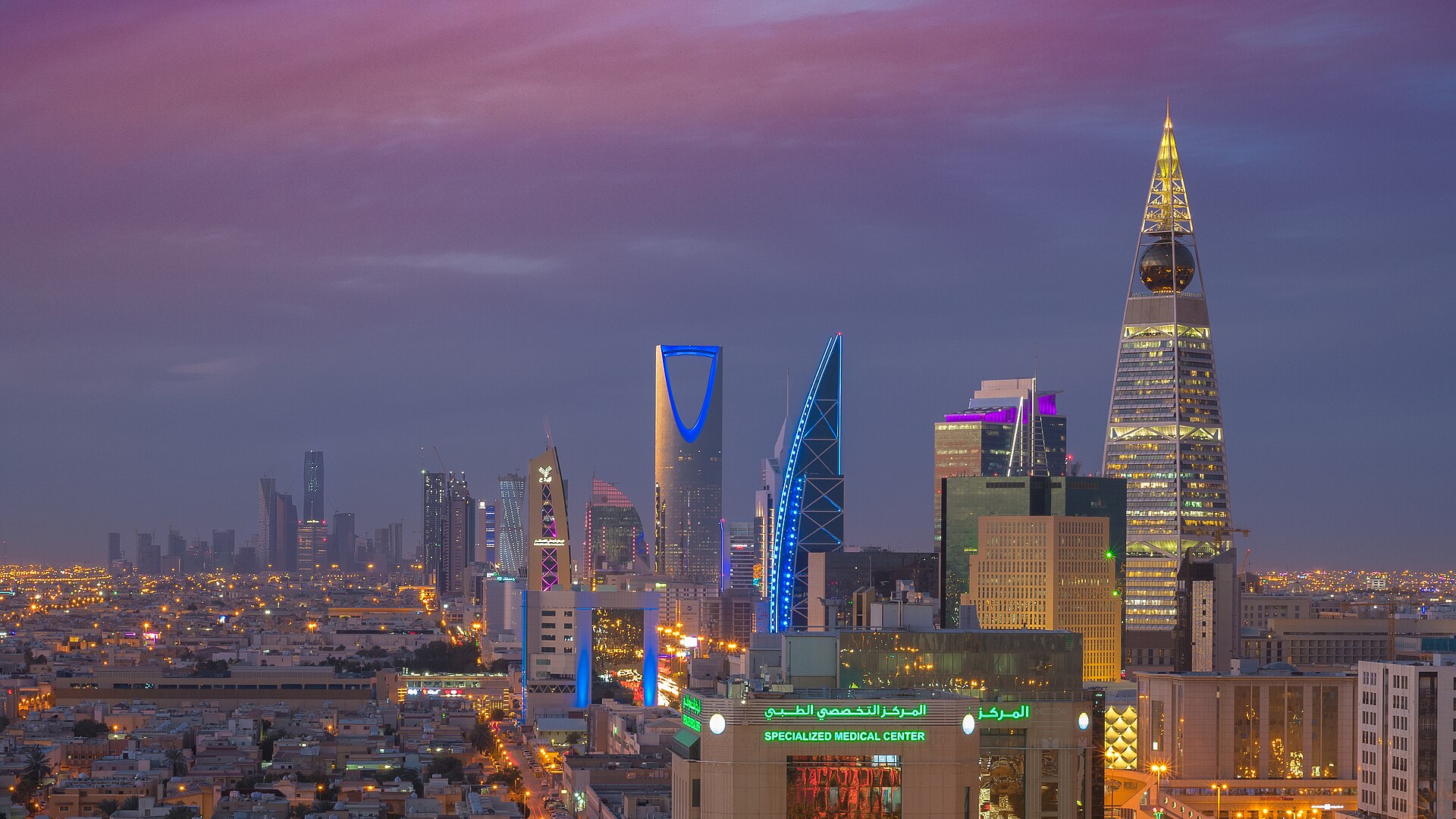
Riyadh in July averages a high of 43.5 °C, with spikes above 48 °C not uncommon. Humidity is low (10–15%), which makes the dry heat more tolerable than coastal alternatives, but direct sun exposure is genuinely dangerous between 11 AM and 4 PM. Rain is virtually non-existent — the monthly average is under 1 mm. Nights cool to around 29–31 °C, making evening outdoor dining and walking feasible from about 7 PM onwards.
The Coasts: Jeddah, Dammam, Yanbu
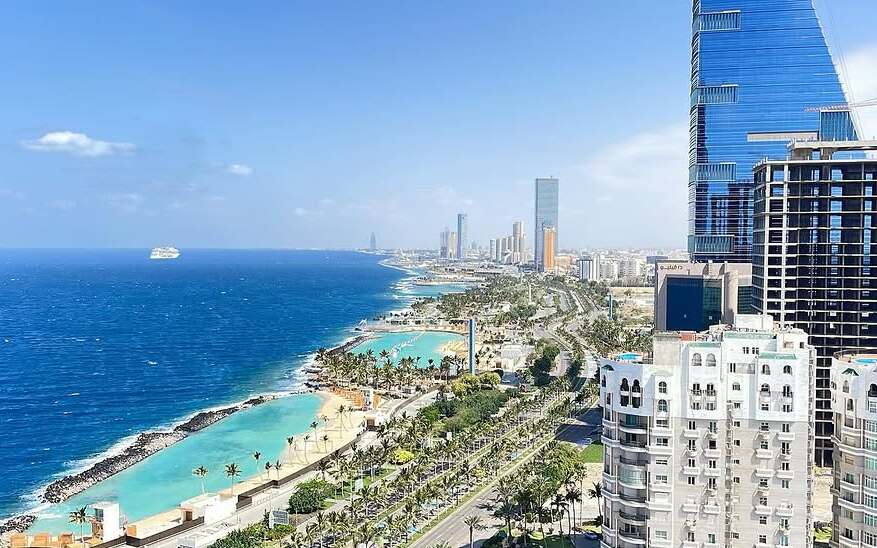
Jeddah’s July highs of 38–41 °C sound slightly lower than Riyadh’s, but coastal humidity of 60–80% pushes the “feels like” temperature well above 45 °C. The Jeddah Corniche is best enjoyed at sunset or after dark, when sea breezes offer some relief. The Red Sea water temperature reaches 30–32 °C — warm for diving but still comfortable for snorkelling. Dammam and Al Khobar on the Arabian Gulf coast are similar, though the Gulf water can hit 34 °C, which feels more like a warm bath than a refreshing swim.
The Highlands: Abha, Taif, Al Baha
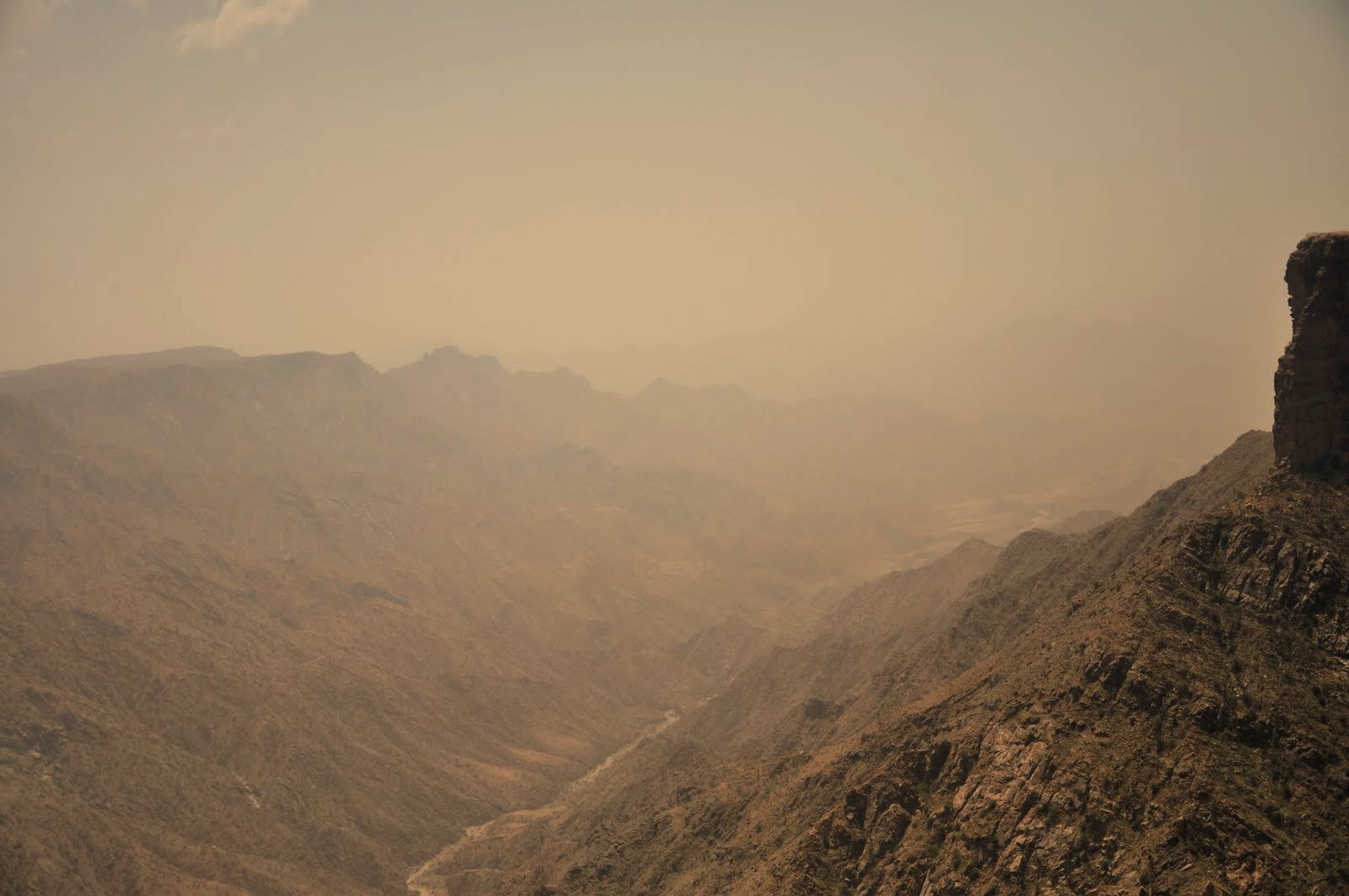
This is the headline for July visitors. Abha, sitting at 2,200 metres in the Sarawat Mountains, averages just 22–28 °C in July — cooler than a European summer. Taif, at around 1,900 metres near Mecca, averages 24–30 °C. Al Baha, between the two, offers similar relief. The trade-off is the Indian Ocean monsoon: July and August bring moisture-laden air from the southwest, meaning morning fog, occasional heavy rain and reduced visibility in the mountains. Pack a light waterproof jacket — something almost no one associates with Saudi Arabia.
What July Costs: Hotels, Flights and Daily Budget
July is firmly off-peak for international tourism in Saudi Arabia, and prices reflect it. Here is what to expect across the main spending categories.
Hotels
| City | Peak Season (Nov–Feb) | July Price | Saving |
|---|---|---|---|
| Riyadh — 5-star | SAR 900–1,500/night | SAR 450–900/night | ~40–50% |
| Riyadh — 3-star | SAR 350–600/night | SAR 180–350/night | ~40% |
| Jeddah — 5-star | SAR 800–1,200/night | SAR 400–750/night | ~35–45% |
| Abha — 4-star | SAR 400–700/night | SAR 500–900/night | +20–30% (peak!) |
Key exception: Abha and Taif are Saudi Arabia’s summer destinations. Saudi families flee the lowland heat for the highlands, so hotel prices in Abha actually increase in July. Book at least 4–6 weeks ahead if you want highland accommodation in summer.
For detailed hotel recommendations across the Kingdom, see our Saudi Arabia hotels guide.
Flights
International flights to Saudi Arabia in July are typically 20–35% cheaper than peak-season fares. Direct flights from London to Riyadh or Jeddah on Saudia or British Airways can drop below £350 return, compared to £500–£650 in December. From the US, expect $700–$1,000 return compared to $1,000–$1,400 in winter. Budget carriers including flynas and flyadeal offer competitive domestic connections — a Riyadh–Abha flight typically costs SAR 250–400 one way.
Daily Budget
A comfortable mid-range daily budget in July runs $80–$150 per person, covering a 3–4 star hotel, three meals, transport and one or two paid attractions. Budget travellers staying in hostels and eating at local restaurants can manage $40–$60. Luxury travellers will spend $300 and up, though that buys significantly more in July than in winter.
Summer Festivals and Events
Saudi Arabia’s General Entertainment Authority runs a packed summer calendar specifically designed to draw visitors during the hot months. The programming is overwhelmingly indoor or evening-focused.
Jeddah Summer Festival
Running from early June through mid-July, the Jeddah Summer Festival transforms the city’s malls, waterfront and entertainment zones with discount shopping events, nightly fireworks, ATV desert rides, watercraft activities and Arabic street-food markets. It is part of the broader Saudi Seasons initiative and draws large domestic crowds. Events concentrate along the Jeddah Corniche and at the Jeddah Waterfront development.
Aseer Season
The Aseer Season festival runs from July through August in Abha and the surrounding Asir region. Programming includes live music, cultural performances, craft markets, scenic hikes and food festivals — all taking advantage of the cool highland climate. This is comfortably the best summer festival in the Kingdom, combining genuine cultural content with pleasant weather. Evening temperatures in Abha can drop to 15–18 °C, making outdoor events genuinely enjoyable.
Riyadh After Dark
Riyadh Boulevard, the sprawling entertainment district that anchors Riyadh Season, operates year-round with restaurants, live performances, pop-up events and family attractions. In summer, the programming shifts almost entirely to evening hours (typically 5 PM–2 AM), turning the capital into a genuinely vibrant night-time city. The adjacent Riyadh Boulevard World zone adds themed international food halls and amusement rides.
Best Things to Do in Saudi Arabia in July
The key to July travel is simple: go high, go indoors, or go late. Here are the best options across the Kingdom.
Escape to the Highlands
Abha is the obvious choice — and for good reason. At 2,200 metres, it offers terraced farms, cloud forests, the cliff-edge Habala Hanging Village (reached by cable car), the painted-stone village of Rijal Almaa, and Jabal Sawda, Saudi Arabia’s highest peak at 3,015 metres. The Abha and Asir travel guide covers the region in detail. Taif, two hours from Mecca by road, is the Kingdom’s other highland retreat — famous for its rose gardens, Ottoman-era forts and cooler summer air. The traditional rose harvest happens in April, but the distilleries and perfume workshops operate through summer.
Indoor Riyadh
Riyadh’s investment in indoor attractions makes it surprisingly viable in July. The National Museum (SAR 25 entry) is world-class, with eight galleries spanning pre-history through the unification of the Kingdom. Masmak Fortress — where Ibn Saud’s 1902 raid launched the modern Saudi state — is free and fully air-conditioned. The King Abdulaziz Historical Centre surrounding the museum includes shaded gardens and the Murabba Palace.
For families, Snow City at Al Othaim Mall offers an indoor snow park, while Dreamscape at Riyadh Park Mall provides free-roaming virtual reality experiences. Aquarabia at Qiddiya City, the largest water theme park in the Middle East, features over 20 water rides and is purpose-built for the summer season. For a deeper look at the capital, see our Riyadh travel guide.
Red Sea Diving and Snorkelling
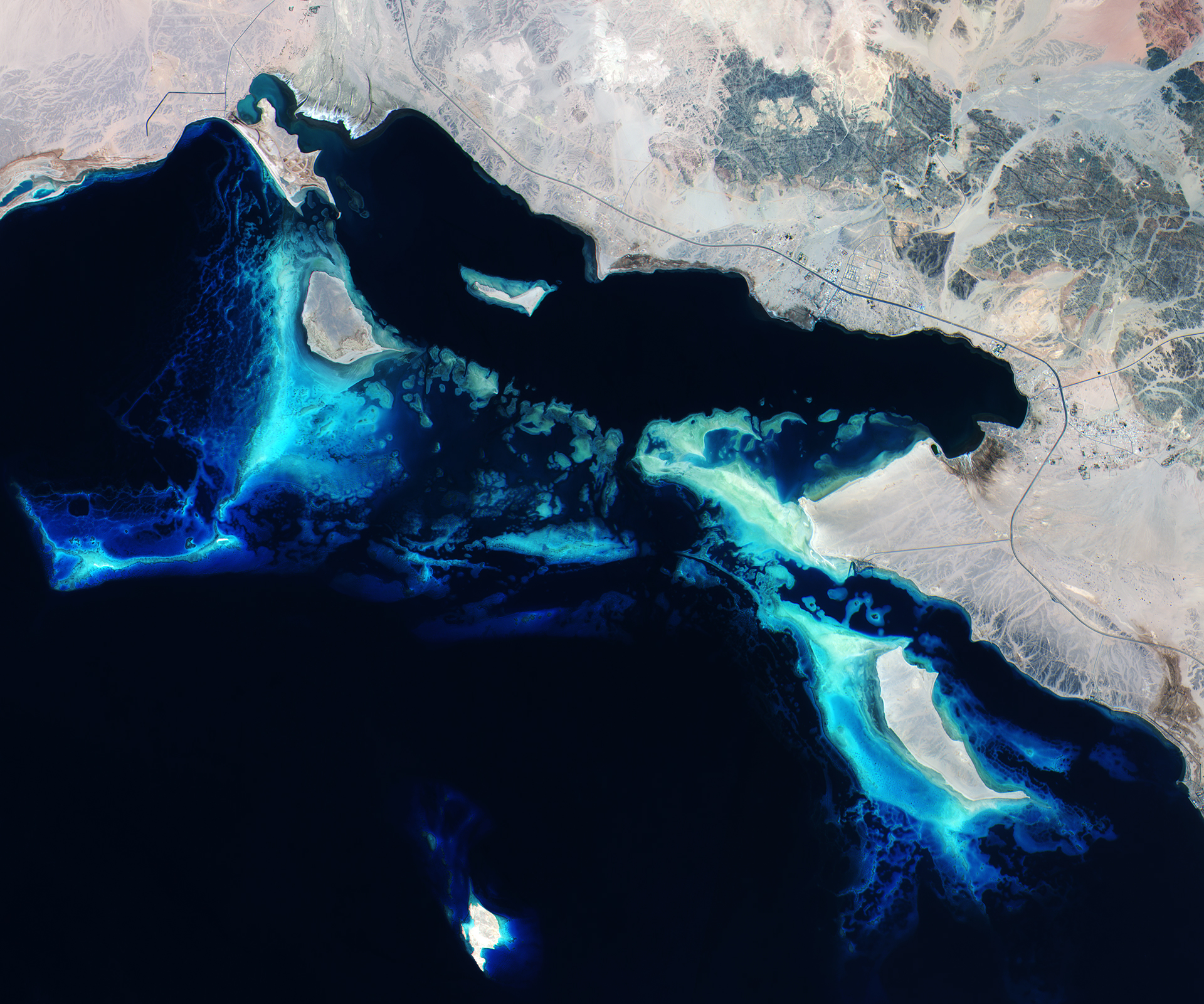
July water temperatures of 30–32 °C mean you can dive in a 3mm shorty or even a rashguard. Visibility remains excellent at 15–30 metres, and marine life — including whale sharks, manta rays, hammerheads and vast hard-coral gardens — is active year-round. The main dive centres operate from Yanbu and Umluj on the Red Sea coast. Air temperatures are brutal on land (40 °C+), but once you are on a dive boat with wind and spray, conditions are manageable. The new luxury resorts at The Red Sea destination and AMAALA (opening in phases through 2027) add high-end accommodation options along this coastline. Our Saudi Arabia diving guide covers sites, operators and equipment in detail.
Evening Desert Experiences
Desert camps and dune-bashing excursions shift to late-afternoon and evening departures in summer. Operators in Riyadh run sunset desert trips from around 4–5 PM, with dinner under the stars returning by 10–11 PM. The sand cools quickly after dark, and stargazing in the Arabian desert — with virtually zero light pollution outside cities — is extraordinary. Similar experiences run from Jeddah, Al Khobar and AlUla, though AlUla is extremely hot in July (regularly 44–46 °C) and is better saved for October–March.
Mall Culture and Shopping
Saudi Arabia’s malls are not just shopping centres — they are full-scale entertainment complexes with cinemas, bowling alleys, ice rinks, indoor theme parks and hundreds of restaurants. In Riyadh, Kingdom Centre (with its sky bridge observation deck), Al Nakheel Mall and Riyadh Park are top options. In Jeddah, Red Sea Mall and Mall of Arabia combine international retail with entertainment zones. Spending a July afternoon moving between air-conditioned malls is not just acceptable — it is what most residents do.
Health and Safety in the Summer Heat
Saudi Arabia’s summer heat is not merely uncomfortable — it is a genuine health risk if you are unprepared. Take these precautions seriously.
Hydration
You will lose fluid far faster than you realise in 45 °C dry heat. Drink 3–4 litres of water per day minimum, and more if you are active. Carry a reusable water bottle everywhere — tap water is safe in major cities but most people drink bottled. Avoid excessive caffeine and alcohol substitutes. Pharmacies sell oral rehydration salts (ORS), which are worth packing for active days.
Sun Protection
UV index in Saudi Arabia in July reaches 11–12 (extreme). Wear SPF 50+, reapply every 2 hours, and use a wide-brimmed hat and sunglasses outdoors. Light, loose, long-sleeved clothing is more effective than shorts and a t-shirt — it protects from sun and reflects heat. This aligns well with Saudi dress-code expectations, particularly for women, who should cover shoulders and knees in public spaces. Our non-Muslim travel guide covers dress code and cultural expectations in detail.
The Midday Rule
Saudi labour law bans outdoor work between 12 PM and 3 PM from June through September. Apply the same rule to yourself. Schedule outdoor sightseeing for early morning (6–9 AM) or late afternoon and evening (5 PM onwards). Use the midday hours for indoor attractions, hotel pools, spa treatments or rest.
Emergency numbers: Ambulance: 997. Police: 999. Civil Defence: 998. The Saudi Red Crescent Authority operates a heat-related emergency response during summer months.
What to Pack for Saudi Arabia in July
Packing for July requires thinking about extremes — fierce outdoor heat and aggressive indoor air conditioning.
- Lightweight, breathable clothing — cotton or linen in light colours. Long sleeves and trousers work better than shorts in the heat and meet cultural expectations.
- A light layer or cardigan — malls, restaurants and hotels set air conditioning to 18–20 °C. The temperature swing between outdoors and indoors can be 25 degrees.
- Comfortable closed-toe shoes — sandals are fine for beaches but sand and pavement reach 60–70 °C in direct sun.
- High-SPF sunscreen, hat and sunglasses — non-negotiable.
- Reusable water bottle — staying hydrated is a constant requirement.
- Light rain jacket — if visiting Abha or the Asir highlands, where summer monsoon moisture brings occasional heavy rain and persistent morning fog.
- Modest swimwear — public beaches require conservative swimwear. Resort private beaches are more relaxed.
- Budget travellers — the lowest prices of the year on flights and lowland hotels
- Divers and snorkellers — warm water, active marine life, no wetsuit needed
- Highland hikers — Abha and Taif offer genuine mountain trekking in comfortable temperatures
- Culture enthusiasts — empty museums, uncrowded heritage sites, summer festival programming
- Families with older children — water parks, indoor entertainment, evening activities
- Desert and outdoor enthusiasts — AlUla, the Empty Quarter and open desert are dangerously hot
- First-time visitors wanting the “full experience” — the heat limits what you can see and do outdoors; October–March is better for a comprehensive first trip
- Anyone with heat-sensitive medical conditions — the climate is extreme and not something to underestimate
- Saudi Arabia Travel Guide 2026 — The complete guide to visiting the Kingdom
- Abha and Asir Travel Guide — Saudi Arabia’s cool mountain escape and summer festival hub
- Saudi Arabia Diving and Snorkelling Guide — Red Sea reefs, sites and operators
- Saudi Arabia Hotels Guide — Where to stay across the Kingdom, from budget to luxury
- Saudi Arabia Weather Guide — Region-by-region, month-by-month climate data
- Saudi Arabia Visa Guide — Every visa type explained
Getting There and Getting Around
Saudi Arabia has three major international airports: King Khalid International (Riyadh, RUH), King Abdulaziz International (Jeddah, JED) and King Fahd International (Dammam, DMM). All receive direct flights from Europe, Asia, Africa and the Middle East year-round. The new terminal at Jeddah airport, opened in 2019, handles international arrivals smoothly.
Most visitors need a Saudi tourist e-visa, which costs SAR 480 (approximately $128) and can be obtained online in minutes. It is valid for one year with multiple entries and allows stays of up to 90 days per visit. Citizens of 49 countries are eligible.
Domestic travel in July favours flying — the distances are vast (Riyadh to Abha is 950 km by road) and driving in 45 °C heat adds unnecessary risk. Saudia, flynas and flyadeal connect all major cities with frequent daily flights. If you do rent a car, the road network is excellent, but carry extra water and ensure the air conditioning works before leaving the rental lot. For city transport, Uber and Careem operate across all major cities.
Suggested July Itineraries
5-Day Highland Escape
Days 1–2: Fly into Abha. Explore the city’s hanging gardens, Art Street, and the Al-Muftaha Arts Village. Take the cable car to Habala Hanging Village. Enjoy Aseer Season evening events. Day 3: Day trip to Rijal Almaa heritage village (45 minutes south). Day 4: Drive or fly to Taif. Visit the rose distilleries, Al Shafa mountain viewpoint and the historic Shubra Palace museum. Day 5: Return via Jeddah — spend the evening at the Jeddah Corniche and explore Al-Balad’s UNESCO-listed old town after dark.
7-Day Summer Mix
Days 1–2: Riyadh — National Museum, Masmak Fortress, Dir’iyah UNESCO site (early morning), Kingdom Centre sky bridge, evening at Riyadh Boulevard. Days 3–4: Fly to Abha for the highland experience and Aseer Season. Days 5–6: Fly to Jeddah — Al-Balad old town at night, Red Sea Mall shopping, sunset at the Corniche, Jeddah Summer Festival events. Day 7: Day trip to Yanbu or Umluj for Red Sea snorkelling, return to Jeddah for departure.
3-Day Dive Trip
Day 1: Fly to Yanbu, settle in, afternoon shore dive. Day 2: Full-day boat dive — Seven Sisters reef, Abu Galawa or wreck sites. Day 3: Morning dive, afternoon departure. For more on dive sites and operators, see our diving and snorkelling guide.
Where to Stay in July
Your accommodation strategy should match the climate zone you are visiting.
Riyadh
The Olaya and King Fahd Road corridor offers the highest concentration of international five-star hotels — Four Seasons, Ritz-Carlton, Mandarin Oriental — all at summer discounts. Budget travellers will find well-reviewed 3-star options in the Al Malaz and Al Wizarat districts from SAR 150–250 per night.
Jeddah
Stay near the Corniche for sea breezes and evening walking access. The Rosewood, Park Hyatt and Waldorf Astoria are the luxury benchmarks. Al-Balad has characterful boutique options for those who prefer historic atmosphere. See the full Jeddah travel guide for neighbourhood breakdowns.
Abha
Book early — this is high season. The InterContinental Abha and Abha Palace Hotel offer reliable four-star options. Traditional mountain lodges and guesthouses in the surrounding villages provide more atmosphere but fill up fast with Saudi families. Camping is viable at altitude — night-time temperatures are genuinely cool.
Red Sea Coast
The St. Regis Red Sea Resort and Six Senses Southern Dunes are the flagship luxury options at The Red Sea destination. For something more accessible, Yanbu and Umluj offer 3–4 star hotels and serviced apartments at reasonable summer rates. See our hotels guide for the full picture.
Food and Dining in Summer
Saudi dining culture shifts decisively to late evening in July. Most restaurants open for lunch (12–3 PM) in air-conditioned settings, then reopen for dinner service from 7–8 PM and stay open until midnight or later. Street food stalls and outdoor grills at the Corniche or Riyadh Boulevard fire up after 9 PM, when temperatures finally become manageable.
Hydration extends to food choices. Saudi summer staples include laban (buttermilk), jallab (grape and rose water drink), fresh watermelon juice and vimto (a local obsession). Cold mandi rice dishes, fattoush salads and grilled seafood along the coast are lighter alternatives to the heavy lamb and rice dishes that dominate winter menus.
Who Should — and Shouldn’t — Visit in July
July is ideal for:
July is not ideal for:
For a region-by-region seasonal breakdown, see our Saudi Arabia weather guide.