
Saudi Arabia has become one of the most exciting new destinations for British travellers. Since tourist visas launched in September 2019, the Kingdom has welcomed millions of visitors — and UK passport holders enjoy some of the simplest entry requirements of any nationality. Whether you are planning a week exploring Riyadh and AlUla, a Red Sea diving holiday, or performing Umrah, this guide covers everything a British traveller needs to know: visa applications, currency exchange, direct flights, cultural etiquette, and the practical details that make the difference between a smooth trip and an expensive headache. For a broader overview of every region and destination, see our complete Saudi Arabia travel guide.
Best Time to Visit: November to February (15–25°C across most of the country)
Getting There: Direct flights from London Heathrow (Saudia and British Airways) — 6 to 7 hours
Visa Required: Yes — tourist e-visa (SAR 535 / ~£115)
Budget: £80–£200 per day (mid-range); £250+ for luxury
Must-See: Riyadh’s Diriyah, AlUla’s Hegra, Jeddah’s Al Balad
Avoid: Travelling in June–August without a highland itinerary — temperatures regularly exceed 45°C in Riyadh and the desert
Visa Requirements for UK Passport Holders
British citizens can enter Saudi Arabia on a tourist e-visa, which is available online through the official portal at visa.visitsaudi.com or on arrival at any Saudi international airport. The process is straightforward — most e-visas are approved within minutes.
Tourist E-Visa Details
| Detail | Information |
|---|---|
| Cost | SAR 535 (~£115), including mandatory health insurance and VAT |
| Validity | 1 year from date of issue, multiple entry |
| Maximum stay | 90 days per entry, 180 days total per year |
| Processing time | Minutes (online) to 24 hours |
| Passport requirement | Must be valid for at least 6 months from arrival date |
Tip: Apply online before you fly. The visa-on-arrival option costs the same but can mean queuing at immigration, particularly during peak travel periods and Hajj season. Our full Saudi Arabia visa guide breaks down every visa type including business, work and transit visas.
Transit Visa
If you are connecting through a Saudi airport, a free 96-hour transit visa is available to UK passport holders. You must hold a confirmed onward ticket. This can be a useful option if you want to spend a day or two exploring Riyadh or Jeddah on a stopover.
Hajj and Umrah Visas
British Muslims planning Hajj must apply through a UK-based, Saudi-licensed tour operator — individual applications are not accepted. Umrah can be performed on a standard tourist e-visa outside the Hajj season. During Hajj season, a specific Umrah permit may be required through authorised agents. For detailed guidance, see our Umrah visa guide and Hajj 2026 guide.
Important Entry Notes for British Travellers
- Israeli stamps: Saudi Arabia no longer routinely denies entry based on Israeli passport stamps, but be aware that immigration officers retain discretion. If concerned, the UK Passport Office can issue a second passport for complex travel itineraries.
- Criminal record: Saudi Arabia may deny entry to travellers with certain criminal convictions. There is no formal published policy, but serious offences have resulted in refusals at immigration.
- Medication: Some prescription and over-the-counter medicines legal in the UK are controlled substances in Saudi Arabia — including codeine (found in co-codamol and some cold remedies). Carry a letter from your GP and check the Saudi Food and Drug Authority list before packing.
- Emirates via Dubai (from Heathrow, Gatwick, Birmingham, Manchester, Glasgow, Newcastle)
- Qatar Airways via Doha (from Heathrow, Manchester, Edinburgh)
- Turkish Airlines via Istanbul (from Heathrow, Manchester, Birmingham, Edinburgh, Gatwick)
- Etihad via Abu Dhabi (from Heathrow, Manchester)
- Small shops and market stalls in traditional souks
- Tipping porters, drivers, and guides
- Small rural towns and desert camps
- Parking meters and minor fees
- Hotel porters: SAR 5–10 per bag
- Restaurant (if no service charge): 10–15%
- Tour guides: SAR 40–50 per person per day (small group); SAR 20–30 in larger groups
- Taxi drivers: Round up to the nearest SAR 5
- Against all travel to areas within 10 km of the Saudi–Yemen border
- Against all but essential travel to areas between 10 km and 80 km of the Yemen border, and to the Eastern Province and Riyadh Province
- FCDO exclusions: Most policies void cover in areas where the FCDO advises against travel
- Extreme heat: Some activity policies exclude heat-related illness
- Adventure activities: Hiking, diving, and desert excursions may require add-ons
- Medical cover: Ensure at least £1 million medical cover — Saudi healthcare is excellent but expensive for non-residents
- Abaya: No longer legally required for foreign women. You will not be asked to wear one in Riyadh, Jeddah, or tourist areas.
- General rule: Cover shoulders and knees. Loose trousers, maxi dresses, long-sleeve blouses, and tunic tops work well.
- Headscarf: Not required except inside mosques (and only non-Muslims are not permitted inside the Two Holy Mosques).
- Jeddah: The most relaxed city. T-shirts and mid-length skirts are common in malls and along the Corniche.
- Riyadh: Slightly more conservative — long sleeves and trousers are the safest bet.
- Shorts are acceptable in tourist areas, malls, and hotels — but knee-length or longer is advisable in public markets and residential areas.
- Sleeveless vests and very tight clothing may attract unwanted attention outside hotel resorts.
- Smart casual works everywhere. You will not need formal dress unless dining at a high-end restaurant.
- Public displays of affection — including hand-holding and kissing — can result in fines or detention.
- Swearing and rude gestures are taken seriously and can lead to legal action.
- Queueing: Orderly British queueing habits do not always translate. Be patient.
- Driving is on the right-hand side — the opposite of the UK
- Speed limits are posted in km/h (120 km/h on motorways is common)
- Driving standards can be aggressive — Riyadh in particular has a reputation for fast, assertive drivers
- Petrol is extremely cheap (around SAR 2.18/litre for 91 octane — roughly 45p/litre, a fraction of UK prices)
- Saher speed cameras are everywhere and fines are issued automatically
- Hepatitis A and B
- Typhoid
- Meningitis ACWY — mandatory for Hajj and Umrah pilgrims
- Routine UK boosters (tetanus, diphtheria, polio)
- Police: 999
- Ambulance: 997
- Fire: 998
- British Embassy Riyadh: +966 11 481 9100
- British Consulate Jeddah: +966 12 622 5550
- Kabsa — the national dish: spiced rice with lamb or chicken, served on a communal platter
- Jareesh — crushed wheat cooked with yoghurt and meat
- Mutabbaq — stuffed pastry parcels (a Jeddah street-food staple)
- Arabic coffee (qahwa) — served with dates; refusing is mildly impolite, so accept at least one cup
- Oud and bakhoor — traditional Arabic perfumes and incense
- Dates — Saudi dates (especially Ajwa from Medina) are among the world’s best. Packed boxes make excellent gifts.
- Arabic coffee sets — traditional dallah coffee pots and finjan cups
- Gold — the Gold Souk in Jeddah and Riyadh offer 18–22 carat gold at competitive prices (sold by weight plus a craftsmanship fee)
- Saudi Arabia Travel Guide 2026 — The complete guide to visiting the Kingdom
- Saudi Arabia Visa Guide — Every visa type, cost, and requirement explained
- Saudi Arabia Dress Code — What to wear as a tourist in every situation
- Non-Muslim Travel in Saudi Arabia — What is allowed and what to expect
- Saudi Arabia Itinerary: 7, 10 & 14-Day Plans — Ready-made route plans for every trip length
- Is Saudi Arabia Safe? — Honest 2026 safety assessment for visitors
- Saudi Arabia SIM Card and eSIM Guide — Best mobile data options for tourists
- Saudi Arabia Food Guide — Traditional dishes, restaurants, and dining tips
Flights from the UK to Saudi Arabia
Direct flights connect London Heathrow with both Riyadh and Jeddah, making Saudi Arabia one of the most accessible Gulf destinations from Britain. Flight time is approximately 6 hours 15 minutes to Jeddah and 6 hours 30 minutes to Riyadh.
Airlines Flying Direct from the UK
| Airline | Route | Frequency | Approx. Return Price |
|---|---|---|---|
| Saudia | London Heathrow → Riyadh / Jeddah | Daily | £350–£600 |
| British Airways | London Heathrow → Riyadh | Daily (reduced from 2× daily, mid-2026) | £400–£700 |
Note (April 2026): British Airways has suspended its London–Jeddah route from 24 April 2026 and reduced Riyadh frequency from two daily flights to one, citing regional instability and airspace closures. Saudia continues to operate all routes. Check BA and Saudia websites for the latest schedules before booking.
Indirect Routes
If direct flights are sold out or too expensive, good one-stop connections are available via:
These can be significantly cheaper — return fares from regional UK airports via Gulf hubs often start around £230–£350 in economy, particularly in June when demand drops.
UK Airport Departures
Travellers outside London should note that no direct Saudi Arabia flights operate from Manchester, Birmingham, or other regional airports. Your options are to connect via London Heathrow or fly via a Gulf hub. If you are planning a wider itinerary that includes Riyadh and Jeddah, consider flying into one city and out of the other — open-jaw tickets on Saudia are often competitively priced.
Currency and Money
The Saudi currency is the Saudi riyal (SAR), pegged to the US dollar at a fixed rate of approximately 3.75 SAR to 1 USD. For British travellers, the exchange rate fluctuates with the pound–dollar rate. In early 2026, £1 buys approximately 4.95–5.10 SAR.
Best Ways to Get Riyals
| Method | Rate Quality | Notes |
|---|---|---|
| UK travel money card (Wise, Revolut) | Excellent | Mid-market rate, no/low fees. Load GBP, spend in SAR. Widely accepted. |
| ATMs in Saudi Arabia | Good | ATMs everywhere. Your UK bank may charge 1.5–3% foreign transaction fee. Withdraw in SAR, decline dynamic currency conversion. |
| Bureau de change (UK) | Fair | Travelex, Post Office, etc. Rates 3–5% worse than mid-market. Convenient for having cash on arrival. |
| Airport exchange (Saudi) | Poor | Worst rates. Avoid exchanging more than a small amount on arrival. |
Tip: A Wise or Revolut card is the single best financial tool for British travellers to Saudi Arabia. You get the interbank exchange rate (or close to it), can freeze and unfreeze the card from your phone, and avoid the 2.99% non-sterling transaction fee that most UK bank debit cards charge. Load it before you leave, and use it for everything from hotels to souks.
Card Acceptance
Saudi Arabia is increasingly cashless. Visa and Mastercard are accepted at virtually all hotels, restaurants, malls, supermarkets, and petrol stations. Apple Pay and Google Pay work widely. However, carry some cash (SAR 200–500) for:
Tipping in Saudi Arabia
Tipping is appreciated but not as culturally embedded as in the US. Most restaurant bills include a 15% service charge — additional tips are welcome but not expected. A rough guide:
FCDO Travel Advice and Safety
The Foreign, Commonwealth & Development Office (FCDO) — the body that issues UK travel advice — maintains a dedicated Saudi Arabia page that every British traveller should check before booking. As of April 2026, the FCDO advises:
Important (April 2026): The FCDO advisory has been elevated due to the ongoing regional conflict, with missile and drone attacks affecting parts of the Kingdom. Check gov.uk/foreign-travel-advice/saudi-arabia for the latest updates before booking. Travel insurance that covers your specific destination is essential — some insurers may exclude areas covered by FCDO warnings.
Travel Insurance
Standard UK travel insurance covers Saudi Arabia, but check your policy carefully for:
The Saudi e-visa includes basic medical insurance, but it is bare-minimum coverage. Do not rely on it as your primary policy.
What to Wear — Dress Code for British Visitors
Saudi Arabia’s dress code has relaxed considerably since the tourism push began, but modesty remains important. The rules are simpler than many Brits expect — and far less strict than a decade ago. Our detailed Saudi Arabia dress code guide covers every scenario, but here is a quick summary for British travellers:
Women
Men
Packing tip for UK travellers: Lightweight, breathable fabrics are essential — linen and cotton are ideal. Pack a light scarf or shawl for women to use at religious sites and more conservative areas. Bring good walking shoes for exploring souks and archaeological sites.
Cultural Etiquette — What British Travellers Should Know
Saudi Arabia is a deeply hospitable country, and Brits are generally well-received. A few cultural points will help you avoid unintentional offence:
Alcohol
Alcohol is completely prohibited in Saudi Arabia. There are no bars, no hotel minibars stocked with spirits, and no licensed restaurants. This applies to all visitors regardless of nationality. Penalties for importing or consuming alcohol are severe, including fines, imprisonment, and deportation. If a dry holiday is not for you, this is non-negotiable.
Ramadan
During the holy month of Ramadan, eating, drinking, and smoking in public during daylight hours is prohibited — this applies to non-Muslims too. Restaurants that serve tourists will operate behind screens or in closed-off areas. Ramadan is a fascinating time to visit if you are prepared for the slower pace, but first-time visitors may find it easier to plan around it. Check our best time to visit guide for Ramadan dates.
Prayer Times
Shops and some restaurants close briefly during each of the five daily prayer times (typically 20–30 minutes). This is less strictly enforced in malls and tourist areas than it once was, but plan around it when shopping in traditional markets.
Photography
Always ask before photographing people, particularly women. Do not photograph government buildings, military installations, or police stations. Landscapes, architecture, and food are generally fine.
Public Behaviour
Mobile Phones and Staying Connected
UK mobile roaming in Saudi Arabia is expensive — typically £7–£8 per day on most UK networks, or as much as £2–£6 per MB without a roaming package. The much better option is a local SIM card or eSIM.
Local SIM Cards
Saudi Arabia has three mobile operators: STC (largest network), Mobily, and Zain. All three offer prepaid tourist SIM cards available at airports and shops nationwide. You need your passport to register.
| Provider | Tourist Plan | Approx. Cost |
|---|---|---|
| STC | 70 GB data + 6 hours calls | SAR 150 (~£30) |
| Zain | Visitor package | SAR 40 (~£8) |
| Mobily | Tourist data package | SAR 50–100 (~£10–£20) |
eSIM Options
If your phone supports eSIM (most iPhones from XR onwards, recent Samsung Galaxy and Google Pixel models), you can set up a Saudi data plan before leaving the UK. Providers like Airalo (from £4.50 for 1 GB / 7 days), Revolut eSIM, and easySIM offer competitive plans. This avoids the hassle of buying a physical SIM on arrival.
VoIP note: WhatsApp voice and video calling has become available in Saudi Arabia as of early 2026, a significant change from previous years when VoIP services were blocked. FaceTime also works on most networks. This makes staying in touch with family back in the UK much easier than it used to be.
Getting Around Saudi Arabia
Saudi Arabia is a vast country — roughly nine times the size of the UK. Distances between major cities are significant, so plan your transport carefully.
Domestic Flights
The fastest way between cities. Saudia, flynas, and flyadeal operate frequent domestic routes. Riyadh to Jeddah takes about 1 hour 45 minutes. Riyadh to AlUla is approximately 1 hour 30 minutes. Book via the airlines’ apps or websites — fares can be as low as SAR 150–300 (£30–£60) one way if booked early.
Ride-Hailing Apps
Uber and Careem (now owned by Uber) operate in all major Saudi cities and are the easiest way to get around. They are metered, air-conditioned, and paid via app — no language barriers or fare negotiations. Our Uber and Careem guide covers vehicle categories, pricing, and airport pickup tips.
Car Hire
UK driving licences are accepted in Saudi Arabia for tourists. An International Driving Permit is recommended but not always required. Major international brands (Hertz, Budget, Avis) operate alongside local firms. Key things for British drivers to note:
Trains
The Haramain High-Speed Railway connects Jeddah and Mecca (a useful option for Umrah travellers) with a stop at King Abdullah Economic City. The SAR North–South Railway connects Riyadh with Qassim and Hail. The Riyadh Metro opened in late 2024 with six lines covering the capital — a game-changer for getting around the city without taxis.
Health and Practical Considerations
Vaccinations
No vaccinations are mandatory for UK tourists entering Saudi Arabia on a standard tourist visa. However, the following are recommended:
Consult your GP or a travel clinic at least 4–6 weeks before departure.
Water and Food
Tap water in Saudi cities is desalinated and technically safe, but most visitors (and locals) drink bottled water. Bottled water is very cheap — around SAR 1–2 for 500 ml. Food hygiene standards in restaurants and hotels are generally high.
Electricity
Saudi Arabia uses Type G sockets — the same three-pin plug as the UK. You do not need an adapter. Voltage is 220V at 60Hz (the UK uses 230V at 50Hz) — this small difference is irrelevant for modern chargers and electronics.
Good news for Brits: Saudi Arabia is one of the few countries outside the Commonwealth that uses UK-style plugs. You can leave the universal adapter at home.
Time Zone
Saudi Arabia is on Arabia Standard Time (AST), UTC+3. That is 3 hours ahead of the UK in winter (GMT) and 2 hours ahead during British Summer Time (BST). There is no daylight saving in Saudi Arabia.
Emergency Numbers
Best Destinations for British Travellers
First-time British visitors typically focus on three destinations that offer the best combination of accessibility, culture, and wow factor. For full itinerary planning, see our 7, 10 and 14-day Saudi Arabia itineraries.
Riyadh
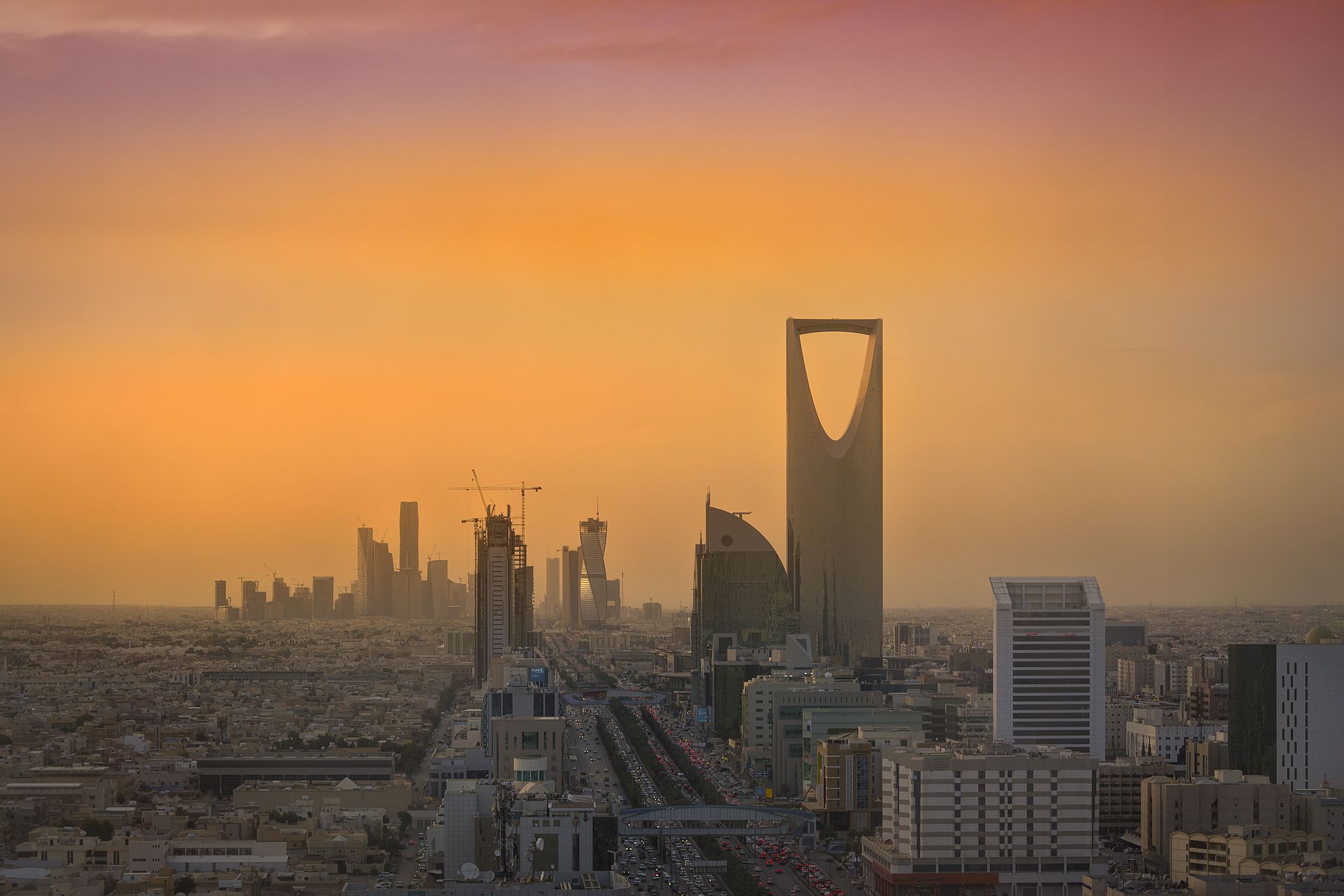
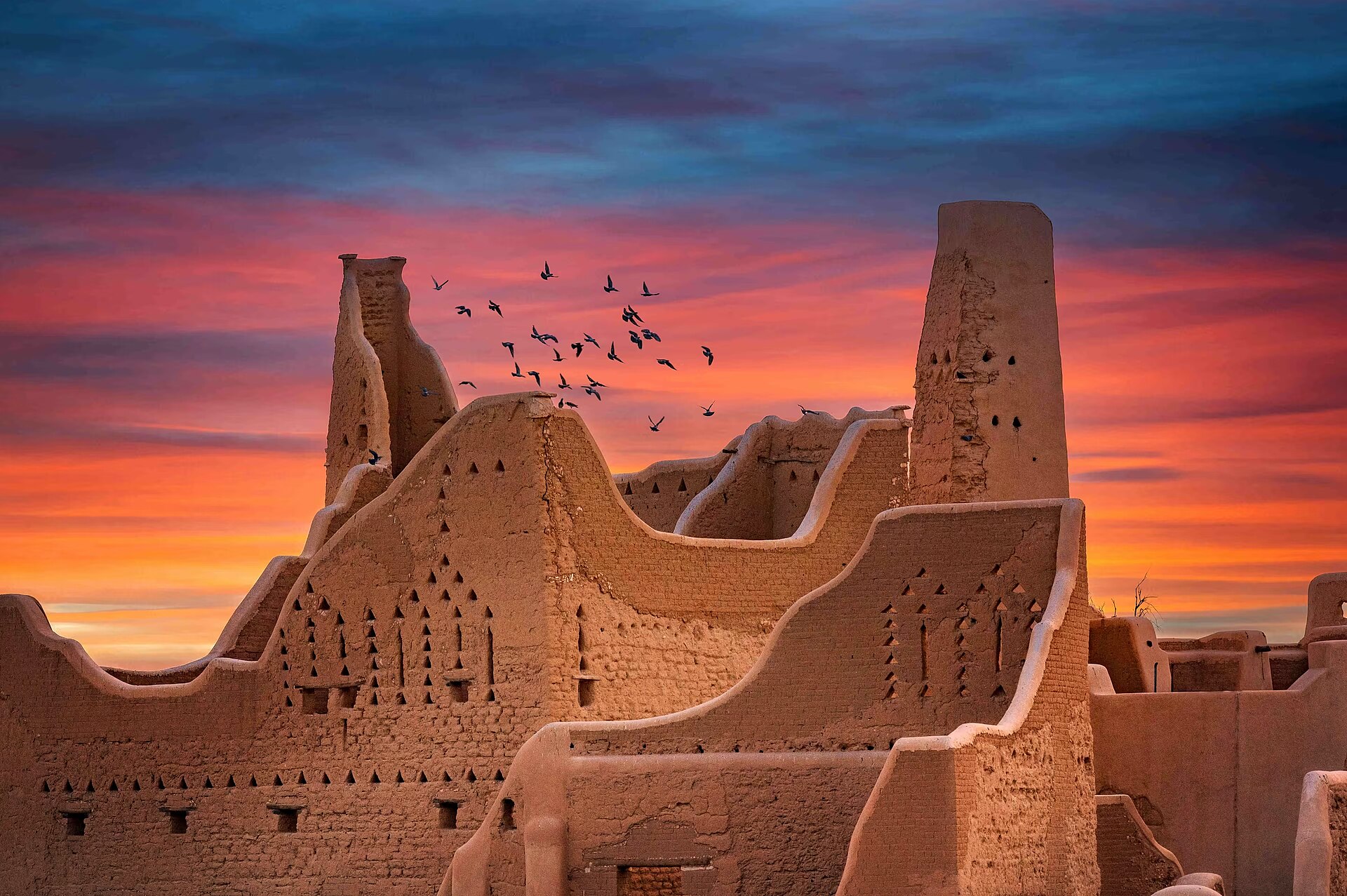
The capital is the natural starting point — it has the most direct flights from the UK and offers a fascinating blend of ultra-modern architecture and historical sites. Do not miss Diriyah (the UNESCO-listed birthplace of the Saudi state), the National Museum, and the Kingdom Tower Sky Bridge. Riyadh’s dining scene is world-class, and the new Boulevard Riyadh City entertainment district has transformed the city’s nightlife (non-alcoholic, but vibrant). See our Riyadh travel guide for full details.
Jeddah
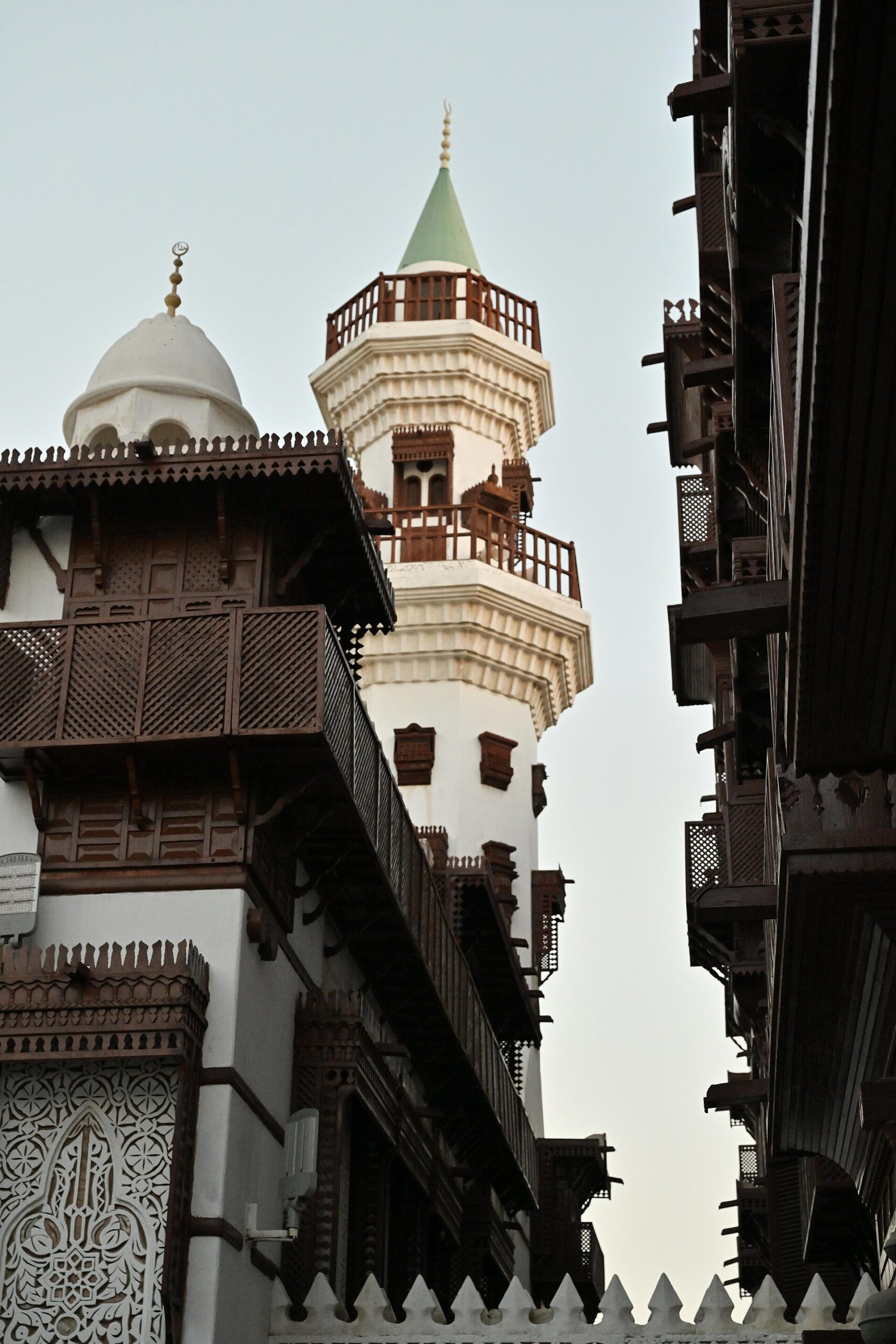
The Red Sea gateway city has the most relaxed atmosphere in the Kingdom. Al Balad, the UNESCO-listed historic quarter, features stunning coral-stone architecture and atmospheric souks. The Jeddah Corniche stretches for 30 km along the waterfront. Jeddah is also the base for Umrah trips to Mecca (80 km away). Our Jeddah travel guide covers every neighbourhood.
AlUla
Saudi Arabia’s most spectacular archaeological destination. Hegra (Mada’in Saleh) is Saudi Arabia’s first UNESCO World Heritage Site — a Nabataean city of monumental rock-cut tombs comparable to Petra in Jordan. Elephant Rock, the Dadan ruins, and the Maraya concert hall (the world’s largest mirrored building) make AlUla worth at least two full days. See our AlUla travel guide.
Language
Arabic is the official language, but English is widely spoken in Saudi cities, hotels, malls, airports, and tourist attractions. You will rarely struggle to communicate in Riyadh, Jeddah, or AlUla. In smaller towns and rural areas, basic Arabic phrases are helpful:
| English | Arabic | Pronunciation |
|---|---|---|
| Hello | مرحبا | Marhaba |
| Thank you | شكراً | Shukran |
| Yes / No | نعم / لا | Na’am / La |
| How much? | بكم؟ | Bikam? |
| Where is…? | أين…؟ | Ayn…? |
| Please | من فضلك | Min fadlak |
| Excuse me | عفواً | Afwan |
Food and Dining
Saudi cuisine is generous, aromatic, and heavily spiced. British visitors are often pleasantly surprised by the quality and variety. Our Saudi Arabia food guide covers the full culinary landscape, but key dishes to try include:
International food is everywhere — Riyadh and Jeddah have thriving restaurant scenes with Japanese, Italian, Indian, and American options. Pork is not available anywhere in the country.
Shopping and Souvenirs
Saudi Arabia is a shopper’s destination, from ultra-modern malls to traditional souks. For a full rundown, see our Saudi Arabia shopping guide. Good souvenirs to bring back to the UK include:
UK customs note: Your duty-free allowance returning to the UK includes £390 of goods. There is no restriction on bringing Saudi dates into the UK, but meat and dairy products may be seized at customs. Oud perfume oil must comply with airline liquid restrictions (100 ml maximum in hand luggage).
Budget Planning for British Travellers
| Category | Budget (per day) | Mid-Range (per day) | Luxury (per day) |
|---|---|---|---|
| Accommodation | £25–£50 | £60–£120 | £200+ |
| Food | £10–£20 | £25–£50 | £60+ |
| Transport | £5–£15 | £15–£30 | £40+ (car hire) |
| Activities | £5–£10 | £15–£30 | £50+ |
| Total | £45–£95 | £115–£230 | £350+ |
Saudi Arabia is cheaper than the UAE for accommodation and food, but pricier than Egypt or Jordan. The biggest variable is accommodation — five-star hotels in Riyadh run £150–£400/night, while clean budget hotels are available from £25. For hotel recommendations by city and budget, see our Saudi Arabia hotels guide.
When to Go
November to February is the ideal window for British travellers. Temperatures across most of the country sit between 15°C and 25°C — pleasant for sightseeing and outdoor activities. Riyadh’s average January high is 23°C, while Jeddah stays warmer at around 29°C.
March and April are still manageable (25–35°C) and offer fewer crowds.
May to September is genuinely hot — 40–50°C in Riyadh and the desert interior. The exception is the Asir highlands around Abha and Al Baha, where summer temperatures sit at a comfortable 25–30°C. If you must visit in summer, head to the mountains.
The cheapest flights from the UK are typically in June, when the heat keeps tourist numbers low — return fares can drop to £230 or less.