
Saudi Arabia is one of the most rewarding solo travel destinations in the Middle East, and for men travelling alone it is arguably the easiest country in the Gulf to navigate independently. The Kingdom has opened its doors to international tourists only since 2019, which means you will encounter a country eager to welcome visitors, remarkably low crime, and an infrastructure that is being built out at extraordinary speed. Whether you are a backpacker on a tight budget or a mid-range traveller looking for a mix of ancient history, desert adventure, and futuristic cityscapes, this guide covers everything you need to plan a solo trip. For the full picture of what the country offers, see our comprehensive Saudi Arabia Travel Guide 2026.
Best Time to Visit: October to March (cooler temperatures, festival season)
Getting There: Direct flights to Riyadh (RUH) and Jeddah (JED) from most major hubs; domestic flights connect AlUla, Abha, and Tabuk
Visa Required: Yes — tourist e-visa available for 66 nationalities
Budget: $50–100/day (budget) | $100–200/day (mid-range) | $250+/day (luxury)
Must-See: Hegra (AlUla), Riyadh’s Edge of the World, Jeddah’s Al-Balad historic district
Avoid: Travelling June–August without a desert-heat strategy; photographing people without permission
Is Saudi Arabia Safe for Solo Male Travellers?
In a word: yes. Saudi Arabia has one of the lowest crime rates of any major country. According to Numbeo’s mid-2025 Crime Index, Saudi Arabia scores 32.6, compared with 47.8 for the United States and 46.1 for France. Violent crime against tourists is extremely rare, and petty theft is uncommon by global standards. Streets in Riyadh, Jeddah, and Dammam are generally safe to walk at any hour, including late at night — Saudi social culture means restaurants and cafes are busy well past midnight.
Solo men face none of the gender-specific concerns that sometimes affect women travelling alone. You will not attract unwanted attention for being unaccompanied, and you can move freely between cities, eat alone at any restaurant, and check into any hotel without question. The main safety considerations are environmental — extreme heat in summer, remote desert terrain — and legal, given that Saudi law differs substantially from Western norms.
Important: Always check your government’s latest travel advisory before booking. The regional security situation in the Gulf can change rapidly. The U.S. State Department and UK FCDO update their advisories regularly. For a detailed breakdown, see our Saudi Arabia safety guide.
Common Safety Tips
- Carry your passport or a photocopy at all times, especially during inter-city travel. Police checkpoints exist on some highways.
- Use ride-hailing apps (Uber and Careem both operate nationwide) for tracked, receipt-generating transport.
- Register with your embassy before departure, so consular staff can reach you in an emergency.
- Keep digital copies of your passport, visa, and travel insurance on your phone and in cloud storage.
- Avoid desert driving alone without a 4×4, GPS, and adequate water. If you plan off-road excursions, join a group or hire a local guide.
- Public displays of affection are not permitted, even between married couples.
- Swearing and rude gestures can result in fines or detention.
- Loud music or disruptive behaviour in public spaces is frowned upon and may attract police attention.
- Respect queues and personal space — Saudi men are generally formal and courteous.
- Abha and the Asir Mountains: A 75-minute flight from Jeddah takes you to Saudi Arabia’s cool highland region, where temperatures are 15–20°C lower than the coast. Cable cars, mountain villages, and the dramatic Al Souda peak (3,015 m) make this a refreshing change of scene. See our Abha and Asir Travel Guide.
- Dammam and the Eastern Province: If you want to see a different side of Saudi Arabia, the Eastern Province offers the historic Al-Ahsa oasis (another UNESCO site), the Ithra cultural centre in Dhahran, and a more relaxed Gulf coast vibe. See our Dammam Travel Guide.
- Tabuk and the northwest: The dramatic landscapes around Tabuk, including Wadi Disah and the future site of NEOM, are increasingly accessible. See our Tabuk Travel Guide.
- Eat at local restaurants: Shawarma, falafel, and kabsa from neighbourhood joints cost SAR 10–25 ($3–7). Al Baik, the beloved Saudi fried chicken chain, serves a full meal for under SAR 20 ($5.30).
- Use the Riyadh Metro: At SAR 4–6 per ride, it is vastly cheaper than taxis for getting around the capital.
- Book flights early: Domestic fares on flynas and flyadeal can be as low as SAR 100 ($27) if booked two to three weeks ahead.
- Visit free attractions: Many museums charge little or nothing. The National Museum is SAR 10, and Diriyah’s exterior areas are free to wander.
- Fill up on hotel breakfast: If your rate includes breakfast, eat well — Saudi hotel buffets are generous.
- Kabsa: The national dish — spiced rice with chicken or lamb, served on a communal platter. Available everywhere, from street stalls (SAR 15–25) to upscale restaurants (SAR 60–90).
- Shawarma: Saudi shawarma is excellent and inexpensive. A sandwich costs SAR 5–10.
- Al Baik: A Saudi institution. This fried chicken chain has a cult following and prices that undercut most fast food — a full meal for SAR 15–20.
- Mutabbaq and Sambousak: Filled pastries found at bakeries and street vendors. A perfect quick breakfast for SAR 3–8.
- Arabic coffee (qahwa) and dates: Offered as a welcome gesture in many shops and hotels. The coffee is cardamom-spiced and served in small cups. Always accept — it is a sign of hospitality.
- Eat with your right hand. The left hand is considered unclean in traditional etiquette.
- If invited to a Saudi home (a genuine possibility — Saudi hospitality is legendary), remove your shoes and accept whatever food is offered. Refusing is considered impolite.
- Restaurants often have a family section and a singles section. As a solo man, you will typically be seated in the singles section. This is normal and not a form of segregation directed at tourists.
- Dinner is late in Saudi Arabia. Peak restaurant hours are 9 PM to midnight. Plan accordingly.
- MDL Beast Soundstorm (December, Riyadh): The Middle East’s biggest music festival, drawing around 500,000 attendees over three days in the desert.
- Esports World Cup (July–August, Riyadh): The world’s largest competitive gaming event, held at Boulevard Riyadh City.
- Jeddah Season: A coastal counterpart to Riyadh Season, with concerts, art exhibitions, and waterfront events.
- AlUla Arts Festival: Cultural programming in the desert, including installations, music, and heritage events.
- Learn basic Arabic greetings. “As-salamu alaykum” (peace be upon you) is the universal opener, and even a few words of Arabic will earn you warmth and respect.
- Greet men with a handshake. If greeting a woman, wait for her to extend her hand first. If she does not, a polite nod is sufficient.
- Accept invitations. If a Saudi man invites you for coffee or a meal, it is almost always genuine hospitality, not a scam. Saudi culture places enormous value on hosting guests.
- Use social apps. Meetup groups, Couchsurfing hangouts, and expat Facebook groups in Riyadh and Jeddah regularly organise brunches, desert trips, and city walks that welcome solo travellers.
- Carry at least 2 litres of water at all times.
- Schedule outdoor activities for early morning (before 9 AM) or late afternoon (after 4 PM).
- Wear a hat and high-SPF sunscreen.
- Shopping malls and museums are air-conditioned refuges during peak heat.
- Underestimating distances. Riyadh to Jeddah is a 10-hour drive. Always fly between major cities unless the road itself is the point (e.g., the scenic route through Taif).
- Not downloading offline maps. Mobile data is reliable in cities, but coverage drops in desert and mountain areas. Download Google Maps or Maps.me for offline navigation.
- Trying to visit Mecca. Non-Muslims are strictly prohibited from entering Mecca and the sacred precinct of Medina. This is enforced by checkpoints on all approach roads.
- Ignoring prayer times. If a shop closes for prayer, wait 15–20 minutes. Fighting the rhythm of the day will only frustrate you — embrace it.
- Packing too much. Laundry services are cheap and widely available. Two to three changes of modest clothing are sufficient for any length of trip.
- Saudi Arabia Travel Guide 2026 — The complete guide to visiting the Kingdom
- Riyadh Travel Guide — Detailed guide to the Saudi capital, from Diriyah to the Edge of the World
- Jeddah Travel Guide — Historic Al-Balad, the Corniche, and Red Sea adventures
- AlUla Travel Guide — Hegra, Elephant Rock, and the desert landscapes of northwest Saudi
- Saudi Arabia Visa Guide — Every visa type explained, from e-visas to transit permits
- Saudi Arabia Hotels Guide — Where to stay at every budget, from hostels to luxury resorts
Laws and Cultural Rules Every Solo Man Must Know
Saudi Arabia’s legal system is based on Sharia law and operates differently from Western legal frameworks. Ignorance of the law is not a defence, and penalties can be severe. Understanding these rules before you arrive is not optional — it is essential.
Alcohol and Drugs
Alcohol is completely illegal in Saudi Arabia. There are no bars, no licensed restaurants, and no exceptions for tourists. Attempting to bring alcohol into the country, even in checked luggage, will result in confiscation and potentially arrest. Drug offences carry penalties up to and including the death penalty. Do not carry any controlled substance, including prescription medications that contain codeine or amphetamines, without a doctor’s letter and prior clearance.
Social Media and Photography
Saudi authorities actively monitor social media. Posting content critical of the Saudi government, the royal family, or Islam — even from your personal account — can lead to arrest and imprisonment. The U.S. State Department has documented cases of American citizens detained for past social media activity. When it comes to photography, always ask permission before photographing individuals, especially women. Never photograph military installations, government buildings, or police.
Dress Code for Men
Male tourists are not required to wear traditional Saudi clothing (thobe and ghutra), but modest dress is expected. The practical minimum is long trousers and a shirt with sleeves. Shorts above the knee, sleeveless tops, and clothing with provocative imagery are inappropriate in most settings outside beach resorts. In smaller towns and conservative neighbourhoods, err on the side of covering more. For a full breakdown of what to wear, see our Saudi Arabia dress code guide.
Religious Customs
Prayer times structure daily life. Shops and some restaurants close briefly during prayer (five times daily), though this is enforced less strictly than in the past, particularly in malls and international chains. During Ramadan, eating, drinking, and smoking in public during daylight hours is prohibited for everyone, including non-Muslim tourists. Plan accordingly — most hotels will serve food discreetly to guests in their rooms during fasting hours.
Public Behaviour
The Saudi E-Visa: How to Get In
Citizens of 66 countries can apply for a Saudi tourist e-visa online at the official portal (visa.visitsaudi.com). The process takes as little as five minutes, costs approximately SAR 480 (around $128), and grants a multiple-entry visa valid for one year with a maximum stay of 90 days per visit. You will need a passport valid for at least six months from your date of entry and a credit or debit card.
If your nationality is not on the e-visa list, you can apply for a tourist visa through a Saudi embassy or consulate. Processing times vary but typically take one to two weeks. For a complete breakdown of every visa type, costs, and eligibility, see our Saudi Arabia Visa Guide 2026.
Tip: Your e-visa cannot be extended while you are in the country. If you want to stay longer than 90 days, you must leave and reapply. Plan your itinerary accordingly.
Getting Around as a Solo Traveller
Saudi Arabia is a large country — roughly the size of Western Europe — and distances between major destinations are significant. Solo travellers have several transport options, each with trade-offs.
Domestic Flights
The fastest way to move between cities. Saudia (the national carrier), flynas, and flyadeal operate frequent domestic routes. A one-way flight from Riyadh to Jeddah costs SAR 200–500 ($53–133), and Riyadh to AlUla is served by direct flights that take around 90 minutes. Book in advance for the best fares.
Riyadh Metro
The Riyadh Metro, which became fully operational in early 2025, is the world’s longest fully automated driverless metro network at 176 kilometres with six lines and 85 stations. A single ride costs SAR 4–6 ($1–2), and the system runs from roughly 5:30 AM to midnight on weekdays. For solo travellers based in Riyadh, it is an excellent way to reach major attractions without a car.
Car Rental and Driving
Renting a car gives you the most freedom, especially for day trips like the Edge of the World outside Riyadh or the coastal roads near Jeddah. You will need an International Driving Permit alongside your national licence. Fuel is extremely cheap (around SAR 2.18 per litre, or $0.58). Be aware that many rental companies cap daily mileage at 250–300 kilometres, and driving culture in Saudi cities can be aggressive — lane discipline is loose and speeds are high. Highway driving between cities is straightforward but monotonous.
Ride-Hailing
Uber and Careem operate in all major cities and are the default transport for solo travellers who do not want to drive. Prices are low by Western standards — a 20-minute ride in Riyadh typically costs SAR 15–30 ($4–8). Both apps provide GPS tracking and digital receipts, adding a layer of safety.
Buses and Trains
SAPTCO operates intercity buses connecting most major cities. The Haramain High-Speed Railway connects Jeddah to Mecca and Medina (note: non-Muslims cannot enter Mecca or the sacred area of Medina). The SAR railway connects Riyadh to Dammam in the Eastern Province, a comfortable 4.5-hour journey.
Where to Stay: Solo-Friendly Accommodation
Saudi Arabia’s hotel market has expanded rapidly since tourism opened in 2019. Solo male travellers have options at every price point.
Budget ($20–60/night)
Hostels have arrived in Saudi Arabia, though the scene is still young compared to Southeast Asia or Europe. Riyadh and Jeddah now have hostels with dorm beds starting from around SAR 75 ($20), and private rooms in budget hotels are widely available for SAR 150–225 ($40–60). Look for options on Hostelworld, Booking.com, or the Almosafer app (a Saudi-based platform with competitive local pricing). Many budget properties in Riyadh cluster around Al Olaya or near the old souqs, while in Jeddah they are concentrated near Al-Balad and along Al-Madinah Road.
Mid-Range ($60–150/night)
International chains like Hilton Garden Inn, Novotel, Holiday Inn, and Courtyard by Marriott offer reliable mid-range options in every major city. Expect SAR 225–560 ($60–150) per night for a clean room with Wi-Fi, breakfast, and a gym. Many of these hotels are well-located near metro stations in Riyadh or within walking distance of the Corniche in Jeddah. For a comprehensive guide to choosing accommodation across the country, see our Saudi Arabia Hotels Guide.
Luxury ($150–500+/night)
For those with a larger budget, Saudi Arabia has some of the most impressive luxury hotels in the Middle East. The Ritz-Carlton Riyadh, the Park Hyatt Jeddah, and the Habitas AlUla desert resort are standout options. During Riyadh Season (October–March), luxury hotels fill up fast, so book early.
Solo tip: When booking, check whether breakfast is included. Saudi hotel breakfasts tend to be generous buffets with Arabic and Western options, and having a full meal included can save you SAR 30–60 per day.
Connectivity: SIM Cards and Internet
Staying connected in Saudi Arabia is straightforward. The three main mobile operators — STC, Mobily, and Zain — all have kiosks at Riyadh (RUH) and Jeddah (JED) airports, and SIM cards start from SAR 30–50 ($8–13) with data packages. 4G LTE covers over 95% of populated areas, and 5G is available in Riyadh, Jeddah, and Dammam with speeds exceeding 1 Gbps.
If your phone supports eSIM, you can purchase a digital SIM before you even land. Saudi regulations require identity verification (passport and fingerprint) for all SIM activations, so airport kiosks are the most convenient option. For a detailed comparison of plans and providers, see our SIM card and eSIM guide.
Solo Male Itinerary: 10 Days Across Saudi Arabia
This itinerary covers the “Golden Triangle” of Riyadh, AlUla, and Jeddah, plus extensions that work well for solo travellers. Adjust the pace to your style — the beauty of solo travel is that you answer only to yourself.
Days 1–3: Riyadh
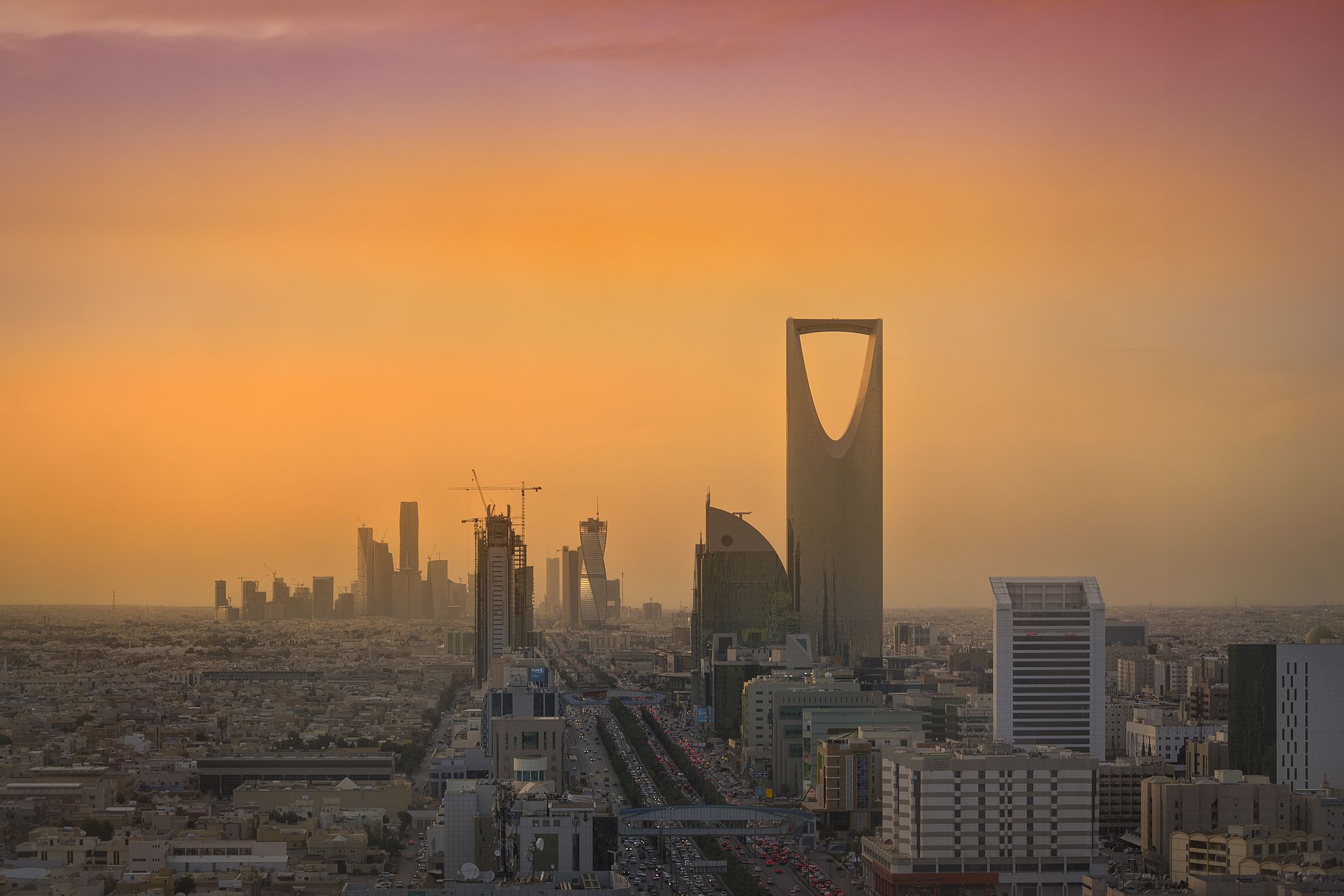
Day 1: Arrive at King Khalid International Airport. Check into your hotel, then ease into the city with an evening visit to Kingdom Centre — the Sky Bridge observation deck (SAR 69 / $18) offers a 360-degree panorama of the capital at sunset. Walk Tahlia Street afterwards for your first taste of Saudi cafe culture.
Day 2: Morning at Diriyah, the mud-brick ancestral home of the House of Saud and a UNESCO World Heritage Site. The At-Turaif district has been beautifully restored, and the new Diriyah Gate development includes museums, restaurants, and galleries. Afternoon at the National Museum (SAR 10 / $2.70), which traces Saudi history from pre-Islamic Arabia to the modern Kingdom across eight halls. Evening in the Al Zal Souq in the old city for spices, perfumes, and traditional daggers (khanjar).
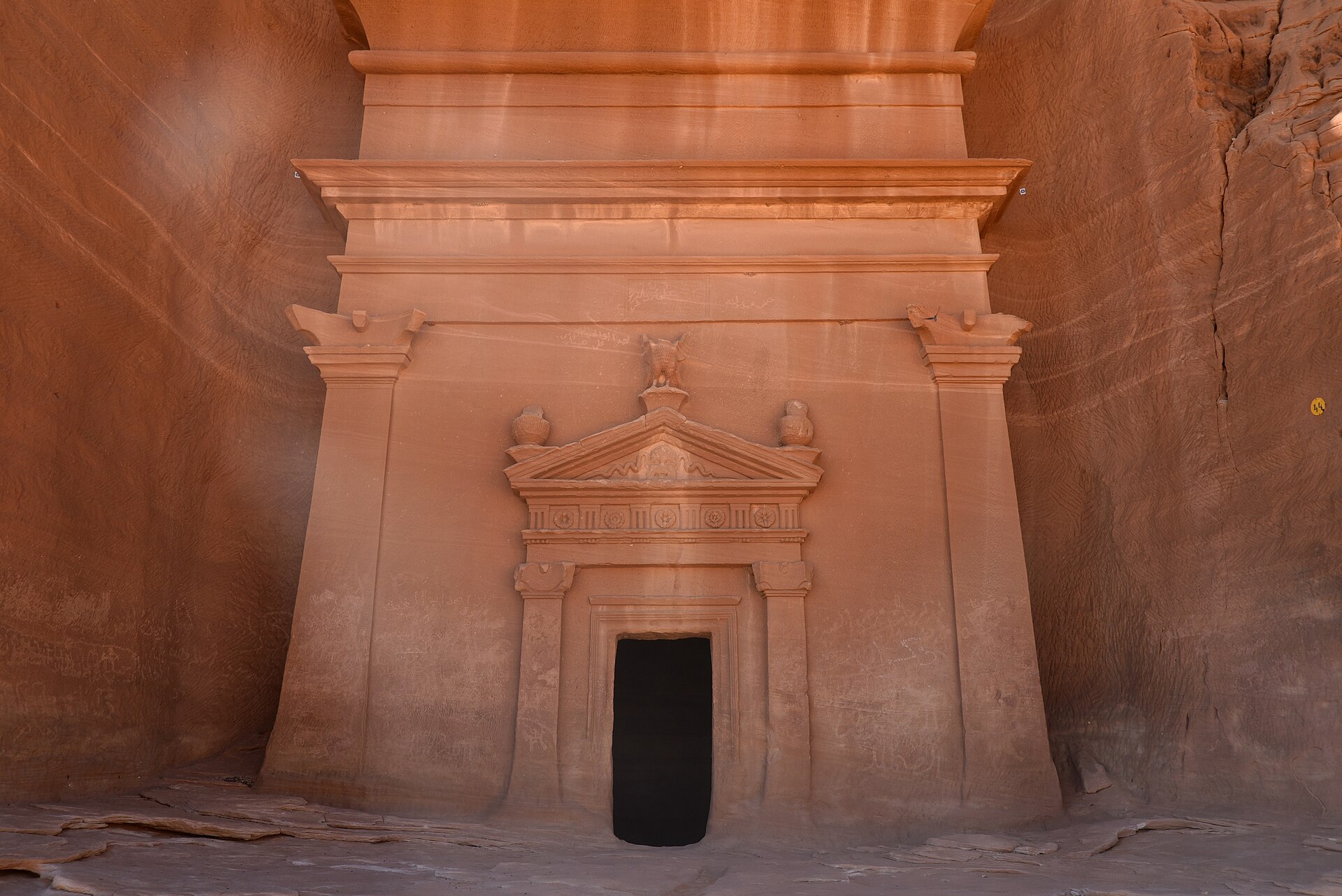
Day 3: Full-day trip to the Edge of the World (Jebel Fihrayn), a dramatic 300-metre cliff face overlooking an ancient seabed roughly 90 kilometres northwest of Riyadh. You will need a 4×4 or a guided tour — several operators run day trips from around SAR 250–400 ($67–107). Arrive for sunrise or sunset for the most dramatic light. For more hiking ideas in this region, check our Saudi Arabia Hiking Guide.
Days 4–5: AlUla
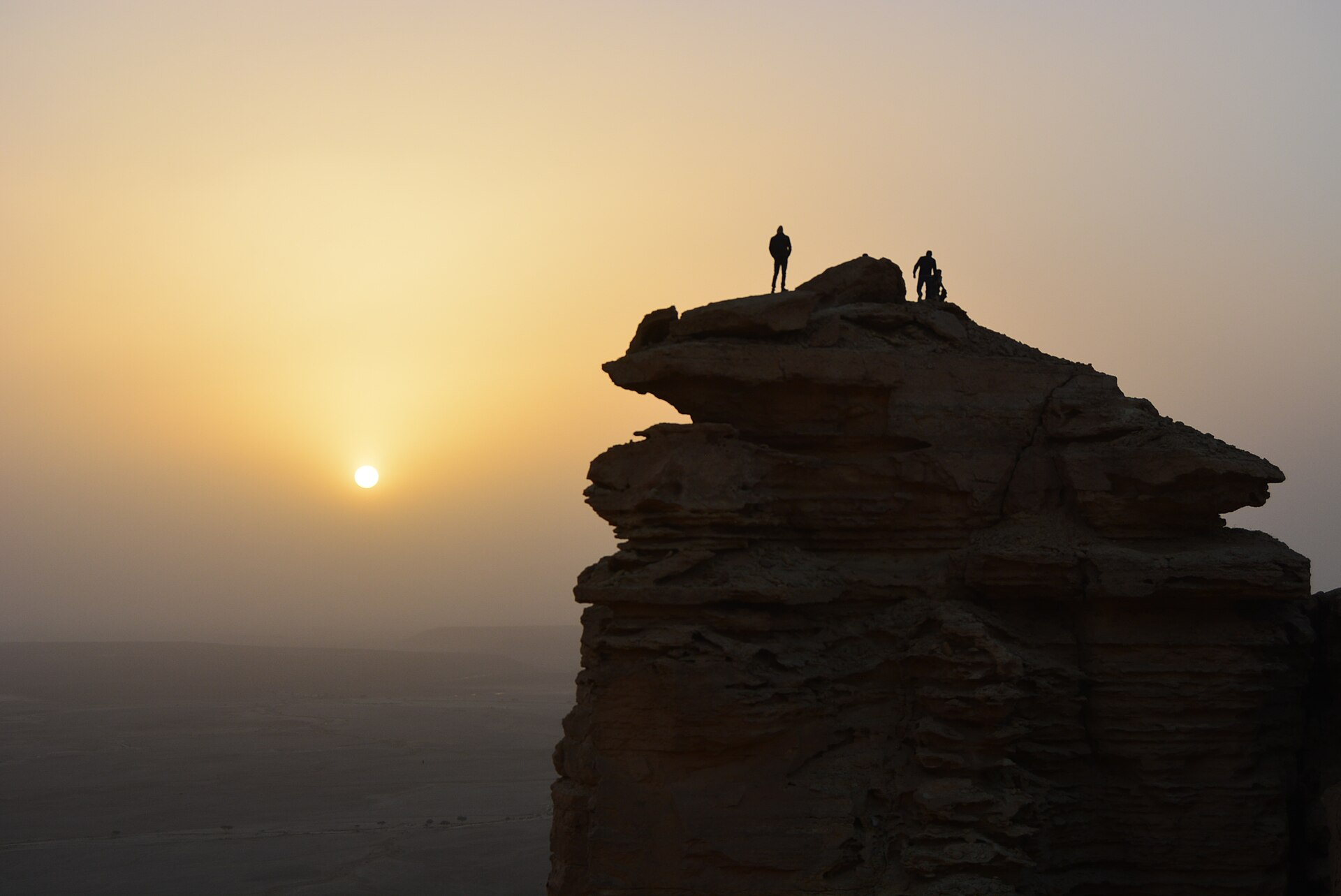
Day 4: Morning flight from Riyadh to AlUla (around 90 minutes). Check into your accommodation — options range from the luxury Habitas resort to more affordable guesthouses in AlUla town. Afternoon visit to Hegra (Mada’in Salih), Saudi Arabia’s first UNESCO World Heritage Site. The 111 Nabataean tombs carved into sandstone monoliths date from the 1st century CE and rival Petra in Jordan for sheer wonder, but with a fraction of the crowds. Guided tours depart at set times and last around two hours. Evening at Elephant Rock (Jabal AlFil) for sunset — the rock formation is best viewed as the light turns golden, and a cafe operates at the base. For a complete breakdown of everything to see and do, consult our AlUla Travel Guide.
Day 5: Morning visit to Dadan, the ancient capital of the Dadanite and Lihyanite kingdoms, which predates the Nabataean presence. The rock-cut lion tombs are extraordinary. Afternoon free for AlUla Old Town, a labyrinth of 900 abandoned mudbrick houses that is being carefully restored. If you have energy, a sunset desert drive or stargazing excursion rounds out a perfect second day — AlUla’s lack of light pollution makes it one of the best stargazing locations in the Middle East.
Days 6–8: Jeddah
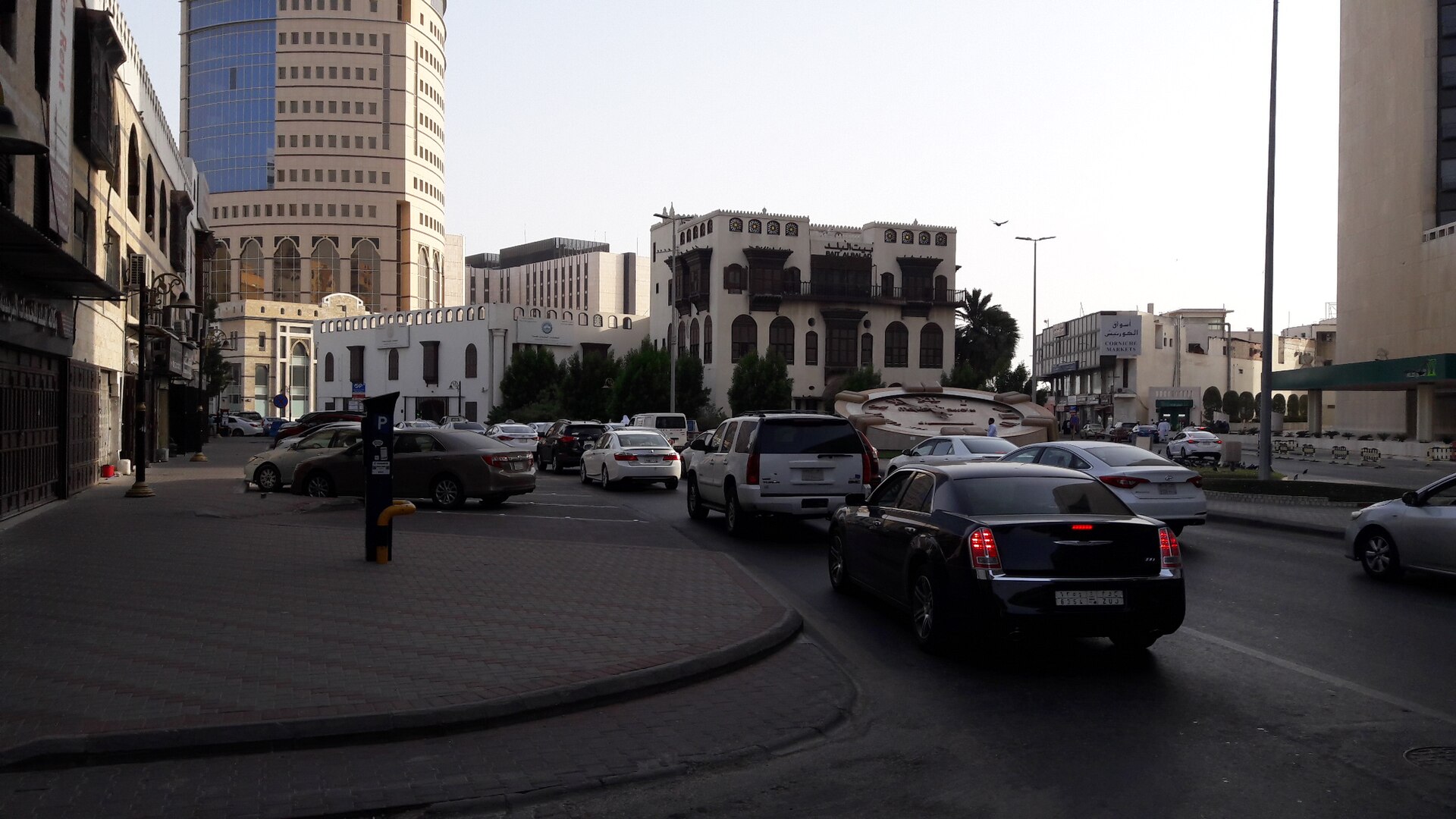
Day 6: Fly from AlUla to Jeddah (roughly 75 minutes). Check in, then head straight for Al-Balad, Jeddah’s UNESCO-listed historic district. The coral-stone tower houses with their carved wooden balconies (rawasheen) are unique to this city, and the narrow alleys are best explored on foot. Several small cafes and art galleries have opened in restored buildings. For the full city guide, see our Jeddah Travel Guide 2026.
Day 7: Morning at the Jeddah Corniche, a 30-kilometre waterfront promenade along the Red Sea. Rent a bicycle (SAR 25–50/hour from several rental points) or simply walk. The King Fahd Fountain, which shoots water 312 metres into the air, is best viewed from here. Afternoon at Atallah Happy Land Park or explore the galleries and cafes around Al-Hamra district. For divers or snorkellers, Jeddah is a gateway to world-class Red Sea reef sites — see our Saudi Arabia Diving Guide.
Day 8: Day trip to the Wahba Crater (around 3.5 hours by car), a volcanic crater filled with white sodium phosphate crystals, or spend the day exploring Jeddah’s contemporary art scene and nightlife — shisha lounges, late-night dining, and entertainment districts.
Days 9–10: Extensions
With two extra days, solo travellers have excellent options:
Budget Breakdown: What Solo Travel in Saudi Arabia Actually Costs
Saudi Arabia is more affordable than most travellers expect. It is cheaper than Dubai or Oman, and comparable to Jordan or Turkey for mid-range travel. Here is a realistic daily budget breakdown for a solo male traveller in 2026:
| Category | Budget | Mid-Range | Luxury |
|---|---|---|---|
| Accommodation | $20–40 | $60–120 | $150–400 |
| Food (3 meals) | $10–20 | $25–50 | $60–120 |
| Transport (local) | $5–10 | $15–30 | $30–60 |
| Activities | $5–15 | $20–40 | $50–150 |
| Daily Total | $40–85 | $120–240 | $290–730 |
Where to Save Money
Food and Dining Solo
Eating alone in Saudi Arabia carries no stigma. Saudi dining culture is social and communal, but restaurants are entirely accustomed to solo diners, especially at counter-service spots and fast-casual chains. Here is what to know:
What to Eat
Dining Etiquette
Nightlife and Entertainment
Saudi Arabia has no bars or nightclubs in the Western sense, but that does not mean the evenings are dull. The Kingdom has invested heavily in entertainment since 2018, and the after-dark scene — especially in Riyadh — is now vibrant.
Riyadh Season (October–March)
The flagship entertainment programme, Riyadh Season transforms the capital into a festival city with themed zones, international concerts, comedy shows, wrestling events, and immersive experiences. The 2025–2026 season spans 15+ themed zones, including Boulevard Riyadh City, which features live performances, art installations, and dining experiences that run until 2 AM and later. Entry to the general areas is free; ticketed events vary.
Late-Night Cafes and Shisha Lounges
The real social scene for solo men in Saudi Arabia revolves around cafes and shisha lounges. Tahlia Street in Riyadh and the Al-Hamra district in Jeddah are lined with upscale cafes that stay open until 1–2 AM. Arabic coffee houses offer a more traditional atmosphere, while international-style cafes cater to a younger crowd. Shisha (hookah) is widely available and socially mainstream.
Events and Festivals
Meeting People and Making Connections
One of the greatest rewards of solo travel in Saudi Arabia is the hospitality. Saudis are genuinely curious about foreign visitors, and it is common to be invited for coffee, offered directions with a personal escort, or drawn into conversation at a cafe. A few tips for making the most of these interactions:
Practical Essentials
Currency and Payments
The Saudi Riyal (SAR) is pegged to the US dollar at a rate of approximately SAR 3.75 = $1. Card payments are accepted almost everywhere, including small shops and street vendors — Saudi Arabia has one of the highest digital payment adoption rates in the world. ATMs are abundant. Tipping is not obligatory, but rounding up or leaving SAR 5–10 at restaurants is appreciated.
Health and Insurance
No specific vaccinations are required for tourist entry (Hajj and Umrah pilgrims have separate requirements). Tap water is desalinated and technically safe, but most people drink bottled water (SAR 1–2 for 1.5 litres). Pharmacies are well-stocked and open late. Travel insurance is strongly recommended — some e-visa applications include basic coverage, but check the limits.
Heat Management
Summer temperatures in Riyadh regularly exceed 45°C (113°F), and humidity in Jeddah can make 38°C feel much worse. If travelling in summer:
Language
Arabic is the official language, but English is widely spoken in cities, hotels, restaurants, and tourist attractions. Road signs are bilingual (Arabic and English). In smaller towns and rural areas, English is less common — a translation app on your phone is useful.
Power and Plugs
Saudi Arabia uses Type A, B, and G plugs (110V and 220V). Most modern hotels have universal sockets, but carrying a universal adapter is wise. USB charging is available in airports, malls, and many cafes.