
Saudi Arabia is not the first country that comes to mind when you hear the word “backpacking.” There are no banana-pancake trails, no worn-out Lonely Planet routes threaded between $3 dorm beds, no full-moon parties. But that is precisely the point. Since tourist visas opened in September 2019, the Kingdom has become one of the most rewarding — and most misunderstood — destinations for independent travellers willing to improvise. This guide, part of our Saudi Arabia Travel Guide, breaks down everything you need to navigate the country on a backpacker’s budget: realistic daily costs, the best routes, where to sleep when there is no hostel in sight, and how to handle the cultural quirks that make this place unlike anywhere else on the planet.
Best Time to Visit: October to March (cooler temperatures, festival season)
Getting There: International flights to Riyadh (RUH) or Jeddah (JED); budget airlines flynas and flyadeal connect domestically from SAR 55
Visa Required: Yes — tourist e-visa (SAR 480 / ~$128, valid one year, multiple entry)
Budget: $40–75 per day (shoestring to comfortable backpacker)
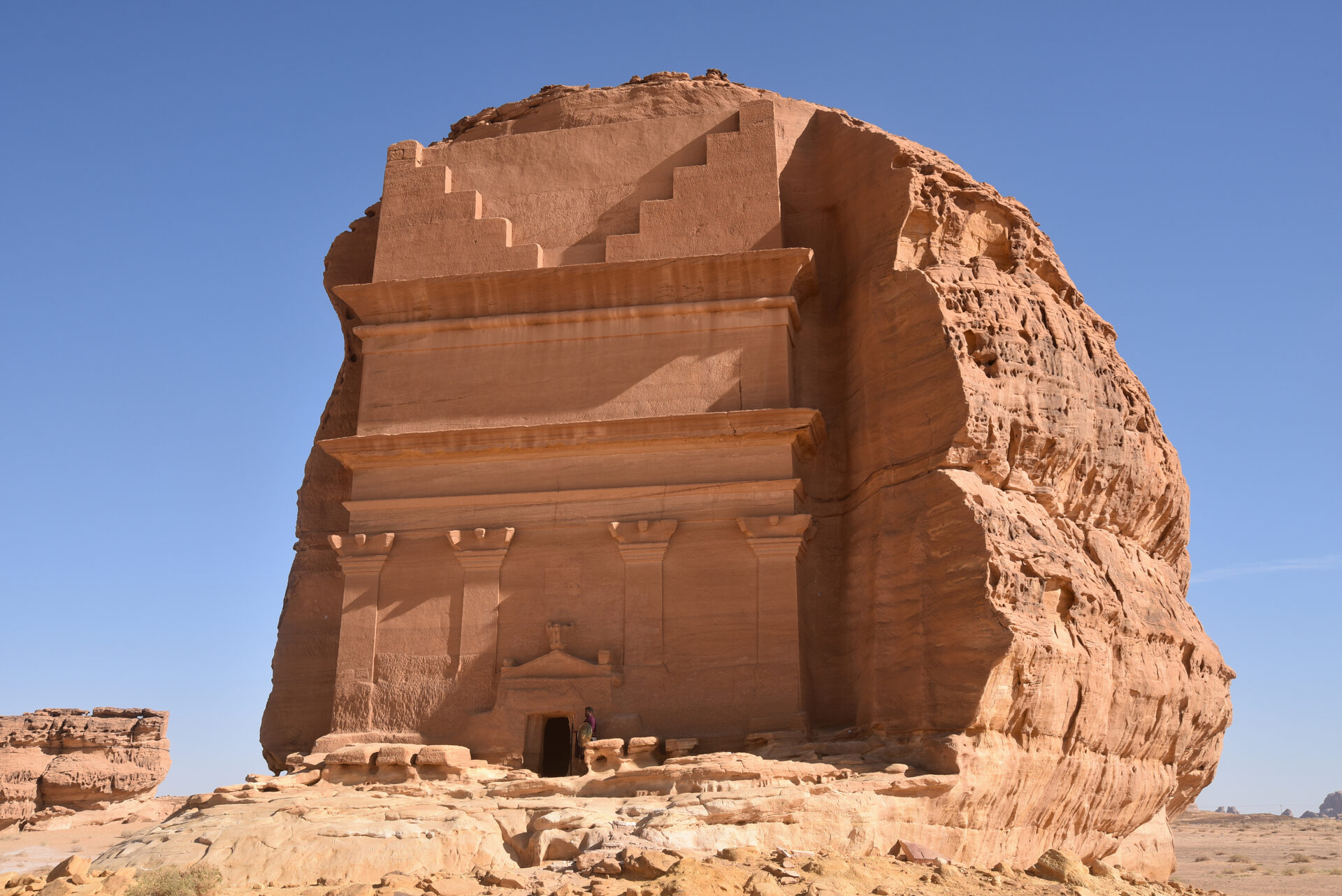
Must-See: AlUla and Hegra, Jeddah’s Al-Balad, Edge of the World near Riyadh
Avoid: Travelling mid-June to August without a highland escape plan — daytime temperatures regularly exceed 45°C
Can You Actually Backpack Saudi Arabia?
The honest answer: yes, but it demands a different skill set than Southeast Asia or South America. Saudi Arabia is a wealthy country built around car culture, not backpacker infrastructure. True hostels with dormitory beds exist in only a handful of cities. Intercity public transport is limited to one bus company and a handful of budget airlines. Distances are enormous — Riyadh to AlUla is over 1,000 kilometres.
What Saudi Arabia does offer is extraordinary hospitality. Saudis are among the most generous hosts on earth. Expect to be invited for coffee, meals, and occasionally a place to sleep by complete strangers. Couchsurfing is remarkably active in Riyadh and Jeddah. Petrol costs next to nothing (SAR 2.18 per litre for 91-octane), which makes car-sharing and hitchhiking viable. And domestic flights can cost less than a bus ticket if you book early — flynas and flyadeal regularly run fares from SAR 55 ($15) one-way.
The Kingdom is also one of the safest countries in the world. Violent crime against tourists is virtually unheard of. You can walk through any neighbourhood at 3 AM without concern. That safety, combined with genuinely curious locals eager to show off their country, makes up for the thin backpacker infrastructure.
What It Actually Costs: A Daily Budget Breakdown
Forget the travel blogs claiming you can do Saudi Arabia for $20 a day. Unless you are Couchsurfing every night and eating nothing but roadside shawarma, a realistic backpacker budget is $40–55 per day ($150–205 SAR). Here is where the money goes — for a deeper breakdown with regional pricing, see our Saudi Arabia cost guide.
Accommodation: SAR 100–200 per night ($27–53)
This is your biggest expense and the one with the widest variance. In Riyadh and Jeddah, hostel dorms run SAR 70–130 ($19–35) where they exist. Budget hotels and furnished apartments — called “apart-hotels” locally — cost SAR 100–180 ($27–48) for a private room. In smaller cities like Abha or Tabuk, budget hotel rooms start around SAR 80 ($21). AlUla is the outlier: accommodation starts at SAR 150 ($40) and rises steeply during peak season.
| City | Hostel Dorm | Budget Hotel / Apart-Hotel | Notes |
|---|---|---|---|
| Riyadh | SAR 80–130 | SAR 120–200 | Best hostel selection in the country |
| Jeddah | SAR 70–120 | SAR 100–180 | Furnished apartments near Al-Balad offer great value |
| AlUla | SAR 130–180 | SAR 180–350 | Book well ahead during Winter at Tantora season |
| Abha | Rare | SAR 80–150 | Good value; prices rise during Saudi school holidays |
| Tabuk | Rare | SAR 90–160 | Gateway to Wadi Al Disah and NEOM area |
| Dammam / Al Khobar | SAR 90–130 | SAR 110–180 | Fewer tourists, more business travellers |
Food: SAR 40–80 per day ($11–21)
Eating cheap in Saudi Arabia is easy if you go local. A plate of kabsa (rice with chicken or lamb) at a neighbourhood restaurant costs SAR 15–25. Shawarma from a street counter is SAR 5–10. Falafel sandwiches run SAR 3–6. Tea at a roadside stall costs SAR 1. The expense trap is Western-style cafés, where a latte and avocado toast will cost more than a full local lunch.
- Shawarma sandwich: SAR 5–10 ($1.30–2.70)
- Kabsa plate (chicken): SAR 15–25 ($4–6.70)
- Falafel wrap: SAR 3–6 ($0.80–1.60)
- Fresh juice / fruit shake: SAR 10–20 ($2.70–5.30)
- Roadside tea: SAR 1 ($0.27)
- Water bottle (1.5L): SAR 2 ($0.53)
- Supermarket groceries (day): SAR 25–40 ($6.70–10.70)
Budget tip: Look for restaurants with “بوفيه مفتوح” (open buffet) signs near industrial areas and labour camps. These all-you-can-eat spots serve rice, grilled meats, salads, and bread for SAR 15–25 — the best calorie-per-riyal ratio in the country.
Transport: SAR 30–80 per day ($8–21)
Transport costs vary wildly depending on whether you are moving between cities or exploring within one. Within cities, Uber and Careem are the default — there is little alternative outside Riyadh’s new metro. A 15-minute Uber ride typically costs SAR 15–25. Intercity, SAPTCO buses are the budget backbone, and budget flights are the time-saving alternative.
Activities: SAR 0–60 per day ($0–16)
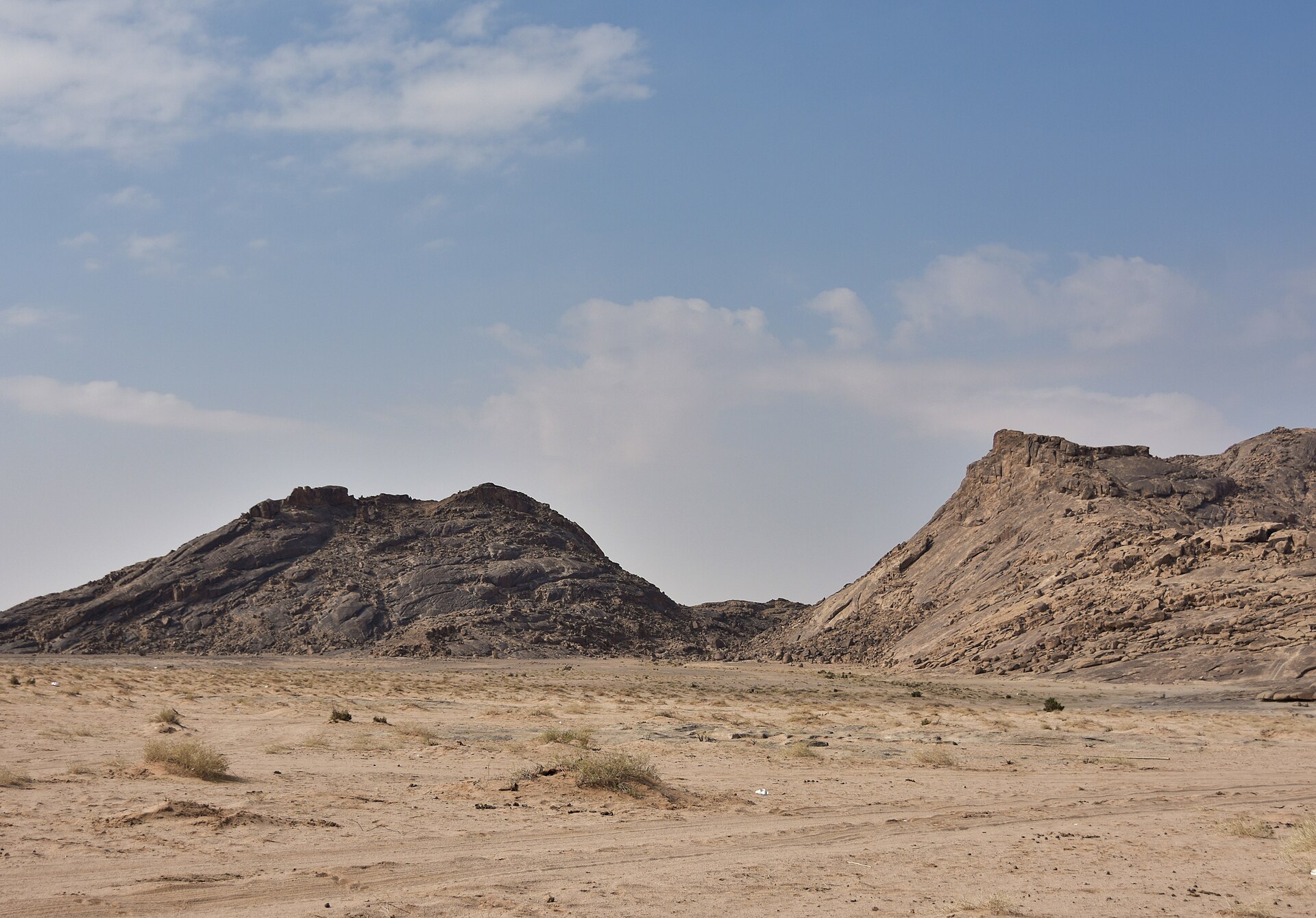
Most of Saudi Arabia’s best experiences are free: wandering Al-Balad in Jeddah, hiking the Edge of the World, exploring Abha’s Habala Valley viewpoints, swimming at empty Red Sea beaches. Paid attractions are modest — Hegra entry is SAR 95 ($25), the Kingdom Centre Sky Bridge in Riyadh is SAR 69 ($18), and most museums charge SAR 10–30.
Three Backpacker Routes Across the Kingdom
Saudi Arabia’s size demands that you choose a route rather than trying to see everything. Here are three proven itineraries, each designed around backpacker logistics — bus connections, budget flights, and places where you can actually find a bed for under SAR 150.
Route 1: The Classic Loop (14–21 days)
Jeddah → AlUla → Tabuk → Abha → Jeddah
This is the route most backpackers end up following, and for good reason. It hits the highlights while staying within reach of budget transport. Start in Jeddah — two to three days exploring Al-Balad’s coral-stone architecture, the Corniche, and the city’s emerging art scene. Fly to AlUla on flynas or flyadeal (SAR 99–199 one-way if booked two to three weeks ahead). Spend three to four days at Hegra, Elephant Rock, and the Dadan ruins. Continue by bus or rental car to Tabuk (about four hours) for Wadi Al Disah — a canyon oasis that rivals anything in Jordan. Then fly south to Abha for the Asir highlands: cool mountain air, terraced villages, and the dramatic Al Soudah escarpment. Return to Jeddah by bus (SAPTCO, SAR 167, roughly 8 hours) or a SAR 99 flyadeal flight.
| Leg | Distance | Best Budget Option | Cost (SAR) | Time |
|---|---|---|---|---|
| Jeddah → AlUla | 830 km | flynas / flyadeal | 99–199 | 1.5 hrs |
| AlUla → Tabuk | 300 km | Shared car / SAPTCO | 50–100 | 3.5–4 hrs |
| Tabuk → Abha | 1,400 km | flyadeal via Jeddah | 150–250 | 4–5 hrs (with connection) |
| Abha → Jeddah | 620 km | SAPTCO bus | 167 | ~8 hrs |
Route 2: The Eastern Swing (10–14 days)
Riyadh → Edge of the World → Dammam / Al Khobar → Hofuf → Riyadh
If you fly into Riyadh, this route explores the capital and the often-overlooked Eastern Province. Start with three days in Riyadh: Diriyah (the original Saudi capital, now a UNESCO site), the National Museum, and the Riyadh Season entertainment district if visiting October–March. Day-trip to the Edge of the World (Jebel Fihrayn) — you will need to arrange a car or join a shared trip since there is no public transport. Then take a SAPTCO bus to Dammam (SAR 86, about 5 hours). Explore the Khobar Corniche and take a day trip to Hofuf’s Al-Ahsa Oasis — a UNESCO World Heritage site with 2.5 million date palms and underground springs. Return to Riyadh by bus or a SAR 55–99 flight.
Route 3: The Red Sea and Mountains (10–14 days)
Jeddah → Taif → Abha / Al Soudah → Rijal Almaa → Jeddah
This route is ideal for October–April when highland temperatures are perfect for hiking. From Jeddah, bus to Taif (SAR 35, 2 hours) — the City of Roses, sitting at 1,879 metres with a climate that feels nothing like the coast below. Explore the Shubra Palace, rose farms (peak season: March–April), and the old souks. Continue south to Abha for the Asir mountains, including Al Soudah National Park and Rijal Almaa — a cluster of 60 multi-storey stone towers painted in vivid colours, now a UNESCO tentative site. For hiking, the trails around Jebel Sawda (Saudi Arabia’s highest peak at 3,015 metres) are among the best in the Middle East. Return to Jeddah by flyadeal or the overnight SAPTCO bus.
Where to Sleep: Hostels, Apart-Hotels and Alternatives
The hostel scene in Saudi Arabia is thin but growing. As of 2026, you will find proper backpacker hostels with dormitory beds in Riyadh, Jeddah, and — during high season — AlUla. Everywhere else, you need to get creative.
Hostels
Hostelworld and Hostelz list properties in Riyadh and Jeddah, with dorm beds ranging from SAR 70–130 ($19–35) per night. Quality varies significantly. Check recent reviews — some listed “hostels” are actually budget hotels that have listed a shared room. Riyadh has the most reliable hostel inventory, with properties in the Olaya and Al Malaz districts.
Apart-Hotels and Furnished Apartments
This is the real backpacker hack in Saudi Arabia. Furnished apartments — locally called “شقق مفروشة” (shaqaq mafrusha) — are everywhere, often clustered near souks and commercial streets. They typically include a kitchenette, sitting area, Wi-Fi, and laundry. A basic studio runs SAR 100–180 ($27–48) per night, but weekly rates drop to SAR 70–120 ($19–32) per night. Book through Booking.com or walk in and negotiate — walk-in rates are often cheaper than online prices, especially in smaller cities.
Couchsurfing
The Couchsurfing community in Saudi Arabia is one of the most active in the Middle East. Riyadh and Jeddah have hundreds of hosts, many of them young Saudis eager to practise English and show visitors their city. Expect genuine hospitality — not just a couch but meals, guided tours, and introductions to friends. The platform works particularly well here because hosting guests is culturally celebrated in Saudi society. Note: solo female travellers should vet hosts carefully and consider female-only hosts, though many women report positive experiences.
Desert Camping
Wild camping is legal in most of Saudi Arabia and costs nothing. The desert beyond city limits is open — drive (or get a ride) to a quiet spot, pitch your tent, and you are set. Popular free camping areas include the sands around AlUla, the Wadi Al Disah canyon near Tabuk, and the desert outside Riyadh near the Edge of the World. November to March offers ideal camping weather. Bring your own water — at least 4 litres per person per day in cooler months, double that in shoulder season.
Safety note: Wild camping is safe but use common sense. Avoid wadis (dry riverbeds) during or after rain — flash floods kill people every year. Stick to established tracks. Tell someone where you are going. And never camp near the borders with Yemen or Iraq.
Getting Around on a Budget
Transport is the biggest logistical challenge for backpackers in Saudi Arabia. The country is built around private cars, not public transit. Here are your options, ranked by value.
SAPTCO Intercity Buses
The Saudi Public Transport Company (SAPTCO) operates intercity buses connecting all major cities. It is the cheapest way to travel long distances, though routes are limited and schedules can be infrequent. Buses are air-conditioned, comfortable, and have Wi-Fi. Book through the SAPTCO app or at bus stations.
| Route | Economy Fare (SAR) | Approx. USD | Duration |
|---|---|---|---|
| Riyadh → Jeddah | 135 | $36 | 12 hrs |
| Riyadh → Dammam | 86 | $23 | 5–6 hrs |
| Riyadh → Abha | 167 | $45 | 15 hrs |
| Jeddah → Taif | 35 | $9 | 2 hrs |
| Jeddah → Abha | 167 | $45 | 8 hrs |
| Tabuk → AlUla | ~80 | $21 | 3.5 hrs |
Budget Flights
Domestic flights in Saudi Arabia can be absurdly cheap. Flynas and flyadeal — the two main budget carriers — offer one-way fares from SAR 55 ($15) on popular routes if booked two to three weeks in advance. A Riyadh–Jeddah flight that takes 1 hour 45 minutes costs SAR 99–199, versus 12 hours on the bus for SAR 135. The maths often favours flying, especially when you factor in the hostel night you save by not taking the overnight bus.
Booking tip: Flynas runs “Low Cost Fares” promotions every Tuesday. Set fare alerts on the flynas and flyadeal apps. Round-trip promotional fares can drop as low as SAR 69 ($18). Baggage is extra on both carriers — pack light with a carry-on to avoid fees of SAR 60–120 per checked bag.
Riyadh Metro
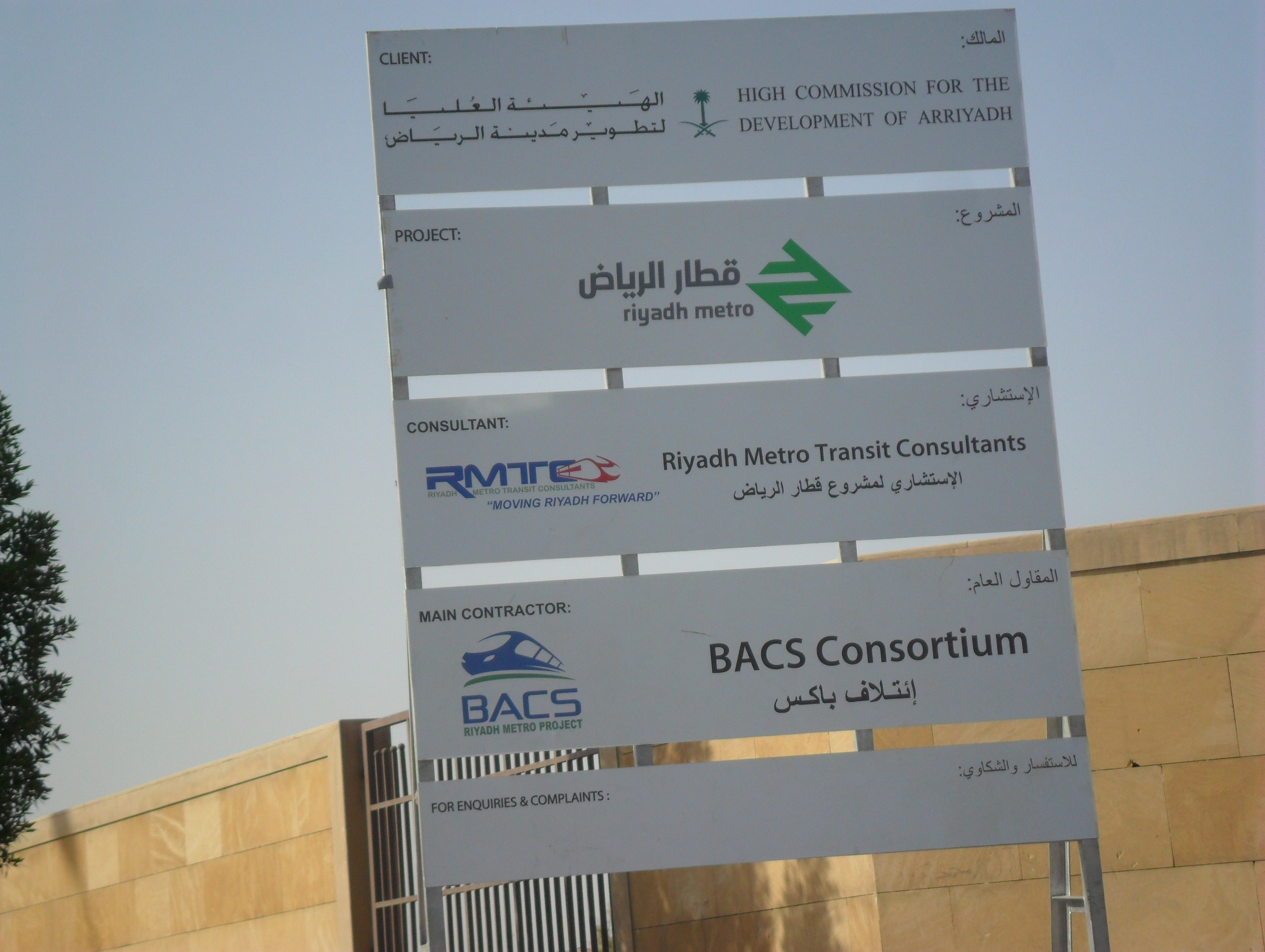
Riyadh’s metro system — six lines, 85 stations — opened in phases from late 2024 and is now the best urban public transport in the country. A single trip costs SAR 4–7. For backpackers staying in Riyadh, it covers the key sights: Diriyah, the National Museum, King Abdullah Financial District, and Olaya Street. Jeddah has no metro yet, and Mecca’s metro serves Hajj pilgrims only.
Uber and Careem
Ride-hailing works flawlessly across all Saudi cities. Careem (now owned by Uber) is the local favourite. Within cities, most rides cost SAR 10–30 ($2.70–8). For day trips to places like the Edge of the World or Half Moon Bay, negotiate a return fare with the driver rather than relying on finding a ride back.
Car Rental and Hitchhiking
If two or more travellers are splitting costs, car rental becomes very competitive. Basic sedans start at SAR 80–120 ($21–32) per day, and petrol is extraordinarily cheap at SAR 2.18 per litre. The road network is excellent — wide, well-maintained highways connect every city. An International Driving Permit is technically required but rarely checked; your home licence is usually accepted.
Hitchhiking is not a cultural norm but works in rural areas, particularly around AlUla, Tabuk, and the Asir mountains. Truckers on intercity highways sometimes pick up backpackers. The cultural instinct toward hospitality means you are more likely to be offered a ride than in most countries.
Packing for Saudi Arabia
Packing light is essential, especially if you are relying on budget flights with carry-on-only baggage limits.
Essential Kit
- 40–50L backpack — cabin-friendly size for budget airlines (flynas/flyadeal allow 7–10 kg carry-on)
- Lightweight, loose-fitting clothes — long sleeves and trousers are practical for sun protection and cultural respect. Linen and moisture-wicking fabrics work best.
- Headscarf or shemagh — useful for sun, sand, and visiting mosques. Buy a Saudi shemagh locally for SAR 15–30.
- Sturdy walking shoes — trails around AlUla, Wadi Al Disah, and the Asir mountains require proper footwear, not sandals.
- Refillable water bottle — tap water is safe in cities (desalinated) but tastes poor. Refill at water coolers found in malls, mosques, and public buildings.
- Power bank — essential for long bus rides and desert camping. Saudi Arabia uses Type G plugs (same as the UK).
- Sleeping bag and travel mat — if you plan to wild camp. A lightweight 10°C-rated bag covers November–March desert nights.
- Sunscreen and hat — the UV index is extreme. SPF 50 minimum.
What You Do Not Need
- Abaya — foreign women are not required to wear an abaya. Modest clothing covering shoulders and knees is sufficient. A headscarf is needed only for mosque visits.
- Sleeping bag liner — hotel and hostel bedding is clean. This is not a bed-bug destination.
- Mosquito net — not needed anywhere in the country.
- Alcohol — completely prohibited. Do not try to bring any in.
Cultural Survival Guide for Backpackers
Saudi Arabia is welcoming but different. Understanding a few cultural norms will transform your trip from awkward to extraordinary.
Prayer Times
Five daily prayers structure Saudi life. Shops, restaurants, and even some attractions close briefly during prayer (typically 20–30 minutes). The midday (Dhuhr) and evening (Maghrib) closures are the most noticeable. Rather than seeing this as an inconvenience, use prayer breaks to sit in a park, check your map, or simply watch the city pause. Carry snacks so you are not caught hungry during a closure.
Dress Code
Saudi Arabia has relaxed significantly since 2019, but modesty is still expected. For men: long trousers and a T-shirt that covers the shoulders work everywhere. Shorts above the knee draw stares in conservative areas. For women: loose clothing covering elbows and knees. No head covering required in public, but carry a scarf for mosque visits. In practice, the dress code is similar to visiting a European church — respectful, not restrictive.
Ramadan
If you visit during Ramadan, expect daytime restaurant closures — eating, drinking, or smoking in public during daylight hours is prohibited, including for non-Muslims. Hotels serve meals discreetly to guests. The upside: Ramadan nights are magical, with iftar feasts, bustling souks, and a communal energy you will not find at any other time. Some attractions reduce hours; others extend them.
Photography
Saudis are generally happy to be photographed but always ask first, especially with women. Never photograph military installations, government buildings, or palaces without explicit permission. Drone regulations are strict — you need a permit from the General Authority of Civil Aviation (GACA), and flying over cities or near airports is prohibited.
Alcohol and Drugs
Saudi Arabia is completely dry. There is no alcohol anywhere — no bars, no hotel minibars, no discreet workarounds. Drug penalties are severe, including potential capital punishment for trafficking. This is not a country where you test the limits.
LGBTQ+ Travellers
Same-sex relationships are illegal in Saudi Arabia. LGBTQ+ travellers should exercise discretion. Public displays of affection between any couple — heterosexual or otherwise — are frowned upon.
Connectivity and Apps
Saudi Arabia has excellent mobile infrastructure. 5G coverage blankets the cities, and 4G reaches most rural areas along major roads.
SIM Cards
Buy a prepaid SIM at the airport on arrival. STC, Mobily, and Zain all offer tourist packages. A 10 GB data SIM costs SAR 100–160 ($27–43) and lasts 30 days. You will need your passport for registration. Alternatively, purchase an eSIM through Airalo or Holafly before arrival — prices start around $10 for 5 GB.
Essential Apps
- Uber / Careem — ride-hailing, essential in every city
- SAPTCO — intercity bus bookings and schedules
- flynas / flyadeal — budget flight bookings and fare alerts
- Booking.com — best selection of budget hotels and apart-hotels
- Google Maps — works well across Saudi Arabia, including offline maps
- Couchsurfing — active community, especially in Riyadh and Jeddah
- Hungerstation / Jahez — food delivery when restaurants close during prayer
Safety and Health
Saudi Arabia is genuinely one of the safest countries in the world for travellers. The Kingdom ranks among the safest G20 nations, with extremely low rates of street crime, mugging, and theft. That said, a few hazards are specific to this environment.
Heat
The number-one health risk for backpackers is heat exhaustion. Summer temperatures exceed 45°C in Riyadh, 50°C in the Rub’ al Khali, and humidity on the coasts can make 38°C feel like 48°C. Drink far more water than you think you need — a minimum of 3 litres per day in winter, 5–6 litres in summer. Recognise the signs: dizziness, nausea, confusion. Get into shade and drink immediately.
Road Safety
Saudi Arabia has a high rate of road accidents by global standards. If renting a car, drive defensively. Avoid driving at night on rural roads — camels and other livestock wander onto highways. Wear your seatbelt at all times.
Medical Care
Hospitals in major cities are excellent and modern. Emergency treatment is available to all visitors. However, non-emergency care is expensive without insurance. Buy travel insurance that covers medical evacuation — the nearest advanced hospital to a desert camping spot can be hours away.
Flash Floods
Desert flash floods are sudden and deadly. After rain, wadis can fill with rushing water within minutes. Never camp in a wadi, never drive through flowing water, and check weather forecasts before any desert or canyon hike.
Solo Female Backpacking
Women can and do backpack Saudi Arabia solo. The legal requirement for a male guardian was abolished for tourism in 2019. Foreign women do not need to wear a hijab or abaya — modest clothing that covers shoulders and knees is sufficient. Women can drive, use ride-hailing alone, eat in restaurants solo, and check into hotels unaccompanied.
That said, cultural conservatism varies by region. Riyadh, Jeddah, and AlUla are the most comfortable for solo women. Smaller towns in the interior can feel more traditional. Practical tips: sit in the back seat of taxis, join solo traveller communities for meetups, and use well-reviewed Couchsurfing hosts with multiple references.
Money-Saving Tips That Actually Work
- Fly on Tuesdays. Flynas drops promotional fares every Tuesday. Set alerts.
- Cook in apart-hotels. A kitchenette saves SAR 30–50 per day versus eating out for every meal. Supermarkets like Tamimi, Panda, and Danube are well-stocked and affordable.
- Use Couchsurfing aggressively. Not just for free accommodation — your host will show you local spots no guidebook mentions.
- Negotiate walk-in rates. Apart-hotels and budget hotels in smaller cities offer lower prices for walk-ins than online bookings, especially for stays of three nights or more.
- Share cars. Splitting a rental between two to four backpackers makes car travel cheaper than buses on many routes, with infinitely more flexibility.
- Buy a shemagh, not a hat. The traditional Saudi headscarf costs SAR 15–30, works better than a baseball cap in desert conditions, and doubles as a towel, pillow cover, and dust mask.
- Eat where truckers eat. Roadside restaurants along intercity highways serve massive portions of kabsa, mathbi (grilled lamb on stone), and bread for SAR 15–25. The food is often better than city restaurants.
- Visit free attractions first. Al-Balad in Jeddah, Diriyah in Riyadh, the Corniche in any coastal city, desert hikes, and most mosques cost nothing.
- Travel in November or February–March. Perfect weather, lower accommodation prices than the December–January peak, and fewer crowds at AlUla.
When to Go
The backpacking season runs from October to April. Within that window:
- October–November: Shoulder season. Temperatures drop to comfortable levels (25–35°C in most regions). Accommodation prices are 15–20% below peak. Riyadh Season kicks off in October, bringing concerts, events, and energy to the capital.
- December–January: Peak tourist season. AlUla’s Winter at Tantora festival runs December–March. Prices are highest but the weather is ideal — cool desert nights, warm days. Book AlUla accommodation well ahead.
- February–March: Sweet spot. Taif roses bloom, Asir highlands are green, and crowds thin after the holiday peak. Spring wildflowers appear in the northern deserts.
- April: Last comfortable month before heat arrives. Good for the Eastern Province coast and highland areas.
- May–September: Brutal heat everywhere except the Asir highlands around Abha (20–25°C year-round). Budget accommodation drops 15–25% but the trade-off is not worth it for most backpackers.
Common Mistakes to Avoid
- Underestimating distances. Riyadh to Jeddah is 950 km. AlUla to Abha is over 1,400 km. You cannot “see everything” in two weeks. Pick a route and go deep.
- Skipping the visa fee calculation. The e-visa costs SAR 480 (~$128) including insurance, valid for one year with multiple entries. If you are in the region, use it for multiple trips to amortise the cost.
- Packing too much. Budget airline carry-on limits of 7–10 kg are strict. A 40L pack with one week’s clothing, a sleeping bag, and essentials is all you need. Do laundry at apart-hotels.
- Expecting hostels everywhere. Outside Riyadh and Jeddah, plan for budget hotels and apart-hotels. Arrive in a new city with a Booking.com reservation or a Couchsurfing host confirmed.
- Ignoring the heat. Even in “winter,” midday sun in the desert is fierce. Start hikes at dawn, carry more water than you think you need, and rest during the 12–3 PM window.
- Photographing people without asking. Saudis are proud but private. Always ask. A smile and “mumkin sura?” (can I take a photo?) goes a long way.
Useful Arabic Phrases for Backpackers
| English | Arabic (transliterated) | When to use |
|---|---|---|
| Hello | As-salaam alaykum | Universal greeting — works everywhere |
| Thank you | Shukran | After every interaction |
| How much? | Bikam? | Shopping, taxis, food stalls |
| Too expensive | Ghali! | Negotiating apart-hotel rates |
| Where is…? | Wayn…? | Asking directions |
| Water | Mai / Moya | Essential survival word |
| Can I take a photo? | Mumkin sura? | Before photographing anyone |
| God willing | Inshallah | When someone tells you the bus leaves “at 3” |
| No problem | Mafi mushkila | When anything goes sideways |
| Delicious | Lazeez! | After every kabsa plate — your host will beam |
Explore More Saudi Arabia Travel Guides
- Saudi Arabia Travel Guide 2026 — The complete guide to visiting the Kingdom
- Budget Travel in Saudi Arabia — How to explore the Kingdom for under $50 a day
- First Time in Saudi Arabia — Everything you need to know before your first visit
- Solo Travel in Saudi Arabia for Men — Safety tips and itinerary ideas
- Saudi Arabia for Americans — Visa, safety and travel tips for US citizens
- Saudi Arabia for British Travellers — Visa, currency and practical advice
- Saudi Arabia Visa Guide — Every visa type explained
- How Much Does It Cost to Visit Saudi Arabia? — Full cost breakdown for every budget