
Saudi Arabia has become one of the most surprising travel destinations for Canadians. A country that was virtually closed to leisure tourism until 2019 now welcomes visitors from more than 60 nations — and Canada is firmly on that list. Whether you are drawn by the ancient Nabataean tombs of AlUla, the ultramodern skyline of Riyadh, the Red Sea coastline, or the spiritual pull of Umrah, this guide covers everything a Canadian passport holder needs to know before booking a flight. For broader planning, see our complete Saudi Arabia travel guide, which covers itineraries, seasons and logistics for every type of traveller.
Best Time to Visit: October to March (20–30°C, aligns with Canadian school breaks)
Getting There: Saudia direct Toronto–Jeddah (12 h); one-stop via Istanbul, Doha or Dubai from most Canadian cities
Visa Required: Yes — tourist e-visa, ~535 SAR (~C$195)
Budget: C$100–250/day (mid-range); C$50–80/day (budget)
Must-See: AlUla’s Hegra tombs, Riyadh’s Diriyah, Jeddah’s historic Al-Balad district
Avoid: Travelling June–August without a heat strategy — desert temperatures regularly exceed 45°C
Canada–Saudi Arabia Relations: A Brief Background
Canadian travellers should understand the diplomatic context. In August 2018, Saudi Arabia expelled Canada’s ambassador and froze new trade after Ottawa publicly criticised the arrest of women’s rights activists. The fallout was severe: Saudi students were recalled from Canadian universities, Saudia cancelled direct flights, and investment ties were severed overnight.
In May 2023, the two countries formally restored full diplomatic relations. Canada appointed Jean-Philippe Linteau as ambassador, and Saudi Arabia named its own envoy. Since then, the Saudia Toronto–Jeddah route has resumed, trade has rebounded, and Canadian tourists are processed through the same streamlined e-visa system as Americans, Britons and Europeans. The diplomatic chill is over — but it pays to be aware of the history, especially if making small talk with Saudi hosts.
Visa Requirements for Canadian Citizens
Canada is one of the 60-plus countries eligible for the Saudi tourist e-visa. The process is straightforward and entirely online — no embassy visit required.
How to Apply for the Saudi e-Visa
- Visit the official portal at visa.visitsaudi.com
- Select Canada as your nationality
- Fill in personal details and upload a passport-style photo (white background, taken within the last six months)
- Pay the fee — approximately 535 SAR (~C$195 / US$142), which includes mandatory medical insurance
- Receive your e-visa by email within 24–72 hours
Visa Details
| Feature | Detail |
|---|---|
| Validity | 1 year from issue date |
| Entries | Multiple entry |
| Maximum stay per visit | 90 days |
| Maximum stay per year | 180 days total |
| Permitted activities | Tourism, Umrah (not Hajj), events, visiting family |
| Insurance | Included in the visa fee |
Passport requirement: Your Canadian passport must be valid for at least six months from your date of arrival and have at least two blank pages. If your passport is close to expiry, renew it before applying — Service Canada processing times can stretch to several weeks.
For a full breakdown of every Saudi visa type, fees and edge cases, see our dedicated Saudi Arabia visa guide. If you want to know whether visa-on-arrival is an option at the airport, check our visa on arrival guide.
Visa on Arrival
Canadians are also eligible for visa on arrival at major Saudi airports (Riyadh, Jeddah, Dammam). You will use the same e-visa kiosks — the fee and conditions are identical. However, applying online in advance is strongly recommended to avoid queues, particularly during peak seasons and Umrah periods.
Getting There: Flights from Canada
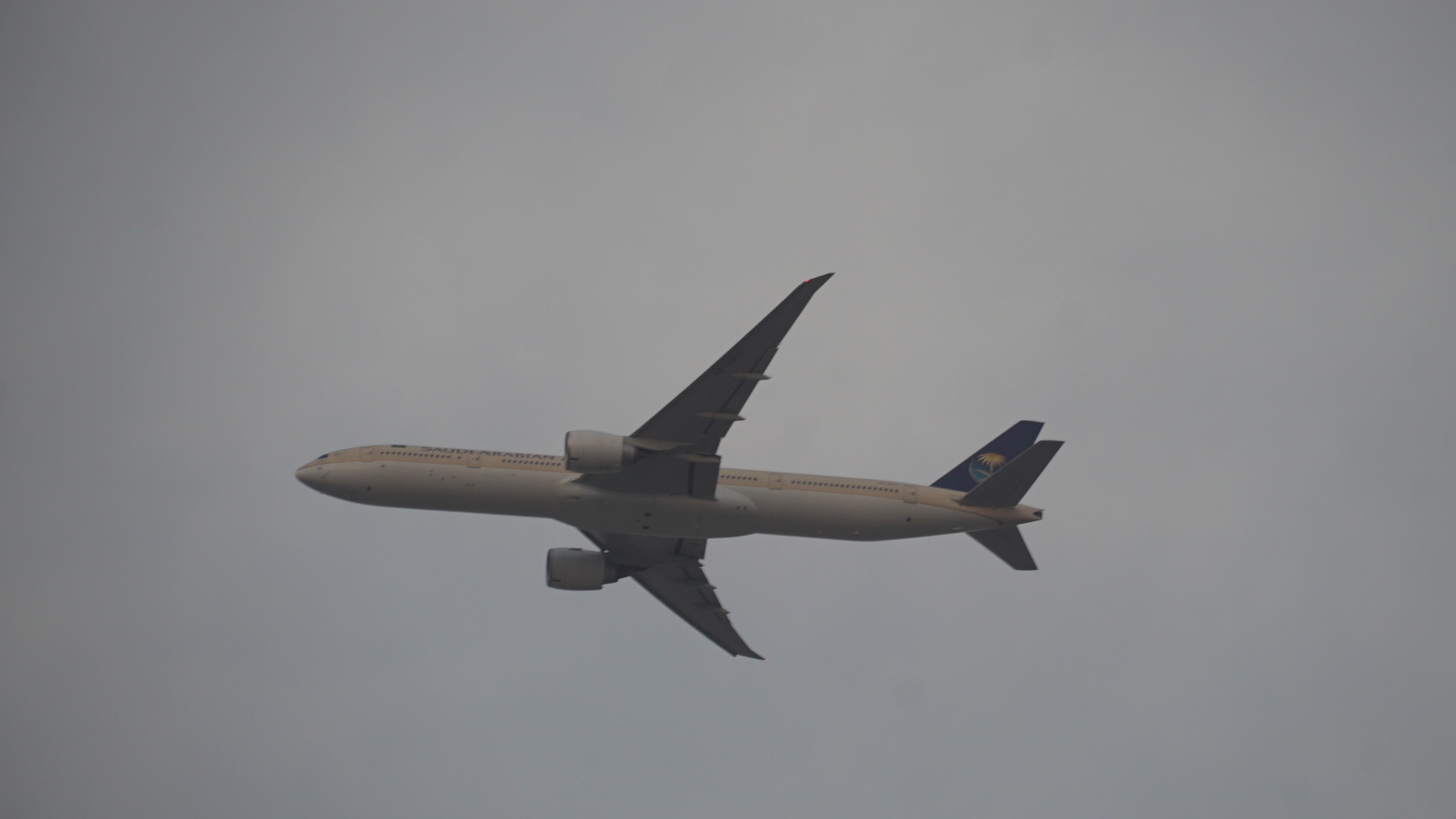
The single direct route between Canada and Saudi Arabia is Saudia’s Toronto Pearson (YYZ) to Jeddah (JED) service, operating on Boeing 777-300ER aircraft. As of early 2026, the route runs four times per week (Monday, Wednesday, Friday and Sunday) with a flight time of approximately 11 hours 55 minutes.
Direct vs One-Stop Options
| Route | Airline | Stops | Approx. Time | Approx. Price (Return) |
|---|---|---|---|---|
| Toronto–Jeddah | Saudia | Direct | 12 h | C$870–1,800 |
| Toronto–Riyadh | Turkish Airlines (via Istanbul) | 1 | 16–18 h | C$900–1,500 |
| Montreal–Jeddah | Air France / KLM (via Paris/Amsterdam) | 1 | 15–17 h | C$950–1,600 |
| Vancouver–Riyadh | Emirates (via Dubai) | 1 | 19–22 h | C$1,100–2,000 |
| Calgary–Jeddah | Qatar Airways (via Doha) | 1 | 18–20 h | C$1,000–1,800 |
Booking tip: Saudia’s direct fare from Toronto can drop below C$900 return during off-peak months (May, September). Use Google Flights or Momondo with flexible dates to find the best price. For Canadians west of Ontario, Gulf carriers via Dubai or Doha often offer smoother one-stop connections than routing through Toronto.
From Other Canadian Cities
There are no direct flights from Montreal, Vancouver, Calgary, Ottawa or Edmonton. Travellers from these cities have two options: connect domestically to Toronto for the Saudia direct, or fly one-stop through a European or Gulf hub. Turkish Airlines from Montreal and Toronto via Istanbul is consistently competitive on price. Emirates from Toronto via Dubai and Qatar Airways via Doha offer premium one-stop connections with modern lounges at the transfer point.
Money and Currency
Saudi Arabia’s currency is the Saudi Riyal (SAR), which is pegged to the US dollar at a fixed rate of 3.75 SAR per USD. For Canadians, this means the exchange rate fluctuates with the CAD/USD rate. As a rough guide, 1 CAD typically equals 2.65–2.80 SAR, depending on current forex conditions. For detailed advice on exchanging money, ATMs and avoiding fees, see our Saudi currency guide.
Practical Money Tips for Canadians
- Credit cards: Visa and Mastercard are widely accepted in cities, malls, hotels and restaurants. Many Canadian cards charge a 2.5% foreign transaction fee — consider a no-FX-fee card (such as the Scotiabank Passport Visa Infinite, HSBC World Elite, or Brim Financial Mastercard) to save money.
- ATMs: Available everywhere. Your Canadian debit card will work at Saudi ATMs (Al Rajhi, SNB, Riyad Bank), but expect a C$5–7 withdrawal fee from your Canadian bank plus a small local fee. Withdraw larger amounts less frequently to minimise charges.
- Cash: Still useful at souks, small restaurants and for tipping. Exchange CAD to SAR at your arrival airport (rates are reasonable at Saudi airports) or withdraw riyals from ATMs. Do not bring large amounts of CAD to exchange locally — Saudi money changers prefer USD, GBP or EUR.
- Tipping: Not mandatory, but 10–15% at restaurants is appreciated if no service charge is included. Tip hotel porters 5–10 SAR and round up taxi fares.
Phone and Connectivity
Staying connected in Saudi Arabia is easy but can be expensive if you rely on Canadian roaming plans. Check our eSIM guide and SIM card comparison for the full picture.
Canadian Carrier Roaming
| Carrier | Plan | Daily Rate | Notes |
|---|---|---|---|
| Rogers | Roam Like Home | C$14/day | Uses your Canadian data/talk/text allowance |
| Bell | Roam Better | C$15/day | Same concept; covers Saudi Arabia |
| Telus | Easy Roam | C$15/day | Covers Saudi Arabia; $15/day for 24-hour blocks |
At C$14–15 per day, roaming for a two-week trip would cost C$196–210 in roaming fees alone. A far cheaper alternative is to buy a local SIM card at the airport from STC, Mobily, or Zain for 50–100 SAR (C$18–37), which includes generous data allowances. If your phone supports eSIM, you can set one up before you leave Canada.
Time Zones and Jet Lag
Saudi Arabia uses Arabia Standard Time (AST, UTC+3) year-round — no daylight saving time. The gap from Canadian time zones is significant:
| Canadian City | Time Zone | Hours Behind Saudi Arabia (Winter) | Hours Behind (Summer/DST) |
|---|---|---|---|
| Toronto / Montreal / Ottawa | Eastern | +8 hours | +7 hours |
| Winnipeg | Central | +9 hours | +8 hours |
| Calgary / Edmonton | Mountain | +10 hours | +9 hours |
| Vancouver | Pacific | +11 hours | +10 hours |
| Halifax / St. John’s | Atlantic / Newfoundland | +7 / +6.5 hours | +6 / +5.5 hours |
Jet lag strategy: Flying eastbound from Toronto, you arrive roughly 12 hours after departure — often in the early morning local time. Try to stay awake until evening Saudi time on your first day. Melatonin at 9 PM local time for the first three nights helps most travellers adjust within 2–3 days.
Weather: What Canadians Should Expect
The temperature contrast between Canada and Saudi Arabia is extreme. Where you might leave Toronto in -15°C January weather, you will step off the plane in Jeddah into 25°C humidity. Understanding Saudi seasons is critical for Canadians accustomed to cold climates. For a full regional breakdown, see our Saudi weather guide.
Seasonal Comparison
| Season | Saudi Temperature | Comparable Canadian Feel | Verdict |
|---|---|---|---|
| Oct–Nov | 25–35°C | Hot Canadian summer | Excellent for travel |
| Dec–Feb | 10–25°C (Riyadh), 22–30°C (Jeddah) | Warm spring day | Best time — escape the Canadian winter |
| Mar–Apr | 25–38°C | Peak summer heat | Good, but warming fast |
| May–Sep | 38–50°C (interior), 35–42°C (coast) | Nothing comparable — beyond Canadian experience | Avoid unless prepared for extreme heat |
The sweet spot for Canadians is December through February. You escape the worst of the Canadian winter, arrive to pleasant 15–25°C weather in Riyadh and AlUla, and avoid the crushing summer heat. This period also overlaps with Christmas break and, for families, aligns well with school holidays.
Health and Safety
Vaccinations
No vaccinations are mandatory for Canadian tourist visa holders. However, the Government of Canada recommends being up to date on routine immunisations and considers the following advisable for Saudi Arabia:
- Hepatitis A — recommended for all travellers
- Hepatitis B — recommended if you may be exposed to blood or bodily fluids
- Typhoid — recommended, especially if eating outside major hotel restaurants
- Meningococcal ACWY — required for Hajj and Umrah pilgrims; optional for tourists
Visit a Canadian travel health clinic at least 6 weeks before departure. COVID-19 entry requirements have been fully lifted — no vaccination proof, testing or quarantine is required.
Travel Insurance
Medical insurance is included in your Saudi e-visa fee, providing basic coverage during your stay. However, the included coverage is minimal. Canadians should purchase comprehensive travel insurance separately — a standard Canadian travel insurance policy (Manulife, Sun Life, Blue Cross, or World Nomads) will cover Saudi Arabia and typically costs C$50–150 for a two-week trip depending on age and coverage level.
Important: Check that your policy covers Saudi Arabia given the current regional security situation. Some Canadian insurers have exclusion clauses for conflict zones. Read the fine print and call your provider to confirm coverage before departure.
Emergency Contacts
- Saudi emergency services: 911 (police), 997 (ambulance), 998 (fire)
- Embassy of Canada in Riyadh: Diplomatic Quarter, Riyadh — +966 11 488 2288
- Consulate of Canada in Jeddah: +966 12 653 0560
- Emergency Watch and Response Centre (Ottawa): +1 613 996 8885 (collect calls accepted)
Cultural Etiquette for Canadians
Canada and Saudi Arabia sit at opposite ends of many cultural spectrums. The good news: Saudi hosts are genuinely warm and forgiving of cultural missteps by well-meaning visitors. A little awareness goes a long way.
Dress Code
- Men: Shorts above the knee are frowned upon in public (acceptable at resorts and beaches). T-shirts and long trousers are fine for everyday sightseeing.
- Women: The abaya is no longer mandatory for foreign women. Dress modestly — shoulders and knees covered. Headscarves are not required for non-Muslim women, except when visiting mosques or entering Mecca and Medina.
- Swimwear: Acceptable at hotel pools and private beaches. Some public beaches have separate sections for families and single men.
Alcohol
Saudi Arabia enforces a complete prohibition on alcohol. You cannot import, purchase, consume or possess alcohol anywhere in the Kingdom. There are no exceptions for tourists, hotels or diplomatic compounds open to visitors. Do not attempt to bring alcohol into the country — customs enforcement is strict, and penalties are severe.
Ramadan
During the holy month of Ramadan (approximately February 18 – March 19 in 2026), eating, drinking and smoking in public during daylight hours is prohibited — this applies to non-Muslims too. Restaurants and cafes close during the day and reopen after sunset for iftar. Tourist sites may have reduced hours. Ramadan is a fascinating cultural experience if you are prepared, but plan accordingly.
Social Norms
- Greetings between men involve a handshake, often extended. Between opposite genders, wait for the Saudi person to extend their hand first — some prefer to place a hand over the heart instead.
- Photographing people (especially women) without permission is a serious offence. For full details, see our photography rules guide.
- Saudi Arabia has relaxed significantly since 2019 — entertainment venues, cinemas, concerts and mixed-gender dining are now normal in major cities.
- Public displays of affection should be kept minimal.
Driving in Saudi Arabia
Canadians can drive in Saudi Arabia on their Canadian driver’s licence for up to 90 days on a tourist visa. An International Driving Permit (IDP) is strongly recommended — obtain one from CAA before departure for approximately C$25. Saudi car rental agencies (including Hertz, Budget, and local firms like Theeb and Lumi) may require the IDP alongside your Canadian licence.
Driving warning: Saudi driving culture is more aggressive than what Canadians are accustomed to. Lane discipline is loose, speeds on highways are high, and indicators are optional for many local drivers. If you plan to drive, stay defensive, avoid driving at night on intercity desert roads, and consider downloading the Waze app, which is widely used in Saudi Arabia for navigation.
What to See: Top Destinations for Canadian Visitors
Saudi Arabia is vast — roughly three times the size of Alberta. A two-week trip can cover two or three regions comfortably. Here are the highlights most relevant to Canadian travellers.
Riyadh
The capital is the gateway for most one-stop connections. Don’t skip it — Riyadh offers the UNESCO-listed Diriyah (birthplace of the Saudi state), the National Museum, Boulevard entertainment district, and Edge of the World escarpment hike. Riyadh’s winter climate (10–22°C in December–January) will feel like a Canadian spring day.
AlUla
AlUla is Saudi Arabia’s crown jewel for cultural tourism. The 2,000-year-old Nabataean tombs at Hegra (Saudi Arabia’s first UNESCO World Heritage Site) rival Petra in Jordan. Elephant Rock, Dadan, and the AlUla Old Town add days of exploration. Fly from Riyadh or Jeddah to AlUla airport (1.5–2 hours).
Jeddah
Jeddah is the Red Sea gateway — the historic Al-Balad quarter is a UNESCO World Heritage Site, the Corniche stretches for 30 km along the coast, and the city’s food scene is Saudi Arabia’s most diverse. The Jeddah F1 street circuit hosts a Grand Prix each year for motorsport fans.
The Red Sea Coast
Saudi Arabia’s Red Sea diving is world-class and virtually uncrowded compared to Egypt’s overrun sites. The coastline south of Jeddah and the Farasan Islands offer pristine coral reefs and marine life. Several luxury resorts are under development along the coast as part of the Red Sea Global project.
Abha and the Asir Highlands
If you want to escape the heat entirely, Abha in the Asir mountains sits at 2,200 metres with temperatures 15–20°C cooler than the lowlands. The green, misty highlands feel nothing like the Saudi Arabia of popular imagination — and hiking opportunities are excellent for outdoors-minded Canadians. See our hiking guide for trail details.
Practical Information
Power and Plugs
Saudi Arabia uses Type G plugs (the same three-pin rectangular plug used in the UK) and Type A/B (the same flat-pin plugs used in Canada and the US). Voltage is 220V at 60Hz. Canadian devices with dual-voltage adapters (most phone chargers, laptops) will work — you may just need a Type G plug adapter for some outlets. Check your device labels before plugging in any 110V-only appliances, as the higher voltage will damage them.
Language
Arabic is the official language. English is widely spoken in hotels, malls, airports and tourist sites, particularly in Riyadh and Jeddah. You will encounter fewer English speakers in smaller towns and rural areas. Learning a few Arabic phrases (shukran — thank you; salaam alaikum — peace be upon you; kam? — how much?) goes far.
Customs and What to Pack
For a full list of prohibited items, see our customs rules guide. Key points for Canadians:
- Alcohol: Absolutely prohibited — do not pack any
- Pork products: Prohibited
- Medications: Bring a doctor’s letter for prescription medications, especially controlled substances. Some Canadian over-the-counter drugs (such as those containing codeine) are controlled in Saudi Arabia
- Drones: Require prior approval from Saudi authorities
- Sunscreen and sun protection: Essential — Canadian skin accustomed to northern latitudes will burn quickly under the Saudi sun. Bring SPF 50+ and reapply frequently
Canadian Embassy Registration
Register your trip with the Government of Canada’s Registration of Canadians Abroad service at travel.gc.ca before departure. This allows consular officials to contact you in an emergency and is especially important given the current regional security environment.
Budget Planning for Canadian Travellers
| Category | Budget (C$/day) | Mid-Range (C$/day) | Luxury (C$/day) |
|---|---|---|---|
| Accommodation | C$25–50 (hostel/budget hotel) | C$80–180 (4-star hotel) | C$300+ (5-star/resort) |
| Food | C$15–25 (local restaurants) | C$35–60 (mixed dining) | C$80+ (fine dining) |
| Transport | C$5–15 (metro/bus/shared rides) | C$20–40 (Uber/taxi) | C$50+ (car rental/driver) |
| Activities | C$5–15 (museums, free sites) | C$30–60 (guided tours) | C$100+ (desert safaris, premium experiences) |
| Daily Total | C$50–105 | C$165–340 | C$530+ |
Saudi Arabia is more affordable than most Canadians expect. Local food is excellent and cheap — a full shawarma meal runs C$5–8. Accommodation outside of Riyadh’s luxury bracket is competitive with mid-range Canadian hotel prices. For more budget strategies, see our budget travel guide.
Sample Two-Week Itinerary for Canadians
This itinerary is designed around the Saudia Toronto–Jeddah direct route, making Jeddah the natural start and end point.
- Days 1–3: Jeddah — Recover from jet lag, explore Al-Balad (UNESCO), walk the Corniche, eat fresh Red Sea seafood
- Days 4–6: AlUla — Fly from Jeddah (1.5 hours). Hegra tombs, Elephant Rock, Dadan ruins, stargazing in the desert
- Days 7–9: Riyadh — Fly from AlUla. Diriyah, National Museum, Edge of the World day trip, Boulevard dining
- Days 10–11: Abha (optional) — Fly from Riyadh. Asir highlands, Al Soudah peak, Rijal Almaa heritage village
- Days 12–14: Return to Jeddah — Fly from Abha or Riyadh. Red Sea beach day, final shopping at souks, departure
Internal flights: Saudia, flynas and flyadeal operate frequent domestic routes. Book in advance for the best fares — Riyadh to AlUla can be as low as C$60–100 one way if booked early.
Current Travel Advisory
As of April 2026, the Government of Canada advises avoiding non-essential travel to Saudi Arabia due to regional tensions, the risk of falling military debris from intercepted projectiles, and airspace disruptions. If you are already in Saudi Arabia, the advisory recommends being prepared to shelter in place if instructed by local authorities and considering departure while commercial flight options remain available.
Before booking any trip, check the latest advisory at travel.gc.ca/destinations/saudi-arabia and register with the Registration of Canadians Abroad service. Your travel insurance may not provide coverage if you travel against a government advisory — confirm with your insurer before departure.
Explore More Saudi Arabia Travel Guides
- Saudi Arabia Travel Guide 2026 — The complete guide to visiting the Kingdom
- Saudi Arabia for Americans — Entry requirements and tips for US passport holders
- Saudi Arabia for British Travellers — Visa, currency and tips for UK visitors
- Saudi Arabia for Australians — Visa, flights and what to expect from Down Under
- First Time in Saudi Arabia — Everything you need to know for your first visit
- Saudi Arabia Visa Guide — Every visa type explained
- Saudi Entry Requirements — Documents, health and customs
- Budget Travel in Saudi Arabia — How to visit on under $50 a day